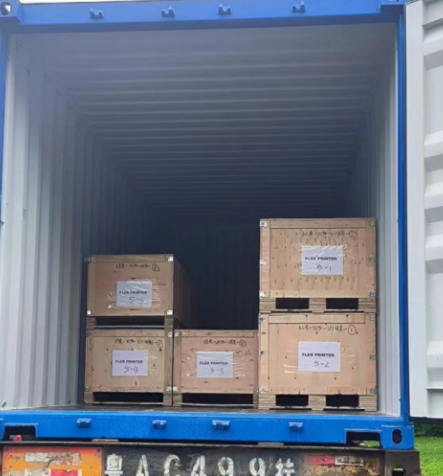
Are you looking to ship valuable artworks from China to Canada but worried about their safety and customs regulations? Navigating the logistics of international art shipping requires careful planning and expert knowledge. In this comprehensive guide, we’ll walk you through essential considerations, from shipping methods and specialized art packing to customs procedures and choosing the right freight forwarder. Discover everything you need to ensure your art arrives safely and compliantly in Canada.

Key Considerations for Shipping Artworks Internationally
Shipping artworks from China to Canada requires a specialized approach to ensure the safety, integrity, and legality of every piece. As someone with over 15 years in global logistics, I recognize that fine art logistics is distinct from standard freight forwarding. Below are the fundamental points that must be addressed for a successful shipment:
Nature of the Artwork:
Different types of art—such as paintings, sculptures, installations, or mixed media—demand unique handling and packing protocols. Fragility, medium, and value all influence transport decisions.Climate and Environmental Sensitivity:
Artworks are highly susceptible to temperature, humidity, and light exposure. Transport solutions should include climate-controlled environments, especially during storage, transit, and customs clearance.Security and Handling:
High-value artworks require enhanced security throughout the supply chain. This means choosing partners with a track record in fine art handling and employing GPS tracking, vetted personnel, and secure storage.Packing and Crating Standards:
Using museum-grade materials and custom crating protects against shocks, vibrations, and environmental fluctuations. Professional packing is non-negotiable for international shipments.Compliance with Export and Import Regulations:
Both China and Canada have strict regulations regarding the export and import of artworks, particularly those of cultural or historical significance. Ensuring compliance minimizes the risk of customs delays or legal issues.Insurance Coverage:
Comprehensive insurance tailored to fine art, covering loss, theft, damage, and even restoration costs, is essential for peace of mind throughout the journey.Documentation and Provenance:
Accurate documentation—including invoices, certificates of authenticity, export permits, and import licenses—streamlines customs clearance and affirms the artwork’s legitimacy.Timing and Routing:
Selecting optimal shipping windows, routes, and transit methods reduces risk and ensures the artwork arrives safely and on schedule. Seasonal factors, holidays, and port congestion can all impact timing.Reputation of Logistics Providers:
Partnering with an experienced, trustworthy freight forwarder such as Dantful International Logistics guarantees compliance, safety, and smooth end-to-end service for shipping artworks internationally.
Shipping Methods for Artworks: Sea Freight vs. Air Freight
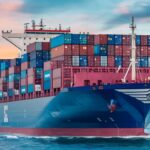
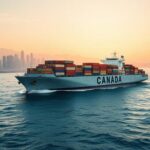
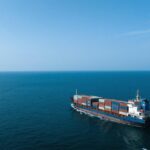
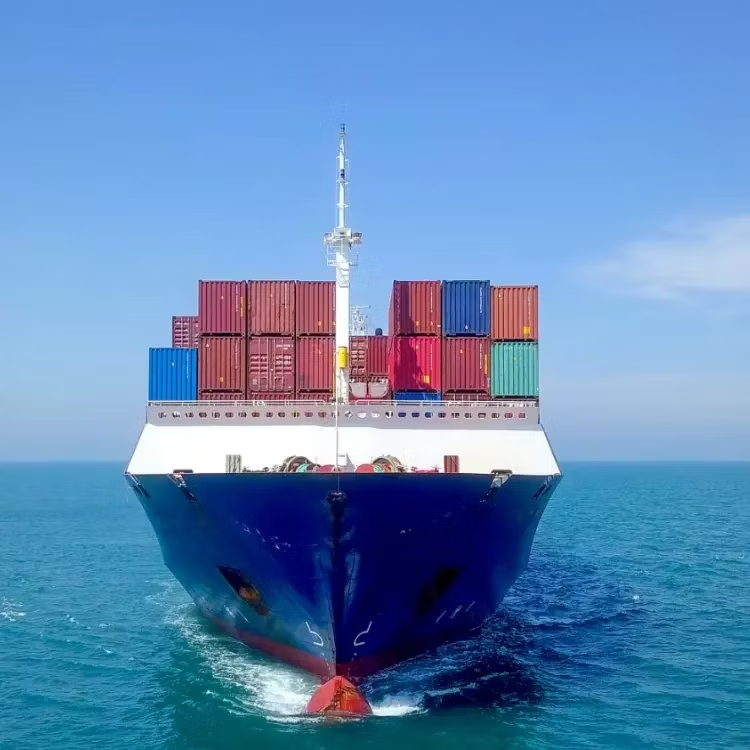
Choosing the right shipping method is critical for balancing speed, cost, and safety. Both Sea Freight and Air Freight are viable options for shipping artworks from China to Canada, but each has distinct characteristics. Below is an expert comparison to help guide your choice:
| Criteria | Sea Freight | Air Freight |
|---|---|---|
| Speed | 20–35 days (port to port, depending on route and transshipment) | 3–7 days (airport to airport, direct flights available) |
| Cost | Generally more cost-effective for large or heavy pieces | More expensive, but cost-effective for urgent or small items |
| Artwork Size/Weight | Suitable for oversized or heavy artworks, installations, and crates | Best for lighter, high-value, time-sensitive pieces |
| Handling | Potential for more handling and longer exposure to environmental change; professional packing required | Less handling, shorter travel time, minimal risk of exposure |
| Environmental Control | Climate-controlled sea containers available at extra cost | Most air carriers offer climate-controlled options |
| Security | Secure containers and bonded warehouses can be arranged | High-security in cargo holds, immediate transfer upon arrival |
| Insurance | Strongly recommended due to longer transit and risks | Also essential, but generally lower risk of damage |
| Port/Airport Options | Major Chinese ports (e.g., Shanghai, Shenzhen, Ningbo) to Canadian ports (e.g., Vancouver, Montreal) | Major airports in both countries; quicker customs clearance |
For a deeper look at route options and transit times, you may find this detailed guide on shipping routes from China to Canada valuable.
When to Choose Sea Freight
- Large-scale exhibits, sculptures, and installations that are not time-sensitive
- Budget-conscious shipments where cost savings outweigh longer transit times
- When shipping multiple pieces together (consolidated freight)
When to Choose Air Freight
- Urgent deliveries for exhibitions, auctions, or gallery openings
- Delicate, high-value, or climate-sensitive artworks
- Smaller shipments that need rapid, secure transit
Expert Recommendation
For most artworks shipped from China to Canada, the decision between sea and air freight depends on the artwork’s value, dimensions, urgency, and budget. In my professional experience, air freight is ideal for high-value or time-critical pieces, while sea freight offers the best value for large-volume shipments or complete exhibitions.
Dantful International Logistics offers a full suite of tailored solutions, including Sea Freight, Air Freight, and specialized fine art handling services. Our team ensures each shipment receives the highest level of care, from custom packing to climate-controlled transport and white-glove delivery. By leveraging our deep expertise and extensive carrier network, we deliver peace of mind for every client shipping artwork internationally.
Specialized Packing and Crating for Art Protection
Safe and secure transportation of artworks from China to Canada requires meticulous attention to packing and crating. Art pieces—whether paintings, sculptures, antiques, or installations—are highly sensitive to environmental changes, physical shocks, and moisture. Without specialized packaging, even minor mishandling can lead to irreversible damage.
Key Packing Methods and Materials
1. Custom Crating:
Each work of art should be assessed individually to determine the optimal crate size and interior support. Custom-built wooden crates provide superior protection against vibration, impact, and compression during long-distance transit. For high-value or delicate pieces, double crating and foam-in-place techniques are recommended.
2. Climate Control Packaging:
Fluctuations in temperature and humidity can damage sensitive materials. Use vapor barrier bags (e.g., Tyvek), silica gel desiccants, and thermostatic controls within crates to regulate the micro-environment. This is especially crucial during air freight or when artworks are shipped in non-climate-controlled containers.
3. Shock and Vibration Protection:
Artworks are vulnerable to movement, especially during loading and unloading at Chinese ports or Canadian airports. Employ foam padding, bubble wrap, and shock-absorbing mounts within the crate. For sculptures, custom supports and braces prevent shifting.
4. Surface Protection:
Direct contact with wrapping materials can cause abrasions or chemical reactions. Acid-free tissue, glassine paper, and non-abrasive foam sheets are standard for paintings and prints. For framed works, corners and edges require reinforced pads.
5. Security Seals and Tamper-Evident Straps:
All crates should be sealed with tamper-evident mechanisms and labeled with handling instructions (e.g., “Fragile,” “Keep Upright,” “This Side Up”).
Professional Packing Services
Entrusting your art shipment to an experienced freight forwarder—such as Dantful International Logistics—ensures access to specialized art packing teams. We collaborate with certified art handlers and packers in China who are trained in international museum standards. Our teams manage:
- Condition reporting and photographic documentation before packing.
- On-site packing at galleries, auction houses, or private collections.
- Coordination of climate-controlled trucks and containers.
- Insurance recommendations based on value and risk assessment.
Dantful International Logistics provides end-to-end packing, crating, and logistics services, ensuring your artwork arrives in Canada in pristine condition. Our coverage includes not just physical protection, but comprehensive insurance, real-time tracking, and tailored customs documentation.
For those interested in broader logistics solutions and shipping modes, our resource on Shipping From China TO Canada can offer further insights.
Major Chinese Ports for Art Exports
Selecting the appropriate Chinese port for shipping artworks to Canada is a critical decision influencing transit time, costs, and handling efficiency. China boasts several world-class seaports, each with unique advantages for art logistics.
| Port | Location | Advantages for Art Exports | Primary Destinations in Canada | Special Facilities |
|---|---|---|---|---|
| Shanghai Port | East China (Yangtze Delta) | Largest port, advanced infrastructure, excellent connectivity, art logistics agents | Vancouver, Toronto, Montreal | Bonded art warehouses, climate-controlled storage |
| Shenzhen Port | South China (Guangdong) | Fast customs clearance, proximity to Hong Kong art market | Vancouver, Toronto | Specialized handling for high-value cargo |
| Ningbo-Zhoushan Port | East China (Zhejiang) | High efficiency, lower congestion, widespread FCL/LCL services | Vancouver, Montreal | 24/7 security, art crate handling equipment |
| Qingdao Port | North China (Shandong) | Strong connections to Northern China’s art hubs, stable schedules | Vancouver, Toronto | On-site customs inspection for precious objects |
| Xiamen Port | Southeast China (Fujian) | Niche for boutique shipments, flexible for smaller lots | Vancouver | Custom crating workshops, fine art handlers |
How to Choose the Right Chinese Port
- Proximity to the Pickup Location: Reduces inland transport time and risk to artworks.
- Art Export Experience: Ports with a track record in handling fine art shipments offer greater reliability and compliance with international standards.
- Specialized Facilities: Look for ports providing bonded art warehouses, climate-controlled storage, and 24/7 security.
- Customs Efficiency: Smooth customs clearance procedures minimize delays and risk of exposure to improper handling.
Dantful International Logistics leverages a national network of art handlers and port agents. We advise on the optimal port selection based on your artwork’s origin, size, value, and urgency. Our expertise ensures streamlined processes, from collection at the artist’s studio or gallery to secure handover at the chosen Canadian port or airport.
By combining professional art packing and strategic port selection, you maximize both the safety and efficiency of your art shipment from China to Canada.
Key Canadian Ports and Airports for Art Imports
When shipping artworks from China to Canada, selecting the appropriate Canadian ports and airports is crucial for ensuring the safe, timely, and secure arrival of valuable pieces. The choice of entry point can impact not only transit time and cost but also customs procedures and local handling expertise. Below are the most relevant ports and airports for art imports, along with their key features:
Major Canadian Ports for Art Imports
| Port Name | Location | Key Features | Recommended For |
|---|---|---|---|
| Port of Vancouver | British Columbia | Canada’s largest port. Advanced security, specialized art handling options, proximity to art markets in western Canada. | Large shipments, containerized art, West Coast distribution |
| Port of Montreal | Quebec | Major gateway to Eastern Canada. Well-suited for LCL (Less than Container Load) shipments; efficient rail/road links to Ontario and Quebec. | East Coast and central Canadian markets, LCL shipments |
| Port of Halifax | Nova Scotia | Deep-water port. Easier for direct European transshipments; less congested. | Eastern Canada, trans-Atlantic routes |
Major Canadian Airports for Art Imports
| Airport Name | Location | Key Features | Recommended For |
|---|---|---|---|
| Toronto Pearson International Airport (YYZ) | Ontario | Largest air cargo hub in Canada. Experienced in high-value and sensitive cargo, including fine art; extended customs clearance hours. | High-value, urgent shipments, central Canadian delivery |
| Vancouver International Airport (YVR) | British Columbia | Leading gateway for Asia-Pacific imports; modern cargo facilities; expertise in handling perishable and delicate items. | West Coast arrivals, direct China-Canada flights |
| Montréal–Trudeau International Airport (YUL) | Quebec | Strong links to Europe and Asia; customs brokers specialized in art imports available. | East Canada, Francophone market focus |
Choosing the right port or airport is vital: for oversized installations or high-value collections, opt for facilities with specialized art storage and handling. For time-sensitive deliveries, air freight to Toronto or Vancouver is generally preferred. For containerized shipments or consolidated cargo, sea freight via Vancouver or Montreal offers cost efficiency.
If you are looking for more details on port infrastructure or want to compare with major U.S. ports, check out our comprehensive resource on the biggest ports in the US.
Calculating Shipping Costs for Artworks
Accurately estimating the shipping costs for artworks from China to Canada requires consideration of multiple variables. Unlike standard cargo, fine art demands extra care in packing, transit, and insurance, all of which influence total cost. Here’s a comprehensive breakdown:
Main Cost Components
Shipping Method
- Sea Freight: Lower cost, longer transit time. Suitable for larger, less time-sensitive shipments.
- Air Freight: Higher cost, faster delivery. Ideal for urgent, high-value, or delicate pieces.
Dimensions & Weight
- Charges are typically based on volumetric weight (for air) or cargo volume (CBM, for sea).
- Special packing and crating for art increases both weight and dimensions, affecting rates.
Origin & Destination
- Distance from the Chinese pickup location to the port of export (e.g., Shanghai, Shenzhen)
- Final delivery point in Canada; charges vary for remote or metropolitan areas.
Customs Duties & Taxes
- Canadian customs valuation may require professional appraisal; import duties on artworks can vary.
- Brokerage and clearance fees are additional.
Insurance
- Strongly recommended for fine art shipments, calculated based on declared value.
Additional Services
- White-glove handling, climate control, storage, and last-mile delivery as required.
Sample Shipping Cost Comparison Table (2025 Estimate)
| Route | Shipping Method | Transit Time | Reference Cost (USD) | Notes |
|---|---|---|---|---|
| Shanghai → Vancouver | Sea Freight (LCL) | 20-28 days | $500–$1,200 / CBM | For standard packed art, excluding insurance/customs |
| Shenzhen → Montreal | Sea Freight (FCL) | 28-35 days | $6,000–$8,500 / 20’ FCL | Containerized, suitable for large collections |
| Beijing → Toronto (YYZ) | Air Freight | 3-7 days | $8.00–$15.00 / kg | For packed framed paintings, minimum charge applies |
| Shanghai → Vancouver (YVR) | Air Freight | 3-5 days | $9.00–$16.00 / kg | Fastest delivery, ideal for high-value art |
Rates above are indicative as of early 2024 and will vary based on market conditions, fuel surcharges, and seasonal demand. Always request a custom quote.
Additional Cost Factors
- Crating and Packing: Custom crates for art typically cost $150–$600 per piece, depending on size and materials.
- Import Duties: Original artwork may be eligible for duty-free entry under Canadian tariff code 9701; prints, antiques, or decorative items may incur duties.
- Insurance Premiums: Usually 0.3%–1% of declared value, depending on risk profile and coverage.
Expert Tips for Managing Shipping Costs
- Consolidate shipments when possible to save on per-piece charges.
- Use professional freight forwarders like Dantful International Logistics for tailored solutions, transparent pricing, and streamlined customs clearance.
- Choose optimal shipping windows to avoid peak surcharges and ensure availability.
- Always opt for full-value insurance and specialty art handling to protect your investment.
For more in-depth information on container rates and logistics planning, see our dedicated page on container shipping costs from China to Canada.
By fully understanding each cost component and working with a trusted logistics partner, you can efficiently manage your budget while ensuring your valuable artworks are shipped securely and compliantly from China to Canada.
Canadian Customs Regulations and Import Duties for Art
When shipping artworks from China to Canada, it is essential to understand the regulations and import duties imposed by Canadian customs authorities. The process is governed by the Canada Border Services Agency (CBSA), which oversees all imports, including fine art, antiques, and collectibles.
1. Classification of Artworks
Artworks are typically classified under Chapter 97 of the Canadian Customs Tariff. This category includes original paintings, drawings, sculptures, engravings, and similar works of art. It is crucial to correctly identify and declare the artwork’s HS code, as misclassification can lead to delays, penalties, or increased duties.
2. Import Duties and Taxes
Most original artworks imported into Canada are duty-free according to the current customs tariff. However, Goods and Services Tax (GST) is generally applicable at a standard rate of 5% on the declared value. In some cases, provincial sales taxes (PST/QST/HST) may also apply, depending on the destination within Canada.
| Art Type | Duty Rate | GST (%) | PST/HST (Depending on Province) |
|---|---|---|---|
| Original paintings | 0% | 5% | 0-15% |
| Prints & engravings | 0% | 5% | 0-15% |
| Sculptures | 0% | 5% | 0-15% |
| Antiques (over 100y) | 0%* | 5% | 0-15% |
*Antiques must meet strict criteria and proper documentation is required for the duty-free benefit.
3. Restrictions and Prohibitions
While most artworks are permitted, certain pieces may be subject to restrictions, such as those made from endangered species (e.g., ivory) or containing hazardous materials. It is advisable to consult the Convention on International Trade in Endangered Species (CITES) and Canadian environmental regulations before shipping.
4. Temporary Import for Exhibitions
If the artwork is being shipped for exhibition or temporary display, importers can apply for an ATA Carnet or use a temporary admission procedure, which suspends duties and taxes provided the artwork is re-exported within a specified timeframe.
5. Documentation and Compliance
Accurate and complete documentation is vital. Failure to declare items properly or supply necessary paperwork can result in seizure, fines, or shipment delays.
Understanding and complying with Canadian customs regulations and import duties for art is crucial for seamless clearance and cost management. Collaborating with an experienced freight forwarder such as Dantful International Logistics ensures compliance with all requirements, helping you avoid unnecessary costs or legal issues during the import process.
Essential Documentation for Art Shipments
Shipping valuable artworks from China to Canada requires meticulous documentation. Proper paperwork ensures smooth customs clearance, legal compliance, and adequate insurance coverage.
1. Commercial Invoice
The commercial invoice should provide a detailed description of each artwork, including title, medium, dimensions, year created, and declared value. The invoice must reflect the actual transaction value and be consistent with the declared HS code.
2. Packing List
A packing list details the contents of each shipment, specifying the number of crates, packages, or boxes, their dimensions, and weights. For delicate and high-value artworks, the packing list may also describe specific packing methods or materials (e.g., custom crates, climate control).
3. Certificate of Authenticity and Provenance
For original works, a certificate of authenticity or documentation establishing provenance may be required to verify the artwork’s origin and value, especially for insurance and customs valuation purposes.
4. Import/Export Permits
Depending on the nature of the artwork, export licenses from China or import permits for Canada may be mandatory, particularly for cultural relics, antiques, or items subject to CITES regulations.
5. Bill of Lading or Air Waybill
The bill of lading (B/L) for sea freight or air waybill (AWB) for air freight serves as the contract of carriage, title document, and evidence of shipment. It must accurately identify the sender, consignee, and a detailed description of the cargo.
6. Insurance Certificate
Given the value and sensitivity of artworks, securing a comprehensive insurance certificate is highly recommended. This document should clearly state the insured value, scope of coverage, and the name of the beneficiary.
7. Customs Declaration (B3 Form in Canada)
Upon arrival in Canada, the importer must submit a customs declaration (B3 form) to the CBSA, providing all required shipment and valuation details.
8. Other Supporting Documents
- ATA Carnet: For temporary imports (e.g., exhibitions)
- Appraisal reports: For customs valuation, if requested
- Photographs: Sometimes required to support condition reports
Document Checklist for Shipping Artworks from China to Canada:
| Document Type | Mandatory | Purpose |
|---|---|---|
| Commercial Invoice | Yes | Customs clearance, valuation |
| Packing List | Yes | Shipment identification |
| Certificate of Authenticity | Recommended | Verification, insurance, valuation |
| Export/Import Permits | Conditional | Regulatory compliance |
| Bill of Lading/Air Waybill | Yes | Proof of shipment and carriage |
| Insurance Certificate | Recommended | Risk mitigation |
| Customs Declaration (B3 Form) | Yes | Canadian customs clearance |
| ATA Carnet | Conditional | Temporary admission |
Best Practices:
Engaging with a reputable and knowledgeable freight forwarder like Dantful International Logistics ensures that all documentation for your art shipment is in order, reducing the risk of customs complications and expediting the clearance process. Our team provides end-to-end support, from document preparation to safe delivery, safeguarding both your artwork and your peace of mind.
Customs Valuation and Appraisal for Artworks
When shipping artworks from China to Canada, accurate customs valuation and appraisal are crucial for both compliance and cost management. Customs authorities in Canada require an objective assessment of the artwork’s value to determine the correct import duties and taxes. This process must adhere to international standards and Canadian regulations to ensure smooth customs clearance and prevent delays or unexpected expenses.
Key Steps in Customs Valuation
Determining the Value
- The most common method is the transaction value, which is the price actually paid or payable for the artwork when sold for export to Canada.
- If there is no sale (for example, in the case of exhibition or consignment), alternative methods such as appraised value or fair market value are used.
Required Documentation
- Commercial Invoice: Must clearly describe the artwork, indicate the artist, and state the transaction value or appraised value in detail.
- Appraisal Certificate: Often required when transaction value is unavailable. It should be issued by a reputable art appraiser or recognized institution.
- Provenance Documentation: Supporting documents that provide the history and authenticity of the artwork can facilitate valuation.
Duties and Taxes
- Many original artworks are eligible for duty-free import into Canada, but this depends on proper classification under the HS Code (9701, 9702, etc.).
- GST (Goods and Services Tax) at 5% applies to most imports, calculated on the value for duty plus shipping and insurance.
- Incorrect valuation may lead to fines, delays, or even seizure of the artwork by Canadian customs.
Best Practices for Art Valuation
| Item | Best Practice | Potential Risks if Neglected |
|---|---|---|
| Invoice Accuracy | Ensure the commercial invoice reflects the true sale or appraised value, with full details of the artwork | Customs disputes, shipment delays |
| Appraisals | Use certified appraisers familiar with international transactions | Undervaluation/Overvaluation penalties |
| Documentation | Keep provenance and previous sales records ready | Doubt over authenticity or value |
| HS Code Selection | Classify artworks accurately for proper duty exemption | Overpayment of duties, compliance issues |
Insights from Industry Experience
Based on my extensive experience overseeing international art shipments, involving a professional freight forwarder like Dantful International Logistics is highly recommended. Our team coordinates with certified art appraisers and customs brokers in both China and Canada to ensure all valuation and documentation requirements are met, minimizing the risk of costly errors or delays.
Choosing the Right Freight Forwarder for Fine Art Logistics
Selecting a reliable freight forwarder is critical when shipping valuable and delicate artworks internationally. The right partner must possess specialized expertise in art logistics, a strong global network, and a commitment to risk management.
What to Look For in a Fine Art Freight Forwarder
Art Handling Expertise
- Experience in packing, crating, and handling fine art, including sculptures, paintings, and fragile installations.
- Availability of climate-controlled storage and transportation to protect sensitive items.
Comprehensive Service Portfolio
- Ability to offer Sea Freight, Air Freight, and Door-to-Door delivery to suit the specific requirements of each artwork.
- Additional services such as insurance, customs clearance, and warehousing.
Global Network and Local Support
- Strong agent partnerships in major Chinese ports (e.g., Shanghai, Shenzhen, Guangzhou) and Canadian entry points (e.g., Vancouver, Toronto, Montreal).
- Local knowledge ensures compliance with both origin and destination requirements.
Reputation and Credentials
- Look for members of recognized industry associations (such as IATA, FIATA).
- Positive client reviews and proven case studies in fine art logistics.
Transparent Pricing and Communication
- Clear cost breakdowns and proactive updates throughout the shipping process.
- Dedicated account managers for personalized service.
If you also want to understand freight forwarder selection for other global routes, our article on how to choose the right freight forwarder can offer practical advice.
Insurance for Art Shipments
When shipping valuable artworks internationally—from China to Canada, for example—comprehensive insurance is not just recommended, it is essential. The art shipping process exposes pieces to numerous risks, including physical damage, theft, loss, water exposure, and environmental fluctuations. Protecting your investment with the right type of insurance ensures financial security and peace of mind throughout the entire journey.
Types of Insurance for Art Shipments
- All-Risk Insurance: This is the most comprehensive option, covering damages or loss from almost all external causes, except for specific exclusions such as war or inherent vice.
- Named Perils Insurance: Covers only those risks specifically named in the policy (e.g., fire, theft, collision).
- Total Loss Only Insurance: Cheaper, but only compensates in the event of complete loss (not partial damage).
It is crucial to insure artworks for their full appraised value, taking into account the latest market valuations, and to ensure that the policy covers the entire transit period—including door-to-door logistics, storage in warehouses, and interim stops at ports or airports.
Comparing Insurance Options
| Insurance Type | Coverage Scope | Typical Use Case | Cost (% of Artwork Value) |
|---|---|---|---|
| All-Risk | Broad, all except listed exclusions | High-value, unique pieces | 0.4% – 1.5% |
| Named Perils | Only specific risks | Lower-risk, short routes | 0.2% – 0.7% |
| Total Loss Only | Only for complete loss | Bulk shipments, lower value | 0.1% – 0.3% |
Note: Rates can vary by insurer and shipment specifics. Consult with your logistics provider for tailored quotes.
Key Considerations
- Always work with a freight forwarder experienced in art logistics to ensure proper documentation for insurance claims, such as condition reports, appraisals, and packing certificates.
- Verify whether your existing business insurance covers international shipments; often, specialized cargo insurance is still necessary.
- Confirm that your policy covers all legs of the journey, including any temporary storage or handling at Chinese ports (e.g., Shanghai, Shenzhen) and Canadian ports/airports (e.g., Vancouver, Toronto).
Partnering with Dantful International Logistics for Seamless Art Imports
Selecting the right freight forwarder is crucial for the successful, secure, and cost-effective transportation of artworks from China to Canada. As an industry leader, Dantful International Logistics offers a highly professional, cost-effective, and high-quality one-stop solution tailored for global traders, galleries, collectors, and museums.
Why Choose Dantful International Logistics?
- Expertise in Art Logistics: Our team understands the unique requirements of shipping fine art, including climate control, secure packing, custom crating, and meticulous handling.
- Comprehensive Services: We provide end-to-end solutions, including Sea Freight, Air Freight, Warehouse, Customs Clearance, Insurance, Door to Door, OOG Freight, Consolidated Freight, Breakbulk Freight, Amazon FBA, and more.
- Global Network: We leverage strong relationships with major Chinese ports (Shanghai, Ningbo, Shenzhen, Qingdao) and top Canadian hubs (Vancouver, Toronto, Montreal), ensuring efficient routing and minimized transit times.
- Customs Compliance: Our specialists manage all import/export paperwork and guide you through Canadian customs regulations and valuation, reducing the risk of delays or unexpected duties.
- Insurance Solutions: We offer tailored insurance packages for art shipments, ensuring comprehensive coverage and streamlined claims support.
- Real-Time Tracking: Our digital systems provide end-to-end visibility, allowing you to monitor your artwork’s status at every stage.
Our Process for Shipping Artworks
- Consultation & Planning: Assess your artwork’s specifications, value, and shipment requirements.
- Specialized Packing & Crating: Arrange museum-grade packing for maximum protection.
- Customs Documentation & Insurance: Prepare all export/import forms, handle artwork appraisal and secure optimal insurance.
- Transportation: Select the optimal mode—air, sea, or combined—based on your timeframe and budget.
- Delivery & Unpacking: Coordinate final-mile delivery to galleries, museums, or private addresses, with professional unpacking as needed.
Dantful’s Added Value
- Transparent Pricing: Detailed, itemized quotes with no hidden fees.
- Dedicated Support: Direct access to logistics experts who understand the fine art sector.
- Sustainability Focus: Options for eco-friendly packaging and carbon-neutral shipping.
By partnering with Dantful International Logistics, you benefit from our proven track record, advanced logistics technology, and a deep commitment to the safe, efficient, and compliant shipment of high-value artworks between China and Canada.

Young Chiu is a seasoned logistics expert with over 15 years of experience in international freight forwarding and supply chain management. As CEO of Dantful International Logistics, Young is dedicated to providing valuable insights and practical advice to businesses navigating the complexities of global shipping.