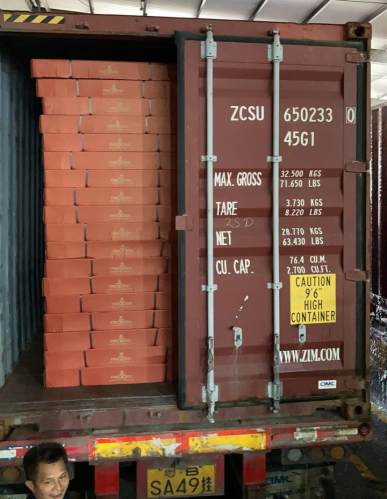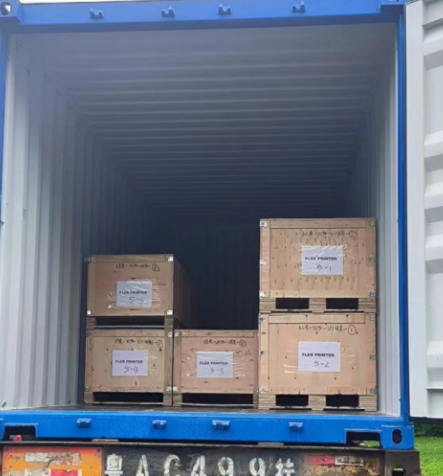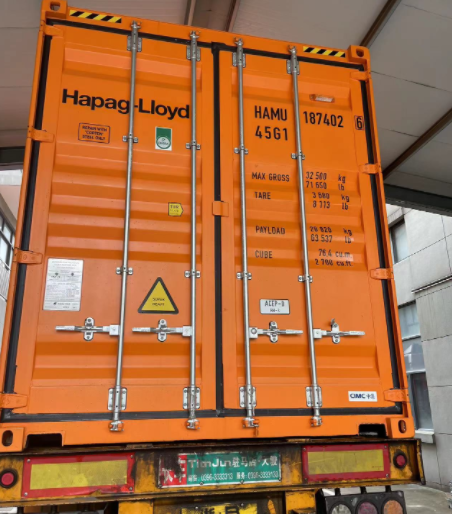
Are you looking to streamline your business by importing goods from China to France but unsure about the complex procedures involved? Navigating import regulations, choosing the right shipping methods, and managing customs clearance can be overwhelming. In this comprehensive guide, we’ll walk you step-by-step through everything you need to know to master the import process—from required documentation to optimizing your delivery logistics. Get ready to simplify your next China-to-France import journey!
Understanding Import Regulations from China to France
When importing goods from China to France, understanding the local and European Union (EU) import regulations is crucial for a smooth customs clearance process. Both French and EU authorities have strict standards regarding documentation, product safety, and customs duties. Following these guidelines helps prevent unnecessary delays, fines, and additional costs.
Key Documentation Needed for Importing to France
Proper documentation ensures your goods move seamlessly through customs. Here are the essential documents required:
| Document Name | Purpose | Notes |
|---|---|---|
| Commercial Invoice | Main document that declares the value and nature of the goods | Must include seller and buyer details, HS code, price, currency, and payment terms |
| Packing List | Details the contents, weight, and packaging of each package | Used for cargo inspection and tallying at customs |
| Bill of Lading (B/L) | Acts as a receipt and a contract between shipper and carrier | For sea freight; for air freight, an Air Waybill (AWB) is used |
| Certificate of Origin | Confirms the country where the goods are manufactured | May be required for certain products to determine duty rates |
| Import License (if applicable) | Required for restricted or regulated products | Check with French customs for specific product requirements |
| CE Certificate (if applicable) | Demonstrates compliance with EU product standards | Mandatory for electronics, toys, and other regulated goods |
It is recommended to work closely with a professional freight forwarder like Dantful International Logistics to ensure all documentation is accurate and complete.
Complying with French and EU Customs Rules
Both France and the wider EU enforce strict customs rules to control the entry of goods and ensure consumer safety. Key compliance areas include:
- HS Code Classification: Every imported product must be classified according to the Harmonized System (HS) for tariff and statistical purposes. Incorrect classification may result in incorrect duty calculations or even legal issues.
- Product Compliance: Many products require proof of compliance with EU standards (such as CE marking for electronics, toys, and machinery). Be sure to verify the requirements for your specific goods on the EU Product Safety Portal.
- Restricted and Prohibited Goods: Some items are restricted or prohibited in France and the EU, including certain chemicals, endangered species, counterfeit goods, and specific foodstuffs. Always check the latest information with French customs (Douane.gouv.fr).
- Customs Declarations: All imports must be declared using the DEB (Déclaration d’Echanges de Biens) or the SAD (Single Administrative Document) for non-EU goods. This is usually managed by your customs broker or freight forwarding partner.
Regular updates to regulations can occur, so always stay informed to avoid penalties and ensure compliance.
Related reading: For neighboring regions, see the step-by-step import procedure from China to Poland.
Selecting the Most Suitable Shipping Method
Selecting the optimal shipping method is crucial when importing from China to France. The right choice depends on your cargo type, budget, and delivery timeline. The three main options are sea freight, air freight, and rail freight.
Comparing Sea Freight, Air Freight, and Rail Freight Options
Here is a straightforward comparison of the main shipping methods:
| Shipping Method | Typical Transit Time | Typical Cost (per CBM) | Cargo Suitability | Main Advantages | Main Disadvantages |
|---|---|---|---|---|---|
| Sea Freight | 25–40 days (to Le Havre, Marseille) | $50–$200 | Large, heavy, non-urgent shipments | Cost-effective, high capacity | Slow transit, port congestion possible |
| Air Freight | 3–7 days (to Paris CDG) | $5–$10 per kg | Small, high-value, urgent shipments | Fast, secure, reliable | Expensive, limited by weight/size |
| Rail Freight | 18–25 days (China-Europe rail) | $150–$250 | Medium-volume, time-sensitive, between sea and air | Balanced speed and cost, eco-friendly | Not available for all destinations, limited by cargo type |
Note: Shipping costs and transit times can fluctuate due to market demand, fuel prices, and seasonal factors. For up-to-date quotations, contact Dantful International Logistics.
Factors to Consider: Cost, Transit Time, and Cargo Type
When choosing a shipping method for your import from China to France, consider the following:
- Budget: If you are importing large volumes or have cost constraints, sea freight is generally the most economical option. For a detailed comparison of maritime routes to Europe, refer to Sea Freight from China to Europe: Best Routes, Costs, and How to Avoid Delays.
- Lead Time: If you need rapid delivery, air freight is the fastest but comes at a higher price.
- Cargo Type: Fragile or high-value goods might benefit from air freight’s extra security. Oversized or heavy cargo is usually best suited for sea freight. Rail freight is ideal for moderate volumes that need a quicker delivery than ocean but at a lower cost than air.
- Destination: Not all French cities are directly accessible by rail or air freight. Check if your final destination is better served by a particular transport mode.
- Environmental Impact: Rail freight is the most eco-friendly among the three, which is an important consideration for many businesses today.
For a tailored solution, consult with Dantful International Logistics, your trusted partner offering ocean freight, air freight, rail freight, road freight, customs clearance, and door-to-door services for global traders.
By following these steps and partnering with a reliable freight forwarder, you can master the import procedure from China to France, ensuring your goods arrive safely, on time, and in full compliance with all relevant regulations.
Partnering with a Reliable Freight Forwarder
How to Choose a Qualified Freight Forwarding Company
Selecting a qualified freight forwarder is a crucial step in mastering your import procedures from China to France. The right freight forwarder can streamline your logistics, minimize delays, and ensure compliance with both Chinese and French regulations.
Key factors to consider:
| Criteria | Why It Matters | What to Look For |
|---|---|---|
| Industry Experience | Reduces risk of errors | Years in business, expertise in China-France shipments |
| Comprehensive Service Portfolio | One-stop convenience | Ocean Freight, Air Freight, Rail Freight, Road Freight, Customs Clearance, Door to Door, Amazon FBA, Warehousing, Insurance, OOG Freight, Consolidated Freight, Breakbulk Freight |
| Global Network | Ensures smooth handovers across borders | Established partnerships with major carriers and agents in both China and France |
| Regulatory Compliance | Avoids costly fines and shipment delays | Up-to-date certifications, knowledge of EU import/export regulations |
| Transparent Pricing | Helps you avoid hidden costs | Clear rate structures, itemized quotes, access to cost breakdowns |
| Customer Support & Communication | Supports timely decisions and issue resolution | Multilingual teams, responsive communication, real-time tracking tools |
Dantful International Logistics stands out as a highly professional, cost-effective, and high-quality one-stop international logistics service provider for global traders. We offer tailored freight solutions, in-depth customs expertise, and end-to-end support for all your China to France shipping needs.
If you are shipping to other European countries, see our specialized solutions for freight forwarding from China to Germany.
The Role of Freight Forwarders in China-France Shipments
A trusted freight forwarder acts as your logistics partner throughout the entire import procedure from China to France. Their key roles include:
- Shipment Planning: Advising on the best shipping methods (Sea Freight, Air Freight, Rail Freight) based on your cargo type, budget, and required lead times.
- Documentation Management: Handling all critical paperwork such as commercial invoices, packing lists, and bills of lading.
- Customs Clearance: Representing your interests with both Chinese and French customs authorities to minimize clearance time and avoid regulatory issues.
- Cargo Insurance & Risk Management: Arranging cargo insurance to safeguard your goods against transit risks.
- End-to-End Tracking: Providing real-time updates and proactive communication from port of loading in China to final delivery in France.
- Problem Resolution: Swiftly managing any delays, damage claims, or unexpected issues during transit.
Partnering with an experienced freight forwarder like Dantful Logistics not only saves you time and money but also ensures a seamless, compliant, and stress-free importing experience.
Read More:
- Shipping From China To Netherlands
- Shipping From China To Spain
- Shipping From China To Germany
- Shipping From China To France
- Shipping From China to Italy
- Shipping From China To Poland
- Shipping From China to United Kingdom
Preparing and Managing Import Documentation
Essential Paperwork: Commercial Invoice, Packing List, and Bill of Lading
Effective documentation is vital for a smooth import procedure from China to France. The following documents are universally required for customs clearance:
| Document Name | Purpose | Key Details Included |
|---|---|---|
| Commercial Invoice | The official bill for goods, used to determine customs value and duties | Seller/buyer info, item description, HS code, value, incoterms, payment terms |
| Packing List | Itemized list of shipped goods, supporting customs inspection and logistics handling | Package count and type, weight, dimensions, contents |
| Bill of Lading (B/L) | Contract of carriage and receipt of goods by the carrier; necessary for cargo release | Shipper/consignee, vessel info, port of loading and discharge, cargo details |
Other useful documents may include the Air Waybill (AWB) for air shipments or the Rail Waybill for rail freight.
Certificates and Licenses Required for Specific Goods
Depending on the nature of your cargo, additional certificates or licenses may be required by French and EU authorities to ensure compliance with safety, health, and environmental standards.
| Product Category | Common Certificates/Licenses Required | Example Purposes |
|---|---|---|
| Food & Beverage | Health Certificate, Phytosanitary Certificate | Ensures sanitary conditions |
| Electronics & Machinery | CE Marking, RoHS Certificate | EU safety and environmental compliance |
| Textiles & Apparel | Certificate of Origin, Oeko-Tex Certification | Origin verification, chemical safety |
| Chemicals & Pharmaceuticals | MSDS, Import License, REACH Registration | Hazardous material clearance, legal import |
| Automotive Parts | Certificate of Conformity, Type Approval | Road safety and regulatory requirements |
For up-to-date requirements, always check the latest French Customs (Douane.gouv.fr) and EU Trade Helpdesk guidelines, or consult your freight forwarder for expert advice.
A well-prepared documentation package not only speeds up customs clearance but also helps avoid common delays and penalties. Dantful International Logistics provides expert document management for all shipments, ensuring you meet every regulatory requirement from China to France.
If you have questions about specific documents or certificates for your cargo, our team is always ready to assist—ensuring your import process is compliant, smooth, and hassle-free.
Navigating French Customs Clearance Procedures
Step-by-Step Customs Declaration Process in France
When importing goods from China to France, a clear understanding of the customs clearance process is crucial to avoid unnecessary delays and costs. Here is a step-by-step guide to help you master the procedure:
Arrival of Goods
Once your cargo arrives at a French port or airport, it is held in a customs-controlled area until cleared.Submission of Declarations
The importer or their appointed freight forwarder (such as Dantful International Logistics) must submit an import customs declaration electronically via the French customs system (DELTA G or DELTA X). This declaration should include all relevant information about the shipment, such as commodity codes, value, origin, and supporting documents.Document Verification
Customs authorities verify your documentation, including the commercial invoice, packing list, bill of lading, and any required certificates (e.g., sanitary or phytosanitary certificates for certain goods).Risk Assessment and Inspection
French customs may conduct a risk assessment based on your declaration. Some shipments are selected for physical inspection or further document checks.Payment of Duties and Taxes
Importers must pay all due import duties, VAT, and other applicable charges before the goods are released.Release of Goods
Once customs clearance is complete and all fees are paid, your cargo is released for delivery to its final destination in France.
A professional freight forwarder, such as Dantful International Logistics, can handle the entire process efficiently, ensuring compliance and minimizing issues.
Want to learn about customs practices elsewhere in Europe? Check the differences in import procedure from China to Italy.
Avoiding Common Customs Delays and Pitfalls
French customs procedures are strict, and errors can cause costly delays. Here are key tips to help you avoid common customs problems:
- Accurate Documentation: Double-check all paperwork for accuracy, including product descriptions, values, and HS codes.
- Proper Classification: Use the correct tariff code (Harmonized System/HS code) for every product. Misclassification can lead to fines or seizure.
- Certificates and Licenses: Some goods (food, electronics, chemicals) require additional certificates or import licenses. Ensure these are prepared before shipment.
- Clear Labelling: Ensure all packages are clearly labelled with product details, origin, and consignee information.
- Work with Reliable Partners: Collaborating with an experienced freight forwarder like Dantful Logistics ensures compliance with both Chinese export and French/EU import regulations.
By following these steps and best practices, your goods will move smoothly through French customs, saving you time and money.
Calculating Import Duties, Taxes, and Fees
Understanding VAT and Tariff Codes in France
When importing from China to France, understanding the relevant Value Added Tax (VAT) rates and tariff codes is essential to accurately calculate your total import costs.
VAT (Value Added Tax)
- Standard VAT Rate in France: 20% (as of August 2025; some products may have reduced rates of 5.5% or 10%)
- VAT is calculated on the CIF value (Cost + Insurance + Freight) of your goods, plus any applicable customs duties.
Tariff Codes (HS Codes)
- Every product type must be classified under the correct Harmonized System (HS) code.
- HS codes determine the applicable customs duty rate.
- You can lookup the correct HS code and duty rate using the EU TARIC database: TARIC Consultation
Example Table: Import Duty and VAT for Key Product Categories
| Product Type | Example HS Code | Customs Duty Rate | VAT Rate |
|---|---|---|---|
| Electronics | 8517.12 | 0-14% | 20% |
| Apparel | 6109.10 | 12% | 20% |
| Toys | 9503.00 | 4.7% | 20% |
| Furniture | 9403.20 | 0-2.7% | 20% |
Rates subject to change. Always verify with official sources.
How to Estimate Your Total Import Costs
Calculating the total landed cost from China to France is crucial for budgeting and pricing your products. Here’s how to make an accurate estimate:
- CIF Value: Calculate the total value of your goods, plus insurance and freight costs.
- Customs Duty: Apply the correct duty rate for your product’s HS code to the CIF value.
- VAT: Calculate VAT on the sum of CIF value + customs duty.
- Other Fees: Include additional costs such as:
- Customs clearance fees
- Inspection fees (if applicable)
- Handling and delivery charges
Sample Calculation
| Description | Example Value (EUR) |
|---|---|
| Goods Value | 10,000 |
| Insurance & Freight | 1,500 |
| CIF Value | 11,500 |
| Customs Duty (12%) | 1,380 |
| VAT (20%) | 2,576 |
| Total Import Cost | 15,456 |
All figures are estimates for illustrative purposes.
Partnering with a reputable freight forwarder like Dantful International Logistics, who offers a full suite of logistics services—ocean freight, air freight, rail freight, customs clearance, and more—ensures that you always have expert guidance for every step of your import journey from China to France. This professional support minimizes errors, helps you comply with all regulations, and optimizes your importing costs, making your international trade operations smoother and more profitable.
For more on the logistics and delivery options in France, see door to door shipping from China to France.
Best Practices for Smooth Delivery and Last-Mile Logistics
Tips for Safe Cargo Handling and Delivery in France
Ensuring the safe delivery of your cargo from China to France involves meticulous planning and execution, especially in the final leg known as last-mile logistics. Here are essential tips to guarantee your shipment arrives securely and on time:
- Choose the Right Packaging: Use robust, industry-standard packaging materials to protect goods from damage during handling, transit, and unloading at French ports such as Le Havre, Marseille, or Fos-sur-Mer.
- Label All Shipments Clearly: Accurate and durable labeling in both English and French helps avoid misrouting. Include the consignee’s address, contact details, and handling instructions.
- Comply with Local Delivery Regulations: Understand French delivery restrictions on certain streets or times, especially in large cities like Paris or Lyon.
- Work with Experienced Carriers: Partner with established local carriers or request Dantful International Logistics to manage door-to-door delivery for expert handling and tracking.
- Plan for Unloading: Coordinate with the receiving party in France to ensure that they are prepared for the arrival, including resources for unloading and storage.
- Insurance Coverage: Always insure your cargo against potential damages or losses, which is a service provided by Dantful International Logistics.
Tracking and Managing Your Shipment from Port to Door
Efficient tracking and management are critical for a seamless supply chain. Modern digital solutions and proactive communication keep your goods secure and your business informed.
- Real-Time Tracking: Use tracking systems offered by your freight forwarder (for example, Dantful International Logistics provides online shipment tracking) to monitor your goods’ journey from the port in China (such as Shanghai, Ningbo, or Shenzhen) to the final destination in France.
- Transparent Communication: Maintain open communication with your freight forwarder and local delivery partners to handle any unexpected delays.
- Customs Status Updates: Monitor customs clearance status to prevent bottlenecks. Your freight forwarder can notify you of any document requirements or inspections.
- Final Delivery Confirmation: Confirm receipt of goods with accurate Proof of Delivery (POD). This is crucial for both insurance and business records.
- Manage Returns and Discrepancies: Have clear procedures for handling damaged, missing, or incorrect items.
A reputable and experienced freight forwarder like Dantful International Logistics coordinates all these steps, reducing risks and ensuring efficient last-mile delivery.
FAQs about Importing from China to France
Q1: What is the import duty from China to France?
Import duties for goods entering France from China are determined by the EU Common Customs Tariff. The specific rate depends on the HS code (Harmonized System code) of the product. Additionally, goods are subject to Value Added Tax (VAT), which is currently 20% for most products in France.
Here is a simplified example:
| Product Type | Duty Rate (Approx.) | VAT Rate |
|---|---|---|
| Electronics | 0% – 14% | 20% |
| Textiles | 8% – 12% | 20% |
| Toys | 0% – 4.7% | 20% |
| Furniture | 0% – 4% | 20% |
You can check the latest tariffs using the EU TARIC database.
Q2: What is the procedure to import from China?
The import procedure from China to France generally involves:
- Identify and Classify Goods: Determine the correct HS code for your products.
- Arrange Shipping: Decide on the best shipping method (ocean freight, air freight, or rail freight).
- Prepare Documentation: Collect all required documents (commercial invoice, packing list, bill of lading, etc.).
- Customs Declaration: Submit an import declaration in France’s Delta G Customs System. Your freight forwarder can assist.
- Pay Duties and VAT: Duties and taxes are calculated and must be paid before release.
- Customs Clearance: Upon approval, your goods are released for delivery.
Dantful International Logistics provides comprehensive support through each step, ensuring compliance and efficiency.
Q3: How long is freight from China to France?
Transit times depend on the shipping method and the origin/destination ports:
| Shipping Method | Estimated Transit Time |
|---|---|
| Sea Freight (FCL) | 25 – 35 days |
| Sea Freight (LCL) | 30 – 40 days |
| Air Freight | 3 – 7 days |
| Rail Freight | 16 – 22 days |
Variables like customs clearance, transshipment, and final delivery may affect overall timelines.
For more details on typical lead times, including other European destinations, see how long is freight from China to France.
Q4: How much does it cost to ship from China to France?
Shipping costs are affected by cargo volume/weight, transport mode, and market rates. Below is a general cost estimate (as of Q2 2024):
| Route/Method | Typical Cost (USD) |
|---|---|
| Shanghai to Le Havre (Sea, 20’ FCL) | $1,200 – $1,700 |
| Shanghai to Paris (Air, 100 kg) | $5.50 – $8.00 per kg |
| Shenzhen to Lyon (Rail, 1 CBM) | $600 – $900 |
For the best rates and tailored solutions, contact Dantful International Logistics. We offer cost-effective, reliable, and professional freight forwarding services covering ocean freight, air freight, rail freight, road freight, Amazon FBA, warehousing, customs clearance, insurance, door-to-door delivery, OOG freight, consolidated freight, and breakbulk freight.

Young Chiu is a seasoned logistics expert with over 15 years of experience in international freight forwarding and supply chain management. As CEO of Dantful International Logistics, Young is dedicated to providing valuable insights and practical advice to businesses navigating the complexities of global shipping.