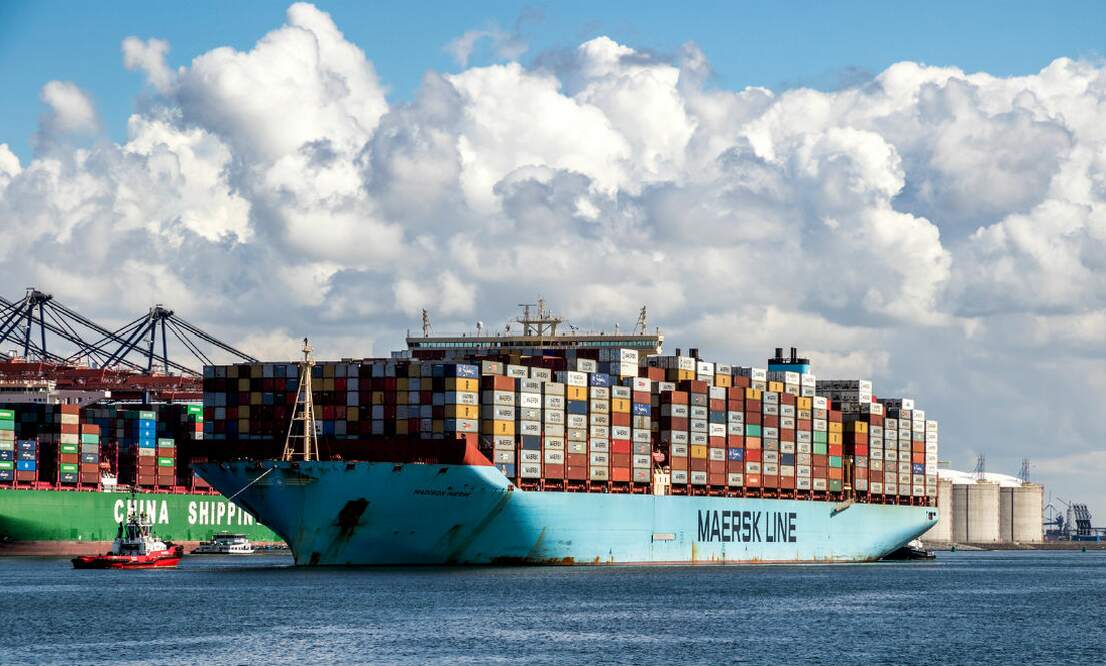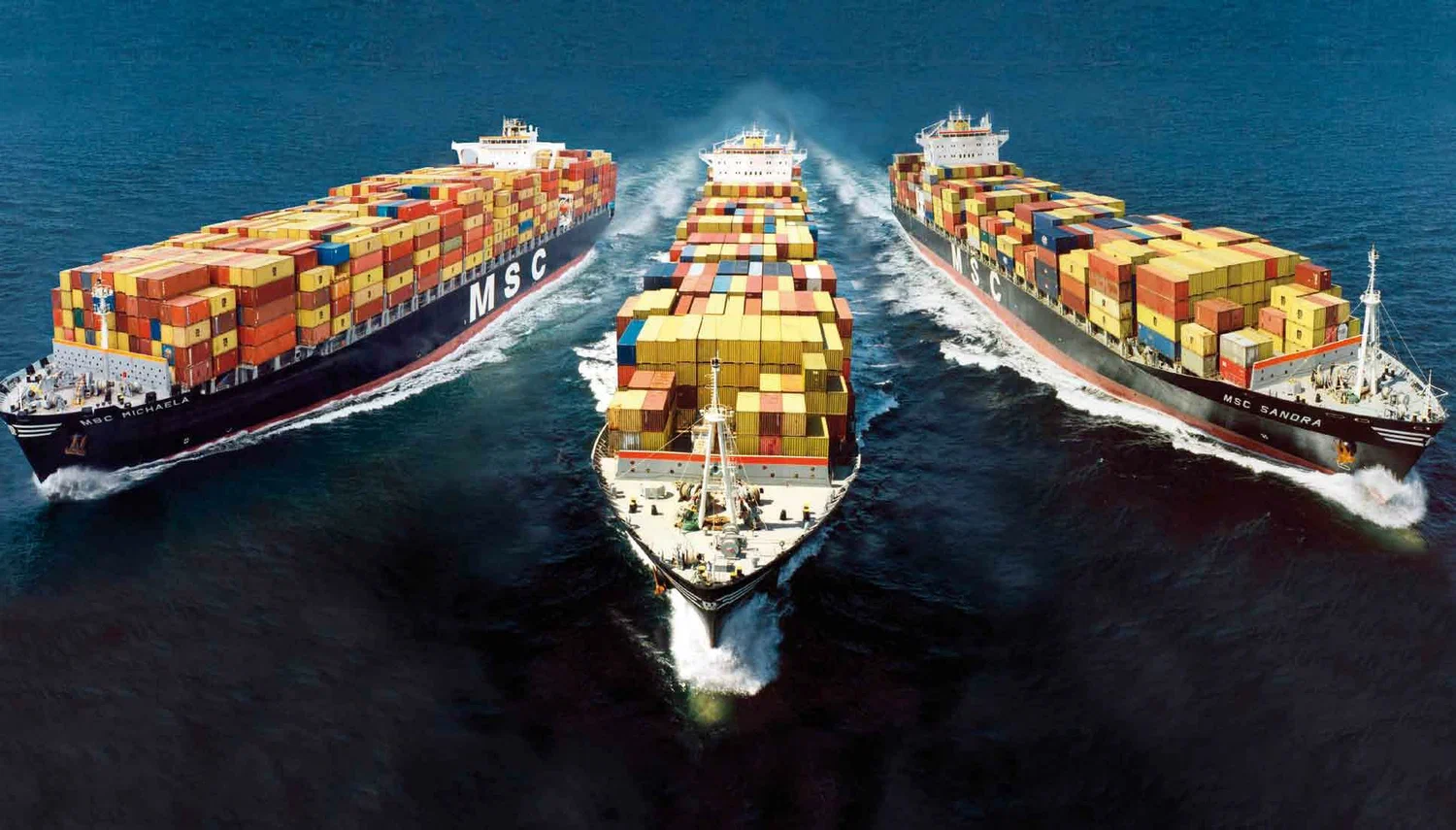
If you are sourcing goods from China and need a reliable freight forwarder from China to Yemen, the logistics landscape in 2026 looks radically different from just a few years ago. Red Sea disruptions have rewritten the shipping playbook — transit times have doubled on some routes, war risk surcharges have become a permanent line item, and Yemen’s split customs jurisdictions make documentation more critical than ever. Yet demand for Chinese goods in Yemen has not slowed: construction materials, electronics, machinery, and textiles continue to flow from factories in Shenzhen, Guangzhou, and Yiwu to importers in Sana’a, Aden, and Taiz. The importers who succeed are the ones working with a freight forwarder that understands today’s realities. This guide covers every aspect — from sea freight and air freight costs to DDP door-to-door timelines, customs clearance, and consolidation strategies — so you can ship with confidence. For a dedicated overview of this trade lane, see our Shipping from China to Yemen service page.
Why Work with a Professional Freight Forwarder for China to Yemen Trade?
Shipping to Yemen presents challenges that most global freight routes simply do not face. The country’s customs system is split between Houthi-controlled northern regions (including Sana’a and Hodeidah) and the internationally recognized government in the south (including Aden), with different customs regimes, documentation requirements, and clearance procedures in each zone. Add to this the Red Sea security situation, port infrastructure variability, and inland transport constraints, and you have one of the most complex logistics destinations in the world. That is why knowing how to choose the right freight forwarder is critical — the wrong partner can mean weeks of port delays and unexpected surcharges.
A specialized freight forwarder for Yemen brings four critical capabilities to the table:
- Route intelligence. Conditions in the Bab el-Mandeb Strait and Red Sea corridor shift frequently. A capable forwarder monitors security developments in real time and can switch between direct Red Sea sailings, Cape of Good Hope rerouting, and Gulf transshipment (via Jebel Ali or Salalah) depending on your cargo’s urgency and risk tolerance.
- Local clearance capability. Yemen customs clearance is not something you want to handle remotely. Your forwarder must have vetted, reliable customs brokerage partners at your chosen port of entry — whether Aden or Hodeidah — who understand the specific documentation and inspection procedures of that jurisdiction.
- Multi-vendor coordination. Most Yemeni importers source from multiple Chinese suppliers. A forwarder that can pick up goods from different cities, consolidate them in one warehouse, and ship as a single container saves you money and administrative headaches.
- Documentation expertise. Yemen has unique paperwork requirements that catch inexperienced forwarders off guard: commercial invoices often need Chamber of Commerce attestation and certification by Yemeni diplomatic missions, Certificates of Origin should use the Arab League format for GAFTA preferences, and Arabic translations may be required.
Red flag checklist when evaluating a forwarder: no Yemen-based destination agent (a “desk forwarder” with no boots on the ground), quotes that exclude War Risk Surcharge (WRS), and unfamiliarity with YSMO (Yemen Standards, Metrology and Quality Control Organization) or GAC (General Authority of Customs) requirements. If a forwarder cannot name their clearance agent in Aden, walk away.
Dantful International Logistics, headquartered in Shenzhen — the closest major Chinese port to the Yemen shipping lane — brings 15+ years of experience, Class-A freight forwarding certification, NVOCC accreditation, and FMC and Jctrans membership to every Yemen shipment. Our network spans 200 countries, with dedicated clearance partners at both Aden and Hodeidah ports.
Sea Freight from China to Yemen: Costs, Ports & Transit Times
Sea freight is the backbone of China-Yemen trade, handling the vast majority of commercial cargo. The key variables affecting your cost and timeline are the route your container takes, which Chinese port it departs from, which Yemeni port it arrives at, and whether you ship FCL (Full Container Load) or LCL (Less than Container Load).
The 2026 Red Sea Reality: Three Routes Compared
Since late 2023, Houthi attacks on commercial vessels in the Red Sea have fundamentally altered shipping patterns. Most major carriers — including COSCO, CMA CGM, MSC, and HMM — now avoid direct Red Sea transits. Importers have three routing options:
| Route | Transit (Shanghai → Aden) | WRS per Container | Best For |
|---|---|---|---|
| A — Direct Red Sea (Bab el-Mandeb) | ~25 days | $300–$800 | Rarely available; fastest when offered |
| B — Cape of Good Hope Rerouting | 35–50 days | $0–$100 | Most predictable pricing; bulk/non-urgent cargo |
| C — Gulf Transshipment (Jebel Ali/Salalah) | 28–40 days | $150–$400 | Balanced speed & cost; electronics, seasonal goods |
If your cargo is time-insensitive — bulk construction materials, for example — Route B via the Cape offers the most predictable all-in pricing and the widest carrier availability. For higher-value electronics or seasonal consumer goods, Route C via Jebel Ali or Salalah provides a practical middle ground, shaving 5–7 days off the full Cape rerouting.
FCL Costs & Transit Times from Major Chinese Ports
FCL shipping is the most cost-effective option when your cargo volume exceeds approximately 15 CBM. Below are 2026 benchmark rates and transit estimates for the Aden route (Cape rerouting assumed; add 10–15 days if direct Red Sea is unavailable).
| Origin Port | 20GP Rate | 40GP/40HQ Rate | Port-to-Port Transit |
|---|---|---|---|
| Guangzhou (Nansha) | $1,200–$3,200 | $2,800–$5,800 | 21–34 days |
| Shenzhen (Yantian/Shekou) | $1,300–$3,300 | $2,900–$6,000 | 23–32 days |
| Shanghai | $1,500–$3,500 | $3,200–$6,200 | 25–35 days |
| Ningbo | $1,600–$3,600 | $3,300–$6,400 | 30–40 days |
| Qingdao | $1,800–$3,800 | $3,500–$6,600 | 30–42 days |
| Xiamen | $1,500–$3,500 | $3,000–$6,200 | 28–38 days |
Rates are all-in ranges including standard surcharges (BAF, THC, documentation). WRS and PSS vary by carrier and season. Actual quotes depend on cargo weight, commodity type, and booking timing. For a deeper dive into this mode, see our dedicated Sea Freight From China to Yemen guide.
LCL Costs & Trade-offs
For shipments below 15 CBM — market-testing orders, smaller wholesale batches, or mixed-product loads — LCL shipping is the right choice:
| Destination | LCL Rate per CBM | Total Transit (incl. consolidation) |
|---|---|---|
| Port of Aden | $25–$55 | 35–45 days |
| Port of Hodeidah | $30–$65 | 38–48 days |
LCL adds 5–10 days for consolidation at origin and deconsolidation at destination. It also means your cargo shares container space with other shipments, which increases handling touchpoints and marginally raises damage risk. For shipments approaching the 15 CBM threshold, compare the all-in LCL cost against a 20GP FCL quote — you may find the gap smaller than expected.
Aden vs Hodeidah: Port Selection Decision Matrix
Choosing the right Yemeni port of entry has major implications for cost, speed, and risk:
| Factor | Port of Aden | Port of Hodeidah |
|---|---|---|
| Security (2026) | Stable, fully operational under government control | Intermittent disruptions, conflict-adjacent |
| Infrastructure | Deep-water berths, modern container terminals | Primarily bulk/breakbulk, limited container handling |
| War Risk Surcharge | $200–$500/container | $400–$800/container |
| Customs Efficiency | Moderate, relatively consistent | Slower, subject to operational interruptions |
| Inland Connectivity | Good road links to Sana’a (5–7 hrs), Taiz, Mukalla | Northern destinations only; route availability varies |
Recommendation: Aden is the safer and more reliable choice for the vast majority of commercial imports. Use Hodeidah only for cargo destined to northern Yemen and only with a forwarder who has a proven, active clearance agent at that specific port.
Understanding Surcharges
The base ocean freight rate tells only part of the story. These surcharges apply to virtually every Yemen-bound shipment:
| Surcharge | Description | Typical Range |
|---|---|---|
| BAF (Bunker Adjustment Factor) | Fuel cost fluctuation | $200–$600/container |
| THC (Terminal Handling Charges) | Port loading/unloading | $150–$300/container |
| WRS (War Risk Surcharge) | Insurance/security for conflict-zone vessels | $200–$800/container |
| PSS (Peak Season Surcharge) | Demand-driven increases (CNY, Ramadan) | $150–$500/container |
| Documentation Fee | Bill of Lading, customs declaration | $50–$100 |
| Seal Fee | Container security seal | $10–$25 |
Dantful’s direct contracts with major carriers ensure competitive base rates, and we provide fully transparent all-in quotes — no surprise surcharges added after your cargo is at sea.
Air Freight from China to Yemen: Routes, Rates & When It Makes Sense
For time-sensitive, high-value, or perishable cargo, air freight from China to Yemen offers a faster alternative — though at a significant cost premium.
Routes & Transit Times
Most air cargo to Yemen departs from Guangzhou Baiyun (CAN), Shanghai Pudong (PVG), or Shenzhen Bao’an (SZX) and transits through Dubai (DXB) or Doha (DOH) before reaching Aden International Airport (ADE) or Sana’a International Airport (SAH). Direct China-Yemen cargo flights are limited, so plan for one connection. Key carriers on this corridor include Emirates SkyCargo, Qatar Airways Cargo, China Southern, Ethiopian Airlines, and Saudia Cargo.
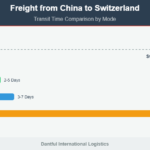
| Routing | Transit Time | Best For |
|---|---|---|
| Direct freighter (limited availability) | 1–5 days | Medical supplies, critical spare parts |
| Via Dubai/Doha (standard) | 5–12 days door-to-door | Electronics, samples, seasonal goods |
| Express courier (DHL, UPS, FedEx) | 3–7 days | Documents, small parcels under 30 kg |
Practical insight: We typically route Yemen-bound air freight through Dubai rather than attempting direct Aden flights. It adds 1–2 transit days but guarantees space, and customs pre-clearance can begin while cargo is in transit — often reducing total door-to-door time compared to waiting for a direct flight with uncertain scheduling.
Air Freight Costs & Chargeable Weight
Air freight is priced by chargeable weight — the higher of actual gross weight and volumetric weight (L × W × H in cm ÷ 6,000). This is the single most common pricing surprise for new importers: lightweight, bulky goods cost far more than their scale weight suggests.
| Service Type | Rate Benchmark | Min. Shipment |
|---|---|---|
| Air Freight (consolidated) | $6–$10/kg | ~45 kg |
| Express Courier (DHL/UPS/FedEx) | $8–$15/kg | 0.5 kg |
Air freight makes financial sense when your cargo has a high value-to-weight ratio — electronics, medical equipment, premium samples — or when the cost of delay (missed sales season, production line stoppage) exceeds the freight premium.
Sea vs Air: Quick Decision Framework
| Criterion | Choose Sea Freight | Choose Air Freight |
|---|---|---|
| Volume | >2 CBM | <2 CBM |
| Value density | <$15/kg | >$50/kg |
| Urgency | 30–50 days acceptable | Needed within 2 weeks |
| Product type | Bulk materials, furniture, machinery | Electronics, samples, perishables, medical |
DDP Door-to-Door Shipping from China to Yemen: The End-to-End Process
DDP (Delivered Duty Paid) is the most popular shipping term among Yemeni importers — and for good reason. Under DDP, your freight forwarder handles every link in the chain: factory pickup in China, export customs clearance, international freight, Yemen import clearance, duty and tax payment, and final delivery to your doorstep. You wait. You receive.
Incoterms at a Glance
| Term | What It Covers | Best For |
|---|---|---|
| EXW (Ex Works) | Buyer handles everything from factory gate | Not recommended for Yemen — too much risk and coordination |
| FOB (Free On Board) | Seller delivers to Chinese port; buyer manages freight onward | Experienced importers with their own freight contracts |
| CIF (Cost, Insurance & Freight) | Seller covers freight + basic insurance to Yemen port | Convenient, but verify insurance scope (war risk typically excluded) |
| DDP (Delivered Duty Paid) | Forwarder handles everything, door to door, duties included | The hassle-free choice for most Yemeni importers |
The 10-Step DDP Journey: Factory to Doorstep
Here is what a typical DDP sea freight shipment from Shenzhen to a Sana’a-based importer looks like end to end — for a complete walkthrough, refer to our door to door shipping from China to Yemen guide:
| Day | Step | What Happens | Key Documents |
|---|---|---|---|
| 0 | Factory pickup | Truck collects cargo from supplier; verified against packing list | Proforma Invoice, Packing List |
| 1–2 | Arrival at consolidation warehouse | QC inspection, repacking, labeling, container loading | Inspection report, warehouse receipt |
| 3–4 | China export customs clearance | Electronic declaration submitted; inspection if flagged | Customs Declaration Form, Commercial Invoice, Packing List, Contract |
| 5–7 | Vessel departure | Container loaded at Yantian/Shekou; B/L issued | Bill of Lading (B/L) |
| 8–38 | Ocean transit (Cape route) | Real-time tracking updates; Dantful monitors route security | B/L tracking, insurance certificate |
| 38–40 | Arrival at Aden port | Container discharged; customs broker engaged | Arrival notice, delivery order |
| 40–45 | Yemen import customs clearance | Declaration submitted, duties calculated, inspection if selected | Import Declaration, Certificate of Origin, attested invoice, import license (if applicable) |
| 45–48 | Duty payment & release | Duties paid; container released from port | Duty payment receipt, release order |
| 48–50 | Inland transport | Trucking from Aden to destination city | Delivery note |
| 50–55 | Final delivery | Cargo arrives at importer’s doorstep | Signed Proof of Delivery (POD) |
Timeline assumes Cape of Good Hope routing and normal customs processing at Aden. Actual durations vary.
DDP Cost Benchmarks
| Container Size | DDP All-In Estimate | What’s Included |
|---|---|---|
| 20ft | $4,500–$6,500 | Freight + surcharges + China export + Yemen import clearance + duties + inland delivery |
| 40ft / 40HQ | $6,000–$9,000 | Same as above |
Inland Delivery in Yemen: The Overlooked Step
Once your container clears Aden port, it still needs to reach its final destination — and this is where many importers underestimate both time and cost. Key inland corridors:
| Route | Approximate Drive Time | Notes |
|---|---|---|
| Aden → Sana’a | 5–7 hours | Main commercial corridor; checkpoints add variable delays |
| Aden → Taiz | 3–5 hours | Relatively reliable |
| Aden → Mukalla | 6–8 hours | Coastal route, generally stable |
| Hodeidah → Sana’a | 4–6 hours | Only viable when northern routes are open; verify before shipping |
Road conditions, security checkpoints, and seasonal weather all affect inland delivery timelines. This is another reason to work with a forwarder who has local trucking partners — your container will not sit at the port while you figure out last-mile logistics from abroad.
Payment Methods for Yemen Importers
For Yemen-based importers paying Chinese suppliers and freight forwarders, practical payment options include T/T (Telegraphic Transfer) — the most common method, typically 30% deposit with 70% against B/L copy; Letter of Credit (L/C) — recommended for large first-time transactions, though fewer Chinese suppliers accept L/C for smaller orders; and digital platforms like XTransfer and PayPal for freight and smaller supplier payments.
Yemen Customs Clearance: Documents, Duties & Step-by-Step Process
China Export Clearance
Before cargo reaches Yemen, it must clear Chinese export customs — a step many Yemen-focused guides skip. The process has four stages: electronic declaration submission → customs document review → physical inspection (if flagged) → release with customs declaration form. For general trade (customs code 0110), exporters can claim VAT rebates by retaining the special VAT invoice and the customs declaration rebate copy. Your forwarder handles this entirely; you just need to ensure your supplier provides accurate commercial invoice and packing list data. For the destination-side process, our Customs Clearance service covers everything from document preparation to duty payment at Yemeni ports.
Yemen Import Clearance: The 7-Step Process
- Vessel arrival & discharge (1–2 days) — container unloaded at Aden or Hodeidah
- Engage customs broker — your forwarder’s local agent initiates the clearance process
- Delivery order retrieval — broker obtains release authorization from the shipping line
- Customs value declaration — declaration submitted with duty and tax calculations
- Inspection & assessment — customs reviews documents and may physically inspect cargo (roughly 5–10% of shipments)
- Duty & fee payment — duties, VAT, and port charges settled
- Release & exit — container scanned, released, and loaded for inland transport
Under normal conditions, the entire clearance process takes 5–7 business days. In practice, plan for 7–30+ days depending on the region, commodity type, and completeness of your documentation.
Complete Yemen Import Document Checklist
- Original Bill of Lading (B/L) or Telex Release
- Commercial Invoice — attested by the Chamber of Commerce and certified by Yemeni diplomatic missions (a requirement unique to Yemen that catches many first-time importers off guard)
- Packing List — with shipping marks, piece counts, and gross/net weights
- Certificate of Origin — use the Arab League format to qualify for GAFTA preferential duty rates
- Insurance Policy copy
- Import License — required for regulated categories (pharmaceuticals, chemicals, food products)
- Arabic translations of key documents (customs may request)
- Product-specific certificates: CIQ Health Certificate for food, ISPM 15 fumigation certificate for wooden packaging, YSMO conformity mark for electronics, MSDS for chemicals
Yemen Import Duties & Taxes Quick Reference
Import duties in Yemen are calculated on the CIF value (cost + insurance + freight). Rates vary by HS chapter:
| HS Chapter | Product Category | Typical Duty Range |
|---|---|---|
| Ch 84 | Machinery & mechanical equipment | 0–10% |
| Ch 85 | Electronics & electrical goods | 5–15% |
| Ch 94 | Furniture & bedding | 10–20% |
| Ch 61–62 | Apparel & clothing | 5–25% |
| Ch 68–70 | Stone, ceramics, glass (construction) | 5–15% |
| Ch 72–73 | Iron & steel products | 5–15% |
| Ch 39 | Plastics & articles | 5–10% |
An additional VAT of 5% on CIF value is levied, though collection is inconsistent across different regions of the country. Products qualifying under the Greater Arab Free Trade Area (GAFTA) agreement may benefit from reduced or zero duties if accompanied by an Arab League Certificate of Origin.
Critical warning: Under-invoicing — declaring a lower value on the commercial invoice to reduce duties — is a high-risk practice in Yemen. Customs authorities actively check valuations against reference pricing databases. Penalties include fines (up to 100% of the under-declared amount), cargo seizure, and importer blacklisting. Declare accurate values on all documents.
Shipping Specific Goods to Yemen: Regulations & Practical Tips by Category
Each product category has unique shipping, certification, and packaging requirements. Here is what you need to know for the most commonly imported goods.
Construction Materials (HS Ch 68–70, 72–73)
Typical imports: Ceramic tiles, sanitary ware, glass, aluminum profiles, steel rebar, hardware. Packaging: Heavy cargo requires reinforced pallets and moisture-proof wrapping — Yemen’s coastal humidity combined with extended Cape transit times creates real corrosion and mold risks. Certification: Certain building materials require mandatory YSMO certification. Send samples for testing before mass shipment. Real-world tip: Ceramic tiles from Foshan should be crated, not just palletized. The combination of extra handling at transshipment hubs (Cape route) and rough Yemeni inland roads makes breakage a genuine concern — we have seen breakage rates drop from 5% to under 1% simply by switching to full wooden crating.
Electronics & Electrical Goods (HS Ch 85)
Typical imports: Mobile phone accessories, home appliances, LED lighting, solar panels (Yemen’s solar market is growing significantly). YSMO conformity: Electronics entering Yemen must carry the YSMO conformity mark. Complete testing and certification in China before shipment — retroactive certification at the port of entry is expensive and slow. Arabic labeling: Products and packaging must include Arabic-language labels and user instructions. Battery shipping: Lithium batteries require MSDS documentation and UN38.3 test reports. They must be declared as dangerous goods for ocean freight.
Machinery & Industrial Equipment (HS Ch 84)
Typical imports: Generators, construction machinery, food processing equipment, agricultural machinery. Oversized cargo: Equipment exceeding standard container dimensions requires OOG (Out of Gauge) solutions — flat rack or open top containers — or breakbulk shipping on specialized vessels. ISPM 15: Any solid wood packaging (pallets, crates, dunnage) must be heat-treated or fumigated and stamped with the IPPC mark. Non-compliant packaging will be rejected at destination. Pre-shipment inspection: For complex or high-value machinery, arrange third-party inspection (SGS or Bureau Veritas) at the supplier’s facility before shipment. Confirming model numbers, quantities, and operational condition in China is far cheaper than discovering discrepancies in Aden.
Textiles, Apparel & Footwear (HS Ch 61–64)
Typical imports: Ready-made garments, fabrics, footwear. Duty sensitivity: Apparel attracts some of Yemen’s highest import duties (5–25%). An Arab League format Certificate of Origin is essential for accessing any available GAFTA preferences. Packaging: Use moisture-barrier bags plus silica gel desiccants — sea freight transit times of 35+ days in a container create condensation risks that can ruin fabric goods.
Food & Agricultural Products
Health certificates: A CIQ (China Inspection and Quarantine) health certificate is mandatory for food exports from China. Yemeni import approval: Most food products require pre-approval from Yemen’s Ministry of Public Health or Ministry of Agriculture. Shelf life consideration: Sea freight transit of 35–50 days consumes a significant portion of product shelf life. For perishable or short-shelf-life goods, air freight is often the only viable option.
Automotive Parts & Vehicles
Parts: Ship via standard container (FCL or LCL). Complete vehicles: Use Ro-Ro (Roll-on/Roll-off) vessel services. Yemen restriction: Yemen imposes restrictions on used vehicle imports — confirm the permitted vehicle age and emission standards for your specific model year before purchasing in China.
Warehouse Consolidation: Save 25–35% on Multi-Supplier Shipments
Yemeni importers rarely source from a single Chinese supplier. A typical order might involve electronics from Shenzhen, furniture from Foshan, clothing from Guangzhou, and household goods from Yiwu. Shipping each supplier’s cargo separately means paying multiple sets of documentation fees, export customs declarations, and — worst of all — LCL rates on each individual batch.
How Consolidation Works
Instead of shipping separately, all your suppliers deliver to one consolidation warehouse (Dantful operates its facility in Shenzhen, minutes from Yantian and Shekou ports). Our Warehouse Services include quantity verification, damage inspection, Arabic-compliant relabeling, and space-optimized repacking. You pay for one FCL, one export clearance, one B/L, and one import clearance in Yemen.
Cost Comparison: Individual vs Consolidated
Consider a typical scenario — three suppliers, each shipping 8 CBM to Aden:
| Individual LCL (×3) | Consolidated FCL (24 CBM) | |
|---|---|---|
| Ocean freight | 24 CBM × $40 = $960 | 1 × 20GP = ~$1,500 |
| Documentation (×3 vs ×1) | $240 | $80 |
| Export clearance (×3 vs ×1) | $450 | $150 |
| Warehouse & loading | N/A | $200 |
| Total China-side | $1,650 | $1,930 |
| Per-CBM cost | $68.75 | ~$40 (with room to add 4 more CBM at marginal cost) |
In this scenario, even though the 20GP base freight is higher, the elimination of duplicate fees brings the per-unit cost down significantly. As volume grows, the savings compound — our consolidated freight shipping clients typically save 25–35% versus shipping each supplier’s cargo independently.
The rough FCL threshold is ~15 CBM: above this volume, a dedicated 20GP container almost always costs less per unit than LCL. For orders below that threshold but sourced from multiple suppliers, ask your forwarder to run both LCL and FCL scenarios — you may be closer to the break-even than you think.
Dantful consolidation edge: Our Shenzhen warehouse — 15 minutes from the Yantian container terminal — offers 24/7 monitored storage, Arabic-compliant relabeling, YSMO/GAC regulation checks before cargo leaves China, and optional third-party QC via SGS or Bureau Veritas. Catching compliance issues in Shenzhen costs hours; fixing them in Aden costs weeks.
Risk Management, Cargo Insurance & Avoiding Common Pitfalls
Shipping to Yemen carries risks that standard freight routes do not. Managing them proactively is what separates a smooth shipment from a costly one.
Red Sea Route Risk (2026 Assessment)
The security situation in the Red Sea corridor remains fluid. Houthi targeting of commercial vessels has made direct Bab el-Mandeb transits a high-risk option that few carriers offer. For planning purposes, use these scenarios:
| Scenario | Route | Transit (Shanghai → Aden) | WRS |
|---|---|---|---|
| Optimistic | Direct Red Sea (limited availability) | 21–30 days | $300–$800 |
| Baseline | Gulf transshipment (Jebel Ali/Salalah) | 28–40 days | $150–$400 |
| Pessimistic | Cape of Good Hope full rerouting | 35–50 days | $0–$100 |
Build your inventory planning around the baseline scenario; treat the optimistic route as a bonus, not a plan.
Cargo Insurance: What Standard Policies Exclude
Most CIF shipments come with basic Institute Cargo Clauses (C) coverage — the minimum level, covering only major casualties like vessel sinking or fire. It explicitly excludes war risks, strikes, piracy, and terrorism. For Yemen, this is a critical gap.
At minimum, your cargo needs Institute Cargo Clauses (A) — “All Risks” coverage — plus a separate Institute War Clauses endorsement and Institute Strikes Clauses extension. Insure for at least 110% of CIF value to cover incidental costs in the event of a claim. For comprehensive protection on Yemen-bound shipments, our Insurance Services include both All Risks and War Risk coverage as standard on every DDP shipment.
Top 5 Mistakes When Shipping to Yemen
- Under-invoicing to reduce duties. Yemen customs cross-checks declared values against reference databases. Consequences: fines, seizure, and blacklisting.
- Inconsistent documentation. The cargo description, quantity, and value on your Bill of Lading, Commercial Invoice, and Packing List must match exactly — including HS codes. Mismatches cause clearance delays measured in weeks, not days.
- Missing product certifications. Shipping electronics without YSMO conformity marks, food without health certificates, or machinery with untreated wooden packaging will get your cargo flagged — and possibly rejected — at the port of entry. For shipments routed through Aden — Yemen’s primary commercial gateway — see our dedicated Shipping from China to Aden page for port-specific transit times and clearance procedures.
- Using Hodeidah without a local agent. The port’s operational status fluctuates. If you do not have an active, on-the-ground clearance partner at Hodeidah, your container could sit for weeks.
- Booking during peak season without lead time. Chinese New Year (January/February), Ramadan (variable dates), and Golden Week (October) drive freight rates up 20–40%. Book 3–4 weeks in advance during these windows.
How Dantful Mitigates Risk
Every Yemen shipment we handle comes with: three pre-planned alternative route options — if one corridor closes, we pivot within 24 hours; a dedicated account manager who speaks your language and knows your cargo; real-time tracking with milestone photo updates at key stages; and standard inclusion of All Risks plus War Risk cargo insurance on all DDP shipments.
Why Dantful Is Your Best Freight Forwarder for China-Yemen Trade
Choosing the right freight forwarder from China to Yemen is a decision that directly affects your landed costs, delivery reliability, and peace of mind. As a leading freight forwarder in Shenzhen China, Dantful brings 15+ years of China-Middle East logistics expertise. For importers sourcing from across the region, we also provide dedicated Shipping from China to Middle East routes — including Saudi Arabia, UAE, Oman, and neighboring markets. Here is what we deliver that other forwarders cannot match:
| Dimension | The Dantful Advantage |
|---|---|
| Credentials | Class-A freight forwarder (China Ministry of Commerce), NVOCC, FMC member, Jctrans verified |
| Experience | 15+ years; dedicated Red Sea / Middle East corridor operations team |
| Location | Shenzhen HQ — minutes from Yantian & Shekou deep-water ports, the shortest sailing distance to Aden |
| Pricing | Direct carrier contracts ensure competitive rates; fully transparent all-in quotes — no hidden surcharges |
| Network | Vetted clearance agents at Aden, Hodeidah, and Mukalla ports — plus inland trucking partners in Sana’a, Taiz, and beyond |
| Insurance | All Yemen DDP quotes include All Risks (Clause A) + War Risk + Strikes coverage as standard |
| Service | 50 operations staff + 50+ customer support; dedicated account manager; English, Arabic, and Chinese support |
| Tracking | Real-time visibility with daily updates and milestone photos — know where your cargo is at every step |
Ready to ship? Contact Dantful today for a free, no-obligation freight quote — including a transparent all-in DDP estimate for your specific cargo and destination in Yemen. Our Yemen desk responds within 2 hours.

Young Chiu is a seasoned logistics expert with over 15 years of experience in international freight forwarding and supply chain management. As CEO of Dantful International Logistics, Young is dedicated to providing valuable insights and practical advice to businesses navigating the complexities of global shipping.