A history of Saudi Arabia’s ports
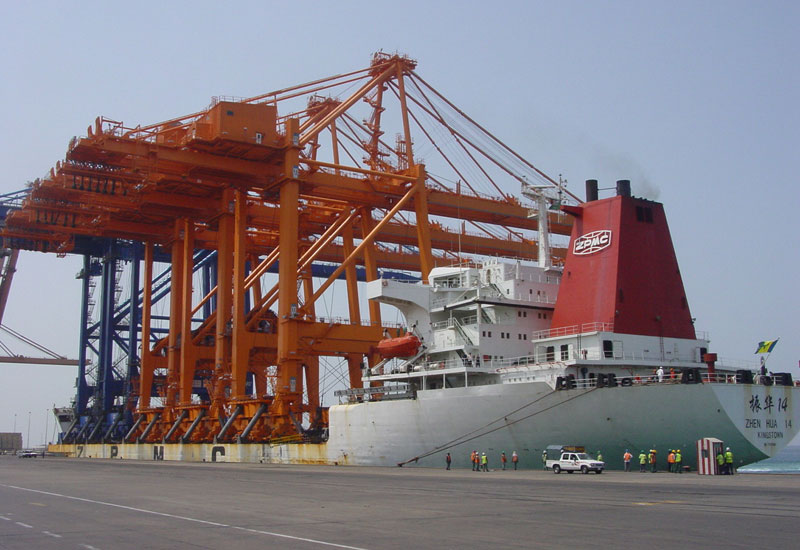
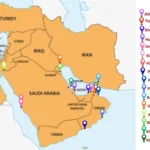
Since the founding of the General Ports Organization in 1976, several ports have opened in Saudi Arabia to handle the nation’s rapid industrialization. In 1997, port operations were handed over to the private sector to boost efficiency. In 2018, the cabinet approved the General Administration of Ports to be renamed the Saudi Ports Authority (MAWANI) and become a fully-fledged public body. Today, four major ports facilitate trade from the Arabian Gulf, and another five from the Red Sea, alongside several smaller specialized ports.
When importing into Saudi Arabia, selecting the right port can save you thousands of dollars in inland trucking and days in transit time.
The Red Sea Coast (Jeddah, Yanbu, Duba, King Abdullah Port): Best for shipments coming from Europe, North Africa, or vessels traversing the Suez Canal. Jeddah Islamic Port is the undisputed king here, handling the vast majority of consumer goods destined for the western region, Mecca, and Medina.
The Arabian Gulf Coast (Dammam, Jubail, Ras Tanura): Best for cargo originating from Asia (especially China) and India. Dammam (King Abdulaziz Port) is the optimal gateway for goods destined for Riyadh and the Eastern Province’s massive oil and gas industrial complexes.
Dantful Insight:
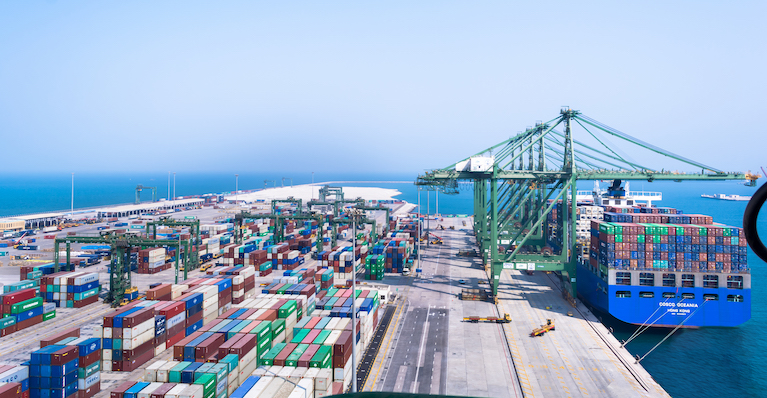
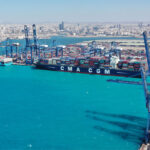
Facilities: The port features 43 fully equipped berths, complete with modern cargo handling equipment, a massive ship repair yard, and a direct railway line connecting it to the Riyadh Dry Port.
Capacity: Through its integrated maritime and logistics services system, the port handles millions of TEUs annually and frequently sets new records for daily container throughput.
Location: Dammam, Eastern Province.
Best Known For: Being the premier gateway for consumer goods and construction materials entering the Eastern Province and the capital, Riyadh.
2.

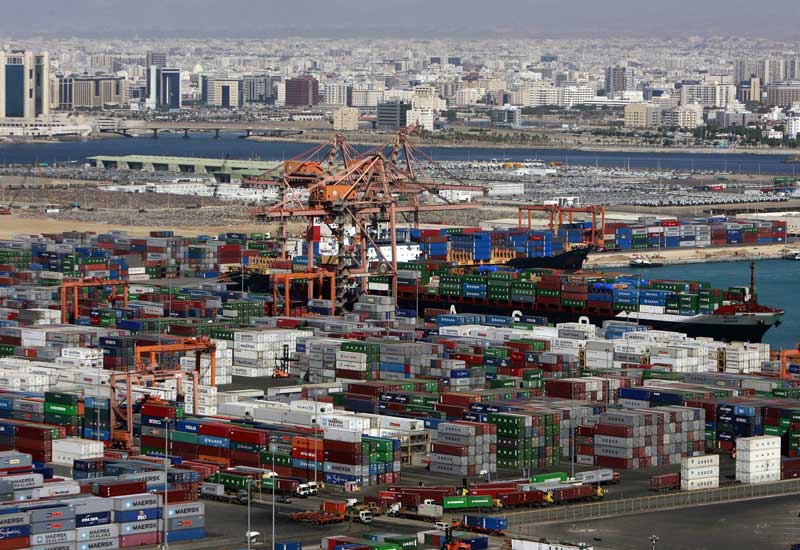
Facilities: It boasts 62 berths that can handle containers, passengers, general cargo, livestock, and bulk grain. It features an advanced logistics park for transshipment, bonded storage, and refueling.
Capacity: Capable of handling over 130 million tons of cargo and roughly 5 million TEUs annually.
Location: Al-Baghdadiyah Al-Gharbiyah, Jeddah.
Best Known For: Being the primary entry point for Mecca and Medina, and the dominant hub for Red Sea transshipment.
Analyst Note (2026 Update): Customs clearance at Jeddah has become highly digitized through the FASAH system. Our Middle East Route Team ensures that all SABER certificates and SASO regulations are perfectly aligned before the vessel arrives, typically achieving clearance within 48 hours of discharge.
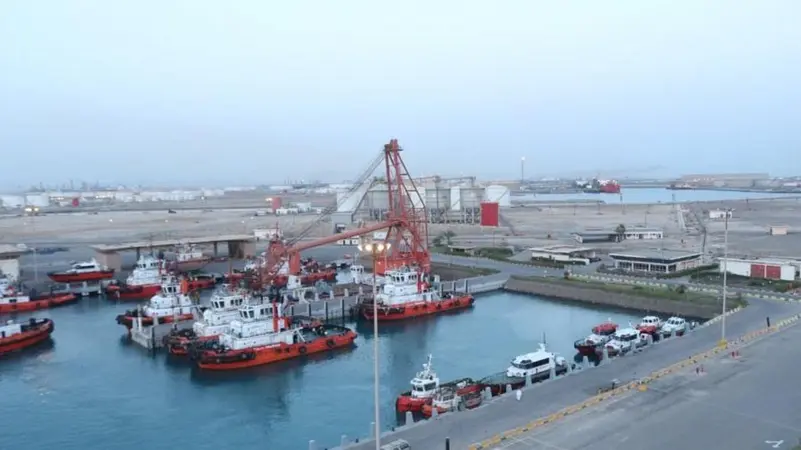
Facilities: Features 34 deep-water berths, integrated terminals, and the ability to accommodate vessels up to 500,000 deadweight tons.
Capacity: Can handle an impressive 210 million tons of cargo per year.
Location: Yanbu Industrial Zone.
Best Known For:
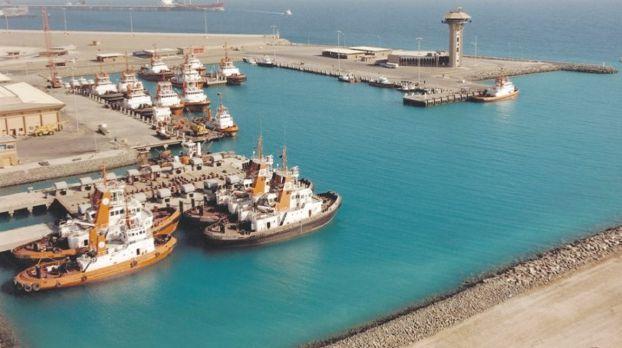
Facilities: Features 34 specialized berths across five distinct terminals, managed by 10 terminal operators.
Capacity: Designed to handle upwards of 70 million tonnes of industrial cargo annually.
Location: Jubail Industrial City, Eastern Province.
Best Known For: Serving as the industrial lifeline for the massive petrochemical plants operating in Jubail.
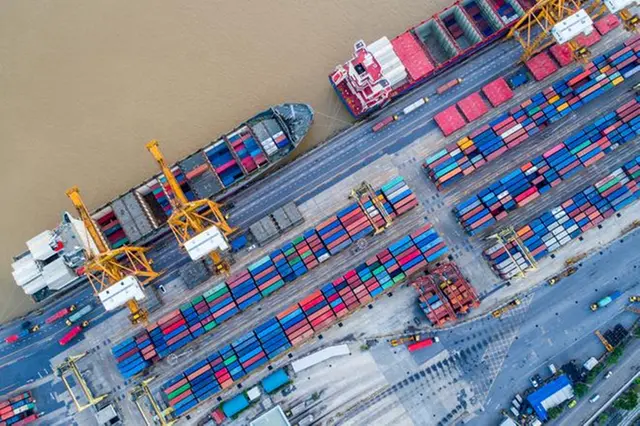
Facilities: Contains 16 berths, extensive outdoor storage yards, and modern warehousing facilities to assist ships with minimal delay.
Capacity: Total annual throughput capacity of 36 million tons.
Location: Downtown Jubail.
Best Known For: Acting as a critical backup and supplementary commercial port to Dammam’s King Abdulaziz Port.
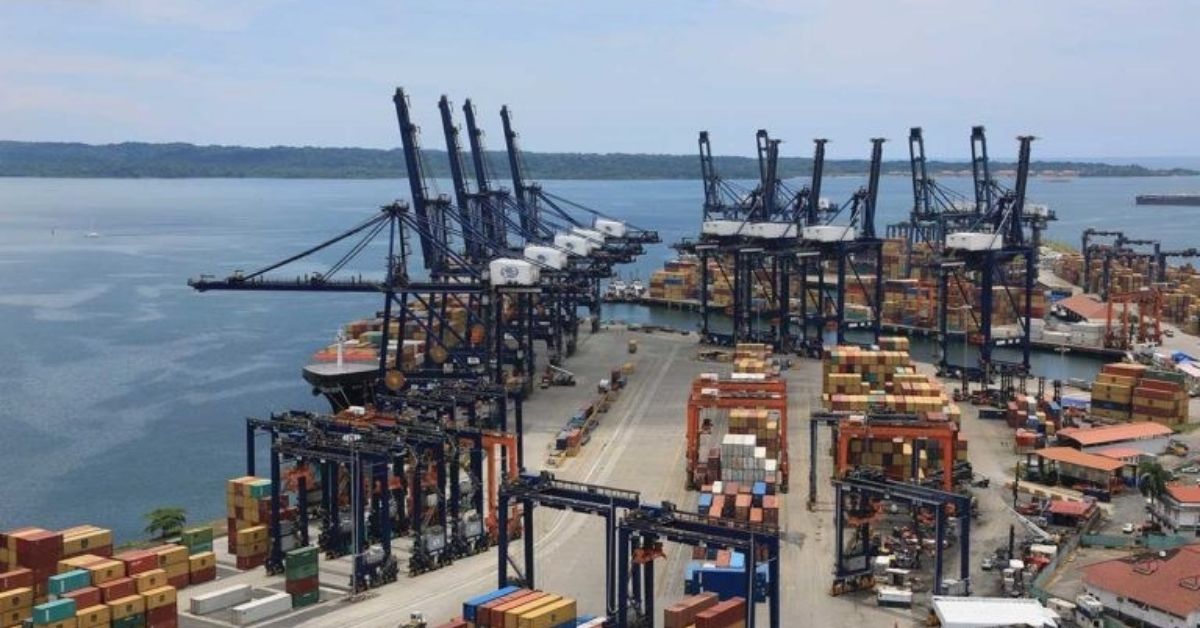
Facilities: Equipped with 12 modern berths, three auxiliary guided approach channels, large warehouses, and dedicated livestock handling areas.
Capacity: Total throughput capacity of 5 million tons annually.
Location: Jizan Waterfront, Red Sea coast.
Best Known For: Its proximity to the Bab el-Mandeb strait and trade routes connecting Europe, the Far East, and East Africa.
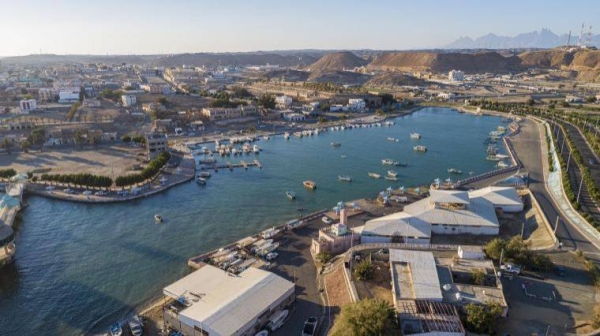
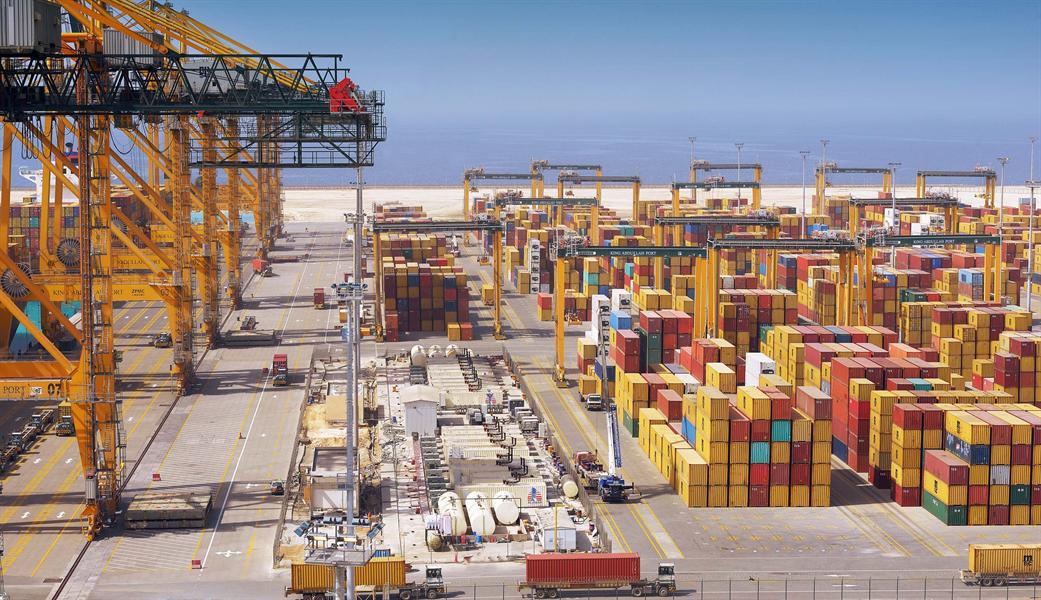
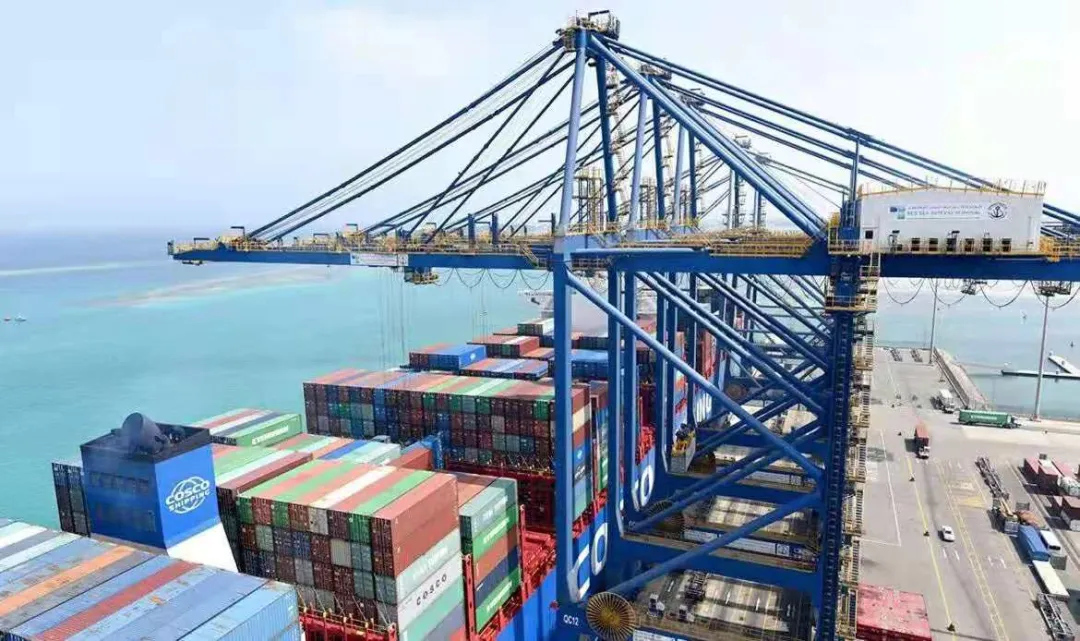
Located in King Abdullah Economic City (KAEC) in Rabigh, this is the region’s first port to be fully owned, developed, and operated by the private sector. It is a deep-water port that handles a massive amount of the Kingdom’s growing container traffic.
Facilities: State-of-the-art automated container terminals, roll-on/roll-off (RoRo) berths, and bulk cargo handling.
Capacity: Capable of handling over 3 million TEUs currently, with master plans aiming for 20 million TEUs.
Location: King Abdullah Economic City, Rabigh.
Best Known For: Being one of the fastest-growing container ports globally and a masterpiece of privatization under Vision 2030.
Facilities: Features multiple berths, including three 200-meter berths specifically for Ro-Ro vessels and passenger transportation. It occupies over 11 million square meters with a 12,000 sqm storage area.
Capacity: Capable of handling 10 million tons annually.
Location: Duba, Tabuk Province.
Best Known For: Roll-on/roll-off (RoRo) shipping, passenger ferries to Egypt, and handling breakbulk and construction materials for northern mega-projects (like NEOM).
Facilities: Specialized berths for bulk carriers, equipped with massive conveyor belts and automated loaders.
Capacity: Handles tens of millions of tons of bulk mining exports.
Location: Ras Al-Khair Industrial City.
Best Known For: Being the “Minerals Port” of Saudi Arabia, exporting products from Ma’aden.
Facilities: Small commercial footprint but features massive offshore loading terminals (Sea Islands) for oil tankers.
Capacity: Handles medium-sized general cargo alongside its colossal oil export volumes.
Location: Ras Tanura, Eastern Province.
Best Known For: Being the oldest and one of the most critical oil export facilities in the world.
Facilities: Comprises 4 tanker loading berths and an anchorage area.
Capacity: Around 60 specialized tanker vessels visit the port annually.
Location: Khafji, near the Kuwaiti border.
Best Known For: Handling fuel oil, naphtha, and crude exports from the neutral zone.
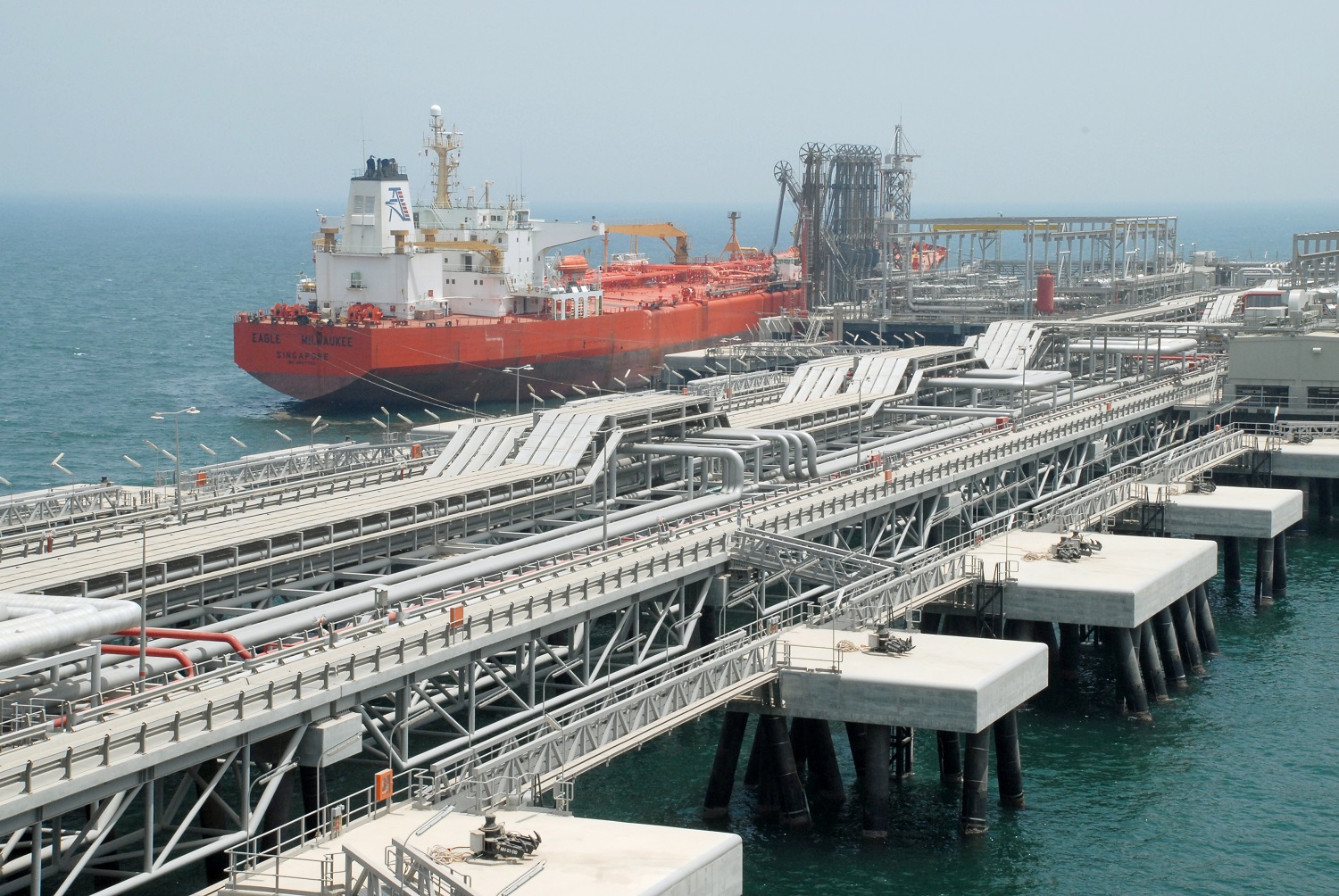
Facilities: Designed for dry bulk, breakbulk, and container handling necessary for military and government logistics.
Location: Near the northern border on the Arabian Gulf.
Best Known For: Strategic military and defense logistics support.
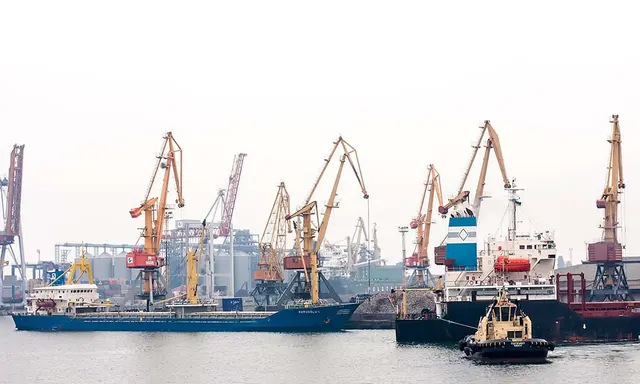
Facilities: Consists mainly of piers, jetties, and wharves dedicated to offshore oil operations.
Location: Arabian Gulf (Latitude – 28° 0′ 17″ N, Longitude – 48° 45′ 37″ E).
Best Known For: Supporting Aramco’s offshore crude oil extraction and loading operations.
Shipping to Saudi Arabia with Dantful International Logistics
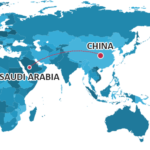
Navigating the complexities of Saudi Arabian customs, SABER certifications, and local transport requires a partner with deep local roots. offers end-to-end solutions for businesses importing goods from China to the Kingdom.
Why Choose Us for KSA Shipments?
Customized Routing: We don’t just ship to the most famous port. We analyze your final delivery destination (e.g., Riyadh vs. Jeddah) to route cargo through Dammam or Jeddah, saving you thousands in inland trucking.
DDP & Door-to-Door Services: We handle the entire process, including freight, customs clearance, duties, and final delivery to your warehouse or Amazon FBA center in Saudi Arabia.
Compliance Expertise: Our dedicated Middle East Route Team ensures all your commercial invoices, packing lists, and SASO/SABER documents are flawless before the cargo even leaves Chinese ports.
To streamline your supply chain into Saudi Arabia, contact Dantful International Logistics today