Are you wondering how much it really costs to ship goods from China to the USA per kilogram? Understanding the shipping cost from China to USA per kg is vital for importers aiming to manage expenses and maximize profit. In this comprehensive guide, we’ll explore key factors, compare air freight and sea freight options, break down additional fees, and offer expert tips to help you save on your next shipment.

Understanding Shipping Costs: Per Kg vs. Per CBM
When shipping goods from China to the USA, understanding how shipping costs are calculated is fundamental to effective budgeting and planning. The two most common pricing methods in international logistics are Per Kilogram (Per Kg) and Per Cubic Meter (Per CBM).
Per Kg pricing is primarily used for air freight and express courier services, where weight is more critical than volume due to aircraft payload limitations. In contrast, Per CBM is standard for sea freight (LCL), where space within a container matters more than actual cargo weight, especially for lightweight or bulky items.
Key Differences: Per Kg vs. Per CBM
| Pricing Method | Best For | Calculation Basis | Typical Transport Mode | When to Use |
|---|---|---|---|---|
| Per Kg | High-value, lightweight cargo | Actual or Volumetric Weight* | Air Freight, Express Courier | When speed is essential, weight is not excessive |
| Per CBM | Bulky, low-density cargo | Volume (Length × Width × Height in meters) | Sea Freight (LCL) | When shipping large, light items; cost sensitive |
*Volumetric Weight is calculated as: (Length × Width × Height in cm) / 6000 for air shipments.
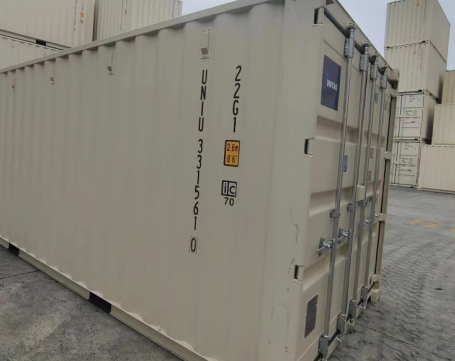
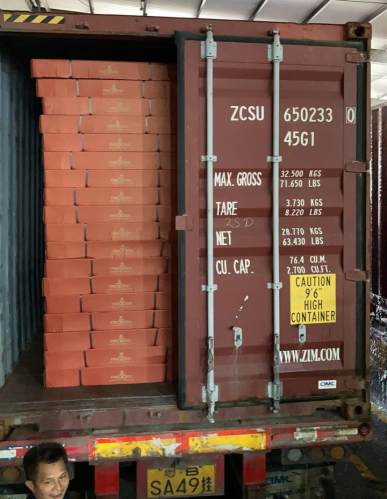
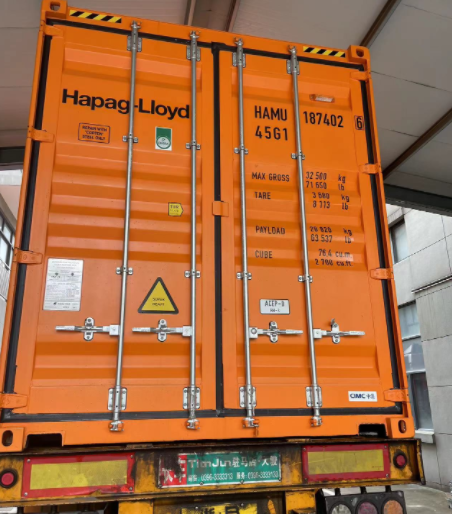
For Full Container Load (FCL) shipments, costs are typically quoted per container (e.g., 20FT, 40FT, 40HQ), but understanding the capacity helps in calculating per CBM rates. For reference:
- 20FT Container: 28 CBM
- 40FT Container: 56 CBM
- 40HQ Container: 68 CBM
- 45HQ Container: 78 CBM
Practical Example
If you are shipping 500 kg of electronics in 2 CBM, air freight will be charged by the greater of actual or volumetric weight (often favoring Per Kg). If you ship 500 kg of furniture occupying 8 CBM, sea freight LCL will charge you by volume (Per CBM), making it more cost-efficient for bulky goods.
Choosing the most suitable charging method depends on your cargo’s weight, size, and urgency. Working with an experienced freight forwarder like Dantful International Logistics ensures you receive professional advice and optimal routing tailored to your shipment profile.
Factors Influencing Shipping Cost Per Kg from China to USA
The shipping cost from China to USA per kg is shaped by a combination of market dynamics, shipment characteristics, and service selections. Understanding these factors is crucial for importers, exporters, and logistics professionals to make informed decisions and manage costs efficiently.
1. Shipping Mode
- Air Freight: Fastest, charged per kg, suitable for time-sensitive or high-value shipments.
- Sea Freight (LCL): Priced mainly per CBM, but weight surcharges may apply if cargo is very dense.
- Express Courier: Per kg charges, often with a minimum chargeable weight.
For more details on common shipping methods for this route, you can refer to Shipping From China to USA.
2. Cargo Characteristics
- Actual Weight vs. Volumetric Weight: For air and courier, charges are based on whichever is greater. Bulky but lightweight goods may incur higher per kg rates due to volumetric calculations.
- Cargo Type: Hazardous, oversized, or temperature-sensitive goods may attract additional fees or require specialized handling, increasing per kg cost.
3. Origin and Destination
- Departure Port/City in China: Rates from major ports (e.g., Shanghai, Shenzhen, Guangzhou) are often lower due to competition and route frequency.
- Destination in USA: Deliveries to inland locations (e.g., Chicago, Dallas) may involve extra domestic transport, increasing overall per kg cost compared to coastal ports like Los Angeles or New York.
4. Shipping Distance and Route
- Direct flights or sailings are often cheaper and faster, while transshipment or indirect routes may reduce shipping cost per kg at the expense of longer transit times.
5. Market Conditions and Fuel Surcharges
- Fluctuations in fuel prices, seasonal surcharges, and space demand (peak seasons, global events) directly impact shipping cost per kg.
6. Value-Added Services
- Insurance, customs clearance, warehousing, and door-to-door delivery are essential services offered by professional forwarders like Dantful International Logistics, affecting the total cost per kg.
7. Cargo Volume & Contract Terms
- Larger, regular shipments often secure better per kg rates through volume discounts or long-term contracts, especially with integrators and reputable freight forwarders.
Current Reference Rates (Q4 2025, for general goods)*
| Mode | Origin Port in China | Destination Port in USA | Transit Time | Estimated Cost Per Kg (USD) |
|---|---|---|---|---|
| Air Freight | Shanghai | Los Angeles | 3-5 days | $4.50 – $7.00 |
| Express Courier | Shenzhen | New York | 2-4 days | $6.00 – $9.50 |
| Sea Freight LCL | Ningbo | Long Beach | 18-28 days | $0.40 – $0.80 (converted from per CBM) |
*Rates are indicative and vary by season, cargo type, and service provider.
Conclusion
Effective cost control requires a comprehensive understanding of how pricing mechanisms work and the multiple variables that impact your shipping cost from China to USA per kg. Partnering with a reliable, transparent, and experienced freight forwarder such as Dantful International Logistics not only ensures competitive rates but also professional guidance tailored to your specific shipping requirements.
Air Freight Cost Per Kg from China to USA
Air freight is the preferred shipping method for businesses that require fast delivery from China to the USA. It is especially suitable for high-value, time-sensitive, or small-volume shipments. The shipping cost from China to USA per kg for air freight is influenced by several factors, including the type of cargo, airline, route, fuel surcharges, and seasonal demand.
Typical Air Freight Rates Per Kg (2025)
The average air freight rates from major airports in China (such as Shanghai Pudong (PVG), Guangzhou Baiyun (CAN), Shenzhen Bao’an (SZX), and Beijing Capital (PEK)) to main airports in the USA (Los Angeles (LAX), Chicago O’Hare (ORD), New York JFK) generally fall within the following ranges for general cargo:
| Route | Transit Time | Weight Bracket | Cost (USD/kg) |
|---|---|---|---|
| PVG/CAN/SZX/PEK → LAX/ORD/JFK | 2-5 days | 45kg – 100kg | $5.00 – $7.50 |
| PVG/CAN/SZX/PEK → LAX/ORD/JFK | 2-5 days | 100kg – 300kg | $4.20 – $6.50 |
| PVG/CAN/SZX/PEK → LAX/ORD/JFK | 2-5 days | 300kg+ | $3.80 – $5.90 |
Rates can fluctuate due to factors like fuel costs, market demand, and peak seasons (for example, before major holidays such as Chinese New Year and Christmas).
If you’re focused on shipping by air to the US West Coast, you may find it useful to review the latest insights on how much for air freight from China to Los Angeles.
Key Factors Affecting Air Freight Cost Per Kg
- Chargeable Weight: Air freight charges are based on the higher of actual weight or volumetric weight (volume/6000 for most airlines).
- Type of Goods: Hazardous, oversized, or temperature-controlled goods incur additional fees.
- Route and Airline: Direct flights are faster but may be more expensive; indirect routes can be cheaper but slower.
- Fuel Surcharges and Security Fees: These are added on top of the base freight rate.
- Customs and Handling: Some charges may apply at both origin and destination airports.
When to Choose Air Freight?
- When delivery time is critical.
- For shipments under 500kg (for larger, consider sea freight for cost efficiency).
- For high-value or perishable goods.
At Dantful International Logistics, we offer reliable air freight solutions with transparent pricing, flexible schedules, and comprehensive support, including customs clearance and last-mile delivery.
Sea Freight Cost Per Kg from China to USA (FCL vs. LCL)
Sea freight remains the most cost-effective solution for shipping large or heavy cargo from China to the USA. There are two main modes: Full Container Load (FCL) and Less than Container Load (LCL), each with unique pricing structures.
FCL (Full Container Load) Pricing Overview
With FCL, you book the entire container. Rates are not calculated per kg but rather per container, so the per kg cost decreases as you maximize the container’s volume and weight capacity.
| Container Type | Volume (CBM) | Max Weight (tons) | Typical Freight (USD) PVG/SHENZHEN to LA/NY (Q4 2025) | Cost Per Kg (Estimated*) |
|---|---|---|---|---|
| 20FT | 28 | 21 | $1800 – $2400 | $0.08 – $0.12 |
| 40FT | 56 | 26 | $3200 – $4000 | $0.07 – $0.10 |
| 40HQ | 68 | 26 | $3800 – $4700 | $0.06 – $0.09 |
*Calculated based on full loading to maximum recommended weight; actual per kg may vary.
LCL (Less than Container Load) Pricing Overview
LCL is ideal for shipments that do not fill an entire container. Rates are calculated per cubic meter (CBM) or per kg, whichever is greater. For smaller shipments, the per kg cost is higher compared to FCL.
| Route | Cost per CBM (USD) | Cost per Kg (USD) | Transit Time |
|---|---|---|---|
| Shanghai → Los Angeles | $80 – $120 | $0.35 – $0.70 | 18 – 28 days |
| Shenzhen → New York | $90 – $140 | $0.40 – $0.80 | 24 – 35 days |
| Ningbo → Chicago | $100 – $150 | $0.45 – $0.85 | 30 – 40 days |
Minimum charges often apply (e.g., minimum 1 CBM). Rates vary by port, season, and service type.
For a deeper look at the transit duration and process, see shanghai to los angeles by sea how much time.
FCL vs. LCL: Which is Best for You?
- FCL is more economical for shipments above 15 CBM or 12 tons, providing better security and faster handling.
- LCL is suitable for smaller shipments but may involve higher risk of damage, longer consolidation times, and more handling.
Additional Sea Freight Cost Considerations
- Port Fees: Both origin and destination port charges apply.
- Customs Clearance: Involves paperwork and possible inspections.
- Inland Delivery: Door-to-door or port-to-door options affect total cost.
- Surcharges: Such as GRI (General Rate Increase), BAF (Bunker Adjustment Factor), and congestion surcharges.
Summary Comparison Table
| Shipping Mode | Cost per Kg (Typical) | Suitability | Transit Time | Key Benefits |
|---|---|---|---|---|
| Air Freight | $3.80 – $7.50 | Urgent, high-value goods | 2-5 days | Fastest delivery |
| Sea FCL | $0.06 – $0.12 | Large bulk shipments | 18-40 days | Lowest per kg cost |
| Sea LCL | $0.35 – $0.85 | Small/medium shipments | 18-40 days | Flexible, scalable |
Dantful International Logistics provides tailored solutions for both air freight and sea freight from China to the USA. Our expert team helps you optimize cost, ensure compliance, and streamline the shipping process, whether you need FCL, LCL, or multimodal services. As a leading and trustworthy freight forwarder, we focus on delivering reliable, flexible, and transparent logistics solutions for global traders.
Express Courier Services Cost Per Kg
When shipping goods from China to the USA, express courier services such as DHL, FedEx, UPS, and TNT are popular options for fast, reliable delivery, especially for small, high-value, or time-sensitive shipments. Unlike air or sea freight, express couriers handle the entire logistics chain, including pickup, line-haul, customs clearance, and final delivery to the recipient’s door.
Typical Express Courier Rates Per Kg (2025)
Express courier costs are generally calculated by either the actual weight or the volumetric weight (whichever is greater). Prices fluctuate based on shipment size, destination, and service level (e.g., standard vs. economy vs. express). Below is a reference table for typical door-to-door charges for shipments from major Chinese cities (e.g., Shenzhen, Shanghai, Guangzhou) to the USA:
| Weight Range | Estimated Cost per Kg (USD) | Transit Time | Service Providers |
|---|---|---|---|
| 0.5 – 5 kg | $25 – $45 | 2–5 days | DHL, FedEx, UPS, TNT |
| 5 – 20 kg | $12 – $25 | 2–5 days | DHL, FedEx, UPS, TNT |
| 21 – 50 kg | $9 – $16 | 2–5 days | DHL, FedEx, UPS, TNT |
| 51 – 100 kg | $7 – $11 | 3–7 days | DHL, FedEx, UPS, TNT |
| 100+ kg | $6 – $9 | 3–7 days | DHL, FedEx, UPS, TNT |
Note: Rates are indicative as of early 2025 and may vary based on fuel surcharges, promotional discounts, shipment volume, and specific origin/destination. For up-to-date and customized quotes, consulting an experienced freight forwarder like Dantful International Logistics is highly recommended.
Factors Affecting Express Courier Costs
- Weight & Dimensions: Heavier and bulkier packages are more expensive. Couriers charge by the higher of actual or volumetric weight.
- Pickup Location & Delivery Address: Remote or extended locations may incur additional charges.
- Declared Value: Higher declared values may increase insurance costs or require extra documentation.
- Service Level: Express (fastest), standard, and economy (slower) options all have different price points.
- Additional Services: Options such as Saturday delivery, signature required, or special handling will affect pricing.
Advantages of Using Express Couriers
- Speed: Fastest shipping method (often 2–5 days).
- Convenience: Door-to-door with integrated tracking.
- Reliability: Fewer delays, streamlined customs clearance.
- Simplicity: No need to coordinate with multiple logistics providers.
When to Choose Express Courier
- Small parcels (<100 kg), urgent documents, sample shipments, electronics, fashion items, and high-value goods.
- When delivery time is a primary concern.
For businesses and individuals seeking efficient, transparent express shipping solutions, Dantful International Logistics partners with leading global couriers to offer competitive rates, customized service, and professional support throughout your shipping process.
READ MORE:
- Shipping From China to the USA
- Shipping From China TO Canada
- Shipping From China TO Mexico
- Shipping From China to Panama
- Shipping From China to Costa Rica
- Shipping From China to Brazil
- Shipping From China TO Colombia
- Shipping From China to Jamaica
- Shipping From China to Venezuela
- Shipping From China to Argentina
Breakdown of Additional Fees and Surcharges
Understanding the total shipping cost per kg from China to the USA requires more than just looking at the base freight rate. A variety of additional fees and surcharges can apply, significantly impacting your overall logistics expenses. Below is a comprehensive breakdown of these costs:
Common Additional Fees
| Fee Type | Description | Typical Range (USD) |
|---|---|---|
| Fuel Surcharge | Added due to fluctuating oil prices, varies monthly. | 10–20% of base freight |
| Security Surcharge | Covers enhanced security screening and handling. | $0.15–$0.45 per kg |
| Remote Area Surcharge | Deliveries to locations outside standard service areas. | $20–$50 per shipment |
| Customs Clearance Fee | Charged for customs document processing in the USA. | $15–$50 per entry |
| Duties & Taxes | Based on customs valuation of goods (HS code, value, country of origin). | Varies – consult HS Tariff |
| Insurance | Optional, covers loss/damage in transit, usually calculated as a % of declared value. | 0.2–0.5% of invoice value |
| Oversized/Overweight Surcharge | Applies to parcels exceeding standard dimensions/weights. | $65–$250 per item |
| Residential Delivery Surcharge | For deliveries to residential (rather than commercial) addresses. | $3–$5 per shipment |
| Saturday Delivery | Special delivery outside regular business days. | $15–$25 per shipment |
| Documentation Fee | For preparing special shipping documentation, if required. | $10–$20 per document |
Additional Sea & Air Freight Surcharges (if not using express)
- Port Handling Charges
- Terminal Handling Charges (THC)
- ISPS (International Ship and Port Facility Security) Fee
- AMS (Automated Manifest System) Fee for shipments to the USA
- Peak Season Surcharge (PSS) (applies mainly during busy shipping months)
Key Considerations
- Transparency: Always request a detailed quote from your logistics provider that includes all fees, so there are no surprises on your invoice.
- Duty & Tax Estimation: U.S. customs duties depend on your cargo’s HS code, declared value, and applicable trade agreements. Use the U.S. Harmonized Tariff Schedule for reference or consult a professional.
- Insurance: Highly advisable for valuable or fragile shipments. Some providers include minimal coverage, but full-value insurance is recommended for high-value cargo.
For a clear, accurate estimate tailored to your shipment, contact our team for a free, no-obligation consultation. We are committed to helping you streamline your supply chain and control your costs.
Impact of Origin and Destination on Shipping Costs
The shipping cost per kg from China to the USA is significantly influenced by both the point of origin within China and the final destination in the USA. Understanding these variables is crucial for optimizing your logistics strategy and managing overall expenses.
1. Major Chinese Ports and Their Influence on Shipping Costs
China is home to some of the world’s busiest and most advanced ports, including Shanghai, Shenzhen, Ningbo, Qingdao, and Guangzhou. Each port offers different logistical advantages, capacity, and connectivity to US ports.
- Shanghai Port: As the largest container port globally, it offers frequent sailings and competitive rates due to high volume.
- Shenzhen & Guangzhou: Key for exporters in South China, often serving electronics, textiles, and consumer goods industries.
- Ningbo & Qingdao: Vital for North and East China manufacturing hubs, connecting efficiently to US West Coast ports.
Ports with higher throughput generally offer lower freight rates per kg due to economies of scale and better carrier competition. However, distance from the factory to the port can impact domestic trucking or rail costs within China.
For insights on major US entry points and their influence on logistics, you may want to explore the biggest ports in the US.
2. US Ports of Entry and Cost Variations
On the US side, the choice of destination port—such as Los Angeles, Long Beach, Seattle, New York, Savannah—also affects shipping cost per kg:
- West Coast Ports (e.g., Los Angeles, Long Beach, Seattle): Usually the fastest and most economical for sea freight from China due to direct routes and shorter transit times.
- East Coast Ports (e.g., New York, Savannah, Miami): Incur higher sea freight rates and longer transit times, but may be preferred for final delivery to eastern US destinations to reduce inland transportation costs.
3. Typical Freight Cost Comparison by Route
| Route | Average Sea Freight Cost per Kg (LCL)* | Average Air Freight Cost per Kg** | Estimated Transit Time (Sea/Air) |
|---|---|---|---|
| Shanghai to Los Angeles | $0.20 – $0.35 | $5.50 – $8.00 | 14-18 days / 3-5 days |
| Shenzhen to New York | $0.30 – $0.50 | $6.80 – $10.00 | 28-32 days / 4-6 days |
| Ningbo to Seattle | $0.20 – $0.40 | $5.80 – $9.00 | 15-20 days / 3-5 days |
| Qingdao to Savannah | $0.35 – $0.55 | $7.20 – $11.00 | 32-38 days / 4-7 days |
*LCL: Less than Container Load, rates based on 2025 market averages.
**Air Freight: Rates for general cargo, subject to market fluctuations and surcharges.
4. Inland Transportation & Final Mile Considerations
If your supplier is far from a major Chinese port, domestic trucking or rail can add $0.05–$0.15 per kg, depending on the distance and cargo volume. Similarly, upon arrival in the USA, the distance from the port to your final warehouse or distribution center affects the total shipping cost per kg. Choosing the nearest practical entry port can help optimize your total logistics expenses.
5. Customs Clearance & Local Fees
Both origin and destination affect costs related to customs clearance, inspections, and port handling fees. Major ports may process customs more efficiently, yet some ports may have higher local charges. Working with an experienced freight forwarder like Dantful International Logistics ensures transparency in local charges and smooth customs clearance.
Selecting optimal origin and destination ports can lead to significant savings in shipping cost per kg. Analyze your supply chain holistically, considering both international freight rates and domestic logistics at both ends to achieve the best balance of cost and speed.
Seasonal Fluctuations and Market Conditions
Shipping cost per kg from China to the USA is not static—it is subject to significant seasonal and market-driven fluctuations. Understanding these patterns allows businesses to plan shipments strategically, avoid cost spikes, and ensure supply chain continuity.
1. Peak Seasons and Their Impact
The most prominent peak shipping seasons include:
- Pre-Chinese New Year (Jan–Feb):
Many factories shut down for 2–4 weeks. Exporters rush to ship cargo beforehand, causing freight rates to surge up to 30–50%. - Back-to-School & Holiday Season (August–October):
Demand rises as retailers stock up for Black Friday, Christmas, and other holidays. Sea and air freight rates often increase by 20–40% due to capacity shortages. - Golden Week (Early October):
A major public holiday in China. Factories and logistics providers close, leading to pre-holiday shipping rush and rate escalation.
2. Low Seasons
During the post-holiday periods (March–April, post-Christmas in January), demand drops. This results in lower freight rates per kg and more available capacity.
3. Market Disruptions & Global Events
Unforeseen events can impact shipping costs:
Prolonged Red Sea Crisis
Ongoing Houthi attacks keep the key Suez corridor disrupted; most carriers still reroute around the Cape of Good Hope, adding ~15 days to voyages and lifting freight costs by over 25% .
EU’s Carbon Regulatory Pressure
The full rollout of EU ETS (covering 100% of shipping emissions) and FuelEU Maritime has raised costs—non-compliant ships face fines up to €2,400/ton, with expenses passed to shippers .
U.S.-China Trade TensionsU.S.
tariff hikes (10% global, 34% on Chinese goods) have slashed West Coast port container volumes by 45%; firms are rerouting cargo to Southeast Asia to avoid costs .
4. Capacity Management & Booking Strategies
- Advance Booking: Secure space 2–4 weeks ahead during peak periods.
- Flexible Schedules: If your timeline is flexible, avoid peak months or consider slower, less expensive shipping modes.
- Consolidation: Combine shipments to leverage better rates per kg, especially during off-peak times.
By understanding seasonal and market factors, importers and exporters can plan effectively, minimize risk, and optimize shipping budgets throughout the year. Partnering with an experienced freight forwarder is key to adapting your logistics strategy as global conditions evolve.
Tips for Reducing Your Shipping Cost Per Kg
Reducing your shipping cost from China to USA per kg requires a strategic approach, combining mode selection, effective planning, and collaboration with a professional freight forwarder. Here are practical, actionable tips:
Choose the Optimal Shipping Method:
- For shipments under 100 kg or urgent deliveries, Air Freight or Express Courier may be cost-effective, despite higher per kg charges.
- For larger shipments (typically above 200 kg), Sea Freight (FCL/LCL) generally offers the lowest cost per kg.
- Compare all available options and consider hybrid solutions (e.g., Air-Sea combined, Rail Freight for certain routes).
Consolidate Shipments:
- Grouping multiple orders into one larger shipment can significantly lower your average cost per kg by spreading fixed and handling charges across a greater volume.
- Utilize consolidated freight services provided by experienced forwarders like Dantful International Logistics. Learn more about the benefits in consolidated freight shipping.
Accurate Packaging and Right Sizing:
- Avoid unnecessary packaging—shipping charges are often based on either gross weight or volumetric (dimensional) weight, whichever is higher.
- Use efficient packaging to maximize container or pallet space and minimize volumetric weight.
Plan Ahead to Avoid Peak Seasons:
- Shipping costs rise during peak times such as Chinese New Year, Golden Week, and the Christmas rush.
- Plan procurement and shipping schedules to book space during off-peak months, when rates are lower.
Optimize Incoterms and Delivery Terms:
- Negotiate with your supplier for favorable terms (e.g., FOB vs. EXW) to control logistics and choose the most cost-effective freight solution.
Partner with a Reputable Freight Forwarder:
- A knowledgeable partner like Dantful International Logistics can leverage negotiating power, offer tailored solutions, and provide transparent pricing.
Utilize Door-to-Door and Value-added Services:
- Door-to-door options, customs clearance, and insurance handled by a single provider can streamline logistics and reduce unforeseen costs.
Review and Compare Quotes Regularly:
- Request detailed quotations from multiple forwarders and compare inclusions (fuel surcharges, documentation, handling fees).
Cost Comparison Example (2025 Estimates):
| Shipping Mode | Suitable Weight/Volume | Estimated Cost per kg (USD) | Transit Time |
|---|---|---|---|
| Express Courier | < 50 kg | $6.0 – $12.0 | 2–5 days |
| Air Freight | 50–500 kg | $3.5 – $8.0 | 3–7 days |
| Sea LCL | > 100 kg (small LCL) | $1.0 – $3.0 | 18–28 days |
| Sea FCL (20′ GP) | > 15 CBM | $0.5 – $1.5 | 18–28 days |
Rates are indicative and subject to change due to market fluctuations.
Choosing the Right Freight Forwarder from China to the USA
The choice of a freight forwarder can dramatically impact your overall shipping cost, transit time, and reliability. Here’s what you should evaluate when selecting your logistics partner:
Industry Experience & Expertise
- Choose a forwarder with extensive experience in China–USA trade lanes and a proven track record handling diverse cargo types (general goods, e-commerce, OOG, FBA, etc.).
- Dantful International Logistics is led by industry veteran Young Chiu, offering more than 15 years of expertise, ensuring tailored solutions for every shipment.
Comprehensive Service Portfolio
- Look for a one-stop international logistics provider offering Sea Freight, Air Freight, Rail Freight, Road Freight, Amazon FBA, Warehousing, Customs Clearance, Insurance, Door-to-Door, OOG Freight, Consolidated Freight, and Breakbulk Freight.
- Integrated services reduce handover risks and streamline communication.
Transparent Pricing & No Hidden Fees
- Ensure the forwarder provides detailed, itemized quotes covering all potential surcharges (fuel, security, documentation).
- Transparency builds trust and helps avoid unexpected costs.
Global Network & Local Presence
- A strong local presence in both China and the USA, and a global agent network, ensure smooth customs clearance, last-mile delivery, and prompt issue resolution.
Technology & Tracking Capabilities
- Modern digital platforms for shipment tracking, document management, and real-time communication can enhance efficiency and visibility.
Client Support & Customization
- Evaluate responsiveness, problem-solving ability, and willingness to customize solutions based on your shipping needs.
Regulatory Compliance & Risk Management
- Ensure your forwarder adheres to customs regulations, trade compliance, and can assist with insurance and claims processing.
At Dantful, we pride ourselves on being a highly professional, cost-effective, and quality-oriented logistics partner. With services spanning the entire supply chain and a customer-first approach, we are trusted by global traders for their shipments from China to the USA.
FAQs
What is the cheapest way to ship from China to the USA?
The cheapest shipping method for most cargo is typically Sea Freight LCL for smaller volumes and FCL for larger shipments. Sea Freight offers the lowest cost per kg, especially when you can fill a 20FT or 40FT container. For very small, urgent parcels, postal services may be cheaper, but with limited tracking and longer transit times.
If you are specifically comparing sea shipping prices for containers, see the latest container shipping costs from China to USA.
How much does it cost to ship 1kg to the USA?
- Air Freight: $3.5 – $8.0 per kg for general cargo (100–500 kg range).
- Express Courier: $6.0 – $12.0 per kg (small packages, 1–20 kg).
- Sea LCL: $1.0 – $3.0 per kg (usually for 100 kg+).
- Sea FCL: As low as $0.5 – $1.5 per kg if you can fill a container.
Actual rates depend on factors such as origin/destination ports, cargo type, and current market conditions. For a precise quote, contact Dantful International Logistics with your shipment details.
How are shipping costs calculated?
Shipping costs are calculated based on:
- Chargeable Weight: Either actual weight or volumetric weight (length x width x height / 6000 for air, /1000 for express courier).
- Shipping Mode: Air, Sea (FCL/LCL), Express, Rail, Road.
- Origin and Destination: Port-to-port, door-to-door, or combinations.
- Additional Fees: Fuel surcharge, documentation, customs clearance, delivery charges, insurance.
- Market Factors: Seasonality, supply/demand, geopolitical changes.
How can I reduce shipping costs from China?
- Consolidate shipments to increase weight/volume.
- Choose the optimal mode for your cargo type and urgency.
- Schedule shipments during off-peak seasons.
- Use efficient packaging to minimize volumetric weight.
- Compare quotes from multiple forwarders.
- Work with a reliable logistics provider like Dantful International Logistics for tailored recommendations and competitive rates.
How much is the duty from China to the USA?
- Most-Favored-Nation (MFN) Duty: The basic duty rate ranges from 0% to 25% and is determined according to the product’s HS code (e.g., electronics: 0%–5%; apparel: 16%–32%).
- Additional Duties: Extra tariffs may apply, including Section 301 tariffs (25% or 7.5%), reciprocal tariffs (10%, with exemptions for electronics and products with high U.S. content), Section 232 tariffs on steel, aluminum, and automobiles (25%), and fentanyl-related tariffs (20%).
- Other Fees: Merchandise Processing Fee (MPF) at 0.3464% and Harbor Maintenance Fee (HMF) at 0.125%.
For an accurate duty estimate, consult the US Harmonized Tariff Schedule or contact Dantful’s customs experts for assistance.

Young Chiu is a seasoned logistics expert with over 15 years of experience in international freight forwarding and supply chain management. As CEO of Dantful International Logistics, Young is dedicated to providing valuable insights and practical advice to businesses navigating the complexities of global shipping.