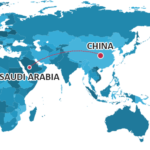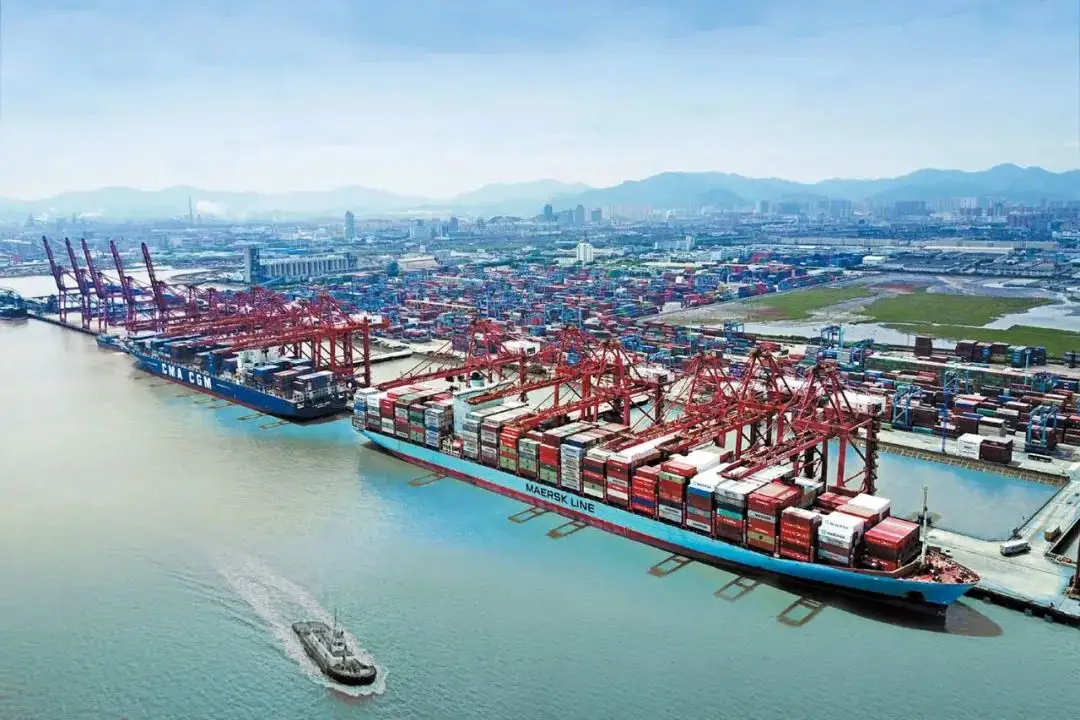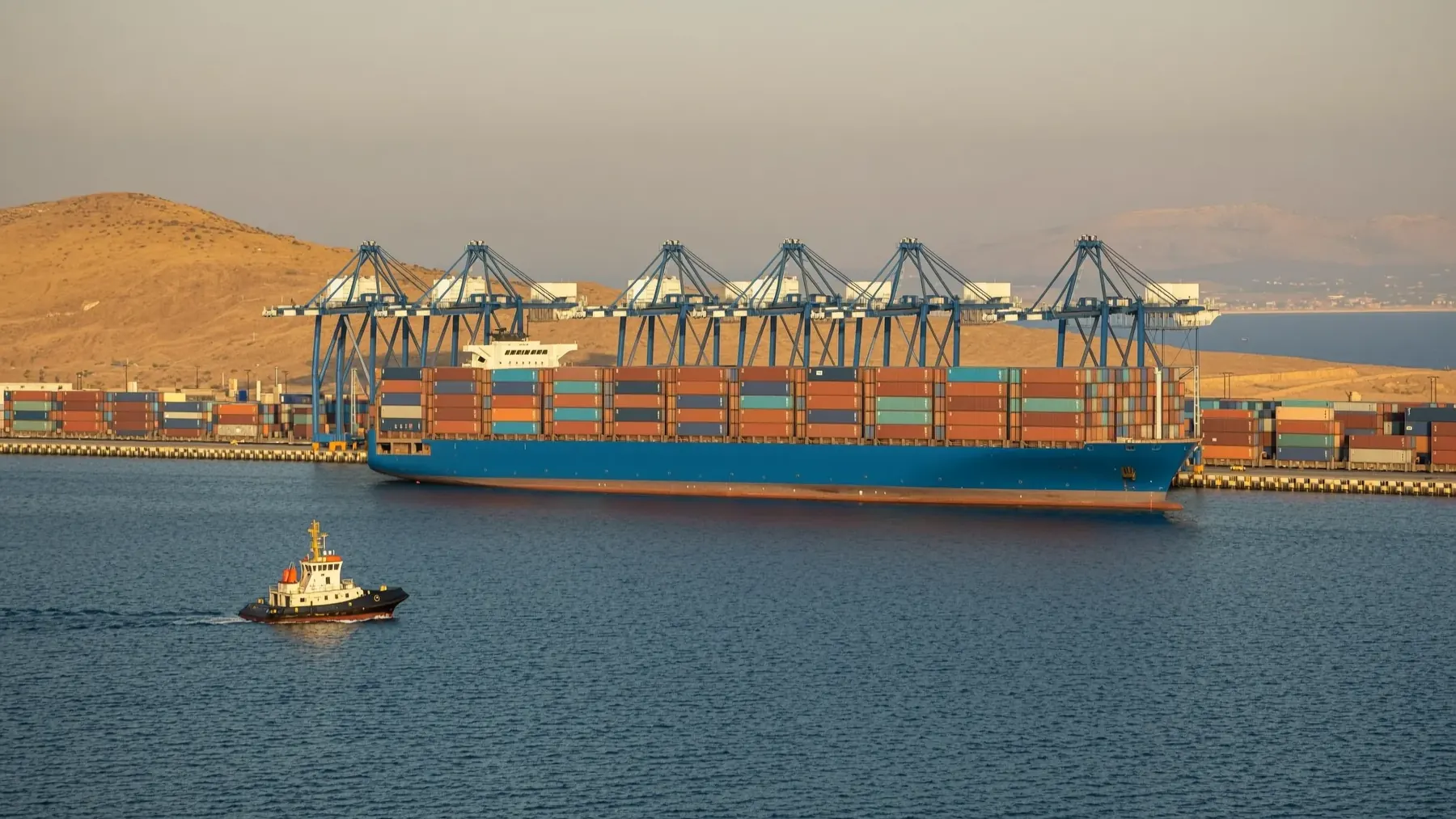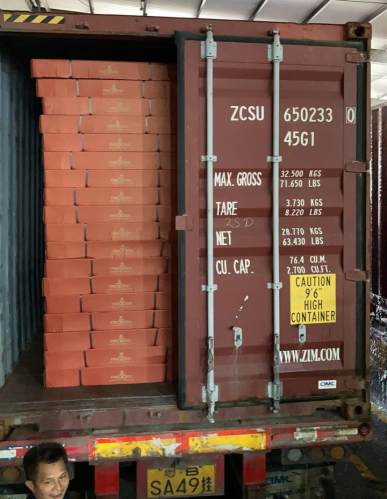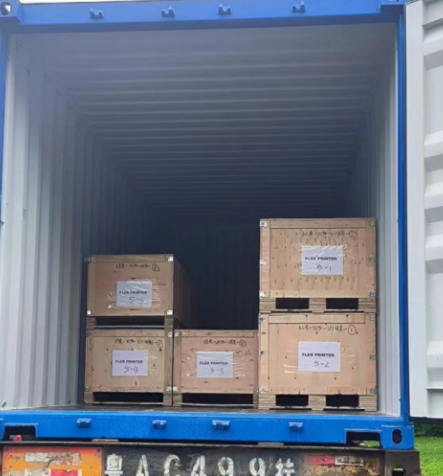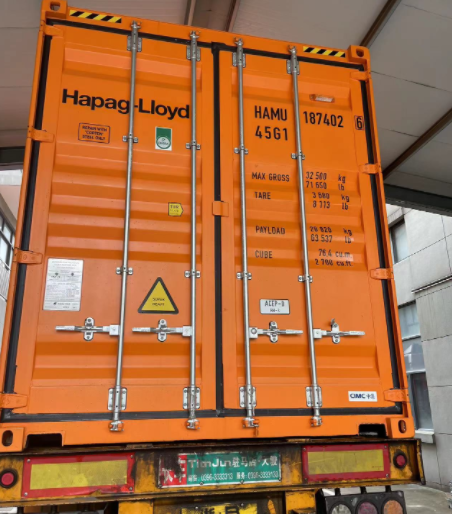
If you are sourcing goods from China and wondering how much is shipping from China to Libya, you are not alone. Libya’s post-conflict reconstruction boom has fueled an unprecedented demand for imported construction materials, machinery, consumer electronics, and everyday goods from China — but navigating the shipping costs to a market with complex customs procedures, banking restrictions, and fragmented logistics can feel overwhelming. Whether you are a B2B importer shipping a full container of building supplies or an e-commerce seller testing the market with a small consignment, getting an accurate picture of your total landed cost before you commit is the difference between a profitable shipment and a costly surprise.
The challenge? Freight rates from China to Libya vary dramatically depending on your shipping method, cargo volume, seasonal timing, and — critically — which Libyan port you are shipping to. In our 15+ years of managing China-to-Libya freight operations from our Shenzhen headquarters, we have seen importers routinely face budget overruns of 15% to 30% or more — not because they chose the wrong carrier, but because they were never shown the complete cost picture (base freight + surcharges + customs duties + inland delivery) before their cargo was already at sea. In this complete guide, we break down every cost component across sea freight, air freight, express courier, and door-to-door shipping services — drawing on real shipments, actual carrier contracts, and hard-won operational experience — so you can plan your logistics with confidence and avoid the hidden fees that catch unprepared shippers off guard. Partnering with a knowledgeable freight forwarder from china to Libya ensures your cargo moves smoothly from factory to final destination.
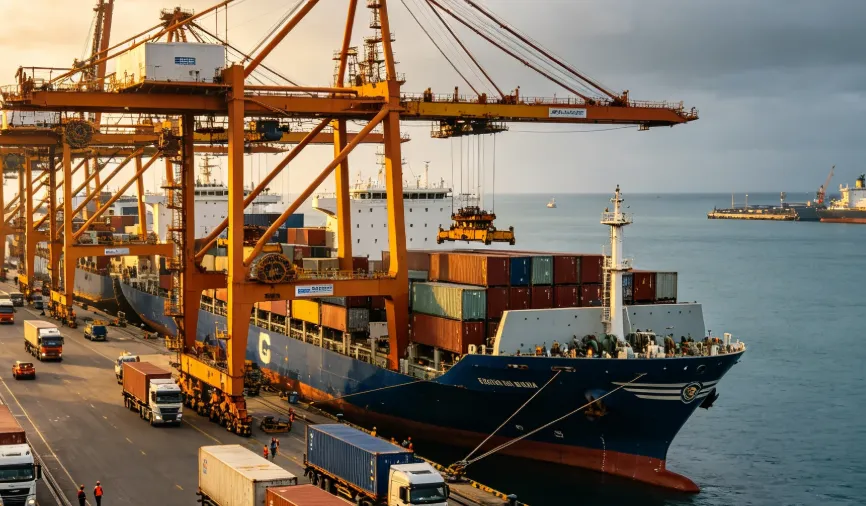
China-to-Libya Shipping Costs at a Glance: 2026 Freight Rate Comparison
For busy decision-makers who need numbers fast, here is a high-level comparison of the five main shipping methods from China to Libya, mapped against cost, transit time, and ideal use case.
| Shipping Method | Cost Range | Transit Time | Best For | Minimum Volume |
|---|---|---|---|---|
| Sea Freight FCL (20ft) | $2,000–$3,100 per container | 35–45 days port-to-port | Bulk cargo, building materials, machinery | 20ft container (~28 CBM) |
| Sea Freight FCL (40ft) | $3,050–$4,800 per container | 35–45 days port-to-port | Large-volume shipments | 40ft container (~58 CBM) |
| Sea Freight LCL | $80–$150 per CBM | 35–50 days port-to-port | Small shipments, samples, e-commerce | 1 CBM |
| Air Freight | $3.40–$12.50 per kg | 3–7 days airport-to-airport | Urgent, high-value, or perishable goods | 45 kg |
| Express Courier (DHL/FedEx) | $3.60–$7.75 per kg | 3–8 days door-to-door | Documents, samples, small packages | 0.5 kg |
Note: All prices are approximate estimates for 2025–2026 based on market data and should be used as planning benchmarks. Actual quotes depend on your specific cargo details, carrier availability, fuel surcharges, and seasonal demand. Always request a customized quote from your freight forwarder before budgeting.
Sea Freight from China to Libya: FCL, LCL & Container Shipping Rates (2026)
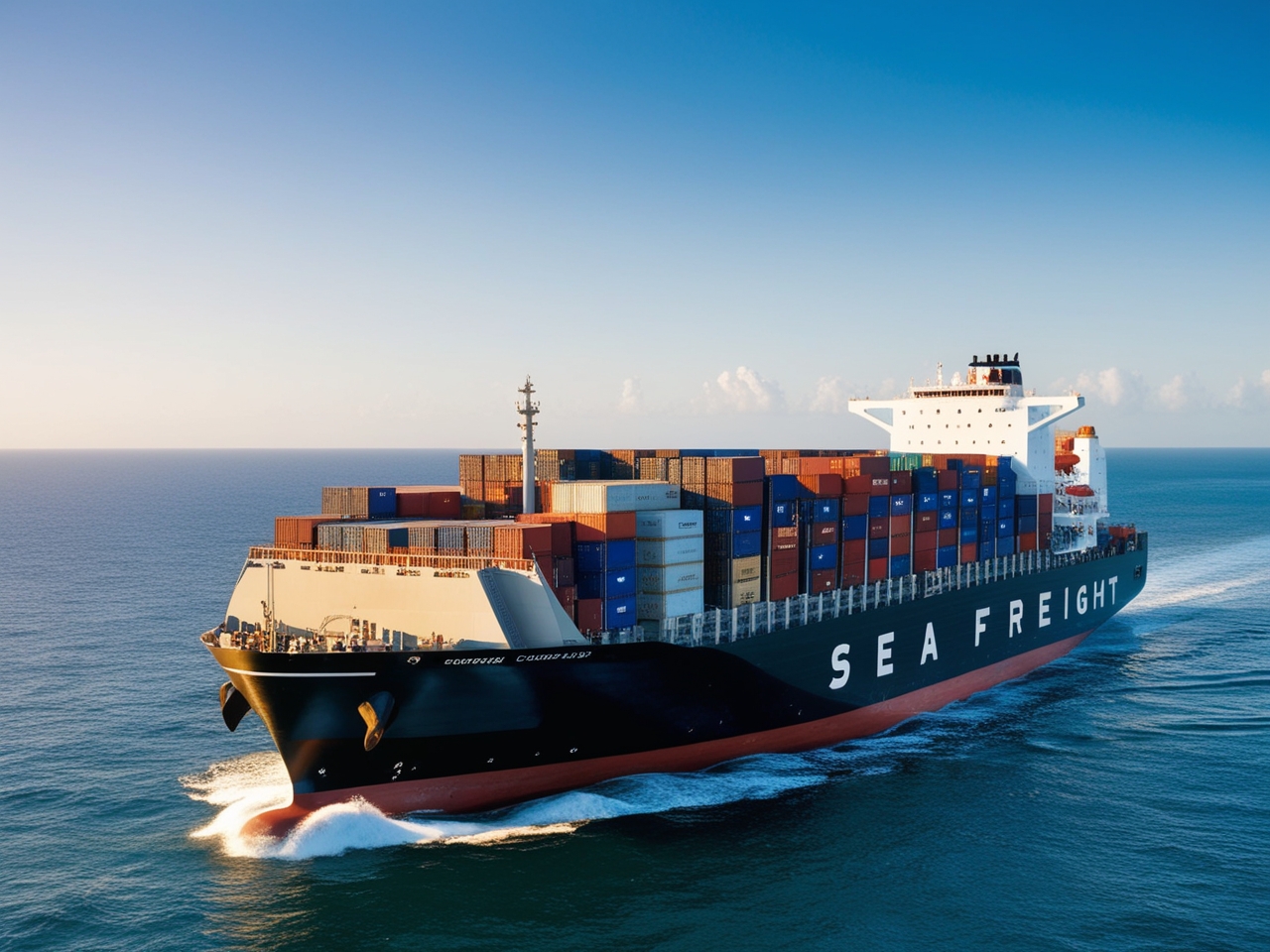
For most importers shipping from China to Libya, ocean freight is the backbone of their logistics strategy. It offers the lowest cost per unit for medium-to-large shipments and can accommodate virtually any type of cargo — from standard palletized goods to oversized construction equipment. The trade-off is time: sea freight takes significantly longer than air freight, but the savings can be substantial. As part of the broader Shipping from China to Africa network, the Libya trade lane benefits from well-established Mediterranean feeder connections.
FCL (Full Container Load): 20ft & 40ft Container Rates
FCL (Full Container Load) means you book an entire container exclusively for your cargo. This is the most cost-effective option when your shipment volume exceeds approximately 15 cubic meters (CBM). Libya’s three major ports — Tripoli, Benghazi, and Misrata — all receive regular container services from China’s main export hubs.
Below are approximate FCL rates by origin-destination pair, reflecting 2025–2026 market conditions:
| Origin Port (China) | Destination Port (Libya) | 20ft Container (20GP) | 40ft Container (40GP) | 40ft High Cube (40HQ) |
|---|---|---|---|---|
| Shenzhen (Shekou/Yantian) | Tripoli | $2,000–$3,000 | $3,050–$4,500 | $3,200–$4,700 |
| Shanghai | Tripoli | $2,050–$2,850 | $3,050–$4,500 | $3,200–$4,700 |
| Ningbo-Zhoushan | Misrata | $2,100–$3,150 | $3,150–$4,200 | $3,300–$4,400 |
| Guangzhou (Nansha) | Tripoli | $2,150–$3,150 | $3,150–$4,200 | $3,300–$4,400 |
| Qingdao | Tripoli | $2,150–$3,250 | $3,250–$4,350 | $3,400–$4,500 |
| Shanghai | Benghazi | $2,050–$2,750 | $3,050–$4,200 | $3,200–$4,400 |
| Shenzhen | Benghazi | $2,000–$2,900 | $3,050–$4,200 | $3,200–$4,400 |
Carrier-specific pricing note: As of April 2025, a direct COSCO sailing from China to Tripoli was quoted at approximately $4,198 for a 20GP and $5,996 for a 40GP. MSC and CMA CGM rates may vary by $200–$600 depending on sailing schedules and contract terms. Working with a freight forwarder who holds direct contracts with multiple carriers — rather than booking through a single line — can save you 10%–20% on base ocean freight alone.
When does a 40ft make more sense than a 20ft? A 40ft container typically costs only about 50%–60% more than a 20ft while offering roughly double the capacity. If your shipment exceeds 18–20 CBM, upgrading to a 40ft usually delivers a lower cost per cubic meter. For example, at $3,050 for a 40ft vs. $2,050 for a 20ft on the Shanghai–Tripoli lane, the 40ft provides 58 CBM at approximately $53/CBM versus the 20ft’s 28 CBM at $73/CBM — a 27% unit cost saving.
LCL (Less than Container Load): Per-CBM & Per-KG Pricing
LCL (Less than Container Load) allows you to ship cargo without filling an entire container. Your goods share container space with shipments from other importers, and you only pay for the volume you use. If you are new to these terms, our explainer on what is lcl and fcl in shipping covers the fundamentals in detail. LCL is the ideal solution for smaller consignments, product samples, or market-testing shipments.
LCL rates from China to Libya typically range from $80 to $150 per CBM, depending on the origin-destination pair and the shipping line. Here is how pricing breaks down by route:
| Origin (China) | Destination (Libya) | LCL Rate (per CBM) | Typical Transit Time |
|---|---|---|---|
| Shenzhen | Tripoli | $165–$190 | ~35–45 days |
| Guangzhou | Tripoli | $150–$180 | ~35–45 days |
| Shanghai | Benghazi | $130–$165 | ~38–48 days |
| Ningbo | Misrata | $140–$170 | ~33–45 days |
How LCL billing works: Freight charges for LCL are calculated by taking the greater of your cargo’s actual volume (in CBM) or its volumetric weight (in CBM-equivalent, typically at a 1:1,000 kg ratio). For example, if your shipment measures 2 CBM but weighs 2,500 kg, you will be charged based on the 2.5 CBM equivalent. Most LCL consolidations have a minimum charge of 1 CBM, meaning even a 0.3 CBM shipment pays for a full cubic meter.
The LCL cost threshold: Generally, if your shipment exceeds approximately 15 CBM, it is more economical to book a full 20ft container rather than pay LCL rates. For a deeper dive into the trade-offs, see our guide on LCL vs FCL Shipping: How to Choose the Right Option for Small Cargo. At $150/CBM, 15 CBM costs $2,250 — already in FCL 20ft territory — and you lose the security and speed advantages of a dedicated container.
Sea Freight Transit Time from China to Libya: Suez Canal vs. Cape of Good Hope
Transit time from China to Libya depends heavily on the shipping route and whether your vessel transits the Suez Canal or diverts around the Cape of Good Hope — a critical consideration in the 2025–2026 shipping environment.
| Route Option | Typical Transit Time | Notes |
|---|---|---|
| Suez Canal Route | 22–34 days | Shorter, but subject to regional instability and canal transit fees |
| Cape of Good Hope Route | 32–46 days | Adds 10–15 extra days; increasingly common since late 2023 |
| Shanghai → Tripoli | 35–40 days | Via Suez, with possible Malta transshipment |
| Ningbo → Misrata | 33–38 days | One of the faster Libya-bound routes |
| Shenzhen → Benghazi | 30–45 days | Wide range depending on transshipment connections |
Most China-to-Libya sailings involve at least one transshipment — containers are offloaded at a Mediterranean hub (commonly Malta, Port Said, or Istanbul) and reloaded onto a feeder vessel for final delivery to Tripoli, Benghazi, or Misrata. Direct sailings are rare on this trade lane, making Sea Freight From China to Libya a route that rewards working with a forwarder who understands the transshipment network.
Air Freight from China to Libya: Cost per KG, Transit Times & When to Use It
When speed is non-negotiable — whether for time-sensitive machinery parts, perishable goods, or urgent inventory replenishment — air freight delivers cargo from China to Libya in a fraction of the time sea freight requires. The trade-off, of course, is cost: air freight is significantly more expensive per kilogram.
Air Freight Rates by Weight Tier & Departure Airport
Air freight rates follow a tiered pricing model: the heavier your shipment, the lower your cost per kilogram. Most carriers use the following breakpoints: +45 kg, +100 kg, +300 kg, +500 kg, and +1,000 kg.
| Departure Airport (China) | Arrival Airport (Libya) | 100 kg Rate | 300 kg Rate | 500 kg Rate | 1,000 kg Rate |
|---|---|---|---|---|---|
| Shanghai Pudong (PVG) | Mitiga (MJI) / Tripoli | $4.80/kg | $3.50/kg | $3.10/kg | $2.80/kg |
| Shenzhen Bao’an (SZX) | Mitiga (MJI) / Tripoli | $4.90/kg | $3.60/kg | $3.20/kg | $2.90/kg |
| Guangzhou Baiyun (CAN) | Misrata (MRA) | $5.00/kg | $4.70/kg | $3.60/kg | $3.10/kg |
| Hong Kong (HKG) | Mitiga (MJI) | $4.70/kg | $3.40/kg | $3.00/kg | $2.70/kg |
| Beijing Capital (PEK) | Benina (BEN) / Benghazi | $5.10/kg | $4.80/kg | $3.80/kg | $3.30/kg |
Understanding chargeable weight: Airlines calculate freight charges based on chargeable weight — the greater of your shipment’s actual gross weight or its volumetric weight (length × width × height in cm ÷ 6,000). For example, a large but lightweight shipment of foam packaging might occupy 3 CBM while weighing only 200 kg. Its volumetric weight would be 500 kg (3,000,000 cm³ ÷ 6,000), and you would be charged at the 500 kg tier rate, not the 200 kg tier. This is a common source of surprise costs for first-time air freight shippers.
Air Freight Transit Times
Air freight from China to Libya is considerably faster than sea freight, but it is not instant. The International Air Transport Association (IATA) regulates many of the standards governing international air cargo, including dangerous goods handling and airway bill documentation — working with an IATA-accredited forwarder ensures your air shipment meets all regulatory requirements from origin to destination. Here is what to expect:
| Service Level | Airport-to-Airport | Door-to-Door (with ground handling) |
|---|---|---|
| Express / Priority | 3–5 days | 7–10 days |
| Economy / Standard | 5–8 days | 10–14 days |
The door-to-door timeline adds time for pickup at the supplier’s location in China, export customs clearance, airline cargo handling, import clearance at the Libyan airport, and final delivery to the consignee’s address.
When to Choose Air Freight from China to Libya: Cost vs. Speed Analysis
Air freight is the right choice when at least one of the following applies:
- Your cargo is time-sensitive: Machinery spare parts where downtime costs exceed freight savings, medical equipment, or seasonal goods with a hard delivery deadline.
- Your shipment is small and valuable: At 100–300 kg, air freight total costs are manageable, and the security of shorter transit reduces inventory financing costs.
- The sea freight cost advantage is marginal: Shipments under 2 CBM with high value density can actually be cheaper to air freight once you factor in LCL minimum charges, destination port fees, and the cost of capital tied up during 40+ days of ocean transit.
Cost comparison — air vs. LCL sea for a 150 kg / 1.5 CBM shipment:
| Cost Component | LCL Sea Freight | Air Freight (300 kg vol.) |
|---|---|---|
| Base freight | ~$150–$225 (1.5 CBM × $100–$150) | ~$1,050–$1,470 (300 kg × $3.50–$4.90) |
| Origin charges | ~$80–$120 | ~$60–$100 |
| Destination charges | ~$150–$300 | ~$100–$200 |
| Total estimated | ~$380–$645 | ~$1,210–$1,770 |
| Transit time | 35–50 days | 3–7 days |
The sea freight option is roughly one-third the cost but takes approximately 7–10 times longer. For a Libya-based factory waiting on a critical replacement part, the air freight premium of ~$1,000 is often trivial compared to the cost of 40 days of production downtime.
Door-to-Door Shipping from China to Libya: DDP, DAP & End-to-End Logistics Costs
For many importers — particularly those without an established logistics team or existing customs broker in Libya — door-to-door shipping is the most attractive option. It covers every step from the supplier’s factory in China to the final delivery address in Libya, minimizing coordination headaches. However, understanding exactly what “door-to-door” means in the Libyan context is critical to avoiding costly misunderstandings.
Understanding DDP vs DAP for Libya
This is perhaps the single most important distinction for anyone shipping to Libya, and it is one that many competitors gloss over.
DDP (Delivered Duty Paid) is the term under Incoterms 2020 — the standardized global trade rules published by the International Chamber of Commerce (ICC) — where the seller (or in freight forwarding terms, the shipper) assumes responsibility for all costs, including import duties and taxes at destination. In most international trade lanes, DDP is a popular choice because it offers the buyer a hassle-free, all-inclusive price.
However, true DDP is extremely rare for shipments to Libya. Here is why: Libyan law requires that the consignee (the buyer in Libya) hold a valid import license, and import duties and taxes must be paid by the license holder — not by a third-party freight forwarder. A Chinese freight forwarder or even their Libyan agent cannot legally pay customs duties on behalf of the importer in most cases. The Central Bank of Libya’s strict control over foreign currency transactions further complicates DDP arrangements.
What you will actually get is DAP (Delivered at Place). Under DAP terms, the freight forwarder handles everything up to and including delivery to the named place in Libya — but the consignee is responsible for import customs clearance, paying duties and taxes, and any customs examination fees. In practice, the forwarder will coordinate closely with a local Libyan customs broker to facilitate clearance, but the legal and financial responsibility rests with the importer.
Key takeaway: If a freight forwarder promises you “DDP to Libya” without explaining these nuances, ask probing questions. A reputable forwarder will be transparent about the DAP reality and will help you understand exactly which costs you will bear directly. For a complete walkthrough of the end-to-end process, see our detailed guide on door to door shipping from China to Libya.
What our experience has taught us: In our 15+ years of handling China-to-Libya shipments, we have seen multiple cases where importers budgeted for “all-inclusive DDP” only to discover upon cargo arrival that they needed to pay duties, VAT, and customs examination fees out of pocket — costs that can easily reach 15%–25% of the cargo value. One client importing electrical equipment to Tripoli had budgeted $6,800 for what they believed was a DDP shipment; the actual cost, once duties (12%) and customs brokerage were settled directly with Libyan authorities, came to approximately $9,200. After we restructured their shipping terms to transparent DAP with a pre-calculated duty estimate, their budgeting accuracy improved to within 3% on subsequent shipments. The lesson is simple: transparency upfront prevents budget shock downstream.
Door-to-Door Sea Freight Process & Timeline
A typical door-to-door sea freight shipment from China to Libya follows this five-stage process, taking approximately 45–55 days end to end:
| Stage | Activity | Duration | Key Cost Components |
|---|---|---|---|
| 1. Supplier Pickup | Cargo collected from factory/warehouse in China | 1–2 days | Inland trucking fee ($150–$400 depending on distance) |
| 2. Export Clearance | Chinese customs declaration, documentation | 1–3 days | Customs brokerage fee ($80–$150), documentation fees |
| 3. Ocean Transit | Main vessel + possible transshipment | 35–45 days | Base ocean freight + BAF + LSS + ISPS surcharges |
| 4. Import Clearance | Libyan customs processing, duty payment | 3–10 days | Customs brokerage in Libya, ECTN certificate, duties & taxes |
| 5. Last Mile Delivery | Trucking from port to final address | 2–5 days | Inland trucking in Libya ($200–$600 depending on destination) |
Total door-to-door cost estimate (all-in, excluding duties & taxes):
| Container Type | Estimated All-In Door-to-Door Cost |
|---|---|
| 20ft FCL | $3,500–$5,200 |
| 40ft FCL | $5,000–$7,500 |
| LCL (per CBM) | $200–$350 per CBM |
The 15%–30% premium over port-to-port pricing covers pickup, export clearance, import brokerage, ECTN, and final delivery — costs that importers often overlook when comparing quotes.
Door-to-Door Air Freight Process & Timeline
Door-to-door air freight compresses the timeline to approximately 10–14 days:
| Stage | Duration |
|---|---|
| Supplier pickup + export clearance | 1–2 days |
| Airline handling + air transit | 3–7 days |
| Import clearance + last mile delivery | 3–5 days |
Door-to-door air freight costs typically range from $7.50 to $15.00 per kg all-in, depending on weight tier, origin, and final destination within Libya.
Express Courier Shipping from China to Libya: DHL, FedEx & UPS Rates Compared
For very small shipments — documents, product samples, replacement parts under 100 kg — express courier services (DHL, FedEx, UPS) offer the simplest door-to-door solution. No freight forwarder is needed; you simply book online or at a service center.
Here is how the major couriers compare for shipping from China (Shenzhen) to Libya, based on April 2025 rate data:
| Weight Tier | DHL Express | FedEx Economy | FedEx Priority | UPS Express |
|---|---|---|---|---|
| 1–20 kg | ~$5.80–$7.20/kg | ~$6.50–$8.00/kg | ~$7.50–$9.50/kg | ~$6.00–$8.50/kg |
| 21–44 kg | ~$4.80–$5.50/kg | $6.75/kg | $7.75/kg | ~$5.50–$6.80/kg |
| 45–99 kg | ~$3.75–$4.50/kg | $5.80/kg | $6.50/kg | ~$4.50–$5.50/kg |
| 100–299 kg | ~$3.63/kg | $5.15/kg | $5.93/kg | ~$4.20/kg |
| 300–500 kg | ~$3.50/kg | $4.90/kg | $5.62/kg | ~$4.00/kg |
| 500+ kg | ~$3.40/kg | $4.86/kg | $5.58/kg | ~$3.80/kg |
Prices shown in USD equivalents converted from RMB; actual rates fluctuate with fuel surcharges and exchange rates.
Important courier considerations for Libya:
- Remote area surcharges: Deliveries outside major cities (Tripoli, Benghazi, Misrata) may incur additional fees of $30–$80 or more
- Restricted items: Some electronics, lithium batteries, liquids, and food products face courier restrictions — check before shipping
- Customs clearance: Express couriers handle basic customs clearance as part of their service, but for shipments with complex HS code classifications or requiring special permits, a dedicated customs broker through a freight forwarder is more reliable
For shipments between 100–500 kg, the pricing gap between express courier and air freight narrows. At this crossover point, air freight through a freight forwarder often becomes more economical and offers greater flexibility for customs clearance support. If you are looking for a trusted partner, a shipping agent from china to Libya can help you navigate these cost trade-offs with real-time carrier pricing.
What Affects the Cost of Shipping from China to Libya? 7 Key Pricing Factors
Freight rates are not static — they fluctuate based on a combination of seasonal, operational, and market-driven factors. Understanding these dynamics helps you time your shipments and budget more accurately.
Seasonal Fluctuations & Peak Season Calendar
The shipping industry follows a predictable seasonal rhythm that directly impacts rates on the China–Libya trade lane:
| Period | Impact on Rates | Why |
|---|---|---|
| January–February (Chinese New Year) | +15%–25% | Factories close for 2–4 weeks; pre-holiday cargo rush creates severe space shortages |
| March–April (Pre-Ramadan) | +10%–15% | Libyan importers stock up ahead of Ramadan; demand surge for consumer goods and food products |
| May–August | Baseline to slightly elevated | Steady demand; moderate rates unless disrupted by global events |
| September–October (Golden Week) | +10%–20% | China’s National Day holiday (Oct 1–7) triggers pre-holiday rush; carriers announce blank sailings |
| November–December (Year-End) | +10%–20% | Global holiday season; Christmas demand drives up air freight; end-of-year budget utilization by importers |
Practical tip: If your supply chain allows flexibility, book shipments 3–4 weeks before peak periods and target sailings that depart in May–August or February (post-CNY lull) for the most competitive rates.
Fuel Surcharges, Port Fees & Hidden Costs
The base ocean freight rate you see quoted is only part of the story. A complete sea freight invoice typically includes the following surcharges and fees:
| Fee Type | Abbreviation | Typical Range | Charged By |
|---|---|---|---|
| Bunker Adjustment Factor | BAF | $100–$400 per container | Shipping line |
| Low Sulfur Surcharge | LSS | $30–$80 per container | Shipping line |
| Peak Season Surcharge | PSS | $150–$350 per container (seasonal) | Shipping line |
| Terminal Handling Charge (Origin) | THC | $100–$180 per container | Origin port |
| Documentation Fee | DOC | $50–$80 per shipment | Forwarder / Carrier |
| Customs Brokerage (China Export) | — | $80–$150 per shipment | Customs broker |
| Inland Trucking (China) | — | $150–$500 per container | Trucking company |
| ECTN Certificate | — | $80–$150 per shipment | ECTN issuer / Forwarder |
| Destination Terminal Handling | — | $150–$300 per container | Destination port |
| Demurrage / Detention | — | $50–$150+ per day (after free time) | Shipping line / Port |
For a 20ft container with a $2,500 base ocean freight, these additional charges can add $800–$1,800 to the total port-to-port cost — effectively a 30%–70% premium over the headline rate. As the International Federation of Freight Forwarders Associations (FIATA) notes, understanding the full ancillary charge structure is essential for accurate landed cost calculation — a principle that is especially critical on emerging-market trade lanes like Libya where surcharge transparency varies significantly by carrier and forwarder. Beyond these operational fees, Insurance Services represent a small but critical investment: comprehensive cargo insurance coverage for a Libya-bound container typically costs 0.3%–0.5% of the cargo value and protects against risks ranging from rough Mediterranean weather to port handling damage.
Operational insight — the surcharge trap we see most often: In our day-to-day work managing Libya-bound shipments, the single most common budgeting mistake we encounter is importers comparing quotes based solely on the base ocean freight rate while ignoring the ancillary line items. We recently audited a competitor’s quote for a client shipping a 40ft container from Shenzhen to Tripoli: the base freight was quoted at $2,950 (attractively low), but the fine print excluded BAF, LSS, destination THC, and ECTN — adding $1,120 in unavoidable costs. Our quote, at $3,400 base freight with all surcharges disclosed upfront, was actually $330 cheaper all-in. The lesson: always request a line-by-line, all-inclusive quotation and compare total port-to-port or door-to-door costs, not headline rates.
How Cargo Type, Weight & Volume Affect Your China-to-Libya Shipping Rate
- General cargo (garments, electronics, consumer goods) travels at standard rates
- Hazardous cargo (chemicals, lithium batteries, certain industrial materials) incurs dangerous goods surcharges of $150–$500+ and requires special documentation
- Oversized / OOG cargo (machinery, steel structures, vehicles) requires flat rack containers or breakbulk shipping, which is priced per shipment rather than per container and typically costs 50%–200% more than standard container rates
- Heavy cargo: Containers have maximum payload limits (typically 25–28 tons for a 20ft, 26–28 tons for a 40ft). Exceeding these may require special arrangements
Port Congestion & Route Disruptions
Since late 2023, the security situation in the Red Sea has caused many carriers to reroute vessels around the Cape of Good Hope instead of transiting the Suez Canal. This adds approximately 10–15 days to China–Libya transit times and increases fuel costs (reflected in higher BAF charges). The situation remains dynamic — a return to consistent Suez routing would shorten transit times and put downward pressure on rates, but this cannot be guaranteed.
Within Libya itself, Port of Tripoli handles approximately 60% of the country’s seaborne imports, with Benghazi (30%) and Misrata (10%) covering the remainder. Tripoli experiences periodic congestion, particularly during the pre-Ramadan import surge. Having the flexibility to route via an alternative Libyan port can help mitigate delays, though this requires coordination with your freight forwarder and consignee.
Customs Clearance & Import Duties When Shipping from China to Libya
Libyan customs procedures are among the most complex in North Africa, and proper documentation is the single biggest factor determining whether your shipment clears smoothly or sits in limbo accruing demurrage charges. According to the Libyan Customs Authority, incomplete or inaccurate documentation is the leading cause of cargo delays at Libyan ports — accounting for over 60% of held shipments. Working with a forwarder who provides dedicated Customs Clearance support for both China export and Libya import procedures can dramatically reduce the risk of delays.
Required Documentation Checklist
Every shipment from China to Libya must be accompanied by:
- Commercial Invoice — Must include full shipper and consignee details (matching the import license exactly), detailed product descriptions with HS codes, unit values and total value, currency, and payment terms. In some cases, the invoice must be legalized by the Libyan embassy or chamber of commerce in China before shipment.
- Packing List — Detailed breakdown of each package: dimensions, weight, contents.
- Bill of Lading (B/L) — Ocean freight; must match the commercial invoice and L/C terms precisely if payment is by letter of credit.
- Certificate of Origin — Issued by CCPIT (China Council for the Promotion of International Trade) or equivalent; may require legalization.
- ECTN Certificate — MANDATORY for all sea freight to Libya (see below).
- Import License — Held by the Libyan consignee; must be valid and cover the specific goods being imported.
- Inspection Certificate — Required for regulated goods (electrical equipment, food products, pharmaceuticals, certain consumer goods).
Any discrepancy between these documents — a mismatched HS code, a different consignee name, or a value that does not align with the L/C — can result in customs rejection, fines, or weeks of delays.
ECTN Certificate — What It Is & How to Obtain
The ECTN (Electronic Cargo Tracking Note) is a mandatory electronic document required by the Libyan Customs Authority for all sea freight shipments entering Libya. It was introduced to improve cargo traceability and combat under-invoicing.
Key facts about ECTN:
- Must be obtained before the vessel arrives at the Libyan port of discharge
- Without a valid ECTN, your cargo cannot be cleared and may face penalties or even rejection
- The certificate is issued by an authorized ECTN provider (your freight forwarder should handle this)
- Information required: B/L number, vessel name, shipper/consignee details, cargo description, HS codes, container numbers, and invoice values
- Processing typically takes 1–3 working days
- Cost: approximately $80–$150 per B/L
Insider tip — ECTN timing matters more than you think: One operational detail that inexperienced shippers often miss is that ECTN applications submitted within 48 hours of vessel arrival are significantly more likely to be flagged for manual review by Libyan customs, which can add 3–7 days to clearance time. We always advise our clients to submit ECTN applications at least 5 working days before the vessel’s estimated arrival at the Libyan port of discharge. This buffer allows time to correct any data discrepancies without incurring demurrage charges. For a 40ft container accruing demurrage at $80–$150 per day after the free time window (typically 5–7 days at Libyan ports), this small procedural step can save hundreds of dollars.
Libya Import Duty Rates by Product Category
Libyan import duties are calculated on the CIF value (Cost + Insurance + Freight) of the goods. While rates are subject to change by the Libyan Customs Authority, the following estimates provide a planning benchmark:
| Product Category | Estimated Duty Rate | Notes |
|---|---|---|
| Building materials (tiles, cement, steel) | 5%–10% | Lower rates to support reconstruction |
| Machinery & industrial equipment | 5%–10% | May qualify for reduced rates under investment incentives |
| Electronics & electrical goods | 10%–20% | Conformity assessment may be required |
| Automotive parts & accessories | 10%–15% | Used parts face additional restrictions |
| Textiles & garments | 15%–20% | Higher protection for domestic industry |
| Furniture & home goods | 15%–20% | |
| Food products | 10%–30% | Varies significantly; health inspection mandatory |
| Medical equipment & pharmaceuticals | 0%–5% | Often exempt or reduced; requires Ministry of Health approval |
Important: In addition to customs duties, a VAT or consumption tax may apply. Always confirm the latest rates with your Libyan consignee or customs broker before finalizing your import budget.
Letter of Credit (L/C) & Banking Requirements for Libya Imports
The Central Bank of Libya requires that most commercial imports be settled via Letter of Credit (L/C). This has critical implications for your shipping documentation:
- L/C terms specify exact document requirements — any deviation (even a minor typo in the consignee name on the B/L) can cause the issuing bank to reject the documents and withhold payment
- Common pitfalls: B/L consignee not matching L/C exactly, partial shipments not permitted by L/C terms, late presentation of documents (L/C specifies a deadline after shipment date)
- T/T (Telegraphic Transfer) advance payment is sometimes used for smaller transactions, but this depends on the relationship between buyer and seller and the Libyan bank’s policies
- A freight forwarder experienced in Libya trade can review your shipping documents against L/C requirements before dispatch — catching discrepancies early prevents payment rejection weeks later
READ MORE:
- Shipping From China To Algeria
- Shipping From China To Angola
- Shipping From China To Morocco
- Shipping From China To Nigeria
- Shipping From China To Kenya
- Shipping From China To Tanzania
- Shipping From China To South Africa
How to Choose the Best Shipping Method from China to Libya: A Complete Decision Guide
With all the options on the table, here is a practical decision framework to help you select the optimal shipping method based on your cargo and priorities:
| Your Situation | Recommended Method | Why |
|---|---|---|
| Cargo > 15 CBM, cost-sensitive | FCL Sea Freight | Lowest cost per unit; dedicated container reduces handling damage risk |
| Cargo < 15 CBM, cost-sensitive | LCL Sea Freight | Pay only for space used; ideal for market testing or small orders |
| Cargo < 100 kg, urgent | Express Courier (DHL/FedEx) | Fastest door-to-door; minimal paperwork |
| Cargo 100–500 kg, urgent | Air Freight | Good balance of speed and cost in this weight range |
| Need end-to-end convenience | Door-to-Door DAP | Single point of contact; forwarder manages entire process |
| Heavy/oversized equipment | Breakbulk or Flat Rack | Accommodates cargo that does not fit standard containers |
The cheapest way to ship from China to Libya, in almost all cases, is LCL sea freight for small-to-medium shipments (under 15 CBM) and FCL sea freight for larger volumes. However, “cheapest” does not always mean “best” — factor in the cost of capital tied up during 40+ days of transit, the risk of damage during LCL consolidation and deconsolidation, and the opportunity cost of delayed inventory availability.
Freight Forwarder from China to Libya: Why Dantful Is Your Best Logistics Partner
Navigating the complexities of shipping from China to Libya — from volatile freight rates and transshipment routing to ECTN compliance and L/C documentation — requires more than just a freight booking platform. It demands a logistics partner who understands the nuances of both the Chinese export environment and the Libyan import landscape.
Dantful International Logistics brings exactly that combination to the table. As a leading freight forwarder in shenzhen china, founded in 2008 and headquartered in Shenzhen — China’s largest export port city — Dantful is a Class-A licensed freight forwarder with NVOCC certification from China’s Ministry of Transport, IATA-accredited for international air cargo operations, and a member of both FMC (Federal Maritime Commission) and Jctrans — ensuring compliance with international shipping regulations at every stage, across every mode of transport.
Here is what sets us apart for the China–Libya trade lane:
- Direct carrier contracts: We hold service agreements with MSC, COSCO, CMA CGM, and other major carriers on the Asia–Mediterranean route, securing competitive base rates and guaranteed space — even during peak season
- Libya documentation expertise: Our dedicated North Africa desk handles ECTN certificates, invoice legalization, and L/C document review as standard — not as an upsell
- Local presence in key Libyan ports: Through our agent network spanning Tripoli, Benghazi, and Misrata, we provide reliable customs brokerage and last-mile delivery coordination
- Real-time visibility: Our cargo tracking platform provides daily updates with photos at key milestones — from container loading in China to arrival at the Libyan port of discharge
- Scalable support: With 50 operations specialists and over 50 customer service professionals, we assign a dedicated account manager to every client, ensuring consistent communication and proactive problem-solving across time zones
Whether you are shipping a full container of building materials to Tripoli, a pallet of consumer electronics via LCL to Benghazi, or urgent air freight to Mitiga, Dantful offers transparent, all-inclusive pricing with zero hidden fees — what you see on your quotation is what you pay, period. Every quote we issue includes a line-by-line breakdown of base freight, surcharges, port fees, ECTN costs, and estimated duties, so you can budget with complete confidence before your cargo leaves the factory. This commitment to pricing transparency, combined with our flexible logistics solutions and operational scale, is what keeps our clients’ supply chains moving smoothly — shipment after shipment, year after year.
Ready to get started? Contact our Libya desk today for a free, no-obligation shipping quote tailored to your specific cargo, timeline, and destination. Our team will provide a detailed cost breakdown — including all surcharges, port fees, and estimated duties — so you can budget with confidence before committing a single dollar.
Shipping from China to Libya: Key Takeaways & How to Get Started
Shipping from China to Libya involves moving parts across continents, carriers, and customs regimes — but with the right knowledge and the right partner, it does not have to be complicated. For importers serving multiple markets across North Africa, we also provide dedicated services for Shipping From China to Algeria, Shipping From China To Tunisia, and Shipping From China To EGYPT — allowing you to consolidate your regional logistics under one trusted partner. Here is what to remember:
- Sea freight offers the lowest cost per unit for shipments above 1 CBM, with FCL being the most economical option for cargo exceeding 15 CBM
- Air freight delivers in 3–7 days at $3.40–$12.50/kg and is the right choice when speed outweighs freight cost in your equation
- Door-to-door DAP is the practical standard for Libya — be wary of promises of full DDP, which is rarely feasible under Libyan regulations
- ECTN compliance, accurate documentation, and L/C alignment are not optional extras — they are the gatekeepers of a smooth customs clearance in Libya
- Seasonal timing can swing your total freight bill by 15%–25% — planning ahead pays real dividends
Whether you are a seasoned importer moving 40ft containers of construction materials or a first-time shipper testing the Libyan market with a small LCL consignment, the key is working with a freight forwarder who combines competitive carrier pricing with genuine Libya-specific expertise.
At Dantful International Logistics, we have spent over 15 years building exactly that — a logistics operation that bridges China’s manufacturing power with the world’s import demand, backed by Class-A licensing, NVOCC/FMC/Jctrans/IATA certification, and a dedicated North Africa team that understands the Libyan market from the inside out. Our clients trust us not because of marketing claims, but because we deliver what we promise: accurate quotes with no hidden fees, proactive communication at every milestone, and the peace of mind that comes from knowing your cargo is in the hands of professionals who have navigated this exact trade lane hundreds of times before.
Take the next step: Contact Dantful’s Libya desk for a free, detailed shipping quote. Tell us your cargo type, volume, and destination, and we will return a line-by-line cost breakdown within 24 hours — so you know exactly what your total landed cost will be before you ship.
FAQs
1. How much does it cost to ship a 20ft container from China to Libya?
A 20ft container (20GP) shipped from major Chinese ports (Shenzhen, Shanghai, Ningbo) to Tripoli, Benghazi, or Misrata typically costs between $2,000 and $3,100 for the base ocean freight. The all-in port-to-port cost, including surcharges (BAF, LSS, THC), documentation, and ECTN, generally falls in the $3,000–$4,500 range.
2. How much does it cost to ship a 40ft container from China to Libya?
A 40ft container (40GP) base ocean freight ranges from $3,050 to $4,800, depending on the origin-destination pair and carrier. All-in port-to-port costs, including all standard surcharges and fees, typically range from $4,200 to $6,500. A 40ft High Cube (40HQ) adds a small premium for the extra height.
3. How long does sea freight take from China to Libya?
Port-to-port sea freight from China to Libya typically takes 35–45 days via the Suez Canal route. If the vessel is rerouted around the Cape of Good Hope (common since late 2023 due to Red Sea security concerns), transit time extends to 32–46 days, adding approximately 10–15 extra days. Door-to-door sea freight adds 7–15 days for pickup, export clearance, import clearance, and final delivery.
4. How much is air freight per kg from China to Libya?
Air freight rates from China to Libya range from approximately $3.40 to $12.50 per kilogram, with the rate decreasing as the shipment weight increases. A 300 kg shipment from Shanghai to Tripoli might cost around $3.50/kg, while a 45 kg express package could cost $6.00–$8.00/kg. The chargeable weight (greater of actual weight or volumetric weight) is used for billing.
5. What documents are required to ship to Libya?
The mandatory documents for shipping from China to Libya include: (1) Commercial Invoice (may require legalization), (2) Packing List, (3) Bill of Lading or Airway Bill, (4) Certificate of Origin, (5) ECTN Certificate (mandatory for sea freight), and (6) a valid Import License held by the Libyan consignee. Regulated goods (electronics, food, pharmaceuticals) may require additional conformity or inspection certificates.
6. Which is the cheapest way to ship from China to Libya?
For shipments under approximately 15 CBM, LCL sea freight at $80–$150 per CBM is the most economical option. For larger volumes, FCL sea freight (20ft or 40ft container) offers the lowest cost per unit. A 40ft container from Shenzhen to Tripoli at $3,500 base freight works out to roughly $60 per CBM — the cheapest per-unit rate available on this trade lane.
7. How much import duty will I pay in Libya?
Import duties in Libya generally range from 5% to 20% of the CIF value (Cost + Insurance + Freight), depending on the HS code category. Building materials and industrial machinery typically attract lower rates (5%–10%), while consumer goods, textiles, and food products face higher rates (15%–30%). Some goods, such as medical equipment, may qualify for duty exemptions with proper ministry approvals.
8. Are there any restricted items when shipping to Libya?
Yes. Libya maintains restrictions and prohibitions on various goods, including: goods of Israeli origin (completely prohibited), certain types of weapons and military equipment, narcotics, and products inconsistent with Islamic values. Regulated categories — including electrical equipment, food products, and pharmaceuticals — require pre-shipment conformity assessment or special import permits. Always verify your product’s status with your freight forwarder and Libyan consignee before shipping.
9. Do I need an import license to ship goods to Libya?
Yes. The Libyan consignee must hold a valid import license issued by the Libyan Ministry of Economy and Trade. This license must cover the specific product categories being imported. This requirement is one of the main reasons that true DDP shipping is not feasible in Libya — the forwarder cannot substitute for the license holder.
10. What is the best port in Libya for shipping from China?
The best port depends on your final destination within Libya: Tripoli is the largest and most frequently served port, handling approximately 60% of Libya’s seaborne imports with the most frequent connections from China. Benghazi serves eastern Libya and is the preferred port for cargo destined for that region. Misrata has been recognized among the top 20 most improved ports globally (2025 rankings) and offers efficient operations and a free zone for certain types of cargo. Port-specific clearance procedures differ — work with your forwarder to select the optimal discharge port.

Young Chiu is a seasoned logistics expert with over 15 years of experience in international freight forwarding and supply chain management. As CEO of Dantful International Logistics, Young is dedicated to providing valuable insights and practical advice to businesses navigating the complexities of global shipping.