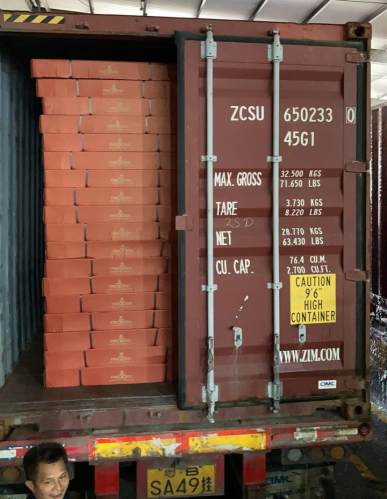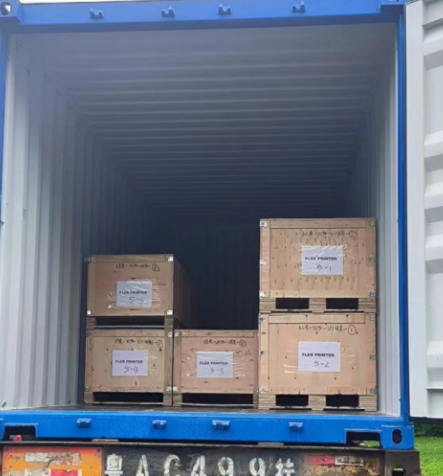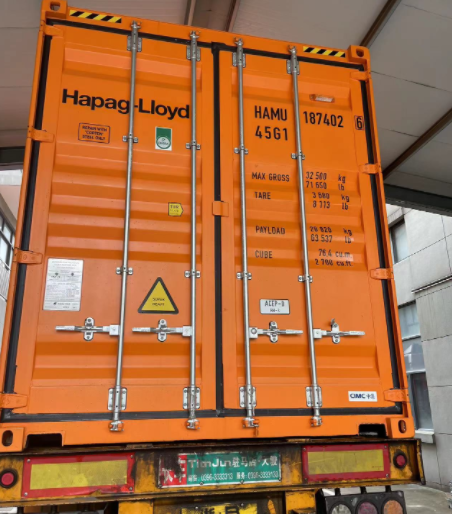
Are you looking to ship furniture from China to Australia but feeling overwhelmed by the complexities and costs? Navigating international furniture shipping, customs regulations, and choosing the best freight method can be challenging. In this comprehensive guide, we’ll walk you through everything you need to know about furniture shipping from China to Australia—from shipping options to paperwork and cost-saving strategies—so your furniture arrives safely and efficiently.
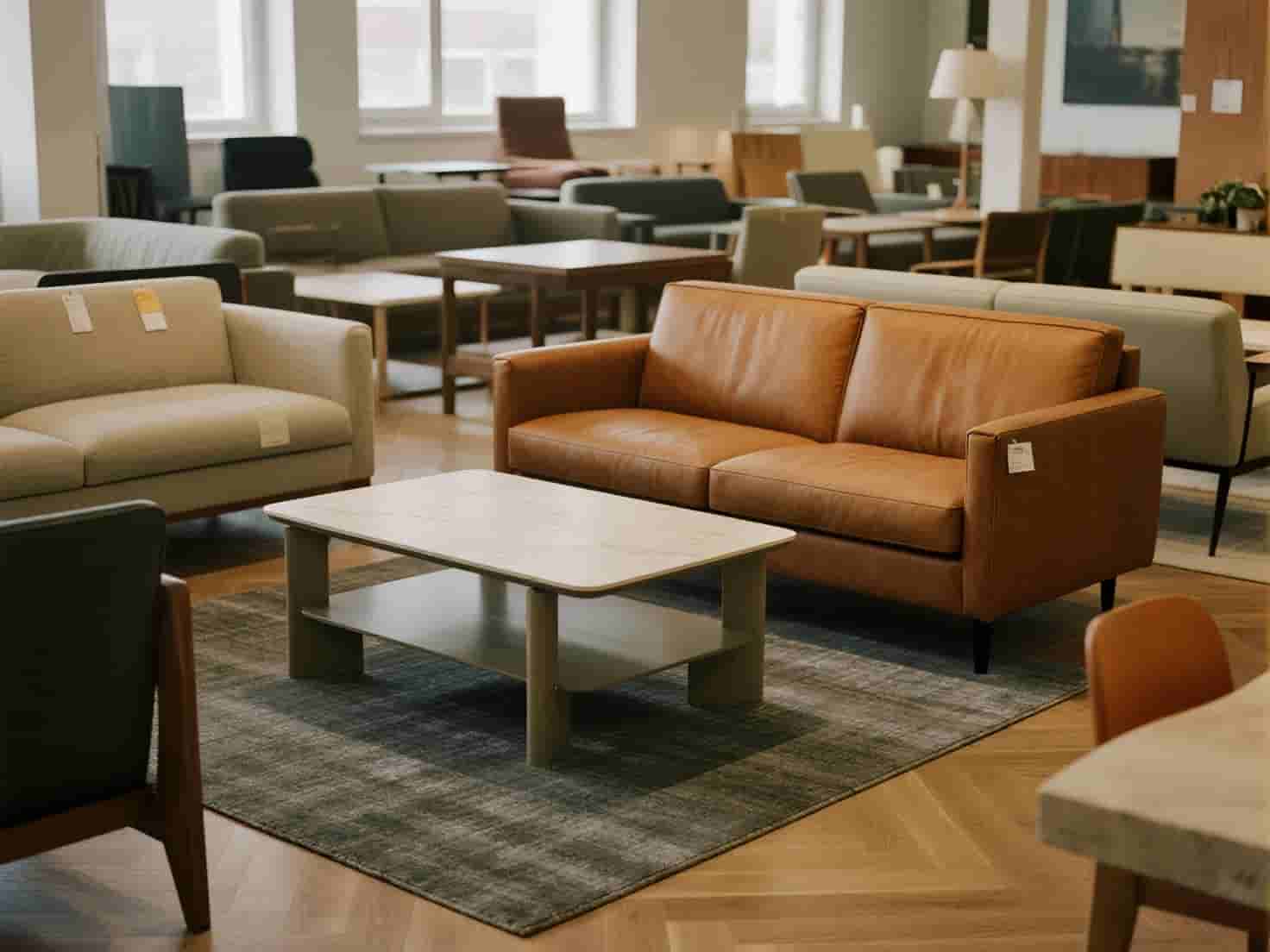
Why Import Furniture from China?
Importing furniture from China to Australia has become an increasingly strategic choice for many businesses, retailers, and even individuals. As a logistics professional with over 15 years of experience, I have witnessed firsthand how China‘s furniture industry—characterized by modern manufacturing, scalability, and a vast product range—has transformed global supply chains.
China is recognized as the world’s largest furniture exporter, accounting for nearly 35% of global furniture exports as of 2023 (Statista). This dominance is driven by several compelling factors:
- Competitive Pricing: Chinese furniture manufacturers leverage economies of scale, advanced automation, and efficient supply chains to offer lower unit costs. This translates to highly competitive pricing for importers in Australia without compromising on quality.
- Diverse Product Range: Whether you’re sourcing home furniture, office sets, outdoor furnishings, or custom-made pieces, China provides a vast assortment to meet distinct style, functionality, and market needs.
- Customization Capabilities: Many Chinese factories offer OEM (Original Equipment Manufacturing) and ODM (Original Design Manufacturing) services, allowing Australian importers to brand and customize products according to their specifications.
- Flexible Order Quantities: Manufacturers in key furniture hubs—such as Guangdong, Zhejiang, and Shandong—can accommodate both full container loads (FCL) and smaller, consolidated shipments (LCL), making it feasible for businesses of all sizes.
- Global Compliance & Quality Standards: Leading Chinese suppliers adhere to international certifications including ISO, FSC, and EN standards, ensuring products meet Australian safety and environmental requirements.
- Robust Export Infrastructure: Major Chinese ports—including Shenzhen, Shanghai, and Ningbo—are fully equipped for large-volume furniture exports, ensuring efficient container handling, customs clearance, and timely shipping schedules.
For importers in Australia, these advantages make China not only a cost-effective sourcing hub but also a reliable partner for scaling business and meeting changing consumer demands. Partnering with a reputable freight forwarder like Dantful International Logistics ensures your shipments are managed professionally from factory to final delivery, mitigating risks and maximizing value.
Key Factors Influencing Shipping Costs for Furniture
Shipping furniture from China to Australia involves a range of cost variables. Understanding these factors is critical for accurate budgeting and supply chain optimization:
| Factor | Description | Impact Level |
|---|---|---|
| Shipping Mode | Sea freight (FCL/LCL) is most common; air freight is faster but costlier | High |
| Volume & Weight | Fees are based on chargeable weight (actual or volumetric, whichever is greater); bulky furniture incurs higher costs | High |
| Packaging & Crating | Proper protection is essential for fragile items but can add to dimensions and weight | Medium |
| Origin & Destination Ports | Shipping rates vary between major ports (Shanghai, Ningbo, Shenzhen) and different Australian ports (Sydney, Melbourne, Brisbane) | Medium |
| Incoterms | Shipping terms (e.g., FOB, CIF, DDP) dictate responsibility and cost allocation | Medium |
| Customs Duties & Taxes | Import duties, Goods and Services Tax (GST, 10%), and possible anti-dumping duties for certain furniture types | High |
| Inland Transportation | Costs from factory to Chinese port and from Australian port to final destination | Medium |
| Seasonal Demand | Peak seasons (e.g., pre-Christmas, Chinese New Year) can raise freight rates | Medium |
| Additional Services | Services such as insurance, warehousing, customs clearance, and door-to-door delivery | Variable |
| Cargo Insurance | Strongly recommended due to the high risk of damage during transit | Low to Medium |
Estimated Sea Freight Costs (2025 Reference):
| Container Type | Capacity (CBM) | Shanghai to Sydney (USD) | Ningbo to Melbourne (USD) | Shenzhen to Brisbane (USD) | Transit Time (Days) |
|---|---|---|---|---|---|
| 20FT | 28 | 1,300 – 1,600 | 1,350 – 1,650 | 1,400 – 1,700 | 16 – 22 |
| 40FT | 56 | 2,200 – 2,600 | 2,250 – 2,700 | 2,300 – 2,800 | 16 – 22 |
| 40HQ | 68 | 2,300 – 2,800 | 2,350 – 2,900 | 2,400 – 3,000 | 16 – 22 |
Note: Rates fluctuate based on market demand, fuel surcharges, and currency exchange. Always request updated quotations from your forwarder.
Other Cost Considerations:
- LCL (Less than Container Load) shipments are charged by CBM and attract consolidation fees. For more information about LCL shipping and how it can optimize your costs, see LCL Shipping from China to Australia.
- Oversized or odd-shaped furniture may require special handling or OOG (Out of Gauge) solutions.
- Door-to-door or DDP shipping will bundle inland trucking, customs clearance, and delivery into a single quote.
Expert Tip:
Engage a professional freight forwarder like Dantful International Logistics. Our comprehensive services—including sea freight, air freight, customs clearance, warehousing, and insurance—ensure a seamless, transparent, and cost-effective shipping process for every furniture consignment from China to Australia.
Sea Freight furniture from China to Australia
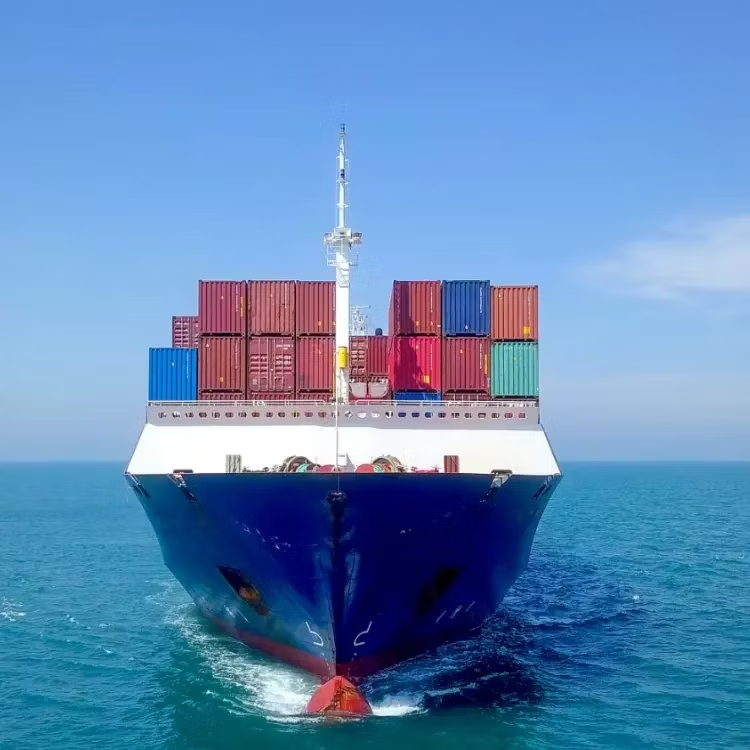
Shipping furniture via sea freight is the most popular and cost-effective option for large, heavy, or bulky items moving from China to Australia. This method is especially suitable for commercial buyers, import/export companies, and manufacturers handling full container loads (FCL) or less than container loads (LCL).
If you want to learn more about the sea freight process and best practices for Australia-bound cargo, you can refer to this specialized resource: Sea Freight From China to Australia.
Main Australian Ports for Sea Freight
| Port Name | Location | Main Use |
|---|---|---|
| Port of Sydney | New South Wales | Major container and furniture hub |
| Port of Melbourne | Victoria | Largest container port in Australia |
| Port of Brisbane | Queensland | Serves northern and central Australia |
| Port of Fremantle | Western Australia | Entry point for western regions |
Typical Sea Freight Routes & Transit Times
| Route (Origin in China – Destination in Australia) | Average Transit Time (Days) |
|---|---|
| Shanghai – Sydney | 12–16 |
| Shenzhen – Melbourne | 14–18 |
| Ningbo – Brisbane | 15–20 |
| Qingdao – Fremantle | 18–23 |
Transit times are port-to-port estimates and may vary based on shipping line schedules, customs clearance, and peak seasons.
Estimated Sea Freight Costs (2025 Reference)
| Container Type | Volume (CBM) | Port-to-Port Cost Range (USD) |
|---|---|---|
| 20FT Container | 28 | $1,200–$2,000 |
| 40FT Container | 56 | $2,000–$3,500 |
| 40HQ Container | 68 | $2,200–$4,000 |
| LCL (Per CBM) | 1 | $65–$90 |
Costs depend on origin/destination ports, nature of the furniture, volume, weight, and current market rates. Additional fees may apply for peak season, hazardous materials, or special handling.
Advantages of Sea Freight for Furniture Shipping
- Cost-effective for heavy and large shipments.
- Suitable for both FCL (Full Container Load) and LCL (Less than Container Load). For a deep dive into what these terms mean, see what is LCL and FCL in shipping.
- Allows for flexible shipping schedules and consolidation of multiple furniture items.
- Accommodates a wide range of furniture types and customized packaging/crating.
- Lower carbon footprint compared to air freight.
Key Considerations
- Transit Time: Sea freight is slower compared to air freight. Plan shipments well in advance.
- Documentation: Complete commercial invoice, packing list, and bill of lading are required.
- Port Handling: Ensure smooth customs clearance and inland transportation from the destination port in Australia.
Air Freight furniture from China to Australia
Air freight is the preferred shipping solution for urgent, high-value, or time-sensitive furniture shipments. It is most suitable for small batches of furniture, prototypes, or high-end pieces where speed outweighs cost considerations.
For more information on this type of cargo movement, see air freight from China to Australia.
Major Airports for Air Freight
| Airport Name | Location | Main Use |
|---|---|---|
| Sydney (SYD) | New South Wales | Largest international air cargo hub |
| Melbourne (MEL) | Victoria | Key gateway for southern Australia |
| Brisbane (BNE) | Queensland | Serves central and northern markets |
| Perth (PER) | Western Australia | Entry point for western Australia |
Typical Air Freight Routes & Transit Times
| Route (China Airport – Australia Airport) | Average Transit Time (Days) |
|---|---|
| Shanghai PVG – Sydney SYD | 2–5 |
| Guangzhou CAN – Melbourne MEL | 2–6 |
| Beijing PEK – Brisbane BNE | 2–6 |
| Shenzhen SZX – Perth PER | 3–7 |
Transit times include flight duration and basic clearance, but actual door-to-door delivery may take longer depending on last mile arrangements and customs procedures.
Estimated Air Freight Costs (2025 Reference)
| Chargeable Weight (kg) | Cost per kg (USD) |
|---|---|
| 45–100 | $6.50–$9.00 |
| 100–300 | $5.80–$8.20 |
| 300–500 | $5.40–$7.80 |
| 500+ | $4.80–$6.90 |
Actual rates depend on cargo size (volumetric weight applies), route, airline, and any special handling (e.g., fragile, oversized furniture).
Advantages of Air Freight for Furniture
- Fastest shipping method: perfect for urgent deadlines or events.
- Superior security and minimal handling, reducing damage risk.
- Simplified documentation and customs procedures.
- Ideal for high-value, designer, or one-of-a-kind furniture pieces.
Key Considerations
- Higher cost compared to sea freight, making it less suitable for large-volume shipments.
- Strict packaging and size/weight limitations apply.
- Not all types of furniture (such as oversized items) are suitable for air cargo.
FCL vs. LCL for Furniture
When shipping furniture from China to Australia, choosing the right ocean freight method is critical for balancing cost, speed, and cargo safety. The two main modes are FCL (Full Container Load) and LCL (Less than Container Load). Each has distinct advantages and considerations, particularly for bulky, fragile, or high-value furniture shipments.
If you want a detailed guide on matching shipment size and cost efficiency, read LCL vs FCL Shipping: How to Choose the Right Option for Small Cargo.
What is FCL (Full Container Load)?
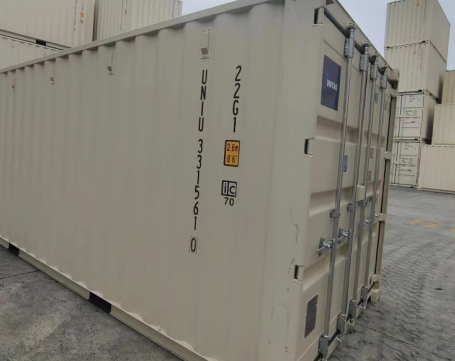
FCL means your goods exclusively occupy an entire shipping container. Common container sizes include 20FT (28CBM), 40FT (56CBM), 40HQ (68CBM), and 45HQ (78CBM). FCL is typically chosen for large volume shipments or when you want to minimize the risk of cargo contamination and reduce handling.
Benefits of FCL for Furniture:
- Security & Safety: Exclusive use reduces risk of damage, contamination, or loss from mixing with other cargo.
- Efficiency: Faster loading/unloading and customs clearance since the container is handled as a single shipment.
- Cost-Effective for Volume: Per-unit shipping cost decreases as container utilization increases.
What is LCL (Less than Container Load)?
LCL consolidates your furniture with cargo from other shippers in the same container. This is ideal for smaller shipments that do not fill a full container.
Benefits of LCL for Furniture:
- Lower Cost for Small Shipments: Pay only for the volume your cargo occupies, ideal for SMEs or personal shipments.
- Flexible Volume: Ship any quantity, no need to wait for enough goods to fill a container.
FCL vs. LCL: A Practical Comparison
| Criteria | FCL | LCL |
|---|---|---|
| Volume Threshold | Best for 15-28 CBM and above (20FT/40FT) | 1-15 CBM or irregular, small quantities |
| Cost Efficiency | More cost-effective above 15-20 CBM | More cost-effective below 12-15 CBM |
| Handling Risks | Minimal (exclusive container) | Higher due to consolidation |
| Transit Time | Faster; direct handling | Slightly longer; cargo consolidation |
| Documentation | Simplified, single shipper | Consolidation, more complexity |
| Suitable For | Bulk furniture, high-value, fragile | Small business, samples, personal use |
Expert Tip: For fragile or high-value furniture, FCL provides greater protection and control. However, LCL remains a practical choice for startups, e-commerce sellers, or individuals shipping limited quantities.
Real-World Shipping Example
- Shipping a full apartment set (bed, sofa, wardrobes, dining table): Likely to fill a 20FT or 40FT container (FCL recommended).
- Shipping a few office chairs and desks for a startup: LCL is more economical unless volume justifies a full container.
At Dantful International Logistics, our specialists analyze your shipment size, product fragility, and budget to recommend the best method. We offer competitive rates and professional advice, ensuring safe and timely delivery whether you choose FCL or LCL.
Read More:
- Shipping From China to Australia
- Shipping From China to New Zealand
- Shipping From China to Papua New Guinea
- Shipping From China to Fiji
- Shipping From China to Solomon Islands
- Shipping From China to Vanuatu
The Benefits and Process of DDP Shipping
DDP (Delivered Duty Paid) shipping is increasingly popular for furniture shipments from China to Australia, especially for clients seeking a seamless, hassle-free experience. Under DDP, the shipper or freight forwarder assumes responsibility for all costs and risks until the goods reach the buyer’s door—covering export and import duties, taxes, customs clearance, and last-mile delivery.
If you want a detailed explanation of the advantages and workflow, see this guide: ddp.
Key Benefits of DDP for Furniture Shipments
- All-Inclusive Pricing: The seller or logistics provider covers all freight charges, customs duties, GST, and handling fees, offering a clear total cost.
- Simplicity & Convenience: Importers do not need to manage complex customs clearance, paperwork, or tax calculations.
- Minimized Risk: The buyer is shielded from unexpected costs or shipment delays at customs.
- Ideal for SMEs & New Importers: Perfect for businesses unfamiliar with Australian import regulations or lacking local representation.
DDP Furniture Shipping Process (China to Australia)
- Quote & Contract: Dantful provides a comprehensive DDP quote, specifying door-to-door delivery, all duties, and taxes included.
- Export Customs Clearance in China: Dantful handles export documentation, inspection, and compliance in China.
- Freight Transportation: Furniture is shipped via Sea Freight (FCL or LCL) or Air Freight, depending on urgency and budget.
- Australian Customs Clearance: Dantful’s local agents manage declaration, inspection, and payment of import tariffs and GST.
- Last-Mile Delivery: After clearance, goods are delivered to the consignee’s designated address anywhere in Australia.
- Handover: Importer receives goods with all formalities and fees settled.
DDP vs. Standard Shipping: At-a-Glance
| Feature | DDP Shipping | Standard Shipping |
|---|---|---|
| Who handles customs? | Shipper/Forwarder | Importer |
| Import taxes & duties paid | By shipper/forwarder | By importer |
| Risk of hidden costs | Minimal | Higher |
| Documentation | Managed by provider | Managed by importer |
| Transparency | High (all-inclusive) | Variable |
Why Choose Dantful for DDP Furniture Shipping?
As a Highly Professional, Cost-effective And High-quality One-Stop International Logistics Service Provider, Dantful International Logistics offers:
- Expertise: 15+ years in freight forwarding and compliance for complex furniture shipments.
- Comprehensive Solutions: Sea, Air, Rail, Road, Amazon FBA, Warehouse, Customs Clearance, Insurance, Door-to-Door, OOG, Consolidated, Breakbulk.
- Local Knowledge: Dedicated teams in both China and Australia ensure smooth customs clearance and delivery.
- Transparent Pricing: No hidden fees—what’s quoted is what you pay.
Experience peace of mind: With Dantful’s DDP service, you can focus on your core business while we manage every step of your furniture shipment, from factory pick-up in China to final delivery in Australia.
Australian Import Regulations and Customs Clearance for Furniture
When shipping furniture from China to Australia, importers must comply with stringent Australian import regulations to ensure smooth customs clearance and legal entry of goods. The Australian Border Force (ABF) and the Department of Agriculture, Fisheries and Forestry (DAFF) are the primary authorities overseeing the importation of furniture into Australia.
Key Regulatory Considerations
1. Quarantine and Biosecurity
Australia enforces some of the world’s strictest biosecurity measures to prevent the entry of pests, diseases, and contaminants. Furniture made from or containing wood, rattan, bamboo, or other plant materials is subject to close scrutiny. Importers must ensure that such items are:
- Free from bark, soil, and insects
- Properly treated (fumigated or heat-treated) with certification (e.g., ISPM 15 for wood packaging)
2. Customs Declarations and Classification
All imported furniture must be accurately classified using an HS code in accordance with the Australian Harmonized Export Commodity Classification (AHECC). Misclassification can result in fines or delays.
3. Product Safety and Standards
Furniture must meet relevant Australian standards, especially regarding fire safety, chemical content (e.g., formaldehyde in MDF), and consumer safety regulations. Non-compliant goods may be seized, destroyed, or require re-export.
4. Permits and Restricted Items
Certain types of furniture may require import permits or be subject to additional regulations, such as antiques or items containing animal products (leather, feathers, etc.).
The Customs Clearance Process
| Step | Description |
|---|---|
| Pre-shipment Inspection | Ensure all wooden materials are treated and certified. Obtain necessary certificates (e.g., Fumigation Certificate, ISPM 15). |
| Documentation Preparation | Gather all required shipping and compliance documents (see next section). |
| Lodgement of Import Declaration | Submit an Import Declaration via the Integrated Cargo System (ICS), classifying goods and declaring their value. |
| Customs and Quarantine Assessment | ABF and DAFF review documents and may inspect the cargo. Biosecurity inspection is mandatory for high-risk items. |
| Duty and GST Payment | Pay applicable import duties and GST (Goods and Services Tax). |
| Final Clearance and Release | Once cleared, goods can be delivered to the consignee or warehouse. |
Typical Clearance Times:
Sea freight furniture shipments typically require 2–7 days for clearance after arrival at a major Australian port (e.g., Sydney, Melbourne, Brisbane), depending on cargo type and inspection needs. Delays may occur if documentation is incomplete or goods require fumigation.
Compliance Tips
- Work with a professional freight forwarder experienced in Australian customs regulations, such as Dantful International Logistics.
- Double-check treatment and cleanliness of all wood or plant-based materials.
- Prepare accurate and transparent documentation to prevent delays or penalties.
Essential Documentation for Furniture Shipments
Proper documentation is crucial when shipping furniture from China to Australia. Incomplete or incorrect paperwork can cause costly delays, fines, or even confiscation of your cargo. Below is a comprehensive list of documents required for smooth customs clearance:
| Document Name | Purpose & Key Notes | Required for |
|---|---|---|
| Bill of Lading (B/L) | Evidence of the contract of carriage and receipt of goods. Original or telex release accepted. | Sea Freight, LCL, FCL |
| Air Waybill (AWB) | Proof of air cargo shipment and carriage contract. | Air Freight |
| Commercial Invoice | States value, description, quantity, and HS code of goods. Must be transparent and accurate. | All shipments |
| Packing List | Detailed list of packages, dimensions, gross/net weight, and contents. | All shipments |
| Fumigation Certificate | Proof that wood packaging/furniture has been treated according to ISPM 15 standards. | Wooden/plant items |
| Certificate of Origin (COO) | Certifies the origin of the goods. Can help with preferential tariffs under FTAs. | All shipments |
| Import Declaration | Official electronic declaration to Australian customs using the ICS. | All shipments |
| Arrival Notice | Notification from carrier or forwarder that goods have arrived. | All shipments |
| Insurance Certificate | Evidence of cargo insurance coverage, highly recommended for high-value or fragile items. | All shipments |
| Product Certification | Proof of compliance with relevant Australian standards and safety requirements. | Specific items |
| Import Permit | If required for restricted furniture types (e.g., antiques, animal products). | Restricted items |
Important Notes:
- Digital/Electronic Submission: Australia strongly supports electronic document lodgement, reducing clearance times and errors.
- HS Code Accuracy: Ensure the assigned HS code on the invoice and import declaration matches the actual product to avoid misclassification penalties.
- Consistency: All documents must have consistent details for consignee, description, weight, and value.
- Original vs. Copy: For most sea shipments, a telex release or express B/L is acceptable; originals may only be needed for letter of credit or specific legal requirements.
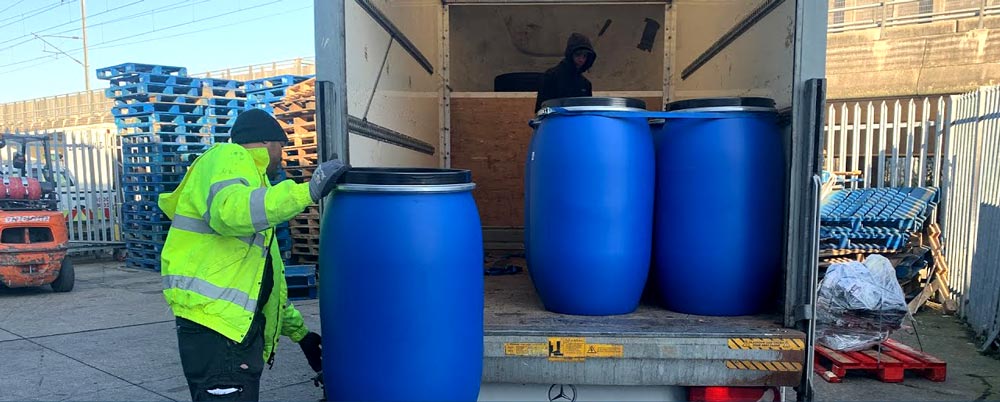
Packaging and Crating Requirements for Fragile Furniture
Shipping furniture from China to Australia involves significant risks, especially for fragile or high-value pieces. Proper packaging and crating are not only essential for protecting your goods during long-distance sea or air transport but also for ensuring compliance with Australian biosecurity regulations. As a logistics expert with over 15 years of experience, I have witnessed countless cases where inadequate packaging led to costly damage, delays, or even rejections by Australian Customs and DAFF (Department of Agriculture, Fisheries and Forestry).
Key Considerations for Packaging Fragile Furniture:
Material Selection:
- Use high-quality, industrial-grade materials such as double-walled corrugated cartons, plywood crates, or custom wooden cases.
- All wooden packaging (including pallets and crates) must comply with ISPM 15 standards, meaning it should be heat-treated or fumigated and bear the appropriate stamp. Non-compliant wood is commonly refused entry to Australia.
Internal Protection:
- Wrap each furniture item with protective layers (e.g., bubble wrap, foam, EPE sheets) to cushion against shocks and vibrations.
- Use corner protectors and edge guards for tables, glass, and delicate surfaces.
- For furniture with glass, mirrors, or sensitive finishes, reinforce the packaging with additional padding and separate from heavy items.
Crating for Bulky/Fragile Items:
- Custom-built crates are recommended for valuable pieces, antiques, or items with complex shapes.
- Ensure the crate fits the furniture snugly but leaves enough space for shock-absorbent materials.
- Include moisture-absorbing desiccants or silica gel to combat humidity during sea transit.
Labeling and Documentation:
- Clearly label each package with a detailed packing list, consignee and destination information, and handling instructions such as “Fragile,” “This Side Up,” or “Do Not Stack.”
- Some shipments may require photographic evidence of packing and crating as part of insurance claims or customs clearance.
Load Optimization for Containers:
- When using FCL (Full Container Load), furniture can be loaded and secured to minimize movement. For LCL (Less than Container Load), ensure extra protection since goods may be consolidated with other shipments.
- Utilize container space efficiently while avoiding overpacking, which could cause pressure damage.
Packaging Compliance Checklist (Quick Reference Table):
| Requirement | Details/Standard | Compliance Notes |
|---|---|---|
| Wood Packaging | ISPM 15 Certified | Mandatory for entry into Australia |
| Internal Cushioning | Bubble wrap, foam, edge guards | Especially for glass or delicate items |
| Moisture Protection | Desiccants, waterproof covers | Critical for sea freight |
| Labeling | “Fragile”, “This Side Up”, consignee info | Clear and visible on each crate/package |
| Crate Construction | Plywood/solid wood, reinforced corners | Custom-fit for shape and weight |
| Documentation | Packing list, photos, compliance stamps | Supports customs and insurance claims |
Expert Tip:
Selecting a professional freight forwarder, such as Dantful International Logistics, ensures your furniture is packed, crated, and loaded in full compliance with both international shipping standards and Australian biosecurity laws. Our team coordinates with trusted packing partners and oversees every step to minimize risk and optimize cost.
Calculating Duties, Taxes, and Other Import Fees
Understanding the total cost of shipping furniture from China to Australia requires careful calculation of duties, taxes, and other related import fees. These costs significantly affect your landed cost and overall profitability, especially for high-value or large-volume shipments.
1. Import Duties and Tariffs:
- Australia classifies imported goods using the HS Code (Harmonized System Code). Most household and office furniture falls under Chapters 94 of the HS Code.
- The standard import duty rate for furniture is typically 5% of the Customs Value (CVAL), but certain materials or product types may attract different rates.
- Duty is calculated on the CIF (Cost, Insurance, and Freight) value:
CIF Value = Product Cost + Shipping Cost + Insurance
2. Goods and Services Tax (GST):
- All imported goods are subject to 10% GST based on the following calculation:
GST = 10% x (CIF Value + Duty + Insurance + Other Charges) - GST is payable at the time of import and is required for customs clearance.
3. Additional Import Fees:
- Customs Clearance Fees: Charged by your customs broker or freight forwarder for handling document submission and clearance processes.
- AQIS/Biosecurity Fees: The Australian Quarantine and Inspection Service (AQIS) may inspect your shipment, especially if it contains wood, leather, or textiles. Inspection and treatment fees may apply.
- Storage and Wharf Fees: If your cargo is not cleared on time, the port may charge storage or demurrage fees.
- Other Fees: Potential charges for fumigation, re-packaging, or document amendments.
4. Sample Calculation Table:
| Item | Example Value (USD) | Calculation | Fee in AUD (Assuming 1 USD = 1.5 AUD) |
|---|---|---|---|
| Product Cost (FOB) | $8,000 | – | $12,000 |
| Sea Freight | $1,200 | – | $1,800 |
| Insurance | $100 | – | $150 |
| CIF Total | $9,300 | 8,000 + 1,200 + 100 | $13,950 |
| Duty (5%) | $465 | 5% of $9,300 | $697.5 |
| GST (10%) | $976.5 | 10% x ($9,300+$465) | $1,464.75 |
| Customs/AQIS Fees | $250 | Estimated | $375 |
| Total Import Cost | – | Sum of all above | $16,487.25 |
Actual rates may vary based on exchange rates, exact HS code, and the current Australian Customs policy.
5. Cost Optimization Advice:
- Group shipments (consolidated freight) to minimize per-unit costs. For more on how consolidated shipments can benefit you, check consolidated freight shipping.
- Ensure accurate product classification to avoid overpaying duty.
- Use professional customs brokerage services, like those offered by Dantful International Logistics, to avoid costly errors and delays.
Note:
Regulations and rates are subject to periodic updates. It is crucial to consult with an experienced freight forwarder and verify the latest requirements before shipping.
Calculating duties, taxes, and fees for shipping furniture from China to Australia can be complex. Working with a trusted logistics partner like Dantful International Logistics will provide you with transparent cost breakdowns, compliance expertise, and end-to-end support to ensure a smooth, cost-effective import process.
Strategies for Reducing Shipping Costs and Optimizing Logistics
When it comes to shipping furniture from China to Australia, optimizing costs without compromising on safety or reliability is critical for both commercial importers and individuals. Here are proven, practical strategies to help you manage your shipping budget and streamline your logistics:
1. Consolidate Shipments Where Possible
Combining multiple furniture orders into a single shipment can significantly reduce per-unit shipping costs. If your order volume is low, consider LCL (Less than Container Load) consolidation. This approach enables you to share container space with other shippers, spreading the cost efficiently.
| Shipping Scenario | Suitable For | Typical Cost Structure | Key Advantages |
|---|---|---|---|
| FCL (Full Container) | Large furniture importers | Fixed per container | Lowest per-unit cost |
| LCL (Consolidated) | Small/medium size shipments | Priced by CBM/weight | Flexibility, cost-share |
Note: A 20FT container holds ~28CBM, a 40HQ up to 68CBM. Calculate your total volume to choose the best option.
2. Optimize Packaging and Crating
Efficient packaging reduces volume and minimizes risk of damage. Use stackable, compact, and durable packaging materials to maximize container space. For fragile or high-value furniture, professional crating is advisable to prevent costly rework or insurance claims.
3. Choose the Right Shipping Incoterms
Selecting Incoterms like FOB (Free On Board) or DDP (Delivered Duty Paid) affects your total landed cost. DDP is ideal for those seeking an all-inclusive, predictable fee structure, as it covers delivery, customs, and duties up to your door in Australia. For an in-depth overview of DDP shipping, visit Door to door shipping from China to Australia.
4. Time Your Shipments Strategically
Peak shipping seasons (e.g., pre-Christmas, Chinese New Year) often see higher rates and delays. Plan your imports during off-peak periods when possible to access better rates and faster transit times.
| Month | Rate Trend (USD/40HQ) | Typical Transit Time (Days) | Notes |
|---|---|---|---|
| Jan-Feb | High | 18-30 | Chinese New Year delays |
| Mar-Jun | Moderate | 16-28 | Stable, fewer bottlenecks |
| Jul-Sep | Moderate-High | 17-30 | Pre-holiday build-up |
| Oct-Dec | High | 20-35 | Holiday season spike |
5. Leverage Digital Tracking and Logistics Platforms
Using a freight partner with a robust online tracking system allows for real-time visibility and proactive management of your shipment. This minimizes the risk of costly demurrage or storage fees at Australian ports like Sydney, Melbourne, or Brisbane.
6. Negotiate with Multiple Carriers
Obtain quotes from several reputable freight forwarders. Rates can vary based on service levels, carrier contracts, and current market conditions. Always ask for detailed breakdowns (freight, surcharges, local handling, customs, delivery) for an apples-to-apples comparison.
7. Invest in Professional Customs Clearance Support
Complications at Australian Customs can result in unexpected charges or delays. A knowledgeable partner will help pre-clear documents and ensure all regulatory requirements are met, avoiding unnecessary cost escalation.
Choosing the Right Freight Forwarder for Furniture Logistics
Selecting a reliable freight forwarder is crucial for a smooth, cost-effective experience when shipping furniture from China to Australia. Here’s what to consider and why your choice matters:
For practical tips on how to select a logistics partner, refer to how to choose the right freight forwarder.
Key Evaluation Criteria
| Criteria | What to Look For |
|---|---|
| Experience & Track Record | Proven expertise in shipping furniture internationally |
| Service Portfolio | Sea, air, door-to-door, customs, insurance, FCL/LCL, DDP |
| Customization | Tailored solutions for different furniture types & shipment sizes |
| Local Knowledge | Familiarity with Chinese export procedures and Australian import rules |
| Transparent Pricing | Clear, itemized quotes without hidden fees |
| Technology | Online shipment tracking, digital documentation, customer portal |
| Customer Support | Responsive, multilingual, and proactive communication |
Why Dantful International Logistics is a Leading Choice
At Dantful International Logistics, we specialize in comprehensive furniture shipping solutions between China and Australia. Here’s how we add value:
- Experience: Over 15 years in international freight forwarding, with deep expertise in furniture logistics.
- One-stop Service: We manage everything—Sea Freight, Air Freight, Customs Clearance, Door-to-Door, Warehouse, Insurance, Amazon FBA, OOG and Consolidated Freight.
- Cost-Effectiveness: Our broad carrier network and volume discounts ensure competitive rates for both FCL and LCL.
- Compliance Assurance: Expert knowledge of Australian import regulations and customs requirements minimizes risk and delays.
- Quality Packaging: Guidance and resources to meet all crating and packaging standards for fragile and high-value furniture.
- End-to-End Visibility: Real-time tracking and milestone updates from pickup in China to final delivery in Australia.
- Dedicated Support: Multilingual team available for consultation, problem-solving, and post-shipment support.
Choosing the right freight forwarder not only ensures the safety and timely delivery of your furniture, but also empowers you to optimize costs, reduce risks, and grow your business with confidence. For tailored solutions and a seamless experience, Dantful International Logistics is ready to support your next shipment from China to Australia.

Young Chiu is a seasoned logistics expert with over 15 years of experience in international freight forwarding and supply chain management. As CEO of Dantful International Logistics, Young is dedicated to providing valuable insights and practical advice to businesses navigating the complexities of global shipping.