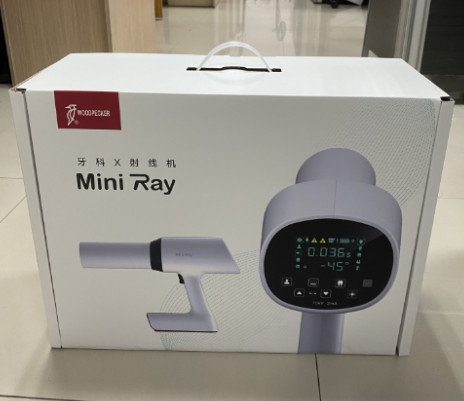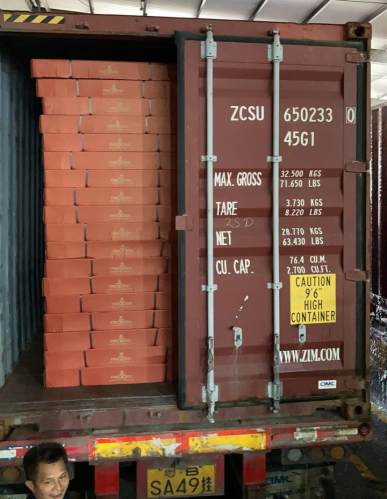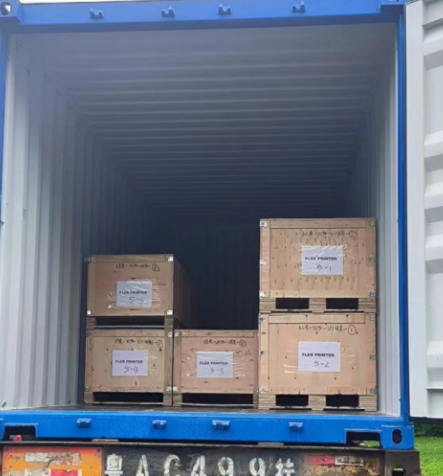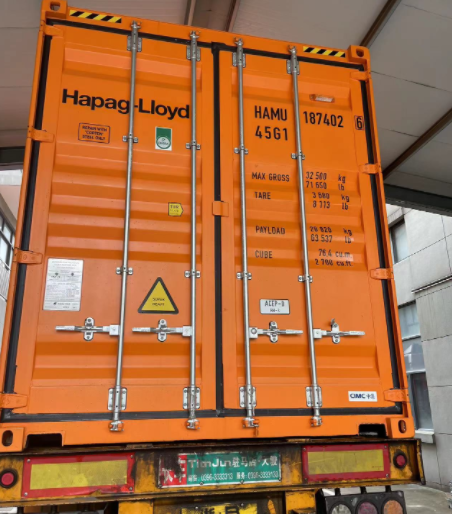
Are you wondering what the cost of shipping a 20ft container from China to the USA is and what factors influence it? Understanding the logistics and expenses involved in container shipping can make a big difference for your business. In this comprehensive guide, we’ll explore everything from FCL and LCL shipping options to main ports, transit times, import duties, and how to choose a reliable freight forwarder for your shipment. Get ready to make informed decisions for your international shipping needs!
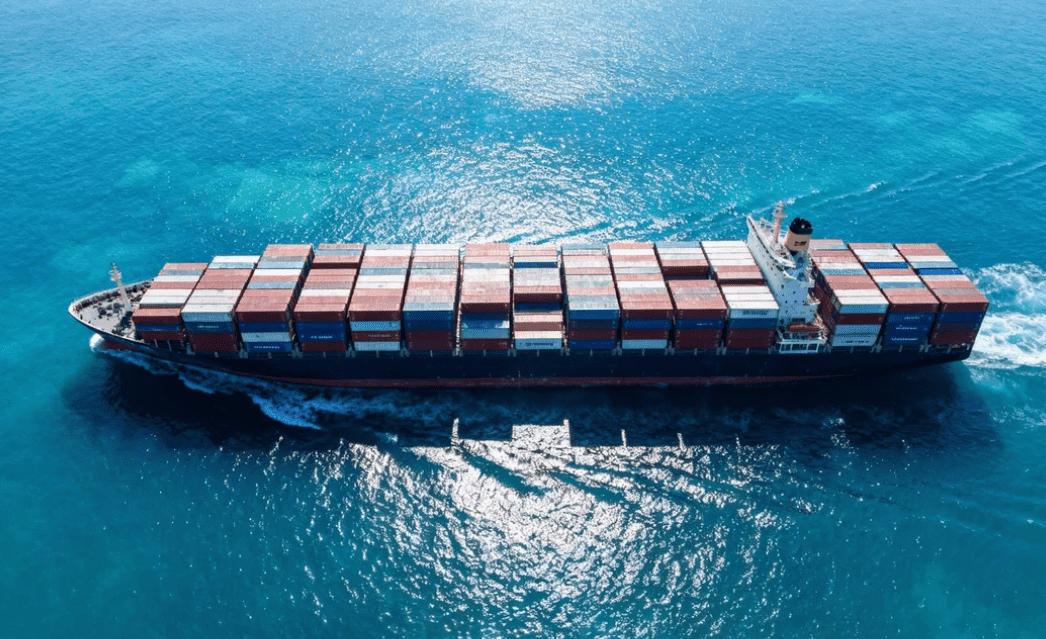
Container Shipping from China to the USA
Shipping containers from China to the USA is a fundamental part of global trade, connecting manufacturers, exporters, and importers across both continents. As a seasoned logistics expert and CEO of Dantful International Logistics, I understand how choosing the right shipping solution impacts cost, transit time, and supply chain efficiency. The two main options are LCL (Less than Container Load) and FCL (Full Container Load) shipping, each catering to different cargo volumes and business needs.
LCL Shipping from China to the USA
LCL shipping is ideal for shipments that do not fill a full container. In this mode, multiple consignments from different shippers are consolidated into a single container. This flexible solution is commonly used by small and medium-sized businesses, cross-border e-commerce sellers, and individuals with limited cargo volumes.
Key Advantages:
- Cost-Efficiency: Pay only for the actual volume (measured in CBM, cubic meters) you ship, not the entire container.
- Flexibility: Suitable for shipments as small as 1-2 CBM up to 15 CBM.
- Frequent Sailings: Major routes from China to the USA have multiple LCL departures each week.
Considerations:
- Handling and Transit: LCL shipments require consolidation and deconsolidation at both origin and destination, which can increase overall transit time and handling risk.
- Cost Structure: LCL pricing includes origin charges, ocean freight, destination charges, and sometimes additional fees for handling or documentation.
Typical LCL Cost Reference (2025):
| Route | LCL Rate per CBM (USD) | Average Transit Time (Days) |
|---|---|---|
| Shanghai → Los Angeles | $40 – $60 | 14 – 18 |
| Shenzhen → New York | $50 – $70 | 25 – 30 |
| Ningbo → Houston | $55 – $75 | 25 – 32 |
Actual rates depend on cargo volume, season, surcharges, and destination port. For a personalized LCL quote, Dantful International Logistics provides transparent and competitive solutions tailored to your needs.
For more specific guidance on how LCL compares to FCL for small shipments, you can also review our in-depth analysis of LCL vs FCL shipping options.
FCL Shipping from China to the USA
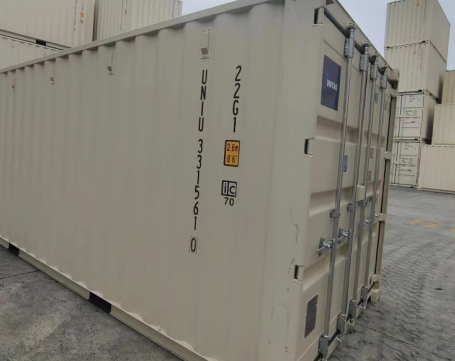
FCL shipping is the preferred choice for larger shipments, where the entire container is booked for one shipper. The most common container sizes are 20ft (20’GP) and 40ft (40’GP/40’HC). A 20ft container typically accommodates around 28 CBM.
Key Advantages:
- Security: Dedicated container minimizes cargo handling and risk of damage or loss.
- Predictable Costs: Fixed pricing per container, regardless of how full it is (up to the weight or volume limit).
- Efficiency: Faster loading, unloading, and generally shorter transit times compared to LCL.
Considerations:
- Volume Threshold: Economical when shipment exceeds 15 CBM or is heavy/bulky.
- Flexibility: You can select between dry containers, refrigerated (reefer), OOG (Out-Of-Gauge), or specialized equipment as needed.
Typical FCL Cost Reference (2025):
| Route | 20ft Container Rate (USD) | 40ft Container Rate (USD) | Average Transit Time (Days) |
|---|---|---|---|
| Shanghai → Los Angeles | $1,700 – $2,200 | $2,200 – $2,800 | 12 – 16 |
| Shenzhen → New York | $2,800 – $3,600 | $3,700 – $4,600 | 25 – 30 |
| Qingdao → Houston | $2,500 – $3,200 | $3,200 – $4,100 | 25 – 33 |
Container shipping rates are dynamic and fluctuate based on global demand, fuel prices, and seasonal trends. Dantful International Logistics offers real-time quotations and tailored route recommendations for the best value and reliability.
Main Ports in China and the USA
Selecting the right ports for your container shipping from China to USA is crucial for optimizing transit time and costs. Below are the main ports frequently used for both LCL and FCL shipments:
Major Ports in China
- Shanghai Port (CNSHA): The world’s busiest container port, offering extensive sailings and competitive rates.
- Shenzhen Port (CNSZX): Comprises Yantian, Shekou, and Chiwan terminals, well-connected to factories in South China.
- Ningbo-Zhoushan Port (CNNGB): Strategic gateway for East and Central China.
- Qingdao Port (CNQDG): Serves North China and is strong in manufacturing exports.
- Guangzhou Port (CNCAN): Another key South China port, especially for electronics and light industrial goods.
- Xiamen Port (CNXMN): Efficient for exports from Fujian and the surrounding regions.
- Tianjin Port (CNTNJ): The main port for Beijing and the North China hinterland.
Major Ports in the USA
- Port of Los Angeles (USLAX): The largest US container port, ideal for West Coast distribution.
- Port of Long Beach (USLGB): Adjacent to Los Angeles, highly efficient for transpacific trade.
- Port of New York and New Jersey (USNYC/USNWK): Largest East Coast port, main entry point for goods to the Northeast and Midwest.
- Port of Houston (USHOU): Key Gulf Coast port, serving Texas and central USA.
- Port of Savannah (USSAV): Rapidly growing Southeastern gateway, known for fast container processing.
- Port of Seattle-Tacoma (NWSA) (USSEA/USTIW): Serves the Pacific Northwest, with connections inland.
For a more comprehensive overview, you can read about the biggest ports in the US and their strategic roles in international trade.
Port Pairing Table for Typical Container Routes:
| Main Origin Port (China) | Main Destination Port (USA) | Typical Transit Time (Days) |
|---|---|---|
| Shanghai | Los Angeles/Long Beach | 12 – 16 |
| Shenzhen | Los Angeles/Long Beach | 14 – 18 |
| Ningbo-Zhoushan | New York/New Jersey | 25 – 30 |
| Qingdao | Houston | 25 – 33 |
| Guangzhou | Savannah | 29 – 34 |
| Xiamen | Seattle-Tacoma | 15 – 20 |
The best port combination depends on your cargo origin, final destination, required transit time, and cost considerations. As a highly professional and cost-effective freight forwarder, Dantful International Logistics helps you select the optimal port pairing and shipping mode—backed by a global agent network, multi-modal solutions (including Sea Freight, Air Freight, Rail Freight, Road Freight, and Warehouse services), and robust customs support.
Cost of Shipping a 20ft Container from China to the USA
When planning international shipments, understanding the cost structure for sending a 20ft container (with a capacity of 28CBM) from China to the USA is crucial. Pricing is influenced by several factors including freight market trends, departure and arrival ports, shipping method (FCL or LCL), seasonality, and value-added services.
For detailed up-to-date market rates, refer to our container shipping costs from China to USA report.
Key Cost Components
- Ocean Freight Charges: The base transportation fee for moving a 20ft container by sea.
- Port Charges: Fees for handling, storage, and customs at both origin and destination ports.
- Local Charges in China: Export customs clearance, loading, and trucking to port.
- Local Charges in the USA: Destination handling, delivery, customs clearance, and possible demurrage.
- Additional Charges: Insurance, documentation, and optional services (door-to-door, warehousing, etc.).
2025 Estimated Shipping Costs
Below is a comparison of typical sea freight rates for a 20ft container from major Chinese ports to major US ports. Rates are average market prices in Q4 2025 and do not include customs duties or additional local charges.
| Origin Port (China) | Destination Port (USA) | Ocean Freight (USD, 20ft FCL) | Estimated Transit Time (Days) |
|---|---|---|---|
| Shanghai | Los Angeles | $1,100 – $1,600 | 15 – 18 |
| Shenzhen | Los Angeles | $1,100 – $1,650 | 16 – 20 |
| Ningbo | New York | $2,100 – $2,600 | 30 – 35 |
| Qingdao | Houston | $2,000 – $2,500 | 28 – 32 |
| Xiamen | Miami | $2,200 – $2,800 | 32 – 38 |
Note: These prices are for reference only. Actual shipping costs can fluctuate due to fuel surcharges, seasonal demand, and space availability. For a precise quote tailored to your cargo and requirements, it is recommended to consult with a reliable freight forwarder such as Dantful International Logistics.
Factors Affecting 20ft Container Shipping Costs
- Route & Port Pairs: Longer routes and less frequently serviced ports generally have higher rates.
- Shipping Season: Peak seasons (e.g., pre-Christmas, Chinese New Year) often see rate surges.
- Container Availability: Shortage of containers or vessel space can drive up costs.
- Cargo Characteristics: Special cargo (e.g., hazardous, oversized) may require extra surcharges.
- Value-Added Services: Door-to-door, insurance, or customs brokerage add to the total cost.
READ MORE:
- Shipping From China to the USA
- Shipping From China TO Canada
- Shipping From China TO Mexico
- Shipping From China to Panama
- Shipping From China to Costa Rica
- Shipping From China to Brazil
- Shipping From China TO Colombia
- Shipping From China to Jamaica
- Shipping From China to Venezuela
- Shipping From China to Argentina
Import Duties from China to the USA
When shipping goods from China to the USA, importers must factor in import duties, which can significantly impact landed costs. Understanding these duties ensures compliance and accurate budgeting.
How Import Duties Are Calculated
Import duties for shipments into the USA are primarily based on:
- HS Code (Harmonized System Code): Determines the product category and applicable duty rate.
- Declared Value: The commercial invoice value of the goods.
- Country of Origin: Goods from China may be subject to additional tariffs (Section 301, anti-dumping duties, etc.).
- Other Fees: Customs processing fees, Merchandise Processing Fee (MPF), and Harbor Maintenance Fee (HMF).
Typical Duty Rates
Most duty rates range from 0% – 25%, depending on the product. Since the 2018–2023 US-China trade tensions, many Chinese imports have been subject to additional tariffs.
| Product Type | General Duty Rate | Section 301 Tariff (if applicable) | Total Duty Range |
|---|---|---|---|
| Electronics | 0% – 5% | +7.5% or +25% | Up to 30% |
| Furniture | 0% – 5% | +25% | Up to 30% |
| Apparel/Textiles | 5% – 16% | +7.5% or +25% | Up to 41% |
| Machinery | 0% – 5% | +25% | Up to 30% |
| Toys | 0% | +7.5% | Up to 7.5% |
Tip: Always check for the latest tariff updates on the official U.S. Customs and Border Protection (CBP) website or consult with a licensed customs broker.
For step-by-step details on the customs procedure, see our dedicated guide to the import procedure from China to United States.
Required Documents for Duty Assessment
- Commercial Invoice
- Packing List
- Bill of Lading
- Arrival Notice
- Import Entry Form (CBP Form 3461/7501)
Dantful International Logistics provides customs clearance services to ensure all necessary paperwork is accurate and compliant, minimizing risks of delays or penalties.
Strategies to Optimize Import Duty Costs
- Correct HS Code Classification: Proper classification can prevent unnecessary extra duties or audits.
- Plan for Tariffs: Adjust sourcing or supply chain strategies if your goods are affected by Section 301 or other tariffs.
- Leverage Free Trade Zones: Explore bonded warehouses or FTZs to defer duties until goods enter the market.
- Partner with Professionals: Working with an experienced freight forwarder like Dantful International Logistics ensures you are up-to-date with changing regulations and can manage duty risk effectively.
In summary, understanding both the shipping cost structure and the import duties from China to the USA is vital for successful, cost-effective international trade. For tailored shipping and customs solutions, consult with Dantful International Logistics, your trusted partner in global freight forwarding.
Sea Freight Transit Times from China to the USA
When planning the shipment of a 20ft container from China to the USA, understanding the typical sea freight transit times is crucial for optimizing your supply chain and managing customer expectations. Transit times depend on several factors, including the origin and destination ports, the selected service type (FCL or LCL), carrier schedules, seasonal congestion, and customs clearance processes.
For port-to-port timing insights, explore comparative data on how long is freight from China to USA.
Average Transit Times Overview
Below is a table showcasing the estimated port-to-port transit times for major shipping routes, based on recent 2025 data. These are indicative figures for direct sailings under normal conditions:
| Origin Port (China) | Destination Port (USA) | Estimated Transit Time (Days) | Notes |
|---|---|---|---|
| Shanghai | Los Angeles (LAX) | 13–16 | Fastest route |
| Shenzhen (Yantian) | Los Angeles (LAX) | 14–17 | High frequency |
| Ningbo | Long Beach (LGB) | 14–18 | |
| Qingdao | Seattle (SEA) | 16–19 | North West route |
| Shanghai | New York (NYC) | 27–33 | East Coast, via Panama Canal |
| Xiamen | Houston (HOU) | 25–30 | Gulf route |
| Tianjin (Xingang) | Savannah (SAV) | 28–35 | East Coast route |
Key Considerations:
- LCL (Less than Container Load) shipments may take 2–5 days longer due to the need for consolidation and deconsolidation at origin and destination warehouses.
- Holidays, peak seasons (such as before Chinese New Year or Golden Week), and port congestion can extend transit times.
- Transit times do not include customs clearance, inland haulage, or delivery to a final inland address.
Pro-Tip: For time-sensitive shipments, consider working with a professional logistics partner like Dantful International Logistics. We offer tailored routing, real-time tracking, and comprehensive solutions to help you plan accurately and minimize delays.
Customs Clearance for Shipments from China to the USA
Customs clearance is a vital part of the shipping process for any 20ft container from China to the USA. Efficient and compliant customs procedures help avoid costly delays, penalties, and ensure the timely release of your goods.
Key Steps in US Customs Clearance:
Document Preparation
Essential documents include:- Bill of Lading
- Commercial Invoice
- Packing List
- Arrival Notice
- Import Security Filing (ISF) – “10+2” (must be filed 24 hours before cargo is loaded in China)
- Any additional permits or certificates for regulated goods
Customs Entry Filing
- Your Customs Broker or Freight Forwarder files an entry with US Customs and Border Protection (CBP).
- Classification and valuation of goods are conducted according to the Harmonized Tariff Schedule (HTS).
Payment of Duties & Taxes
- Applicable import duties, taxes (such as the Merchandise Processing Fee and Harbor Maintenance Fee), and any anti-dumping/countervailing duties must be paid.
Inspection & Release
- CBP may conduct random inspections or examinations based on risk assessment.
- Once cleared, the cargo can be delivered to the consignee’s warehouse or final destination.
Typical Customs Clearance Timeline
| Step | Estimated Time (Days) |
|---|---|
| Document Preparation | 1–2 |
| ISF Filing | At least 1 day before loading |
| Entry Filing & Review | 1–3 |
| CBP Inspection (if any) | 1–7 (variable) |
| Total Clearance | 2–5 (no inspection) |
Important Notes:
- Missing or incorrect documentation is a major cause of delays and fines.
- Certain goods (e.g., electronics, food, chemicals) may require additional agency (FDA, EPA, FCC) approval.
- U.S. regulations have become stricter in recent years; compliance is essential.
How Dantful International Logistics Supports Your Customs Clearance
As a leading and highly professional freight forwarder, Dantful offers end-to-end customs clearance services that include:
- Expert document review and preparation
- ISF filing and customs entry submission
- Coordination with customs brokers and inspection management
- Guidance on tariffs, duties, and HS codes
- Solutions for special cargo (OOG, Amazon FBA, consolidated shipments, etc.)
Our experience ensures a smooth process, minimizing risks and unnecessary costs for your business.
Step-by-Step Guide to Shipping a 20ft Container from China
Shipping a 20ft container from China to the USA involves a structured process that ensures your goods are transported efficiently, safely, and in compliance with all regulations. Below is a comprehensive, expert-driven step-by-step guide to help importers, exporters, manufacturers, and logistics professionals successfully navigate the process.
1. Evaluate Your Shipping Needs
Begin by assessing your cargo type, total volume (a standard 20ft container has a capacity of 28CBM), weight, and any special handling requirements (e.g., temperature control, hazardous materials). This ensures you choose the appropriate container and shipping method.
2. Select the Shipping Method: FCL vs. LCL
Decide between Full Container Load (FCL) and Less than Container Load (LCL) based on your cargo volume and budget:
- FCL (Full Container Load): Recommended if your shipment can fill a 20ft container (28CBM), offering better security and cost-effectiveness per CBM.
- LCL (Less than Container Load): Suitable for smaller shipments; your goods will be consolidated with others, which may affect transit time and handling.
| Shipping Method | Container Utilization | Suitable For | Cost Structure | Transit Time |
|---|---|---|---|---|
| FCL | Exclusive use | Large shipments, full container load | Per container | Faster |
| LCL | Shared | Small/medium shipments | Per CBM (cubic meter) | Slightly longer |
3. Choose the Right Container Type
For most general cargo, a standard 20ft dry container is sufficient. However, if your goods require special arrangements (refrigerated, open-top, or OOG – out-of-gauge), consult your freight forwarder.
4. Book with a Reliable Freight Forwarder
Partnering with a trustworthy and experienced freight forwarder is crucial. A professional company will manage booking, documentation, customs clearance, and on-time delivery. We recommend Dantful International Logistics—a highly professional, cost-effective, and high-quality one-stop logistics service provider for global traders. Our services cover Sea Freight, Air Freight, Rail Freight, Road Freight, Amazon FBA, Warehouse, Customs Clearance, Insurance, Door to Door, OOG Freight, Consolidated Freight, and Breakbulk Freight.
5. Prepare and Pack Your Cargo
Proper packing is essential for safety and compliance. Use industry-standard packaging materials and ensure all items are securely stowed. Label each package clearly, and provide a detailed packing list.
6. Arrange Inland Transportation in China
Coordinate with your freight forwarder to move your goods from the factory or warehouse to the port of loading (e.g., Shanghai, Shenzhen, Ningbo). Secure trucking or rail services as needed.
7. Complete Shipping Documentation
The key documents include:
- Bill of Lading
- Commercial Invoice
- Packing List
- Export Customs Declaration
- Certificates (if required: e.g., Certificate of Origin, insurance)
Your freight forwarder, such as Dantful International Logistics, will assist in preparing and reviewing all documentation to avoid costly delays.
8. Customs Clearance and Inspection in China
Submit the required documents to Chinese customs for export clearance. Inspections may be conducted; your forwarder ensures all procedures comply with regulations.
9. Ocean Freight: Container Loading and Shipping
Once cleared, your 20ft container is loaded onto a vessel bound for the chosen US port (e.g., Los Angeles, Long Beach, New York). Sea freight transit typically ranges from 12 to 30 days, depending on the route and service.
Example Transit Times (2025 Estimated):
| China Port | USA Port | Transit Time (Days) |
|---|---|---|
| Shanghai | Los Angeles | 14-16 |
| Shenzhen | Long Beach | 15-18 |
| Ningbo | New York | 25-30 |
10. Customs Clearance at Destination
Upon arrival in the USA, your shipment will be subject to US customs clearance. This includes document review, import duties, and possible inspection. A skilled freight forwarder will coordinate these steps efficiently.
11. Inland Transportation in the USA
After clearance, arrange for inland transportation (road or rail) from the destination port to your final delivery address. Dantful can provide door-to-door solutions for seamless delivery.
12. Cargo Delivery and Container Return
Once your cargo is delivered, empty containers must be returned to the designated depot within the free time period to avoid demurrage charges.
Choose a Reliable Freight Forwarder
Selecting the right freight forwarder is the most critical decision in the shipping process. The expertise, network, and service quality of your logistics partner directly impact cost, efficiency, and regulatory compliance.
For those looking specifically at cost-effective options, refer to our resource on the cheapest agent for shipping China to US.
Key Criteria for Choosing a Freight Forwarder:
- Industry Experience: Look for a forwarder with a proven track record in China-USA shipments and deep knowledge of both markets.
- Comprehensive Services: Ensure they offer a full range of solutions: Sea Freight, Air Freight, Rail Freight, Road Freight, Amazon FBA, Warehouse, Customs Clearance, Insurance, Door to Door, OOG Freight, Consolidated Freight, and Breakbulk Freight.
- Transparent Pricing: Request detailed cost breakdowns, including ocean freight, surcharges, customs, and inland transportation.
- Global Network: A strong international network ensures flexible and reliable routing.
- Customer Support: Responsive, multi-lingual support is vital for handling time-sensitive issues.
- Regulatory Expertise: Up-to-date knowledge of customs, tariffs, and import regulations is essential for smooth clearance.
Why Dantful International Logistics?
As a leading freight forwarder, Dantful International Logistics stands out for its:
- 15+ years of industry experience
- Dedicated, professional operations team
- Competitive rates and flexible solutions
- End-to-end visibility and tracking
- High customer satisfaction and repeat business
- Global partnerships for seamless shipping
- Compliance with the latest international regulations
Dantful delivers peace of mind with comprehensive, reliable, and cost-effective shipping solutions tailored for businesses of all sizes.
Following these steps ensures your 20ft container shipment from China to the USA is handled professionally, cost-effectively, and in compliance with all regulations. Partner with a trusted logistics expert like Dantful International Logistics for a hassle-free shipping experience and optimal results.

Young Chiu is a seasoned logistics expert with over 15 years of experience in international freight forwarding and supply chain management. As CEO of Dantful International Logistics, Young is dedicated to providing valuable insights and practical advice to businesses navigating the complexities of global shipping.