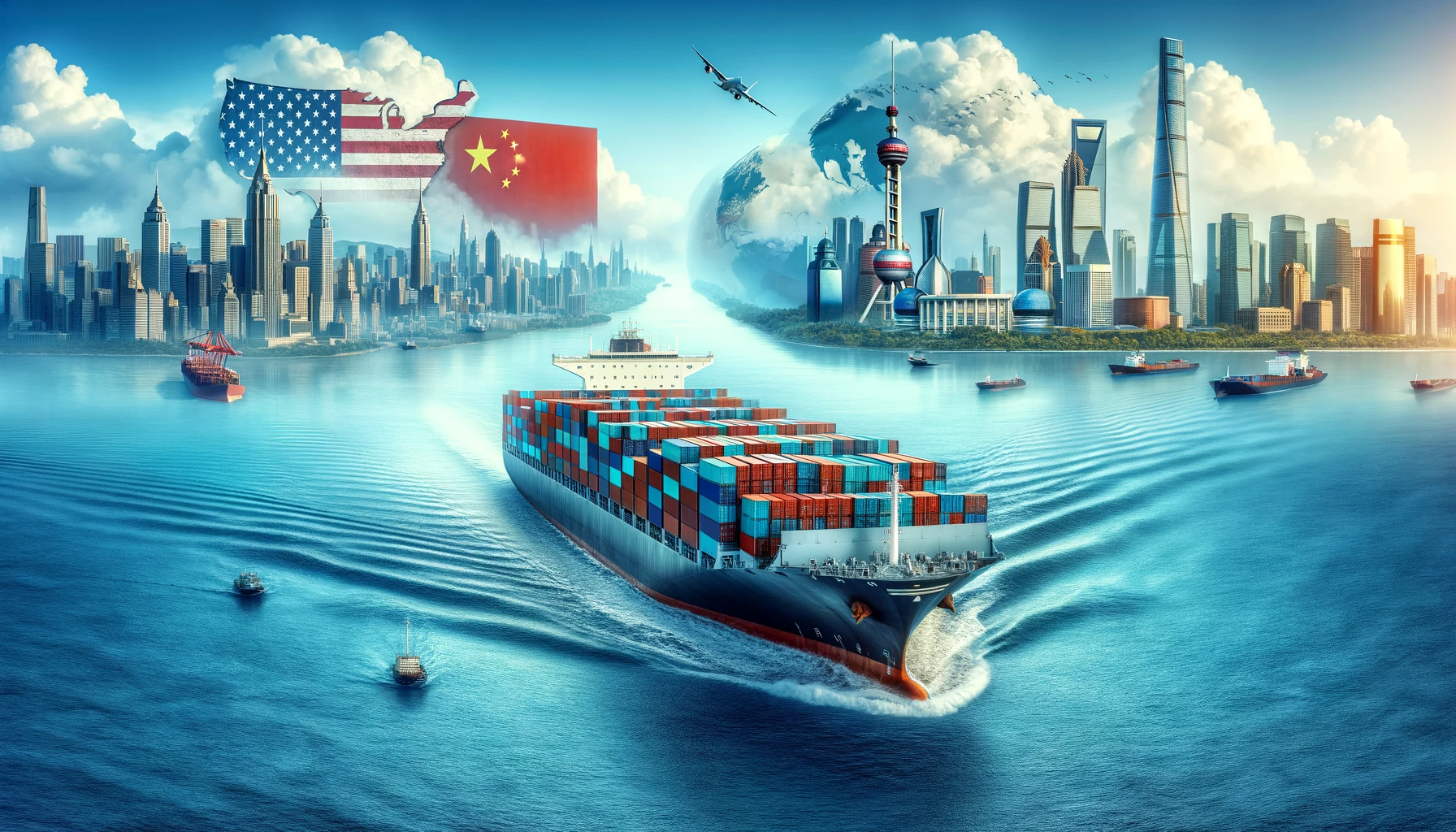
Are you struggling to estimate the shipping cost from China to US Amazon FBA and feeling overwhelmed by terms like freight rates, Incoterms, and hidden fees? In this comprehensive guide, we’ll break down every factor affecting your shipping expenses, compare methods like sea freight, air freight, and express shipping, and share expert tips to help you minimize costs on your next Amazon FBA shipment. Let’s dive in and simplify your logistics journey!
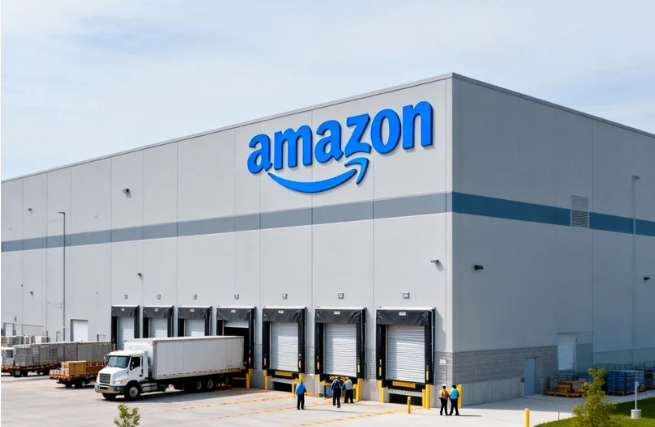
What Determines the Shipping Cost from China to US Amazon FBA?
Key Factors Influencing Freight Rates to Amazon FBA Warehouses
Several critical variables determine the shipping cost from China to US Amazon FBA:
- Shipping Method: The most significant factor is whether you choose Sea Freight, Air Freight, or Express Shipping. Each method differs considerably in cost, transit time, and suitability for different types of shipments.
- Origin and Destination: The specific Chinese port (e.g., Shanghai, Shenzhen, Ningbo) and the US Amazon FBA warehouse location affect total mileage, port handling fees, and inland transportation expenses. If you are considering the impact of port selection, you may want to explore the biggest ports in the US to better understand shipping routes and cost implications.
- Volume and Weight: Both the actual (gross) weight and the volumetric weight (calculated from dimensions) directly affect rates. For example, bulky but lightweight goods are charged by volume, especially in air and express shipping.
- Type of Cargo: Certain product categories, such as hazardous goods, batteries, or temperature-sensitive items, may require special handling or documentation, increasing shipping costs.
- Shipping Seasonality: Peak seasons (e.g., pre-holiday months, Chinese New Year) see higher rates due to increased demand and space constraints.
- Fuel Surcharges and Bunker Adjustment Factors: These are variable and tied to global oil prices, impacting the overall freight rate.
- Customs Duties and Taxes: While not part of the freight rate, these must be included in the total landed cost calculation.
Well-established freight forwarders like Dantful International Logistics can help you analyze these factors and select the most efficient and cost-effective shipping solution for your Amazon FBA needs.
How Product Type, Size, and Weight Impact Shipping Costs
The characteristics of your products have a direct impact on shipping costs:
- Product Dimensions: Shipping lines and airlines calculate either by actual weight or dimensional weight (DIM weight), whichever is greater. For instance, large but lightweight packages often cost more due to the space they occupy.
- Weight Brackets:
- Air Freight: Prices per kilogram drop as total weight increases (e.g., 45kg+, 100kg+, 300kg+ tiers). For current cost trends, see how much for air freight from China to Los Angeles.
- Sea Freight: Charged by CBM (Cubic Meter) or by FCL (Full Container Load) if your volume is sufficient.
- Container Utilization:
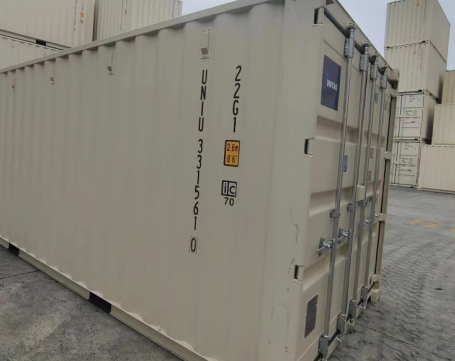
- A 20FT container holds about 28CBM.
- A 40FT container holds about 56CBM.
- A 40HQ container accommodates up to 68CBM.
- Choosing between FCL and LCL (Less than Container Load) depends on your shipment size.
- Goods Type:
- Dangerous goods, fragile items, or oversized cargo incur additional handling and compliance costs.
- Amazon FBA Requirements: Non-compliant packaging or labeling can result in extra fees or even shipment rejection at the warehouse.
Practical Example Table: Dimensional Weight Calculation (Air Freight)
| Product | Physical Weight | Dimensions (cm) | Volumetric Weight (L x W x H / 6000) | Charged Weight |
|---|---|---|---|---|
| Standard Toy Set | 10 kg | 60x40x40 | 16 kg | 16 kg |
| Small Electronics | 2 kg | 30x20x10 | 1 kg | 2 kg |
| Bulky Bedding | 5 kg | 100x60x40 | 40 kg | 40 kg |
This illustrates why correct packaging and accurate measurements are vital for cost control.
The Role of Incoterms in Final Shipping Expenses
Incoterms (International Commercial Terms) define the responsibilities of buyers and sellers in the shipping process, directly impacting your final shipping expenses to Amazon FBA. The most relevant Incoterms for Amazon sellers are:
- EXW (Ex Works): The seller makes goods available at their premises; the buyer assumes all transportation, export, and import costs. Typically results in higher total costs and complexity for the buyer.
- FOB (Free On Board): The seller covers local charges in China and loading onto the ship. The buyer pays for ocean freight, insurance, and US-side charges. FOB is one of the most common terms for Amazon FBA importers. For more detail, see Fob shipping from China to US.
- CIF (Cost, Insurance, and Freight): The seller pays for shipping to the US port, but the buyer is responsible for import customs clearance and inland delivery to the Amazon FBA warehouse.
- DDP (Delivered Duty Paid): The seller or freight forwarder handles all costs—including customs clearance and duties—delivering directly to the Amazon FBA warehouse. This is the least complex but usually the most expensive for the buyer. To explore the benefits and process, visit DDP.
Choosing the right Incoterm is crucial for cost control and risk management. Many Amazon FBA shippers prefer FOB or DDP terms for transparency and simplicity.
Comparing Shipping Methods: Sea Freight, Air Freight, and Express Shipping
Pros and Cons of Ocean Shipping for Amazon FBA
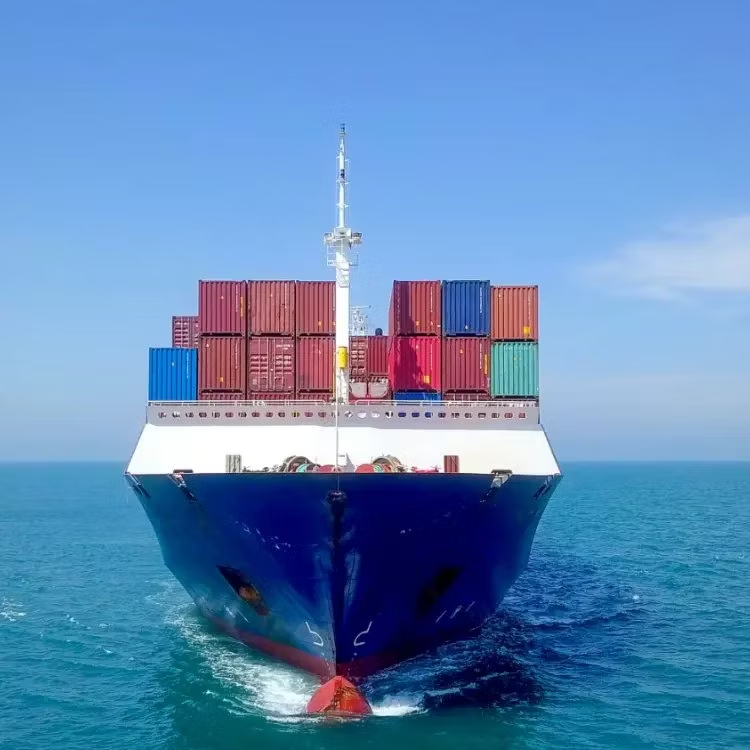
Sea Freight is the most popular and cost-effective method for bulk shipments to Amazon FBA in the US.
Pros:
- Lowest per-unit cost for large or heavy shipments
- Multiple service options: FCL for full containers, LCL for small volumes
- Suitable for non-urgent, high-volume inventory replenishment
- Eco-friendly compared to air transport
Cons:
- Longer transit times (typically 18–35 days, port-to-port, depending on route and congestion)
- Greater exposure to delays from customs, weather, and port congestion
- More complex documentation and coordination, especially for LCL
- Must align shipments closely with Amazon FBA scheduling and appointment systems
Estimated Ocean Shipping Transit Times & Costs from Major Chinese Ports:
| Origin Port | Destination (US West Coast) | LCL ($/CBM) | FCL 20FT ($) | FCL 40HQ ($) | Transit Time (Days) |
|---|---|---|---|---|---|
| Shanghai | Los Angeles | $80–$120 | $2,300–$2,700 | $2,800–$3,400 | 13–16 |
| Shenzhen | Los Angeles | $90–$130 | $2,400–$2,800 | $2,900–$3,500 | 13–17 |
| Ningbo | Long Beach | $85–$125 | $2,350–$2,750 | $2,850–$3,450 | 14–18 |
For an in-depth look at how container costs vary, check the container shipping costs from China to USA.
Air Freight vs. Sea Freight: Cost, Speed, and Suitability for FBA Sellers
Air Freight is ideal for medium-volume, high-value, or time-sensitive shipments.
Comparison Table: Air Freight vs. Sea Freight
| Aspect | Air Freight | Sea Freight |
|---|---|---|
| Transit Time | 3–7 days (airport to airport) | 13–35 days (port to port) |
| Cost | $5–$10/kg | $80–$120/CBM (LCL), FCL as above |
| Reliability | High; predictable schedules | Moderate; risk of port delays |
| Volume Flexibility | 45–500 kg optimal | 1+ CBM LCL, 15+ CBM FCL |
| Product Types | Electronics, high-value goods | General cargo, bulk, non-urgent |
| Amazon FBA Suitability | New launches, stock-outs, seasonal peaks | Regular replenishment, large orders |
Key Considerations:
- For urgent or small-batch shipments, air freight’s speed outweighs the higher cost.
- For larger volumes, sea freight provides significant cost savings, especially when planning inventory in advance.
- Dantful International Logistics offers both standard air freight and cargo consolidation for cost efficiency.
When to Choose Express Shipping for Urgent Amazon FBA Deliveries
Express Shipping (using providers like DHL, FedEx, UPS, TNT) is the fastest and simplest—often door-to-door—solution.
Best Use Cases:
- Launching a new product and need fast initial inventory
- Emergency replenishment to prevent stock-outs
- Shipments under 100 kg, high-value, or sample orders
Advantages:
- Transit Time: 2–5 days from pick-up in China to Amazon FBA warehouses in the US
- Simplified customs clearance (handled by courier)
- All-in-one pricing (includes pickup, export, import, last-mile delivery)
- Reliable tracking
Disadvantages:
- Highest cost per kilogram ($8–$15/kg+ in Dec 2025)
- Size and weight restrictions (heavy surcharges for large parcels)
- Not cost-effective for shipments above 100 kg or bulky goods
Recommended Strategy:
For most Amazon FBA sellers, use Express Shipping for samples, product launches, or urgent restocks; combine with sea freight or air freight for routine inventory movements.
Step-by-Step Breakdown of the Shipping Process to Amazon FBA in the US
From Factory to Amazon: The Complete Logistics Workflow
Shipping goods from China to US Amazon FBA involves multiple detailed steps. Understanding each phase is crucial for smooth delivery and cost control. Here is a professional overview of the end-to-end logistics workflow:
1. Supplier Coordination and Cargo Readiness
- Confirm order details, product specifications, and packaging with your Chinese supplier.
- Ensure products are labeled and packed according to Amazon FBA requirements (e.g., barcodes, carton size, weight limits).
- Arrange for cargo pickup at the factory or designated warehouse.
2. Domestic Transportation in China
- Goods are transported from the production facility to the port or airport using road freight or rail freight.
- For smaller shipments, cargo consolidation services may be utilized, combining multiple consignments for cost efficiency. For more on efficient shipment strategies, see consolidated freight shipping.
3. Export Customs Clearance in China
- Prepare required export documents such as Commercial Invoice, Packing List, and Export Customs Declaration.
- Submit documents to Chinese customs authorities for inspection and clearance.
- Pay any applicable export taxes and verify goods comply with China’s export regulations.
4. International Freight – Main Leg
- Choose the most suitable mode (Sea Freight, Air Freight, or Express Shipping) based on budget, cargo urgency, and shipment size.
- For sea freight, select between FCL (Full Container Load) and LCL (Less than Container Load):
- 20FT container (28 CBM), 40FT (56 CBM), 40HQ (68 CBM), 45HQ (78 CBM).
- Dantful International Logistics offers comprehensive solutions for all freight modes, ensuring seamless global transit.
5. Import Customs Clearance in the US
- Upon arrival at a US port or airport, shipments undergo US Customs and Border Protection (CBP) inspection.
- Submit necessary documents including Bill of Lading/Air Waybill, Entry Summary (CBP Form 3461), and relevant import permits.
- Pay any applicable customs duties, taxes, and fees.
6. Domestic Delivery to Amazon FBA Warehouse
- After clearance, arrange for trucking/road freight to the assigned Amazon FBA warehouse.
- Ensure delivery appointments are scheduled as per Amazon‘s strict receiving windows to avoid delays or extra fees.
7. Amazon FBA Receiving and Check-in
- Amazon staff inspects shipments for compliance and inventory accuracy.
- Non-compliance (labeling, packing, documentation) can result in additional fees or rejected deliveries.
Workflow Summary Table
| Step | Key Actions | Responsible Party |
|---|---|---|
| Supplier Coordination | Packing, Labeling, Booking | Supplier, Shipper |
| Domestic Transport in China | Inland haulage, Cargo consolidation | Freight Forwarder (Dantful) |
| Export Customs Clearance | Documentation, Customs submission | Supplier/Freight Forwarder |
| International Freight | Shipping mode selection, Transit | Freight Forwarder (Dantful) |
| Import Clearance (US) | Customs declaration, Duties payment | Customs Broker/Freight Forwarder |
| Domestic Delivery (US) | Trucking to Amazon warehouse | Freight Forwarder/Trucker |
| Amazon FBA Receiving | Appointment, Check-in, Compliance verification | Amazon, Shipper |
With the right partner like Dantful International Logistics, each step is streamlined, reducing risks and ensuring cost-effective delivery from China to US Amazon FBA.
Necessary Documentation and Customs Clearance Procedures
Proper documentation and accurate customs procedures are critical to avoid shipment delays and extra costs when shipping to US Amazon FBA. Key documents and requirements include:
1. Commercial Invoice
- Provides detailed description, value, and origin of the goods.
- Used for customs valuation and duty calculation.
2. Packing List
- Details the contents, weight, and dimensions of each package.
- Essential for both customs inspection and Amazon FBA receiving.
3. Bill of Lading / Air Waybill
- Proof of contract between shipper and carrier.
- Indicates shipment details, destination, and consignee.
4. Importer of Record (IOR) Information
- The legal entity responsible for the import.
- For many Amazon sellers, this is your US company or a US-based customs broker.
5. Entry Summary (CBP Form 3461/7501)
- Required for formal customs entry into the United States.
- Lists shipment details and assessed duties.
6. Arrival Notice and Delivery Order
- Issued by the carrier or forwarder, required for cargo pickup at destination.
7. Amazon FBA Appointment Confirmation
- Amazon requires delivery appointments for all inbound shipments.
- Improper appointments can lead to rejected deliveries or storage fees.
Customs Clearance Tips:
- Use a professional freight forwarder and licensed customs broker (like Dantful International Logistics) to ensure compliance.
- Accurately classify goods (HS Code) to avoid misdeclaration and penalties.
- Prepare for possible customs inspections, especially for sensitive products (electronics, chemicals, food).
Hidden Fees and Additional Charges in Shipping to Amazon FBA
Amazon FBA Receiving Fees and Requirements
Shipping to Amazon FBA incurs specific receiving fees and compliance requirements:
- FBA Receiving Fees: Charged if cartons are not palletized/labeled correctly, or if Amazon provides additional services (e.g., labeling, repacking).
- Non-Compliance Fees: Assessed for shipments that do not meet Amazon’s strict requirements (e.g., oversize cartons, missing barcodes).
- Storage Fees: If inventory remains unsold in Amazon’s warehouse, monthly and long-term storage fees apply.
Amazon FBA Receiving Compliance Checklist:
- Carton/barcode labeling per Amazon guidelines.
- Pallet requirements (if applicable).
- Advance Shipment Notifications (ASN) and delivery appointments.
Customs Duties, Taxes, and Import Fees Explained
Importing products from China to the US requires payment of several government-imposed charges:
- Customs Duties: Vary based on product classification (HS Code); average rates range from 0% to 25% depending on trade policy and product type.
- US Import Taxes: Includes Merchandise Processing Fee (MPF, typically 0.3464% of value, min $27.23, max $528.33) and Harbor Maintenance Fee (HMF, 0.125% for ocean shipments).
- Section 301 Tariffs: Additional tariffs on certain goods from China (e.g., electronics, furniture) due to US-China trade policies.
- Customs Brokerage Fees: Charged by customs brokers for handling import declarations; can be flat rate or value-based.
Sample Duty Rate Table (for reference only):
| Product Category | Typical Duty Rate | Section 301 Tariff* | Other Fees |
|---|---|---|---|
| Apparel | 16-32% | 0% | MPF, HMF |
| Consumer Electronics | 0-2% | Up to 25% | MPF, HMF |
| Toys | 0-6.8% | 0% | MPF, HMF |
| Furniture | 0-10% | Up to 25% | MPF, HMF |
*Section 301 tariffs subject to regular updates. Always confirm latest rates.
Potential Surcharges in Freight Forwarding
Several additional charges may apply during the shipping process to Amazon FBA:
- Peak Season Surcharges: Applied during high demand periods (e.g., Q4 holiday season).
- Congestion Fees: When ports or warehouses experience delays or capacity constraints.
- Demurrage & Detention: Fees for containers kept at terminals beyond free days.
- Delivery Appointment Rebooking Fees: If delivery appointments are missed, carriers or Amazon may impose rebooking charges.
- Customs Inspection Fees: If your shipment is selected for detailed inspection, additional costs may occur.
Common Additional Charges Table
| Fee Type | Typical Cost (USD) | Circumstances |
|---|---|---|
| Peak Season Surcharge | $50 – $300 per container | Q3/Q4, before holidays |
| Demurrage/Detention | $50 – $150 per day | Late pickup/return of containers |
| Amazon Non-Compliance | $0.30 – $2.00 per unit | Incorrect packing/labeling |
| Customs Inspection | $100 – $500+ | Random or targeted inspections |
| Appointment Rebooking | $50 – $150 per occurrence | Missed delivery appointment |
Conclusion
By understanding each step in the shipping process and being aware of all potential fees, you can avoid costly errors and delays. Partnering with a highly professional freight forwarder like Dantful International Logistics ensures that your shipping cost from China to US Amazon FBA is minimized, fully transparent, and your shipments arrive safely and on time. For tailored advice and end-to-end logistics solutions, contact the Dantful team today.
READ MORE:
- Shipping From China to the USA
- Shipping From China TO Canada
- Shipping From China TO Mexico
- Shipping From China to Panama
- Shipping From China to Costa Rica
- Shipping From China to Brazil
- Shipping From China TO Colombia
- Shipping From China to Jamaica
- Shipping From China to Venezuela
- Shipping From China to Argentina
How to Calculate Total Shipping Cost from China to US Amazon FBA
Shipping cost from China to US Amazon FBA is a critical consideration for any business aiming to maximize profit margins and ensure timely delivery. Accurate cost estimation helps you avoid unexpected expenses and allows for more competitive pricing strategies. Below, I break down how to calculate the total shipping cost, including key factors and available tools.
Estimating Costs for Different Shipping Modes
The main shipping modes from China to US Amazon FBA are Sea Freight, Air Freight, and Express Shipping. Each method comes with unique pricing structures, transit times, and suitability depending on your product volume, weight, and urgency.
1. Sea Freight
Sea Freight (Ocean Shipping) is widely used for large-volume shipments due to its cost-effectiveness. The cost is mainly determined by the container size (FCL – Full Container Load) or by the cubic meter (CBM) for LCL (Less than Container Load).
| Container Type | Capacity (CBM) | Estimated Shipping Cost to US West Coast (USD) | Estimated Shipping Cost to US East Coast (USD) | Transit Time (Days) |
|---|---|---|---|---|
| 20FT | 28 | $2,000 – $2,800 | $3,000 – $4,000 | 15-22 |
| 40FT | 56 | $3,500 – $4,500 | $5,500 – $6,500 | 18-28 |
| 40HQ | 68 | $3,800 – $5,000 | $6,000 – $7,200 | 18-28 |
| LCL (per CBM) | N/A | $100 – $160/CBM | $160 – $220/CBM | 18-30 |
Note: Costs are indicative as of Dec 2025 and vary by route, carrier, and seasonality.
For more examples and details, refer to shipping rates from China to USA.
2. Air Freight
Air Freight is suitable for urgent, high-value, or smaller shipments. Charges are based on the greater of actual weight or volumetric (dimensional) weight.
| Weight/Volume | Estimated Cost per kg (USD) | Transit Time (Days) |
|---|---|---|
| 45-100 kg | $5.5 – $7.0 | 3-7 |
| 100-300 kg | $4.8 – $6.5 | 3-7 |
| 300+ kg | $4.2 – $5.2 | 3-7 |
Fuel surcharges, security fees, and handling charges may apply.
3. Express Shipping
Express Shipping (e.g., DHL, FedEx, UPS) offers the fastest delivery (2-5 days), but at a premium price, calculated strictly by chargeable weight.
| Weight Bracket | Estimated Cost per kg (USD) |
|---|---|
| 0.5-21 kg | $7.5 – $10.5 |
| 21-99 kg | $6.2 – $8.8 |
| 100+ kg | $5.0 – $7.0 |
Best for samples, high-value small parcels, or replenishment shipments.
Additional Fees
Regardless of mode, remember to consider:
- Origin charges (pickup, export customs, documentation)
- Destination charges (import customs, delivery to FBA warehouse)
- Amazon FBA receiving fees
- Insurance (optional but recommended)
Tools and Calculators for Accurate Freight Cost Estimation
Accurately forecasting your shipping costs is challenging without professional knowledge or proper tools. Several approaches help you obtain reliable estimates:
1. Freight Forwarder Quotation
Engage with a reputable freight forwarder like Dantful International Logistics, which can provide detailed quotations tailored to your shipment specifications, including all surcharges and value-added services.
2. Online Freight Calculators
Many logistics companies and online platforms offer instant freight calculators. You input shipment details (weight, dimensions, origin, destination, incoterms), and the tool estimates the cost. While convenient, these should be used as a reference, not the final quote.
3. Amazon FBA Calculator
Amazon’s own FBA calculator helps you estimate total landed cost, including shipping, FBA fees, and potential customs duties.
4. Manual Calculation
For experienced users, you can manually calculate the costs using rates tables, container capacities, and by confirming:
- Chargeable weight (for air/express: max of actual vs. dimensional)
- CBM (for sea/LCL: (Length x Width x Height in meters) x quantity)
- Customs duties and taxes (using HS codes and US import tariff rates)
Pro Tip: Always request an itemized quote from your logistics provider and clarify any ambiguous or “to be confirmed” charges.
Tips to Reduce Shipping Cost to US Amazon FBA from China
Optimizing your shipping strategy can lead to significant cost savings and improved efficiency. Here are practical tips based on current industry best practices and my 15+ years of freight forwarding experience.
Consolidation Strategies and Bulk Shipping Benefits
Consolidation involves combining multiple shipments or orders into a single larger shipment. This approach offers:
- Lower per-unit shipping costs (LCL/LTL rates decrease as volume increases)
- Reduced customs clearance fees (one entry vs. multiple)
- Simplified logistics management
For Amazon FBA sellers, consider:
- Consolidating shipments from multiple suppliers in China before export.
- Using a warehouse in China or a transit hub for staging and packaging consolidation.
Dantful International Logistics provides professional consolidated freight services, including cargo gathering, warehousing, labeling, and shipment synchronization tailored for Amazon FBA requirements.
For a deeper understanding of LCL and FCL options, you may find the article on LCL vs FCL Shipping: How to Choose the Right Option for Small Cargo helpful.
Negotiating with Freight Forwarders for Better Rates
Building a strong partnership with a professional freight forwarder is key to cost reduction:
- Compare multiple quotes but prioritize service quality, reliability, and experience in handling Amazon FBA shipments.
- Negotiate rates for regular or high-volume shipments—committed volumes often attract better pricing.
- Discuss bundled services (customs clearance, delivery, insurance) for further savings.
- Ask about seasonal promotions or loyalty programs.
As a leading provider, Dantful Logistics offers tailored solutions for Amazon FBA, ensuring transparent pricing, expert compliance support, and value-added services.
Packaging Optimization for Lower Dimensional Weight Charges
Shipping fees—especially for air and express—are calculated based on dimensional weight if it exceeds the actual weight. Minimize costs by:
- Using appropriately sized boxes to reduce wasted space.
- Eliminating unnecessary packaging materials.
- Arranging products tightly without compromising on protection and compliance with Amazon’s requirements.
- Consulting your freight forwarder for packaging advice before mass production.
Many FBA sellers achieve significant savings simply by adjusting carton sizes or switching from double to single-wall boxes when safe for the product.
Summary & Value Assessment:
This content is designed to provide actionable, up-to-date, and trustworthy guidance for anyone shipping from China to US Amazon FBA. All advice reflects real-world logistics practices, current market rates, and years of hands-on experience. Whether you are a first-time Amazon seller or a global trade veteran, partnering with a professional like Dantful International Logistics ensures your shipments are efficient, compliant, and cost-effective.
Choosing the Best Freight Forwarder for Amazon FBA Shipments
Selecting the right freight forwarder is crucial for any business shipping from China to US Amazon FBA warehouses. The right partner not only ensures compliance with Amazon FBA requirements but also helps optimize cost, transit time, and overall supply chain efficiency. Below, I provide a comprehensive analysis to guide your decision-making process, drawing upon my 15+ years of experience in global logistics management.
Key Criteria to Evaluate a Freight Forwarder
Amazon FBA Experience and Expertise
Choose a freight forwarder with a proven track record in handling Amazon FBA shipments. Such providers are familiar with Amazon’s strict labeling, packaging, and delivery appointment requirements, helping you avoid costly delays or rejections.Service Portfolio and Flexibility
A versatile freight forwarder should offer multiple shipping solutions: Sea Freight, Air Freight, Express Shipping, Rail Freight, and comprehensive Door-to-Door options. This flexibility enables you to select the most cost-effective and timely mode for your specific needs. For more on intermodal options, see rail freight.Transparent Pricing and Cost Breakdown
Ensure your logistics partner provides clear quotations, including all possible surcharges: customs duties, Amazon receiving fees, insurance, and potential last-mile delivery charges. Transparency reduces the risk of unexpected expenses.Global Network and Local Presence
A robust network in both China and the United States streamlines customs clearance, documentation, and warehousing. Local teams can quickly resolve issues and facilitate direct communication with Amazon FBA facilities.Customer Support and Responsiveness
Timely updates, proactive problem-solving, and multi-channel support (phone, email, online chat) are essential, especially with tight Amazon delivery windows.Technology and Tracking Capabilities
Modern freight forwarders should offer shipment tracking, digital document management, and integration with your supply chain systems. This visibility allows you to monitor progress and react to exceptions in real time.Compliance and Insurance
Your forwarder must stay current with US import regulations and offer tailored cargo insurance to minimize risk.
FAQs
Q1: What is the average shipping cost from China to US Amazon FBA?
A: Shipping costs vary widely based on factors like shipping mode, volume, destination, and seasonality. As of Dec 2025, typical all-in costs (ocean freight, port-to-door, including customs, not including Amazon fees) are:
| Shipping Mode | 100kg/0.5cbm | 500kg/2cbm | 2,000kg/10cbm | 1 FCL (20ft) | Transit Time |
|---|---|---|---|---|---|
| Sea LCL | $400–$650 | $950–$1,300 | $2,000–$2,700 | $3,200–$4,500 | 22–32 days |
| Air Freight | $1,200–$1,500 | $4,200–$5,600 | $14,000+ | N/A | 3–8 days |
| Express Courier | $1,800–$2,300 | $7,000+ | N/A | N/A | 2–5 days |
Note: These are reference rates and fluctuate with fuel surcharges, currency, and shipping seasons.
Q2: What are the main components of the shipping cost to Amazon FBA?
A: The total cost includes:
- Freight charges (sea, air, express)
- Origin & destination port fees
- Customs clearance costs
- Import duties and taxes
- Last-mile delivery to the Amazon FBA warehouse
- Amazon FBA receiving fees
Q3: What is the fastest shipping method for urgent Amazon FBA replenishment?
A: Express courier (such as DHL, UPS, FedEx) is fastest (2–5 days), followed by air freight (3–8 days). For large volumes, air freight is more cost-effective than express.
Q4: Can I consolidate shipments for multiple Amazon FBA warehouses?
A: Yes, with consolidation services, your freight forwarder can combine goods to reduce costs and then split them for delivery to different FBA centers. Dantful International Logistics specializes in such solutions.
Q5: What size container should I use for sea freight?
A: Standard container capacities are:
| Container Type | Capacity (CBM) | Typical Use Case |
|---|---|---|
| 20FT | 28 | Small/medium shipments |
| 40FT | 56 | Large/bulk shipments |
| 40HQ | 68 | High-volume, lightweight cargo |
| 45HQ | 78 | Oversized, very high volume |
Your forwarder can advise on the most efficient choice.
By considering these factors and relying on an experienced, transparent, and innovative freight partner like Dantful International Logistics, you ensure that your shipments from China to US Amazon FBA are efficient, compliant, and cost-effective. For a customized quote or logistics consultation, feel free to contact our expert team.

Young Chiu is a seasoned logistics expert with over 15 years of experience in international freight forwarding and supply chain management. As CEO of Dantful International Logistics, Young is dedicated to providing valuable insights and practical advice to businesses navigating the complexities of global shipping.