Are you looking to simplify shipping from Shanghai to Miami but unsure about the best methods, costs, or required documentation? Whether you’re weighing ocean freight versus air freight, or concerned about customs clearance and transit times, this article is packed with essential insights. In this strategic guide, we go beyond the basics. We analyze the critical Panama Canal vs. Landbridge decision, reveal hidden terminal-specific costs at Yangshan and PortMiami, and share our team’s customs clearance strategies for Miami’s unique import environment (including FDA and Section 321). This isn’t just a shipping overview—it’s your operational playbook for 2026.
Overview of Shipping from Shanghai to Miami
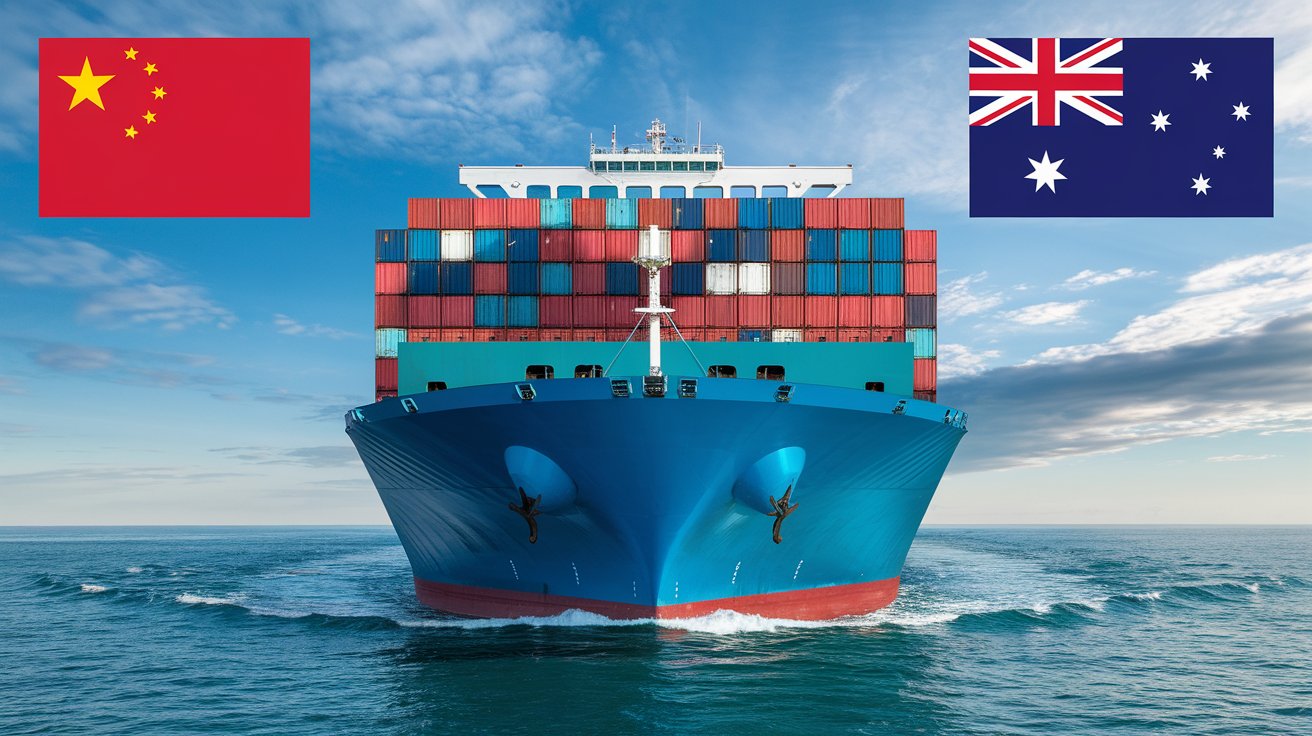
Shipping from Shanghai to Miami connects two globally significant ports and trade centers. Shanghai Port is the world’s busiest container port, handling a vast range of goods, machinery, electronics, textiles, and more. PortMiami is known as the “Gateway to the Americas,” serving as a key entry point for imports into the southeastern United States and Latin America.
Whether you’re an importer, exporter, e-commerce seller, manufacturer, or supply chain manager, understanding the shipping process between Shanghai and Miami is essential for successful trade. This route offers multiple freight options, competitive pricing, and reliable schedules, making it ideal for various cargo types. However, it’s important to select the right shipping method and partner with a trusted freight forwarder to ensure smooth delivery, compliance, and cost-efficiency.
At Dantful International Logistics, we leverage over 15 years of expertise to help clients navigate every step, from choosing the optimal shipping mode to managing customs and last-mile delivery. The following sections provide a professional, in-depth look at the primary shipping solutions available from Shanghai to Miami, based on our operational data from early 2026.
Strategic Route Options: Panama Canal vs. Landbridge
Shipping from Shanghai to Miami isn’t just about choosing “Sea” or “Air.” The critical decision is the route. Unlike shipping to the West Coast (LA/LB), cargo to the East Coast (Miami) has two primary paths:
1. The All-Water Route (via Panama Canal)
- Path: Shanghai > Pacific Ocean > Panama Canal > Caribbean > PortMiami.
- Pros: Most cost-effective; direct container handling (less risk of damage).
- Cons: Slower (30-38 days); subject to Panama Canal drought restrictions (draft limits) which can cause delays during dry seasons.
- Best For: Bulk goods, heavy machinery, and non-urgent inventory.
2. The US Landbridge (Mini-Land Bridge – MLB)
- Path: Shanghai > Port of Los Angeles/Long Beach > Rail/Truck > Miami.
- Pros: Faster (20-25 days total); bypasses Panama Canal bottlenecks.
- Cons: Significantly more expensive (premium of 30-50%); higher risk of rough handling during rail transfer.
- Best For: High-value electronics, fashion, or stock-outs where Air Freight is too expensive but “All-Water” is too slow.
Dantful Insight: In Q1 2026, we are seeing 70% of our clients choose the All-Water route for stability, but we recommend the Landbridge option for “Just-in-Time” delivery needs.
Sea Freight: Deep Dive into Terminals & Equipment
Shanghai Origin: Yangshan vs. Waigaoqiao
Not all “Shanghai” shipments are the same.
Yangshan Deep-Water Port: Located on an island connected by a 32km bridge. It handles the largest vessels (15,000+ TEU) destined for the US and Europe. Most Miami-bound vessels depart here.
- Impact: Trucking fees to Yangshan are slightly higher (~$50-$100 more) than to Waigaoqiao, but it offers better schedule reliability.
Waigaoqiao: Closer to the city, mostly for intra-Asia routes.
Miami Destination: PortMiami Specifics
PortMiami is the “Cargo Gateway to the Americas.” It is the closest US port to the Panama Canal and handles over 1 million TEUs annually.
- Key Terminals: POMTOC and SFCT (South Florida Container Terminal).
- Trucking Nuance: PortMiami is located on an island near downtown. Traffic congestion in the tunnel can impact appointment times. Our local drayage partners schedule pickups during off-peak hours to avoid “waiting time” fees.
3. The “Miami Tunnel” & Trucking Reality
PortMiami is unique—it’s on an island connected by a tunnel.
- The Bottleneck: Truckers must have strict appointments. Missing a slot by 15 minutes can mean a 24-hour delay.
- Dantful’s Solution: We use “Pre-Pull” services. We pull your container to a local yard at night so it’s ready for morning delivery, avoiding the tunnel rush hour entirely.
FCL vs. LCL: The “Break-Even” Calculation
Don’t just guess. Use our rule of thumb for 2026 rates:
< 13 CBM: LCL is usually cheaper.
> 13 CBM: FCL (20FT) often becomes more economical, even if you don’t fill the container.
- Why? LCL destination fees (CFS charges) in Miami can be high ($60-$100/ton). Switching to FCL gives you control, security, and faster release, even with empty space.
Real-World Case Study: The “Emergency Electronics” Shipment
Client: A Miami-based electronics distributor.
Challenge: Needed 500kg of components for a Black Friday promo. Air freight was quoted at $4,500 (too high). Standard ocean was 35 days (too slow).
Dantful’s Strategy: We used the “Matson + Team Truck” hybrid route.
- Shipped via Matson CLX to Long Beach (11 days).
- Transferred to a “Team Driver” truck direct to Miami (3 days).
Result: Total transit 14 days. Cost: $1,200. Savings: $3,300 vs Air.
Air Freight: Speed vs. Cost Analysis
Air Freight is best suited for:
- Urgent shipments that require quick delivery (e.g., fashion, electronics, medical supplies).
- High-value or time-sensitive cargo.
- Perishable goods or shipments requiring special temperature control.
Key advantages of Air Freight:
- Fastest transit time (typically 3-7 days from Shanghai to Miami).
- High security and lower risk of damage or theft.
- Reliable schedules with frequent departures.
Considerations:
- Air Freight is more expensive than Sea Freight, especially for heavy or bulky shipments.
- There are strict limitations on hazardous materials and special handling requirements.
Comparing Cost, Transit Time, and Suitability for Different Shipments
Choosing between Sea Freight and Air Freight depends on your priorities: speed, cost, and cargo characteristics. Below is a comparison table based on March 2026 market data:
| Mode | Typical Transit Time | Best For | Cost Estimate (March 2026)* | Capacity |
|---|---|---|---|---|
| FCL (20FT) | 30–38 days | Bulk, full container shipments | $2,900–$3,800/20FT | 28 CBM, 22–25 tons |
| FCL (40HQ) | 30–38 days | Large volume, high efficiency | $3,800–$5,200/40HQ | 68 CBM, 26–28 tons |
| LCL | 35–45 days | Small/medium cargo, flexible volume | $110–$160/CBM | Shared container |
| Air Freight | 4–8 days | Urgent, high-value, perishable shipments | $5.50–$9.50/kg | Variable |
Note: Rates fluctuate weekly based on bunker fuel prices (BAF), General Rate Increases (GRI), and seasonal demand. For the latest and most accurate quotation, consult a professional freight forwarder like Dantful International Logistics.
Suitability Guide:
- Sea Freight (FCL/LCL): Ideal for general cargo, machinery, electronics, furniture, bulk goods, and when cost optimization is a priority.
- Air Freight: Preferable for express shipments, luxury goods, limited production runs, or when time-to-market is crucial.
Final Advice: Regardless of your shipment’s size or urgency, the best results come from working with experienced, reliable freight forwarders like Dantful International Logistics. We offer a full suite of services—Sea Freight, Air Freight, Customs Clearance, Door to Door, Warehousing, and more—tailored to your needs for shipping from Shanghai to Miami. For a personalized consultation and a precise shipping quote, contact our team today.
Step-by-Step Guide to the Shipping Process
Shipping from Shanghai to Miami involves several key stages that require careful coordination, documentation, and compliance with both Chinese export regulations and US import requirements. Based on our team’s analysis of recent shipments, here is a step-by-step breakdown to help you streamline logistics.
Preparing Documentation and Meeting Export Requirements in China
Proper documentation is essential for smooth international shipping. When exporting goods from China, you must prepare and verify the following documents:
- Commercial Invoice: Details about the seller, buyer, goods description, value, and payment terms.
- Packing List: Specifies the contents, quantities, and packaging details for each carton or container.
- Bill of Lading (B/L) or Air Waybill (AWB): Issued by the carrier, serves as proof of shipment and receipt.
- Export License: Required for certain types of goods based on Chinese regulations.
- Customs Declaration Form: Required by Chinese customs for all export cargo.
- Certificates of Origin (if required): Specifies where the goods are produced, which may impact duties or trade agreements.
- Other special certificates: Such as fumigation certificates, inspection certificates, or product-specific documents.
Dantful Insight: We often see delays caused by minor discrepancies between the Commercial Invoice and the Packing List. Our documentation team in Shanghai double-checks these files before cargo handover to ensure 100% consistency, preventing fines or holds.
The “Invisible” Risks of Cheap Booking (And How We Fix Them)
Booking freight isn’t just about finding the lowest price—it’s about actually getting on the ship. Many “budget” forwarders rely on volatile Spot Market rates, which carriers often mark as “Subject to Roll.” This means if the vessel is overbooked (common during peak seasons), your cargo is the first to be bumped to the next sailing, causing weeks of delay.
How Dantful Protects Your Supply Chain:
| Feature | Standard Freight Service | Dantful Logistics |
|---|---|---|
| Space Priority | Subject to Availability | Protected Allocation (via COSCO/CMA Tier 1 Contracts) |
| Fees Structure | Variable Destination Fees | Transparent (We prioritize “Wheeled Operations” to avoid split fees) |
| Customs Speed | Standard Processing | Pre-Audits docs 72h before departure |
| Response Time | 24-48 Hours | 30 Minutes (Dedicated 1-on-1 WhatsApp Group) |
1. Our “No-Roll” Guarantee
We operate with a strict “Confirmed Means Confirmed” policy. Once we confirm your booking and your cargo is ready on time, we guarantee your spot.
- Our Commitment: In the rare event that a carrier rolls your cargo due to their operational issues, we proactively manage the situation, fight for compensation, and cover any extra storage fees in Shanghai.
2. The “Landed Cost” Blueprint
Don’t just ask for a shipping quote. That’s a rookie mistake that leads to lost profits. We provide a Landed Cost Analysis that includes:
- Ocean Freight (Shanghai > Miami)
- Duty Rates (based on optimized HS Codes)
- Harbor Maintenance Fees (HMF) & Merchandise Processing Fees (MPF)
- Last-Mile Delivery to your warehouse door.
Result: You know your exact profit margin before the ship even leaves China.
Cargo Handling and Container Loading at Shanghai Port
After booking, your cargo must be delivered to the appointed warehouse or directly to the Shanghai Port. Key considerations during this stage include:
Proper Packing: Use strong, export-grade materials and label each package clearly to prevent damage and ensure compliance.
Container Stuffing: For FCL, cargo is loaded into a container, and the container is sealed and transported to the terminal. For LCL, goods are consolidated with other shipments.
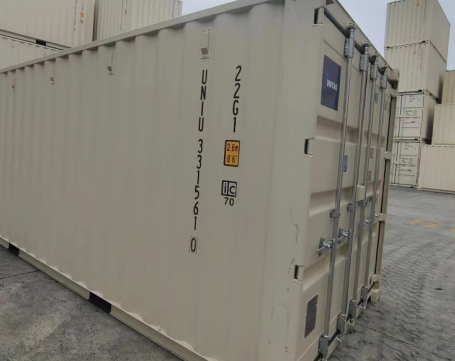
Container Sizes and Capacity:
Container Type Capacity (CBM) Typical Use Cases 20FT 28 Small to medium shipments 40FT 56 Bulkier, heavier goods 40HQ 68 Voluminous, light goods 45HQ 78 Oversized cargo Cut-off Dates: Be mindful of carrier cut-off times for cargo delivery to avoid missed sailings or flights.
Inspection: Some shipments may require pre-export inspection or fumigation, depending on commodity type and destination regulations.
Customs Clearance: Miami-Specific Nuances
Upon arrival at Miami, your cargo must clear US Customs. While the standard process (Entry Filing, Duty Payment) applies, Miami has unique characteristics you must know:
1. The “Section 321” Advantage for E-commerce
Miami is a major fulfillment hub. For B2C shipments valued under $800, we can utilize Section 321 (Type 86 Entry).
- Benefit: Duty-Free and faster clearance.
- Requirement: Strict manifest accuracy. Dantful’s system pre-files this data before the vessel leaves Shanghai.
2. FDA & USDA Focus
Miami handles a massive volume of perishables (flowers, food). Consequently, CBP officers here are hyper-vigilant about FDA (Food & Drug Administration) and USDA compliance.
- Risk: If you are shipping kitchenware, medical devices, or food-contact items, missing FDA registration will cause your cargo to be held for weeks.
3. The $5,000 ISF Penalty
For Ocean Freight, the Importer Security Filing (ISF/10+2) must be filed 24 hours before loading in Shanghai.
- Warning: Late filing results in a $5,000 penalty from US Customs. We automate this filing for our clients to ensure zero fines.
Pro-tip from our Customs Team: Recently, we have observed stricter scrutiny on HS Code classifications for electronics entering Miami. Working with an experienced customs broker or a reliable freight forwarder like Dantful can help expedite clearance and minimize the risk of costly delays.
Transit Times and Shipping Schedules
Understanding transit times is essential for supply chain planning, inventory management, and meeting customer deadlines. Transit duration can vary significantly based on shipping mode, route, and external factors.
Typical Sea Freight Transit Times from Shanghai to Miami
Transit times for sea freight shipments from Shanghai Port to Miami Port (PortMiami) depend on the carrier, route, and whether direct or transshipment services are used. Based on our tracking data from March 2026:
| Shipping Mode | Typical Transit Time (Days) | Notes |
|---|---|---|
| FCL (Direct) | 30 – 35 | May vary with carrier schedules |
| FCL (Transshipment) | 35 – 48 | Via Caribbean or US East Coast gateways |
| LCL | 35 – 50 | Includes consolidation/deconsolidation |
Note: Schedule reliability can be impacted by port congestion, weather events, or vessel deviations. Always confirm current schedules with your freight forwarder.
To understand information about major US hubs and plan the best arrival path, we recommend reading about the biggest ports in the us.
Air Freight Delivery Times and Schedules
Air freight is significantly faster but comes at a higher cost. Delivery times for cargo shipped from Shanghai to Miami International Airport (MIA) typically range as follows:
| Air Freight Service | Typical Transit Time (Days) | Description |
|---|---|---|
| Direct Flight | 3 – 5 | Limited availability, high demand |
| Indirect/Transshipment | 5 – 8 | May route via other US or Asian hubs |
Express services (e.g., DHL, FedEx, UPS) may offer next-day or two-day delivery, but are suitable primarily for small, high-value shipments.
Critical Risk Factors for Miami Route (2026 Outlook)
Hurricane Season (June – November)
- Impact: PortMiami often closes gates 24-48 hours before a named storm.
- 2026 Strategy: During Q3, we route time-sensitive cargo via Landbridge (LA/LB > Rail) to avoid the Caribbean entirely.
ILA Labor Negotiations (East Coast)
- The ILA (International Longshoremen’s Association) controls Miami ports. Unlike West Coast ports, they have a history of “No Contract, No Work.”
- Alert: Watch for contract renewal dates in late September. Dantful sends weekly alerts to clients during negotiation years.
Panama Canal Draft Restrictions
- While water levels have improved, “Neo-Panamax” vessels (the huge ones) still face draft limits.
- Consequence: Carriers may “roll” heavy containers to the next ship. We prioritize booking on services with “Protected Space” allocations to avoid this.
Chinese Holidays
- CNY (Chinese New Year): Factories close for 2-3 weeks. Shipments must be booked 3 weeks in advance.
- Golden Week (October 1st): Similar rush before the holiday.
Calculating Shipping Costs from Shanghai to Miami
When shipping from Shanghai to Miami, understanding the cost structure is crucial for effective budget planning and supply chain optimization. International freight charges are influenced by various factors including shipment type, mode of transport, cargo dimensions, and special requirements. Below, I provide a comprehensive breakdown of the main costs, guidance on obtaining precise quotes, and highlight potential hidden expenses to ensure a transparent shipping process.
Breakdown of Common Shipping Fees and Charges
The total shipping cost from Shanghai to Miami typically consists of several components. The following table outlines the most common fees involved in both Sea Freight and Air Freight:
| Fee/Charge | Sea Freight (FCL/LCL) | Air Freight | Description |
|---|---|---|---|
| Basic Freight Rate | Varies by container size or weight | Charged per kg (actual/volumetric) | Main transportation cost from Shanghai Port to Port of Miami |
| Fuel Surcharge (BAF/CAF) | Applied per container or per CBM | Included or separate | Adjusts for fluctuations in fuel prices (Monthly variable) |
| Terminal Handling Charge (THC) | Fixed per container or CBM | Usually minimal | Port loading/unloading and handling fees in both origin and destination ports |
| Documentation Fee | Fixed per shipment | Fixed per shipment | Covers bill of lading, airway bill, and other paperwork |
| Customs Clearance | Fixed, varies by customs agent | Fixed, varies by customs agent | Fees for processing import/export declarations in both China and the USA |
| Import Duties & Taxes | Based on cargo value and HS code | Based on cargo value and HS code | U.S. Customs import duties, taxes, and tariffs |
| Delivery/Drayage Fee | Depends on destination (door delivery) | N/A or minimal for airport pickup | Trucking from Port of Miami/Miami International Airport to final delivery address |
| Insurance (Optional) | % of cargo value | % of cargo value | Optional, but highly recommended for cargo protection |
| Warehouse/Storage Fee | If applicable (delayed pickup, storage) | If applicable | Charged if cargo is not picked up within free time at port or airport |
Container Size Reference (For Sea Freight FCL):
| Container Type | Capacity (CBM) | Typical Use Case |
|---|---|---|
| 20FT | 28 CBM | Small to medium shipments |
| 40FT | 56 CBM | Standard loads |
| 40HQ | 68 CBM | Voluminous/Lightweight cargo |
| 45HQ | 78 CBM | Extra-large or bulky cargo |
Note: For LCL (Less than Container Load), charges are calculated per CBM (Cubic Meter) or per ton, whichever is higher.
How to Get an Accurate Shipping Quote
Obtaining an accurate and transparent quote for shipping from Shanghai to Miami requires providing detailed information to your freight forwarder. Here’s what you need to prepare:
Cargo Details:
- Description of goods (including HS Code if possible)
- Dimensions (Length x Width x Height in cm or inches)
- Gross weight and number of packages
Preferred Shipping Method:
- FCL, LCL, or Air Freight
Incoterms:
- Defines responsibilities for shipping, insurance, and customs (e.g., FOB, EXW, DDP)
Pickup and Delivery Addresses:
- Indicate if you need door-to-door service
Special Requirements:
- Temperature control, hazardous goods, OOG (out-of-gauge) cargo, etc.
By sharing complete and accurate information, you enable your freight forwarder to provide a quote that covers all foreseeable costs, reducing the risk of unexpected charges.
Dantful International Logistics offers a one-stop quotation and consultation service. Our team evaluates your shipment in detail and provides a comprehensive, itemized quote, ensuring full transparency and cost-effectiveness.
If you are interested in door-to-door logistics solutions, we welcome you to read our guide on Door to door shipping from China to USA to learn about seamless end-to-end transport schemes and precautions.
Market Reality: Volatility Factors
Beyond the basic freight, smart shippers anticipate these market drivers:
- GRI (General Rate Increase): Carriers often announce price hikes on the 1st and 15th of each month.
- PSS (Peak Season Surcharge): Typically applies from August to October (pre-holiday rush) and January (pre-CNY).
- Panama Canal Surcharge (PCC): During drought seasons (often Q1/Q2), carriers may add $300-$500 per container due to draft restrictions.
Hidden Costs to Watch Out For (Miami Edition)
While most charges are standard, Miami has specific “gotchas” you must know. Based on our audit of 500+ shipments, here are the top hidden costs:
“Tailgate Exam” Fees:
- Miami CBP is aggressive with X-ray exams for electronics and textiles. Even if you pass, you pay the exam fee (~$200-$300).
- Mitigation: Ensure your manifest description is hyper-specific (e.g., “LED Light Bulbs for Home Use” instead of just “Lights”).
Chassis Split Fees:
- In Miami, the container and the chassis (trailer) are often at different locations. Truckers charge a “Split Fee” ($100-$150) to pick them up separately.
- Dantful Advantage: We work with truckers who own their chassis, eliminating this fee.
Waiting Time at Consignee:
- Most quotes include 1-2 hours of unloading time. If your warehouse takes 4 hours, you pay $100/hour extra.
- Tip: We offer “Drop and Hook” services for high-volume receivers to avoid live unloading fees.
Demurrage and Detention:
- Charged if containers remain at port/warehouse beyond free days (usually 4-5 days).
Tips for Reducing Delays and Optimizing Your Shipment
Shipping from Shanghai to Miami involves multiple steps and stakeholders. Implementing best practices throughout the process can minimize risks, reduce delays, and ensure a seamless experience.
Best Practices for Packaging and Labeling
- Use Export-Grade Packaging: Select sturdy, moisture-resistant materials suitable for long-distance ocean or air transport.
- Comply with International Standards: Ensure pallets and wood packaging are ISPM 15 certified for U.S. import.
- Clear Labeling: Mark packages with consignee details, shipment reference, and handling instructions (e.g., “Fragile,” “This Side Up”).
- Optimize Space Utilization: Properly pack to maximize container or pallet space, minimizing shipping costs.
- Document Enclosure: Place copies of essential shipping documents inside and outside the cargo for easy access during inspections.
How to Track Your Shipment from Shanghai to Miami
Efficient cargo tracking enhances visibility, allows proactive planning, and reassures all stakeholders. Dantful International Logistics provides real-time tracking solutions for both Sea Freight and Air Freight shipments. Here’s how you can monitor your cargo:
Online Tracking Platforms:
- Use the container or airway bill number on our website or via your Dantful account dashboard.
Milestone Notifications:
- Receive automated updates at key milestones: departure, transshipment, arrival at Miami, customs clearance, and final delivery.
Direct Support:
- Our team is available for instant status checks and proactive alerts about any disruptions or delays.
Working with Customs Brokers and Avoiding Common Mistakes
Smooth customs clearance is essential for timely delivery. Consider these recommendations:
Partner with Licensed Customs Brokers: Engage experienced brokers familiar with U.S. and Chinese regulations to manage documentation and compliance.
Prepare Complete Documentation: Invoices, packing lists, certificates of origin, and other paperwork should be accurate and consistent.
Classify Goods Correctly: Use the correct HS Codes to avoid misclassification, which can lead to fines or shipment holds.
Understand Import Restrictions: Verify that your products comply with U.S. import laws, especially for restricted or controlled goods.
Pay Duties and Taxes Promptly: Ensure all applicable charges are paid to avoid cargo holds or delays.
Avoid Common Pitfalls:
- Incomplete documentation
- Incorrect consignee/shipper information
- Failure to declare goods truthfully
- Not accounting for U.S. holidays or port operating hours
Dantful International Logistics integrates customs brokerage as part of our comprehensive service suite, coordinating closely with both Chinese and U.S. authorities. Our expertise helps you avoid costly mistakes, streamline clearance, and maintain compliance.
For a tailored shipping solution or to request a detailed quote, contact Dantful International Logistics today.
Why Choose Dantful for Your Shanghai-to-Miami Logistics?
Most forwarders just book a slot. Dantful International Logistics acts as your supply chain architect. We don’t just move boxes; we optimize your entire route from the factory floor in Shanghai to your warehouse door in Miami.
The Dantful “Miami Special Line” Advantage
We have built a dedicated ecosystem for this specific trade lane:
Priority Space Protection:
- We hold block space agreements (BSA) with COSCO and CMA CGM on the AWE (All Water East Coast) services. Even during Peak Season (PSS), your cargo gets on the ship.
Miami Local Expertise:
- Our local partners understand the PortMiami Tunnel constraints and have special permits for heavy containers that standard truckers often refuse.
Customs “Green Lane”:
- Our automated ISF and Section 321 filing systems boast a 99.8% compliance rate, drastically reducing the chance of CBP exams.
Your Pre-Shipment Checklist (Shanghai to Miami)
Before you book, ensure you can check these boxes. If not, contact us immediately.
- HS Code Verified? (Crucial for Miami CBP compliance)
- Incoterms Defined? (FOB vs. DDP – know your liability)
- ISF 10+2 Data Ready? (Must have before cargo leaves Shanghai)
- Hurricane Buffer Added? (If shipping June-Nov)
- Packaging Compliant? (ISPM 15 pallets for wood)
Ready to ship? Don’t risk your supply chain with a generic provider. Contact Dantful for a Custom Shanghai-Miami Quote Get a response within 24 hours. No hidden fees, just reliable logistics.
FAQs
Q1: What documents are required for shipping from Shanghai to Miami? A: You typically need a commercial invoice, packing list, bill of lading (for sea freight) or air waybill (for air freight), and any applicable export/import permits. Dantful International Logistics provides document templates and compliance checks to streamline your process.
Q2: How much does it cost to ship a 20ft container from Shanghai to Miami? A: As of March 2026, a standard 20ft container (FCL) typically costs between $2,900 and $3,800. This rate fluctuates based on the Bunker Adjustment Factor (BAF) and weekly GRI (General Rate Increases).
- Note: This price usually covers the “Port-to-Port” freight. You should also budget for local charges in Shanghai (~$200) and destination fees in Miami (DTHC, ISF, Customs Bond), which can add another $800-$1,200 depending on your Incoterms.
Q3: What is the cost for a 40ft container from Shanghai to Miami? A: A 40ft High Cube (40HQ) container ranges from $3,800 to $5,200 in the current Q1 2026 market.
- Why the range? Rates spike during Peak Season (Aug-Oct) and Pre-CNY (Jan).
- Pro Tip: A 40HQ holds more than double the volume (68 CBM) of a 20ft (28 CBM) but often costs less than double the price. If you have over 30 CBM of cargo, upgrading to a 40HQ is significantly cheaper per cubic meter.
Q4: How long does it take to ship goods from Shanghai to Miami? A: Sea freight (FCL/LCL) usually takes 30-38 days port-to-port, depending on service and seasonal factors. Air freight can take 4-8 days. Customs clearance, peak season, and vessel schedules may affect overall delivery time.
| Shipping Method | Typical Transit Time (Shanghai to Miami) |
|---|---|
| FCL Sea Freight | 30-38 days |
| LCL Sea Freight | 35-45 days |
| Air Freight | 4-8 days |
Q5: What are the main shipping ports in Shanghai and Miami? A: In Shanghai, cargo usually departs from the Port of Shanghai (the world’s busiest container port). In Miami, goods are received at PortMiami (for sea freight) or Miami International Airport (for air freight).
By carefully choosing a qualified freight forwarder and understanding the key requirements, you can optimize your shipping from Shanghai to Miami—ensuring efficiency, reliability, and peace of mind. For professional support, competitive rates, and end-to-end logistics solutions, trust Dantful International Logistics as your global shipping partner.

Young Chiu is a seasoned logistics expert with over 15 years of experience in international freight forwarding and supply chain management. As CEO of Dantful International Logistics, Young is dedicated to providing valuable insights and practical advice to businesses navigating the complexities of global shipping.