Are you wondering how much is shipping from China to Morocco and what factors influence the final cost? Navigating freight rates, various shipping methods, and hidden fees can be confusing for businesses and individuals alike. In this comprehensive guide, we’ll break down the key elements affecting shipping costs, compare ocean freight with air freight, and share expert tips to help you save money on your next shipment from China to Morocco.
Key Takeaways
- Ocean freight to Casablanca/Tangier Med typically runs 29–42 days port-to-port; variability remains due to carrier routing via Suez/Cape.
- Reference FCL rates: 20FT $1,950–$2,750; 40FT $3,600–$4,600; LCL $90–$135/CBM (market-dependent).
- Air freight to Casablanca (CMN) averages $4.6–$6.6/kg for general cargo; 3–7 days door-to-airport.
- Morocco applies VAT 20% on imports plus customs duty per HS (≈2.5%–40%) and a parafiscal import tax (TPI) typically 0.25% of CIF.
- Regulated products require Verification of Conformity (VoC) and, in some categories, CMIM marking per Law 24-09; ensure Certificate of Conformity before shipment.
- For predictable landed costs, Door-to-Door DDP via Dantful bundles freight, clearance, duties/taxes, and final delivery.
Overview of Shipping Costs from China to Morocco
Shipping goods from China to Morocco involves a complex mix of transportation modes, customs regulations, and variable market conditions. The total shipping cost can differ significantly depending on the type of goods, shipping method, volume, weight, and destination within Morocco. As a seasoned logistics expert, I understand that accurate, up-to-date information is crucial for making informed decisions. Below, I provide an in-depth analysis of the main determinants that influence pricing and outline the principal shipping methods available to international shippers.
Why Shipping Costs Vary Between China and Morocco
Shipping costs from China to Morocco can fluctuate due to a variety of market and operational factors:
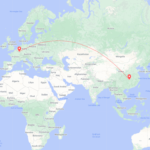
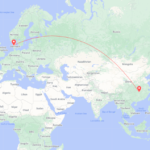
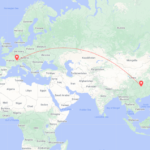
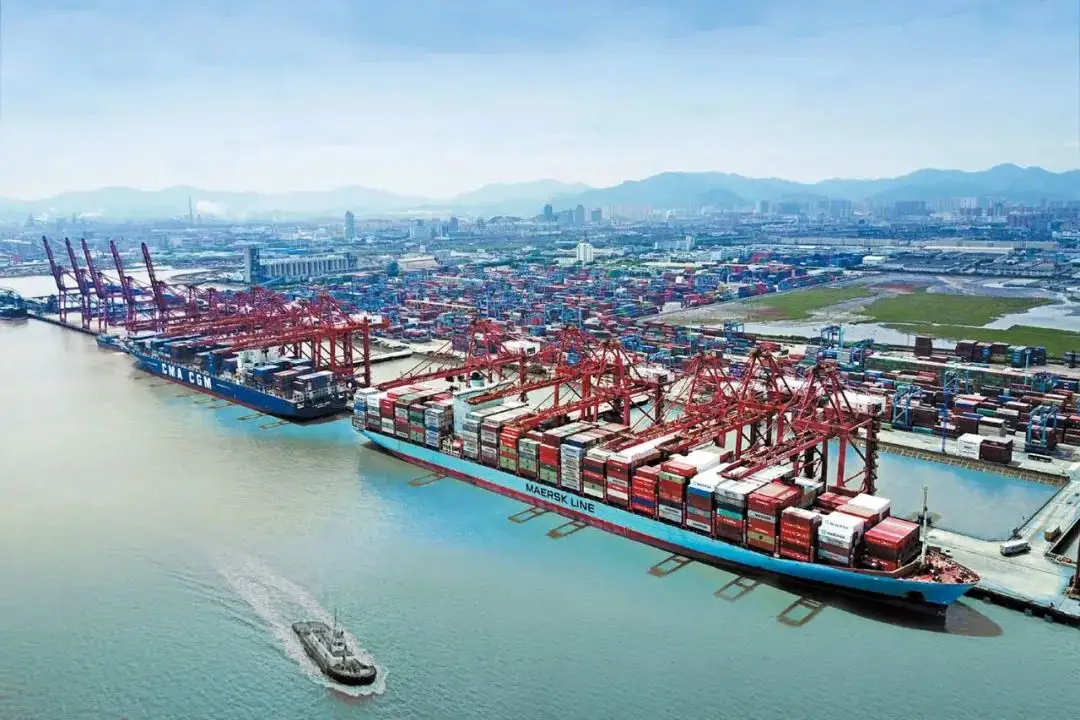
- Distance & Route: The shipping route between Chinese ports (such as Shanghai, Shenzhen, and Ningbo) and major Moroccan ports (like Casablanca and Tangier Med) covers a long distance, typically resulting in higher freight rates compared to shorter routes.
- Shipping Mode: Whether you choose ocean freight, air freight, or express services has a direct impact on cost, with air freight generally being more expensive but faster.
- Cargo Type & Volume: Bulky or heavy items may incur higher charges. Shipments that require special handling, temperature control, or hazardous material declarations can further increase costs.
- Market Demand & Seasonality: During periods of high demand (e.g., peak shipping seasons or global supply chain disruptions), rates tend to rise.
- Carrier Surcharges: Including fuel surcharges, security fees, and equipment imbalances, which can add to the base freight cost.
- Customs Duties & Local Charges: Moroccan customs policies, taxes, and import duties can differ based on the nature and declared value of goods.
Key Factors Influencing Freight Rates
Below are the most significant factors logistics professionals consider when estimating shipping costs from China to Morocco:
| Factor | Description |
|---|---|
| Weight & Volume | Rates are typically calculated based on whichever is greater: gross weight or volumetric weight. |
| Cargo Type | General cargo, dangerous goods, temperature-sensitive, and oversized loads are charged differently. |
| Shipping Method | Sea freight (FCL/LCL), air freight, express/courier, and multimodal options have distinct pricing models. |
| Origin & Destination | Exact ports, airports, or delivery addresses impact inland transportation and delivery surcharges. |
| Transit Time | Faster delivery options (air, express) command premium rates. |
| Incoterms | Terms like FOB, CIF, DAP, or DDP affect which party bears which portion of the freight and local costs. |
| Customs Clearance | Complexity of documentation, inspection likelihood, and the need for specialized licenses/permits. |
| Insurance | Optional but highly recommended, especially for high-value or fragile shipments. |
Understanding these variables allows businesses to plan shipments cost-effectively and avoid unexpected expenses.
Main Shipping Methods from China to Morocco
When shipping from China to Morocco, choosing the right transportation mode is essential for balancing cost, speed, and reliability. The three primary options are ocean freight, air freight, and express/courier services:
Ocean Freight: FCL and LCL Options
Ocean freight remains the most cost-effective method for moving large volumes of goods from China to Morocco. It is particularly suitable for bulk cargo, heavy machinery, or non-urgent shipments.
FCL (Full Container Load):
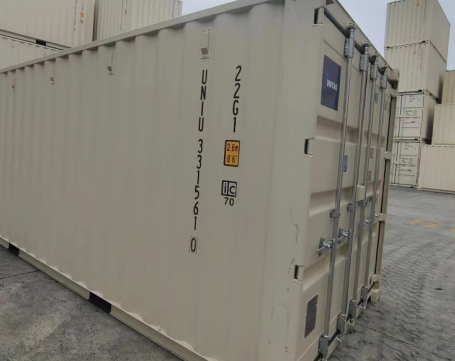
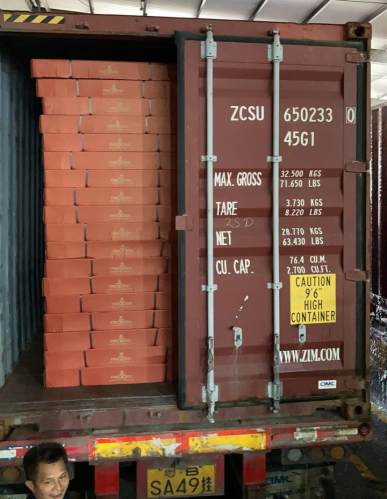
- Your cargo occupies an entire shipping container (20FT: 28CBM, 40FT: 56CBM, 40HQ: 68CBM, 45HQ: 78CBM).
- Best suited for shipments greater than 15CBM or goods needing exclusive use of a container.
- Offers greater security and lower per-unit cost, but requires sufficient cargo to fill a container.
LCL (Less than Container Load):
- Consolidates your goods with other shippers’ cargo in a shared container.
- Ideal for smaller shipments (1–15CBM).
- Offers flexibility for startups and SMEs, but may have slightly longer transit times due to consolidation/deconsolidation.
Typical Transit Time:
- Shanghai/Shenzhen/Ningbo to Casablanca/Tangier Med: 29–42 days (port-to-port, March 2026; minor variability persists based on Suez/Cape routing decisions).
| Container Size | Approximate Cost (USD) | Transit Time (Days) |
|---|---|---|
| 20FT FCL | $1,950 – $2,750 | 29–42 |
| 40FT FCL | $3,600 – $4,600 | 29–42 |
| LCL (per CBM) | $90 – $135 | 30–46 |
Prices above are for reference and fluctuate with market conditions, fuel surcharges, and seasonal demand. Always request a live quote for current rates.
If you are interested in more details about this route, you may also want to read our dedicated Sea Freight From China to Morocco guide.
Air Freight: Fast and Reliable Delivery
Air freight is the fastest, but also the most expensive shipping method. It is ideal for high-value, urgent, or perishable goods. This is often the preferred method for electronics, samples, fashion, and some e-commerce products.
Advantages:
- Fast transit (typically 5–7 days from major Chinese airports to Moroccan destinations).
- High reliability and reduced risk of damage or theft.
Limitations:
- Higher cost per kilogram vs. sea freight.
- Weight and size restrictions—generally best for shipments under 500kg or highly time-sensitive cargo.
March 2026 Air Freight Reference Rates:
| Weight Bracket | Approximate Cost (USD/kg) | Transit Time (Days) |
|---|---|---|
| <100 kg | $4.9 – $6.9 | 3–7 |
| 100–500 kg | $4.6 – $6.4 | 3–7 |
| 500kg+ | $4.3 – $5.9 | 3–7 |
Note: Prices are indicative, subject to space availability, fuel fluctuations, and airline surcharges. Additional handling and airport fees may apply.
Express and Courier Services
Express or courier services (e.g., DHL, FedEx, UPS, TNT) offer door-to-door delivery from China to Morocco with all-inclusive pricing. These services are best for small parcels, samples, or urgent documents, and are favored by cross-border e-commerce sellers.
Advantages:
- Fastest overall transit time (3–6 days).
- Seamless tracking and customs clearance assistance.
- Lower minimum shipment volume (as little as 0.5kg).
Limitations:
- Highest cost per kilogram.
- Strict limitations on prohibited and restricted items.
March 2026 Express Shipping Reference:
| Parcel Weight | Approximate Cost (USD) | Transit Time (Days) |
|---|---|---|
| 1 kg | $36 – $56 | 3–6 |
| 5 kg | $82 – $140 | 3–6 |
| 10 kg | $145 – $225 | 3–6 |
Express fees include customs brokerage but may exclude VAT/duties in Morocco. Bulk discounts and negotiated rates are available for business accounts.
Selecting a Freight Partner: Choose a forwarder based on route-specific expertise, itemized quotations (showing origin/destination charges, free-time, and surcharges), documented compliance support (VoC/CMIM, BADR filing), local representation in Morocco, and transparent tracking/communication. These criteria ensure predictable landed costs and fewer delays.
For route considerations and due-diligence checklists, see freight forwarder from China to Morocco.
Request a current, itemized quotation (with free-time and local charges disclosed) to validate the ranges shown here.
Detailed Breakdown of Shipping Costs
Typical Price Ranges for Popular Shipping Methods
Understanding the typical shipping costs from China to Morocco is essential for accurate budgeting and supply chain planning. Shipping rates fluctuate due to market dynamics, seasonality, and changes in global freight demand. Below is an up-to-date overview of price ranges for the most popular shipping methods in March 2026.
| Shipping Method | Transit Time (Est.) | Common Routes (Port/City) | Typical Cost (USD, Per 20’/40’ Container or Per kg) |
|---|---|---|---|
| Ocean Freight (FCL) | 29–42 days | Ningbo/Shanghai/Shenzhen to Casablanca/Tangier | 20’ GP: $2,000 – $2,800 40’ HQ: $3,600 – $4,600 |
| Ocean Freight (LCL) | 30–46 days | Ningbo/Shanghai/Shenzhen to Casablanca/Tangier | $90 – $135 / CBM (Min. 1–2 CBM) |
| Air Freight | 3–7 days | Guangzhou/Shanghai/Beijing to Casablanca | $4.6 – $6.6 / kg (Chargeable Weight) |
| Express/Courier | 3–6 days | Door-to-door all major cities in both countries | $8 – $14 / kg (DHL, FedEx, UPS, TNT, Aramex) |
| Rail Freight | 32–44 days | Xi’an/Chongqing to Casablanca (via Europe) | Quotation Required (case-by-case) |
Note:
- Prices are reference ranges as of March 2026, excluding peak season surcharges or temporary market fluctuations.
- FCL = Full Container Load, LCL = Less than Container Load.
- Chargeable weight for air and courier is the greater of actual or volumetric weight.
Capacity Reference:
- 20FT Container: 28 CBM (Cubic Meters)
- 40FT Container: 56 CBM
- 40HQ Container: 68 CBM
- 45HQ Container: 78 CBM
Additional Fees: Customs, Insurance, and Surcharges (March 2026)
In addition to base freight charges, shippers should anticipate several ancillary fees that may significantly impact total landed cost:
- Customs Clearance Fees: Charged at both origin (China) and destination (Morocco), typically $80–$150 per shipment for standard cargo.
- Import Duties & Taxes: Moroccan customs levy import duties (≈2.5%–40% depending on goods), VAT (standard 20%), and other possible charges. These vary according to HS code, value, and product type. A parafiscal import tax (TPI) typically 0.25% of CIF applies to many imports.
- Port Handling Charges: Terminal Handling Charges (THC) at Chinese and Moroccan ports can range from $150–$300 per container.
- Documentation Fees: Bill of Lading, Certificate of Origin, and other documents usually cost $30–$80 each.
- Cargo Insurance: Highly recommended; premium is typically 0.12–0.25% of the insured cargo value. For instance, $15,000 cargo value may incur $18–$38 in insurance cost.
- Peak Season/War Risk/GRI Surcharges: May apply depending on global market conditions or geopolitical events.
- Destination Delivery & Local Charges: Includes delivery to final address, unloading, and possible storage (if applicable).
For those interested in broader African shipping costs and comparisons, our Shipping from China to Africa section provides detailed country-by-country breakdowns.
How to Calculate Your Shipping Cost from China to Morocco
Using Online Freight Calculators
An accurate shipping cost estimate requires consideration of multiple variables: cargo dimensions, weight, shipping method, origin/destination, and additional services. Many leading freight forwarders—including Dantful International Logistics—offer online cost calculators to help you obtain real-time, tailored quotations.
Typical steps to use an online freight calculator:
- Input Cargo Details: Enter cargo type, dimensions (L x W x H), weight, number of packages, and packaging type.
- Select Shipping Method: Choose between sea (FCL/LCL), air, rail, or courier.
- Specify Origin & Destination: E.g., Shenzhen Port to Casablanca.
- Add Value-Added Services: Such as insurance, customs clearance, door-to-door, or warehousing.
- Review Instant Quotation: The system provides a cost estimate, which can later be confirmed with a professional logistics consultant.
Pro Tip: For complex, high-value, or project cargo, consult directly with a specialist at Dantful International Logistics to get a customized, accurate quotation and risk assessment.
Important Shipping Documents and Their Costs
Proper documentation is crucial for smooth customs clearance and compliance when shipping from China to Morocco. Below are the most common documents required, with typical costs:
| Document | Purpose | Issued By | Typical Cost (USD) |
|---|---|---|---|
| Bill of Lading (B/L) | Contract of carriage and proof of cargo | Carrier/Freight Forwarder | $30 – $70 |
| Commercial Invoice | Declares value for customs | Exporter | Usually free |
| Packing List | Details cargo contents | Exporter | Usually free |
| Certificate of Origin | Confirms manufacturing location | Chamber of Commerce | $20 – $60 |
| Insurance Certificate | Proof of cargo insurance | Insurance company/forwarder | $15 – $50 (varies) |
| Import License | Required for restricted goods | Moroccan authorities | Varies (case-by-case) |
Additional Notes:
- Original documents may be required for customs release in Morocco.
- Some industries (e.g., food, pharmaceuticals, electronics) may require extra certifications (e.g., sanitary, phytosanitary, CCC).
In Summary: Shipping from China to Morocco involves base freight plus local charges, duties/taxes (VAT, duty, TPI), and compliance costs (VoC/CMIM). Budget with current market ranges, confirm free-time at destination, and pre-arrange documentation to avoid delays. Request a live, itemized quote to validate your landed cost before booking.
Cost Comparison: Sea Freight vs. Air Freight to Morocco
When shipping from China to Morocco, understanding the cost differences between sea freight and air freight is crucial for making informed logistics decisions. Both transport modes offer distinct advantages and cost structures that can impact your supply chain efficiency and bottom line.
When to Choose Sea Freight for Cost Efficiency
Sea freight is the most economical method for transporting large volumes of goods over long distances. It is ideal for shipments that are not time-sensitive and can tolerate longer transit times.
Advantages of Sea Freight:
- Lower Unit Cost: The cost per kilogram or per cubic meter is significantly lower when compared to air freight, especially for full container loads (FCL).
- High Capacity: Suitable for bulk or heavy cargo, including machinery, raw materials, and large-scale orders.
- Versatile Container Options: You can choose from FCL (Full Container Load) or LCL (Less than Container Load) based on your shipment size.
- Eco-Friendly: Lower carbon emissions per ton of cargo compared to air.
Typical Transit Times & Costs (March 2026):
| Route | 20ft FCL (USD) | 40ft FCL (USD) | LCL (USD/CBM) | Transit Time (Days) |
|---|---|---|---|---|
| Major Ports in China to Casablanca | $1,950–$2,750 | $3,600–$4,600 | $90–$135 | 29–42 |
| Major Ports in China to Tangier | $2,000–$2,850 | $3,700–$4,700 | $95–$140 | 29–41 |
Note: Rates fluctuate based on seasonality, fuel surcharges, and current market demand.
When to Prefer Sea Freight
- Shipping more than 2 CBM or 300 kg.
- Flexible delivery dates.
- Shipping oversized, heavy, or non-urgent goods.
- When cost reduction is the top priority.
If you want to explore more options across Africa, check out Shipping From China to Nigeria for a comparison of similar shipping processes and costs.
When Air Freight Makes Sense for Your Business
Air freight is the optimum choice when speed and reliability are critical. It enables businesses to respond quickly to market demands and manage urgent shipments efficiently.
Advantages of Air Freight:
- Fastest Transit: Delivery from China to Morocco can be completed in 3–7 days.
- High Security: Reduced risk of theft or damage.
- Suitable for High-Value or Time-Sensitive Goods: Electronics, pharmaceuticals, and seasonal fashion items benefit the most.
- Reliable Schedule: Regular flight schedules minimize delays.
Typical Air Freight Costs & Transit Times (March 2026):
| Route | Standard Air Freight (USD/kg) | Express Air (USD/kg) | Transit Time (Days) |
|---|---|---|---|
| China to Casablanca | $4.6–$6.6 | $7.3–$9.6 | 3–7 |
| China to Tangier | $4.7–$6.7 | $7.6–$10.0 | 3–7 |
Note: Rates above are for general cargo. Special goods (e.g., lithium batteries, perishables) may incur higher costs.
When Air Freight is Best
- Shipments under 300 kg or 2 CBM.
- High-value or urgent cargo.
- Strict deadlines (e.g., product launches, seasonal sales).
- Need for reliable, trackable delivery.
Tips to Save on Shipping from China to Morocco
Shipping costs can significantly impact your profit margins. Here are proven strategies to optimize logistics spend and efficiency when shipping from China to Morocco.
Consolidating Shipments and Packaging Optimization
Consolidation: Combine multiple smaller shipments into one larger load. This is especially effective when using LCL (Less than Container Load) or air freight, as it helps achieve better unit rates and reduces handling fees.
- Example: If your business sources products from several suppliers, Dantful Logistics can provide consolidated freight services, combining shipments at our China warehouse before exporting as a single consignment.
Packaging Optimization:
- Use packaging that maximizes space utilization. Avoid overpacking or empty space in cartons.
- Select packaging materials that protect goods without excessive weight, as both air and sea freight costs are based on weight and volume.
- Request suppliers to use stackable, standardized packaging for easier palletization and container loading.
Pro Tip: Efficient packaging not only saves on freight but also reduces risk of damage and customs inspection delays.
Working with Reliable Freight Forwarders
Partnering with a professional freight forwarder like Dantful International Logistics delivers multiple cost-saving and risk-reduction advantages:
- Expert Route Planning: We leverage our network to find the most efficient shipping routes and competitive carrier rates.
- Transparent Pricing: Clear breakdown of all costs, avoiding hidden charges and last-minute surprises.
- One-Stop Service: Dantful Logistics offers end-to-end solutions including sea freight, air freight, customs clearance, insurance, warehousing, door to door, and consolidation services, ensuring you benefit from economies of scale and seamless coordination.
- Real-Time Tracking: Keep your shipments visible at every stage, reducing uncertainty and administration costs.
- Customs Expertise: Our experienced team manages documentation and compliance with Moroccan customs regulations, minimizing delays and penalties.
Route-Specific Support (March 2026): Focus on pre-shipment compliance (VoC/CMIM), BADR declaration readiness, accurate HS classification, and negotiated free-time at destination. Provide shippers an itemized cost structure (origin, freight, destination, duties/taxes) and clear escalation paths for inspections or revaluation. This approach keeps the process factual, predictable, and aligned to budget.
Customs Clearance and Import Duties in Morocco
Overview of Moroccan Customs Procedures
When shipping goods from China to Morocco, understanding the Moroccan customs clearance process is vital for smooth and timely delivery. The customs procedures in Morocco are governed by the Moroccan Customs and Indirect Tax Administration (ADII), and all imported goods are subject to clearance at the port of entry, such as Casablanca, Tangier Med, or Agadir.
The standard customs clearance workflow in Morocco typically includes:
Arrival of Goods: Once your shipment arrives at a Moroccan port, cargo is offloaded and stored in the customs warehouse.
Document Submission: Importers or their authorized customs brokers must submit the required documents:
- Bill of Lading (B/L) or Air Waybill
- Commercial Invoice
- Packing List
- Certificate of Origin
- Import License (if applicable)
- Insurance Certificate
- Any other specific certificates required for certain goods (e.g., sanitary or phytosanitary certificates)
Customs Declaration: The importer or freight forwarder submits a detailed customs declaration using the BADR system (Moroccan electronic customs platform).
Inspection & Valuation:
- Customs may perform physical inspections or request additional documentation to verify cargo classification and value.
- Goods are classified according to the Harmonized System (HS Code), which determines applicable duties and taxes.
Duties & Taxes Payment: Customs authorities calculate the total duties and taxes. Payment is required before the release of goods.
Release of Goods: Upon successful clearance and payment, goods are released for delivery to the consignee.
Key Points to Consider:
- Importers must ensure all documentation is accurate and complete to avoid delays or penalties.
- For certain products, additional permits or certificates may be required.
- Using a professional freight forwarder like Dantful International Logistics helps streamline the clearance process, reduce the risk of compliance issues, and ensure quick release.
Verification of Conformity (VoC) and CMIM Marking
- Morocco operates a Verification of Conformity program mandated by the Ministry of Industry under Law 24-09; regulated products must be accompanied by a Certificate of Conformity for customs clearance.
- Depending on product category, pre-shipment inspection occurs in the country of export or at destination; plan inspections early to avoid delays.
- Certain industrial categories also require CMIM marking demonstrating compliance with Moroccan technical regulations and standards (often harmonized with EU EN standards).
- Work with Dantful to determine whether your HS code falls under VoC scope and to arrange inspections and documentation before cargo departs China.
Common Import Taxes and How They Impact Total Cost
Import duties and taxes are a significant component of your total shipping cost from China to Morocco. Understanding these costs is essential for accurate budgeting and landed cost calculation.
Main Taxes and Duties Applied in Morocco:
| Type | Applicable Rate (Typical) | Calculation Base | Remarks |
|---|---|---|---|
| Customs Duty | ≈2.5% – 40% | CIF Value* | Depends on product HS Code |
| Value Added Tax (VAT) | 20% | CIF + Duty + Other Fees | Some goods have reduced/exempt rates |
| Para-fiscal Tax (TPI) | ~0.25% | CIF Value | Common on imports; exemptions may apply |
| Excise Duty | Variable | Based on type and quantity | Mainly for tobacco, alcohol, luxury goods |
*CIF Value = Cost of goods + Insurance + Freight
Example Calculation
Suppose you are importing electronic goods valued at USD 10,000 from China with a shipping cost of USD 2,000 and insurance of USD 100. The HS Code for the product carries a customs duty of 10%.
- CIF Value = 10,000 + 2,000 + 100 = USD 12,100
- Customs Duty = 12,100 x 10% = USD 1,210
- VAT = (12,100 + 1,210) x 20% = USD 2,662
- Total Import Tax = 1,210 (Duty) + 2,662 (VAT) = USD 3,872
Impact on Total Shipping Cost: Import duties and taxes can significantly increase the total cost of shipping from China to Morocco. Always factor in these charges when calculating your landed cost.
Note (March 2026):
- Some goods (such as raw materials or machines for industrial use) may qualify for reduced or zero customs duties.
- Moroccan customs authorities periodically update rates and procedures under annual Finance Laws; always check the latest guidance from ADII or consult with a professional.
Why Work with a Reliable Freight Forwarder?
Choosing a reputable and experienced freight forwarder like Dantful International Logistics ensures:
- Accurate cargo classification and documentation
- Up-to-date knowledge of Moroccan import regulations
- Seamless coordination between shipping and clearance
- Access to value-added services such as door-to-door delivery, customs brokerage, and cargo insurance
If you are considering full end-to-end solutions including customs handling, our door to door shipping from China to Morocco guide provides further details specific to this route.
As an industry leader, Dantful offers a one-stop solution for sea freight, air freight, road and rail services, Amazon FBA, warehousing, and customs clearance—helping you optimize costs and reduce risk.
FAQs
Q1: How long does customs clearance take in Morocco?
A: Customs clearance in Morocco generally takes 1-3 working days for standard shipments, assuming all documents are in order and no inspections are required. Delays may occur for special goods or incomplete paperwork.
Q2: What documents are required for customs clearance?
A: Core documents include the bill of lading or air waybill, commercial invoice, packing list, certificate of origin, import license (if applicable), and insurance certificate.
Q3: Can I estimate customs duties and taxes before shipping?
A: Yes. By knowing your product’s HS code and declared value, you can estimate duties and taxes using Moroccan customs tariff schedules or consult with Dantful International Logistics for a detailed pre-shipment calculation.
Q4: Are there any restricted or prohibited items for import to Morocco from China?
A: Yes. Certain items such as narcotics, counterfeit goods, and hazardous materials are strictly prohibited. Some products may require special permits or comply with Moroccan standards.
Q5: Do I need a local customs broker for clearance in Morocco?
A: While not always mandatory, using an experienced local broker or a global freight forwarder like Dantful ensures compliance and expedites the process.
Q6: How do import taxes impact my total shipping cost?
A: Import taxes (including customs duties and VAT) are calculated on the total CIF value. They can add 25-60% or more to your landed cost, depending on commodity type.
Q7: What is the air freight price per kg (general cargo) to Casablanca?
A: Typical $4.6–$6.6/kg (chargeable weight), 3–7 days. Hazardous or battery goods may attract higher rates and handling fees.
Q8: What is the typical cost to ship a 20ft container from China to Casablanca in March 2026? A: Reference band $1,950–$2,750 port-to-port. Actual quotes vary by origin port, carrier, seasonality, and surcharges. Confirm free-time and destination fees.
Q9: What is the typical cost to ship a 40ft container from China to Tangier Med in March 2026?
A: Reference band $3,600–$4,700 port-to-port. Expect variability based on routing, carrier, and current capacity.
Q10: How much is LCL per CBM from China to Morocco?
A: Typical $90–$135/CBM (min. 1–2 CBM), excluding destination CFS and local delivery. LCL often benefits small volumes but confirm destination handling.

Young Chiu is a seasoned logistics expert with over 15 years of experience in international freight forwarding and supply chain management. As CEO of Dantful International Logistics, Young is dedicated to providing valuable insights and practical advice to businesses navigating the complexities of global shipping.