Are you curious about the container cost from China to USA in 2025?
Understanding these expenses is crucial for anyone involved in international trade. In this article, we will explore the various factors influencing container shipping costs, including global economic trends and seasonal pricing variations. Additionally, we will compare current shipping rates and provide insights on how to choose the right freight forwarder. Prepare to dive into essential tips for minimizing your shipping expenses, ensuring a cost-effective and efficient import process.
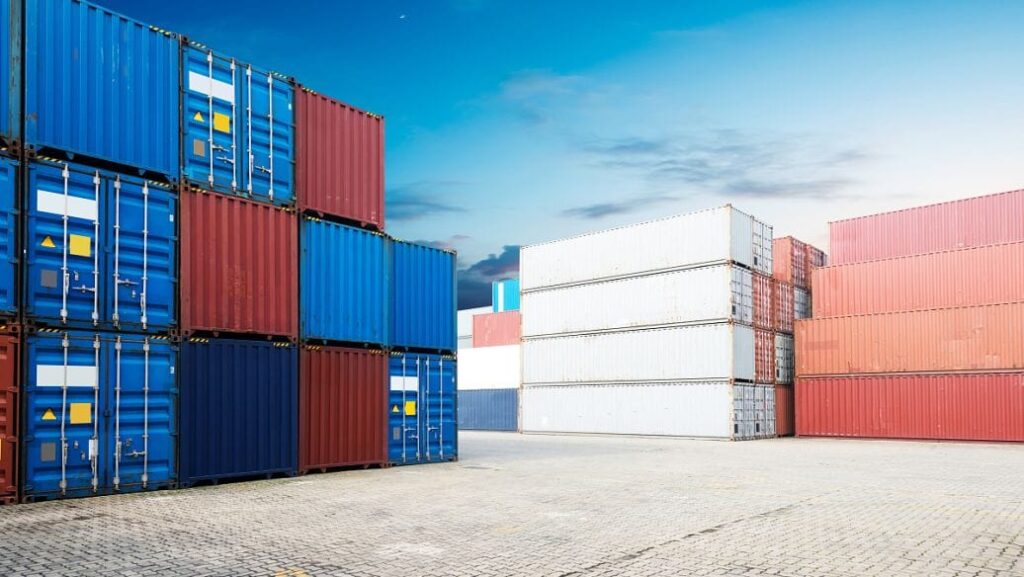
Understanding Container Shipping Costs
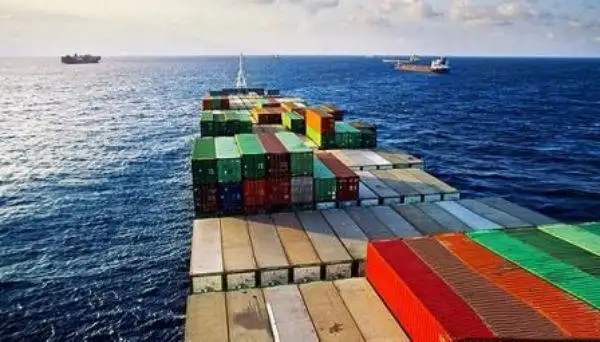
Container shipping costs are a significant aspect of international trade, especially for businesses importing goods from China to the USA. Understanding these costs is crucial for effective budgeting and planning in logistics. Generally, container shipping costs comprise several components, including:
- Base Freight Rate: This is the primary charge for transporting the container from the origin port in China to the destination port in the USA. The base freight rate can vary based on the shipping line, route, and demand.
- Port Charges: These fees include terminal handling charges, port security fees, and other costs related to the use of port facilities. Each port may have different rates, which can considerably impact the total shipping cost.
- Customs Fees: When importing goods, customs duties and taxes apply based on the declared value of the cargo. Accurate customs documentation is essential to avoid delays and extra charges.
- Insurance Costs: Protecting your cargo with insurance is advisable, especially when shipping high-value goods. The cost will depend on the value of the goods and the type of coverage chosen.
- Additional Services: Value-added services such as warehousing, packing, and door-to-door shipping will incur additional costs, which should be factored into the overall budget.
Factors Influencing Container Costs in August 2025
Tariff Policy Volatility and Market Impact
Tariffs have been the most significant disruptor of shipping economics in 2025. Starting in February, the United States implemented a 10% tariff on all Chinese imports, which doubled to 20% in March. In April, the situation escalated rapidly:
- April 2: Tariffs increased to 34%.
- April 9: A further 50 percentage points brought the rate to 84%.
- April 10/11: Effective tariff rates surged to 145% for most Chinese imports, barring specific exemptions.
- April 13: Exemptions for items like smartphones and electronic parts retroactively applied from April 5.
This aggressive tariff regime triggered immediate impacts on containerized freight demand:
- Importers accelerated shipments ahead of tariff hikes, resulting in booking surges and increased ocean freight rates.
- After exemptions and clarifications, certain segments saw short-term rate dips, but overall unpredictability kept demand buoyant.
In May, a preliminary trade agreement momentarily stabilized the situation:
- Both countries suspended 24% of additional tariffs for 90 days (from May 12) and reverted to 10% tariffs.
- July 27: At talks in Sweden, both sides agreed on another 90-day tariff escalation pause. Although stabilizing the short-term rate environment, the threat of renewed hikes post-pause sustains risk premiums in freight pricing and prompts importers to continue restocking aggressively in August.
Key Insight: Container costs respond not only to actual tariffs but also to expectation and unpredictability surrounding trade policies.
End of De Minimis: Shifting E-commerce and B2B Shipping Models
On May 2, 2025, the U.S. ended the De Minimis exemption (previously duty-free for shipments under $800) for goods from China and Hong Kong .
- Impact: All low-value goods are now subject to full tariffs, resulting in higher import costs for small packages.
- Logistics Shift: E-commerce shippers and SMEs are pivoting from parcel-based logistics to consolidated ocean freight (LCL and FCL), increasing demand for containerized transport.
- Result: Volumetric pressure during the August shipping peak is further exacerbated, as previously fragmented shipments now combine into larger container consignments.
Peak Season Effects
Traditionally, August is the beginning of the peak shipping season for China-to-USA routes.
- Importers restock in advance of the back-to-school and holiday demand surges in the second half of the year.
- The self-reinforcing cycle: Anticipated policy changes and ongoing tariff uncertainty compel buyers to bring forward shipments, further tightening capacity in August.
Container Cost Estimates (July 2025)
| Container Type | July 2025 Price (USD) | Expected August Direction |
|---|---|---|
| 40 FT | $2,500 – $4,200 | Upward/Strong |
| 20 FT | $1,800 – $3,000 | Upward/Strong |
Market Tip: When shipping in August, early booking is strongly recommended, as rates typically climb rapidly due to seasonal and geopolitical pressures.
Other Contributing Factors
- Port Congestion & Labor Issues: Any bottlenecks at major U.S. ports, such as those listed among the biggest ports in the us, can lead to demurrage and higher total landed costs.
- Shipping Line Capacity & Fuel: Carriers deploy vessels and employ ocean freight surcharges depending on oil price volatility, vessel supply, and global route adjustments.
- Supply Chain Realignment: Some shippers are rerouting to alternative markets, but the sheer scale of U.S. trade means the China–U.S. corridor remains extremely busy and price-sensitive.
Professional Recommendations
Monitor Policy Developments: Stay informed on tariffs and U.S.–China negotiations, as new agreements or breakdowns can have near-instant effects on costs and capacity.ck how much is ocean freight from China or explore various shipping routes from China to the USA.
Act Quickly: Importers should secure rates and container bookings for August as early as possible.
Rely on Expertise: Work with a highly professional, experienced freight forwarding company. Dantful International Logistics stands out for its up-to-date regulatory insight, cost-effective solutions, and robust carrier networks.
READ MORE:
- Shipping From China to the USA
- Shipping From China TO Canada
- Shipping From China TO Mexico
- Shipping From China to Panama
- Shipping From China to Costa Rica
- Shipping From China to Brazil
- Shipping From China TO Colombia
- Shipping From China to Jamaica
- Shipping From China to Venezuela
- Shipping From China to Argentina
Current Container Shipping Rates from China to the USA (2025)
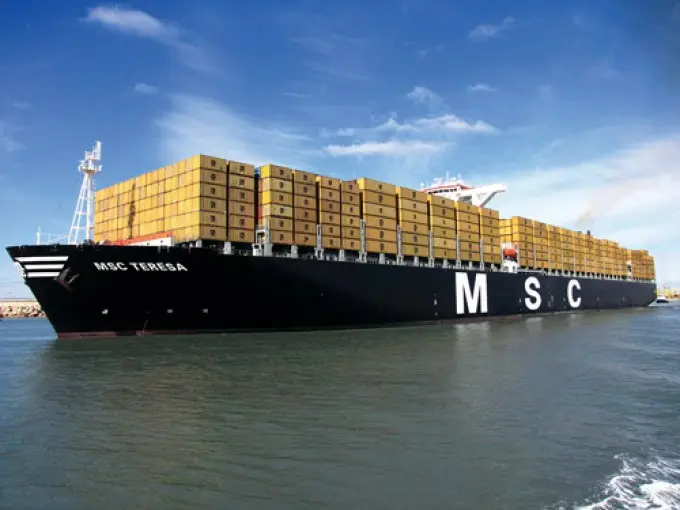
As global trade continues to evolve, understanding the current container shipping rates from China to the USA in 2025 becomes crucial for importers. The dynamics of these rates are influenced by various factors, including container sizes, shipping methods, and additional fees.
Average Costs for Different Container Sizes
In 2025, the average costs for shipping containers from China to the USA vary significantly based on the size of the container. Below is a table summarizing the estimated shipping costs for different container sizes:
| Container Size | Estimated Cost (USD) | Typical Use |
|---|---|---|
| 20ft Container | $2,500 – $4,000 | Ideal for smaller shipments |
| 40ft Container | $4,000 – $6,500 | Suitable for larger shipments |
| 40ft High Cube | $4,500 – $7,000 | Provides extra space for bulky goods |
These costs are influenced by multiple factors, including fuel prices, demand-supply dynamics, and shipping routes.
Comparing Full Container Loads (FCL) and Less than Container Loads (LCL)
When considering container shipping, importers typically choose between Full Container Loads (FCL) and Less than Container Loads (LCL).
- FCL is generally more cost-effective per unit of cargo, as the entire container is reserved for a single shipper. This method is ideal for large shipments, providing faster transit times and reducing the risk of damage since the cargo remains sealed for the journey.
- In contrast, LCL allows multiple shippers to share a single container, making it valuable for smaller shipments. However, LCL can incur higher costs per unit due to handling fees and longer transit times. Below is a comparison of the costs associated with FCL and LCL:
| Shipping Method | Cost Range (USD) | Ideal For |
|---|---|---|
| FCL | $2,500 – $6,500 (depending on size) | Large shipments needing full container space |
| LCL | $200 – $1,000 (depending on weight/volume) | Small shipments that do not require a full container |
Additional Fees and Charges in Container Shipping
While the base cost is a significant consideration, several additional fees can impact the total shipping expenses. Common charges include:
- Terminal Handling Charges (THC): Fees for loading and unloading containers at ports.
- Documentation Fees: Costs associated with paperwork, including customs declarations and Bills of Lading.
- Customs Duties and Taxes: Import tariffs imposed by the U.S. government, which vary based on the type and value of goods.
- Insurance: Coverage against potential loss or damage during transit can range from 1-2% of the cargo value.
- Fuel Surcharges: Adjustments based on fluctuating fuel prices, which can significantly affect overall shipping costs.
Importers should account for these additional fees when budgeting for their shipping needs.
Choosing the Right Freight Forwarder for Your Needs
Benefits of Working with a Freight Forwarder
When importing goods from China to the USA, partnering with a professional freight forwarder can be a game-changer. Here are several key benefits that underline the importance of choosing the right logistics partner:
- Expertise and Knowledge: Freight forwarders possess extensive knowledge of shipping regulations, tariffs, and customs requirements, which can help you navigate the complexities of international shipping. This expertise minimizes the risk of costly delays or compliance issues.
- Cost Efficiency: By leveraging their established relationships with shipping lines and carriers, freight forwarders can provide competitive shipping rates. Companies like Dantful International Logistics offer cost-effective solutions tailored to the unique needs of your business, helping you save money on your shipping expenses. For example, you can check the shipping rates from China to USA for a better understanding of costs.
- Time Savings: Managing logistics can be time-consuming and overwhelming. A reliable freight forwarder handles all aspects of transportation, allowing you to focus on your core business activities. They can also expedite the shipping process through their well-established networks.
- Risk Management: Freight forwarders help mitigate risks associated with shipping, such as damage or loss of goods. They offer insurance options and provide guidance on best practices for packaging and shipping.
- Comprehensive Services: Many freight forwarders, including Dantful International Logistics, provide a one-stop solution for all your logistics needs, including ocean freight, air freight, customs clearance, and warehouse services. This comprehensive approach simplifies the shipping process and ensures that all your logistics are managed under one roof.
Key Considerations When Selecting a Freight Forwarder
Selecting the right freight forwarder is critical to your shipping success. Here are some essential factors to consider:
- Reputation and Experience: Research the forwarder’s track record and customer reviews. An experienced freight forwarder with a strong reputation will be better equipped to handle potential challenges. Look for companies that specialize in shipping from China to the USA, as they will have the specific knowledge and experience needed for your shipments.
- Services Offered: Ensure that the freight forwarder provides the services you require, such as door-to-door service, customs clearance, and insurance. Companies like Dantful International Logistics offer a comprehensive range of logistics services, ensuring that all your shipping needs are met.
- Technology and Tracking: A forwarder that uses modern technology for shipment tracking can provide real-time updates on your cargo status. This transparency is crucial for managing expectations and planning.
- Pricing Structure: Understand how the freight forwarder structures their pricing. Look for transparency in costs and be wary of hidden fees. A good freight forwarder will provide a clear breakdown of charges.
- Customer Support: Effective communication is vital in logistics. Choose a freight forwarder that offers excellent customer support and is responsive to your inquiries. A dedicated account manager can help streamline the process and address any issues promptly.
Tips for Reducing Shipping Costs from China to the USA
Consolidation of Goods
One effective way to reduce shipping costs is through the consolidation of goods. By combining multiple shipments into a single container, you can save on freight rates. This is particularly beneficial for businesses that import small quantities of goods frequently. Dantful International Logistics offers consolidated freight services, which can help you maximize your shipping efficiency and reduce overall costs.
Timing Your Shipment
Timing can significantly affect shipping rates. Shipping during peak seasons or holidays can lead to increased costs due to high demand. It’s advisable to plan your shipments during off-peak times, allowing for more favorable rates. Additionally, booking your shipment well in advance can provide you with better pricing options.
Negotiating with Freight Forwarders
Don’t hesitate to negotiate with your freight forwarder on pricing and services. Many forwarders are willing to provide discounts for long-term contracts or regular shipments. Building a solid relationship with your forwarder can lead to better rates and service over time. Dantful International Logistics prides itself on fostering strong partnerships with clients, ensuring that you receive the best possible service tailored to your logistics needs.
By considering these tips and the advantages of working with a freight forwarder like Dantful International Logistics, you can optimize your shipping strategies and ultimately reduce costs when importing goods from China to the USA.

Young Chiu is a seasoned logistics expert with over 15 years of experience in international freight forwarding and supply chain management. As CEO of Dantful International Logistics, Young is dedicated to providing valuable insights and practical advice to businesses navigating the complexities of global shipping.