Are you looking to understand container shipping costs from China to Ethiopia and wondering what factors impact your bottom line? Navigating the world of freight rates, FCL vs LCL, and customs duties can be complex for importers and exporters alike. In this comprehensive guide, we’ll break down the key elements that influence container shipping prices, outline popular shipping routes, and offer expert tips to help you save on logistics and avoid costly pitfalls.
Overview of Container Shipping Costs from China to Ethiopia
Shipping containers from China to Ethiopia involves a complex cost structure influenced by multiple variables. For businesses, importers, and supply chain managers, understanding these elements is essential for accurate budgeting and successful logistics management. Unlike straightforward point-to-point shipments, the cost from China to Ethiopia is shaped by a mix of international ocean freight, inland transport, transshipment through regional hubs, and compliance with both Chinese and Ethiopian regulations.
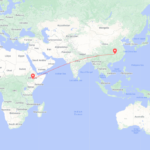
The majority of containerized cargo from China to Ethiopia first travels by sea to key ports such as Djibouti Port, due to Ethiopia’s landlocked nature. From there, goods are moved overland by road or rail to Addis Ababa and other Ethiopian cities. Total shipping costs can vary widely based on container size, cargo volume, seasonal demand, market conditions, and additional surcharges.
As of February 2026, estimated all-in container shipping costs (including sea freight and major overland charges, but excluding local delivery and customs duties) are as follows:
| Container Type | Typical Route | Estimated Cost Range (USD) | Usable Volume (CBM) |
|---|---|---|---|
| 20FT Container | China Port – Djibouti – Ethiopia Inland | $2,800 – $3,800 | 28 |
| 40FT Container | China Port – Djibouti – Ethiopia Inland | $4,500 – $6,500 | 56 |
| 40HQ Container | China Port – Djibouti – Ethiopia Inland | $4,800 – $6,800 | 68 |
| LCL (per CBM) | China Port – Djibouti – Ethiopia Inland | $80 – $150 per CBM | Varies |
Note: Prices are for reference only and subject to market fluctuations, fuel surcharges, and local conditions. For a tailored quote, consult a reputable freight forwarder such as Dantful International Logistics. For more information on regional shipping prices, you can also refer to How much is shipping from China to Ethiopia. more information on regional shipping prices, you can also refer to How much is shipping from China to Ethiopia.
Main Factors Affecting Container Shipping Prices
Understanding the major factors influencing container shipping costs from China to Ethiopia will empower you to make informed decisions and optimize your logistics expenses. Here’s a detailed breakdown:
Distance, Routes, and Transit Times
- Distance: The journey from major Chinese ports (such as Shanghai, Shenzhen, or Ningbo) to Djibouti Port covers approximately 5,500–7,000 nautical miles, depending on the origin port and route.
- Shipping Routes: Since Ethiopia is landlocked, most shipments arrive at Djibouti, then move by road or rail to Ethiopia. Routing choices, number of transshipments, and carrier schedules impact both cost and reliability.
- Transit Time: Typical transit time for standard sea freight (port-to-port) is 20–28 days, with an additional 2–5 days for inland transport to Addis Ababa. Total door-to-door shipping may take 25–35 days, depending on cargo handling, customs clearance, and season.
| Origin Port in China | Estimated Transit Time (Port to Djibouti) | Overland to Addis Ababa | Total (Door-to-Door) |
|---|---|---|---|
| Shanghai | 22-25 days | 2-5 days | 24-30 days |
| Shenzhen | 20-23 days | 2-5 days | 22-28 days |
| Ningbo | 21-24 days | 2-5 days | 23-29 days |
Impact of Container Size: FCL vs LCL Costs
- Full Container Load (FCL): Recommended for larger shipments, FCL offers exclusive use of a 20FT, 40FT, or 40HQ container. This is more cost-effective per unit volume for high-volume shipments, provides better security, and reduces cargo handling risks.
- Less-than-Container Load (LCL): Suitable for smaller shipments, LCL consolidates cargo from multiple shippers. You pay only for the volume you use, but per CBM rates are higher, and there may be additional handling and consolidation fees.
Container Capacity Comparison:
| Container Type | Usable Volume (CBM) | Best for | Approx. LCL Break-even (CBM) |
|---|---|---|---|
| 20FT | 28 | 18-28 CBM shipments | >12 CBM |
| 40FT | 56 | 30-56 CBM shipments | >25 CBM |
| 40HQ | 68 | 40-68 CBM shipments | >30 CBM |
| LCL | Varies | <12 CBM shipments | N/A |
Choosing between FCL and LCL depends on shipment size, urgency, and your supply chain priorities. Dantful International Logistics provides expert advice to help you select the most cost-effective solution. If you’re interested in broader insights on the differences, see LCL vs FCL Shipping: How to Choose the Right Option for Small Cargo.
Seasonal Fluctuations and Peak Shipping Periods
Shipping rates between China and Ethiopia are subject to seasonal demand cycles:
- Peak Seasons: Rates generally increase before major holidays such as the Chinese New Year (mid-February), Golden Week (October), and before local Ethiopian festivals. Shipments during these windows may face both higher costs and space constraints.
- Low Seasons: Lower demand periods, such as late spring or early autumn, often see more competitive rates and faster bookings.
- Market Disruptions: Global events (e.g., pandemic impacts, port strikes, Red Sea security issues) can cause abrupt rate increases and schedule delays.
Pro Tip: Book early and work closely with a trusted freight forwarder to secure space and lock in favorable rates ahead of peak periods.
Fuel Surcharges, Port Fees, and Local Charges
- Fuel Surcharges (BAF): Fluctuate with global oil prices and can be a significant portion of the total shipping cost, especially for long-haul shipments.
- Port Fees: Both origin (Chinese port terminals) and destination (Djibouti Port) charge handling, security, and documentation fees. These are standard but can vary by carrier and port authority.
- Local Charges in Ethiopia: Once cargo arrives in Djibouti, overland transport to Ethiopia incurs additional fees, including customs handling, import duties, inland haulage, and possible storage or demurrage if cargo is not cleared promptly.
- Other Add-Ons: Charges such as war risk surcharges, congestion fees, or special handling for oversized or temperature-sensitive cargo may apply.
Summary Table of Typical Additional Charges:
| Fee Type | Approximate Range (USD) | Who Charges It | Applicability |
|---|---|---|---|
| Fuel Surcharge (BAF) | $150 – $400 per container | Carrier | All container shipments |
| Origin Port Handling | $80 – $200 per container | Chinese Port | All shipments |
| Djibouti Port Charges | $150 – $400 per container | Djibouti Authority | All shipments |
| Inland Haulage to Ethiopia | $1,000 – $2,000 per container | Trucking/Rail | All shipments to Ethiopia |
| Customs Clearance (Ethiopia) | $150 – $350 | Broker/Government | All import shipments |
These rates are averages and can vary. For precise and transparent pricing, engaging a professional freight forwarder like Dantful International Logistics ensures you receive a full cost breakdown and avoid surprises.or precise and transparent pricing, engaging a professional freight forwarder like Dantful International Logistics ensures you receive a full cost breakdown and avoid surprises.
Popular Shipping Routes from China to Ethiopia
Top Ports in China and Ethiopia for Container Shipping
Shipping containers from China to Ethiopia involves navigating through some of the busiest and most strategic ports in both countries. In China, the primary export hubs for Africa-bound goods include:
| Main Chinese Ports | Features |
|---|---|
| Shanghai Port | Largest container port in China; advanced handling infrastructure |
| Shenzhen Port | Key hub for electronics and consumer goods exports |
| Ningbo-Zhoushan Port | High connectivity to global shipping lines |
| Qingdao Port | Major gateway for heavy machinery & bulk commodities |
| Guangzhou (Nansha) Port | Growing importance for South China exports |
For imports into Ethiopia, cargo typically arrives via Djibouti Port, as Ethiopia is landlocked. The Port of Djibouti acts as the principal entry point, followed by inland transportation to Addis Ababa and other Ethiopian destinations. Key logistical touchpoints:
| Destination Port/Terminal | Role in Logistics Chain |
|---|---|
| Port of Djibouti | Main seaport serving Ethiopia, handles majority of containerized imports |
| Modjo Dry Port (Ethiopia) | Inland container depot near Addis Ababa; primary customs clearance and cargo handling facility |
| Addis Ababa Airport (for air cargo) | Used for urgent shipments or LCL cargo that requires speed |
Common Transit Hubs and Shipping Lanes
The most efficient ocean shipping routes from China to Ethiopia capitalize on established maritime corridors and transshipment hubs. Typical container shipments follow these logistics steps:
- Ocean Leg: Containers are loaded at one of the primary Chinese ports, transported by major shipping lines across the Indian Ocean.
- Transshipment Hubs: Depending on the carrier and schedule, vessels often call at critical hubs such as Singapore, Colombo (Sri Lanka), Salalah (Oman), or Jebel Ali (UAE) for cargo consolidation or vessel transfer.
- Destination Port: Final ocean leg to the Port of Djibouti.
- Inland Transport: Containers are moved by rail or truck from Djibouti to Ethiopia’s inland dry ports.
Route Example: Shanghai → Singapore → Djibouti → Addis Ababa (via Modjo Dry Port)
This route ensures high frequency, reliable schedules, and access to competitive container shipping costs from China to Ethiopia.
For a full region-focused solution, see Shipping From China To Ethiopia, where you’ll find detailed trade lane information, shipping options, and practical tips for this specific corridor.
Typical Transit Time Estimates
Transit time is a crucial factor for supply chain planning. Actual shipment duration depends on port selection, carrier schedules, transshipment frequency, and customs clearance efficiency. The table below provides recent average estimates:
| Origin Port (China) | Destination (Ethiopia) | Typical Sea Transit Time | Inland Transit (Djibouti to Addis Ababa) | Total Estimated Door-to-Door Time |
|---|---|---|---|---|
| Shanghai | Addis Ababa | 22-28 days | 2-5 days | 24-33 days |
| Shenzhen | Addis Ababa | 20-26 days | 2-5 days | 22-31 days |
| Ningbo | Addis Ababa | 22-29 days | 2-5 days | 24-34 days |
| Qingdao | Addis Ababa | 23-31 days | 2-5 days | 25-36 days |
| Guangzhou | Addis Ababa | 22-28 days | 2-5 days | 24-33 days |
Please note that seasonal congestion, weather conditions, and customs procedures can impact actual transit times. Planning with buffer time is recommended.onditions, and customs procedures can impact actual transit times. Planning with buffer time is recommended.
Detailed Breakdown of Container Shipping Expenses
Ocean Freight Rates Explained
Ocean freight rates are influenced by several factors:
- Container Size & Type: The most common containers are 20FT (28CBM), 40FT (56CBM), 40HQ (68CBM), and 45HQ (78CBM). Rates will vary based on capacity, weight, and special requirements.
- FCL vs LCL: Full Container Load (FCL) offers fixed pricing for the whole container, while Less than Container Load (LCL) is charged per CBM/ton, generally more cost-effective for smaller shipments.
- Route Selection: Direct sailings are usually faster but sometimes more expensive than those with multiple transshipment points.
- Seasonal Demand: Peak season (e.g., pre-Chinese New Year, back-to-school, or holiday periods) can cause significant price surges.
- Bunker Adjustment Factor (BAF): Fuel price fluctuations directly impact the base freight rate.
Sample Freight Rate Table (2026 Market Estimates):
| Container Size | Base Rate (Shanghai to Djibouti) | Surcharges (approx.) | Total Ocean Freight Estimate |
|---|---|---|---|
| 20FT (FCL) | USD 1,200 – 1,800 | USD 200 – 300 | USD 1,400 – 2,100 |
| 40FT (FCL) | USD 2,200 – 3,200 | USD 300 – 400 | USD 2,500 – 3,600 |
| LCL (Per CBM) | USD 40 – 80 | USD 10 – 20 | USD 50 – 100 |
Rates vary by season, carrier, and service terms. For the latest quotations, consult a reliable freight forwarder such as Dantful International Logistics. For region-wide container shipping rate benchmarks, see container shipping costs from china to Africa.
Customs Duties, Import Taxes, and Documentation Fees
Once your cargo reaches Ethiopia, several costs must be considered beyond ocean freight:
Customs Duties and Import Taxes:
- Tariff Rates: Vary by product classification, typically ranging from 5% to 35% of the customs value.
- VAT: Standard rate is 15% in Ethiopia, applied to the combined value of goods, duties, and other charges.
- Excise Tax: Applicable to specific goods (e.g., vehicles, luxury products).
Documentation Fees:
- Bill of Lading
- Commercial Invoice
- Packing List
- Import Permit (if required)
- Certificate of Origin
- Customs Clearance Fees: Charged by brokers or agents for handling the paperwork and process.
| Expense Category | Typical Range (USD/EUR) |
|---|---|
| Customs Duty | 5% – 35% of goods’ value |
| VAT | 15% of CIF value (Cost+Insurance+Freight) |
| Documentation Fees | USD 50 – 200 per shipment |
| Customs Broker Fees | USD 100 – 250 per clearance |
Insurance and Additional Charges to Consider
Cargo Insurance is highly recommended to protect your goods against loss, damage, or theft during transit. While not mandatory, insurance premiums are typically 0.2%–0.6% of the insured value, depending on cargo type and route risk.
Other Common Charges:
- Port Handling Charges: Levied by Djibouti port and Ethiopian inland terminals.
- Storage Fees: If cargo is not cleared in time at dry ports.
- Demurrage & Detention: Penalties for exceeding free container time.
- Inland Transport Costs: Trucking or rail from Djibouti to final destination.
- Inspection Fees: For regulated or restricted commodities.
| Charge Type | Estimate (USD) |
|---|---|
| Cargo Insurance (per USD 10,000 value) | USD 15 – 40 |
| Port Handling (Djibouti) | USD 100 – 250 per container |
| Inland Transport (Djibouti–Addis Ababa) | USD 1,000 – 1,500 (20FT); USD 1,500 – 2,200 (40FT) |
| Storage/Demurrage | Varies by days and terminal rules |
Recommendation: To ensure cost transparency and avoid hidden fees, work closely with a reputable freight forwarder like Dantful International Logistics. We provide all-in-one quotes that detail every step, from ocean freight to destination delivery, including customs clearance, insurance, and value-added services. Our team has extensive experience managing shipments to Ethiopia, ensuring you benefit from streamlined processes and market-competitive rates.p, from ocean freight to destination delivery, including customs clearance, insurance, and value-added services. Our team has extensive experience managing shipments to Ethiopia, ensuring you benefit from streamlined processes and market-competitive rates.
Choosing the Best Shipping Method: FCL vs LCL
Selecting the right shipping method is a crucial decision when arranging container shipping from China to Ethiopia. The choice between Full Container Load (FCL) and Less-than-Container Load (LCL) affects not only your shipping costs but also your transit time, cargo safety, and customs clearance procedures. Here’s a comprehensive breakdown to help you make an informed decision:
Pros and Cons of Full Container Load (FCL)
Full Container Load (FCL) means your goods exclusively occupy an entire container—either a 20FT (28CBM), 40FT (56CBM), 40HQ (68CBM), or 45HQ (78CBM). FCL is suitable for larger shipments or when you want maximum control over your cargo.
Advantages of FCL:
- Cost Efficiency for Large Volumes: When your cargo volume approaches or exceeds half of a container, FCL usually offers lower per-cubic-meter shipping costs compared to LCL.
- Faster Transit and Handling: FCL containers are sealed at the origin and opened only at the destination, reducing transit delays and handling risks.
- Lower Risk of Damage or Loss: Since the container is not shared, your cargo is less likely to be damaged or mixed up with other shipments.
- Simplified Documentation: Fewer parties involved lead to straightforward paperwork, reducing the risk of customs issues.
Disadvantages of FCL:
- Higher Upfront Cost for Small Loads: If your cargo does not fill a significant portion of the container, you may end up paying for unused space.
- Storage Needs: FCL shipments usually require more storage space at both the origin and destination.
Benefits and Limitations of Less-than-Container Load (LCL)
Less-than-Container Load (LCL) allows multiple shippers to share space within the same container, making it ideal for smaller shipments.
Benefits of LCL:
- Cost-Effective for Small Shipments: You only pay for the space your cargo occupies, making LCL attractive for shipments less than 15 cubic meters.
- Flexibility: Suitable for businesses with lower or fluctuating shipment volumes.
- Convenient for Testing New Markets: LCL lets you ship small consignments and test the market demand in Ethiopia before scaling up.
Limitations of LCL:
- Longer Transit and Handling Time: LCL cargo requires consolidation and deconsolidation, leading to longer transit times.
- Higher Risk of Damage or Delay: Shared containers mean more handling, increasing the risk of minor damage, misplacement, or customs delays.
- More Complex Paperwork: Multiple shippers in one container can complicate documentation and customs clearance.
Quick Comparison Table: FCL vs LCL
| Factor | FCL | LCL |
|---|---|---|
| Cargo Volume | >15-18 CBM recommended | <15 CBM recommended |
| Cost (per CBM) | Lower for large volume | Higher per CBM, but lower overall |
| Transit Time | Faster (direct, less handling) | Longer (consolidation time needed) |
| Risk of Damage | Lower (exclusive use) | Higher (multiple cargoes) |
| Customs Clearance | Simpler | Can be more complex |
| Flexibility | Less flexible (need to fill container) | Highly flexible for small loads |
How to Decide the Most Cost-Effective Option
To determine whether FCL or LCL is more economical and suitable for your shipment:
- Analyze Your Cargo Volume & Weight: If your shipment exceeds 15-18 CBM (cubic meters), FCL is often the more cost-effective solution.
- Consider Time Sensitivity: FCL has faster transit times; choose LCL if you can afford longer shipping periods.
- Review Packaging and Handling Requirements: Fragile or high-value goods are safer in FCL.
- Account for Seasonal Peaks: During peak seasons, LCL rates may rise or LCL space may be limited.
- Obtain Quotations: Always request detailed quotes for both FCL and LCL from reliable freight forwarders like Dantful International Logistics. We provide transparent, competitive pricing based on your specific needs.
How to Save on Container Shipping Costs
Shipping costs from China to Ethiopia can significantly impact your business’s profitability. Here are proven strategies to optimize your logistics budget without compromising on quality or reliability.
Tips for Negotiating with Freight Forwarders
- Request Multiple Quotes: Obtain detailed quotations from several reputable freight forwarders. Compare not only the base freight rates but also all-inclusive charges (fuel surcharges, port fees, documentation fees).
- Understand Cost Breakdown: Ask for an itemized list of charges—transparent forwarders like Dantful International Logistics will provide clarity on what each fee covers.
- Negotiate Long-Term Contracts: If you ship regularly, negotiate annual or semi-annual contracts for better rates and guaranteed space.
- Leverage Seasonal Promotions: Some forwarders offer discounts during low demand periods; stay informed about the market.
Consolidation Services and Volume Discounts
- Use Consolidation Services: For smaller loads or LCL shipments, cargo consolidation groups your goods with others heading to the same destination. This reduces per-unit shipping costs and can simplify customs procedures. For further reading about this shipping approach, check consolidated freight shipping.
- Benefit from Volume Discounts: Large and frequent shippers can access tiered pricing. The more you ship, the greater your bargaining power.
- Optimize Packing: Efficient packing maximizes your container’s space usage, reducing the number of shipments needed.
| Example: Estimated LCL vs. Consolidation Shipping Cost (2026) |
|---|
| Cargo Volume |
| —————— |
| 5 CBM |
| 10 CBM |
| 15 CBM |
Note: Rates vary based on route, service provider, and market conditions.
Reducing Delay Risks and Avoiding Hidden Fees
- Prepare Accurate Documentation: Ensure all invoices, packing lists, and certificates conform to both Chinese and Ethiopian customs requirements. Incomplete or inaccurate documents are the top cause of shipping delays and unexpected charges.
- Choose Direct Routes where Possible: Direct sailings, though sometimes slightly more expensive, reduce the risk of transshipment delays and associated costs.
- Clarify Local Charges: Some fees (such as destination terminal handling, customs inspection, or demurrage) are often not included in initial quotes. Request a comprehensive breakdown upfront.
- Work with Reliable Partners: Collaborate with an experienced and reputable freight forwarder like Dantful International Logistics. Our end-to-end solutions, including customs clearance and real-time tracking, minimize the risk of delays and hidden costs.
Conclusion
Shipping from China to Ethiopia presents unique opportunities and challenges. By carefully choosing between FCL and LCL, leveraging consolidation services, and partnering with a trustworthy logistics provider, you can achieve both cost savings and smooth delivery. At Dantful International Logistics, we pride ourselves on delivering tailored, professional, and cost-effective solutions for businesses of every size. Reach out to our team for the latest rates, strategic advice, and comprehensive support on your next shipment.
Customs Clearance and Regulatory Requirements in Ethiopia
When shipping containers from China to Ethiopia, understanding the local customs clearance process is crucial for timely and cost-effective delivery. The customs clearance procedure in Ethiopia involves strict regulatory checks and documentation. Errors or omissions can lead to costly delays, penalties, or even confiscation of goods. Here’s a comprehensive overview to help you navigate the process smoothly.
Essential Paperwork and Compliance Checks
To successfully clear your container through Ethiopian Customs, you must prepare and submit a set of mandatory documents. Each document serves a specific regulatory purpose, verifying the legality, safety, and value of imported goods. Below is a summary of required paperwork and key compliance checks:
| Document Name | Purpose | Issued By | Notes |
|---|---|---|---|
| Bill of Lading (B/L) | Proof of shipment and ownership | Freight Forwarder | Must be original and endorsed |
| Commercial Invoice | Declares value and description of goods | Shipper | Must align with customs declaration |
| Packing List | Detailed breakdown of cargo contents | Shipper | Should match container’s physical contents |
| Import Declaration (IDF) | Registers shipment with customs | Importer | Obtain before goods arrive |
| Certificate of Origin | Confirms goods’ country of origin | Chamber of Commerce | Required for preferential tariffs or trade agreements |
| Insurance Certificate | Proof of cargo insurance coverage | Insurer | Optional, but recommended for high-value shipments |
| Taxpayer Identification Number (TIN) | Verifies importer’s tax registration | Ethiopian Revenues and Customs Authority (ERCA) | Mandatory for all importers |
| Special Permits/Licenses | For restricted or regulated goods | Relevant Authorities | E.g., pharmaceuticals, food, chemicals |
Compliance Checks
- Valuation Review: Customs will assess the declared value to ensure accurate duty and tax payment. Under-valuation can result in penalties.
- Classification Check: Goods are classified using the Harmonized System (HS) Codes. Misclassification can cause disputes or fines.
- Import Restrictions: Certain goods may require special permits or are prohibited. Check the latest Ethiopian import regulations before shipping.
- Inspection: Containers can be randomly or selectively inspected for compliance, safety, or security reasons.
Tip: Always ensure consistency across all documents to avoid clearance issues.
Common Challenges and How to Avoid Delays
Ethiopian customs clearance can sometimes present challenges due to regulatory updates, paperwork errors, or local infrastructure constraints. Here are the most common issues and practical advice to mitigate them:
| Challenge | Description | How to Avoid |
|---|---|---|
| Incomplete or Incorrect Documentation | Missing or inconsistent paperwork is a leading cause of delays | Double-check documents and use professional freight forwarder |
| Misclassification of Goods | Errors in HS code assignment may lead to extra duties or rejection | Consult with customs broker or experienced forwarder |
| Unpaid Duties/Taxes | Failing to pay correct duties or taxes results in seizure | Calculate charges in advance and arrange timely payment |
| Lack of Permits/Licenses | Certain products require special approvals | Verify regulatory requirements before shipping |
| Random or Targeted Inspections | May occur due to cargo type, value, or origin | Keep paperwork transparent and cargo properly packed |
| Regulatory Changes | Updates in policies can catch shippers off-guard | Stay informed on latest Ethiopian import/export regulations |
| Congestion at *Addis Ababa* Dry Port | Peak periods or operational issues can delay clearance | Plan shipments to avoid peak periods; choose reliable forwarder |
Best Practice: Work closely with a trusted freight forwarder like Dantful International Logistics, who understands the local regulatory landscape and can proactively manage clearance on your behalf.
Selecting a Reliable Freight Forwarder in China
Choosing the right freight forwarder is vital for ensuring your shipment from China to Ethiopia is cost-effective, timely, and compliant with all regulations. Here’s what you should consider when evaluating logistics partners:
Key Criteria for Selecting a Freight Forwarder
| Criteria | Why It Matters | What to Look For |
|---|---|---|
| Experience & Track Record | Proven ability to handle China-Ethiopia shipments | Years in business, case studies, testimonials |
| Service Portfolio | End-to-end solutions cover all logistics needs | Sea, Air, Rail, Road, Customs, Insurance, Door-to-Door |
| Local Presence | Knowledge of both Chinese and Ethiopian procedures | Offices/agents in both countries |
| Customs Expertise | Smooth clearance, risk mitigation | In-house customs specialists, up-to-date compliance knowledge |
| Cost Transparency | No hidden fees or surprise charges | Clear quotations, itemized invoices |
| Technology & Tracking | Real-time visibility, document management | Online tracking, digital documentation |
| Customer Support | Responsive help throughout the shipping process | Multilingual team, 24/7 availability |
Why Choose Dantful International Logistics
As a leading freight forwarder in China, Dantful International Logistics stands out for our:
- Full-Service Capabilities: We offer Sea Freight, Air Freight, Rail Freight, Road Freight, Amazon FBA, Warehousing, Customs Clearance, Insurance, Door-to-Door Delivery, OOG Freight, Consolidated Freight, and Breakbulk Freight services.
- Expertise in China-Ethiopia Trade Lane: Our dedicated team possesses deep knowledge of both Chinese export procedures and Ethiopian import regulations.
- Professionalism and Reliability: With over 15 years of experience, our track record ensures your cargo is in safe hands.
- Transparent Pricing: All costs are clearly communicated upfront with no hidden charges.
- Tailored Solutions: We provide flexible options based on your cargo size, budget, and delivery deadlines.
- One-Stop Service: From booking space to customs clearance and last-mile delivery, we handle every detail.
Conclusion: Selecting the right freight partner not only minimizes risks and delays but also optimizes your total shipping costs. With a company like Dantful International Logistics, you gain an experienced partner dedicated to your success in the complex China-Ethiopia corridor.ss in the complex China-Ethiopia corridor.

Young Chiu is a seasoned logistics expert with over 15 years of experience in international freight forwarding and supply chain management. As CEO of Dantful International Logistics, Young is dedicated to providing valuable insights and practical advice to businesses navigating the complexities of global shipping.