Are you trying to estimate the cost to ship a 20ft or 40ft container from China to Canada in March 2026 and avoid surprise charges at destination?
From our experience handling thousands of shipments, the biggest surprise for new importers isn’t the ocean rate—it’s the destination fees. A low port-to-port quote can quickly become expensive if you don’t account for customs, terminal handling, and inland delivery. In this guide, we provide a transparent, itemized breakdown of the real costs for March 2026 to help you protect your profit margins.
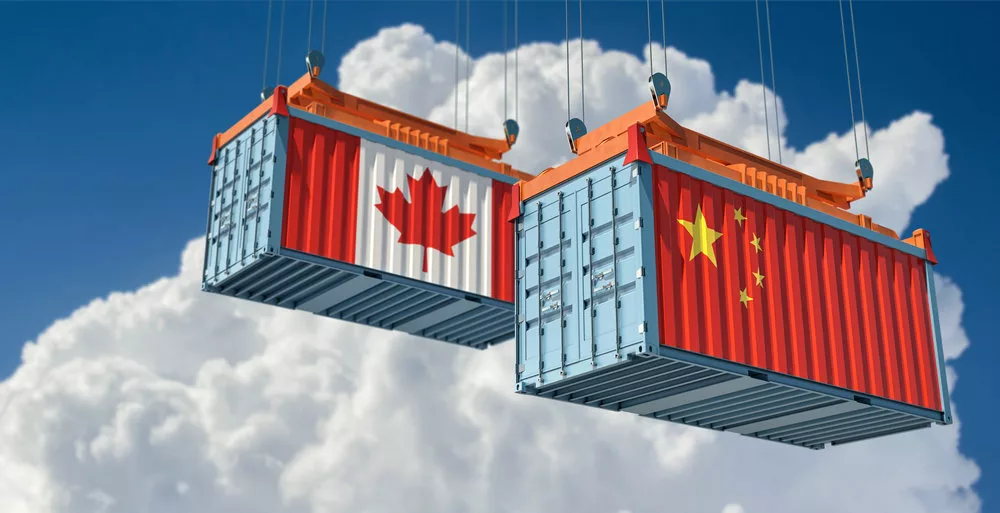
Current Shipping Rates: China to Canada Container Costs in March 2026
Understanding the cost of shipping a container from China to Canada is paramount for businesses engaged in international trade. Based on our data analysis for Q1 2026, rates have stabilized slightly post-Lunar New Year, but volatility remains.
For those aiming to import goods efficiently, a clear grasp of current shipping rates for both 20ft and 40ft containers—essential shipping container sizes and prices Canada businesses need to factor in—is crucial.
Important Note from Our Experts: Market prices change weekly. The ranges below are based on our March 2026 average bookings. Use them as a reference only, and always request an updated quote for your exact cargo, dates, and delivery address.
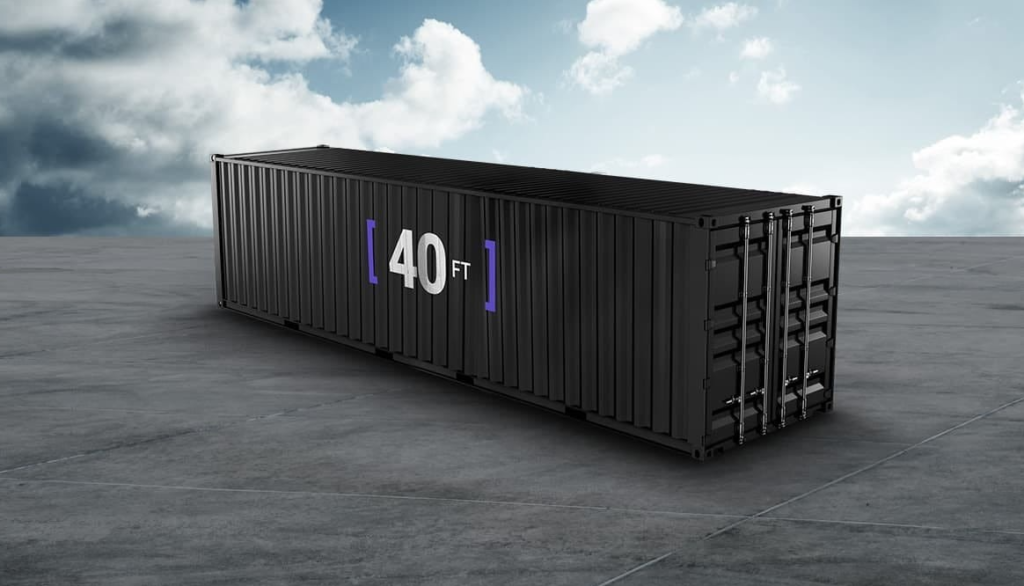
Typical 40ft Container Shipping Cost from China to Canada (Ocean, Port-to-Port)
| Route (Example) | Shipping Method | Typical 40ft Range (USD) | Typical Transit Time* |
|---|---|---|---|
| Shanghai to Vancouver | Sea Freight | $2,100 – $3,800 | 16–28 days |
| Shenzhen to Toronto | Sea Freight | $3,800 – $5,500 | 24–38 days |
| Ningbo to Montreal | Sea Freight | $4,000 – $5,800 | 26–40 days |
*Transit time is terminal-to-terminal on the ocean leg; based on our tracking data, inland rail/truck, customs, and appointment delays can add 5-10 days.
Typical 20ft Container Shipping Cost from China to Canada (Ocean, Port-to-Port)
| Route (Example) | Shipping Method | Typical 20ft Range (USD) | Typical Transit Time* |
|---|---|---|---|
| Shanghai to Vancouver | Sea Freight | $1,500 – $2,800 | 16–28 days |
| Shenzhen to Toronto | Sea Freight | $2,200 – $3,900 | 24–38 days |
| Ningbo to Montreal | Sea Freight | $2,400 – $4,100 | 26–40 days |
Market Insight: In March 2026, we are seeing that rates move heavily with capacity and fuel-related surcharges. We often advise clients that booking 14 days in advance during this season can secure better schedule options.
For businesses seeking reliable Ocean Freight services, working with experienced freight forwarders like Dantful International Logistics can ensure competitive rates and timely deliveries.
What Really Affects the Total Cost
When people search “container shipping cost China to Canada”, they often mean the all-in landed cost. From our experience handling thousands of shipments, the total typically comes from five buckets:
| Cost Component | What It Covers | Why It Changes |
|---|---|---|
| Origin charges (China) | Pickup (if needed), export docs, terminal/handling, loading | City/warehouse location, cargo readiness, peak congestion |
| Main ocean freight | Carrier ocean rate for the container | Space, sailing schedule, fuel surcharges |
| Destination port/terminal | THC/handling, port fees, demurrage risk | Free time, appointment availability, port congestion |
| Inland Canada (if not port delivery) | Rail/truck from port to Toronto/Montreal/Calgary, final delivery | Distance, chassis availability, winter weather |
| Customs & taxes | Duties, GST/HST, brokerage clearance service | HS code, origin, importer status, province |
Factors Influencing Shipping Costs from China to Canada
Several key factors can significantly affect the cost of shipping containers from China to Canada. Here is what our team monitors daily:
- Nature of Shipment: We see that hazardous materials or perishables always incur additional handling surcharges.
- Shipping Method: The decision to use Full Container Load (FCL) or Less than Container Load (LCL) impacts pricing. In our analysis, FCL becomes more economical once you exceed roughly 15 CBM.
- Weight and Dimensions: Heavier shipments (over 18 tons for 20ft) often trigger “Overweight Surcharges”.
- Origin and Destination: Rates vary. For example, shipping from smaller ports like Xiamen might be slightly cheaper but have fewer sailings than Shanghai.
- Service Type: Door-to-door is more expensive but reduces your risk. We recommend it for first-time importers.
- Seasonal Demand: March is typically a recovery month post-CNY, but rates rise again in Q3 (Peak Season).
- Fuel Prices: We adjust our quotes based on the monthly BAF (Bunker Adjustment Factor) set by carriers.
- Global Events: Political tensions or labor strikes in Canadian ports (like Montreal or Vancouver) can cause sudden spikes.
- Port Congestion: In 2026, we’ve seen improved flows, but sporadic congestion still occurs.
- Customs and Documentation: Errors here are costly. Our compliance team ensures accurate paperwork to avoid fines.
Tip: Always ask whether your quote is “ocean only” or “all-in”. At Dantful, we provide a transparent line-by-line cost breakdown so you know exactly what you are paying for.liveries.
20ft vs 40ft: Which Container Is Cheaper for Your Cargo?
Choosing between a 20ft and 40ft isn’t just about price; it’s about how much space and weight you can actually use.
| Container | Best For | Why It’s Cost-Effective |
|---|---|---|
| 20ft (FCL) | Dense/heavy cargo (high weight, lower volume) | Lower total freight, easier to fill without wasted space |
| 40ft (FCL) | Bulky/light cargo (higher volume) | Lower cost per cubic meter when you can use the volume |
Practical rule of thumb from our logistics planners:
- If your shipment is heavy (like stone, metal, or liquids) and you’ll hit weight limits before filling volume, 20ft is smarter. whether your quote is “ocean only” or “all-in”, and request a line-by-line cost breakdown.
- If your shipment is near a full pallet-count (e.g., 20+ pallets) or high CBM, 40ft usually wins on unit cost.
20ft vs 40ft: Which Container Is Cheaper for Your Cargo?
Choosing between a 20ft and 40ft isn’t just about price; it’s about how much space and weight you can actually use.
| Container | Best For | Why It’s Cost-Effective |
|---|---|---|
| 20ft (FCL) | Dense/heavy cargo (high weight, lower volume) | Lower total freight, easier to fill without wasted space |
| 40ft (FCL) | Bulky/light cargo (higher volume) | Lower cost per cubic meter when you can use the volume |
Practical rule of thumb:
- If your shipment is near a full pallet-count/CBM load, 40ft usually wins on unit cost.
- If your shipment is heavy and you’ll hit weight limits before filling volume, 20ft can be smarter.
FCL vs LCL: When a Full Container Is Not Necessary
If you don’t have enough cargo to justify a full container, LCL can reduce cash tied up in freight—at the cost of more handling points.
- FCL (Full Container Load): Best for higher volume, more control, fewer consolidation risks.
- LCL (Less than Container Load): Pay by volume/weight. Note that our team advises clients to expect extra handling fees and slightly longer transit times due to consolidation.
If you regularly ship smaller lots, consider consolidation strategies and warehousing options such as consolidated freight shipping.
Popular Shipping Routes and What They Usually Mean in Practice
Understanding the most common shipping routes from China to Canada can help businesses plan their logistics more effectively. Based on our route data:
Shanghai → Vancouver (West Coast)
This is often the fastest ocean entry point. For deliveries beyond Vancouver, intermodal rail/truck adds time and cost. We recommend this for urgent West Coast shipments.
Shenzhen/Guangzhou → Toronto (Central Canada)
Most shipments still land at a West Coast port (Vancouver/Prince Rupert) and then move inland by rail. This is why “to Toronto” timelines are longer (often 30+ days total).
Ningbo/Shanghai → Montreal (East Coast)
An alternative when your final delivery is in Quebec/Ontario. Depending on sailing availability and inland rail rates in 2026, this can sometimes be a cost-saver despite the longer ocean leg.
Navigating the logistics of shipping can be complex, but with a reliable freight forwarding partner like Dantful International Logistics, importers can ensure their products arrive safely and on time. For more information on shipping and logistics services, visit Dantful International Logistics.
Step-by-Step: How Container Shipping from China to Canada Works
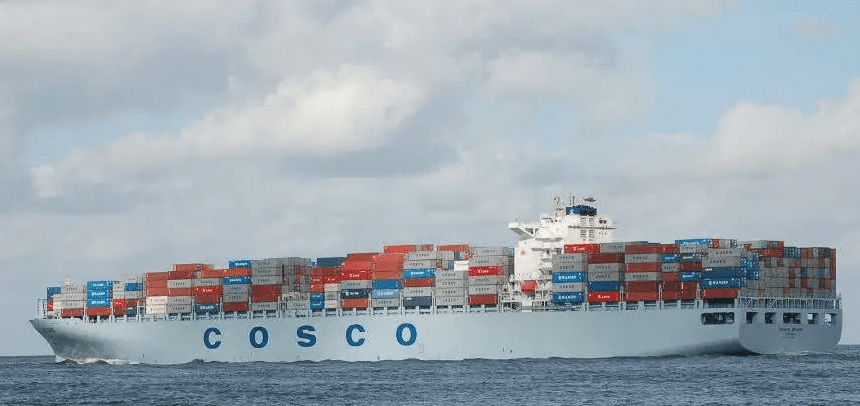
This is the standard operating procedure (SOP) most of our successful importers follow:
- Share cargo details: Commodity, HS code, weight/volume, pickup city, destination city, Incoterms.
- Receive a quote: We provide a comprehensive cost breakdown (origin + ocean + destination + inland + customs options).
- Book space: We confirm the container type (20GP/40GP/40HQ) with the carrier.
- Pickup and export handling: Stuffing/loading + export documentation in China.
- Ocean transit and tracking: We monitor the vessel status 24/7.
- Arrival handling: Customs clearance and taxes (GST/Duty) handling.
- Inland delivery: Rail/truck delivery to your final warehouse.
Documents You’ll Typically Need
To avoid customs delays and extra storage charges, our documentation specialists assist you in preparing these early:
- Commercial invoice: Accurate value, terms, buyer/seller details.
- Packing list: Carton count, dimensions, gross/net weight.
- Bill of lading (B/L) or sea waybill.
- HS code: Critical for determining duty rates.
- Certificate of origin: Required for specific trade agreements.
- Importer information: Business number, broker details.
- Special permits: For regulated goods (e.g., food, electronics).
If you plan door-to-door with duties/taxes covered, understand what DDP implies for compliance and cost responsibilities: ddp.ful International Logistics, companies can receive guidance on selecting the best shipping options tailored to their needs.
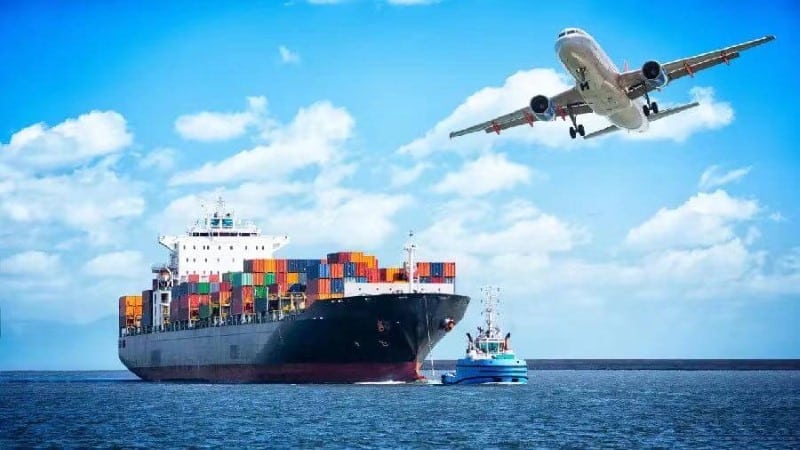
Sea Freight vs Air Freight vs Sea–Air: Which Should You Use?
Even if your main plan is containers, many importers mix modes to protect inventory.
| Mode | Best For | Trade-Off |
|---|---|---|
| Sea freight (FCL/LCL) | Most consumer goods, machinery, replenishment stock | Lowest cost, longer lead time |
| Air freight | Urgent SKUs, high-value items, samples | Higher cost, faster delivery |
| Sea–air | Balanced approach when timing matters | More complex routing and handling |
Dantful International Logistics Services:
- Dantful Ocean Freight Services
- Air Freight From China
- Amazon FBA Freight Forwarding
- WAREHOUSE Services
- One-Stop Customs Clearance Solution
- Cargo Insurance Services in China
- DDP Shipping Services By Dantful Logistics
- Out of Gauge Cargo Transportation Shipping Services
How to Reduce Your China to Canada Shipping Costs
Choose the Right Service Level (Port-to-Port vs Door-to-Door)
Port-to-port can look cheaper on paper, but if you don’t have a strong destination setup, door-to-door often reduces total costs by avoiding demurrage and coordination errors.
Time Your Shipments Around Congestion and Peak Season
Rates and delays often rise when capacity is tight. We advise our clients: if your supply chain allows, ship earlier (e.g., before October for holiday goods) to avoid peak surcharges.
Negotiate on the Right Things
Effective negotiation with freight forwarders can lead to reduced shipping costs. Here are our insider tips:
- Get Multiple Quotes: Compare rates, but also compare service. Cheap rates often mean poor communication.
- Build Relationships: Long-term partners like Dantful can offer better stability and priority space during crunches.
- Consolidate: If you buy from multiple factories, we can combine them into one FCL shipment to save thousands.
By employing these strategies, importers can effectively reduce their shipping costs from China to Canada, enhancing their bottom line.
If you want a deeper explanation of what drives ocean rates, see: how much is ocean freight from china.planation of what drives ocean rates, see: how much is ocean freight from china.
FAQs
- How much does it cost to ship a 20ft container from China to Canada in 2026?
- As of March 2026, typical port-to-port rates range from $1,500 to $2,800 depending on the route (West vs East Coast). Always confirm the current week’s rate.
- How much does it cost to ship a 40ft container from China to Canada?
- 40ft rates are currently hovering between $2,100 and $3,800 for West Coast delivery. While the total is higher than a 20ft, it is much cheaper per cubic meter.
- What is included in a container shipping quote?
- Be careful: some quotes are “ocean freight only”. A proper Dantful quote includes origin fees, ocean freight, destination handling, and optional inland/customs fees.
- Is it cheaper to ship FCL or LCL from China to Canada?
- LCL is cheaper for small volumes (under 10-15 CBM). FCL is cheaper per unit for larger volumes and minimizes handling damage.
- How long does sea freight take from China to Canada?
- Ocean transit to Vancouver is ~16-28 days. To Toronto/Montreal, expect ~30-40 days total including rail.
- What is the best port in Canada to ship to?
- Vancouver is the primary gateway for speed. Montreal is excellent for East Coast access. We help you choose based on your final warehouse location.
- Do I need a customs broker in Canada?
- Yes. Most importers use a broker. Dantful can arrange this as part of our door-to-door service.
- What documents are required to import into Canada?
- Commercial Invoice, Packing List, Bill of Lading, and HS Code are the big four.
- What are demurrage and detention, and how do I avoid them?
- These are penalty fees for delays. We avoid them by pre-clearing customs and securing truck power before the vessel arrives.
- Can Dantful International Logistics handle door-to-door shipping to Canada?
- Yes. We specialize in door-to-door solutions. Share your cargo details and delivery address to receive a tailored route plan and a transparent quote.
Get a Quote from Dantful International Logistics
To get an accurate and competitive quote for March 2026 (and avoid hidden destination fees), send us the following:
- Pickup location in China (city + zip if available)
- Destination in Canada (port or final address)
- Cargo name and HS code (if known)
- Total cartons/pallets, dimensions, gross weight
- Preferred Incoterms (EXW/FOB/CIF/DDP)
- Any special attributes (battery, liquids, fragile, oversized)
Dantful International Logistics will recommend the right container and route to optimize your supply chain.

Young Chiu is a seasoned logistics expert with over 15 years of experience in international freight forwarding and supply chain management. As CEO of Dantful International Logistics, Young is dedicated to providing valuable insights and practical advice to businesses navigating the complexities of global shipping.