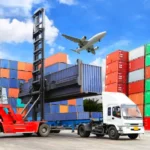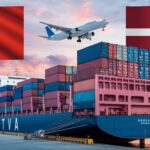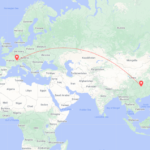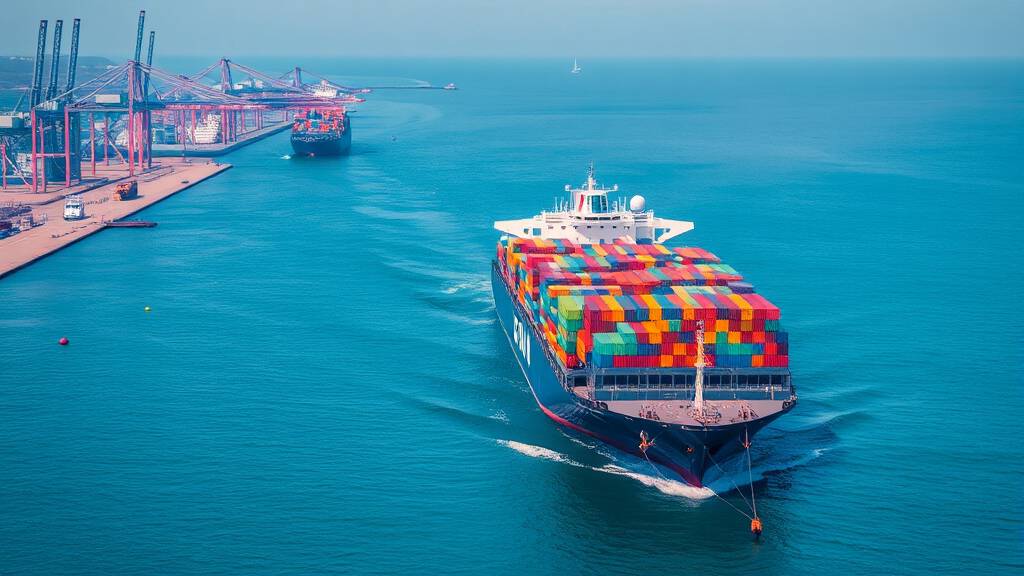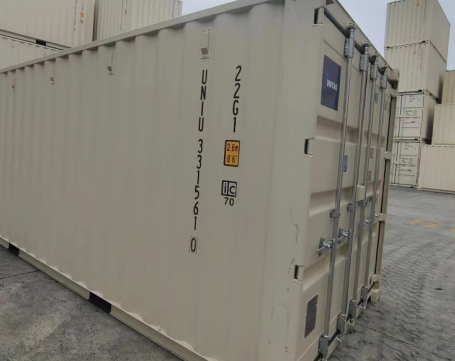
Are you curious about the cost of shipping a 20ft container from China to South Africa and how various factors impact your total expenses? In this comprehensive guide, we’ll explore essential topics such as FCL and LCL shipping, main ports, import duties, transit times, and customs clearance. Whether you’re a business owner or an individual importer, this article will help you navigate every step of the container shipping process with confidence.
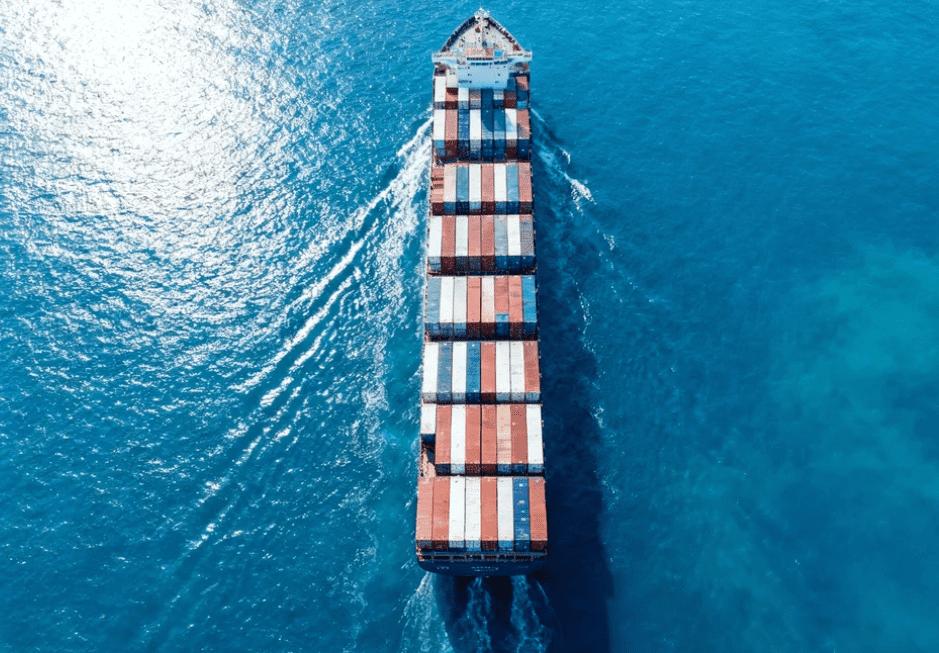
Container Shipping from China to South Africa
Shipping a container from China to South Africa is a critical part of global supply chains, serving a wide range of businesses, from large manufacturers to small e-commerce sellers and individual importers. Containerized shipping is the most efficient and secure method for transporting goods over long distances, with two primary options: LCL (Less than Container Load) and FCL (Full Container Load). Understanding these options, alongside the involved ports and logistical considerations, is essential for cost-effective and timely delivery.
LCL Shipping from China to South Africa
LCL (Less than Container Load) shipping is ideal for shippers whose cargo does not fill an entire container. With LCL, multiple consignments from different customers are consolidated into one container, sharing the space and consequently, the cost. This method is widely used by SMEs, cross-border e-commerce sellers, and those with smaller, regular shipments.
Key Features of LCL Shipping:
- Flexibility: Suitable for cargo volumes less than 15 CBM (cubic meters).
- Cost-Efficiency: Pay only for the space your cargo occupies, making it economical for smaller shipments.
- Transit Time: Slightly longer than FCL due to consolidation and deconsolidation processes at origin and destination ports.
- Cargo Handling: Goods are handled more frequently, which may increase the risk of damage compared to FCL. Proper packaging is essential.
| Route | Average Transit Time | Estimated Cost per CBM (2025) |
|---|---|---|
| Shanghai → Durban | 23-28 days | $90 – $120 |
| Ningbo → Cape Town | 24-29 days | $100 – $130 |
| Shenzhen → Johannesburg (via Durban) | 25-30 days | $95 – $125 |
Note: Costs vary based on freight season, surcharges, and cargo type.
At Dantful International Logistics, we provide professional LCL consolidation services, including warehousing, documentation, and customs clearance, ensuring your cargo is securely packed, tracked, and delivered on time.
For shippers considering other African destinations, you may also be interested in sea freight solutions from China to Africa, which offers guidance on regional routes and options.
FCL Shipping from China to South Africa
FCL (Full Container Load) shipping is the preferred choice for businesses shipping larger volumes or high-value goods. When booking FCL, the entire container is reserved for one shipper, providing enhanced security and predictable transit.
Key Features of FCL Shipping:
- Container Types: 20FT (28CBM), 40FT (56CBM), 40HQ (68CBM), 45HQ (78CBM).
- Cost Optimization: Generally more cost-effective per CBM when shipping over 15-20 CBM.
- Reduced Handling Risk: Fewer touchpoints mean lower risk of cargo damage or pilferage.
- Quicker Transit: Faster loading/unloading and customs processes compared to LCL.
| Container Size | Typical Capacity | Estimated All-in Rate (2025) |
|---|---|---|
| 20FT | 28 CBM | $2,100 – $2,600 |
| 40FT | 56 CBM | $3,800 – $4,400 |
| 40HQ | 68 CBM | $4,000 – $4,600 |
Rates are for reference and subject to change based on market fluctuations, fuel surcharges, and carrier schedules.
Dantful International Logistics specializes in FCL shipments, offering end-to-end services such as container stuffing at origin, real-time tracking, customs compliance, and dedicated customer support. We also provide specialized options for oversized or OOG (Out Of Gauge) cargo, breakbulk, and consolidated freight.
Main Ports in China and South Africa
Selecting the right ports is crucial for optimizing shipping time and cost. China and South Africa are connected by a network of major seaports, each offering unique advantages for different cargo types and destinations.
Main Ports in China
| Port Name | Location | Specialization | Remarks |
|---|---|---|---|
| Shanghai | East China | Largest container port | Major hub for electronics, machinery, textiles |
| Shenzhen | South China | High-tech goods | Proximity to manufacturing zones in Guangdong |
| Ningbo-Zhoushan | East China | Bulk/Container | Efficient for heavy industry and chemicals |
| Qingdao | North China | General cargo | Competitive rates for northbound shipments |
| Guangzhou (Nansha) | South China | Automotive, textiles | Fast customs and inland transport connections |
Main Ports in South Africa
| Port Name | Location | Specialization | Remarks |
|---|---|---|---|
| Durban | East Coast | Largest, main entry port | Handles ~60% of South Africa’s container traffic; strategic for Johannesburg distribution |
| Cape Town | South-West Coast | General & reefer cargo | Key for perishables and wine exports/imports |
| Port Elizabeth (Gqeberha) | South Coast | Automotive, bulk | Specialist for vehicle and industrial cargo |
| Richards Bay | East Coast | Bulk cargo | Mainly coal, minerals; limited containers |
Port Pairing Example Table
| China Port | South Africa Port | Typical Route | Transit Time |
|---|---|---|---|
| Shanghai | Durban | Direct / Transshipment via Singapore | 23-28 days |
| Ningbo | Cape Town | Via Singapore/Mauritius | 24-29 days |
| Shenzhen | Durban | Direct or via Singapore | 25-30 days |
| Guangzhou | Durban | Direct / Transshipment | 24-30 days |
When planning your shipment, choosing the closest and most efficient port pairs can help you minimize inland transportation time and reduce total logistics costs.
As an international logistics provider with a proven track record, Dantful International Logistics leverages its strong partnerships with major carriers and port authorities in both China and South Africa. Our expertise ensures efficient routing, transparent pricing, and seamless customs clearance, delivering exceptional value for our clients worldwide.
Cost of Shipping a 20ft Container from China to South Africa
Shipping a 20ft container from China to South Africa involves several cost components. Understanding the total expenditure is essential for importers, exporters, supply chain managers, and SMEs planning logistics budgets. Below is a comprehensive breakdown reflecting the latest (2025) market rates and influencing factors.
Key Cost Components
- Ocean Freight Charges
- This is the base cost for transporting the 20ft container by sea.
- Origin Charges in China
- Includes export customs clearance, documentation, container stuffing, trucking to port, and terminal handling charges.
- Destination Charges in South Africa
- Comprises terminal handling, unloading, local delivery, and customs clearance fees.
- Additional Costs
- Such as insurance, inland transportation, storage, demurrage, and value-added services (if required).
Typical 2025 Cost Range
The cost to ship a standard 20ft container (28CBM capacity) from major Chinese ports (such as Shanghai, Shenzhen, Ningbo) to main South African ports (notably Durban, Cape Town, Port Elizabeth) varies, influenced by seasonal demand, fuel surcharges, and shipping alliances. Below is an indicative rate table:
| Route | Ocean Freight (USD) | Origin Charges (USD) | Destination Charges (USD) | Total Estimated (USD) |
|---|---|---|---|---|
| Shanghai → Durban | $1,300 – $1,800 | $350 – $500 | $400 – $700 | $2,050 – $3,000 |
| Shenzhen → Cape Town | $1,350 – $1,900 | $350 – $500 | $400 – $700 | $2,100 – $3,100 |
| Ningbo → Port Elizabeth | $1,400 – $2,000 | $350 – $500 | $400 – $700 | $2,150 – $3,200 |
Note:
- Rates fluctuate due to market dynamics, fuel prices, and space availability.
- Costs exclude import duties and VAT.
- Extra services such as door-to-door, insurance, or OOG Freight will incur additional fees.
For those looking for an in-depth analysis of price trends and factors, see our article on container shipping costs from China to South Africa.
What Determines the Cost?
- Port Pair: Shipping from/to larger ports (e.g., Shanghai to Durban) is often cheaper due to higher vessel frequency and competition.
- Cargo Type & Weight: Heavy or hazardous cargo can increase the cost due to surcharges.
- Shipping Seasonality: Peak seasons (e.g., pre-Christmas, Chinese New Year) can significantly drive up rates.
- Service Level: FCL (Full Container Load) is generally more cost-efficient per unit than LCL (Less than Container Load) for larger shipments.
Additional Considerations
- Insurance: Strongly recommended—usually 0.15%-0.5% of cargo value.
- Demurrage/Detention: Charged if container is not returned within the free period at destination.
- Customs Clearance: Professional support ensures compliance and mitigates risk.
Expert Advice
Choosing a reliable freight partner like Dantful International Logistics ensures transparent pricing and end-to-end support. We leverage our expertise in Sea Freight, Customs Clearance, and Door to Door delivery, providing tailored solutions and consolidated shipments to optimize your costs from China to South Africa.
READ MORE:
- Shipping From China To Algeria
- Shipping From China To Angola
- Shipping From China To Morocco
- Shipping From China To Nigeria
- Shipping From China To Kenya
- Shipping From China To Tanzania
- Shipping From China To South Africa
Import Duties from China to South Africa
Understanding import duties is vital for accurate landed cost calculations and compliance with South African regulations. Here’s a detailed overview of the duty structure and what businesses should expect in 2025.
How Import Duties Are Calculated
Import duties in South Africa are primarily determined by:
- HS Code of the product (Harmonized System Code)
- Customs Value (CIF: Cost + Insurance + Freight)
- Applicable trade agreements (such as MFN rates)
- Any specific anti-dumping or safeguard duties
Main Cost Components
- Customs Duties: Typically range from 0% to 30% based on product classification.
- Value-Added Tax (VAT): Standard VAT is 15%, calculated on the customs value plus duties.
- Ad Valorem Duties: Certain items, such as luxury goods, may incur higher rates.
- Other Levies: Excise duties may apply to tobacco, alcohol, and certain commodities.
Example Duty Calculation
Suppose your goods are classified under a 10% import duty rate. If the CIF value (Cost + Insurance + Freight) is $20,000, here’s the calculation:
| Item | Amount (USD) |
|---|---|
| CIF Value | $20,000 |
| Customs Duty (10%) | $2,000 |
| VAT (15% of [$20,000 + $2,000]) | $3,300 |
| Total Taxes & Duties | $5,300 |
Essential Steps for Compliance
- HS Code Classification: Accurate coding avoids delays and incorrect duty payments.
- Customs Documentation: Prepare Bill of Lading, Commercial Invoice, Packing List, and other required documents.
- Engage Licensed Customs Brokers: They ensure up-to-date adherence to South African Revenue Service (SARS) requirements, minimizing risk of penalties.
Trade Agreements & Duty Exemptions
- South Africa is a member of the SACU and WTO. Some products may benefit from reduced tariffs or duty exemptions under specific agreements.
- Verify if your cargo qualifies for preferential rates.
Expertise Matters
Navigating import duties can be complex, especially with evolving trade regulations. At Dantful International Logistics, our team provides up-to-date consultancy on South African customs, accurate HS classification, and smooth clearance process, ensuring compliance and minimizing your tax liabilities.
Understanding both the shipping costs and import duties is crucial for effective budgeting and compliance when shipping a 20ft container from China to South Africa. Working with an experienced provider like Dantful International Logistics will ensure you receive transparent pricing, compliance support, and end-to-end logistics solutions tailored to your needs.
Sea Freight Transit Times from China to South Africa
When shipping a 20ft container from China to South Africa by sea freight, understanding the expected transit times is crucial for planning your supply chain, managing inventory, and satisfying your customers. Transit times may vary based on the chosen ports, shipping lines, and whether the service is direct or involves transshipment. Below is a detailed overview of typical sea transit durations to help you make informed logistics decisions.
For those comparing African shipping routes, our comprehensive guide to sea freight from China to South Africa covers best practices, cost drivers, and timeframes.
Key Factors Affecting Transit Times
- Port Pair Selection: Transit time is influenced by the specific departure port in China and the arrival port in South Africa.
- Sailing Schedules: Different shipping lines and vessels operate on varied schedules, which can impact overall lead time.
- Transshipment: Some routes require containers to be transferred at intermediate ports, increasing total transit time.
- Seasonality: Peak shipping seasons, such as holiday periods, may lead to port congestion and delays.
- Customs & Documentation: Timely completion of export and import procedures is essential to avoid unnecessary delays.
Major Port Pairs & Estimated Transit Times
| Departure Port (China) | Arrival Port (South Africa) | Typical Transit Time (Days) | Service Type |
|---|---|---|---|
| Shanghai | Durban | 23 – 28 | Direct/Indirect |
| Shenzhen | Durban | 22 – 27 | Direct/Indirect |
| Ningbo | Durban | 23 – 29 | Direct/Indirect |
| Qingdao | Cape Town | 28 – 34 | Indirect |
| Guangzhou | Port Elizabeth (Gqeberha) | 25 – 31 | Indirect |
| Xiamen | Durban | 24 – 30 | Indirect |
Note: Transit times listed are port-to-port estimates and do not include customs clearance, loading/unloading, or inland transportation.
Tips for Managing Sea Freight Transit Times
- Book in Advance: Secure space early, especially during peak seasons, to avoid rollovers.
- Choose Reliable Schedules: Work with reputable carriers and forwarders that offer consistent, direct sailings.
- Monitor Shipments: Use digital tracking for real-time shipment updates.
- Factor in Pre- and Post-Carriage: Include time for container pickup, delivery, and documentation in your planning.
As a global trader or supply chain manager, working with a highly professional freight forwarder like Dantful International Logistics ensures you receive accurate schedule advice, proactive updates, and efficient coordination for your shipments from China to South Africa.
Customs Clearance for Shipments from China to South Africa
Customs clearance is a vital step in the shipping process when importing a 20ft container from China to South Africa. Smooth and compliant clearance ensures your cargo avoids costly delays or penalties. Below is an in-depth overview of the customs clearance procedures, required documentation, common challenges, and best practices.
Overview of the Customs Clearance Process
Pre-Arrival Preparation
- Collect and verify all necessary shipping documents before the container arrives at the destination port.
- Ensure all paperwork matches the physical cargo and complies with both Chinese export and South African import regulations.
Required Documentation
- Bill of Lading (B/L): Proof of contract with the carrier and receipt of goods.
- Commercial Invoice: Describes the goods, their value, and the transaction details.
- Packing List: Detailed list of items within the container.
- Import Permit (if required): Some goods need prior approval from South African authorities.
- Certificate of Origin: Specifies the manufacturing country of the goods.
- Customs Declaration Forms: Completed for both export out of China and import into South Africa.
- HS Codes: Accurate product classification for tariff assessment.
Declaration and Assessment
- Submit all documents to the South African Revenue Service (SARS) for review.
- SARS will assess import duties, taxes (including VAT), and any applicable levies.
- Inspections or queries may be raised if discrepancies are found.
Cargo Release
- Upon payment of all duties and taxes, and successful clearance, the cargo is released for delivery.
Common Challenges & How to Avoid Them
| Challenge | Best Practice |
|---|---|
| Incomplete or inaccurate documentation | Double-check all documents & details |
| Misclassification of goods (HS Codes) | Consult customs experts |
| Unclear cargo valuation | Provide supporting transaction proof |
| Delayed payment of duties/taxes | Prepare funds in advance |
| Missing import permits for restricted items | Verify requirements ahead of shipping |
Import Duties and Taxes
- Duties and taxes are determined based on product type, value, and origin.
- South Africa uses the Customs and Excise Act to govern import procedures.
- Certain goods may qualify for preferential tariffs under trade agreements.
The Role of Your Freight Forwarder
A trusted freight forwarder such as Dantful International Logistics can streamline the customs clearance process by:
- Ensuring accurate and timely document preparation.
- Liaising with customs officials to resolve issues rapidly.
- Advising on the latest import regulations and compliance practices.
- Providing end-to-end visibility and support until cargo delivery.
Final Recommendations
- Always stay updated on the latest South African customs regulations and policy changes.
- If importing sensitive or high-value items, consider additional insurance and risk management services.
- Transparent communication between all parties (supplier, freight forwarder, customs broker) is essential for smooth clearance.
With over 15 years of expertise, Dantful International Logistics specializes in compliant, efficient, and cost-effective customs clearance solutions for shipments from China to South Africa, helping you avoid delays and minimize risk throughout your international trade operations.
Step-by-Step Guide to Shipping a 20ft Container from China to South Africa
Shipping a 20ft container from China to South Africa involves a series of carefully coordinated steps. Understanding each stage is critical for importers, exporters, supply chain managers, and SMEs seeking cost-effective and reliable logistics solutions. Below, I provide a professional, comprehensive, and actionable guide, drawing from over 15 years of hands-on experience in international freight forwarding.
1. Assess Your Shipping Needs
- Cargo Details: Clearly identify the type, volume (up to 28CBM for a 20ft container), weight, and nature (general, hazardous, perishable, OOG cargo, etc.) of your goods.
- Timeline: Define your required delivery dates to select the optimal shipping method (standard, expedited, or deferred).
- Incoterms: Decide on trade terms (e.g., FOB, CIF, DAP) to clarify responsibilities for cost and risk.
2. Get Accurate Freight Quotations
- Contact reputable freight forwarders with your cargo details and requirements.
- Compare quotations for different services (FCL, LCL, door-to-door, port-to-port, etc.).
- Ensure each quote includes all cost components: ocean freight, local charges, customs clearance, insurance, and any surcharges.
3. Book Your Shipment
- Finalize your choice of freight forwarder and confirm the booking.
- Provide cargo ready date (CRD) and relevant documents: commercial invoice, packing list, and export license (if applicable).
- Coordinate with your supplier for container stuffing and loading schedule.
4. Prepare and Verify Shipping Documentation
- Ensure all documents are accurate and complete:
- Bill of Lading (B/L)
- Commercial Invoice
- Packing List
- Certificates (if required: fumigation, origin, etc.)
- Inaccurate paperwork can cause costly delays or customs issues.
5. Arrange Inland Transportation in China
- Organize trucking or rail transport to move the loaded container from the factory/warehouse to the origin port (e.g., Shanghai, Shenzhen, Ningbo).
- Confirm port cut-off times and customs inspection appointments.
6. Customs Clearance at Origin
- Your freight forwarder will coordinate the export customs declaration in China.
- Ensure all export duties (if any) are settled.
- Once cleared, the container is released for loading on the vessel.
7. Ocean Freight from China to South Africa
- The container is loaded onto the designated vessel.
- Typical transit times range from 20–30 days depending on origin/destination ports and the shipping line used.
- Track your shipment via the freight forwarder’s system or carrier’s website.
| Origin Port (China) | Destination Port (South Africa) | Estimated Transit Time (Days) |
|---|---|---|
| Shanghai | Durban | 23–29 |
| Shenzhen | Cape Town | 24–30 |
| Ningbo | Port Elizabeth | 25–32 |
Note: Transit times are estimates and may vary due to carrier schedules, weather, and port congestion.
8. Customs Clearance at Destination
- Upon arrival at the South African port, customs clearance is required.
- Submit all import documents and pay applicable duties and VAT.
- Clearance times depend on the completeness of documents and local regulations.
9. Final Delivery Arrangements
- After customs release, arrange for inland transportation to your warehouse, distribution center, or final destination.
- Unstuff the container and inspect goods for damage or discrepancies.
10. Container Return
- Return the empty container to the designated depot within the free period to avoid demurrage charges.
Choose a Reliable Freight Forwarder
Selecting the right freight forwarder is essential for a smooth and cost-effective shipping experience, especially for shipments from China to South Africa. Here’s what to look for:
| Criteria | Why It Matters | What to Ask/Check |
|---|---|---|
| Expertise & Experience | Deep knowledge ensures compliant, efficient handling | Years in business, trade lane specialization |
| Comprehensive Service Portfolio | One-stop solutions reduce coordination hassle | Sea, air, rail, warehousing, customs, insurance |
| Transparent Pricing | Avoid hidden fees and manage your budget effectively | Ask for detailed quotations with full breakdown |
| Local Presence in China & Africa | Eases communication and resolves port/local issues quickly | Office or agent network in both regions |
| Customer Support | Proactive updates and responsive service minimize disruption | 24/7 support, shipment tracking, dedicated manager |
| Good Reputation | Trustworthy partners minimize risk of loss/delays | Check reviews, references, and industry credentials |
For readers interested in comparing logistics options or seeking expert shipping support, see our page on freight forwarders from China to South Africa for further guidance.
Why Choose Dantful International Logistics?
As a highly professional, cost-effective, and high-quality freight forwarder, Dantful International Logistics offers complete, end-to-end international logistics solutions for global traders. Our services include:
- Sea Freight (FCL/LCL)
- Air Freight, Rail Freight, Road Freight
- Amazon FBA Logistics, Warehousing
- Customs Clearance, Cargo Insurance
- Door-to-Door Service
- OOG (Out of Gauge) Freight
- Consolidated & Breakbulk Freight
We combine deep market knowledge, transparent pricing, and personalized service. With robust networks in both China and South Africa, our team ensures your 20ft container shipment arrives on time, on budget, and fully compliant with all regulatory requirements.
Shipping a 20ft container from China to South Africa is a multi-step process requiring careful planning, accurate documentation, and reliable logistics partners. By adhering to these steps and working with an experienced forwarder like Dantful International Logistics, you can optimize your shipping costs, minimize delays, and achieve seamless international trade operations. For tailored solutions and a free quotation, contact our team today.

Young Chiu is a seasoned logistics expert with over 15 years of experience in international freight forwarding and supply chain management. As CEO of Dantful International Logistics, Young is dedicated to providing valuable insights and practical advice to businesses navigating the complexities of global shipping.