Are you considering FOB shipping from China to the US but unsure how it works or if it’s the right choice for your business? With so many shipping terms and international trade nuances, navigating the complexities of FOB (Free on Board) can be overwhelming. In this comprehensive guide, we’ll break down everything you need to know about FOB shipping, from key advantages and cost calculations to choosing the right freight forwarder and optimizing your logistics process. Let’s unlock the secrets to efficient and cost-effective FOB shipments!

What is FOB Shipping and How Does it Work?
FOB (Free On Board) is a widely used term in international trade, especially for shipments from China to the US. Under the FOB Incoterm, the seller is responsible for all costs and risks up to the point when the goods are loaded onto the vessel at the designated Chinese port. From that point onward, the responsibility shifts to the buyer/importer, who takes charge of ocean freight, insurance, destination charges, customs clearance, and inland transportation in the United States.
Key Steps in FOB Shipping Process
Seller’s Responsibilities in China:
- Manufacturing and packaging goods according to contract.
- Arranging transport to the agreed port of shipment (e.g., Shanghai, Shenzhen, Ningbo).
- Managing export customs clearance and all related documentation.
- Loading goods onto the nominated vessel.
Transfer of Risk & Cost:
- Once goods are loaded “on board” at the Chinese port, risk and costs transfer to the buyer.
- The exact moment of transfer is critical for insurance and responsibility.
Buyer’s Responsibilities:
- Booking and paying for ocean freight from China to the US (e.g., Los Angeles, New York, Houston). For more about the main sea freight routes, see our in-depth guide on shipping routes from China to USA.
- Arranging insurance (if required).
- Handling US customs clearance, payment of duties/taxes, and delivery to the final destination.
Common Shipping Modes under FOB:
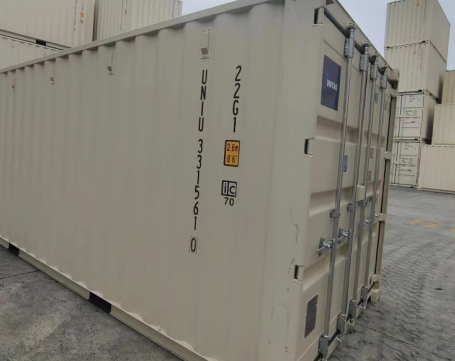
- Full Container Load (FCL): Suitable for large shipments (e.g., 20FT: 28CBM; 40FT: 56CBM; 40HQ: 68CBM; 45HQ: 78CBM).
- Less than Container Load (LCL): For smaller volumes, cargo is consolidated with other shipments. If you are new to these terms, check out our guide on what is LCL and FCL in shipping.
Why Choose FOB?
- Transparency: Clear division of responsibilities makes it easier to control costs.
- Flexibility: The buyer selects their preferred freight forwarder, such as Dantful International Logistics, for better rates and service.
- Risk Management: The buyer has full visibility and control over the international leg of the shipment.
FOB is ideal for experienced importers looking for cost control and hands-on management of overseas transportation. For new importers, working with a reliable freight forwarder is crucial to avoid unexpected complications.
FOB vs. Other Incoterms: Which is Right for You?
Selecting the right Incoterm can have a significant impact on your shipping cost, control, and risk exposure. Below is a comparison of FOB with other commonly used Incoterms for shipments from China to the US.
| Incoterm | Export Customs Clearance | Main Carriage | Insurance | Import Customs Clearance | Who Controls Freight Forwarder | Ideal For |
|---|---|---|---|---|---|---|
| FOB | Seller | Buyer | Buyer | Buyer | Buyer | Buyers wanting control over ocean freight and destination costs |
| EXW | Buyer | Buyer | Buyer | Buyer | Buyer | Experienced buyers handling all logistics from seller’s premises |
| CIF | Seller | Seller | Seller | Buyer | Seller | Buyers preferring seller’s control over main carriage and insurance |
| DAP | Seller | Seller | Seller | Seller | Seller | Buyers seeking door-to-door service with minimal responsibility |
Key Differences
- FOB (Free On Board): The seller delivers goods on board at the Chinese port. The buyer manages the rest. Balances responsibility and control.
- EXW (Ex Works): The buyer arranges everything from the seller’s premises onward. Maximum buyer responsibility and risk.
- CIF (Cost, Insurance, and Freight): The seller pays for shipping and insurance to the destination port, but risk transfers once goods are loaded in China. Buyer still manages import clearance and terminal handling at the destination.
- DAP (Delivered at Place): The seller handles almost everything to the named place of delivery in the US, except for import customs clearance and duties. Minimum buyer involvement.
When is FOB the Best Choice?
- When you want to select your own freight forwarder (e.g., Dantful International Logistics) and negotiate better shipping rates.
- If you require transparency and control over shipping schedules and costs.
- When you possess a good understanding of US import procedures or have reliable partners handling destination customs and delivery.
Expert Advice
For many companies importing from China to the US, FOB offers an optimal balance between seller and buyer responsibilities. It empowers you to manage the most costly and complex part of the journey — ocean freight and local logistics in the US. However, if you are new to international logistics, partnering with a reputable forwarder like Dantful International Logistics is highly recommended to ensure compliance, cost efficiency, and smooth delivery.
Key Advantages of Choosing FOB for China-US Shipments
When shipping goods from China to the United States, selecting the right Incoterm significantly impacts your shipping process, cost structure, and risk management. FOB (Free On Board) is one of the most popular choices among global traders, especially for shipments between China and the US. Here are the key advantages of choosing FOB:
Clear Division of Responsibility
- Under FOB, the seller’s responsibility ends once the goods are loaded onto the vessel at the designated Chinese port (e.g., Shanghai, Shenzhen, Ningbo). The buyer then assumes all subsequent risks and costs. This clear transition point minimizes disputes about liability during transit.
Buyer Control Over Freight Forwarder and Shipping Costs
- Importers have the freedom to select their own freight forwarder and negotiate shipping rates directly. This often results in more competitive pricing and better service quality, as buyers can compare offers and choose providers like Dantful International Logistics, known for professional, cost-effective, and high-quality one-stop solutions.
Enhanced Visibility and Flexibility
- By managing freight from the port of origin, buyers gain better control and visibility over the shipping process, including routing, transit times, insurance, and value-added services such as customs clearance, warehouse management, or door-to-door delivery.
Transparent Cost Structure
- With FOB, the breakdown of costs is transparent. The seller handles export clearance and local charges in China, while the buyer manages ocean freight, insurance, destination charges, and import customs in the US. This separation simplifies budgeting and accounting.
Minimized Risk of Hidden Charges
- Unlike CFR/CIF, where sellers may add markups or hidden fees to ocean freight and destination charges, FOB gives buyers direct access to all downstream costs. This reduces the risk of unexpected expenses upon arrival at US ports (such as Los Angeles, Long Beach, New York/New Jersey, etc.). For a detailed analysis of main US import gateways, see our overview of the biggest ports in the US.
Greater Negotiating Power
- Buyers can leverage their own volume and relationships with shipping lines or forwarders to obtain better rates and service terms, rather than relying on the seller’s logistics network.
Better Alignment with Supply Chain Strategies
- FOB suits importers who need to consolidate cargo, use specific shipping lines, or coordinate multiple suppliers under one logistics plan. This is especially valuable for cross-border e-commerce, manufacturers, and SMEs managing complex supply chains.
Summary Table: Key Benefits of FOB vs. Other Incoterms
| Feature | FOB (Free On Board) | CIF/CFR | EXW |
|---|---|---|---|
| Control of Main Freight | Buyer | Seller | Buyer |
| Responsibility at Origin | Seller | Seller | Buyer |
| Control of Destination Costs | Buyer | Seller | Buyer |
| Risk Transfer Point | Origin Port (Loaded) | Destination Port | Seller’s Premises |
| Suitable for | Experienced Buyers | Less-Experienced | Very Experienced Buyers |
| Cost Transparency | High | Medium | High |
Understanding Your Responsibilities as an Importer Under FOB
While FOB shipping from China to US offers many advantages, it is crucial for importers to fully understand their responsibilities to ensure smooth and compliant operations. Here’s a comprehensive breakdown:
Arranging and Paying for Main Carriage
- Once your goods are loaded on board at the specified Chinese port, you are responsible for organizing and paying for the primary transport (sea freight, air freight, etc.) to the US port of your choice. If air is your preferred mode, you may want to learn about air freight from China to USA.
Selecting a Reliable Freight Forwarder
- Partnering with a reputable provider like Dantful International Logistics ensures seamless management of all logistics steps: booking, shipping, documentation, customs clearance, and final delivery.
Insurance
- As risk transfers once the cargo is on board, it is your duty to arrange proper cargo insurance to cover potential losses or damages during transit. Evaluate different insurance options to protect your shipment.
Customs Clearance at Destination
- You must handle all import customs formalities in the US, including filing ISF (Importer Security Filing), preparing the required documentation (e.g., Bill of Lading, Commercial Invoice, Packing List), and paying duties and taxes.
Payment of Destination Charges
- Costs such as unloading, handling, warehousing, customs inspection, and inland transportation from the US port to your final destination are your responsibility.
Timely Communication and Coordination
- Keep close contact with your suppliers, forwarder, and customs broker to avoid delays, especially when booking space, preparing shipping documents, or managing regulatory compliance.
Monitoring Shipment Status
- Track your cargo throughout its journey. Most professional forwarders, including Dantful International Logistics, offer real-time tracking and proactive updates to help you plan your supply chain efficiently.
Compliance with US Import Regulations
- Stay up-to-date with changes in US customs policy, product safety standards, and import controls that may affect your shipment.
Typical Importer’s Responsibility Timeline Under FOB
| Step | Responsible Party | Key Actions |
|---|---|---|
| Export Customs Clearance | Seller | Handles export license, clearance, and fees |
| Inland Delivery to Origin Port | Seller | Arranges domestic transport to port |
| Loading onto Vessel | Seller | Oversees loading and risk transfer |
| Ocean/Air Freight | Buyer | Books freight, pays cost, arranges insurance |
| US Import Customs Clearance | Buyer | Submits documentation, pays duties/taxes |
| Destination Port Charges | Buyer | Pays unloading, storage, terminal handling |
| Inland Delivery to Final Address | Buyer | Arranges delivery, manages last-mile logistics |
Key Documentation you will need as an Importer:
- Bill of Lading
- Commercial Invoice
- Packing List
- Arrival Notice
- ISF Filing
- Import License (if required)
By understanding and planning for these responsibilities, importers can leverage the flexibility and cost advantages of FOB shipping from China to US. For maximum efficiency and peace of mind, consider working with an experienced logistics partner such as Dantful International Logistics, which offers a full suite of services—including Sea Freight, Air Freight, Customs Clearance, Door to Door, and more—ensuring your cargo reaches its destination securely and on schedule.
Calculating FOB Shipping Costs from China to the US
When planning FOB shipping from China to the US, accurately estimating your total costs is crucial for budgeting and choosing the right logistics strategy. The FOB (Free On Board) Incoterm divides shipping responsibilities and costs between the seller and the buyer at the port of origin. As the importer, you assume all costs after the goods are loaded onto the vessel at the Chinese port.
Key Components of FOB Shipping Costs
Freight Charges
The main cost is the international freight, which depends on your chosen shipping mode (Sea Freight, Air Freight, or multimodal solutions like Rail Freight combined with Road Freight), the type and volume of goods, and the route. For rail options, see our coverage of rail freight between Asia and North America.Container Size
- Full Container Load (FCL):
- 20FT (28CBM)
- 40FT (56CBM)
- 40HQ (68CBM)
- 45HQ (78CBM)
- 20FT (28CBM)
- 40FT (56CBM)
- 40HQ (68CBM)
- 45HQ (78CBM)
- Less than Container Load (LCL): For smaller shipments, where you pay for the space you use.
- Full Container Load (FCL):
Origin Charges
- Export customs clearance
- Terminal handling at the Chinese port
- Documentation fees
Destination Charges
- Import customs clearance in the US
- Port handling and unloading fees
- Delivery to final destination (if required)
Additional Services (Optional)
- Insurance
- Warehousing
- Door-to-Door Delivery
- Special handling for OOG Freight or Breakbulk Freight
Typical Cost Breakdown Table
Below is a reference table for estimated sea freight rates (FCL) from major Chinese ports to key US ports, as of Q4 2025. Actual rates may vary depending on market conditions, fuel surcharges, and seasonality.
| Route | 20FT Container | 40FT Container | Transit Time (Days) |
|---|---|---|---|
| Shanghai → Los Angeles | $1,200 – $1,800 | $2,200 – $2,800 | 15 – 19 |
| Shenzhen → Long Beach | $1,250 – $1,900 | $2,250 – $2,900 | 16 – 20 |
| Ningbo → New York | $2,000 – $2,800 | $3,600 – $4,700 | 27 – 33 |
| Qingdao → Houston | $1,900 – $2,600 | $3,400 – $4,300 | 29 – 35 |
Note: Rates are for reference only. For an accurate quotation tailored to your shipment details, consult a reputable freight forwarder such as Dantful International Logistics.
Factors Affecting FOB Shipping Costs
- Seasonal Demand: Costs can rise during peak shipping seasons (e.g., before US holidays).
- Container Availability: Shortages may increase prices.
- Surcharges: Fuel, security, and port congestion charges.
- Cargo Type and Value: Special cargo (e.g., hazardous, oversized, perishable) incurs extra fees.
- Final Delivery Requirements: Door-to-door or intermodal moves add to your budget. For a breakdown of door to door shipping from China to USA, explore our resource on service types and cost factors.
How to Reduce FOB Shipping Costs
- Consolidate Shipments: Group smaller loads to benefit from LCL or shared containers.
- Book in Advance: Secure space early, especially in busy seasons.
- Work With an Experienced Freight Forwarder: A professional like Dantful International Logistics can negotiate the best rates, select optimal shipping routes, and help you avoid hidden costs.
Essential Documentation for FOB Shipments
Proper documentation is the backbone of successful FOB shipping from China to the US. Accurate paperwork ensures smooth customs clearance, compliance with import/export regulations, and timely delivery.
Key FOB Shipping Documents
| Document Name | Issued By | Purpose | Required For |
|---|---|---|---|
| Commercial Invoice | Seller/Exporter | Details of goods, value, buyer/seller info | Customs, payment |
| Packing List | Seller/Exporter | Description, weight, dimensions, packaging | Customs, logistics |
| Bill of Lading (B/L) | Carrier/Freight Fwd. | Contract of carriage, proof of shipment | Cargo release |
| Certificate of Origin | Chamber of Commerce | Certifies goods’ origin, facilitates tariff benefits | Customs clearance |
| Export Customs Declaration | Seller/Exporter | Required for formal export out of China | Chinese customs |
| Arrival Notice | Carrier | Informs consignee cargo is arriving | Cargo pickup |
| Import Customs Declaration | Importer/Customs Brk | Required for US import clearance | US customs |
| Insurance Certificate | Insurance Provider | Proof of cargo insurance (if purchased) | Damage claims |
| Other Certificates | Authorities | E.g., fumigation, phytosanitary, as required | Special goods |
Best Practices for FOB Shipping Documentation
- Accuracy is Critical: Ensure all information matches across documents (names, addresses, cargo details).
- Timely Preparation: Gather and review documents before shipping to prevent delays.
- Digital Copies: Keep electronic versions for quick sharing and submission.
- Regulatory Compliance: Stay updated on US and Chinese requirements, including any changes in customs procedures, tariffs, or product-specific regulations.
How Dantful International Logistics Supports You
As a highly professional, cost-effective, and high-quality one-stop international logistics service provider, Dantful International Logistics assists clients at every step:
- Preparation and review of all required shipping documentation.
- Coordination with suppliers and authorities for error-free paperwork.
- Guidance on US import regulations and any special certificates needed for your goods.
- Comprehensive freight services including Sea Freight, Air Freight, Rail Freight, Road Freight, Amazon FBA, Warehouse, Customs Clearance, Insurance, Door-to-Door, OOG Freight, Consolidated Freight, and Breakbulk Freight.
By working with a trusted expert, you minimize risks, avoid costly errors, and ensure a smooth FOB shipping process from China to the US.
Choosing the Right Freight Forwarder for Your FOB Shipments
Selecting the right freight forwarder is a critical decision in the FOB shipping process from China to the US. The right partner can streamline logistics, mitigate risks, and ensure your shipments arrive on time and within budget. Below are essential factors and industry best practices to guide your selection:
1. Experience & Expertise
- Look for a forwarder with a strong track record in managing China–US freight, specifically under FOB terms. Their understanding of both origin and destination regulations, as well as port operations, is fundamental to avoiding delays and extra costs.
- Verify their scope: Do they handle various modes of transportation such as sea freight, air freight, rail freight, and road freight? Are they familiar with specialized services like Amazon FBA, warehousing, OOG (Out of Gauge) freight, and consolidated shipments?
2. Service Portfolio
- A comprehensive forwarder should offer not only cargo movement, but also customs clearance, insurance, door-to-door delivery, and breakbulk services. This one-stop approach simplifies your logistics chain and reduces the risk of miscommunication between multiple vendors.
3. Global Network & Local Presence
- Evaluate the forwarder’s network coverage at major Chinese ports (e.g., Shanghai, Shenzhen, Ningbo) and key US ports (Los Angeles, New York/New Jersey, etc.).
- Local teams at both ends can efficiently handle documentation, inspections, and unexpected issues.
4. Technology & Transparency
- Opt for forwarders that provide real-time tracking, digital documentation, and shipment management platforms. Transparency in cargo status, cost breakdowns, and milestones is essential for effective supply chain planning.
5. Pricing & Cost Structure
- Request detailed, itemized quotations with clear explanations of all charges. Be cautious of hidden costs, especially regarding port surcharges, documentation fees, and customs-related expenses.
6. Compliance & Certifications
- Ensure the forwarder holds relevant industry certifications (such as FMC, NVOCC in the US, CIFA or WCA memberships in China) and demonstrates ongoing compliance with international trade regulations.
7. Customer Support & Communication
- Responsive and knowledgeable support—preferably in your language and time zone—enables quicker problem resolution and informed decision-making.
As a leading international logistics provider, Dantful International Logistics offers a highly professional, cost-effective, and reliable one-stop service for global traders. Our extensive experience with FOB shipping from China to the US allows us to deliver tailored solutions, from cargo pickup at any Chinese port to final delivery in the US. Our offerings include sea freight, air freight, warehousing, customs clearance, insurance, Amazon FBA logistics, and more. With a dedicated team and robust digital infrastructure, we ensure transparency, compliance, and on-time delivery for every shipment.
Major Chinese Ports for FOB Exports to the US
Understanding the leading Chinese ports for FOB exports is crucial for optimizing shipping routes, cost, and efficiency. Each port has unique advantages based on geographic location, cargo volume, and connectivity to global trade lanes.
| Port Name | Location | Annual Throughput (TEU, 2023) | Main Features & Advantages | Typical Destinations in the US |
|---|---|---|---|---|
| Shanghai | East China | 47 million | World’s busiest container port; extensive carrier options; advanced facilities | Los Angeles/Long Beach, New York/New Jersey |
| Shenzhen | South China | 30.2 million | Major hub for electronics & e-commerce; favorable customs processes | Los Angeles/Long Beach, Oakland |
| Ningbo-Zhoushan | East China | 33.4 million | Strong consolidation services; efficient rail-sea intermodal connections | Savannah, Houston, Seattle |
| Guangzhou (Nansha) | South China | 24.6 million | Strategic for South China manufacturers; modern equipment | Los Angeles, Miami |
| Qingdao | North China | 25.7 million | Key port for Northern provinces; robust reefer and bulk cargo capacity | New York/New Jersey, Houston |
| Tianjin | North China | 21.0 million | Closest port to Beijing; strong for machinery, chemicals, and metals | Seattle, Los Angeles |
| Xiamen | Southeast | 12.7 million | Growing e-commerce gateway; multiple direct US services | Los Angeles, Oakland |
Key Considerations when Selecting a Port:
- Proximity to Supplier: Reduces domestic transportation time and cost within China.
- Carrier Options: Larger ports offer more liner choices, frequent departures, and competitive rates.
- Cargo Type: Some ports specialize in certain commodities (e.g., electronics in Shenzhen, machinery in Tianjin).
- Customs Efficiency: Ports with advanced customs clearance can help minimize delays.
Container Capacity Quick Reference
For planning purposes, container types and their capacities are as follows:
- 20FT container: 28 CBM
- 40FT container: 56 CBM
- 40HQ container: 68 CBM
- 45HQ container: 78 CBM
When exporting under FOB terms from China to the US, collaboration with your freight forwarder on port selection can significantly impact freight rates, transit times, and overall supply chain reliability. Dantful International Logistics leverages deep relationships with major Chinese ports to secure space, optimize routing, and provide end-to-end visibility.
READ MORE:
- Shipping From China to the USA
- Shipping From China TO Canada
- Shipping From China TO Mexico
- Shipping From China to Panama
- Shipping From China to Costa Rica
- Shipping From China to Brazil
- Shipping From China TO Colombia
- Shipping From China to Jamaica
- Shipping From China to Venezuela
- Shipping From China to Argentina
Key US Ports for Receiving FOB Shipments
When shipping under FOB (Free On Board) terms from China to the United States, choosing the right destination port is essential for efficient import operations. The US boasts several major ports that handle significant volumes of imports from China, each with unique strengths, geographic advantages, and logistics infrastructure. Selecting the suitable port not only impacts shipping cost and lead time but also determines the ease of customs clearance and distribution within the US.
Below is a detailed overview of the key US ports for receiving FOB shipments from China:
| Port Name | Location | Strengths | Main Cargo Types | Average Transit Time from China (days) | Notes |
|---|---|---|---|---|---|
| Port of Los Angeles | California (West Coast) | Largest container port in the US, highly efficient, extensive rail/road links | Electronics, apparel, machinery | 15–18 | Preferred for West Coast distribution, proximity to major markets |
| Port of Long Beach | California (West Coast) | Adjacent to LA, advanced facilities, high throughput | Consumer goods, vehicles | 15–18 | Often processed together with LA, large warehousing network |
| Port of Oakland | California (West Coast) | Key for Northern California and Pacific Northwest | Agriculture, perishables | 16–19 | Strong intermodal connections, good for tech/e-commerce |
| Port of Seattle-Tacoma (NWSA) | Washington (West Coast) | Gateway for Pacific Northwest, efficient customs | Machinery, seafood | 16–20 | Suitable for US Northwest and Canadian destinations |
| Port of Savannah | Georgia (East Coast) | Fastest-growing US port, deepwater, modern terminals | Retail, furniture, textiles | 30–36 (via Panama) | Strategic for Southeast/East Coast markets |
| Port of New York & New Jersey | New York/New Jersey (East Coast) | Largest East Coast port, extensive rail network | Electronics, fashion, pharma | 30–36 (via Panama) | Gateway to Northeast US and Midwest, dense population access |
| Port of Houston | Texas (Gulf Coast) | Central location for Midwest/South distribution, strong oil/chemicals sector | Machinery, plastics, chemicals | 28–35 (via Panama) | Central to US market, growing intermodal infrastructure |
| Port of Miami | Florida (East Coast) | Hub for Latin American trade, cruise/reefer cargo | Perishables, electronics | 33–38 (via Panama) | Preferred for Southeast US and Caribbean export/imports |
Transit times are approximate and may vary due to vessel schedules, weather, or customs processing.
Factors to Consider When Selecting a US Port:
- Proximity to Final Destination: Selecting a port closer to your warehouse/consignee can reduce domestic trucking costs and lead times.
- Port Congestion: Major ports like Los Angeles and New York may experience congestion during peak seasons.
- Available Facilities: Consider warehousing, cold storage, and intermodal transfer availability.
- Customs Efficiency: Some ports are known for faster customs processing, reducing dwell time.
As an experienced logistics provider, Dantful International Logistics assists clients in choosing the optimal US port for their FOB shipments. Our expertise covers not only port selection but also seamless coordination with local trucking, warehousing, and customs operations, ensuring your goods reach their destination efficiently and cost-effectively.
Navigating Customs Clearance and Import Regulations in the US
Customs clearance is a critical phase when importing under FOB shipping from China to the US. Understanding requirements, procedures, and compliance is essential to avoid delays, penalties, and unexpected costs. As an importer, you take responsibility for arranging customs clearance once cargo arrives at the US port.
Key Steps and Considerations:
Preparation of Documentation
- Bill of Lading (B/L): Issued by the carrier, this document proves cargo ownership and is required for cargo release.
- Commercial Invoice: Details goods’ value, description, and Incoterms (FOB).
- Packing List: Specifies contents, weights, and dimensions.
- Arrival Notice: Issued by the freight forwarder or carrier.
- ISF (Importer Security Filing): “10+2” data must be electronically submitted to US Customs and Border Protection (CBP) at least 24 hours prior to cargo loading in China.
Customs Entry and Duties
- Entry Filing: A licensed customs broker files entry documents with CBP upon vessel arrival.
- HS Code Classification: Correct classification is vital for duty rates and compliance. Mistakes can trigger audits or fines.
- Duty & Tax Payment: Duties depend on product type and value, based on the Harmonized Tariff Schedule (HTSUS). Additional tariffs (e.g., Section 301 on Chinese goods) may apply.
Compliance with US Regulations
- Partner Government Agency Requirements: Some goods require approval or inspection from agencies like the FDA (for food, cosmetics, medical devices), USDA (for agricultural products), or EPA (for chemicals).
- Marking and Labeling: Country of origin and specific labeling rules must be strictly observed.
- Import Quotas and Permits: Certain categories (e.g., textiles, steel) may be subject to quotas or require permits.
Exams and Inspections
- US Customs may select shipments for x-ray, physical exam, or intensive inspection. This can extend clearance time and incur additional costs.
Cargo Release and Delivery
- Once all formalities are complete and duties paid, cargo is released for pick-up or onward delivery.
Tips for Smooth Customs Clearance:
- Partner with an experienced freight forwarder and customs broker, such as Dantful International Logistics, who can ensure full compliance and proactively manage documentation and regulatory requirements.
- Submit the ISF on time—late filings incur penalties (minimum $5,000 per violation).
- Double-check documentation accuracy to prevent clearance delays.
- Stay updated on evolving tariffs, trade agreements, and regulatory changes affecting imports from China. For an overview of paperwork and process, see our article on import procedure from China to United States.
Table: Typical Timeline for Customs Clearance at Major US Ports
| Port | Customs Inspection Rate | Average Clearance Time | Additional Notes |
|---|---|---|---|
| Los Angeles/Long Beach | 2–5% | 2–4 days | Peak season may extend time due to congestion |
| New York/New Jersey | 2–4% | 2–3 days | Efficient for consolidated shipments |
| Savannah | 1–3% | 2–3 days | Known for streamlined process, but subject to demand |
| Houston | 1–3% | 2–3 days | Lower congestion, good for chemical/industrial imports |
*Inspection rates are estimates and may fluctuate by cargo type or security protocols.
Tips for Optimizing Your FOB Shipping Process and Reducing Costs
When arranging FOB shipping from China to the US, efficiency and cost management are essential for maximizing the value of your supply chain. Based on 15+ years of hands-on experience in international freight forwarding, I’m sharing tested strategies to streamline your operation and achieve significant savings.
1. Choose the Most Suitable Mode of Transport
The choice between sea freight, air freight, rail freight, or road freight depends on your cargo type, urgency, and budget.
| Mode of Transport | Best For | Transit Time (China to US) | Typical Cost (USD/CBM) | Notes |
|---|---|---|---|---|
| Sea Freight | Large, non-urgent shipments | 15–40 days | $40–$120 | Most cost-effective for bulk; FCL/LCL |
| Air Freight | Urgent, high-value goods | 3–7 days | $5–$12/kg | Fastest but most expensive |
| Rail Freight | Inland US destinations | 20–25 days | $100–$200 | Via West Coast ports + rail to inland |
| Road Freight | US domestic distribution | 2–7 days (domestic only) | $1.5–$3.5/mile | Last-mile delivery, complements main leg |
Optimize by matching your shipment type and urgency to the best transport mode. If you’re considering fast options, see our resource on how much for air freight from China to Los Angeles.
2. Consolidate Shipments When Possible
Combining multiple shipments, especially for small or medium volumes, can reduce both per-unit shipping costs and customs clearance expenses. Ask your freight forwarder about consolidated freight or LCL (Less-than-Container Load) options.
3. Select the Optimal Container Size
Efficient container utilization lowers unit costs. Standard container volumes:
- 20FT: 28 CBM
- 40FT: 56 CBM
- 40HQ: 68 CBM
- 45HQ: 78 CBM
Overestimating required space leads to higher costs per item. Underestimating increases the risk of damage and delays.
4. Plan for Peak Seasons and Book Early
China to US lanes experience congestion before major holidays (e.g., Chinese New Year, Golden Week, Black Friday prep). Book shipping space 3–4 weeks in advance during peak times to avoid premium surcharges and delays.
5. Streamline Documentation and Customs Preparation
Incomplete or inaccurate paperwork (like Bill of Lading, Commercial Invoice, or Packing List) can cause expensive delays and demurrage. Work closely with your freight forwarder to ensure all FOB shipment documents are correct and submitted on time.
6. Leverage Value-Added Freight Forwarder Services
Utilize services such as:
- Warehousing for inventory staging
- Cargo Insurance for risk mitigation
- Door-to-Door Delivery to simplify last-mile logistics
- Customs Clearance support for compliance
Choosing a forwarder offering a full range of services reduces hidden costs and operational friction.
7. Negotiate with Suppliers and Forwarders
Request competitive quotations and clarify all charges. A reputable forwarder should provide a transparent breakdown of costs, including local charges at Chinese ports and destination handling in the US.
8. Monitor and Track Shipments Digitally
Use digital tracking platforms to monitor cargo movement, anticipate delays, and manage inventory proactively. Real-time visibility helps prevent costly storage or disruption.
Why Partner with Dantful International Logistics for FOB Shipments
Selecting the right freight forwarder is critical for a smooth, cost-effective FOB shipping experience from China to the US. Here’s why Dantful International Logistics stands out as your trusted partner:
1. Deep Industry Expertise
With over 15 years in international logistics, our team understands the nuances of both Chinese export and US import procedures. We stay updated on the latest regulations, ensuring your shipments are always compliant.
2. Comprehensive, One-Stop Logistics Solutions
Dantful International Logistics provides a full spectrum of services:
- Sea Freight (FCL/LCL)
- Air Freight
- Rail Freight
- Road Freight
- Amazon FBA Logistics
- Warehousing
- Customs Clearance
- Cargo Insurance
- Door to Door Service
- OOG (Out-of-Gauge) Freight
- Consolidated Freight
- Breakbulk Freight
This integrated approach simplifies your supply chain, reduces coordination errors, and saves time.
3. Competitive, Transparent Pricing
We offer highly competitive rates for FOB shipments from China to the US. Our quotations are transparent—there are no hidden charges. Clients receive detailed cost breakdowns for effective budgeting.
4. Local Presence and Global Network
With strong agent networks at major Chinese ports (such as Shanghai, Shenzhen, Ningbo) and key US ports (Los Angeles, Long Beach, New York/New Jersey, Houston), we ensure efficient cargo handling from origin to destination.
5. Professional Customer Support
Our dedicated account managers provide personalized guidance, from route planning to customs clearance, ensuring your queries are resolved quickly. We speak both English and Chinese, eliminating communication barriers.
6. Advanced Technology for Tracking & Management
We invest in up-to-date digital platforms, offering you real-time cargo status and proactive alerts. This improves shipment visibility and helps you make smarter supply chain decisions.
7. Proven Track Record
We have successfully handled thousands of FOB shipments for manufacturers, importers, e-commerce sellers, and SMEs worldwide. Client testimonials and repeat business are a testament to our reliability and service quality.
Optimizing your FOB shipping process requires strategic planning, the right partnerships, and attention to detail. By leveraging industry best practices and working with a reputable provider like Dantful International Logistics, you gain a seamless, compliant, and cost-effective shipping experience from China to the US.
For tailored advice or a competitive quotation, contact us today and let our expertise take your business further.

Young Chiu is a seasoned logistics expert with over 15 years of experience in international freight forwarding and supply chain management. As CEO of Dantful International Logistics, Young is dedicated to providing valuable insights and practical advice to businesses navigating the complexities of global shipping.