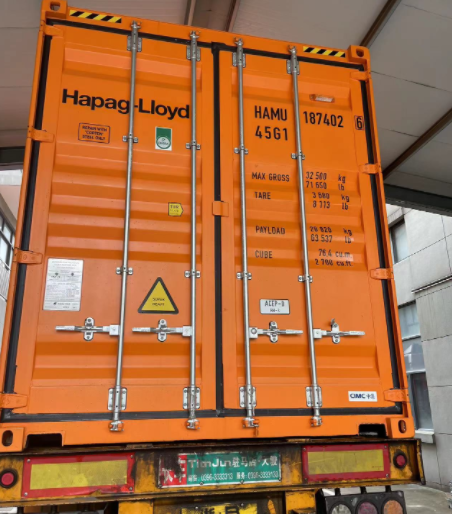
Are you wondering how much is shipping from China to Egypt and what factors influence your total freight costs? Whether you’re considering sea freight, air freight, or even rail freight, understanding the full picture is crucial for importers. In this comprehensive guide, we’ll break down shipping rates, container sizes, import tax, customs procedures, and essential tips to help you save money and streamline your logistics from China to Egypt. Get ready to make informed decisions and optimize your international shipments!
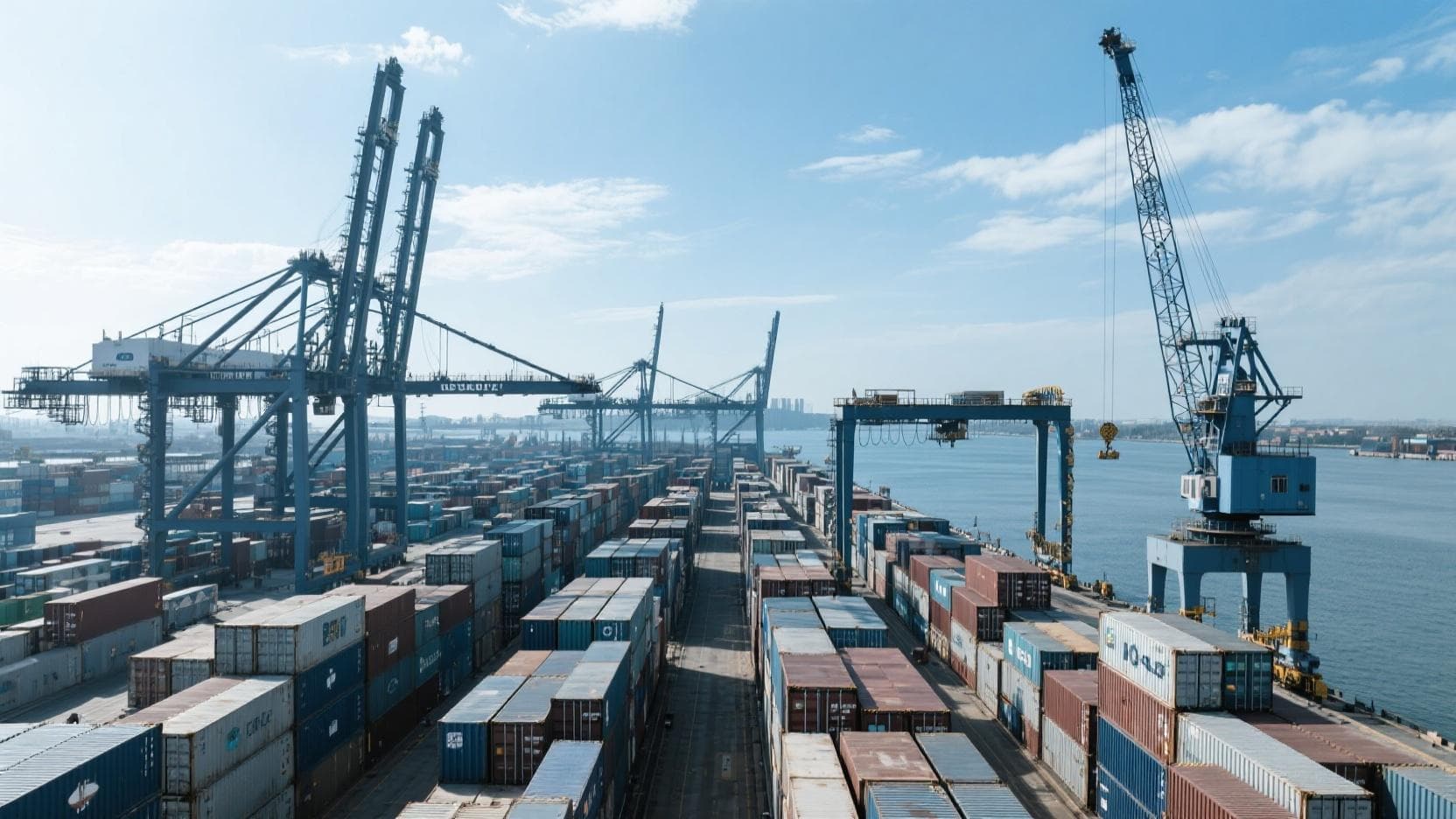
Sea freight cost from China to Egypt
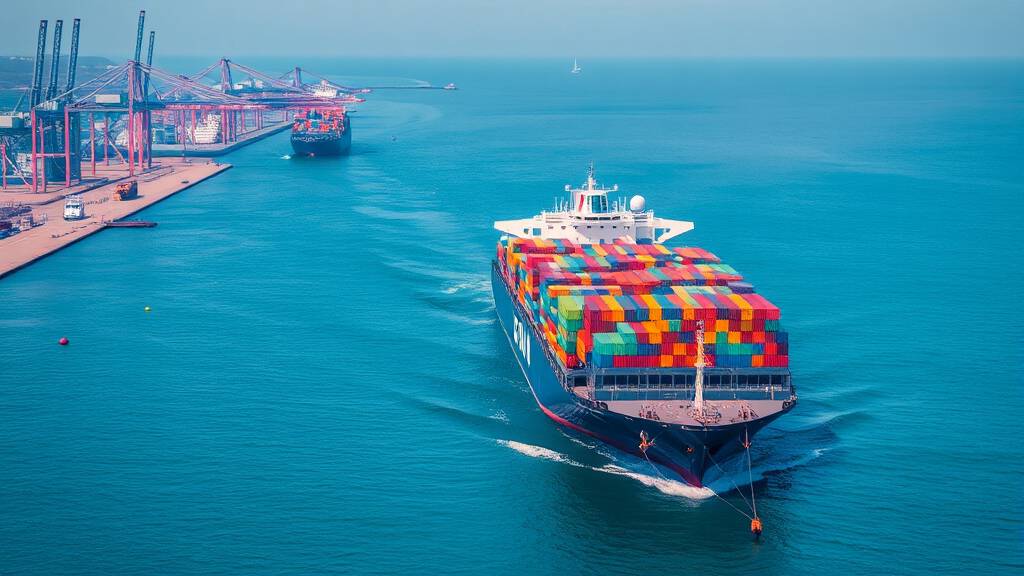
When planning shipments from China to Egypt, understanding sea freight costs is crucial for effective budgeting and logistics management. Sea freight remains the most popular and cost-efficient method for transporting large volumes of goods between these two countries. It is widely used by importers, exporters, manufacturers, and e-commerce sellers due to its capacity, flexibility, and relatively low cost per unit.
Several factors influence the overall shipping cost, including:
Origin port in China (e.g., Shanghai, Shenzhen, Ningbo)
Destination port in Egypt (such as Alexandria, Port Said, Damietta)
Container type and size (20ft, 40ft, 40HQ)
Cargo type (general, hazardous, temperature-controlled)
Shipping service type (Full Container Load – FCL, Less than Container Load – LCL)
Seasonality and current market demand
Additional services (customs clearance, insurance, delivery to door)
Below is an overview of the average market rates for shipping standard dry containers from major Chinese ports to main Egyptian ports as of early 2024. Rates are subject to fluctuation depending on shipping line, booking window, and specific requirements.
Container Size |
Shanghai to Alexandria |
Shenzhen to Damietta |
Ningbo to Port Said |
|---|---|---|---|
20ft (28CBM) |
$2,300 – $2,800 |
$2,350 – $2,900 |
$2,250 – $2,850 |
40ft (56CBM) |
$3,800 – $4,700 |
$3,900 – $4,850 |
$3,750 – $4,650 |
40HQ (68CBM) |
$4,000 – $5,000 |
$4,100 – $5,100 |
$4,000 – $5,050 |
Note: Rates above are for reference only and do not include destination charges, local fees, or surcharges. For a precise quote, contact a trusted freight forwarder like Dantful International Logistics.
If you are interested in a more comprehensive guide about sea freight, see our ultimate guide to sea freight from China to Egypt, which covers shipping tips, cost analysis, and operational best practices.
Cost of 20ft container shipping from China to Egypt?
A 20ft container is ideal for small to medium shipments, providing a capacity of approximately 28CBM (Cubic Meters). This size is often chosen by SMEs and first-time exporters. The total cost for shipping a 20ft container from China to Egypt typically includes:
Ocean freight rate: $2,200 – $2,900 (as of Q4 2025)
Origin charges: Export customs clearance, documentation, terminal handling (varies by port, usually $250–$400)
Destination charges: Egyptian port handling, import customs clearance, delivery (usually $400–$700)
Optional services: Insurance, warehousing, door-to-door delivery
Sample Calculation:
Cost Component |
Low Estimate |
High Estimate |
|---|---|---|
Ocean Freight |
$2,200 |
$2,900 |
Origin Charges |
$250 |
$400 |
Destination Charges |
$400 |
$700 |
Total (Excl. Optional Fees) |
$2,850 |
$4,000 |
Real costs will depend on shipment details, commodity, and service provider. At Dantful International Logistics, we offer transparent quotes and comprehensive support throughout the process.
Cost of 40ft container shipping from China to Egypt?
A 40ft container provides about 56CBM of space, suitable for larger shipments or bulky goods. Many importers prefer the 40HQ (High Cube) variant for an extra 12CBM of space, making it more cost-effective per cubic meter.
Ocean freight rate: $3,600 – $5,000 (standard 40ft) or $3,800 – $5,200 (40HQ)
Origin charges: $300–$450
Destination charges: $550–$800
Optional services: Insurance, warehousing, inland transportation
Sample Calculation:
Cost Component |
Low Estimate |
High Estimate |
|---|---|---|
Ocean Freight |
$3,600 |
$5,200 |
Origin Charges |
$300 |
$450 |
Destination Charges |
$550 |
$800 |
Total (Excl. Optional Fees) |
$4,450 |
$6,450 |
Choosing the right container size and service type can significantly influence your landed costs. We recommend discussing your cargo details with a professional freight forwarder to optimize cost and efficiency.
For more information on container shipping expenses to nearby regions, you might also want to explore the container shipping costs from China to Egypt, which provides cost references for various container sizes and shipment types.
Air freight cost from China to Egypt per KG
Air freight is the fastest way to ship goods from China to Egypt, typically used for high-value, time-sensitive, or low-volume shipments. Costs are calculated based on chargeable weight (either actual or volumetric, whichever is greater). Key factors affecting air freight rates include:
Departure airport in China (e.g., Shanghai PVG, Guangzhou CAN, Hong Kong HKG)
Arrival airport in Egypt (Cairo CAI is the main gateway)
Type of cargo (general, perishable, dangerous goods)
Total weight and volume
Service speed (standard, express)
Market seasonality and fuel surcharges
Typical Air Freight Rates (April 2024):
Route |
General Cargo (per KG) |
Express (per KG) |
|---|---|---|
Shanghai – Cairo |
$4.20 – $6.00 |
$6.50 – $9.00 |
Shenzhen – Cairo |
$4.50 – $6.50 |
$7.00 – $10.00 |
Guangzhou – Cairo |
$4.30 – $6.20 |
$6.80 – $9.50 |
Hong Kong – Cairo |
$4.00 – $5.70 |
$6.20 – $8.80 |
Minimum charges and additional fees (security, fuel, screening, handling) may apply. For smaller shipments (<100kg), courier services (like DHL, FedEx) might be more cost-effective.
Breakdown Example (General Cargo, 500kg from Shanghai to Cairo):
Base Air Freight: 500kg x $5.00 = $2,500
Origin Charges: $150–$300
Destination Charges: $200–$350
Total Estimated Cost: $2,850 – $3,150
Air freight can deliver goods from China to Egypt in 3–7 days, depending on routing and service level.
If you are comparing air freight and sea freight options to other countries in the region, check out the detailed analysis on shipping from Shenzhen to Egypt to get more insights on transit times and service choices.
Rail freight cost from China to Egypt
Rail freight is an emerging solution for shipping goods between China and Egypt, offering a balance of speed, cost, and reliability for certain cargo types. Although not as widespread as sea or air freight, rail freight is increasingly being utilized due to the expansion of the Belt and Road Initiative (BRI), which has strengthened overland connections from China to the Middle East and North Africa.
Rail Freight Route Overview
Currently, direct rail services from China to Egypt are not as established as those to Europe. Most rail shipments are routed from major Chinese inland hubs—such as Xi’an, Chengdu, Chongqing, or Zhengzhou—to key logistics points in Europe or Turkey. From there, cargo is transloaded to sea or road freight and finally reaches Egypt via Mediterranean ports like Alexandria or Port Said.
Estimated Rail Freight Costs
Rail freight rates are determined by several factors:
Route and number of transshipments
Cargo type and volume
Container size (e.g., 20ft, 40ft)
Seasonal demand
Urgency of delivery
The table below provides an estimated comparison of rail freight costs for full container loads (FCL) and less-than-container loads (LCL):
Shipping Mode |
Route |
Approximate Transit Time |
Estimated Cost (USD) |
|---|---|---|---|
20ft Container |
China rail hub → Europe → Sea to Egypt |
25–35 days |
$4,800 – $7,000 |
40ft Container |
China rail hub → Europe → Sea to Egypt |
25–35 days |
$6,500 – $9,500 |
LCL (per CBM) |
China → Europe (Rail) + Sea to Egypt |
28–40 days |
$250 – $350 / CBM |
Note: These rates are based on Q4 2025 market data and may fluctuate depending on global logistics trends and fuel prices. For precise quotations tailored to your shipment, consult a professional freight forwarder like Dantful International Logistics.
If you are considering rail shipping to countries beyond Egypt, our rail freight service page explains available routes, pros and cons, and multimodal solutions in depth.
Advantages & Considerations
Pros:
Faster than sea freight, especially for urgent or high-value cargo
Cost-effective for medium-sized shipments compared to air freight
Lower carbon footprint versus air transport
Cons:
Not suitable for all commodities (especially oversized or hazardous goods)
Involves multiple transshipments, increasing handling risks
Limited direct connectivity; most services require multimodal transport
Dantful International Logistics provides comprehensive rail freight solutions, including multimodal transport, customs clearance, insurance, and last-mile delivery, ensuring smooth shipment from China to Egypt.
What is the import tax from China to Egypt?
Understanding the import tax structure is critical for businesses and individuals planning to import goods from China to Egypt. Import taxes and duties directly impact the total landed cost of your shipment and your pricing strategies in the Egyptian market.
Main Components of Import Taxes in Egypt
Customs Duty (Tariff)
Imposed on most imported goods.
The rate varies based on product classification under the HS Code system.
Typical rates for common goods range from 0% (for some raw materials) up to 40% or more for luxury items.
Example: Electronics may face 5–20%; textiles 10–30%; vehicles 40%+.
Value-Added Tax (VAT)
Standard rate: 14% (as of 2025).
Calculated on the CIF (Cost + Insurance + Freight) value plus customs duty.
Other Fees and Surcharges
Statistical fee: Usually 0.5% of CIF value.
Service fees and inspection charges may also apply, depending on the nature of the goods.
Import Tax Calculation Example
Suppose you import a batch of electronics from China to Egypt with the following CIF value: $10,000 and a customs duty rate of 10%.
Item |
Calculation |
Amount (USD) |
|---|---|---|
CIF Value |
– |
10,000 |
Customs Duty (10%) |
10,000 × 10% |
1,000 |
Subtotal |
10,000 + 1,000 |
11,000 |
VAT (14%) |
11,000 × 14% |
1,540 |
Statistical Fee |
10,000 × 0.5% |
50 |
Total Import Tax & Fees |
1,000 + 1,540 + 50 |
2,590 |
This is a simplified example. Actual payable taxes may vary depending on product specifics, certificates, and applicable trade agreements.
Key Considerations
Always verify the HS Code and applicable duty rate before shipping.
Certain goods may require import licenses or special permits.
There are exemptions and reduced rates for some industrial raw materials or goods originating from countries with preferential trade agreements.
Dantful International Logistics offers customs clearance services and can assist in accurate tax calculation and compliance, minimizing risks of delays or unexpected costs.
For neighboring market references, you may want to review the process for import procedure from China to Nigeria, which covers similar documentation and tariff practices in the region.
Egypt customs clearance & documents checklist
Clearing customs in Egypt is a crucial step for any business or individual shipping goods from China to Egypt. Ensuring that all documents are accurate and complete can greatly reduce the risk of delays, unexpected costs, or penalties. Below is a comprehensive checklist of the essential documents and requirements for the Egyptian customs clearance process:
Main Documents Required
Document Name |
Description |
Issued By |
Notes |
|---|---|---|---|
Bill of Lading (B/L) |
Serves as proof of shipment and contract between shipper and carrier. |
Shipping Line / Forwarder |
Must match cargo details and consignee information. |
Commercial Invoice |
Details the transaction value, description of goods, and parties involved. |
Shipper |
Must be signed, stamped, and in English or Arabic. |
Packing List |
Specifies packaging details, dimensions, and weight for each item/carton. |
Shipper |
Must align with actual shipment and invoice. |
Certificate of Origin |
Certifies goods were manufactured in China. |
Chamber of Commerce |
Must be legalized and, if required, consularized. |
Import License |
Authorization for certain goods as required by Egyptian authorities. |
Egyptian Importer |
Not all products require this; check product HS code. |
Letter of Credit (L/C) |
Provides payment security for transactions (if required by terms of sale). |
Importer’s Bank |
Not always mandatory, but common in business trade. |
Insurance Certificate |
Proof of cargo insurance coverage during transit. |
Insurance Company |
Required for CIF shipments, not always for FOB. |
Form 4 (Import Registration) |
Registration form for Egyptian importers with local customs. |
Egyptian Importer |
Mandatory for all importers. |
Pre-shipment Inspection Certificate |
Confirms quality/quantity (if required for restricted goods). |
Inspection Agency |
Only needed for regulated items. |
Compliance & Additional Requirements
HS Code Classification: Accurate HS codes must be used for all products to ensure correct duty/tax calculation and regulatory compliance.
AR (Advance Registration) System: Since 2021, Egypt has implemented the Advanced Cargo Information (ACI) system, requiring importers to pre-register shipments and obtain an ACID (Advanced Cargo Information Declaration) number before loading cargo in China.
Product-Specific Certificates: Some products (e.g., electronics, food, chemicals) may require additional permits, quality certificates, or safety documentation.
Consular Legalization: Certain documents, such as invoices and certificates of origin, may need to be legalized at the Egyptian Embassy or Consulate in China.
Common Challenges & Solutions
Incomplete or mismatched documentation is the most frequent cause of customs clearance delays.
Engaging a professional freight forwarder such as Dantful International Logistics ensures all your documentation is prepared accurately, meets the latest Egyptian customs regulations, and is processed efficiently.
Staying up-to-date with the latest customs requirements and working with an experienced partner can minimize risks and streamline your import process from China to Egypt.
Tips to reduce shipping cost from China to Egypt
Reducing your shipping cost from China to Egypt not only improves your profit margins, but also enhances your business competitiveness. Here are expert strategies to help you minimize freight expenses without compromising on service quality or reliability:
1. Choose the Optimal Shipping Method
Sea Freight is typically the most cost-effective choice for large, bulky shipments.
Air Freight is faster but more expensive; best for urgent or high-value cargo.
Rail Freight is emerging as an alternative for certain routes, balancing speed and cost.
Tip: Analyze your cargo volume, value, and delivery timeline to select the best mode.
2. Consolidate Shipments
LCL (Less than Container Load): If your cargo does not fill a full container, consolidating with other shipments can significantly lower your per-unit freight cost.
FCL (Full Container Load): For larger volumes, FCL offers better rates per CBM than LCL.
For additional advice on sharing space and optimizing small shipment logistics, browse our consolidated freight shipping strategies designed for international importers.
3. Optimize Packaging
Reduce excess packaging to maximize the use of container space.
Use palletizing and stacking techniques to minimize wasted volume.
Avoid non-standard sizes that incur additional handling fees.
4. Plan Ahead and Book Early
Advance booking often secures better rates, especially during peak seasons (e.g., before Chinese New Year or Ramadan in Egypt).
Avoid last-minute bookings, which can incur surcharges.
5. Work with a Reliable Freight Forwarder
Partnering with an experienced company like Dantful International Logistics can deliver substantial savings through:
Access to negotiated carrier rates.
Expertise in route optimization and customs processes.
End-to-end services, including consolidation, door-to-door delivery, customs clearance, insurance, and more.
6. Select the Right Port
Shipping to major Egyptian ports such as Alexandria, Port Said, or Damietta can offer lower handling and inland transportation costs compared to less accessible ports.
7. Understand and Reduce Local Charges
Thoroughly review destination port charges, handling fees, and customs duties.
Avoid unnecessary storage or demurrage by ensuring timely customs clearance.
8. Leverage Trade Agreements
Utilize any existing free trade agreements or tariff reductions between China and Egypt where applicable.
Ensure all documentation (such as Certificate of Origin) is correctly prepared to take advantage of preferential rates.
9. Combine Cargo Insurance Wisely
Opt for comprehensive cargo insurance to protect against loss or damage, but compare rates for the best value.
Cost Comparison Table by Shipping Mode
Shipping Mode |
Best For |
Typical Transit Time |
Cost Efficiency |
Notes |
|---|---|---|---|---|
Sea Freight (FCL) |
Bulk cargo |
20–30 days |
★★★★★ |
Most cost-effective for large volumes |
Sea Freight (LCL) |
Small shipments |
25–35 days |
★★★★☆ |
Good for flexible volumes |
Air Freight |
Urgent shipments |
3–7 days |
★★☆☆☆ |
Expensive, but fast |
Rail Freight |
Selective routes |
15–25 days |
★★★★☆ |
Balanced speed and cost, limited routes |
Transit time from China to Egypt
When planning international shipping from China to Egypt, understanding the transit time is crucial for supply chain management and delivery expectations. The transit time varies significantly based on the chosen transportation mode—sea freight, air freight, or rail freight—as well as specific origin and destination points.
Sea Freight Transit Time
Sea freight is the most common and cost-effective method for shipping large volumes. The typical route is from major Chinese ports such as Shanghai, Shenzhen, Ningbo, or Guangzhou to Alexandria or Port Said in Egypt.
Below is an overview of estimated transit times for full container load (FCL) and less-than-container load (LCL) shipments:
Origin Port (China) |
Destination Port (Egypt) |
FCL Estimated Transit Time |
LCL Estimated Transit Time |
|---|---|---|---|
Shanghai |
Alexandria |
24-28 days |
28-34 days |
Shenzhen |
Alexandria |
22-26 days |
26-32 days |
Ningbo |
Port Said |
23-27 days |
27-33 days |
Guangzhou |
Alexandria |
22-27 days |
26-32 days |
Notes:
LCL shipments may take slightly longer due to consolidation and deconsolidation processes.
Schedules may fluctuate due to port congestion, customs clearance, or weather conditions.
Air Freight Transit Time
Air freight is the fastest shipping method from China to Egypt, widely used for urgent, high-value, or time-sensitive goods. Major airports include Shanghai Pudong (PVG), Guangzhou Baiyun (CAN), and Beijing Capital (PEK) to Cairo International Airport (CAI).
Origin Airport (China) |
Destination (Egypt) |
Direct Flight Transit Time |
Typical Door-to-Door Transit Time |
|---|---|---|---|
PVG / CAN / PEK |
CAI |
10-14 hours |
3-6 days |
Notes:
The actual transit time may vary depending on flight availability, space, and customs processing.
Door-to-door services include pickup, airport handling, customs clearance, and final delivery.
Rail Freight Transit Time
While not as common as sea or air, rail freight is emerging as a cost-efficient alternative, especially for certain routes. Rail shipments from China to Egypt often combine rail and sea/road for last-mile delivery.
Origin (China) |
Route Type |
Estimated Transit Time |
|---|---|---|
Xi’an / Yiwu |
Rail to Turkey + Truck to Egypt |
25-30 days |
Notes:
Rail freight can be a good option for specific cargo types and when the balance between cost and speed is a priority.
Availability and routes may change, so consult with your freight forwarder for the latest options.
Key Factors Influencing Transit Time
Origin and Destination Ports/Airports: Proximity and connectivity affect scheduling.
Shipping Mode: Air freight is fastest; sea freight is slower but more cost-effective.
Customs Clearance: Delays may occur due to documentation or inspections.
Carrier Schedules: Shipping frequency, vessel routing, and transshipment points.
Peak Seasons: Holidays and global events can impact transit time.
For the most accurate and up-to-date transit time calculation tailored to your shipment, consult a professional logistics provider like Dantful International Logistics.
If you want to know about shipping durations for additional African markets, refer to how long is freight from China to Egypt for more detailed transit time analysis.
Freight forwarder from China to Egypt
Choosing a reliable freight forwarder is essential for smooth, efficient, and cost-effective shipping from China to Egypt. An experienced partner can help you navigate the complexities of international logistics, reduce risks, and optimize your supply chain.
What Does a Freight Forwarder Do?
A freight forwarder acts as an intermediary between shippers and carriers. Services typically include:
Route Planning & Carrier Selection: Choosing optimal transit routes and carriers.
Booking & Coordination: Managing bookings with shipping lines, airlines, or rail operators.
Documentation: Preparing and handling commercial invoices, bills of lading, packing lists, certificates of origin, and other required documents.
Customs Clearance: Assisting with both export and import clearance to ensure compliance with Chinese and Egyptian regulations.
Cargo Insurance: Arranging insurance to protect against loss or damage during transit.
Consolidation: Combining multiple shipments to reduce costs (LCL, air cargo consolidation, etc.).
Warehousing & Distribution: Providing storage, pick-and-pack, and last-mile delivery options.
Door-to-Door Solutions: Handling the entire shipping process from the supplier’s door in China to the consignee’s door in Egypt.
Why Choose Dantful International Logistics?
With over 15 years of industry experience, Dantful International Logistics stands out as a highly professional, cost-effective, and one-stop international logistics service provider. For shipments from China to Egypt, we offer:
Comprehensive Freight Services:
Sea Freight: FCL, LCL, OOG, breakbulk, and consolidated freight
Air Freight: Direct, express, and consolidated options
Rail Freight: Multimodal solutions via Eurasian routes
Road Freight: Inland trucking within China and Egypt
Specialized Solutions:
Amazon FBA logistics
Door-to-Door delivery
Customs Clearance and compliance support
Warehousing and distribution in both countries
Cargo Insurance for peace of mind
Value-Added Services:
Transparent Quoting: No hidden fees, with cost breakdowns
Dedicated Customer Support: 24/7 global support and shipment tracking
Customizable Logistics Planning: Tailored solutions for SMEs, manufacturers, e-commerce sellers, and large importers/exporters
How to Select the Right Freight Forwarder
When shipping from China to Egypt, consider these points:
Experience with China-Egypt Trade:
Select a forwarder with proven expertise and local knowledge in both markets.Comprehensive Services:
Ensure the forwarder can handle all shipping modes and provide end-to-end solutions.Network Strength:
A robust network in China and Egypt ensures smooth handling, customs clearance, and local delivery.Transparent Pricing:
Look for clear, competitive quotes with no hidden charges.Customer Support:
Reliable communication and real-time updates are essential for peace of mind.
For a broader perspective on selecting shipping partners in the region, see our expert guide on why choose a professional freight forwarder for shipping from China to Egypt for insider tips.
Whether you are an importer, exporter, e-commerce seller, manufacturer, SME owner, or individual, Dantful International Logistics delivers reliable, efficient, and flexible freight forwarding services from China to Egypt. Contact us today for a tailored quote or to consult with our logistics experts about your specific requirements.
FAQs
Q1: What is the fastest way to ship goods from China to Egypt?
A1: Air freight is the fastest shipping method, with express services from major Chinese airports to Cairo International Airport taking as little as 1-2 days for urgent parcels and 2-4 days for standard air cargo.
Q2: How long does sea freight take from China to Egypt?
A2: Sea freight typically takes between 20 to 29 days for FCL shipments, depending on the ports of origin and destination, and up to 35 days for LCL shipments due to consolidation and additional handling.
Q3: Are there direct sea routes between China and Egypt?
A3: Yes, there are regular direct container shipping routes from key Chinese ports (such as Shanghai, Shenzhen) to Egyptian ports like Alexandria and Port Said. Some routes may involve transshipment, which adds to transit time.
Q4: Can I track my shipment from China to Egypt?
A4: Absolutely. At Dantful International Logistics, we provide advanced shipment tracking for all freight modes, ensuring transparency and timely updates throughout the shipping process.
Q5: What documents are required for customs clearance in Egypt?
A5: Generally, required documents include the Bill of Lading, Commercial Invoice, Packing List, Certificate of Origin, and, if applicable, Import Licenses and Insurance Certificates. A full checklist is outlined in the “Egypt customs clearance & documents checklist” section above.
Q6: How can I reduce shipping costs from China to Egypt?
A6: Consider consolidating shipments, booking in advance, choosing the most suitable freight mode, optimizing packaging, and partnering with a cost-effective logistics provider such as Dantful International Logistics.
Q7: What are the main Egyptian ports for imports from China?
A7: The primary ports include Alexandria, Port Said, and Damietta. Each port has its unique advantages regarding proximity to markets, customs efficiency, and available facilities.
Q8: Does Dantful International Logistics handle door-to-door shipping from China to Egypt?
A8: Yes, we offer comprehensive door-to-door solutions, including sea freight, air freight, customs clearance, warehousing, insurance, and last-mile delivery—providing a true one-stop logistics

Young Chiu is a seasoned logistics expert with over 15 years of experience in international freight forwarding and supply chain management. As CEO of Dantful International Logistics, Young is dedicated to providing valuable insights and practical advice to businesses navigating the complexities of global shipping.