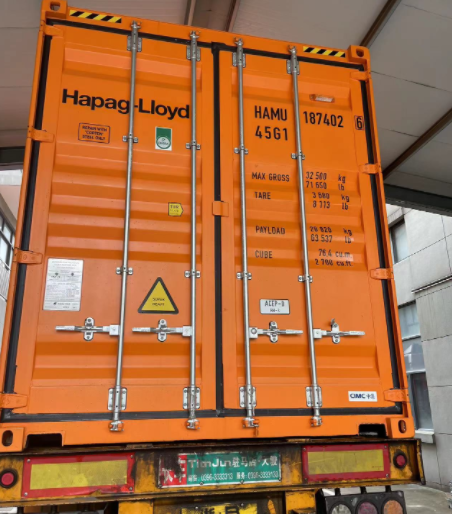
Are you wondering how much is shipping from China to Portugal and what factors determine the final cost? Navigating freight options, understanding customs regulations, and preparing the right shipping documents can seem overwhelming. In this comprehensive guide, we’ll break down everything you need to know about sea, air, and rail freight costs, essential paperwork, transit times, and practical strategies to help you reduce your shipping expenses effectively.
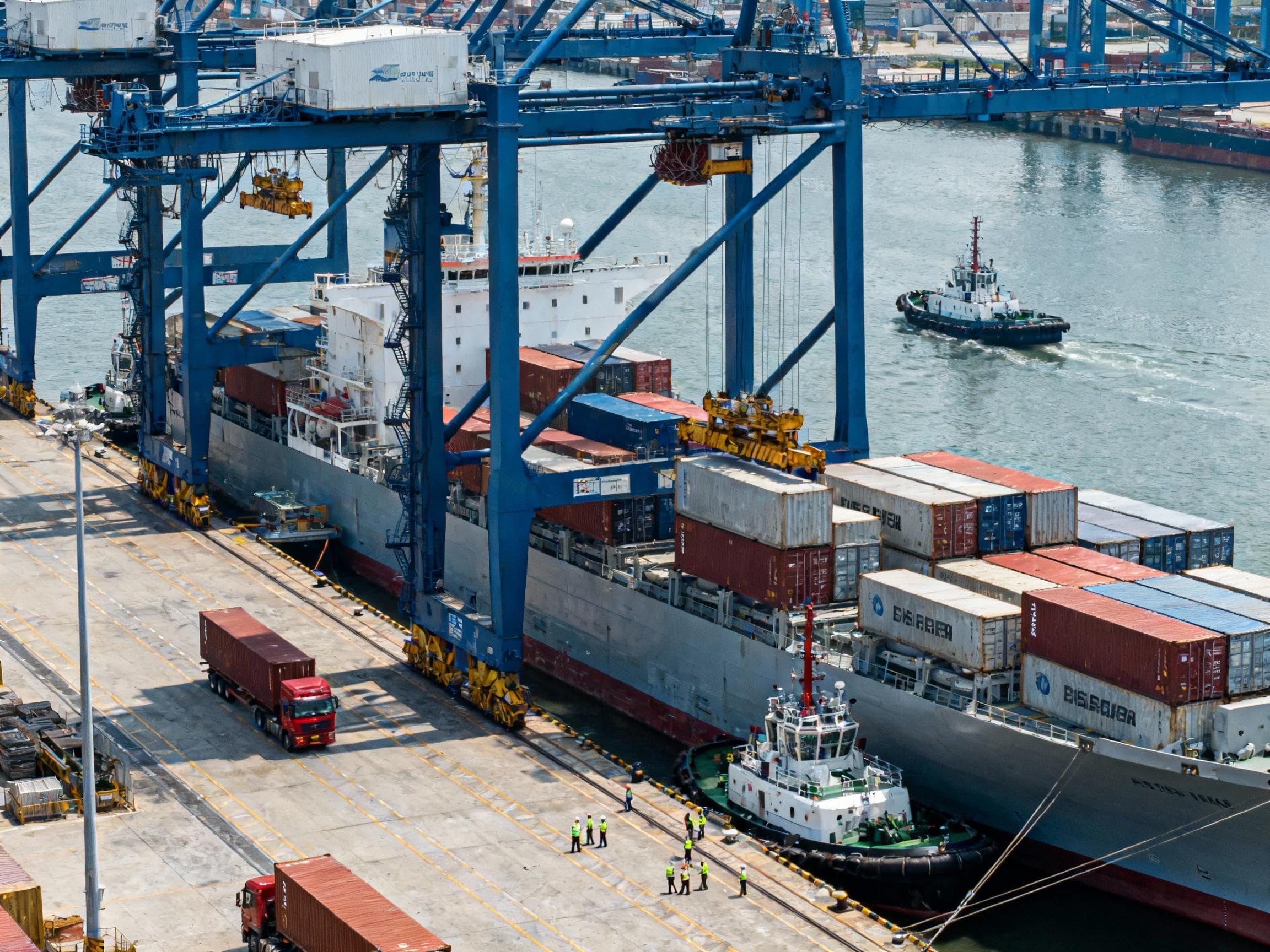
Key Factors Influencing Shipping Costs
When assessing how much is shipping from China to Portugal, it’s essential to understand that freight rates are not fixed. Multiple factors will influence the final shipping cost for your cargo. Below, I break down the primary elements that impact logistics expenses between China and Portugal:
- Shipping Mode: The transportation method—Sea Freight, Air Freight, or Rail Freight—determines baseline rates. Sea freight is generally most cost-effective for large shipments; air freight is fastest but pricier; rail can offer a balance between cost and transit time.
- Cargo Volume & Weight: Shipping rates often depend on the larger of volumetric or gross weight (for air freight) or on container size (for sea freight, e.g., 20ft and 40ft containers).
- Type of Goods: Dangerous, perishable, or high-value goods may require special handling, influencing rates due to regulatory requirements, extra packaging, or insurance needs.
- Origin & Destination Ports: Rates may vary depending on proximity to major Chinese ports (e.g., Shanghai, Shenzhen, Ningbo, Qingdao) and the destination port in Portugal (e.g., Port of Lisbon, Port of Leixões).
- Incoterms: The agreed delivery terms (such as FOB, CIF, DAP) define who pays for what along the logistics chain, affecting the total cost. For businesses considering all-in logistics, Delivered Duty Paid options—see our detailed DDP guide—may be relevant.
- Seasonality & Market Fluctuations: Peak shipping seasons (pre-Christmas, Chinese New Year), fuel prices, and global events can significantly alter freight rates.
- Customs Duties & Taxes: Import duties, VAT, and relevant charges in Portugal are crucial components of the landed cost.
- Additional Services: Door-to-Door delivery, Insurance, Warehousing, Customs Clearance, and Last-mile logistics will add to the overall expense.
By understanding these factors, businesses and individuals can better estimate and control their shipping budgets from China to Portugal.
Sea Freight Cost from China to Portugal
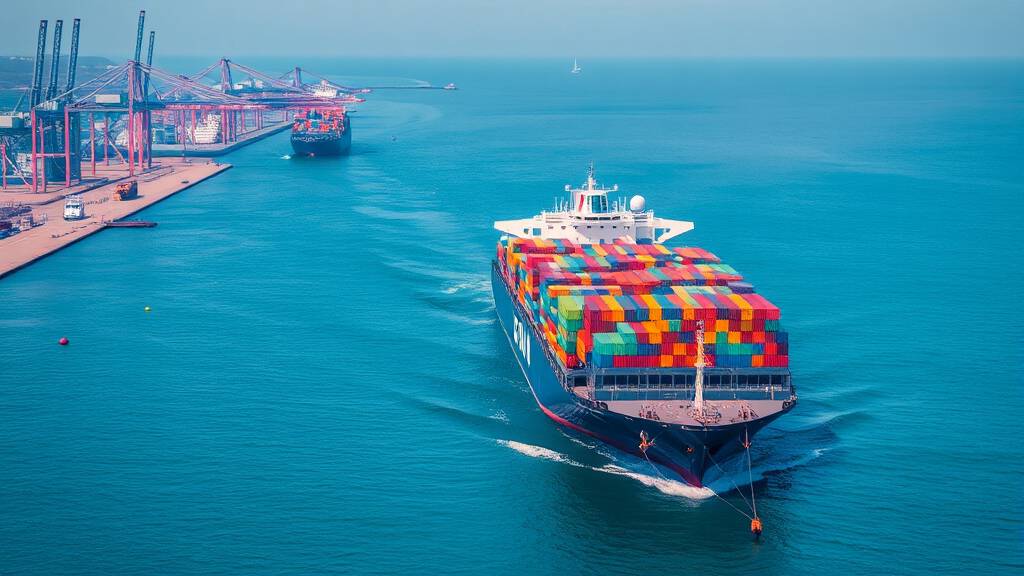
Sea freight is the most popular and cost-effective shipping method for moving large amounts of goods from China to Portugal. This route primarily serves business importers, manufacturers, and e-commerce sellers seeking to optimize logistics costs.
If you want to delve further into sea transport trends and best practices for European routes, see Sea Freight from China to Portugal for an in-depth analysis.
Below, I detail typical costs for standard 20ft and 40ft containers, alongside critical information to help you plan your shipping strategy.
Cost of 20ft Container Shipping from China to Portugal
The 20ft container (with a capacity of approximately 28CBM) is commonly used for small to medium-sized shipments. Pricing varies depending on the origin and destination ports, current market conditions, and freight forwarder services.
| Origin Port in China | Destination Port in Portugal | Estimated Cost (USD, FCL 20ft) | Transit Time (Days) |
|---|---|---|---|
| Shanghai | Lisbon | $2,100 – $2,700 | 28 – 35 |
| Shenzhen | Leixões | $2,200 – $2,900 | 29 – 36 |
| Ningbo | Lisbon | $2,150 – $2,750 | 28 – 34 |
| Qingdao | Lisbon | $2,250 – $2,950 | 30 – 37 |
Note: These are average market rates as of Q4 2025. Actual prices can fluctuate due to space availability, global supply chain disruptions, and seasonal surcharges.
Cost of 40ft Container Shipping from China to Portugal
The 40ft container (with a capacity of about 56CBM) is ideal for larger shipments. Using a 40ft container generally offers a better cost-per-cubic-meter ratio compared to a 20ft container.
| Origin Port in China | Destination Port in Portugal | Estimated Cost (USD, FCL 40ft) | Transit Time (Days) |
|---|---|---|---|
| Shanghai | Lisbon | $3,900 – $4,900 | 28 – 35 |
| Shenzhen | Leixões | $4,000 – $5,100 | 29 – 36 |
| Ningbo | Lisbon | $3,950 – $4,950 | 28 – 34 |
| Qingdao | Lisbon | $4,050 – $5,200 | 30 – 37 |
Additional Notes:
- LCL (Less than Container Load): If your cargo does not fill a container, you can opt for LCL shipping. Rates are calculated per cubic meter (CBM), typically ranging from $85–$135/CBM from major Chinese ports to Portugal. For an overview on LCL vs. FCL differences, check out LCL vs FCL Shipping: How to Choose the Right Option for Small Cargo.
- Surcharges: Remember, rates above usually cover only the ocean freight. Additional charges such as port fees, terminal handling charges, documentation, and customs clearance may apply.
Professional Recommendation
Choosing the right freight forwarder is crucial. At Dantful International Logistics, we leverage our comprehensive network and local expertise to provide transparent pricing, reliable schedules, and tailored sea freight solutions from China to Portugal. We support full container load (FCL), less-than-container load (LCL), OOG cargo, and consolidation services, ensuring you receive the most suitable and cost-effective options for your business.
The cost to ship from China to Portugal by sea depends mainly on the container size, origin and destination ports, and market conditions, with 20ft container rates starting around $2,100 and 40ft container rates starting around $3,900 as of 2025. For the most accurate and up-to-date quotation tailored to your specific needs, please contact Dantful International Logistics for a customized solution.
Air freight cost from China to Portugal per KG
When exporting from China to Portugal, air freight is the preferred mode for time-sensitive, high-value, or lightweight cargo. The cost per kilogram (KG) depends on several factors, including the origin airport in China, destination airport in Portugal (typically Lisbon Airport [LIS] or Porto Airport [OPO]), cargo volume/weight, nature of goods, and the service level (standard, express, or consolidated service).
Key Factors Affecting Air Freight Rates:
- Chargeable Weight: Airlines charge based on the greater of actual weight or volumetric (dimensional) weight.
- Type of Goods: Hazardous goods, batteries, or temperature-sensitive cargo may incur surcharges.
- Seasonality: Rates typically rise during peak seasons such as pre-Christmas or Chinese New Year.
- Service Type: Direct flights are faster but more expensive; transshipment via hubs (like Frankfurt or Madrid) may lower costs.
- Incoterms: Determines who pays for which part of the transport, affecting total landed cost.
Typical Air Freight Costs (2025 Q4 Reference Rates)
| Origin Airport | Destination Airport | Standard Rate (USD/kg) | Express Rate (USD/kg) | Transit Time (Days) |
|---|---|---|---|---|
| Shanghai (PVG) | Lisbon (LIS) | $5.00 – $7.50 | $7.50 – $11.00 | 2 – 5 |
| Shenzhen (SZX) | Lisbon (LIS) | $4.80 – $7.20 | $7.20 – $10.50 | 2 – 5 |
| Guangzhou (CAN) | Lisbon (LIS) | $4.90 – $7.30 | $7.30 – $10.80 | 2 – 5 |
| Beijing (PEK) | Porto (OPO) | $5.20 – $7.60 | $7.60 – $11.20 | 2 – 6 |
Note:
- These rates are for general cargo (non-hazardous, non-perishable), above 45kg per shipment.
- For cargo below 45kg or with special requirements, rates can be higher due to minimum charges and surcharges.
- Fuel surcharges, security fees, and destination delivery fees are usually additional.
Example Estimation (2025):
- Shipment: 100kg of electronics from Shenzhen to Lisbon
- Standard Air Freight: Estimated at $5.80/kg = $580 (excluding local charges and customs)
- Transit Time: 3–5 days (airport-to-airport)
Recommendation:
If your delivery window allows, consider consolidated air freight to lower per-KG costs. For urgent shipments, express services are available.
Dantful International Logistics specializes in tailored air freight solutions from China to Portugal, offering competitive rates, reliable space, and end-to-end tracking. Our team can advise on the best routes, help with customs clearance, and manage door-to-door delivery for your specific needs.
Rail freight cost from China to Portugal
Rail freight is an increasingly popular option for shipping between China and Europe, combining speed and cost efficiency. While rail links between China and Portugal involve several transits and may require trucking for the final delivery, this mode offers a compelling alternative for many shippers.
For those interested in other European rail solutions, see Rail Service From China to Europe for more on available multimodal services.
Rail Freight Features:
- Transit Time: Typically 18–25 days from major Chinese hubs to Western European rail terminals, with additional time for final delivery to Portugal.
- Cost: Lower than air freight, higher than sea freight, but with a much faster transit time compared to ocean shipping.
- Suitable Cargo: Electronics, textiles, consumer goods, machinery; typically LCL (Less than Container Load) or FCL (Full Container Load).
Typical Rail Freight Costs (2025 Q4 Reference Rates)
| Container Type | China Rail Hub (e.g. Wuhan, Chongqing, Xi’an) | Main Europe Arrival Terminal | Estimated Cost (USD) | Transit Time (Days) |
|---|---|---|---|---|
| 20ft FCL | Wuhan/Xi’an/Chongqing | Madrid, Spain | $7,000 – $8,500 | 18 – 22 |
| 40ft FCL | Wuhan/Xi’an/Chongqing | Madrid, Spain | $9,500 – $13,000 | 18 – 22 |
| LCL (per CBM) | Wuhan/Xi’an/Chongqing | Madrid, Spain | $250 – $350 per CBM | 18 – 22 |
Note:
- Portugal does not have a direct international rail terminal for China-Europe trains; freight typically arrives at Madrid or Valencia in Spain, then is trucked or re-railed to Lisbon, Porto, or other Portuguese destinations. Last-mile costs (~$800–$1,500 for FCL to Lisbon) should be considered.
- Rates can fluctuate with market demand, fuel prices, and rail capacity.
Example Estimation (2025):
- Shipment: 1x40ft container from Xi’an to Lisbon
- Rail Freight to Madrid: ~$11,000
- Trucking Madrid to Lisbon: ~$1,200
- Total Estimated Cost: $12,200 (door-to-door, excluding customs and local charges)
- Total Transit Time: ~20–24 days
Why Choose Rail Freight?
- Up to 50% faster than ocean freight, at only 60%–70% of the air freight cost.
- Provides reliable schedules and reduces carbon footprint.
- Especially suitable for medium-urgency shipments and goods needing more predictable transit than ocean shipping.
Dantful International Logistics offers complete end-to-end rail solutions from China to Portugal, managing customs, transshipment, inland delivery, and documentation. Our one-stop service ensures transparency, cost control, and compliance from origin to destination.
Read More:
- Shipping From China To Netherlands
- Shipping From China To Spain
- Shipping From China To Germany
- Shipping From China To France
- Shipping From China to Italy
- Shipping From China To Poland
- Shipping From China to United Kingdom
Customs Duties, Taxes, and Regulations in Portugal
When shipping from China to Portugal, understanding the local customs duties, taxes, and regulations is essential for smooth, cost-effective logistics. Portugal, as an EU member, follows the common customs policy of the European Union, but there are specific procedures and requirements you must consider to avoid delays or unexpected expenses.
1. Import Duties and VAT
All goods entering Portugal from China are subject to import duties, Value Added Tax (VAT), and potentially other fees. The duty rates depend on the type of goods, their declared value, and their HS (Harmonized System) Code.
| Type of Fee | Description | Typical Rate |
|---|---|---|
| Import Duty | Based on HS code and customs value (CIF: Cost + Insurance + Freight) | 0% – 14% (average: 4-8%) |
| VAT | Applied on CIF value + duty + other fees. Standard rate. | 23% (as of 2025) |
| Excise Duty | Additional tax on specific goods (alcohol, tobacco, etc.) | Variable |
| Customs Clearance Fee | Charged by customs broker or agent for handling the clearance process | €30 – €90 per shipment (approx.) |
Key points to note:
- HS code classification must be accurate. Incorrect codes can lead to fines or delays.
- VAT in Portugal is currently 23%. Certain categories may qualify for reduced VAT or exemptions.
- The CIF value (Cost, Insurance, and Freight) is the base for calculating duties and VAT.
- Some goods may require special licenses or comply with EU-specific regulations (CE marking, REACH, food safety, etc.).
2. Prohibited and Restricted Goods
Portugal abides by EU-wide restrictions and its own national rules. Common prohibited items include:
- Weapons and explosives
- Certain chemicals
- Counterfeit goods
- Protected wildlife and products (CITES regulations)
Restricted goods (allowed under license) include:
- Medicines and medical devices
- Food and agricultural products
- Electronics subject to radio frequency control
Always check the latest regulations or consult your freight forwarder before shipping sensitive items.
3. Importer of Record
The Importer of Record in Portugal is responsible for ensuring compliance, paying all applicable taxes, and submitting required documents. For most B2B shipments, the buyer acts as the importer. For DDP (Delivered Duty Paid) shipments, the shipper or agent may fulfill this role.
Portugal Customs Clearance & Documents Checklist
Ensuring all documentation is complete and compliant is crucial for fast and hassle-free customs clearance in Portugal. Below is an overview of required documents and tips for smooth processing.
Essential Shipping Documents
| Document | Purpose | Who Prepares |
|---|---|---|
| Commercial Invoice | Declares value, nature, and details of goods. Must match shipment and contract. | Exporter |
| Packing List | Details contents, dimensions, and packaging of each item. | Exporter |
| Bill of Lading / Air Waybill | Proof of carriage; essential for sea or air freight. Endorsed by carrier or forwarder. | Carrier/Freight Forwarder |
| Certificate of Origin | Sometimes needed for certain goods or when requested by Portuguese customs. | Exporter / Chamber of Commerce |
| Import License | Only for restricted items requiring government approval. | Importer |
| Insurance Certificate | Recommended for valuable shipments. Proof of coverage. | Exporter/Importer |
| Customs Declaration (SAD – Single Administrative Document) | Official EU form for customs clearance. | Broker/Agent |
Additional documents may include:
- Test reports or conformity certificates (for electronics, toys, food, etc.)
- Health or phytosanitary certificates (for food, plants, animal products)
- Power of attorney (if using a broker)
Customs Clearance Process in Portugal
- Arrival Notification: Carrier informs consignee or customs broker of cargo arrival at a Portuguese port (e.g., Port of Lisbon, Port of Leixões) or airport.
- Document Submission: Broker submits all required paperwork to Portuguese Customs (Autoridade Tributária e Aduaneira).
- Inspection: Goods may be inspected physically or via documents, depending on risk assessment and type of goods.
- Duty & Tax Payment: Importer pays any applicable duties, VAT, and fees.
- Release: Upon clearance, goods are released for delivery to the consignee.
Tips for Smooth Customs Clearance
- Accurate and complete documentation is critical. Inconsistencies cause delays and penalties.
- Ensure HS codes are correct and updated.
- Plan ahead for any special permits or certificates, especially for restricted goods.
- Work with an experienced freight forwarder knowledgeable in EU/Portugal regulations.
Strategies to Reduce Shipping Costs from China to Portugal
Reducing shipping costs is a top priority for businesses importing goods from China to Portugal. With the right approach, it’s possible to significantly optimize your logistics expenses while maintaining reliable delivery times and service quality. Below are actionable strategies, backed by industry best practices and market experience:
Choose the Most Cost-effective Shipping Mode
- Sea freight is typically the most economical choice for large or heavy shipments, especially for full container loads (FCL).
- LCL (Less than Container Load) is suitable for smaller volumes, but consolidating shipments with partners can further reduce per-unit costs.
- Air freight offers speed but comes at a premium; consider using it for high-value, time-sensitive, or light-weight goods.
- Rail freight can be a competitive alternative for certain cargo types, balancing cost and transit time. For more on the benefits and options, see Rail Freight.
Optimize Cargo Volume and Weight
- Utilize the full capacity of containers (e.g., 20ft: 28CBM, 40ft: 56CBM, 40HQ: 68CBM). The more efficiently you use container space, the lower your average shipping cost per unit.
- Avoid unnecessary packaging and reduce dead space inside cartons.
Plan Shipments Ahead and Avoid Peak Seasons
- Shipping rates often surge during peak periods (e.g., Chinese New Year, Golden Week, Christmas). Plan procurement and shipping schedules to avoid these times when possible.
- Book space in advance with your freight forwarder to secure better rates and avoid last-minute price hikes.
Leverage Consolidation Services
- If shipping less than a full container load, consider consolidated freight. This allows multiple shippers to share container space, distributing the costs and reducing your individual expense.
- Dantful International Logistics offers professional consolidation and warehousing services to optimize your shipments from different suppliers.
Negotiate with Reliable Freight Forwarders
- Partnering with an experienced freight forwarder like Dantful International Logistics often grants access to special contract rates, flexible solutions, and real-time market insights.
- Ask for customized quotes and compare overall service offerings, not just the headline rate.
Utilize Door-to-Door Services
- Opting for integrated door-to-door solutions can streamline handling, minimize hidden costs, and reduce risks associated with multiple handovers. For local expertise on this, see door to door shipping from China to Portugal.
Ensure Proper Customs Documentation
- Incomplete or incorrect documents lead to delays and extra charges. Always prepare a complete customs clearance file, including commercial invoices, packing lists, and certificates of origin.
- Engage in pre-clearance when possible to avoid port storage fees.
Invest in Cargo Insurance
- While insurance is an added cost, it protects you from financial losses in case of damage or loss. The right policy can save significant expenses in the event of unforeseen incidents.
Digitize and Track Your Supply Chain
- Use digital platforms to monitor shipments, forecast demand, and optimize procurement, which leads to better planning and cost management.
Summary Table: Cost-Reduction Strategies Overview
| Strategy | Suitable For | Potential Savings | Dantful Logistics Services |
|---|---|---|---|
| Full Container Load Optimization | Large shipments | High (per unit) | Sea Freight, Container Booking |
| Consolidation (LCL) | Small/medium loads | Moderate | LCL, Warehousing, Consolidated Freight |
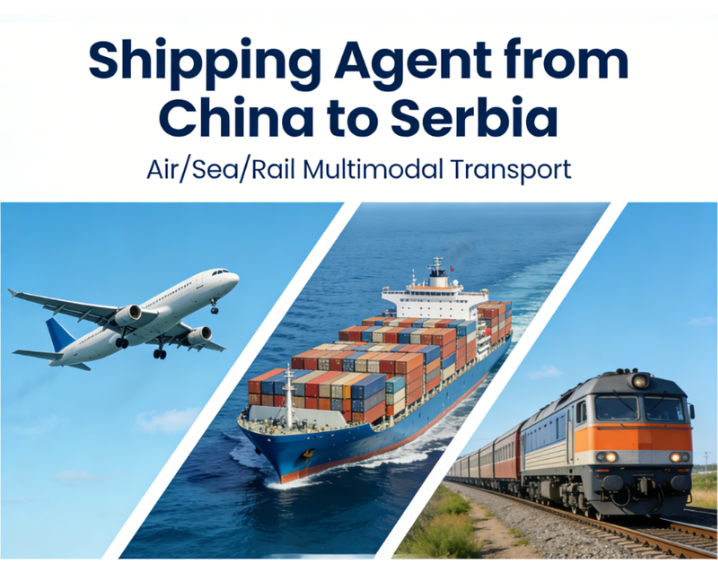
| Mode Selection (Sea/Air/Rail) | All volumes | Varies (by mode) | Multimodal Freight |
| Advance Planning | All businesses | Moderate | Space Booking, Schedule Planning |
| Custom Clearance Support | All shipments | Avoidance of penalties | Customs Clearance Service |
| Door-to-Door Logistics | SMEs, E-commerce | Process simplification | Door-to-Door, Last Mile Delivery |
By employing these strategies and working with a trusted partner such as Dantful International Logistics, you can maximize cost-efficiency, gain access to expert guidance, and ensure a smooth shipping experience from China to Portugal.
Transit Time from China to Portugal
Understanding transit times is essential for effective supply chain planning and customer satisfaction. The shipping duration between China and Portugal varies significantly depending on the chosen transport mode, origin and destination points, and the efficiency of customs clearance procedures.
If you would like to compare with neighboring countries, you may be interested in our overview for Shipping From China To Spain which outlines transit times and related logistics.
1. Sea Freight Transit Time
Sea freight is the most common and economical choice for shipping from China to Portugal. Transit times can vary based on the departure and arrival ports, as well as whether the shipment is direct or transshipped.
| Main China Port | Main Portugal Port | Estimated Transit Time (Days) | Route Notes |
|---|---|---|---|
| Shanghai | Lisbon | 30–38 | May involve transshipment in Europe |
| Shenzhen | Leixões | 32–40 | Sometimes routed via Rotterdam or Algeciras |
| Ningbo | Lisbon | 30–38 | |
| Qingdao | Lisbon | 33–41 |
Note: Port congestion, weather, and customs procedures can impact actual transit times. These are average durations as of Q4 2025.
2. Air Freight Transit Time
Air freight provides the fastest delivery times between China and Portugal.
| Main China Airport | Main Portugal Airport | Estimated Flight Time | Total Door-to-Door (Including Handling & Customs) |
|---|---|---|---|
| Shanghai PVG | Lisbon LIS | 14–16 hours (direct/1 stop) | 3–7 days |
| Guangzhou CAN | Porto OPO | 15–18 hours (with layover) | 4–8 days |
| Beijing PEK | Lisbon LIS | 14–17 hours (with layover) | 3–7 days |
Air freight is ideal for high-value, urgent, or time-sensitive shipments. Door-to-door timelines include pick-up, handling, flight, customs clearance, and final delivery.
3. Rail Freight Transit Time
Rail freight has become a viable alternative, especially for shipments from central or northern China.
| Main China Rail Hub | Main Portugal Destination | Estimated Transit Time (Days) | Route Notes |
|---|---|---|---|
| Xi’an | Lisbon | 20–25 | Via China-Europe Railway, with transshipment in Europe |
| Chongqing | Lisbon | 22–27 | Via Poland/Germany, then road to Portugal |
Rail freight combines speed and cost-effectiveness. It is suitable for large volumes that need faster delivery than sea freight but at a lower price point than air freight.
4. Door-to-Door Transit Time Overview
| Shipping Mode | Typical Transit Time (Door-to-Door) |
|---|---|
| Sea Freight | 35–45 days |
| Air Freight | 3–8 days |
| Rail Freight | 22–32 days |
Additional Factors Impacting Transit Time:
- Customs clearance efficiency at both Chinese and Portuguese ports/airports.
- Transshipment delays in major European hubs (e.g., Rotterdam, Hamburg).
- Weather conditions and holiday periods.
- Type of service (FCL/LCL, express, standard).
Pro Tip:
To ensure your cargo arrives on time, always plan shipments with a buffer for unforeseen delays and use real-time tracking tools. Dantful International Logistics provides end-to-end visibility and proactive communication throughout your supply chain.
By understanding and leveraging these transit time ranges, shippers can better manage inventory, production schedules, and customer commitments when importing from China to Portugal.
Essential Documentation for Smooth Shipments
When shipping goods from China to Portugal, having the right documentation is essential for smooth customs clearance and efficient logistics. Accurate and complete paperwork not only helps avoid delays and penalties but also ensures compliance with both Chinese export and Portuguese import regulations. Below is a comprehensive checklist of the most important documents required:
| Document Name | Description & Usage |
|---|---|
| Bill of Lading (B/L) | The key transport document for sea freight, issued by the carrier, serving as a contract of carriage and receipt of goods. For air shipments, an Air Waybill (AWB) is used instead. |
| Commercial Invoice | Issued by the seller, details transaction value and is vital for customs valuation and duty calculation in Portugal. |
| Packing List | Provides details of the shipment contents, including weight, dimensions, and packaging type. Essential for customs checks. |
| Certificate of Origin | Confirms the country where the goods are manufactured. May affect applicable tariffs under trade agreements. |
| Import/Export License | Certain products require special licenses or permits for export from China or import into Portugal. |
| Customs Declaration | Official declaration to Portuguese customs authorities for duty and tax assessment. |
| Insurance Certificate | Proof of insurance coverage during transit; highly recommended to mitigate risk. |
| Fumigation Certificate | Required for wooden packaging materials to confirm compliance with international quarantine standards. |
| Other Certificates | Depending on goods, might include quality inspection certificates, health certificates (for food/medicine), or product conformity documents. |
Tips for Document Preparation
- Double-check that all information (product descriptions, quantities, HS codes) is consistent across documents.
- Electronic documentation and digital signatures are increasingly accepted, speeding up customs processes.
- Collaborate closely with your freight forwarder—like Dantful International Logistics—to ensure all documents are correctly prepared and submitted on time. Our experienced team can guide you through the paperwork, reducing the risk of mistakes and customs issues.
- Retain copies of all documents for record-keeping and post-shipment queries.
Choosing the Right Freight Forwarder for Your Needs
Selecting a reliable and experienced freight forwarder is crucial to achieving cost-effective, timely, and compliant shipments from China to Portugal. Here’s what to consider:
Key Criteria to Evaluate
| Criteria | Why It Matters |
|---|---|
| Expertise & Experience | Look for forwarders with proven knowledge in the China–Portugal route and various transport modes (sea, air, rail). |
| Service Scope | Comprehensive services—such as door-to-door, customs clearance, warehousing, insurance, and multimodal solutions—offer convenience and integration. |
| Network & Partnerships | Strong global networks and local partnerships in both China and Portugal ensure smooth coordination throughout the supply chain. |
| Transparent Pricing | Reputable forwarders provide clear, upfront quotations without hidden fees. |
| Compliance & Certification | Accredited by recognized industry bodies (such as FIATA, NVOCC) and up-to-date on international regulations. |
| Customer Support | Responsive support and clear communication are vital for resolving issues quickly. |
| Technology Capabilities | Real-time tracking, digital documentation, and online management improve visibility and control. |
| References & Reviews | Check for client testimonials, reviews, and references, especially from similar industries. |
Why Choose Dantful International Logistics?
As a global logistics leader, Dantful International Logistics stands out for its professionalism, competitive pricing, and comprehensive one-stop solutions. We offer:
- Sea Freight, Air Freight, Rail Freight, Road Freight, Amazon FBA logistics, Warehousing, Customs Clearance, Insurance, Door-to-Door, OOG Freight, Consolidated Freight, Breakbulk Freight, and more.
- Deep expertise with China-to-Europe shipments and a dedicated team in both China and Portugal.
- End-to-end service tailored to your business needs, from small parcels to full containers.
- Advanced supply chain digitalization and 24/7 customer support.
Partnering with Dantful International Logistics ensures your shipments are handled with care, compliance, and efficiency, optimizing both costs and transit times.
FAQs
How much does it cost to ship from China to Portugal?
Shipping costs depend on several factors: shipping method (sea freight, air freight, rail freight), cargo type, volume, weight, and the origin/destination ports. As of Q4 2025, here’s a general estimate:
| Shipping Method | Example Route | Cost (USD, Estimate) |
|---|---|---|
| Sea Freight (FCL) | Shanghai to Lisbon (20ft) | $2,200 – $2,800 per 20ft container |
| Sea Freight (FCL) | Shanghai to Lisbon (40ft) | $3,400 – $4,100 per 40ft container |
| Sea Freight (LCL) | Shanghai to Lisbon | $60 – $90 per CBM |
| Air Freight | Shanghai to Lisbon | $5.50 – $8.00 per kg |
| Rail Freight | Yiwu to Madrid/Lisbon | $4,000 – $4,900 per 40ft container |
Rates fluctuate due to fuel surcharges, peak seasons, and market demand. For a precise quote, contact Dantful International Logistics with your cargo details.
How long does it take to ship from China to Portugal?
Transit time varies by shipping method and route:
| Shipping Method | Typical Transit Time |
|---|---|
| Sea Freight | 25 – 35 days (port to port) |
| Air Freight | 3 – 7 days (airport to airport) |
| Rail Freight | 18 – 22 days (terminal to terminal) |
Door-to-door delivery may add extra days for local transport or customs clearance.
What is the cheapest way to ship from China to Europe?
Sea freight is generally the most cost-effective mode for large or heavy shipments. LCL (Less than Container Load) is suitable for smaller volumes. For smaller, urgent parcels, air freight is faster but more expensive. Rail freight offers a balance between speed and cost for certain routes.
How do ships travel from China to Europe?
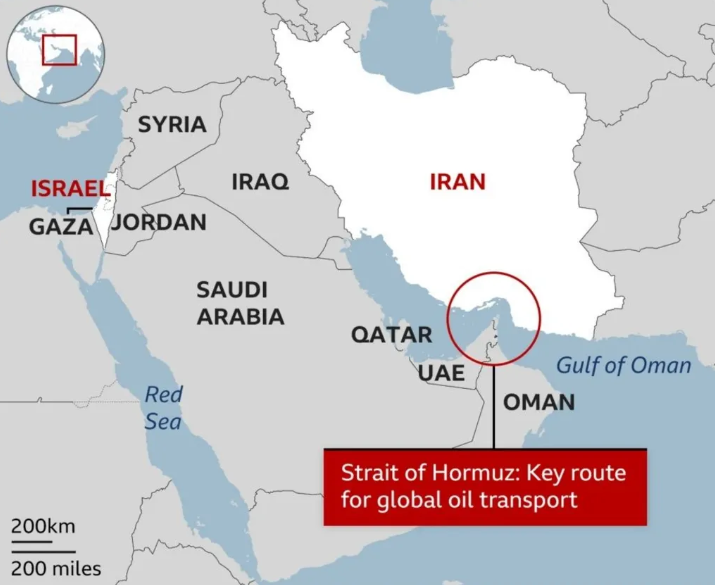
Ships from China to Europe and Portugal typically transit the South China Sea, pass through the Malacca Strait, cross the Indian Ocean, enter the Suez Canal, and reach the Mediterranean Sea before arriving at European ports such as Lisbon or Leixões.
How long should a delivery from China take?
Delivery time depends on shipping mode, origin/destination, and customs processing. For door-to-door:
- Sea freight: 30 – 40 days
- Air freight: 5 – 10 days
- Rail freight: 20 – 25 days
How long is a shipment flight from China?
A direct air freight flight from a major Chinese airport (e.g., Shanghai Pudong) to Lisbon takes around 14 – 16 hours of flight time. However, when including handling, customs, and possible transshipments, the total transit time is typically 3 – 7 days.
For tailored advice and a free quote on shipping from China to Portugal, contact Dantful International Logistics. Our team provides reliable, professional, and transparent logistics solutions, ensuring your goods arrive safely, on time, and at optimal cost.

Young Chiu is a seasoned logistics expert with over 15 years of experience in international freight forwarding and supply chain management. As CEO of Dantful International Logistics, Young is dedicated to providing valuable insights and practical advice to businesses navigating the complexities of global shipping.