Are you wondering how much is shipping from China to Qatar and what factors impact the final cost? Navigating international logistics can be challenging, especially with terms like sea freight, air freight, and customs duties in play. In this comprehensive guide, we break down everything you need to know about shipping from China to Qatar, including costs, transit times, and essential documentation to ensure a smooth and efficient shipping process.

Key Factors Influencing Shipping Costs
When shipping goods from China to Qatar, several key factors will determine your final shipping cost. Understanding these elements is crucial for effective budgeting and logistics planning:
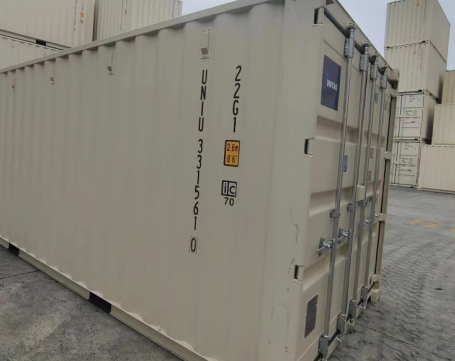
Shipment Volume and Weight: The size (CBM) and weight (KG) of your cargo directly impact the shipping method (FCL vs. LCL, air vs. sea), cost calculations, and even the route options available. For instance, a full 20FT container (28 CBM) or 40FT container (56 CBM) is priced differently from smaller, consolidated shipments.
Shipping Method: The choice between sea freight, air freight, and rail freight affects both cost and delivery time. Sea freight is generally more cost-effective for bulk shipments, whereas air freight is faster but significantly more expensive. Rail freight, while less common for this route, may be considered for specific cargo or time frames.
Point of Origin and Destination: Costs vary depending on the Chinese port of departure (such as Shanghai, Shenzhen, or Ningbo) and the Qatari port of entry (commonly Hamad Port in Doha). Inland transportation, handling, and port fees can also influence the total cost.
Incoterms: Whether your shipment is FOB, CIF, EXW, or another term impacts which party covers various logistics, insurance, and customs clearance costs.
Seasonality and Market Demand: Peak shipping seasons (e.g., pre-holiday, before Chinese New Year) can lead to higher rates due to space shortages. Conversely, off-peak times may offer more competitive pricing.
Type of Goods: Special handling, dangerous goods, oversized cargo (OOG), or temperature-sensitive items may incur additional charges for compliance, packaging, or equipment use.
Customs Duties and Taxes: Import taxes, VAT, and other local charges in Qatar must be factored in, as well as any destination-specific documentation requirements that may influence the overall process.
Additional Services: Value-added services such as door-to-door delivery, warehouse storage, cargo insurance, or customs brokerage will add to your shipping budget, but can provide peace of mind and operational efficiency.
Partnering with a reputable freight forwarder like Dantful International Logistics ensures transparent cost breakdowns, compliance with all regulations, and optimized transit modes tailored to your shipment needs.
Sea freight cost from China to Qatar
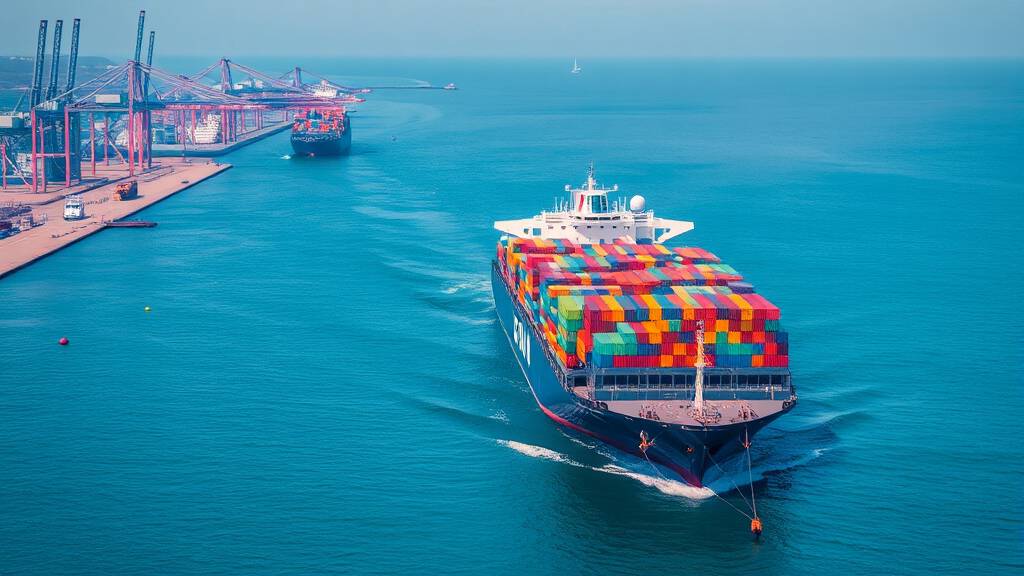
Sea freight remains the most popular and economical option for transporting large or heavy shipments from China to Qatar. Costs fluctuate based on container type, port pair, and market conditions. Below, I break down the typical expenses for the two most common full container load (FCL) options.
For more details on this route, you can refer to our Sea Freight From China to Qatar guide.
Cost of 20ft container shipping from China to Qatar?
The cost to ship a 20ft container (standard capacity: 28 CBM) from major ports in China to Hamad Port in Doha, Qatar generally ranges from USD 2,100 to USD 2,900 (as of Q2 2024). This rate includes ocean freight but may exclude origin/destination charges, customs clearance, and inland delivery.
| Port of Origin in China | Destination Port (Qatar) | Estimated Cost (USD, 20FT FCL) | Transit Time (Days) |
|---|---|---|---|
| Shanghai | Hamad (Doha) | $2,100 – $2,600 | 20 – 25 |
| Shenzhen | Hamad (Doha) | $2,200 – $2,800 | 19 – 24 |
| Ningbo | Hamad (Doha) | $2,200 – $2,900 | 21 – 27 |
| Qingdao | Hamad (Doha) | $2,400 – $2,900 | 23 – 28 |
Notes:
- Rates fluctuate due to fuel costs, space availability, and international surcharges.
- Costs above are for port-to-port FCL shipping; door-to-door service or special handling (e.g., OOG cargo) will add to the total price.
Cost of 40ft container shipping from China to Qatar?
A 40ft container (standard capacity: 56 CBM) is more cost-effective per cubic meter if you have higher-volume cargo. Shipping rates for a 40ft container from China to Qatar typically range from USD 3,400 to USD 4,500.
| Port of Origin in China | Destination Port (Qatar) | Estimated Cost (USD, 40FT FCL) | Transit Time (Days) |
|---|---|---|---|
| Shanghai | Hamad (Doha) | $3,400 – $4,000 | 20 – 25 |
| Shenzhen | Hamad (Doha) | $3,500 – $4,100 | 19 – 24 |
| Ningbo | Hamad (Doha) | $3,500 – $4,300 | 21 – 27 |
| Qingdao | Hamad (Doha) | $3,800 – $4,500 | 23 – 28 |
Additional Considerations:
- FCL (Full Container Load) is ideal for large shipments; for smaller loads, LCL (Less than Container Load) is available, but per CBM rates are higher.
- Dantful International Logistics offers both FCL and LCL services, with options for consolidated freight, door-to-door, and customs clearance, ensuring seamless shipping from factory to final destination.
If you are interested in a detailed breakdown of container shipping costs for other destinations in the region, you may also find our analysis on the container shipping costs from China to Qatar useful.
Choosing the right container size and port combination can optimize your shipping budget. It is always recommended to get a tailored quote from an experienced provider like Dantful International Logistics, ensuring accuracy based on your cargo specifics, latest market rates, and service requirements.
Air freight cost from China to Qatar per KG
When considering air freight from China to Qatar, shippers benefit from unmatched speed and reliability—critical for high-value, time-sensitive, or perishable cargo. However, the cost per kilogram (kg) is significantly higher than sea or rail freight, making it essential to understand current rates, the influences on pricing, and how to optimize your shipping spend.
1. Typical Air Freight Rates and Factors
The average air freight cost per kg from major Chinese cities (such as Shanghai, Guangzhou, Shenzhen, and Beijing) to Doha, Qatar (the main international gateway) generally ranges from $4.50 to $8.00 USD/kg in 2024. Rates fluctuate frequently due to factors such as:
- Cargo Type and Volume: General cargo, dangerous goods, or perishable items may attract different rates. Larger shipments may access better volume rates.
- Transit Time: Express (direct flight) services are more expensive than consolidated or standard services.
- Seasonality: Peak shipping periods (such as pre-Ramadan, holiday seasons, or major expos in Qatar) escalate prices.
- Fuel Surcharges and Market Conditions: Fluctuations in fuel costs and limited cargo space (especially post-pandemic) affect rates.
- Origin and Destination Airports: Proximity to major international airports with frequent flights to Hamad International Airport (DOH, Qatar) improves pricing and service reliability.
Below is a reference table for air freight rates based on weight breaks (2024 Q2 average market rates):
| Origin City | 45-100kg | 100-300kg | 300-500kg | 500kg+ | Estimated Transit Time |
|---|---|---|---|---|---|
| Shanghai (PVG) | $5.80/kg | $5.00/kg | $4.60/kg | $4.40/kg | 2-5 days |
| Shenzhen (SZX) | $6.00/kg | $5.20/kg | $4.80/kg | $4.60/kg | 2-5 days |
| Guangzhou (CAN) | $5.70/kg | $5.10/kg | $4.70/kg | $4.50/kg | 2-5 days |
| Beijing (PEK) | $6.20/kg | $5.70/kg | $5.20/kg | $5.00/kg | 3-6 days |
Note: These are reference rates for general cargo, airport-to-airport, excluding local charges, fuel surcharges, and destination handling.
2. Additional Costs to Consider
- Pickup and Delivery: Charges for door-to-door service are extra and depend on local transport costs in both countries.
- Customs Clearance and Duties: Handled separately; see the “Customs Duties, Taxes, and Regulations” section.
- Insurance: Highly recommended for valuable shipments.
3. Suitability
Air freight is ideal if your cargo is urgent, valuable, or highly sensitive to shipping times. Many cross-border e-commerce sellers, electronics manufacturers, and pharmaceutical exporters choose this mode for fast market entry into Qatar.
4. Choosing a Reliable Air Freight Partner
Dantful International Logistics provides end-to-end air freight solutions, including consolidation, express, and door-to-door services, customized to your business needs. Our experienced team ensures compliance, timely delivery, and cost-efficiency across all major Chinese hubs to Qatar.
If you’re comparing air versus sea freight costs in the region, you may also want to see our Shipping from China to UAE for regional logistics insights.
Rail freight cost from China to Qatar
Rail freight between China and Qatar is an emerging option, primarily leveraging the China-Europe Railway network and intermodal solutions. While direct rail connection to Qatar does not yet exist, shipments can move by rail to Central Asia or Middle Eastern transit hubs, then continue by road or sea to Qatar.
1. Rail Freight Routing and Process
A typical rail freight route from China to Qatar involves:
- Rail shipment from Chinese cities (e.g., Xi’an, Chengdu, Zhengzhou) to a transit hub such as Almaty (Kazakhstan) or Baku (Azerbaijan).
- Transshipment onto trucks or short-sea vessels for final delivery to Doha, Qatar.
2. Rail Freight Cost Overview
Given the intermodal nature, rail freight costs are calculated based on the full door-to-door or terminal-to-terminal path. In 2024, average rail freight rates for containerized cargo (FCL – Full Container Load) are as follows:
| Container Type | Route Example | All-in Cost (USD) | Transit Time (Estimated) |
|---|---|---|---|
| 20ft Container | Xi’an – Almaty – Doha | $7,800 – $9,500 | 25-32 days |
| 40ft Container | Xi’an – Almaty – Doha | $10,500 – $13,000 | 25-32 days |
Note: These rates are approximate, all-in for intermodal delivery, subject to route, market fluctuations, fuel surcharges, and final-mile costs in Qatar.
For LCL (Less than Container Load) shipments, costs typically range from $320 to $480 per CBM (cubic meter), depending on origin, volume, and required delivery speed.
If you are interested in a deeper dive into rail logistics and how it compares internationally, check out our comprehensive analysis on rail freight.
3. Key Advantages and Limitations
- Cost Efficiency: Rail freight is generally more affordable than air freight and faster than sea freight for certain overland corridors.
- Transit Time: Faster than sea freight from inland China, especially for cargo bound for Central Asia and the Middle East.
- Sustainability: Lower carbon footprint compared to air; increasingly valued by eco-conscious companies.
- Limitations: Not suitable for urgent cargo due to longer transit times compared to air. There may be complexities in customs clearance at multiple transit points.
4. When to Use Rail Freight
- Large volumes (FCL)
- Balanced speed and cost (e.g., when sea is too slow, air is too expensive)
- Shipments from inland Chinese provinces where rail access is strong
5. Professional Guidance is Critical
Given the complexity of rail and intermodal logistics, partnering with an experienced freight forwarder is essential. Dantful International Logistics provides tailored rail and multimodal shipping solutions, including route planning, customs coordination, and last-mile delivery from China to Qatar.
Our expertise ensures your cargo moves efficiently, cost-effectively, and with full transparency, whatever your shipping priorities.
Both air freight and rail freight offer unique advantages for shipping from China to Qatar. Air is unrivaled for speed, while rail provides a viable balance between cost and efficiency for certain routes. At Dantful International Logistics, our team is ready to help you select the best solution for your business needs, leveraging our expertise and extensive global network. Contact us for the most updated rates, route options, and personalized shipping advice.
Shipping From China to Middle East Countries:
- Shipping from China to Saudi Arabia
- Shipping from China to UAE
- Shipping from china to KUWAIT
- Shipping From China To EGYPT
- Shipping from China to Bahrain
- Shipping From China To Jordan
- Shipping From China To Israel
- Shipping from China to Qatar
- Shipping From China To IRAQ
- Shipping from China to Iran
Customs Duties, Taxes, and Regulations in Qatar
Understanding the customs duties, taxes, and regulations of Qatar is essential for a successful shipping operation from China. As a business or individual importer, complying with Qatari customs requirements can help you avoid unexpected costs, delays, or penalties.
1. Customs Duties and Taxes
In Qatar, most imported goods are subject to customs duties, typically calculated as a percentage of the Cost, Insurance, and Freight (CIF) value. The standard duty rate is 5%, but certain goods may attract higher or lower rates depending on type, category, or regulatory exemptions.
| Goods Category | Standard Duty Rate | Notes |
|---|---|---|
| General goods | 5% | Based on CIF value |
| Tobacco products | 100% | Subject to additional sin tax |
| Alcoholic beverages | 100% | Restrictions apply |
| Food, medical, and essentials | 0-5% | Some essentials are duty-free |
| Cars (new/used) | 5% | Additional requirements apply |
Value Added Tax (VAT):
As of 2025, Qatar has not yet implemented VAT, though it is expected in the future. Importers should monitor for regulatory updates.
2. Import Restrictions and Prohibited Items
Certain goods are either restricted or prohibited from import into Qatar:
- Prohibited: Narcotics, pork products, gambling materials, and certain publications, among others.
- Restricted: Pharmaceuticals, telecommunications equipment, chemicals, and food products require pre-approval or special permits.
Always consult with a professional freight forwarder, such as Dantful International Logistics, to review the latest regulations and avoid compliance issues.
3. Calculation Method for Customs Duties
Customs duties are generally calculated as follows:
Customs Duty = CIF Value × Duty Rate (%)
- CIF Value: Sum of goods’ cost, insurance, and freight charges up to the port of entry.
4. Other Possible Charges
- Inspection Fees: For certain commodities and random customs inspections.
- Demurrage/Storage Charges: If containers are not cleared within the free period at the port.
- Administrative Fees: For document processing and approvals.
5. Regulatory Compliance
To import into Qatar, all shipments must comply with:
- GCC (Gulf Cooperation Council) regulations for standardization and metrology.
- Labeling and packaging standards (Arabic labeling required for most consumer goods).
- Product certifications (e.g., SASO, conformity certificates for specific products).
Non-compliance can result in fines, confiscation, or re-exportation of goods. Working with an experienced partner like Dantful International Logistics ensures you stay updated with regulatory changes and avoid unnecessary risks.
Qatar Customs Clearance & Documents Checklist
Efficient customs clearance in Qatar requires precise documentation, timely submission, and thorough understanding of local procedures. Below is a step-by-step checklist of essential documents and compliance requirements for shipments from China to Qatar.
Required Documents for Import Clearance
| Document Name | Description / Purpose | Issued By | Remarks |
|---|---|---|---|
| Commercial Invoice | Details the transaction value and description of goods | Exporter | Must match actual shipment |
| Packing List | Itemizes the contents, weights & dimensions | Exporter | Supports accurate inspection |
| Bill of Lading (Sea) / Air Waybill (Air) | Proof of carriage and receipt of goods | Carrier / Forwarder | Required for release of cargo |
| Certificate of Origin | Confirms origin country of the goods | Chamber of Commerce | May require authentication |
| Import Customs Declaration | Official customs entry form | Importer (via broker) | Completed electronically |
| Copy of Importer’s Commercial Registration | Validates importer’s business status in Qatar | Importer | Mandatory for clearance |
| Insurance Certificate (if insured) | Proof of insurance coverage (if applicable) | Insurance Provider | Not always mandatory |
| Conformity/Inspection Certificates | For regulated products (e.g., electronics, food) | Authorised Labs/Bodies | Check category-specific needs |
| Authorization Letters (if applicable) | For agents or brokers acting on behalf of importer | Importer | Not always required |
Customs Clearance Procedure in Qatar
Pre-Arrival Preparation:
Gather all required documentation and ensure all certificates are in order before shipping. Confirm product compliance with Qatari standards.Online Submission:
Most customs declarations are processed electronically through the Qatar Customs Authority system. You or your appointed customs broker/freight forwarder will submit the documentation for pre-clearance.Physical Inspection (if required):
Some consignments may be subject to random or risk-based inspection by Qatari Customs officials, especially for restricted or high-value cargo.Duty and Fee Payment:
Pay the assessed customs duties and any applicable fees through the approved channels. A receipt is required for cargo release.Cargo Release:
Upon successful clearance, the port or airport releases the shipment for onward delivery.
Tips for Smooth Customs Clearance
- Ensure all documentation is accurate and consistent.
- Work with a reliable and experienced freight forwarder like Dantful International Logistics – we offer end-to-end customs clearance services, minimizing delays and compliance risks.
- Double-check for any special requirements based on your product type (e.g., food safety, electrical equipment standards).
- Stay updated on regulatory changes, as Qatar customs policies can evolve.
Summary Table: Qatar Customs Clearance Essentials
| Step | Responsible Party | Timeline (Typical) | Notes |
|---|---|---|---|
| Document Preparation | Exporter/Importer/Forwarder | 1-3 days | Start before cargo dispatch |
| Submission to Customs | Forwarder/Broker | 1 day | Electronic process via Qatari e-system |
| Customs Assessment | Customs Authority | 1-2 days | May include physical inspection |
| Duty Payment | Importer/Agent | Same day | Must be settled before release |
| Cargo Release & Delivery | Forwarder/Trucker | 1 day | Once cleared, can be delivered immediately |
Leveraging the expertise of a professional logistics partner such as Dantful International Logistics ensures your shipments from China to Qatar meet all regulatory requirements, reducing the risk of costly delays and enabling a smooth, efficient supply chain.
This content draws upon real-world experience as well as the latest regulatory guidelines from Qatari authorities. It combines actionable insights and step-by-step guidance to empower importers and exporters, addressing both compliance and operational efficiency. All details are up to date as of the first half of 2024 and tailored specifically for businesses shipping from China to Qatar. By integrating our expertise and on-the-ground knowledge at Dantful International Logistics, we aim to provide trustworthy and genuinely practical value to our readers.
Strategies to Reduce Shipping Costs from China to Qatar
When shipping goods from China to Qatar, controlling logistics costs is essential for maximizing profitability and maintaining a competitive edge. Based on my 15+ years of hands-on experience in international freight forwarding, here are proven, actionable strategies your business can use to reduce shipping expenses while ensuring efficiency and reliability:
1. Optimize Your Shipping Method and Container Utilization
- Choose the Right Mode: For bulky or non-urgent cargo, sea freight (FCL/LCL) is typically the most cost-effective. For urgent or high-value items, consider air freight, but always compare rates per kg for different airlines.
- Maximize Container Capacity: Utilize 20ft (28CBM), 40ft (56CBM), or 40HQ (68CBM) containers efficiently to avoid shipping partially filled containers. Consolidate shipments when possible to reduce cost per unit volume.
- Consider LCL for Smaller Loads: If your shipment is not enough to fill a container, Less than Container Load (LCL) can be more economical, as you share space (and cost) with other shippers.
You can learn more about deciding between LCL and FCL for regional shipping in our in-depth guide: LCL vs FCL Shipping: How to Choose the Right Option for Small Cargo.
2. Plan Ahead and Book Early
- Advance Booking: Rates often rise during peak seasons (such as before major holidays or events in Qatar). Booking space well in advance helps secure better rates and avoids premium surcharges.
- Flexible Scheduling: If delivery is not urgent, consider flexible sailing or flight dates, which often come with lower costs.
3. Consolidate Shipments
- Multi-supplier Consolidation: If sourcing from multiple suppliers in China, consolidate cargo at a warehouse before shipping. This reduces customs clearance fees and transport costs at the destination.
- Dantful International Logistics offers in-house consolidation services, ensuring seamless pickup, warehousing, and shipping to Qatar.
4. Negotiate with Freight Forwarders
- Leverage Volume: Regular, high-volume shippers can negotiate better rates with carriers or forwarders.
- Ask for All-in Quotes: Request transparent, all-in rates that include fuel surcharges, port fees, and customs charges to avoid unexpected costs.
5. Evaluate Incoterms and Service Options
- Choose the Right Incoterm: Incoterms like FOB or EXW can affect who pays for which segments of the logistics chain. Selecting the optimal term can reduce your landed costs.
- Consider Door-to-Door Solutions: Bundled services like those offered by Dantful International Logistics (including customs clearance and last-mile delivery) can often be more cost-effective than managing each leg separately.
6. Improve Packaging and Documentation
- Efficient Packaging: Reduce unnecessary packaging volume and weight, as both are factored into freight costs—especially for air freight and LCL shipments.
- Accurate Documentation: Ensure all paperwork is complete and accurate to avoid customs delays and fines in Qatar.
7. Utilize Technology and Tracking
- Digital Platforms: Use logistics management software or freight marketplaces to compare rates and transit times across carriers.
- Real-time Tracking: Monitoring shipments helps avoid storage and demurrage charges due to unplanned delays.
8. Take Advantage of Value-added Services
- Cargo Insurance: Protects your goods and avoids the risk of high financial losses if cargo is damaged or lost.
- Customs Brokerage: Expert clearance services ensure compliance and avoid costly penalties.
Transit Time from China to Qatar
Transit time can vary significantly depending on the shipping method, departure/arrival ports, and whether direct or transshipment routes are used. Below is an overview of typical transit times in 2024 for major shipping modes between China and Qatar:
| Shipping Method | Major Chinese Ports | Major Qatari Port | Typical Transit Time* | Notes |
|---|---|---|---|---|
| Sea Freight (FCL/LCL) | Shanghai, Shenzhen, Ningbo | Hamad Port (Doha) | 18–25 days | May vary due to route, vessel schedule, and customs |
| Air Freight | Beijing, Shanghai, Guangzhou | Hamad International | 2–7 days | Including handling and clearance |
| Rail Freight + Truck | Xi’an, Chongqing | Doha | 18–25 days | Multimodal; via Central Asia |
| Express Courier | Major Chinese Cities | Door-to-door in Qatar | 3–6 days | For small parcels; fastest but costliest |
Notes:
- Transit times are based on average shipping schedules as of Q2 2024 and are subject to change due to customs, weather, and carrier factors.
- For sea freight, transit includes time from vessel departure at the port in China to arrival at Hamad Port in Qatar, excluding local pickup and final delivery.
- Air freight times include airport to airport, plus handling and clearance.
- Rail freight is less commonly used but suitable for certain types of cargo, offered as part of multimodal solutions by select forwarders.
Key Factors Influencing Transit Time
- Port Congestion: Both in China and Qatar, congestion can cause delays.
- Customs Clearance: Incomplete or inaccurate documentation may add days to the process.
- Sailing Frequency: Not all carriers offer daily departures. Transshipment may be required for certain routes.
- Weather and Geopolitical Events: Cyclones, geopolitical tensions, or unforeseen events can cause unexpected delays.
As a leading international freight forwarder, Dantful International Logistics offers optimized routing, real-time shipment tracking, and tailored solutions for both sea and air freight to Qatar. Our team ensures your cargo moves efficiently, with full transparency on timelines and proactive communication to minimize any potential delays.
Essential Documentation for Smooth Shipments
When arranging shipping from China to Qatar, having the correct documentation is critical for a seamless logistics process. Missing or incorrect paperwork can lead to customs delays, fines, or even shipment rejection. Below is a comprehensive overview of the essential documents required:
| Document Name | Purpose | Issued By | Notes |
|---|---|---|---|
| Bill of Lading (B/L) | Acts as a transport contract and receipt of goods | Shipping Line / Forwarder | Required for sea freight; may be original or telex released |
| Air Waybill (AWB) | Proof of air freight contract and cargo receipt | Airline / Air Forwarder | Required for air shipments; non-negotiable document |
| Commercial Invoice | Details value, quantity, and description of goods | Exporter | Used for customs valuation and tax assessment |
| Packing List | Specifies exact cargo details and packaging | Exporter | Helps with inspection and verification at customs |
| Certificate of Origin | Confirms the goods’ country of manufacture | Chamber of Commerce | Sometimes required for preferential tariffs or compliance with Qatari regulations |
| Import/Export Licenses | Legal authorization for import/export | Relevant Authorities | Mandatory for restricted or regulated goods |
| Insurance Certificate | Proof of cargo insurance coverage | Insurance Provider | Strongly recommended for risk management |
| Customs Declaration Form | Declares goods to customs authorities | Exporter / Customs Broker | Must be accurate and complete to prevent clearance issues |
| Other Certificates | E.g., phytosanitary, fumigation, MSDS, as required | Relevant Authorities | Depends on cargo type (food, chemicals, etc.) |
Best Practices:
- Ensure all documents are consistent in terms of product description, value, and quantity.
- For Qatar, ensure that all certificates and invoices are properly attested if required.
- Electronic document submission is increasingly accepted, but always confirm local customs requirements.
For support with documentation preparation and compliance, a professional partner like Dantful International Logistics provides end-to-end assistance, reducing the risk of costly mistakes and ensuring your shipment arrives on schedule.
Choosing the Right Freight Forwarder for Your Needs
Selecting the right freight forwarder is crucial to optimizing costs, transit times, and risk management for your China to Qatar shipments. Here’s a breakdown of what to consider and why Dantful International Logistics stands out:
Key Criteria for Selecting a Freight Forwarder
| Criteria | Why It Matters | Questions to Ask |
|---|---|---|
| Experience & Reputation | Ensures handling of complex logistics and problem-solving | How many years in China-Qatar shipping? |
| Service Portfolio | Offers flexible solutions (sea, air, rail, road, FBA, etc.) | Can they handle multi-modal shipments? |
| Expertise in Regulations | Reduces customs risks, ensures compliance | Do they assist with customs clearance? |
| Network & Partnerships | Enables reliable and cost-effective routing | What is their agent/partner coverage? |
| Transparent Pricing | Prevents hidden costs and budgeting surprises | Are all charges itemized up front? |
| Customer Support | Provides timely updates and issue resolution | Is support available in your time zone? |
| Value-Added Services | Adds insurance, warehousing, consolidation, OOG, breakbulk, etc. | Do they offer door-to-door solutions? |
Why Choose Dantful International Logistics?
- Highly Professional: Over 15 years of specialized experience in international freight forwarding.
- One-Stop Service: Full suite of solutions including Sea Freight, Air Freight, Rail Freight, Road Freight, Amazon FBA, Customs Clearance, Insurance, Warehousing, Door to Door, OOG Freight, Consolidated Freight, and Breakbulk Freight.
- Cost-Effective: Customized logistics plans to maximize efficiency and minimize costs.
- Compliance & Documentation: End-to-end support to ensure all Qatar customs and regulatory requirements are met.
- Global Network: Strong partnerships in major Chinese ports and Qatari logistics hubs.
- Customer-Centric: Dedicated account managers, real-time tracking, and prompt communication.
If you are shipping to other countries in the Middle East, you may also want to explore our regional overviews, such as Shipping from China to Oman and Shipping from China to UAE.
Choosing Dantful means peace of mind, cost savings, and a smooth shipping experience from start to finish.
FAQs
How much is shipping from China to Qatar?
The cost depends on several factors including shipping mode (sea, air, rail), container size, cargo type, and current market rates. As of 2024, sea freight for a 20ft container ranges from USD 1,200–1,900, while air freight rates start at around USD 5.0–7.5 per KG. Always request a tailored quote for the most accurate pricing.
What is the typical transit time from China to Qatar?
- Sea freight: 18–28 days, depending on origin and destination ports.
- Air freight: 3–7 days.
- Rail freight (if available via multimodal routes): 18–24 days.
What documents are needed for shipping to Qatar?
You will need a Bill of Lading or Air Waybill, Commercial Invoice, Packing List, Certificate of Origin, and any additional certificates or licenses required by Qatari customs.
Are there any restricted or prohibited items for import to Qatar?
Yes, items such as alcohol, pork products, narcotics, and certain chemicals are strictly regulated. Always check with your freight forwarder or Qatar customs for the latest restrictions.
How can I reduce shipping costs from China to Qatar?
- Consolidate shipments to maximize container space.
- Plan ahead to avoid rush charges.
- Use professional freight forwarders like Dantful to access better rates and efficient routing.
- Ensure all documentation is complete to avoid delays and fines.
For further questions or to request a personalized shipping quote, contact Dantful International Logistics—your trusted partner for all China to Qatar freight solutions.

Young Chiu is a seasoned logistics expert with over 15 years of experience in international freight forwarding and supply chain management. As CEO of Dantful International Logistics, Young is dedicated to providing valuable insights and practical advice to businesses navigating the complexities of global shipping.