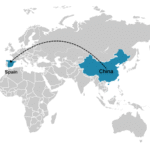
Are you wondering how much is shipping from China to Spain and what factors impact the total cost? Whether you’re a business owner or an individual importer, understanding freight costs, import taxes, and hidden fees is crucial. In this comprehensive guide, we’ll break down the costs of sea freight, air freight, and door to door shipping from China to Spain, along with key tips to help you budget and save on your international shipments.
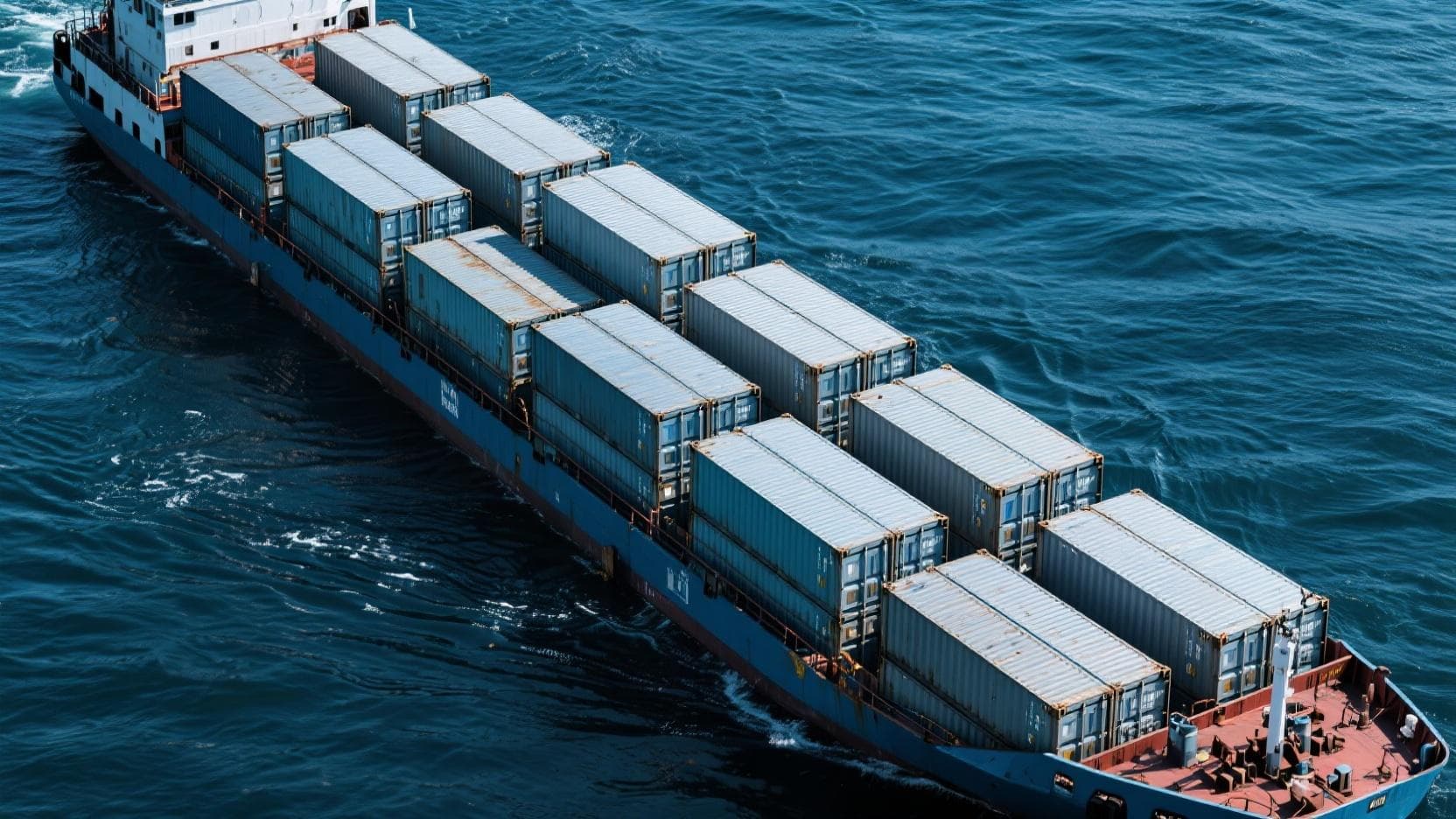
Sea freight costs from China to Spain
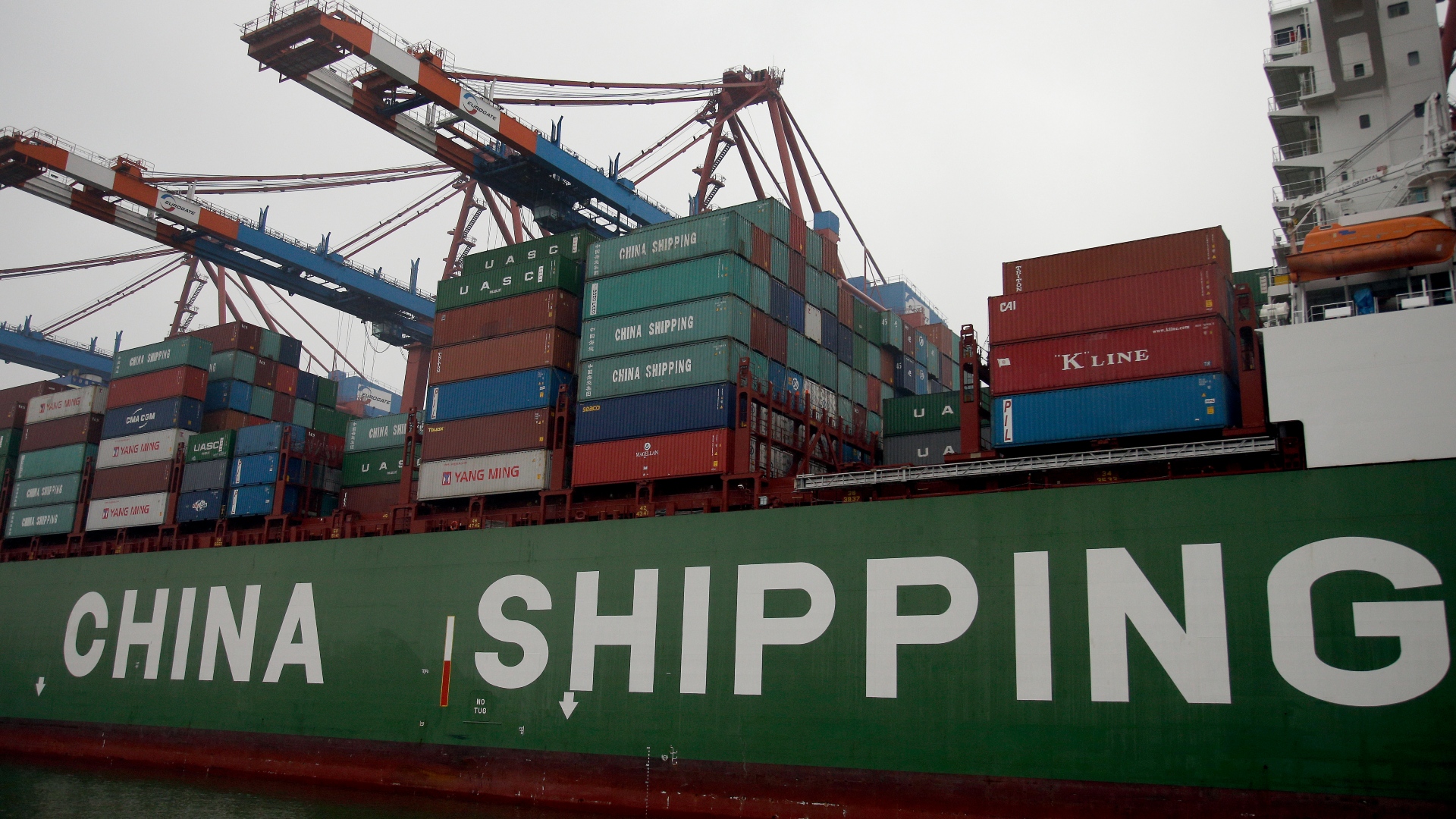
Sea freight is the most popular and cost-effective shipping method for moving large cargo volumes from China to Spain. It is widely used for both full container loads (FCL) and less than container loads (LCL), offering flexibility for businesses of all sizes.
If you’d like to explore more about sea shipping to other European destinations, see our guide on Sea Freight from China to Europe: Best Routes, Costs, and How to Avoid Delays.
Typical Sea Freight Costs (Sep 2025)
Sea freight rates fluctuate due to fuel prices, demand, shipping route, and seasonal trends. As of Sep 2025, average ocean freight costs for a standard 20-foot container (20GP) and a 40-foot container (40GP) from major Chinese ports such as Shanghai, Shenzhen, or Ningbo to major Spanish ports like Barcelona and Valencia are as follows:
| Origin Port (China) | Destination Port (Spain) | 20GP FCL (USD) | 40GP FCL (USD) | LCL (per CBM, USD) | Transit Time (Days) |
|---|---|---|---|---|---|
| Shanghai | Barcelona | $1,200-$1,800 | $2,100-$2,900 | $80-$150 | 25-32 |
| Shenzhen | Valencia | $1,350-$1,950 | $2,250-$3,000 | $85-$160 | 28-35 |
| Ningbo | Barcelona | $1,250-$1,900 | $2,200-$3,100 | $80-$155 | 26-33 |
Rates are estimates and subject to market changes. For a precise, up-to-date quote, please contact Dantful International Logistics directly.
Key Factors Affecting Sea Freight Costs
- Container type: FCL is cheaper per unit for large shipments, while LCL suits smaller cargo. For more on choosing between these options, see LCL vs FCL Shipping: How to Choose the Right Option for Small Cargo.
- Port charges: Different ports have varying local handling and documentation fees.
- Peak seasons: Shipping costs typically rise before major holidays (e.g., Chinese New Year).
- Fuel surcharges: Bunker Adjustment Factor (BAF) may impact the total cost.
Air freight costs from China to Spain
Air freight is the fastest way to import goods from China to Spain, ideal for high-value, time-sensitive shipments. While more expensive than sea freight, it offers significant advantages in speed and reliability.
Typical Air Freight Costs (Sep 2025)
Air cargo rates are calculated based on chargeable weight (the greater of actual weight or volumetric weight) and fluctuate according to capacity, fuel costs, and demand. Here are sample air freight costs for general cargo (non-hazardous, non-perishable) from major Chinese airports (e.g., Shanghai Pudong (PVG), Guangzhou Baiyun (CAN)) to major Spanish airports (Madrid Barajas (MAD), Barcelona El Prat (BCN)):
| Origin Airport (China) | Destination Airport (Spain) | Cost per KG (USD) | Typical Transit Time |
|---|---|---|---|
| PVG (Shanghai) | MAD (Madrid) | $4.50-$7.00 | 3-5 days |
| CAN (Guangzhou) | BCN (Barcelona) | $4.80-$7.50 | 3-6 days |
| HKG (Hong Kong) | MAD (Madrid) | $4.70-$7.30 | 3-5 days |
Rates are indicative and may vary based on cargo type, urgency, and airline. Contact Dantful International Logistics for real-time air freight quotes.
Important Air Freight Cost Components
- Fuel surcharges: Adjusted monthly by airlines based on global oil prices.
- Security and screening fees: Required for all international air cargo.
- Airport handling fees: Charged at both origin and destination.
- Customs clearance: Additional service, often offered by your freight forwarder.
Air Freight Advantages with Dantful International Logistics
- Fast transit times for urgent shipments.
- Tailored solutions: Standard, express, and consolidated air freight.
- Professional handling of documentation, customs, and last-mile delivery.
- End-to-end visibility with real-time cargo tracking.
Both sea and air freight have unique advantages. The choice depends on your cargo volume, urgency, and budget. For reliable, cost-effective, and professional shipping services from China to Spain, partner with Dantful International Logistics—your trusted international freight forwarding expert.
Door to Door shipping costs from China to Spain
Door to Door shipping is an all-inclusive logistics solution where the freight forwarder manages the entire shipping process—pickup from the supplier in China, international transportation, customs clearance, and final delivery at your address in Spain. This service is ideal for importers seeking a hassle-free experience. For readers interested in a detailed overview of the process and benefits, check our specialized guide on door to door shipping from China to Spain.
Typical Door to Door Shipping Methods
- Sea Freight Door to Door: Best for larger, heavier shipments. Most cost-effective but slower.
- Air Freight Door to Door: Suitable for lighter, time-sensitive cargo. More expensive but much faster.
- Express Courier Door to Door: Ideal for small parcels or urgent deliveries. Premium rates apply.
Cost Comparison Table: Typical Ranges (Sep 2025)
| Mode | Transit Time (Days) | 100kg Sample Cost (USD) | 500kg Sample Cost (USD) |
|---|---|---|---|
| Sea Freight (LCL) | 25–35 | $350–$480 | $900–$1,200 |
| Air Freight | 5–9 | $1,000–$1,450 | $3,500–$4,800 |
| Express Courier (DHL/UPS) | 3–6 | $1,200–$1,800 | $5,000+ |
Note: Costs are estimates based on shipments from major Chinese ports (e.g., Shanghai, Shenzhen) to main Spanish destinations (Madrid, Barcelona), for general cargo excluding restricted items. Rates vary by season, service level, and cargo specifics. For a tailored quote, contact Dantful International Logistics for transparent pricing.
What’s Included in Door to Door Shipping Costs?
- Pickup from the Chinese supplier’s location
- Export customs clearance in China
- International freight (sea, air, or express)
- Import customs clearance in Spain
- Delivery to the final destination in Spain
Understanding import tax and duties
When shipping goods from China to Spain, understanding import tax and duties is crucial for budgeting and compliance. Spain, as a member of the European Union (EU), follows standardized import regulations and tariffs.
Key Types of Import Taxes and Duties
Customs Duty Customs duty rates depend on the product’s HS Code (Harmonized System Code) and its customs value (CIF: Cost + Insurance + Freight). As of 2025, general rates for most goods range from 0% to 15%, with specific rates varying significantly based on the nature of the product. For example, certain agricultural products may have different duty rates compared to high – tech electronics.
Value Added Tax (VAT)
Standard VAT Rate in Spain: 21% (as of 2025)
VAT is applied to the sum of CIF value + duty + any other applicable costs (e.g., insurance, other fees). This means that the total taxable amount is calculated based on the complete cost of bringing the goods to the Spanish border, including all associated expenses and any customs duties levied.
Anti – dumping and Other Duties Certain products (e.g., steel, solar panels) may still be subject to additional anti – dumping or countervailing duties in 2025. Due to ongoing trade negotiations and market dynamics, it is essential to always verify current regulations for your specific product. These additional duties are often imposed to protect the domestic industry from unfair competition and can have a significant impact on the overall cost of importing.
Example Calculation
| Item Description | Example Value (USD) |
|---|---|
| Product Value (FOB) | $10,000 |
| Ocean Freight | $1,000 |
| Insurance | $100 |
| CIF Value | $11,100 |
| Customs Duty (5%) | $555 |
| Dutiable Value | $11,655 |
| VAT (21%) | $2,447.55 |
| Total Taxes/Duties | $3,002.55 |
This example assumes a 5% duty rate. Actual rates may vary by product. Use the EU’s TARIC tool for precise classification and rates. TARIC (the integrated tariff of the EU) is a multilingual database integrating all measures relating to EU customs tariff, commercial, and agricultural legislation. It allows businesses to accurately determine the applicable duties and regulations for their imported goods.
Importer of Record Responsibilities
The importer of record in Spain is legally responsible for:
- Declaring the correct product classification and value. This involves accurately identifying the HS Code of the goods and providing an honest valuation, as incorrect declarations can lead to severe penalties.
- Paying the required taxes and duties promptly. Any delay in payment can result in additional charges and potential disruptions to the supply chain.
- Ensuring all documents (invoice, packing list, bill of lading, certificates) are correct and available. These documents are essential for customs clearance, and missing or incorrect information can cause delays, penalties, or even seizure of goods.
Failure to comply can cause significant delays, substantial penalties, or seizure of goods, highlighting the importance of thorough understanding and strict adherence to import tax and duty regulations.
Hidden Fees to Budget For Shipping from China to Spain
When calculating the shipping cost from China to Spain, understanding the visible and hidden fees is crucial for accurate budgeting. Many shippers focus only on the basic freight rate, but several additional charges can significantly impact your total expenditure. Here’s a comprehensive breakdown of the most common hidden fees to anticipate:
1. Customs Clearance Fees
Every shipment entering Spain must clear customs. Customs brokers or shipping agents, like Dantful International Logistics, charge fees for handling the necessary paperwork and coordination. This fee can range from €50 to €150 per shipment, depending on the complexity of the cargo and the value of goods.
2. Port Handling Charges
Port of Valencia, Port of Barcelona, and other major Spanish ports levy handling charges for container unloading, storage, and terminal operations. These are typically not included in the basic freight quote. For a standard 20ft container, these charges may range from €100 to €300.
3. Documentation Fees
Bills of lading, certificates of origin, and other shipping documents incur processing charges. Documentation fees usually lie between €30 and €70 per set.
4. Delivery Order Charges
Upon arrival, a delivery order must be issued for the consignee to collect the goods. Spanish agents may charge €25–€50 for this service.
5. Demurrage and Detention Fees
If containers are not collected from the port within the free period (typically 5–7 days), demurrage charges apply, often ranging from €50 to €100 per day. Similarly, detention fees may accrue if the container is not returned on time.
6. Insurance
Although optional, insuring your shipment is highly recommended due to the risks involved in international transport. The cost is usually 0.2%–0.5% of the invoice value of the goods.
7. VAT and Import Duties
Beyond the actual shipping, Value Added Tax (VAT) and import duties are payable on most imports into Spain. For general goods, VAT is 21% of the CIF (Cost, Insurance, Freight) value. Import duties vary by HS code but typically range from 0% to 17%. For more on Spain and neighboring markets, see our focus on Shipping From China To Portugal.
| Fee Type | Typical Cost (EUR) | When Charged |
|---|---|---|
| Customs Clearance | 50 – 150 | Upon import, by customs broker |
| Port Handling | 100 – 300 | Per container, at Spanish ports |
| Documentation | 30 – 70 | Per bill of lading |
| Delivery Order | 25 – 50 | At destination, for container release |
| Demurrage/Detention | 50 – 100/day | After free period at port |
| Insurance | 0.2% – 0.5% | Of goods’ invoice value |
| VAT & Import Duties | 21% + 0–17% | On CIF value |
Tip: Partnering with a professional freight forwarder like Dantful International Logistics ensures full transparency of all shipping costs. We provide advance notice of all related fees to help you budget accurately and avoid unpleasant surprises.
Factors Influence Shipping Time from China to Spain
Shipping time from China to Spain can vary widely depending on several influential factors. Proper planning and knowledge of these key elements help you manage expectations and optimize your supply chain.
For readers shipping to other key markets in Europe, see our regional guide to Shipping From China to Italy for comparison.
1. Mode of Transport
- Sea Freight (FCL/LCL): Takes the longest, typically 25–40 days port-to-port, depending on the chosen route and destination port.
- Air Freight: Fastest mode, with transit times of 3–7 days airport-to-airport.
- Rail Freight: An increasingly popular option, with transit times of 15–18 days to major European hubs.
- Door-to-Door Services: These include additional time for customs clearance, inland haulage, and last-mile delivery.
2. Port or Airport of Origin and Destination
Shipping from Shanghai to Barcelona will have a different timeline than shipping from Shenzhen to Valencia. The availability of direct routes, transshipment points, and congestion at ports all play a role.
3. Seasonality
Peak seasons such as Chinese New Year (late January/early February), Golden Week (October), and the pre-Christmas period increase demand and congestion, often leading to delays.
4. Customs Clearance Efficiency
Delays at Spanish customs due to incomplete documentation or inspections can prolong your shipping time. Using a reliable freight forwarder ensures paperwork compliance and minimizes risks of holdups.
5. Weather and External Factors
Adverse weather (e.g., typhoons in Asia, storms in the Mediterranean) and global disruptions (such as the COVID-19 pandemic) can cause delays in transit schedules.
6. Cargo Type and Handling Requirements
Special cargo requiring temperature control, hazardous material handling, or breakbulk operations will usually take longer due to stricter regulations and limited carrier options.
Typical Transit Times Table
| Mode of Transport | Major Route | Estimated Transit Time |
|---|---|---|
| Sea Freight (FCL) | Shanghai → Valencia | 28–35 days |
| Sea Freight (LCL) | Shenzhen → Barcelona | 30–40 days |
| Air Freight | Guangzhou → Madrid | 3–5 days |
| Rail Freight | Xi’an → Madrid | 15–18 days |
| Door-to-Door | Shanghai → Madrid (Air) | 7–10 days |
| Door-to-Door | Shenzhen → Valencia (Sea) | 35–45 days |
Expert Advice
Engage with experienced logistics providers like Dantful International Logistics to gain real-time updates, route optimization, and flexible solutions tailored to your shipment needs. Our team ensures that all factors are considered to minimize delays and maintain the reliability of your China to Spain shipping operations.
These sections provide actionable information, real data, and expert guidance—precisely what importers from China require for successful, cost-effective shipping to Spain.
How to Reduce Shipping Costs from China to Spain
Reducing shipping costs from China to Spain is essential for importers who want to maximize profit margins and ensure efficient international trade. Here are practical strategies to help you save money while maintaining reliable logistics:
1. Choose the Right Shipping Method
Selecting the correct shipping mode—Ocean Freight, Air Freight, or Rail Freight—is crucial. For large and non-urgent shipments, sea freight is usually more cost-effective. Air freight is ideal for urgent or high-value goods, but it is generally more expensive. Rail freight can be a good compromise for certain routes.
| Shipping Mode | Transit Time (Est.) | Cost Per CBM (USD) | Suitable For |
|---|---|---|---|
| Sea Freight | 25-35 days | $500 – $800 | Bulk, non-urgent cargo |
| Air Freight | 3-7 days | $5 – $8 per kg | Urgent, high-value, small cargo |
| Rail Freight | 16-20 days | $1,000 – $1,500/CBM | Faster than sea, less than air |
2. Consolidate Shipments
Consolidating multiple smaller shipments into one larger shipment can help you achieve better freight rates and save on per-unit shipping costs. Services like Consolidated Freight provided by Dantful International Logistics help you optimize your shipment size and minimize expenses. You may also want to read about consolidated freight shipping for cost-saving options.
3. Compare Multiple Quotes
Always request quotes from several reliable freight forwarders. This competitive approach helps you identify the most cost-effective options and avoid hidden charges.
4. Optimize Packaging
Efficient packaging reduces dimensional weight and helps you maximize container space, which can significantly lower your shipping cost per unit.
5. Plan Shipping Schedules Wisely
Shipping during off-peak times (avoiding Chinese New Year or Golden Week holidays) can result in lower freight rates, as demand is lower and carriers offer more competitive pricing.
6. Use Door to Door Services
Door to Door shipping services streamline operations and often reduce overall costs by bundling transportation, warehousing, and customs clearance. Dantful International Logistics offers comprehensive door-to-door solutions from China to Spain.
7. Leverage Professional Freight Forwarders
Working with a professional and experienced freight forwarder like Dantful International Logistics ensures transparent pricing, optimized routing, and expert handling of documentation and customs clearance, saving you both time and money.
FAQs
1. How much is shipping from China to Spain?
Shipping costs from China to Spain vary depending on the shipping method, cargo volume, weight, and specific origin/destination ports. As of 2024, sea freight for a 20ft container may range between $1,500 – $2,500, while air freight could cost $5 – $8 per kg. For precise quotes, please contact Dantful International Logistics.
2. What is the cheapest way to ship from China to Spain?
Sea freight is generally the most economical option for large, non-urgent shipments. For smaller shipments, consolidated freight (LCL) is recommended.
3. How long does shipping from China to Spain take?
- Sea Freight: 25-35 days
- Air Freight: 3-7 days
- Rail Freight: 16-20 days
(Transit times may vary depending on the exact ports and customs processes.)
4. What import taxes and duties should I expect?
Import taxes and duties for goods entering Spain from China depend on product type, value, and HS code. Typically, VAT is 21%, and duties vary based on the product.

Young Chiu is a seasoned logistics expert with over 15 years of experience in international freight forwarding and supply chain management. As CEO of Dantful International Logistics, Young is dedicated to providing valuable insights and practical advice to businesses navigating the complexities of global shipping.