Are you wondering how to navigate the complex process of shipping batteries from China to Canada? With strict import regulations, evolving dangerous goods standards, and various battery types to consider, ensuring safe and compliant delivery can feel daunting. In this comprehensive guide, we’ll cover key risks, regulations, shipping methods, documentation, and expert tips to help you master the logistics of battery shipping between China and Canada.
Understanding the Risks and Regulations of Shipping Batteries
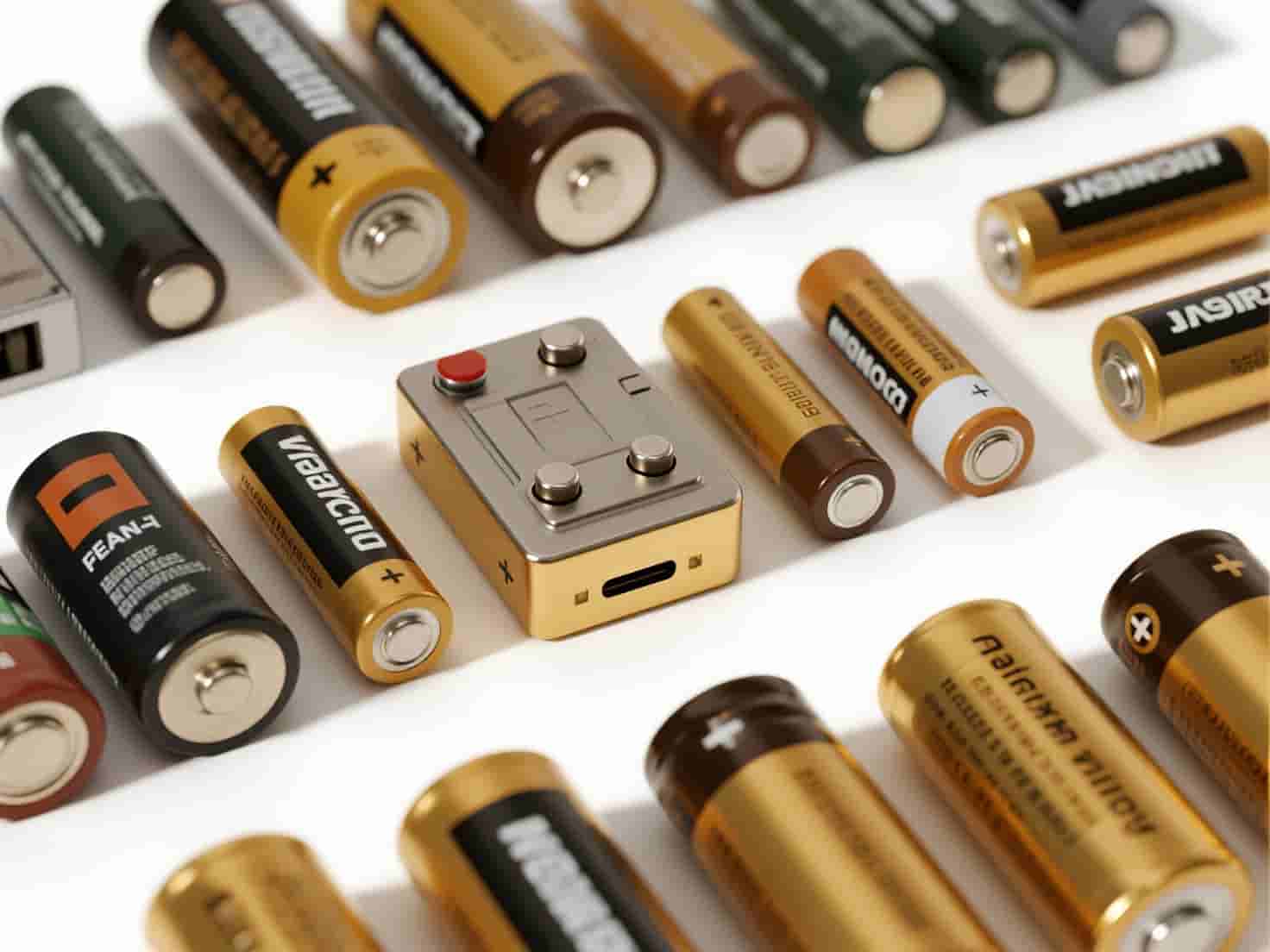
Shipping batteries from China to Canada involves unique risks and strict regulatory requirements. Both governments, along with international organizations, have established comprehensive rules to ensure the safe transportation of batteries, especially due to their classification as dangerous goods. Understanding these rules is fundamental for any business or individual engaged in battery import or export.
Key Risks Associated with Shipping Batteries
Fire and Explosion Hazards:
Many batteries, particularly lithium-ion and lithium metal types, are prone to overheating, short-circuiting, or catching fire during handling and transit. This can lead to severe accidents aboard aircraft or vessels, threatening cargo, crew, and the environment.Chemical Leaks and Environmental Harm:
Batteries may contain corrosive or toxic chemicals. Improper packaging or damage during shipment can result in leaks, endangering workers, contaminating other cargo, and causing environmental pollution.Regulatory Non-compliance:
Failure to adhere to international and local regulations can lead to shipment delays, financial penalties, cargo seizure, or even legal consequences. Ensuring compliance is critical for a smooth shipping process.
Regulatory Bodies & Frameworks
- International Regulations:
The transport of batteries is governed by frameworks such as the International Air Transport Association (IATA) Dangerous Goods Regulations for air freight and the International Maritime Dangerous Goods (IMDG) Code for sea freight. - Canadian Regulations:
Transport Canada enforces the Transportation of Dangerous Goods (TDG) Regulations, which align with international standards but may have additional requirements for shipments entering Canada.
Importance of Professional Support
Due to the complexity and potential hazards, working with a specialized freight forwarder, such as Dantful International Logistics, is highly recommended. Our expertise ensures your battery shipments meet all safety standards, are properly documented, and arrive safely at their destination.
Key Canadian Import Regulations for Batteries
When shipping batteries from China to Canada, compliance with Canadian regulations is vital. Canada has implemented robust rules to manage the risks associated with importing batteries, focusing on safety, environmental protection, and proper labeling.
Major Regulatory Points
| Regulatory Aspect | Description |
|---|---|
| Import Permits & Pre-Approval | Certain types of batteries (e.g., large lithium batteries) may require pre-approval or import permits. |
| TDG Regulations | The Transportation of Dangerous Goods (TDG) Regulations specify classification, packaging, and labeling of all battery types. |
| Product Safety Standards | Batteries must meet Health Canada safety standards, including performance, certification, and testing. |
| Labelling & Marking | Shipments must display correct hazard labels (e.g., UN3480/UN3481 for lithium batteries) and handling instructions. |
| Waste and Recycling Compliance | Importers may need to participate in Canada’s Battery Recycling Programs and ensure end-of-life compliance. |
Battery Types and Specific Requirements
- Lithium-ion & Lithium Metal Batteries:
Must comply with UN Manual of Tests and Criteria, pass specific safety tests, and be shipped in accordance with the latest TDG and IATA/IMDG rules. - Lead-acid Batteries:
Require secure, upright packaging to prevent acid leaks and must be labeled as corrosive. - Nickel-based Batteries:
Generally less restricted, but still require appropriate labeling and packaging if considered hazardous.
Documentation Requirements
Importers must prepare and submit the following:
- Commercial Invoice
- Packing List
- Bill of Lading or Air Waybill
- Dangerous Goods Declaration
- Product Safety Certificates
- Proof of Compliance with Canadian Standards
Customs and Inspection
Canada Border Services Agency (CBSA) inspects battery imports for compliance. Non-compliant shipments may be delayed, refused entry, or subject to penalties.
Expert Advice
As battery shipping regulations are frequently updated, it’s crucial to stay informed and ensure your logistics partner is experienced with hazardous cargo. Dantful International Logistics is a highly professional, cost-effective, and reliable one-stop provider for international traders, offering end-to-end battery shipping solutions including sea freight, air freight, customs clearance, and more. Our in-depth knowledge guarantees your battery shipments from China to Canada are compliant, safe, and efficient.
For a broader look at cross-border solutions, you may also be interested in Shipping From China TO Canada and detailed air freight from china to canada guides.
International Dangerous Goods Regulations (IATA, IMDG) for Battery Shipments
When shipping batteries internationally, especially from China to Canada, strict compliance with global dangerous goods regulations is non-negotiable. The two key regulatory frameworks are the International Air Transport Association (IATA) Dangerous Goods Regulations for air freight and the International Maritime Dangerous Goods (IMDG) Code for sea freight. Both frameworks are designed to ensure the safe transport of hazardous materials, including batteries, across borders and modes of transport.
IATA Dangerous Goods Regulations
The IATA DGR governs the air transport of dangerous goods, with a particular focus on safety during flight. For battery shipments—such as lithium-ion and lithium metal batteries—the IATA regulations specify:
- Classification: Batteries are classified under UN numbers (e.g., UN3480 for lithium-ion, UN3090 for lithium metal).
- Packaging Instructions: Only approved, tested packaging is acceptable. This includes requirements for inner and outer packaging, insulation, and short-circuit prevention.
- State of Charge Limitation: For air shipments, lithium-ion batteries must not exceed 30% state of charge (SOC) unless otherwise approved.
- Quantity Limits: There are strict limits on the number and type of batteries per package, and some must be shipped as Cargo Aircraft Only (CAO).
- Labeling and Marking: Packages must display the correct hazard labels, handling labels, and UN numbers clearly visible for inspection.
- Shipper’s Declaration: A detailed Dangerous Goods Declaration form is mandatory, completed by a trained staff member.
IMDG Code
The IMDG Code applies to sea freight and is enforced globally for the transportation of dangerous goods by sea. For batteries:
- Segregation: Batteries must not be stowed with incompatible goods. Proper segregation minimizes risk during transit.
- Packaging: Similar to air regulations, robust packaging is essential. Additional requirements may apply for overpacks or mixed shipments.
- Documentation: The Multimodal Dangerous Goods Form (MDGF) is required, with accurate information about the battery type, quantity, and hazard class.
- Labeling: All packages and containers must carry the correct IMO labels and marks.
Non-compliance with these regulations can result in shipment delays, heavy fines, and even criminal liability. For this reason, working with a professional freight forwarder is crucial. At Dantful International Logistics, our team is fully certified and experienced in shipping batteries, ensuring strict adherence to IATA and IMDG requirements for shipments from China to Canada.
For a more comprehensive overview of logistics services to Canada—including containerized and special cargo—see the section on container shipping from china to canada.
Types of Batteries and Their Specific Shipping Requirements
Batteries are not a one-size-fits-all cargo. Each battery chemistry and configuration carries unique risks and regulatory obligations. Below is a comprehensive overview of the most commonly shipped battery types and their particular requirements for international freight.
| Battery Type | UN Number | Class | Typical Applications | Key Shipping Requirements |
|---|---|---|---|---|
| Lithium-Ion Batteries | UN3480/3481 | 9 | Laptops, smartphones, e-bikes | 30% SOC by air, UN-approved packaging, CAO for large shipments, DG declaration |
| Lithium Metal Batteries | UN3090/3091 | 9 | Cameras, watches, pacemakers | Strict packaging, quantity limits, must not be damaged or defective |
| Lead-Acid Batteries | UN2794 | 8 | Automobiles, backup power | Leak-proof packaging, upright transport, venting requirements |
| Nickel-Metal Hydride | UN3496 | 9 | Power tools, medical devices | Generally less restricted, but proper labeling and documentation required |
| Alkaline Batteries | N/A | Not DG* | Household electronics, toys | Usually non-restricted, but may require marking if shipped in bulk |
| Nickel-Cadmium Batteries | UN2800 | 8 | Emergency lighting, equipment | Packaging to prevent short circuits, hazardous waste declaration if recycled |
Note: Alkaline batteries are not classified as dangerous goods under most regulations but may still require careful packaging and documentation for large shipments.
Specific Considerations
- Lithium-Ion and Lithium Metal Batteries: These are the most stringently regulated due to their risk of thermal runaway and fire. Shipments must always comply with special provisions including packing instruction 965/966/967 (IATA) and packing group II/III (IMDG).
- Damaged or Defective Batteries: Any battery identified as damaged, defective, or recalled is subject to even stricter controls, often requiring special permits or being outright prohibited on passenger aircraft.
- Batteries Packed with or Contained in Equipment: Different rules apply whether batteries are shipped on their own, packed with equipment, or installed in equipment. Always refer to the exact UN number and associated packing instructions.
- Quantity and Size Restrictions: There are maximum watt-hour or lithium content limitations for each package and shipment. Exceeding these can class the shipment as a fully regulated dangerous good, requiring detailed declarations and additional handling.
Practical Advice
For shippers, careful classification and pre-shipment consultation are vital. Misdeclaration or non-compliance can result in rejection by airlines, shipping lines, or customs authorities. The expertise of a specialized freight forwarder such as Dantful International Logistics is invaluable. Our team will guide you through:
- Identifying the correct battery type and UN number
- Selecting the proper packaging and labeling
- Preparing all necessary documentation
- Arranging compliant air or sea freight solutions
By trusting a professional with extensive experience and deep knowledge of international battery shipping, you minimize risks, avoid costly errors, and ensure your goods reach Canada safely and efficiently.
READ MORE:
- Shipping From China to the USA
- Shipping From China TO Canada
- Shipping From China TO Mexico
- Shipping From China to Panama
- Shipping From China to Costa Rica
- Shipping From China to Brazil
- Shipping From China TO Colombia
- Shipping From China to Jamaica
- Shipping From China to Venezuela
- Shipping From China to Argentina
Essential Documentation for Shipping Batteries from China to Canada
When shipping batteries from China to Canada, comprehensive and correct documentation is essential to ensure a smooth logistics process, avoid delays at customs, and maintain compliance with international and Canadian regulations. The following documents are typically required for battery shipments, and each plays a crucial role in legal compliance and safety assurance:
1. Commercial Invoice
A detailed Commercial Invoice provides essential information about the transaction, including product descriptions, HS codes, values, and the names and addresses of both shipper and consignee. For batteries, it is critical to accurately specify the battery type (e.g. Lithium-ion, Lead-acid, etc.) and their respective UN numbers.
2. Packing List
The Packing List details the quantity, dimensions, and weight of each package in the shipment. It is used to verify the cargo during transit and at customs clearance.
3. Bill of Lading (B/L) or Air Waybill (AWB)
- For Sea Freight, the Bill of Lading acts as a shipment receipt and contract of carriage.
- For Air Freight, the Air Waybill serves the same purpose, with explicit mention of battery-related dangerous goods.
4. Material Safety Data Sheet (MSDS) / Safety Data Sheet (SDS)
For any battery shipment, providing an up-to-date MSDS/SDS is mandatory. This document outlines the chemical properties, hazards, and handling instructions for the batteries, enabling carriers and authorities to assess and mitigate risks.
5. Dangerous Goods Declaration (DGD)
Shipping batteries—especially Lithium Batteries—falls under dangerous goods transportation. The shipper must submit a Dangerous Goods Declaration in accordance with international standards (such as IATA DGR for air and IMDG Code for sea).
6. Test Summary (UN 38.3)
For Lithium batteries, a UN 38.3 Test Summary is required to prove that batteries have passed UN transportation safety tests. This is a key requirement for acceptance by carriers and customs.
7. Import Permits and Compliance Certificates
Depending on the type of battery and the province of importation in Canada, certain batteries (e.g., used or waste batteries) may require additional approvals or import permits. In some cases, a Certificate of Origin may also be needed.
8. Other Supporting Documents
- Insurance Certificate (if insured cargo)
- Contracts or Purchase Orders (if requested by customs)
Summary Table: Required Documents for Battery Shipping
| Document | Purpose | Mandatory for |
|---|---|---|
| Commercial Invoice | Customs valuation, consignee info | All Shipments |
| Packing List | Cargo verification | All Shipments |
| Bill of Lading/Air Waybill | Proof of carriage | All Shipments |
| MSDS/SDS | Hazard communication | All Batteries |
| Dangerous Goods Declaration | Compliance with DGR/IMDG | Dangerous Goods |
| UN 38.3 Test Summary | Proof of battery safety | Lithium Batteries |
| Import Permits/Certificates | Specific compliance (if required) | Depending on Type |
| Insurance Certificate | Claims handling | Optional |
Expert Tip:
For a seamless experience, work with a professional freight forwarder like Dantful International Logistics. Our experienced team provides comprehensive document preparation, compliance checking, and real-time updates to ensure your battery shipments from China to Canada move smoothly through every regulatory checkpoint.
Shipping Batteries from China to Canada by Air Freight
Air Freight is a preferred choice for high-value, urgent, or time-sensitive battery shipments from China to Canada. However, strict regulations govern the air transport of batteries, especially due to their classification as dangerous goods. Below, we detail key considerations, procedures, and best practices for shipping batteries by air.
For a comparison of costs and modes, you may want to review air shipping from china to canada which covers rates, transit times, and compliance for Canadian routes.
1. Battery Types Permitted for Air Transport
- Lithium-ion Batteries (UN3480/UN3481)
- Lithium Metal Batteries (UN3090/UN3091)
- Nickel Metal Hydride, Lead-acid, and Other Batteries (subject to specific carrier and regulatory requirements)
Note: Damaged, defective, or recalled batteries are generally prohibited by air.
2. Regulatory Framework
- Governed by the IATA Dangerous Goods Regulations (DGR)
- Airlines and airports in Canada enforce additional screening and compliance checks
3. Packaging and Labeling
- Batteries must be packed in UN-certified packaging and conform to IATA Packing Instructions (e.g., PI965-970 for lithium batteries).
- Proper labeling and marking are mandatory: include “Lithium battery” handling labels, UN numbers, and hazard symbols on the outer packaging.
- Ensure all batteries are protected against short circuits and securely fixed to prevent movement.
4. Carrier and Route Selection
- Not all airlines accept battery shipments; some impose stricter controls or surcharges.
- It is advisable to choose direct flights where possible, minimizing transit times and handling.
- Dantful International Logistics maintains close partnerships with major airlines and can arrange optimal routing for compliant and timely delivery.
5. Transit Time and Cost Comparison
| Route (Major Chinese Airports – Canadian Airports) | Typical Transit Time (Air Freight) | Suitable Battery Types | Notes |
|---|---|---|---|
| Shanghai (PVG) – Toronto (YYZ) | 2–5 days | Most battery types | Frequent, direct flights |
| Guangzhou (CAN) – Vancouver (YVR) | 2–4 days | Lithium, others | Fast customs clearance |
| Shenzhen (SZX) – Calgary (YYC) | 3–6 days | By arrangement | Less frequent flights |
Indicative Air Freight Costs (2025)
| Battery Type | Reference Price (per kg) | Notes |
|---|---|---|
| Lithium-ion Batteries | USD $8–$15 | Strict DGR, varies by airline |
| Lead-acid Batteries | USD $5–$10 | Less restrictive |
Actual costs depend on volume, weight, packaging, and airline surcharges. Contact Dantful for tailored quotes.
6. Best Practices for Air Shipping Batteries
- Plan ahead: Book early to secure space and allow for regulatory review.
- Documentation: Submit all documents (see above) before cargo acceptance.
- Carrier communication: Disclose battery details transparently.
- Insurance: Strongly recommended for high-value or critical shipments.
7. Advantages and Limitations
| Advantages | Limitations |
|---|---|
| Fastest transit (2–5 days) | Higher freight costs |
| Secure handling and tracking | Strict documentation & packaging rules |
| Suitable for urgent, high-value shipments | Quantity/weight restrictions |
8. Why Choose Dantful International Logistics for Air Battery Shipments?
As a leading, highly professional, and cost-effective freight forwarder, Dantful International Logistics offers:
- Deep expertise in dangerous goods compliance and battery logistics
- Strong airline partnerships for better rates and faster bookings
- End-to-end services: air freight, customs clearance, insurance, door-to-door delivery, and warehouse solutions
- Proactive support to minimize delays and ensure regulatory compliance
Shipping batteries by air from China to Canada requires deep regulatory understanding and expert logistics management. By partnering with Dantful International Logistics, you gain a reliable ally to handle all technicalities, reduce risks, and ensure timely, compliant deliveries for your critical cargo.
Shipping Batteries from China to Canada by Sea Freight
Shipping batteries from China to Canada by sea freight is a preferred option for many businesses due to its cost-effectiveness, especially for bulk shipments. However, the process is highly regulated because batteries are often classified as dangerous goods under international shipping standards. Here, I will outline the key considerations, available routes, estimated costs, transit times, and best practices for shipping batteries by sea.
If you’re considering ocean routes and want more specific cost insights, see container shipping costs from china to Canada for the latest pricing and options.
1. Overview of Sea Freight for Batteries
Sea freight is suitable for large volumes and heavy battery shipments, including lithium-ion batteries, lead-acid batteries, and devices containing batteries. The main container types are 20FT (28CBM), 40FT (56CBM), 40HQ (68CBM), and 45HQ (78CBM), which allow for efficient consolidation and safe stowage.
2. Compliance with International Maritime Dangerous Goods (IMDG) Code
Batteries, particularly lithium batteries, are listed as Class 9 Dangerous Goods. Shippers must comply with the latest IMDG Code requirements, which include:
- Proper documentation (Dangerous Goods Declaration)
- Approved packaging, labeling, and handling procedures
- Providing Material Safety Data Sheets (MSDS)
- Ensuring all parties (supplier, freight forwarder, carrier, consignee) are informed about the nature of the goods
3. Main Routes and Major Ports
The most common routes for shipping batteries from China to Canada utilize the following major ports:
| Origin Port (China) | Destination Port (Canada) | Typical Transit Time (Days) | Main Carriers & Services |
|---|---|---|---|
| Shanghai | Vancouver | 16-22 | COSCO, CMA CGM, Evergreen |
| Shenzhen | Vancouver | 18-24 | Maersk, Hapag-Lloyd, ONE |
| Ningbo | Montreal | 27-33 (via Panama Canal) | CMA CGM, MSC |
| Qingdao | Toronto | 30-35 (via Vancouver rail) | COSCO, Evergreen |
Note: Transit times depend on service, route, and customs clearance speed.
4. Estimated Sea Freight Costs
Freight costs for battery shipments vary with market rates, shipment size, and battery classification. Below is an indicative reference for Full Container Load (FCL) and Less-than-Container Load (LCL) rates as of Q4 2025:
| Container Size | Shanghai – Vancouver (USD) | Ningbo – Montreal (USD) |
|---|---|---|
| 20FT | $2,500 – $3,300 | $3,500 – $4,200 |
| 40HQ | $4,000 – $5,200 | $6,000 – $7,500 |
| LCL (per CBM) | $120 – $180 | $170 – $220 |
Prices exclude surcharges such as DG handling fees, port charges, and insurance.
5. Key Steps and Best Practices
- Choose a specialized freight forwarder: Work with an experienced company like Dantful International Logistics that understands battery shipping, DG compliance, and Canadian import regulations.
- Early planning: Battery shipments require additional lead time for documentation and approval.
- Booking and space: Reserve space early, as DG cargo is subject to vessel/operator restrictions.
- Insurance: Always arrange comprehensive cargo insurance due to the increased risk profile.
6. Advantages and Limitations of Sea Freight for Batteries
| Aspect | Advantages | Limitations |
|---|---|---|
| Cost | Lowest per unit for large shipments | Higher than air for small, urgent shipments |
| Volume | Ideal for high-volume and heavy cargo | Limited for small, urgent shipments |
| Regulations | Can handle most battery types if compliant | Strict DG compliance required |
| Flexibility | Multiple port options for Canada | Longer lead time and transit required |
7. Why Choose Dantful International Logistics?
At Dantful International Logistics, we provide end-to-end solutions for battery shipping, including:
- Sea Freight, Customs Clearance, Door-to-Door Delivery, Warehousing, Insurance, and Breakbulk Freight
- Expertise in IMDG compliance and Canadian import law
- Competitive rates and transparent cost structure
- Real-time shipment tracking and dedicated customer support
Choosing the right logistics partner is critical for safety, compliance, and cost-efficiency in battery transportation by sea.
Packaging and Labeling Requirements for Safe Battery Transport
Proper packaging and labeling are fundamental to shipping batteries from China to Canada safely and in full compliance with international and Canadian regulations. This is especially critical for lithium batteries, which pose significant fire and chemical risks if handled improperly.
1. General Packaging Standards
- All batteries must be packed in strong, rigid, and leak-proof packaging.
- UN-certified packaging is required for most battery types, especially for lithium-ion and lithium metal batteries.
- Internal packaging should prevent movement and short circuits. Use non-conductive materials to separate batteries.
- Damaged or defective batteries are generally prohibited for air or sea transport.
2. Specific Packaging Requirements by Battery Type
| Battery Type | UN Packing Instructions | Key Packaging Elements |
|---|---|---|
| Lithium-ion (UN3480/81) | PI 965 – PI 967 | Inner packaging, short-circuit protection, robust outer box |
| Lithium metal (UN3090/91) | PI 968 – PI 970 | Strong outer packaging, insulation, fire-resistant lining |
| Lead-acid | Varies | Upright, sealed, absorbent material, acid-proof packaging |
| Nickel-cadmium/NiMH | Not Dangerous Goods (most cases) | Prevent short circuit, rigid outer packaging |
3. Labeling Requirements
- Each package must be marked with the UN number and proper shipping name (e.g., “UN3480, Lithium Ion Batteries”).
- Class 9 Hazard Label must be affixed for lithium batteries.
- Handling labels indicating “Handle with care,” “Do not load with flammable materials,” and orientation arrows are required.
- If shipped by air or sea, apply additional labels such as “Cargo Aircraft Only” or “Marine Pollutant” when applicable.
- The shipper’s and consignee’s addresses must be visible and durable.
4. Documentation for Packaging and Labeling
- Packing Declaration
- Material Safety Data Sheet (MSDS)
- Dangerous Goods Declaration (DGD)
- Certificate of Packing (where required)
5. Canadian and International Compliance
- Meet Canadian Transportation of Dangerous Goods (TDG) regulations as well as IMDG and IATA standards.
- Failure to comply can result in shipment rejection, fines, or even legal liability.
6. Best Practices for Safe Battery Packaging
- Engage certified packaging suppliers familiar with UN and IMDG standards.
- Double-check all labels and documentation before shipping.
- Train staff in battery handling, packing, and emergency procedures.
- Perform pre-shipment inspections to ensure no damaged batteries are present.
Customs Clearance and Duties for Battery Imports to Canada
Shipping batteries from China to Canada requires strict compliance with both customs regulations and specific rules for dangerous goods. At the point of entry, Canada Border Services Agency (CBSA) oversees the importation process to ensure all shipments meet Canadian safety and environmental standards.
Key Steps in Canadian Customs Clearance for Batteries
Product Classification
Batteries are classified under the Harmonized System (HS) Code. The correct HS code depends on the battery type (e.g., lithium-ion, lead-acid), form (loose or contained in equipment), and end-use. Accurate classification avoids costly delays or fines.Import Permits & Compliance
Certain batteries may require pre-approval or import permits, especially if they are categorized as hazardous waste or electronic goods. Compliance with the Canadian Environmental Protection Act (CEPA) and Transport Canada regulations is mandatory.Documentation
Essential documents include:- Commercial Invoice
- Bill of Lading or Air Waybill
- Packing List
- Certificate of Origin
- MSDS (Material Safety Data Sheet) for batteries
- Dangerous Goods Declaration (especially for lithium batteries)
Duties and Taxes
Imported batteries are subject to:Battery Type HS Code Example Duty Rate GST Provincial Tax Lithium-ion 8507.60.20 0-6% 5% Varies Lead-acid 8507.10.00 0-9% 5% Varies - Goods and Services Tax (GST): 5% (applied to most imports)
- Customs Duties: Vary by battery type and HS code, typically from 0% to 9%
- Provincial Sales Tax (PST) or Harmonized Sales Tax (HST): Depending on the destination province
Inspection & Release
CBSA may inspect shipments for safety compliance, documentation accuracy, and hazardous materials declaration. Delays can occur if the paperwork is incomplete or if the batteries are not packaged/labeled as per regulations.Extended Producer Responsibility (EPR) Programs
Some provinces require importers to participate in EPR programs for managing battery recycling and end-of-life disposal.
Tips for Smooth Clearance:
- Work closely with a professional freight forwarder familiar with both Chinese export and Canadian import requirements for batteries.
- Ensure all labeling, documentation, and packaging strictly meet both IATA or IMDG standards and Canadian laws.
For more information on Canadian import logistics and tailored battery solutions, you may find the shipping rates from china to canada resource useful.
Cost Factors and Strategies for Economical Battery Shipping
Managing shipping costs for batteries from China to Canada requires balancing regulatory compliance with efficiency. Due to the hazardous nature of batteries, extra costs may apply, but strategic planning can reduce expenses.
Main Cost Components
| Cost Item | Typical Range | Notes |
|---|---|---|
| Freight Charges | $4.5–$7/kg (air), $1200–$2500/CBM (sea, LCL) | Varies by route, battery type, and season |
| Dangerous Goods Surcharge | $30–$80 per shipment (air/sea) | Additional handling for DG compliance |
| Customs Duties & Taxes | 0–9% duty + 5% GST + provincial tax | Based on HS code and destination province |
| Insurance | 0.2%–0.5% of cargo value | Highly recommended for DG shipments |
| Packaging & Labeling | $0.5–$2 per kg | Special DG-compliant packaging costs |
| Documentation | $50–$150 per set | Includes DG declaration & MSDS |
| Last-mile Delivery | $0.2–$1.5 per kg | Depending on Canadian destination |
Cost-Saving Strategies
Select the Right Mode:
For large, heavy, or less time-sensitive shipments, sea freight is more economical than air. For urgent, lightweight, or high-value batteries, air freight may be justified despite higher rates.Consolidation:
Using consolidated freight (grouping shipments with other exporters) lowers per-unit costs, especially for smaller or LCL (Less than Container Load) shipments.Correct Packaging:
Adhering to international packaging standards can prevent repacking fees, fines, or shipment rejections.Comprehensive Documentation:
Complete and accurate paperwork ensures smooth customs clearance, avoiding demurrage and storage charges.Partner with a Professional Freight Forwarder:
Companies like Dantful International Logistics have dedicated teams for dangerous goods, offering integrated services (sea, air, warehousing, customs, insurance) at competitive rates. Their expertise reduces risk and hidden costs.
Selecting a Specialized Freight Forwarder for Battery Logistics
Shipping batteries internationally—especially from China to Canada—requires a freight forwarder with demonstrated expertise in dangerous goods, regulatory compliance, and end-to-end logistics management.
What to Look for in a Freight Forwarder
Dangerous Goods Certification
Ensure the provider is certified for IATA, IMDG, and Transport Canada regulations. The forwarder should have a proven safety record handling lithium batteries and other hazardous items.Comprehensive Service Portfolio
A reliable partner offers:- Sea Freight
- Air Freight
- Rail Freight
- Road Freight
- Amazon FBA Services
- Warehousing
- Customs Clearance
- Insurance
- Door-to-Door Delivery
- OOG (Out-of-Gauge) Freight
- Consolidated Freight
- Breakbulk Freight
Experience & Track Record
Choose a forwarder with at least 5–10 years of direct experience in shipping batteries, with references and case studies involving China–Canada routes.Transparent Pricing & Support
Look for clear quotes, detailed cost breakdowns, and responsive customer service. The ability to handle documentation, packaging, labeling, and regulatory submissions is essential.Technology & Tracking
Advanced providers use digital tracking, automated notifications, and data analytics for shipment visibility and control.
Why Choose Dantful International Logistics?
As a highly professional, cost-effective, and high-quality one-stop international logistics service provider, Dantful International Logistics stands out for battery shipments between China and Canada. Our dangerous goods team is trained and certified, ensuring full compliance and safety. We offer:
- Tailored solutions for all battery types, including lithium-ion and lead-acid
- Strong relationships with airlines, shipping lines, and customs authorities
- Full documentation and customs support
- Real-time tracking & proactive communication
- Competitive, transparent pricing (with no hidden fees)
- Value-added services: consolidation, warehousing, FBA prep, insurance, and more
Contact Dantful for a customized solution that ensures your batteries arrive safely, legally, and cost-effectively in Canada.
For readers seeking more guidance on choosing the optimal route or partner, the guide to freight forwarder from china to Canada provides additional insights tailored to the Canadian market.

Young Chiu is a seasoned logistics expert with over 15 years of experience in international freight forwarding and supply chain management. As CEO of Dantful International Logistics, Young is dedicated to providing valuable insights and practical advice to businesses navigating the complexities of global shipping.