Are you looking to streamline shipping clothing from China to Tanzania but unsure which method suits your needs best? Navigating sea freight, air freight, and customs regulations can be overwhelming. In this comprehensive guide, we’ll break down the various shipping methods, costs, transit times, and essential documentation, helping you make informed decisions for a smooth and cost-effective shipping experience.

Shipping Methods from China to Tanzania
Shipping clothing from China to Tanzania involves selecting the most suitable logistics solution for your business needs. The two most common international shipping methods are sea freight and air freight. Your choice will depend on your cargo volume, urgency, budget, and specific requirements.
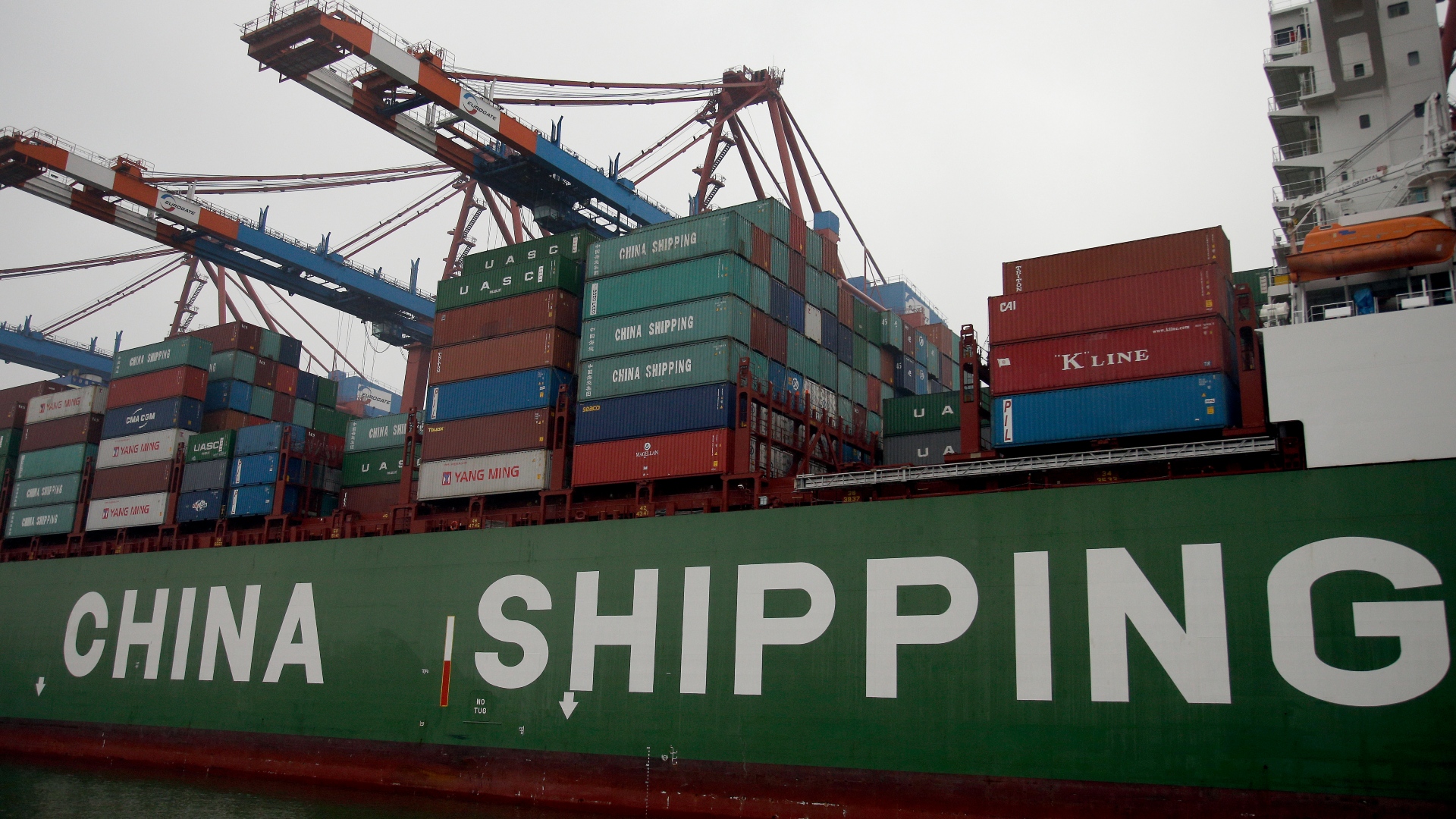
Shipping clothing from China to Tanzania by Sea Freight
Sea freight is the most cost-effective option for transporting large volumes of clothing. It is ideal for bulk shipments, especially when speed is not the primary concern.
Key Advantages:
- Economical for large cargo: Significantly lower cost per unit compared to air.
- Suitable for all types of clothing: From garments on hangers to boxed apparel.
- Flexible container options: Full Container Load (FCL) and Less than Container Load (LCL) services.
Typical Routes:
- Main loading ports in China: Shanghai, Shenzhen, Guangzhou, Ningbo.
- Major port of discharge in Tanzania: Dar es Salaam Port.
Estimated Sea Freight Transit Times
| Origin Port (China) | Destination Port (Tanzania) | Estimated Transit Time (Days) |
|---|---|---|
| Shanghai | Dar es Salaam | 25–30 |
| Shenzhen | Dar es Salaam | 23–28 |
| Ningbo | Dar es Salaam | 26–32 |
| Guangzhou | Dar es Salaam | 24–29 |
Note: Transit times are approximate and subject to vessel schedules, transshipment, and customs procedures.
For information on sea transportation to other destinations in East Africa, you can refer to: Sea Freight From China to Kenya, the column content compares logistics options and costs among different East African countries.
When to use Sea Freight:
- Shipping more than 2–3 cubic meters (CBM)
- Cost-sensitive shipments
- No urgent delivery requirement
Shipping clothing from China to Tanzania by Air Freight
Air freight is the preferred choice for urgent clothing shipments or high-value, time-sensitive orders.
Key Advantages:
- Fastest transit time: Door-to-door delivery within 3–7 days.
- Security: Reduced risk of damage or theft.
- Suitable for smaller volumes: Especially valuable or seasonal clothing.
Major Airports:
- Departure airports in China: Guangzhou Baiyun, Shanghai Pudong, Shenzhen Bao’an, Beijing Capital.
- Arrival airport in Tanzania: Julius Nyerere International Airport (DAR), Dar es Salaam.
Estimated Air Freight Transit Times
| Origin Airport (China) | Destination Airport (Tanzania) | Estimated Transit Time (Days) |
|---|---|---|
| Guangzhou | Dar es Salaam | 3–5 |
| Shanghai | Dar es Salaam | 4–6 |
| Shenzhen | Dar es Salaam | 4–7 |
When to use Air Freight:
- Small, urgent shipments (e.g., samples, new collections)
- High-value or critical inventory replenishment
- E-commerce fulfillment with tight deadlines
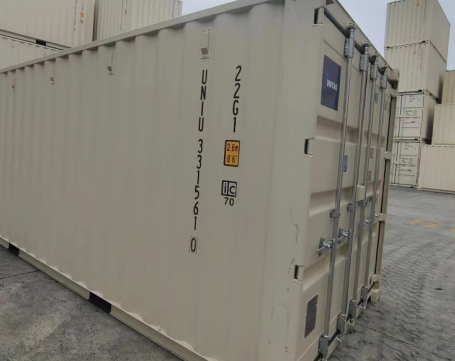
Container Types and Packing Requirements
Proper packaging and container selection are crucial for safe and cost-effective shipping of clothing.
Common Container Types:
| Container Type | Internal Capacity (CBM) | Typical Use Case |
|---|---|---|
| 20FT Standard | 28 | 28–30 CBM of boxed clothing; suitable for small-to-medium loads |
| 40FT Standard | 56 | 55–58 CBM; for larger shipments of boxed/packed garments |
| 40HQ (High Cube) | 68 | 65–68 CBM; ideal for bulky or lightweight, voluminous clothing |
| 45HQ | 78 | 75–78 CBM; specialized for extra-large, lightweight goods |
For further details on container costs between different countries, it is recommended to refer to: container shipping costs from china to Tanzania, Keep abreast of the latest market prices and operational suggestions.
Packing Requirements for Clothing:
- Cartons: Standard export cartons with moisture-resistant lining.
- Palletizing: Highly recommended for better handling and protection.
- Garments on Hangers (GOH): Specialized containers available.
- Labelling: Each carton must be clearly labeled per Tanzanian customs regulations.
- Filling Material: Use desiccants and protective packaging to prevent moisture and mold.
Compliance Tip:
Always ensure your packing complies with Tanzania’s import regulations to avoid customs delays.
Door-to-Door vs. Port-to-Port Services
Choosing between door-to-door and port-to-port shipping depends on the level of service and convenience you require。
If you want to know the process and advantages of door-to-door services in Tanzania, it is recommended to read: door to door shipping from China to Tanzania, master the operational details and practical suggestions.
| Service Type | Scope of Responsibility | Ideal For | Dantful Logistics Support? |
|---|---|---|---|
| Door-to-Door | Pickup from Chinese supplier’s facility to final address in Tanzania (includes transport, customs, and delivery) | E-commerce, SMEs, importers with no local logistics setup | YES |
| Port-to-Port | Delivery from Chinese port to Tanzanian port; recipient arranges customs and inland transport | Experienced importers, large companies with in-house logistics | YES |
Door-to-Door Benefits:
- Hassle-free: One-stop solution—Dantful International Logistics handles customs, transport, and delivery.
- Transparent pricing: All fees included upfront.
- Ideal for non-resident importers or those with limited logistics experience.
Port-to-Port Benefits:
- Lower overall cost if you have established local logistics.
- More control for large and experienced businesses.
What Factors Affect Shipping Cost from China to Tanzania
Understanding the key cost drivers in international shipping helps importers optimize their logistics budget.
Main Factors Influencing Shipping Cost:
- Shipping Method
- Sea freight is generally cheaper per unit but slower.
- Air freight is faster but costs significantly more.
- Cargo Volume & Weight
- Shipping rates are charged per CBM (Cubic Meter) or Kg.
- Bulk shipments (FCL) are more cost-effective than small LCL or air shipments.
- Origin & Destination
- Distance between the loading port/airport in China and the receiving port/airport in Tanzania.
- Inland transportation within both countries.
- Type of Service
- Door-to-door includes inland haulage, customs, and delivery—more comprehensive but higher in price.
- Port-to-port is limited to sea/air leg only.
- Seasonality and Market Demand
- Rates can surge during peak seasons (e.g., Chinese New Year, Black Friday).
- Customs Duties and Taxes
- Import duties, VAT, and other fees imposed by Tanzania Customs.
- Cargo Insurance
- Optional but highly recommended for valuable clothing shipments.
- Packing and Special Requirements
- Special packaging, pallets, or garment-on-hanger (GOH) services may add to cost.
- Additional Charges
- Fuel surcharges, terminal handling charges, security fees, and documentation charges.
Example: Typical Cost Range (2025 Q4 Market Data)
| Shipping Mode | Example Shipment Size | Estimated Cost (USD) | Transit Time |
|---|---|---|---|
| Sea (LCL) | 2 CBM | $250–$400 | 25–30 days |
| Sea (FCL 20FT) | 28 CBM | $2,000–$2,800 | 25–30 days |
| Air Freight | 100 kg | $1,400–$2,000 | 3–7 days |
Note: Above rates are indicative and fluctuate with market conditions. Accurate rates require a verified quotation from your freight forwarder.
How to Control Shipping Costs:
- Optimize shipment size: Consolidate orders for FCL if possible.
- Book in advance: Avoid peak season surcharges.
- Work with a professional freight forwarder: Dantful International Logistics provides custom shipping solutions, competitive rates, and transparent cost breakdowns.
How much to ship clothing from China to Tanzania
Shipping clothing from China to Tanzania involves several components that contribute to the overall cost. Understanding these factors enables importers, exporters, and supply chain managers to accurately estimate budgets and optimize their logistics strategy.
Main Cost Components
- Freight Charges: The base transportation fee, depending on shipping mode (sea, air).
- Port Charges: Handling, terminal, and documentation fees at both origin (China) and destination (Tanzania) ports.
- Customs Duties & Taxes: Import tariffs, VAT, and other governmental fees levied by Tanzania Customs.
- Insurance: Optional but recommended to mitigate risk during transit.
- Additional Services: Warehousing, consolidation, door-to-door delivery, and customs clearance services.
Estimated Shipping Costs (2025)
Below is a comparison of average shipping costs for clothing shipments from major Chinese ports (e.g., Shanghai, Shenzhen) to Dar es Salaam Port in Tanzania as of Q4 2025. Actual rates may vary based on cargo volume, season, carrier, and service provider.
| Shipping Mode | Container Size | Estimated Cost (USD) | Transit Time (Days) | Notes |
|---|---|---|---|---|
| Sea Freight | LCL (1 CBM) | $100 – $140 / CBM | 25 – 35 | Volume-based, ideal for small shipments |
| 20FT (28 CBM) | $2,600 – $3,200 | 25 – 35 | Full container load | |
| 40FT (56 CBM) | $4,200 – $5,500 | 25 – 35 | Full container load | |
| 40HQ (68 CBM) | $4,800 – $6,000 | 25 – 35 | High cube for extra volume | |
| Air Freight | 100 kg (chargeable) | $7.0 – $9.5 / kg | 5 – 7 | Fastest, for urgent/high-value cargo |
| 500 kg (chargeable) | $6.5 – $8.5 / kg | 5 – 7 | Volume discounts available |
Notes:
- LCL (Less than Container Load) rates are calculated per cubic meter (CBM).
- Air freight rates are calculated by chargeable weight, factoring in both actual and volumetric weight.
- Additional costs for customs clearance, local delivery, and insurance are not included in the above estimates.
Influencing Factors
Several factors can influence the final shipping costs:
- Cargo Volume & Weight: Higher volumes typically lower per-unit costs, especially for full container loads.
- Seasonality: Peak seasons (e.g., pre-holiday, back-to-school) may see 10–25% rate increases.
- Route & Carrier Selection: Direct routes are generally faster but may be more expensive; transshipment might save costs but increase transit time.
- Value-Added Services: Door-to-door, consolidation, or special handling (e.g., for branded clothing) can impact final pricing.
For precise quotations tailored to your shipment, it is recommended to consult with a professional freight forwarder like Dantful International Logistics, who can source the most competitive rates and provide a full breakdown based on your specific requirements.
Tips to Reduce Shipping Costs
Reducing shipping expenses from China to Tanzania requires a strategic approach, balancing speed, reliability, and cost-effectiveness. Below are actionable strategies for importers, e-commerce sellers, and logistics managers:
1. Optimize Cargo Volume and Consolidation
- Consolidate Shipments: Combine multiple small orders into a single consignment (LCL/FCL) to secure better rates and reduce per-unit shipping costs.
- Maximize Container Utilization: Efficiently pack cargo to utilize available container space (28 CBM for 20FT, 68 CBM for 40HQ). Avoid shipping partially filled containers.
If you are interested in less-than-container load (LCL) transportation, you can refer to: consolidated freight shipping, on this page, learn how to efficiently utilize the LCL method to reduce logistics costs.
2. Choose the Right Shipping Mode
- Sea Freight is cost-effective for large, less time-sensitive shipments.
- Air Freight is suitable for urgent or high-value clothing but is considerably more expensive.
- Consider multimodal solutions—combining sea and air or road—to optimize delivery times and cut costs.
3. Plan Shipments Around Peak Seasons
- Book in advance to avoid rate spikes during high-demand seasons (e.g., before Chinese New Year, Black Friday).
- Off-peak shipping can yield lower freight rates and faster vessel availability.
4. Work with a Professional Freight Forwarder
- Partner with a reliable logistics provider like Dantful International Logistics, recognized for professional, cost-effective, and high-quality service.
- Leverage their expertise in route optimization, customs clearance, and cargo consolidation, ensuring you get the best rates and smooth handling of your clothing shipments.
5. Negotiate and Compare Multiple Quotes
- Request quotations from several carriers and freight forwarders.
- Assess not just the base rate but also all associated charges (handling, documentation, local fees).
6. Streamline Customs Documentation
- Ensure all paperwork is accurate and complete to avoid costly delays, penalties, or demurrage at Tanzanian ports.
- Utilize customs clearance services from experienced providers to navigate regulations efficiently.
7. Consider Insurance Wisely
- While insurance adds to upfront costs, it protects against potential losses or damages, reducing risk-related expenses in the long run。
If you need a customized insurance solution, it is recommended to read: Insurance Services, learn about the guarantee plans for ensuring the smooth operation of international clothing transportation.
8. Use Technology for Tracking and Planning
- Employ digital logistics platforms for shipment tracking and inventory management.
- Advanced tracking reduces uncertainty, improves planning, and prevents costly disruptions.
By applying these strategies and working closely with a trusted partner like Dantful International Logistics, businesses can achieve significant savings and ensure the reliable delivery of clothing shipments from China to Tanzania. For a detailed, personalized shipping solution, contact our expert team for the latest rates and guidance tailored to your needs。
Customs Clearance & Documentation
Required Documents for Clothing Import
Shipping clothing from China to Tanzania requires strict adherence to documentation and customs procedures to avoid unnecessary delays and penalties. Below are the essential documents needed for importing clothing into Tanzania:
| Document Name | Description | Issued By |
|---|---|---|
| Bill of Lading (B/L) | Proof of shipment and contract of carriage. Needed for both sea and air freight. | Carrier / Freight Forwarder |
| Commercial Invoice | Details the value, description, and quantity of clothing. Forms the basis for customs valuation. | Exporter |
| Packing List | Specifies packaging details, weight, measurements, and package count. Essential for inspection. | Exporter |
| Certificate of Origin | Certifies the origin of the goods (typically Form E or other approved formats). | Chamber of Commerce/Exporter |
| Import Declaration (Tanzania) | Must be filed electronically through the Tanzania Revenue Authority (TRA) system. | Importer / Customs Broker |
| Import License/Permit | Required for certain clothing types, especially if containing restricted fabrics or trademarks. | Tanzania Authorities |
| Insurance Certificate | Proof of cargo insurance coverage (recommended for risk management). | Insurer |
| Fumigation Certificate | Necessary if the clothing contains organic materials or wooden packaging. | Quarantine Authority |
Advice: Engaging a professional freight forwarder, such as Dantful International Logistics, ensures your documentation is accurate and compliant, minimizing customs risks。
Tanzania Customs Regulations and Duties
When importing clothing into Tanzania, importers must comply with local customs regulations and duty structures. Key points include:
- HS Codes: Clothing typically falls under HS Chapters 61 and 62. Accurate HS code classification is critical, as duty rates vary by product type.
- Customs Duties: Tanzania applies an average duty of 25% on most imported clothing. However, actual rates may vary depending on material, function, and specific tariff lines.
- Value-Added Tax (VAT): An additional VAT of 18% is levied on the CIF (Cost + Insurance + Freight) value plus applicable duties.
- Other Charges: Port handling, inspection, and storage charges may apply at Dar es Salaam Port or other entry points.
- Pre-shipment Inspection: For some product categories, a pre-shipment inspection (PSI) is required. Check with your freight forwarder for current requirements.
- Standards and Labeling: Clothing imports must meet Tanzania Bureau of Standards (TBS) requirements regarding labeling (including fiber content, care instructions, country of origin, etc.).
Summary Table: Typical Duties and Taxes
| Charge Type | Typical Rate/Requirement |
|---|---|
| Customs Duty | 25% (standard for most garments) |
| VAT | 18% (on CIF + Duty) |
| Port & Handling Fees | Varies by shipment size/port |
| Pre-shipment Inspection | Required for some goods |
| Labeling Standards | Mandatory (as per TBS requirements) |
| Import License/Permit | Required for restricted items |
Note: Customs regulations are updated frequently. Always consult with a specialist at Dantful International Logistics or a licensed customs broker for the most current information。
READ MORE:
- Shipping From China To Algeria
- Shipping From China To Angola
- Shipping From China To Morocco
- Shipping From China To Nigeria
- Shipping From China To Kenya
- Shipping From China To Tanzania
- Shipping From China To South Africa
Shipping Transit Time from China to Tanzania
Typical Shipping Timelines from China to Tanzania
The total transit time for shipping clothing from China to Tanzania depends on the shipping method, the point of origin in China, and the chosen port or airport in Tanzania.
Sea Freight Transit Times
| Main Chinese Port | Destination Port in Tanzania | FCL (Full Container Load) | LCL (Less than Container Load) |
|---|---|---|---|
| Shanghai | Dar es Salaam | 25-30 days | 28-35 days |
| Shenzhen | Dar es Salaam | 22-27 days | 25-32 days |
| Ningbo | Dar es Salaam | 24-29 days | 27-34 days |
| Qingdao | Dar es Salaam | 28-32 days | 31-38 days |
Note: LCL shipments typically take longer due to consolidation and deconsolidation processes. Weather, port congestion, and customs inspection can also affect timelines.
Air Freight Transit Times
| Chinese Airport | Tanzanian Airport (Julius Nyerere International, DAR) | Transit Time (Direct/Indirect) |
|---|---|---|
| Shanghai PVG | Dar es Salaam (DAR) | 3-5 days |
| Guangzhou CAN | Dar es Salaam (DAR) | 3-6 days |
| Beijing PEK | Dar es Salaam (DAR) | 4-7 days |
Air freight offers the fastest option for urgent clothing shipments, but at a higher cost.
How to Track Your Shipment
Effective tracking is essential for transparency and supply chain management. Here’s how you can track your clothing shipment from China to Tanzania:
Online Tracking Platforms
- Use your Bill of Lading or Air Waybill number to track shipments on carrier websites or global tracking platforms.
- Most major shipping lines and airlines offer real-time tracking for container or parcel movements.
Freight Forwarder’s System
- Leading providers like Dantful International Logistics offer dedicated tracking portals where clients can monitor their shipments 24/7, receive status updates, and download relevant documents.
Notifications & Milestone Updates
- Receive automated alerts for key shipping milestones: departure from China, arrival at transit ports, customs clearance, and final delivery.
Contact Your Operations Manager
- For time-sensitive or complex shipments, maintain regular communication with your assigned logistics manager for proactive updates and issue resolution.
Pro Tip: Always verify your tracking details and ensure your freight forwarder provides transparent, up-to-date shipment status. Reliable tracking not only enhances supply chain visibility but also helps anticipate and resolve potential delays.
Shipping Process from China to Tanzania
Shipping clothing from China to Tanzania involves a series of coordinated logistics steps to ensure your goods are delivered safely, efficiently, and in compliance with international regulations. Below, I detail each critical stage of the process, offering practical insights and authoritative best practices for importers, exporters, and supply chain managers.
Logistics from Supplier to Port
The logistics journey begins at your supplier’s facility in China. The process typically includes:
- Inland Transportation: Arranging for the pickup of your clothing goods from the factory or warehouse. This may involve trucking or rail, depending on the distance to the chosen port (such as Shanghai, Shenzhen, or Guangzhou).
- Consolidation: For smaller shipments (LCL), goods are brought to a consolidation warehouse where cargos from different shippers are combined to optimize space and reduce costs.
- Pre-shipment Inspection: Quality checks or compliance inspections may be required, particularly for apparel exports, to meet destination country regulations.
- Export Customs Clearance: All shipments must be declared to Chinese Customs with the appropriate documentation (commercial invoice, packing list, export license if required). Working with a professional freight forwarder ensures swift, compliant clearance.
- Transport to Port Terminal: Once cleared, goods are loaded onto trucks or trains and transported to the export terminal for loading onto the vessel or aircraft.
Packing and Loading Requirements
Proper packaging is essential for clothing shipments, ensuring protection against moisture, physical damage, and theft during transit.
Best Practices for Clothing Packaging:
- Carton Quality: Use high-strength, moisture-resistant cartons. For sea freight, double-walled corrugated cartons are recommended.
- Palletization: Stack cartons on fumigated wooden or plastic pallets for easier handling and to minimize damage.
- Labelling: Each carton must be clearly labelled with the consignee’s information, handling instructions, and shipping marks as per Tanzanian Customs requirements.
- Container Selection: Choose container size based on cargo volume. Below is a quick guide for typical container types:
| Container Type | Internal Volume (CBM) | Typical Clothing Capacity |
|---|---|---|
| 20FT | 28 CBM | 400–500 standard cartons |
| 40FT | 56 CBM | 800–1,000 standard cartons |
| 40HQ | 68 CBM | 1,200–1,400 standard cartons |
| 45HQ | 78 CBM | 1,400–1,700 standard cartons |
Note: For LCL (Less than Container Load), your cargo shares space with other shipments and is packed in a sectioned-off area of a container.
Cargo Insurance and Risk Management
International shipping exposes your clothing goods to various risks, such as theft, loss, accident, or water damage. Securing the right insurance is essential:
- Types of Insurance:
- All Risk: Offers the broadest coverage, protecting against most unforeseen events.
- Total Loss: Covers only if the entire cargo is lost.
- Claim Process: Work with a reputable freight forwarder who can assist in claims documentation and liaise with insurers for efficient settlement.
- Risk Mitigation Tips:
- Use tamper-evident seals on containers.
- Opt for direct sailings where possible to reduce handling.
- Ensure comprehensive documentation—this will be vital should a claim arise.
Dantful International Logistics offers flexible insurance solutions tailored for clothing shipments, ensuring optimal protection at competitive rates.
Shipment Tracking and Transparency
Modern logistics demands real-time visibility. Customers need to know where their goods are at all stages.
- Tracking Tools:
- Online Portals: Most major shipping lines offer container tracking via their websites using the container number or Bill of Lading.
- Automated Updates: Professional freight forwarders like Dantful International Logistics provide automated tracking and proactive notifications at key milestones (pickup, customs clearance, departure, arrival).
- Mobile Apps: For on-the-go visibility, some platforms offer mobile apps with push notifications.
- Transparency:
- Share all documentation promptly with stakeholders.
- Maintain open communication channels with your logistics provider for updates or issue resolution.
Efficient tracking helps anticipate delays, manage inventory, and improves customer satisfaction—especially critical for clothing and fashion supply chains where timing is key.
Choosing a Reliable Freight Forwarder
Selecting the right freight forwarder is crucial for a seamless shipping experience from China to Tanzania. A trustworthy partner handles complexities, ensures compliance, and delivers value beyond basic transport.
Key Criteria for Evaluating Freight Forwarders:
| Criteria | Dantful International Logistics | Industry Average |
|---|---|---|
| Years of Experience | 15+ | 8–10 |
| Range of Services | Sea, Air, Rail, Road, FBA, Custom Clearance, Insurance, DDP, OOG, Consolidation, Breakbulk | Varies |
| Network Coverage | Extensive in China & Africa | Limited to major ports |
| Customer Support | 24/7, Multilingual | Office hours only |
| Tracking & Technology | Real-time, Automated Notifications | Standard Email/Phone Updates |
| Cost Efficiency | Highly Competitive | Standard Market Rates |
| Professional Accreditation | FIATA, NVOCC, CIFA, WCA, etc. | Not always available |
Why Choose Dantful International Logistics?
- Professionalism: Over 15 years’ hands-on experience in global freight.
- One-Stop Solutions: We handle everything from freight booking, consolidation, customs clearance, insurance, to delivery at your door.
- Tailored Services: Whether your business is B2B, B2C, or cross-border e-commerce, we customize logistics to match your timeline and budget.
- Compliance & Security: Up-to-date with the latest Chinese and Tanzanian import/export regulations, minimizing delays and risks.
- Transparent Pricing: No hidden fees, with clear quotations and breakdowns.
Choosing Dantful International Logistics ensures your clothing shipments from China to Tanzania are managed by a highly professional, cost-effective, and reliable partner—allowing you to focus on your core business while we handle the logistics intricacies。

Young Chiu is a seasoned logistics expert with over 15 years of experience in international freight forwarding and supply chain management. As CEO of Dantful International Logistics, Young is dedicated to providing valuable insights and practical advice to businesses navigating the complexities of global shipping.