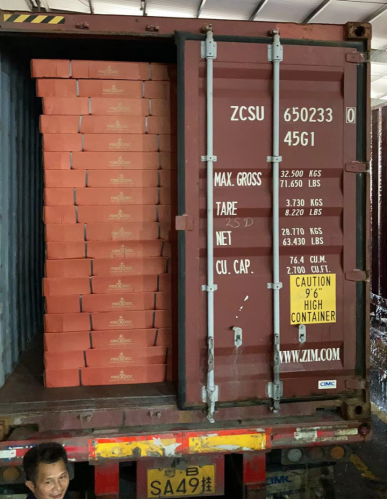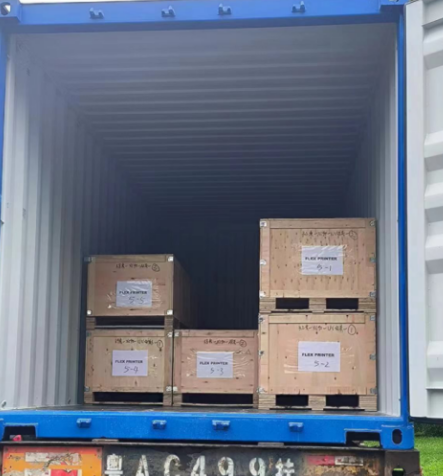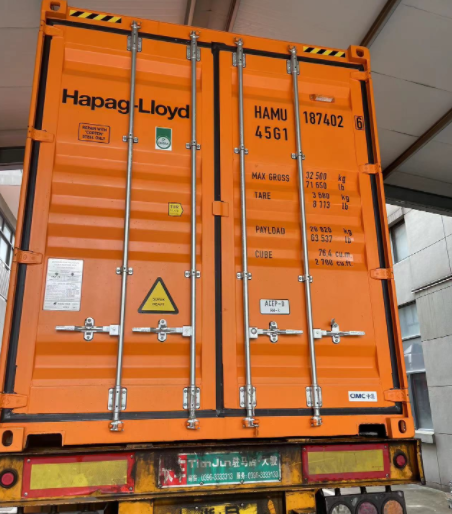
Are you wondering how much it really costs to ship goods from China to the USA per kilogram? Understanding the shipping cost from China to USA per kg is vital for importers aiming to manage expenses and maximize profit. In this comprehensive guide, we’ll explore key factors, compare air freight and sea freight options, break down additional fees, and offer expert tips to help you save on your next shipment.
The short answer for November 2026: air freight from China to the USA is running at $5.85–$8.00 per kg on the Freightos Air Index and forwarder rate sheets, express couriers charge $7–$38 per kg depending on how heavy the parcel is, sea freight costs $0.29–$0.44 per kg in a fully loaded container or $0.48–$0.80 per kg as LCL at a typical 250 kg per CBM, and a 40ft container from Shanghai to Los Angeles was assessed at $7,514 on 29 October 2026 — near the highest level since mid-2022. Every shipment now also carries duty, because the $800 de minimis exemption is gone.
Per-kg cost at a glance (November 2026, general cargo, duty excluded): rates below are the ones a Chinese forwarder is actually quoting this month, not last year’s averages. See the full shipping rates from china to usa for the lane-by-lane split.
| Mode | Cost per kg, Nov 2026 | How the charge is built | Transit | Source |
|---|---|---|---|---|
| Air freight | $5.85 – $8.00 | Chargeable weight, actual vs volumetric (cm³ ÷ 6,000) | 3 – 7 days | Freightos Air Index 28 Oct 2026; Freight Right wk-41 sheet |
| Express courier | $7 – $38 | Weight band, volumetric divisor 5,000, minimum billable weight | 2 – 7 days | Q4 2026 courier contract rates |
| Sea LCL | $0.48 – $0.80 | Per CBM or per 1,000 kg, whichever is greater, at 250 kg/CBM | 28 – 38 days CFS–CFS | Fasary Sep 2026; Suaid 2026 LCL sheet |
| Sea FCL | $0.29 – $0.44 | Per container, divided by the weight actually loaded | 12 – 33 days port–port | Drewry WCI 29 Oct 2026; live bookings Oct 2026 |
Understanding Shipping Costs: Per Kg vs. Per CBM
When shipping goods from China to the USA, understanding how shipping costs are calculated is fundamental to effective budgeting and planning. The two most common pricing methods in international logistics are Per Kilogram (Per Kg) and Per Cubic Meter (Per CBM).
Per Kg pricing is primarily used for air freight and express courier services, where weight is more critical than volume due to aircraft payload limitations. In contrast, Per CBM is standard for sea freight (LCL), where space within a container matters more than actual cargo weight, especially for lightweight or bulky items.
Key Differences: Per Kg vs. Per CBM
| Pricing Method | Best For | Calculation Basis | Typical Transport Mode | When to Use |
|---|---|---|---|---|
| Per Kg | High-value, lightweight cargo | Actual or Volumetric Weight* | Air Freight, Express Courier | When speed is essential, weight is not excessive |
| Per CBM | Bulky, low-density cargo | Volume (Length × Width × Height in meters) | Sea Freight (LCL) | When shipping large, light items; cost sensitive |
*Volumetric Weight is calculated as: (Length × Width × Height in cm) / 6000 for air shipments.
For Full Container Load (FCL) shipments, costs are typically quoted per container (e.g., 20FT, 40FT, 40HQ), but understanding the capacity helps in calculating per CBM rates. For reference:
- 20FT Container: 28 CBM
- 40FT Container: 56 CBM
- 40HQ Container: 68 CBM
- 45HQ Container: 78 CBM
Practical Example
If you are shipping 500 kg of electronics in 2 CBM, air freight will be charged by the greater of actual or volumetric weight (often favoring Per Kg). If you ship 500 kg of furniture occupying 8 CBM, sea freight LCL will charge you by volume (Per CBM), making it more cost-efficient for bulky goods.
Choosing the most suitable charging method depends on your cargo’s weight, size, and urgency. Working with an experienced freight forwarder like Dantful International Logistics ensures you receive professional advice and optimal routing tailored to your shipment profile.
Factors Influencing Shipping Cost Per Kg from China to USA
The shipping cost from China to USA per kg is shaped by a combination of market dynamics, shipment characteristics, and service selections. Understanding these factors is crucial for importers, exporters, and logistics professionals to make informed decisions and manage costs efficiently.
1. Shipping Mode
- Air Freight: Fastest, charged per kg, suitable for time-sensitive or high-value shipments.
- Sea Freight (LCL): Priced mainly per CBM, but weight surcharges may apply if cargo is very dense.
- Express Courier: Per kg charges, often with a minimum chargeable weight.
For more details on common shipping methods for this route, you can refer to Shipping From China to USA.
2. Cargo Characteristics
- Actual Weight vs. Volumetric Weight: For air and courier, charges are based on whichever is greater. Bulky but lightweight goods may incur higher per kg rates due to volumetric calculations.
- Cargo Type: Hazardous, oversized, or temperature-sensitive goods may attract additional fees or require specialized handling, increasing per kg cost.
3. Origin and Destination
- Departure Port/City in China: Rates from major ports (e.g., Shanghai, Shenzhen, Guangzhou) are often lower due to competition and route frequency.
- Destination in USA: Deliveries to inland locations (e.g., Chicago, Dallas) may involve extra domestic transport, increasing overall per kg cost compared to coastal ports like Los Angeles or New York.
4. Shipping Distance and Route
- Direct flights or sailings are often cheaper and faster, while transshipment or indirect routes may reduce shipping cost per kg at the expense of longer transit times.
5. Market Conditions and Fuel Surcharges
- Fluctuations in fuel prices, seasonal surcharges, and space demand (peak seasons, global events) directly impact shipping cost per kg.
6. Value-Added Services
- Insurance, customs clearance, warehousing, and door-to-door delivery are essential services offered by professional forwarders like Dantful International Logistics, affecting the total cost per kg.
7. Cargo Volume & Contract Terms
- Larger, regular shipments often secure better per kg rates through volume discounts or long-term contracts, especially with integrators and reputable freight forwarders.
Current Reference Rates (November 2026, General Cargo)
| Mode | Origin in China | Destination in USA | Transit Time | Cost per kg (USD) |
|---|---|---|---|---|
| Air Freight | Shanghai (PVG) | Los Angeles (LAX) | 3 – 5 days | $5.85 – $7.69 |
| Express Courier | Shenzhen | New York (JFK) | 2 – 5 days | $7.00 – $38.53 |
| Sea Freight LCL | Ningbo | Long Beach | 28 – 38 days | $0.48 – $0.80 (from $120–$200/CBM) |
| Sea Freight FCL (40ft) | Shanghai | Los Angeles | 14 – 20 days | $0.29 – $0.44 (from $7,514/40ft) |
*Rates are indicative and vary by season, cargo type, and service provider. Air and LCL figures are spot ranges for the week to 29 October 2026 (Freightos Air Index, Freight Right week-41 rate sheet, Fasary and Suaid 2026 LCL sheets); the FCL figure is Drewry’s Shanghai–Los Angeles assessment divided by 26 tonnes of payload.
Conclusion
Effective cost control requires a comprehensive understanding of how pricing mechanisms work and the multiple variables that impact your shipping cost from China to USA per kg. Partnering with a reliable, transparent, and experienced freight forwarder such as Dantful International Logistics not only ensures competitive rates but also professional guidance tailored to your specific shipping requirements.
Air Freight Cost Per Kg from China to USA
Air freight is the preferred shipping method for businesses that require fast delivery from China to the USA. It is especially suitable for high-value, time-sensitive, or small-volume shipments. The shipping cost from China to USA per kg for air freight is influenced by several factors, including the type of cargo, airline, route, fuel surcharges, and seasonal demand.
Typical Air Freight Rates Per Kg (November 2026)
The average air freight rates from major airports in China (such as Shanghai Pudong (PVG), Guangzhou Baiyun (CAN), Shenzhen Bao’an (SZX), and Beijing Capital (PEK)) to main airports in the USA (Los Angeles (LAX), Chicago O’Hare (ORD), New York JFK) generally fall within the following ranges for general cargo:
| Weight bracket | Route | Transit Time | Cost (USD/kg) | Where the number comes from |
|---|---|---|---|---|
| 45 – 99 kg | PVG/CAN/SZX/PEK → LAX/ORD/JFK | 2 – 5 days | $6.90 – $8.00 | Freightos Air Index China–N. America $7.13/kg (28 Oct); JFK $6.88–8.00 (Freight Right wk 41) |
| 100 – 299 kg | PVG/CAN/SZX → LAX/SFO/JFK | 2 – 5 days | $5.85 – $7.70 | LAX $5.85–7.69 and SFO $5.85–6.77 on the same week-41 sheet |
| 300 kg + | PVG/CAN/SZX → LAX/ORD/JFK | 2 – 6 days | $3.50 – $6.50 | 100 kg+ break quotes $3.50–7.50/kg (Q4 2026 forwarder rate sheets) |
Rates can fluctuate due to factors like fuel costs, market demand, and peak seasons (for example, before major holidays such as Chinese New Year and Christmas). In 2026 the swings have been violent: the China–North America index jumped 19% in a single week to $6.88/kg on 21 October, then added another 4% to $7.13/kg on 28 October as peak-season volumes stacked on data-center hardware demand. Chinese New Year falls on 6 February 2027, so the pre-holiday air squeeze starts in the second half of January.
If you’re focused on shipping by air to the US West Coast, you may find it useful to review the latest insights on how much for air freight from China to Los Angeles.
Key Factors Affecting Air Freight Cost Per Kg
- Chargeable Weight: Air freight charges are based on the higher of actual weight or volumetric weight (volume/6000 for most airlines).
- Type of Goods: Hazardous, oversized, or temperature-controlled goods incur additional fees.
- Route and Airline: Direct flights are faster but may be more expensive; indirect routes can be cheaper but slower.
- Fuel Surcharges and Security Fees: These are added on top of the base freight rate.
- Customs and Handling: Some charges may apply at both origin and destination airports.
When to Choose Air Freight?
- When delivery time is critical.
- For shipments under 500kg (for larger, consider sea freight for cost efficiency).
- For high-value or perishable goods.
At Dantful International Logistics, we offer reliable air freight solutions with transparent pricing, flexible schedules, and comprehensive support, including customs clearance and last-mile delivery.
Sea Freight Cost Per Kg from China to USA (FCL vs. LCL)
Sea freight remains the most cost-effective solution for shipping large or heavy cargo from China to the USA. There are two main modes: Full Container Load (FCL) and Less than Container Load (LCL), each with unique pricing structures.
FCL (Full Container Load) Pricing Overview
With FCL, you book the entire container. Rates are not calculated per kg but rather per container, so the per kg cost decreases as you maximize the container’s volume and weight capacity.
| Container | Volume | Max payload | Drewry WCI benchmark, 29 Oct 2026 | Live booking, Yantian/Ningbo → LA, Oct 2026 | Per kg at full payload |
|---|---|---|---|---|---|
| 20FT | 28 CBM | 21 t | ~$4,500 – $5,400 (60–70% of the 40ft rate) | $6,840 – $8,240 | $0.33 – $0.39 |
| 40FT | 56 CBM | 26 t | $7,514 Shanghai–Los Angeles / $9,631 Shanghai–New York | $8,550 – $11,330 | $0.29 – $0.44 |
| 40HQ | 68 CBM | 26 t | $7,514 – $9,631 | $8,550 – $11,330 | $0.29 – $0.44 |
*Per kg assumes the container is loaded to its maximum payload. Load a 40ft with 17 tonnes instead of 26 and the per-kg cost rises to about $0.50–$0.67 — which is why per-kg is a poor unit for comparing container freight, and why the live booking column sits above the Drewry index: it includes carrier surcharges and fast-boat services that the index does not.
LCL (Less than Container Load) Pricing Overview
LCL is ideal for shipments that do not fill an entire container. Rates are calculated per cubic meter (CBM) or per kg, whichever is greater. For smaller shipments, the per kg cost is higher compared to FCL.
| Route | Cost per CBM (USD) | Payment basis | Cost per Kg at 250 kg/CBM (USD) | Transit Time |
|---|---|---|---|---|
| Shanghai / Ningbo → Los Angeles / Long Beach | $120 – $200 | Per CBM or per 1,000 kg, whichever is greater | $0.48 – $0.80 | 28 – 38 days (CFS–CFS) |
| Shenzhen → New York / New Jersey | $150 – $285 | Per CBM or per 1,000 kg, whichever is greater | $0.60 – $1.14 | 30 – 40 days (CFS–CFS) |
| Inland US points (Chicago, Dallas, Atlanta) | $150 – $285 + inland leg | LCL ocean rate plus rail or truck from the port | $0.60 – $1.14 + inland | 32 – 45 days (door) |
Minimum charges often apply (e.g., minimum 1 CBM, so a 0.4 CBM parcel still pays for one cubic metre). Destination CFS handling adds $15–$40 per CBM on top of the ocean rate. Rates vary by port, season, and service type — see our lcl shipping rates from china to usa for the CFS-level breakdown.
For a deeper look at the transit duration and process, see shanghai to los angeles by sea how much time.
FCL vs. LCL: Which is Best for You?
- FCL is more economical for shipments above roughly 15 CBM or 12 tons, providing better security and faster handling. At November 2026 rates a fully used 40ft works out at about $134 per CBM ($7,514 ÷ 56 CBM), so once you can fill more than half a container the gap to LCL — $135–$240 per CBM all-in at destination — closes quickly.
- LCL is suitable for smaller shipments but may involve higher risk of damage, longer consolidation times, and more handling.
Additional Sea Freight Cost Considerations
- Port Fees: Both origin and destination port charges apply.
- Customs Clearance: Involves paperwork and possible inspections.
- Inland Delivery: Door-to-door or port-to-door options affect total cost.
- Surcharges: Such as GRI (General Rate Increase), BAF (Bunker Adjustment Factor), and congestion surcharges.
Summary Comparison Table
| Shipping Mode | Cost per Kg (Nov 2026) | Suitability | Transit Time | Key Benefits |
|---|---|---|---|---|
| Express Courier | $7.00 – $38.00 | Parcels under 45 kg | 2 – 7 days | Door-to-door, clearance included |
| Air Freight | $3.50 – $8.00 | Urgent, high-value goods | 3 – 7 days | Fastest heavy-cargo option |
| Sea FCL | $0.29 – $0.44 | Large bulk shipments | 12 – 33 days | Lowest per kg cost |
| Sea LCL | $0.48 – $0.80 | Small/medium shipments | 28 – 40 days | Flexible, no container commitment |
Dantful International Logistics provides tailored solutions for both air freight and sea freight from China to the USA. Our expert team helps you optimize cost, ensure compliance, and streamline the shipping process, whether you need FCL, LCL, or multimodal services. As a leading and trustworthy freight forwarder, we focus on delivering reliable, flexible, and transparent logistics solutions for global traders.
Express Courier Services Cost Per Kg
When shipping goods from China to the USA, express courier services such as DHL, FedEx, UPS, and TNT are popular options for fast, reliable delivery, especially for small, high-value, or time-sensitive shipments. Unlike air or sea freight, express couriers handle the entire logistics chain, including pickup, line-haul, customs clearance, and final delivery to the recipient’s door.
Typical Express Courier Rates Per Kg (Q4 2026)
Express courier costs are generally calculated by either the actual weight or the volumetric weight (whichever is greater). Prices fluctuate based on shipment size, destination, and service level (e.g., standard vs. economy vs. express). Below is a reference table for typical door-to-door charges for shipments from major Chinese cities (e.g., Shenzhen, Shanghai, Guangzhou) to the USA:
| Chargeable weight | Parcel price (USD) | Effective cost per kg | Transit Time | Service Providers |
|---|---|---|---|---|
| 0.5 – 1 kg | $32 – $59 | $32 – $59 | 2 – 4 days | DHL $38.53 at 1 kg; UPS Saver $59.60 |
| 2 – 5 kg | $53 – $136 | $11 – $27 | 2 – 5 days | DHL, FedEx IP, UPS |
| 10 – 15 kg | $185 – $366 | $17 – $25 | 3 – 5 days | UPS Saver $185.09 at 10 kg; DHL $306.04 at 15 kg |
| 21 – 45 kg | $240 – $550 | $7 – $12 | 3 – 6 days | DHL, FedEx, UPS |
| 100 kg + | $600 – $1,300 | $6 – $13 | 3 – 7 days | Integrator heavy-parcel tariffs |
Note: Rates are Q4 2026 contract levels, freight only, and exclude the fuel surcharge — currently 16–32% of the freight line — plus peak surcharges of $0.30–$2.00 per kg and, on UPS, a $0.91 per lb surge fee on US imports from China and Hong Kong. Unlike 2025, no parcel clears duty-free: the $800 de minimis exemption was suspended for China-origin goods on 2 May 2025 and for all origins on 29 August 2025, so every commercial parcel now needs an entry and pays duty, although entries of $2,500 or less can still use simplified informal-entry procedures. For up-to-date and customized quotes, consulting an experienced freight forwarder like Dantful International Logistics is highly recommended.
Factors Affecting Express Courier Costs
- Weight & Dimensions: Heavier and bulkier packages are more expensive. Couriers charge by the higher of actual or volumetric weight.
- Pickup Location & Delivery Address: Remote or extended locations may incur additional charges.
- Declared Value: Higher declared values may increase insurance costs or require extra documentation.
- Service Level: Express (fastest), standard, and economy (slower) options all have different price points.
- Additional Services: Options such as Saturday delivery, signature required, or special handling will affect pricing.
Advantages of Using Express Couriers
- Speed: Fastest shipping method (often 2–5 days).
- Convenience: Door-to-door with integrated tracking.
- Reliability: Fewer delays, streamlined customs clearance.
- Simplicity: No need to coordinate with multiple logistics providers.
When to Choose Express Courier
- Small parcels (<100 kg), urgent documents, sample shipments, electronics, fashion items, and high-value goods.
- When delivery time is a primary concern.
For businesses and individuals seeking efficient, transparent express shipping solutions, Dantful International Logistics partners with leading global couriers to offer competitive rates, customized service, and professional support throughout your shipping process.
How Much Does It Cost to Ship 100 kg, 500 kg or 1,000 kg from China to the USA?
Most importers do not ship one kilogram or a full container — they ship a few hundred kilos and want to know the total bill, not a unit rate. The table below converts the November 2026 rates into what you would actually pay, before duty, for the shipment sizes that come up most often.
| Shipment size | Best-value mode, Nov 2026 | Total freight (USD) | Effective cost per kg | Transit |
|---|---|---|---|---|
| 1 kg | Express courier | $32 – $59 | $32 – $59 | 2 – 5 days |
| 10 kg | Express courier (saver service) | $185 – $213 | $18.51 – $21.26 | 3 – 5 days |
| 50 kg | Air freight (45 kg minimum applies) | $345 – $550 | $6.90 – $11.00 | 3 – 7 days |
| 100 kg | Air freight | $585 – $770 | $5.85 – $7.70 | 3 – 7 days |
| 300 kg | Air freight (300 kg+ break) | $1,050 – $1,950 | $3.50 – $6.50 | 3 – 7 days |
| 500 kg | Air freight (300 kg+ break) | $1,750 – $3,250 | $3.50 – $6.50 | 3 – 7 days |
| 1,000 kg (4 CBM at 250 kg/CBM) | Sea LCL | $540 – $960 | $0.54 – $0.96 | 28 – 38 days |
| 1,000 kg, same 4 CBM | Air freight, for comparison | $3,500 – $6,500 | $3.50 – $6.50 | 3 – 7 days |
Totals exclude duty, MPF and inland delivery. The 1,000 kg sea figure is 4 CBM of ocean freight at $120–$200 per CBM plus $15–$40 per CBM of destination CFS handling.
Two things drive the curve. Below about 45 kg, courier weight bands and minimum billable weights dominate, which is why the per-kg price at 1 kg is roughly eight times the price at 100 kg. Above 100 kg the airline weight break takes over, and the per-kg price falls once more at 300 kg. Above roughly 4–5 CBM the arithmetic flips towards sea freight, because LCL is charged per CBM or per 1,000 kg (whichever is greater) and a dense 1,000 kg load only occupies about 4 CBM.
For heavier or bulkier loads, compare air against our air freight from china to usa schedule and the ocean options before you commit: on this lane the crossover where sea beats air on total cost arrives much earlier than most first-time importers expect.
READ MORE:
- Shipping From China to the USA
- Shipping From China TO Canada
- Shipping From China TO Mexico
- Shipping From China to Panama
- Shipping From China to Costa Rica
- Shipping From China to Brazil
- Shipping From China TO Colombia
- Shipping From China to Jamaica
- Shipping From China to Venezuela
- Shipping From China to Argentina
Breakdown of Additional Fees and Surcharges
Understanding the total shipping cost per kg from China to the USA requires more than just looking at the base freight rate. A variety of additional fees and surcharges can apply, significantly impacting your overall logistics expenses. Below is a comprehensive breakdown of these costs:
Common Additional Fees
| Fee Type | Description | Typical Range (USD) |
|---|---|---|
| Fuel Surcharge | Added due to fluctuating oil prices, varies monthly. | 10–20% of base freight |
| Security Surcharge | Covers enhanced security screening and handling. | $0.15–$0.45 per kg |
| Remote Area Surcharge | Deliveries to locations outside standard service areas. | $20–$50 per shipment |
| Customs Clearance Fee | Charged for customs document processing in the USA. | $15–$50 per entry |
| Duties & Taxes | Based on customs valuation of goods (HS code, value, country of origin). | Varies – consult HS Tariff |
| Insurance | Optional, covers loss/damage in transit, usually calculated as a % of declared value. | 0.2–0.5% of invoice value |
| Oversized/Overweight Surcharge | Applies to parcels exceeding standard dimensions/weights. | $65–$250 per item |
| Residential Delivery Surcharge | For deliveries to residential (rather than commercial) addresses. | $3–$5 per shipment |
| Saturday Delivery | Special delivery outside regular business days. | $15–$25 per shipment |
| Documentation Fee | For preparing special shipping documentation, if required. | $10–$20 per document |
Additional Sea & Air Freight Surcharges (if not using express)
- Port Handling Charges
- Terminal Handling Charges (THC)
- ISPS (International Ship and Port Facility Security) Fee
- AMS (Automated Manifest System) Fee for shipments to the USA
- Peak Season Surcharge (PSS) (applies mainly during busy shipping months)
Key Considerations
- Transparency: Always request a detailed quote from your logistics provider that includes all fees, so there are no surprises on your invoice.
- Duty & Tax Estimation: U.S. customs duties depend on your cargo’s HS code, declared value, and applicable trade agreements. Use the U.S. Harmonized Tariff Schedule for reference or consult a professional.
- Insurance: Highly advisable for valuable or fragile shipments. Some providers include minimal coverage, but full-value insurance is recommended for high-value cargo.
For a clear, accurate estimate tailored to your shipment, contact our team for a free, no-obligation consultation. We are committed to helping you streamline your supply chain and control your costs.
Impact of Origin and Destination on Shipping Costs
The shipping cost per kg from China to the USA is significantly influenced by both the point of origin within China and the final destination in the USA. Understanding these variables is crucial for optimizing your logistics strategy and managing overall expenses.
1. Major Chinese Ports and Their Influence on Shipping Costs
China is home to some of the world’s busiest and most advanced ports, including Shanghai, Shenzhen, Ningbo, Qingdao, and Guangzhou. Each port offers different logistical advantages, capacity, and connectivity to US ports.
- Shanghai Port: As the largest container port globally, it offers frequent sailings and competitive rates due to high volume.
- Shenzhen & Guangzhou: Key for exporters in South China, often serving electronics, textiles, and consumer goods industries.
- Ningbo & Qingdao: Vital for North and East China manufacturing hubs, connecting efficiently to US West Coast ports.
Ports with higher throughput generally offer lower freight rates per kg due to economies of scale and better carrier competition. However, distance from the factory to the port can impact domestic trucking or rail costs within China.
For insights on major US entry points and their influence on logistics, you may want to explore the biggest ports in the US.
2. US Ports of Entry and Cost Variations
On the US side, the choice of destination port—such as Los Angeles, Long Beach, Seattle, New York, Savannah—also affects shipping cost per kg:
- West Coast Ports (e.g., Los Angeles, Long Beach, Seattle): Usually the fastest and most economical for sea freight from China due to direct routes and shorter transit times.
- East Coast Ports (e.g., New York, Savannah, Miami): Incur higher sea freight rates and longer transit times, but may be preferred for final delivery to eastern US destinations to reduce inland transportation costs.
3. Typical Freight Cost Comparison by Route
| Route | Sea LCL, per kg at 250 kg/CBM* | Air freight, per kg** | Sea / Air transit |
|---|---|---|---|
| Shanghai to Los Angeles | $0.48 – $0.80 | $5.85 – $7.69 | 14–20 days / 3–5 days |
| Shenzhen to New York | $0.60 – $1.14 | $6.88 – $8.00 | 28–32 days / 4–6 days |
| Ningbo to Seattle | $0.48 – $0.80 | $5.85 – $7.69 | 15–20 days / 3–5 days |
| Qingdao to Savannah | $0.60 – $1.14 | $6.88 – $8.00 | 32–38 days / 4–7 days |
*LCL: per-kg equivalent of the November 2026 per-CBM rates at a cargo density of 250 kg per cubic metre; lighter cargo costs more per kg because LCL is billed per CBM or per 1,000 kg, whichever is greater.
**Air Freight: LAX/SFO and JFK ranges from the Freight Right week-41 2026 rate sheet, for general cargo, subject to market fluctuations and surcharges.
4. Inland Transportation & Final Mile Considerations
If your supplier is far from a major Chinese port, domestic trucking or rail can add $0.05–$0.15 per kg, depending on the distance and cargo volume. Similarly, upon arrival in the USA, the distance from the port to your final warehouse or distribution center affects the total shipping cost per kg. Choosing the nearest practical entry port can help optimize your total logistics expenses.
5. Customs Clearance & Local Fees
Both origin and destination affect costs related to customs clearance, inspections, and port handling fees. Major ports may process customs more efficiently, yet some ports may have higher local charges. Working with an experienced freight forwarder like Dantful International Logistics ensures transparency in local charges and smooth customs clearance.
Selecting optimal origin and destination ports can lead to significant savings in shipping cost per kg. Analyze your supply chain holistically, considering both international freight rates and domestic logistics at both ends to achieve the best balance of cost and speed.
Seasonal Fluctuations and Market Conditions
Shipping cost per kg from China to the USA is not static—it is subject to significant seasonal and market-driven fluctuations. Understanding these patterns allows businesses to plan shipments strategically, avoid cost spikes, and ensure supply chain continuity.
1. Peak Seasons and Their Impact
The most prominent peak shipping seasons include:
- Pre-Chinese New Year (Jan–Feb):
Many factories shut down for 2–4 weeks. Exporters rush to ship cargo beforehand, causing freight rates to surge up to 30–50%. - Back-to-School & Holiday Season (August–October):
Demand rises as retailers stock up for Black Friday, Christmas, and other holidays. Sea and air freight rates often increase by 20–40% due to capacity shortages. - Golden Week (Early October):
A major public holiday in China. Factories and logistics providers close, leading to pre-holiday shipping rush and rate escalation.
2. Low Seasons
During the post-holiday periods (March–April, post-Christmas in January), demand drops. This results in lower freight rates per kg and more available capacity.
3. Market Disruptions & Global Events
Unforeseen events can impact shipping costs:
Carrier capacity management on the transpacific
Carriers pulled 56 blank sailings out of 715 planned departures between weeks 45 and 49 in 2026. Drewry counted six blank sailings for the week after its 29 October assessment, which keeps space tight even as demand softens — the US National Retail Federation forecasts ocean imports down 11% month on month in November. Tight space is what lets carriers hold rates flat while volumes fall.
US tariff policy, not the Red Sea
Transpacific sailings do not transit Suez, so Middle East disruption changes your bunker and fuel bill rather than your routing. What does move the China–US cost base is tariff policy: after the Supreme Court struck down the IEEPA tariffs on 20 February 2026 and the stop-gap Section 122 surcharge expired on 24 July 2026, a 12.5% Section 301 forced-labor tariff on Chinese goods took effect the same day. A further Section 301 investigation into manufacturing overcapacity is still open, and could add duties on this lane during 2027.
Fuel, port disruption and peak congestion
Bunker and jet fuel costs have been the largest single driver of 2026 rate levels, with the Freightos Air Index running roughly a third above year-earlier values on elevated fuel. On the ocean side, typhoon disruption at Shanghai (Typhoon Champi at the end of October 2026) and the union vote approving an LA/Long Beach port strike are the two operational risks that can add days to a booking without warning.
4. Capacity Management & Booking Strategies
- Advance Booking: Secure space 2–4 weeks ahead during peak periods.
- Flexible Schedules: If your timeline is flexible, avoid peak months or consider slower, less expensive shipping modes.
- Consolidation: Combine shipments to leverage better rates per kg, especially during off-peak times.
By understanding seasonal and market factors, importers and exporters can plan effectively, minimize risk, and optimize shipping budgets throughout the year. Partnering with an experienced freight forwarder is key to adapting your logistics strategy as global conditions evolve.
Tips for Reducing Your Shipping Cost Per Kg
Reducing your shipping cost from China to USA per kg requires a strategic approach, combining mode selection, effective planning, and collaboration with a professional freight forwarder. Here are practical, actionable tips:
Choose the Optimal Shipping Method:
- For shipments under 100 kg or urgent deliveries, Air Freight or Express Courier may be cost-effective, despite higher per kg charges.
- For larger shipments (typically above 200 kg), Sea Freight (FCL/LCL) generally offers the lowest cost per kg.
- Compare all available options and consider hybrid solutions (e.g., Air-Sea combined, Rail Freight for certain routes).
Consolidate Shipments:
- Grouping multiple orders into one larger shipment can significantly lower your average cost per kg by spreading fixed and handling charges across a greater volume.
- Utilize consolidated freight services provided by experienced forwarders like Dantful International Logistics. Learn more about the benefits in consolidated freight shipping.
Accurate Packaging and Right Sizing:
- Avoid unnecessary packaging—shipping charges are often based on either gross weight or volumetric (dimensional) weight, whichever is higher.
- Use efficient packaging to maximize container or pallet space and minimize volumetric weight.
Plan Ahead to Avoid Peak Seasons:
- Shipping costs rise during peak times such as Chinese New Year, Golden Week, and the Christmas rush.
- Plan procurement and shipping schedules to book space during off-peak months, when rates are lower.
Optimize Incoterms and Delivery Terms:
- Negotiate with your supplier for favorable terms (e.g., FOB vs. EXW) to control logistics and choose the most cost-effective freight solution.
Partner with a Reputable Freight Forwarder:
- A knowledgeable partner like Dantful International Logistics can leverage negotiating power, offer tailored solutions, and provide transparent pricing.
Utilize Door-to-Door and Value-added Services:
- Door-to-door options, customs clearance, and insurance handled by a single provider can streamline logistics and reduce unforeseen costs.
Review and Compare Quotes Regularly:
- Request detailed quotations from multiple forwarders and compare inclusions (fuel surcharges, documentation, handling fees).
Cost Comparison Example (November 2026):
| Shipping Mode | Suitable Weight/Volume | Estimated Cost per kg (USD) | Transit Time |
|---|---|---|---|
| Express Courier | < 45 kg | $7.00 – $38.00 | 2 – 7 days |
| Air Freight | 45 – 500 kg | $3.50 – $8.00 | 3 – 7 days |
| Sea LCL | > 100 kg (small LCL) | $0.48 – $0.80 | 28 – 38 days |
| Sea FCL (20′ GP) | > 15 CBM | $0.29 – $0.44 | 12 – 33 days |
Rates are indicative and subject to change due to market fluctuations.
Choosing the Right Freight Forwarder from China to the USA
The choice of a freight forwarder can dramatically impact your overall shipping cost, transit time, and reliability. On the China–USA lane the difference between a good and a mediocre partner is usually not the headline rate but who absorbs the demurrage, the exam hold and the tariff-classification error — so read our how to choose the right freight forwarder checklist before you compare quotes. Here is what you should evaluate when selecting your logistics partner:
Industry Experience & Expertise
- Choose a forwarder with extensive experience in China–USA trade lanes and a proven track record handling diverse cargo types (general goods, e-commerce, OOG, FBA, etc.).
- Dantful International Logistics is led by industry veteran Young Chiu, offering more than 15 years of expertise, ensuring tailored solutions for every shipment.
Comprehensive Service Portfolio
- Look for a one-stop international logistics provider offering Sea Freight, Air Freight, Rail Freight, Road Freight, Amazon FBA, Warehousing, Customs Clearance, Insurance, Door-to-Door, OOG Freight, Consolidated Freight, and Breakbulk Freight.
- Integrated services reduce handover risks and streamline communication.
Transparent Pricing & No Hidden Fees
- Ensure the forwarder provides detailed, itemized quotes covering all potential surcharges (fuel, security, documentation).
- Transparency builds trust and helps avoid unexpected costs.
Global Network & Local Presence
- A strong local presence in both China and the USA, and a global agent network, ensure smooth customs clearance, last-mile delivery, and prompt issue resolution.
Technology & Tracking Capabilities
- Modern digital platforms for shipment tracking, document management, and real-time communication can enhance efficiency and visibility.
Client Support & Customization
- Evaluate responsiveness, problem-solving ability, and willingness to customize solutions based on your shipping needs.
Regulatory Compliance & Risk Management
- Ensure your forwarder adheres to customs regulations, trade compliance, and can assist with insurance and claims processing.
At Dantful, we pride ourselves on being a highly professional, cost-effective, and quality-oriented logistics partner. With services spanning the entire supply chain and a customer-first approach, we are trusted by global traders for their shipments from China to the USA.
FAQs
What is the cheapest way to ship from China to the USA?
The cheapest shipping method for most cargo is typically Sea Freight LCL for smaller volumes and FCL for larger shipments. Sea Freight offers the lowest cost per kg, especially when you can fill a 20FT or 40FT container. For very small, urgent parcels, postal services may be cheaper, but with limited tracking and longer transit times.
If you are specifically comparing sea shipping prices for containers, see the latest container shipping costs from China to USA.
How much does it cost to ship 1kg to the USA?
For a single kilogram, express courier is the only realistic option and it costs $32–$59 all-in for the parcel — DHL $38.53, FedEx International Priority $53.98, UPS Worldwide Expedited $57.43 on Q4 2026 contract rates. Air freight is cheaper per kilo but cannot be booked below a 45 kg minimum, so a 1 kg shipment routed as air freight still pays for 45 kg.
- Express Courier: $32 – $59 for the parcel, which is $32 – $59 per kg at this weight.
- Air Freight: $5.85 – $8.00 per kg, but 45 kg minimum billing applies.
- Sea LCL: $0.48 – $0.80 per kg at 250 kg/CBM, with a 1 CBM minimum charge.
- Sea FCL: $0.29 – $0.44 per kg if you can fill a container — irrelevant at 1 kg.
Actual rates depend on factors such as origin/destination ports, cargo type, and current market conditions. For a precise quote, contact Dantful International Logistics with your shipment details.
How are shipping costs calculated?
Shipping costs are calculated based on:
- Chargeable Weight: Either actual weight or volumetric weight (length x width x height / 6000 for air, /1000 for express courier).
- Shipping Mode: Air, Sea (FCL/LCL), Express, Rail, Road.
- Origin and Destination: Port-to-port, door-to-door, or combinations.
- Additional Fees: Fuel surcharge, documentation, customs clearance, delivery charges, insurance.
- Market Factors: Seasonality, supply/demand, geopolitical changes.
How can I reduce shipping costs from China?
- Consolidate shipments to increase weight/volume.
- Choose the optimal mode for your cargo type and urgency.
- Schedule shipments during off-peak seasons.
- Use efficient packaging to minimize volumetric weight.
- Compare quotes from multiple forwarders.
- Work with a reliable logistics provider like Dantful International Logistics for tailored recommendations and competitive rates.
How much is the duty from China to the USA?
As of November 2026 a Chinese shipment is normally stacked from four layers. Add them in this order, because each one applies to a different base:
- MFN duty: 0%–25% by HS code, applied to the customs value (goods + international freight + insurance). Electronics are often 0%–5%, apparel 16%–32%.
- Traditional Section 301 China list duties: 7.5% or 25% on the listed HTS lines, continued by USTR through October 2026, with 178 exclusions running to 9 November 2026.
- Section 301 forced-labor tariff: 12.5% on Chinese goods since 24 July 2026. This replaced the 10% Section 122 surcharge that expired the same day, which in turn replaced the IEEPA reciprocal tariffs struck down by the Supreme Court on 20 February 2026. Goods already covered by Section 232 duties are exempt.
- Fees: Merchandise Processing Fee at 0.3464% of customs value (FY2027 minimum $34.58, maximum $670.86) and Harbor Maintenance Fee at 0.125% on ocean cargo only — never on air or courier.
On a $10,000 consignment of consumer electronics classified at 0% MFN, the realistic duty bill is therefore 12.5% plus any applicable list rate — not the “under $800 is duty-free” figure that was still circulating before the de minimis suspension. If you would rather have one price that already contains duty, duty-paid terms are explained in our guide to ddp shipping. For an accurate duty estimate, consult the US Harmonized Tariff Schedule or contact Dantful’s customs experts for assistance.
Why did air freight per-kg rates rise so sharply in late 2026?
Three things stacked at once. Peak-season restocking began the moment factories reopened after China’s National Day holiday on 8 October, forwarders reported two to three rounds of price increases in the following fortnight, and data-center hardware volumes were already running well above last year on top of that. The result was a 19% single-week jump to $6.88/kg on 21 October and a further 4% to $7.13/kg on 28 October, with elevated jet fuel keeping the whole curve higher than 2025. Rates normally ease in the second week of December once the Christmas cut-off passes.
Is a per-kg rate always the cheapest way to compare quotes?
No — and this is the most common expensive mistake on the China–USA lane. A per-kg rate tells you nothing about the minimum billable weight, the volumetric divisor (6,000 for air cargo, 5,000 for most express couriers), the destination CFS charge on LCL, or whether duty, MPF and HMF are included. Two quotes can both look like “$6 per kg” and land 30% apart once those are added. When you compare, ask each forwarder for the all-in figure on a named shipment: weight, dimensions, HS code and delivery postcode.
What is the cheapest way to ship 500 kg from China to the USA?
At 500 kg the answer depends almost entirely on volume. If the cargo is dense (roughly 250 kg per CBM, so about 2 CBM), sea LCL at $240–$400 of ocean freight plus $30–$80 of destination CFS handling is far cheaper than air at $1,750–$3,250 — the trade-off is 28–38 days instead of 3–7. If the cargo is bulky and light, volumetric weight will push the air price up further and LCL wins by an even wider margin. Air only makes sense at 500 kg when the goods are high-value enough that three to five weeks of extra pipeline inventory costs more than the freight difference.

Young Chiu is a seasoned logistics expert with over 15 years of experience in international freight forwarding and supply chain management. As CEO of Dantful International Logistics, Young is dedicated to providing valuable insights and practical advice to businesses navigating the complexities of global shipping.