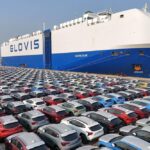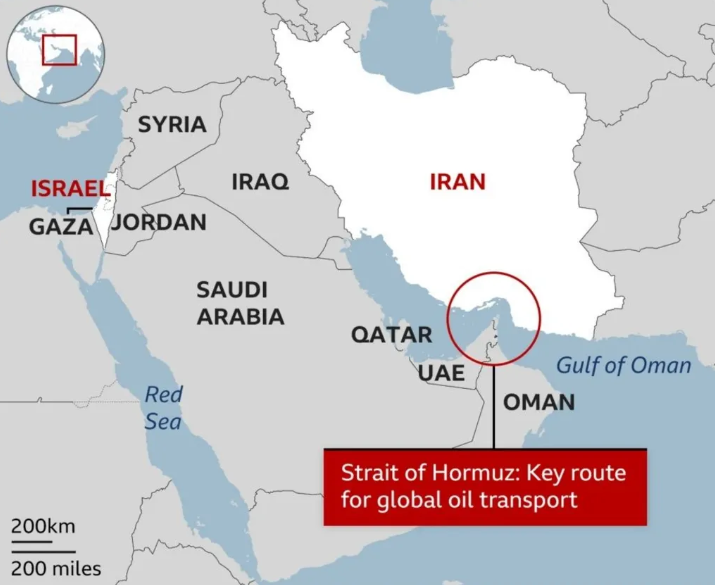
Are you wondering how to efficiently manage Shipping Electric Vehicles from China to Saudi Arabia? Navigating the complexities of EV logistics, freight options, and customs regulations can be overwhelming. In this comprehensive guide, we’ll break down shipping methods, cost factors, transit times, and essential documentation. Discover practical tips to streamline the process and reduce costs while ensuring your vehicles arrive safely and on time. Let’s unlock the secrets to successful electric vehicle shipping between China and Saudi Arabia!

Shipping Methods from China to Saudi Arabia
When shipping electric vehicles (EVs) from China to Saudi Arabia, choosing the right shipping method is critical for cost efficiency, transit time, and cargo safety. The two most common international shipping methods are sea freight and air freight. The choice depends on your business needs, budget, and timeline.
Shipping Electric Vehicles from China to Saudi Arabia by Sea Freight
Sea freight is the most popular and cost-effective way of shipping EVs in bulk from China to Saudi Arabia. This method is ideal for manufacturers, distributors, or businesses looking to import multiple units or full containers.
Key Advantages:
- Lower cost per unit: Especially suitable for large-volume shipments.
- Flexible container options: Full Container Load (FCL) and Less than Container Load (LCL) are both available.
- Wide port coverage: Major Chinese ports (such as Shanghai, Shenzhen, Guangzhou) connect directly with key Saudi ports (Jeddah Islamic Port, King Abdulaziz Port in Dammam, King Abdullah Port).
| Port of Loading (China) | Destination Port (Saudi Arabia) | Typical Transit Time (Days) | FCL 40HQ Estimated Cost (USD)* |
|---|---|---|---|
| Shanghai | Jeddah Islamic Port | 22-28 | $2,800 – $3,400 |
| Shenzhen | King Abdulaziz Port (Dammam) | 24-30 | $2,950 – $3,600 |
| Ningbo | King Abdullah Port | 23-29 | $3,000 – $3,800 |
*Rates are indicative as of Q4 2025. Actual rates vary by season, carrier, and market conditions.
Considerations:
- Transit time is longer, but cost savings are significant.
- Roll-on/Roll-off (RoRo) services may be available for finished vehicles, offering secure handling.
- Professional packing and containerization are essential to protect high-value EVs during the sea voyage.
If you are interested in more details about sea freight between these regions, you may also refer to Sea Freight From China to Saudi Arabia.
Shipping Electric Vehicles from China to Saudi Arabia by Air Freight
Air freight is the fastest shipping option, preferred for urgent deliveries or high-value electric vehicles requiring prioritized handling.
Key Advantages:
- Shortest transit times: Shipments typically arrive within 3-7 days.
- Enhanced security: Less risk of damage, theft, or weather-related delays.
- Direct flights: From major Chinese airports (such as Guangzhou Baiyun, Shanghai Pudong, Beijing Capital) to King Khalid International Airport (Riyadh), King Abdulaziz International Airport (Jeddah).
| Origin Airport (China) | Destination Airport (Saudi Arabia) | Typical Transit Time (Days) | Air Freight Cost/kg (USD)* |
|---|---|---|---|
| Guangzhou Baiyun | Riyadh (RUH) | 3-5 | $8 – $13 |
| Shanghai Pudong | Jeddah (JED) | 4-7 | $8.5 – $14 |
*EVs often incur special handling surcharges due to battery regulations.
Considerations:
- Air freight for EVs is subject to IATA Dangerous Goods Regulations due to lithium batteries.
- Documentation and packaging must strictly comply with airline and international safety standards.
Container Types and Packing Requirements
Selecting the correct container and proper packing is crucial for the safe shipment of electric vehicles.
Standard Container Sizes:
| Container Type | Capacity (CBM) | Recommended Use |
|---|---|---|
| 20FT | 28 | 1-2 compact EVs or partial loads |
| 40FT | 56 | Up to 3-4 EVs, depending on vehicle size |
| 40HQ (High Cube) | 68 | 4-5 EVs, allows extra vertical space |
| 45HQ (High Cube) | 78 | 5-6 EVs, for larger shipments |
Packing Requirements for EVs:
- Use of custom cradles or wheel chocks to secure vehicles.
- Protection against moisture and vibration (desiccants, cushioning materials).
- Battery disconnection or special handling per international transport regulations.
- Clear labelling of hazardous materials (for lithium battery compliance).
Door-to-Door vs. Port-to-Port Services
You have the flexibility to choose between door-to-door and port-to-port shipping services:
Door-to-Door Service:
The freight forwarder handles the entire logistics process—pickup at the Chinese factory, inland transportation, export customs clearance, international shipment, import clearance in Saudi Arabia, delivery to the final destination.
Recommended for: Businesses wanting hassle-free shipping and time savings.Port-to-Port Service:
The freight forwarder is responsible only for shipping from the port of loading in China to the destination port in Saudi Arabia. The consignee manages local customs clearance, inland delivery, and handling at both ends.
Recommended for: Experienced importers/exporters who have logistics partners or their own teams in both countries.
| Service Type | Scope of Service | Pros | Cons |
|---|---|---|---|
| Door-to-Door | Pickup at supplier → final address in Saudi Arabia | Convenience, time-saving, fewer risks | Higher cost |
| Port-to-Port | From China port to Saudi port | Lower freight charge | More legwork for consignee |
For a deeper dive into the advantages and process of door-to-door shipping for this region, see door to door shipping from China to Saudi Arabia.
Dantful International Logistics offers both Sea Freight and Air Freight solutions, along with comprehensive Door-to-Door, Consolidated Freight, Insurance, and Customs Clearance services, ensuring your electric vehicles are shipped securely and efficiently.
What Factors shipping cost from China to Saudi Arabia
Understanding the variables that determine your shipping costs is vital for effective budgeting and supply chain management. The main factors influencing the cost of shipping electric vehicles from China to Saudi Arabia include:
Shipping Method:
Sea freight is generally more economical than air freight, but air offers speed and reliability for urgent or high-value shipments.Cargo Volume and Weight:
Costs are calculated based on either volume (CBM) or gross weight, whichever is higher. Larger shipments, such as full containers, benefit from lower per-unit costs.Type & Value of Electric Vehicles:
High-value or oversized EVs may require special handling, insurance, or premium services, impacting overall costs.Container Type and Utilization:
Selecting the right container size (20FT, 40FT, 40HQ, 45HQ) and maximizing space utilization can reduce per-unit costs.Port Pair and Routing:
Shipping rates may vary depending on the departure and arrival ports, route congestion, and carrier selection.Seasonality and Market Fluctuations:
Shipping rates fluctuate based on global demand, peak seasons (such as Chinese New Year), and carrier capacity.Customs Duties and Taxes:
Import duties, VAT/GST, and customs clearance fees in Saudi Arabia are additional costs to factor in.Service Level:
Door-to-door service is generally more expensive than port-to-port, but offers greater convenience and security.Packing and Insurance:
Specialized packing for EVs and comprehensive cargo insurance (highly recommended) adds to the total cost.Documentation and Compliance Fees:
Fees for mandatory documents (such as the commercial invoice, packing list, certificate of origin, dangerous goods declaration, etc.) and compliance with international regulations.Additional Services:
Value-added services such as pre-shipment inspection, warehousing, and inland trucking.
Pro Tip:
Always request a detailed, all-in quotation from your freight forwarder—including all possible surcharges, documentation, and insurance. At Dantful International Logistics, we provide transparent, tailor-made quotes and professional guidance to help you optimize costs while ensuring compliance and cargo safety.
Shipping From China to Middle East Countries:
- Shipping from China to Saudi Arabia
- Shipping from China to UAE
- Shipping from china to KUWAIT
- Shipping From China To EGYPT
- Shipping from China to Bahrain
- Shipping From China To Jordan
- Shipping From China To Israel
- Shipping from China to Qatar
- Shipping From China To IRAQ
- Shipping from China to Iran
How much to ship Electric Vehicles from China to Saudi Arabia
Shipping electric vehicles (EVs) from China to Saudi Arabia involves several cost components. The total shipping cost depends on various factors, such as shipping method, vehicle dimensions and weight, container type, port of destination, value-added services, and current market rates. Below is a breakdown of typical cost components and estimated rates as of Q4 2025:
1. Main Cost Components
| Cost Component | Description |
|---|---|
| Ocean Freight/Air Freight | Charges for transport by sea or air, based on volume/weight, and shipping route. |
| Container Costs | For FCL (Full Container Load) or LCL (Less than Container Load), includes container rental/space. |
| Inland Transportation | Trucking from factory to Chinese port and/or Saudi Arabian port to final destination. |
| Customs Clearance | Documentation and handling fees in both China and Saudi Arabia. |
| Duties & Taxes | Applicable import duties, VAT, and environmental levies imposed by Saudi Customs. |
| Insurance | Optional but recommended to protect high-value shipments like EVs. |
| Other Fees | Port charges, terminal handling, warehousing, and value-added services. |
2. Estimated Shipping Rates (2025 Reference)
Below are estimated costs for shipping a standard-sized electric vehicle (e.g., Tesla Model 3) from major Chinese ports (e.g., Shanghai, Shenzhen) to primary Saudi Arabian ports (Jeddah, Dammam) via sea and air freight:
| Mode | Route | Container Type | Estimated Cost (USD) | Transit Time (Days) |
|---|---|---|---|---|
| Sea Freight (FCL) | Shanghai → Jeddah | 40FT High Cube | $4,000 – $5,500 | 18 – 25 |
| Sea Freight (FCL) | Shenzhen → Dammam | 40FT High Cube | $4,200 – $5,800 | 20 – 27 |
| Air Freight | Guangzhou → Riyadh | Palletized (1 unit) | $12,000 – $18,000 | 3 – 7 |
Note:
- LCL (Less than Container Load) is rarely used for EVs due to size and safety regulations, but groupage solutions may be available for smaller vehicles or parts.
- Rates fluctuate based on season, fuel surcharges, global shipping demand, and specific requirements for hazardous battery cargo.
For those interested in shipping other types of vehicles or parts, check out the guide on Shipping Auto Parts from China to Saudi Arabia.
3. Additional Considerations
- Customs Duties: Saudi Arabia imposes a 5% import duty on electric vehicles, with possible exemptions or incentives for green vehicles (subject to current regulations).
- Documentation: Proper certification, such as conformity certificates and MSDS for batteries, is essential.
- Insurance: Usually 0.3% – 0.5% of cargo value for all-risk coverage.
- Packing Requirements: Specialized packing is required for electric vehicles, especially for the lithium battery component, which may incur extra handling fees.
4. Sample Total Cost Calculation
Here is a sample breakdown for shipping one electric vehicle from Shanghai to Jeddah:
| Item | Estimated Cost (USD) |
|---|---|
| Sea Freight (40HQ FCL) | $5,000 |
| Trucking (Factory-Port) | $300 |
| Saudi Port Handling | $350 |
| Customs Clearance | $250 |
| Insurance | $150 |
| Duties (5% on $30,000) | $1,500 |
| Total | $7,550 |
All costs are indicative and subject to change. For accurate, up-to-date quotations tailored to your shipment, consult a professional freight forwarder like Dantful International Logistics.
Tips to Reduce Shipping Costs
Shipping electric vehicles internationally is a significant investment. However, there are effective strategies to optimize logistics and minimize expenses:
1. Optimize Shipping Mode and Container Utilization
- Consolidate Shipments: If shipping multiple vehicles, fill a 40HQ or 45HQ container to maximize space utilization. Partial loads may be less cost-effective.
- Choose the Right Route: Select direct shipping lanes to Saudi Arabia (e.g., Shanghai/Jeddah) to avoid unnecessary transshipment and reduce costs.
- Consider RoRo (Roll-on/Roll-off): For larger batches, RoRo shipping can sometimes be more economical for fully assembled vehicles.
2. Plan Shipments in Advance
- Book Early: Early booking helps secure better freight rates, especially during shipping peak seasons (e.g., pre-Ramadan, end-of-year).
- Flexible Schedules: If delivery timelines permit, choose slower sailing options that offer lower rates.
3. Work with a Professional Freight Forwarder
- Leverage Expertise: A knowledgeable forwarder like Dantful International Logistics can source the most competitive rates, manage compliance, and provide tailored solutions.
- End-to-End Services: Using one provider for sea freight, inland haulage, customs clearance, and insurance streamlines the process, often resulting in bundled discounts.
4. Reduce Accessorial Charges
- Correct Documentation: Ensure all paperwork (invoice, packing list, certifications) is accurate to avoid delays and costly penalties.
- Efficient Packing: Adhere to packing standards for electric vehicles and batteries to minimize the risk of damage and additional handling fees.
- Pre-Clear Customs: Prepare all import permits and certificates in advance to avoid demurrage and storage charges at Saudi Arabian ports.
5. Evaluate Value-Added Services
- Cargo Insurance: Select an appropriate insurance policy to protect your investment at the lowest premium necessary.
- Tracking & Visibility: Advanced tracking solutions help prevent delays and reduce risk of loss, which can result in indirect savings.
6. Stay Updated with Regulatory Incentives
- Monitor Tariff Changes: Saudi Arabia periodically updates import duties, especially for new energy vehicles. Take advantage of available incentives for electric or eco-friendly vehicles.
7. Negotiate Volume Discounts
- Long-term Partnerships: Establishing an ongoing relationship with a reliable freight forwarder may qualify you for preferential rates, priority space, and customized services.
Customs Clearance & Documentation
Shipping electric vehicles (EVs) from China to Saudi Arabia involves strict compliance with customs regulations and comprehensive documentation. Proper handling of this phase minimizes delays and extra costs, and ensures a smooth import process.
Required Documents for Electric Vehicles Import
Importing electric vehicles into Saudi Arabia requires the following key documents:
| Document Name | Purpose/Description | Issuing Authority |
|---|---|---|
| Bill of Lading (B/L) | Confirms shipment details and transfer of ownership | Shipping Line/Freight Forwarder |
| Commercial Invoice | Lists transaction value, vehicle details, and seller/buyer info | Exporter |
| Packing List | Details quantity, dimensions, container type, and packaging | Exporter |
| Vehicle Certificate of Origin | Certifies manufacturing origin (mandatory for customs clearance) | Manufacturer |
| Export Customs Declaration | Confirms legal export status from China | Chinese Customs |
| Import Customs Declaration | Required for entry into Saudi Arabia | Saudi Customs |
| Conformity Certificate (SASO/SABER) | Ensures compliance with Saudi Standards, Metrology and Quality Organization | SASO/SABER Platform |
| EV Technical Specifications | Details battery type, capacity, and compliance with local standards | Manufacturer |
| Insurance Certificate | Coverage for cargo in transit | Insurance Provider |
| Letter of Authorization (if using agent) | Permits agent to clear goods on importer’s behalf | Importer |
Tip: Engage with a professional freight forwarder, such as Dantful International Logistics, early in the process. We provide end-to-end support to ensure all documentation meets both Chinese and Saudi Arabian requirements, reducing risk of delays.
Saudi Arabia Customs Regulations and Duties
Importing EVs into Saudi Arabia is governed by specific regulations designed to ensure safety, environmental compliance, and accurate duty assessment.
Key Regulations
- Conformity Assessment: EVs must have a valid SASO or SABER conformity certificate, confirming compliance with Saudi technical standards, especially on battery safety and emissions.
- Model Approval: Only approved vehicle models (from the Saudi Standards, Metrology and Quality Organization) may enter the country. Unlisted models may face re-export or destruction.
- Age Restriction: As of 2025, only new or nearly-new electric vehicles are permitted. Used EV imports are heavily restricted.
- Import License: Importers must be registered businesses holding a valid import license for vehicles.
Duties and Taxes
| Charge Type | Rate (as of 2025) | Notes |
|---|---|---|
| Customs Duty | 5% of vehicle CIF value | CIF = Cost + Insurance + Freight |
| VAT | 15% | Calculated on CIF plus Customs Duty |
| Inspection Fees | Variable | Costs for technical inspections and conformity assessments |
| Other Fees | Port handling, documentation | Vary depending on chosen port and service provider |
Note: Tax incentives for electric vehicles may apply; always check the latest Saudi customs updates or consult your freight forwarder.
Dantful International Logistics provides customs clearance services in both China and Saudi Arabia, ensuring full compliance to local regulations and optimal cost management.
Shipping Transit Time from China to Saudi Arabia
Shipping timelines can vary significantly based on the chosen method, port locations, and customs efficiency. Reliable timeline estimates support better planning and inventory management.
Typical Shipping Timelines from China to Saudi Arabia
Below is an overview of average transit times for shipping electric vehicles from major Chinese ports to main Saudi Arabian ports:
| Origin Port (China) | Destination Port (Saudi Arabia) | Sea Freight (FCL/LCL) | Air Freight |
|---|---|---|---|
| Shanghai | Jeddah | 18–23 days | 2–4 days |
| Shenzhen | Dammam | 20–25 days | 2–4 days |
| Ningbo | Jeddah | 18–22 days | 2–4 days |
| Guangzhou | Riyadh (via Dammam) | 19–24 days | 2–4 days |
- Sea Freight (Full Container Load, FCL): Most cost-effective for bulk shipment of EVs; schedule flexibility depending on carrier.
- Sea Freight (Less-than-Container Load, LCL): Useful for smaller quantities, but may add several days due to consolidation.
- Air Freight: Fastest but costliest—best for urgent, high-value, or sample shipments.
For more information on shipping times and cost breakdowns for the region, visit How much is shipping from China to Saudi Arabia.
Note: The timelines above exclude customs clearance and inland transportation. Delays may occur during peak seasons or due to documentation issues.
How to Track Your Shipment
Tracking ensures transparency and proactive issue resolution throughout the shipping process. Here’s how you can monitor your electric vehicle shipment:
1. Online Tracking Platforms
Most major carriers and freight forwarders provide real-time tracking via their online platforms. You’ll need your Bill of Lading or Air Waybill number.
2. Dantful International Logistics Tracking Portal
As a client of Dantful International Logistics, you gain access to comprehensive online shipment tracking tools, including:
- Real-time location updates
- Shipping milestones (departure, arrival, customs clearance)
- Automated notifications for key events
3. Communication with Dedicated Account Manager
At Dantful, every client is assigned a dedicated logistics expert who monitors your shipment and provides proactive updates via email, phone, or messaging apps.
4. Third-party Tracking Tools
Independent platforms (e.g., MarineTraffic, CargoTrack) can supplement tracking using container or vessel numbers.
5. Tips for Effective Tracking
- Ensure all shipping documentation is accurate to avoid tracking discrepancies.
- Request regular status updates from your freight forwarder.
- Track not only the main transit but also local drayage and final delivery.
For timely, secure, and transparent shipping of electric vehicles from China to Saudi Arabia, leverage the expertise of a reliable freight forwarder like Dantful International Logistics. We handle all aspects of documentation, customs clearance, and provide end-to-end visibility for your shipments, helping your business stay ahead in a dynamic global market.
Shipping Process from China to Saudi Arabia
Logistics from Supplier to Port
The logistics process for shipping electric vehicles from China to Saudi Arabia involves multiple time-critical and compliance-focused steps to ensure both efficiency and regulatory alignment. Here’s a comprehensive breakdown:
Supplier Coordination:
After the purchase order is confirmed, suppliers coordinate with logistics providers to prepare the electric vehicle for export. This includes finalizing documentation, scheduling production, and arranging for pre-shipment inspections if required.Domestic Transportation:
The vehicle is transported from the factory or warehouse to the designated Chinese port—commonly Shanghai, Shenzhen, or Ningbo for sea freight; or Guangzhou Baiyun International Airport and Shanghai Pudong International Airport for air freight. Transport can be via road or rail, depending on distance and urgency.Port Handling:
Upon arrival at the port, vehicles are housed in secure warehouses while awaiting customs clearance and loading. Pre-loading inspections, weighing, and quality checks are conducted to ensure compliance with both Chinese export regulations and Saudi Arabian import standards.Customs Clearance (Export):
All export documentation—Commercial Invoice, Packing List, Bill of Lading or Air Waybill, Certificate of Origin, and EV-specific compliance certificates—must be presented. Any missing or incorrect paperwork can delay the shipment.Loading:
Depending on the shipping arrangement, vehicles are loaded into containers (20FT, 40FT, 40HQ, or 45HQ) or onto RoRo (Roll-on/Roll-off) vessels. Proper blocking and bracing are critical to prevent movement and damage during transit.
Packing and Loading Requirements
Shipping electric vehicles requires adherence to strict packing and loading protocols to ensure safety and compliance:
| Container Type | Capacity (CBM) | Typical Use for EV Shipments |
|---|---|---|
| 20FT | 28 | 1 small to medium-sized vehicle |
| 40FT | 56 | 2-3 standard vehicles |
| 40HQ | 68 | 3-4 vehicles or larger EVs |
| 45HQ | 78 | 4+ compact vehicles/custom orders |
Battery Regulations:
Lithium-ion batteries, commonly used in EVs, are classified as dangerous goods (UN3480, Class 9). Packaging must comply with IMDG (sea) or IATA (air) guidelines, with robust insulation, shock-absorbent materials, and battery terminal protection.Vehicle Preparation:
EVs should be drained of excess fuel (if hybrid), secured with wheel chocks, and bound with industrial-strength straps. Sensitive electronics and battery systems may require additional insulation and humidity control.Container Inspection:
Before loading, containers are inspected for water-tightness and structural integrity. Proper labeling (hazardous materials, orientation arrows, etc.) ensures compliance throughout transit.
Cargo Insurance and Risk Management
International shipping introduces several risks—damage, theft, loss, and unforeseen delays. Cargo insurance is an essential safeguard for valuable electric vehicles:
Types of Insurance:
- All-Risk Insurance: Covers most physical loss or damage, except exclusions (e.g., war, improper packing).
- Total Loss Insurance: Protects against complete loss of shipment only.
Risk Assessment:
- Evaluate route security, especially for high-value cargo.
- Ensure compliance with the latest lithium battery regulations.
Partner with Reliable Providers:
Choose a freight forwarder, such as Dantful International Logistics, that offers comprehensive insurance options and proactive risk management, including real-time monitoring and secure warehousing.
Shipment Tracking and Transparency
Modern shipping demands end-to-end visibility. Dantful International Logistics utilizes advanced tracking systems for full transparency:
Real-Time Tracking:
Electronic tracking platforms provide up-to-date status, location, and estimated arrival times for containers or RoRo shipments.Milestone Alerts:
Notifications for key stages—departure from China, arrival at transshipment hubs, customs clearance, and final delivery in Saudi Arabia.Document Access:
Clients can access digital copies of key shipping documents (B/L, insurance, inspection reports) at any time.Customized Reporting:
Detailed analytics on shipment performance, delays, and incident reports for continuous process improvement—crucial for supply chain and procurement managers.
Choosing a Reliable Freight Forwarder
Selecting the right freight forwarder is fundamental to a seamless and cost-effective shipping experience for electric vehicles from China to Saudi Arabia. Consider the following criteria:
Expertise and Service Scope
Industry Experience:
Partner with companies with proven track records in EV shipping and dangerous goods handling, such as Dantful International Logistics—a leader in tailored international logistics solutions.Comprehensive Services:
Ensure your provider covers a full suite of offerings, including Sea Freight, Air Freight, Rail Freight, Road Freight, Amazon FBA, Warehousing, Customs Clearance, Insurance, Door-to-Door, OOG Freight, Consolidated Freight, and Breakbulk Freight.
Cost-Effectiveness and Transparency
- Competitive Pricing:
Obtain transparent quotes with detailed breakdowns—no hidden charges. - Value-Added Services:
Look for consolidation options, load optimization, and route planning to reduce costs and transit times.
Compliance and Reliability
- Regulatory Knowledge:
Choose a forwarder with up-to-date expertise on Saudi Arabian import regulations, especially for EVs and lithium battery shipping. - Global Network:
Strong agent networks in both China and Saudi Arabia ensure smooth customs clearance, last-mile delivery, and problem resolution.
Technology and Communication
- Digital Solutions:
Real-time tracking, online document management, and automated alerts improve visibility and responsiveness. - Responsive Support:
Dedicated account managers and multilingual customer service for fast issue resolution.
Why Choose Dantful International Logistics?
As a highly professional, cost-effective, and high-quality one-stop international logistics service provider, Dantful International Logistics delivers exceptional value through:
- 15+ years of experience in EV and high-value cargo logistics.
- 24/7 shipment monitoring and proactive risk management.
- Global coverage with strategic partnerships at all major Chinese and Saudi Arabian ports.
- Tailored solutions for manufacturers, traders, e-commerce sellers, and individuals.
Working with a reliable, experienced freight forwarder like Dantful International Logistics ensures your electric vehicles are shipped safely, efficiently, and in full compliance with international standards—giving you peace of mind and a competitive edge in the Saudi Arabian market.

Young Chiu is a seasoned logistics expert with over 15 years of experience in international freight forwarding and supply chain management. As CEO of Dantful International Logistics, Young is dedicated to providing valuable insights and practical advice to businesses navigating the complexities of global shipping.