Are you wondering how to efficiently ship electronics from China to the UK without unexpected costs or delays? With the UK’s increasing demand for imported gadgets, understanding shipping options, customs regulations, and specialized handling requirements is more important than ever. In this comprehensive guide, we’ll walk you through everything you need to know about shipping electronics from China to the UK, helping you make smart decisions for your business.
Understanding the UK’s Demand for Imported Electronics
The United Kingdom is one of the largest importers of electronics in Europe, reflecting its robust consumer market and vibrant manufacturing sector. Driven by rapid technological advancements, growing demand for consumer electronics, and an expanding e-commerce sector, the UK consistently ranks among the top destinations for electronic goods sourced from China.
Key Trends Shaping UK Electronics Imports
- Growing E-commerce and Retail Demand: With online marketplaces booming, UK consumers increasingly seek the latest gadgets, smartphones, laptops, gaming devices, and smart home products, much of which are manufactured in China. This trend fuels continuous import growth.
- Diverse Industrial Applications: Electronics are widely used in automotive, healthcare, telecommunications, and manufacturing industries, boosting demand for components and finished products.
- Shifting Consumer Preferences: UK buyers prioritize quality, up-to-date technology, and energy efficiency, prompting importers to source a wide range of advanced electronics.
- Seasonal Peaks: Demand spikes around events like Black Friday, Christmas, and back-to-school, requiring reliable logistics solutions to ensure on-time delivery.
UK’s Major Imported Electronics Categories from China
| Category | Typical Products | Market Share (%) |
|---|---|---|
| Consumer Electronics | Smartphones, tablets, headphones, TVs | 38 |
| Computer & Peripherals | Laptops, desktops, printers, monitors | 27 |
| Electronic Components | Chips, PCBs, sensors, semiconductors | 15 |
| Home Appliances | Smart home devices, kitchen gadgets, wearables | 11 |
| Automotive Electronics | Navigation, ADAS, infotainment, batteries | 9 |
Source: UK Office for National Statistics, 2025
Why Import Electronics from China?
- Competitive Pricing: Chinese manufacturers offer cost-effective production, enabling UK businesses to maintain competitive pricing.
- Wide Product Selection: China’s electronics ecosystem covers everything from entry-level devices to high-end, innovative technology.
- Established Supply Chains: Decades of trade have developed reliable, scalable logistics and procurement networks.
- OEM/ODM Capabilities: For UK brands, China offers flexible solutions for custom designs and branding.
In summary: Understanding the UK’s dynamic demand landscape is crucial for optimizing your supply chain. Tailoring your sourcing and shipping strategy to market trends ensures competitiveness and profitability.
Key Factors Influencing Shipping Costs for Electronics
Shipping electronics from China to the UK involves several variables that directly impact the total cost. Recognizing these factors helps importers and supply chain managers make informed decisions and minimize expenses without compromising quality or compliance.
Related Reading: For more details on consolidated freight and optimizing container utilization, see LCL vs FCL Shipping: How to Choose the Right Option for Small Cargo.
1. Shipping Method
The choice between air freight, sea freight, and express shipping significantly affects cost and transit time:
| Shipping Method | Typical Transit Time (China-UK) | Suitable For | Cost per kg (USD)** | Notes |
|---|---|---|---|---|
| Air Freight | 3–7 days | Valuable, urgent | $4–$8 | Fast, higher security |
| Sea Freight | 25–40 days | Large, bulk, less urgent | $0.50–$1.50 | Cost-effective, slower |
| Express Courier | 2–5 days | Samples, small parcels | $6–$15 | Fastest, premium price |
Rates as of Q4 2025. Subject to weight, volume, and route variations.
2. Volume and Weight (Chargeable Weight)
- Chargeable weight is calculated as the greater of actual weight and volumetric weight, especially for air shipments. Electronics, often lightweight but bulky (e.g., TVs), may incur higher shipping costs due to their dimensions.
- Container Utilization: For sea freight, using a 20FT (28CBM), 40FT (56CBM), or 40HQ (68CBM) container optimally can reduce unit shipping costs.
3. Product Value and Insurance
- High-value electronics warrant comprehensive cargo insurance to protect against loss or damage during transit.
- Some carriers may apply additional surcharges for high-value or fragile items.
4. Packaging Requirements
- Specialized packaging for fragile electronics (anti-static, cushioned, waterproof) can increase handling and material costs but is essential for damage prevention and compliance with carrier standards.
5. Customs Duties, VAT, and Compliance Fees
- UK importers are subject to customs duties, Value Added Tax (VAT), and potential compliance testing fees for electronics. These fees depend on product classification (HS code), declared value, and conformity to UK standards.
6. Origin and Destination Ports
- The choice of Chinese port (e.g., Shenzhen, Shanghai, Ningbo) and UK port (e.g., Felixstowe, Southampton, London Gateway) affects ocean freight rates and inland transportation costs.
- Proximity to production sites and final delivery addresses can optimize route efficiency.
7. Shipping Season and Space Availability
- Peak seasons (e.g., pre-Christmas, Chinese New Year) see increased demand, leading to higher freight rates and potential delays.
- Advance booking and consolidation strategies can help secure space and better rates.
8. Additional Services
- Door-to-door delivery, customs clearance, warehousing, and last-mile distribution services, as offered by Dantful International Logistics, impact overall shipping costs but add value by simplifying the process and reducing risks.
In practice, partnering with a reliable freight forwarder like Dantful International Logistics ensures transparency and cost control. Our team provides tailored quotes, route optimization, and end-to-end solutions—helping you achieve a balance of speed, safety, and cost-efficiency for your electronics shipments from China to the UK.
Explore More: For comprehensive guidance on all logistics options to the UK, visit Shipping From China to United Kingdom.
Air Freight Electronics from China to UK
Air freight is a preferred shipping method for electronics from China to the UK when speed, reliability, and security are top priorities. Many importers, especially those dealing with high-value and time-sensitive electronic goods, choose air freight for its fast transit times and reduced risk of damage or theft.
Key Benefits of Air Freight for Electronics
- Speed: Air freight typically delivers goods from major Chinese airports (such as Shanghai Pudong – PVG, Guangzhou Baiyun – CAN, and Shenzhen Bao’an – SZX) to UK airports (notably London Heathrow – LHR and Manchester – MAN) within 3–7 days.
- Security: Electronics are high-value and prone to theft or damage. Air cargo is handled with higher security protocols and less handling, reducing risk.
- Reliability: Regular flight schedules ensure consistent delivery, crucial for meeting tight replenishment deadlines in retail and e-commerce.
- Versatility: Air freight can accommodate small shipments (as little as 45 kg via consolidated air cargo) as well as large palletized consignments.
Typical Air Freight Process for Electronics
- Pickup and Export Clearance in China: Your goods are picked up from the supplier and cleared through export customs.
- Airport Handling: Electronics are packed in secure, often temperature-controlled environments to prevent static, shock, and humidity damage.
- International Air Transport: Goods are flown from the chosen Chinese airport to the UK.
- Import Clearance in UK: Shipments undergo customs checks, with attention to certifications like CE marking and WEEE compliance.
- Final Delivery: After clearance, goods are delivered to your UK warehouse, fulfillment center, or final destination.
Estimated Air Freight Costs and Transit Times (2025)
| Route | Typical Transit Time | Approximate Cost (per kg)* |
|---|---|---|
| PVG (Shanghai) – LHR | 3–5 days | $5.00–$7.00 USD |
| SZX (Shenzhen) – MAN | 4–6 days | $4.80–$6.50 USD |
| CAN (Guangzhou) – LHR | 3–6 days | $5.50–$7.50 USD |
*Prices based on general cargo rates, not including fuel surcharges, security, or customs fees. Electronics with lithium batteries classified as dangerous goods may require special handling, incurring additional costs.
Further Reading: To compare UK air freight with other regions, check air freight from china to usa.
Considerations for Shipping Electronics by Air
- Lithium Batteries: Most electronics contain lithium batteries, which are subject to IATA Dangerous Goods Regulations. Ensure your freight forwarder can handle such cargo compliantly.
- Packaging: Use anti-static, shock-resistant, and moisture-proof packaging to protect sensitive components.
- Insurance: High-value shipments should be insured against loss or damage.
- Documentation: Air Waybill, Commercial Invoice, Packing List, and any certifications required for electronics must be in order.
As a highly professional and experienced freight forwarder, Dantful International Logistics offers door-to-door air freight services, including customs clearance, bonded warehousing, and handling of dangerous goods. Our expertise ensures your electronics shipments from China to the UK are fast, secure, and fully compliant.
Sea Freight Electronics from China to UK
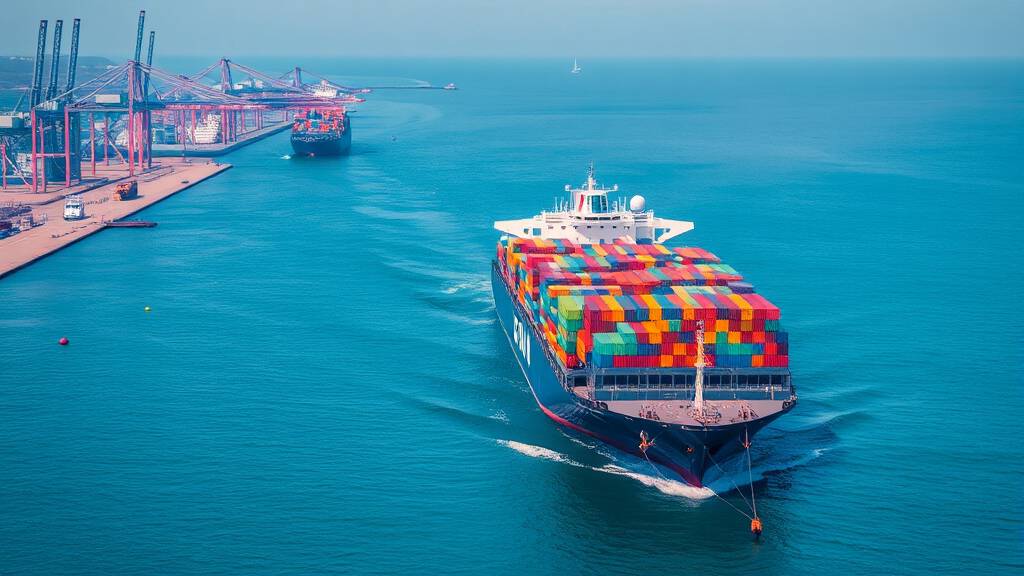
Sea freight is the most cost-effective solution for shipping large volumes of electronics from China to the UK. While slower than air freight, it is suitable for bulk shipments where cost reduction and supply chain efficiency are the main objectives.
Main Sea Freight Options
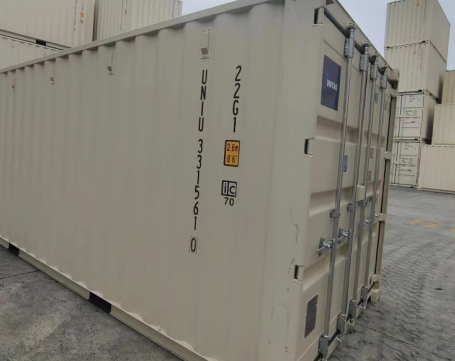
- Full Container Load (FCL): Ideal for high-volume shipments; you have exclusive use of a 20FT, 40FT, 40HQ, or 45HQ container.
- 20FT container: Capacity ~28CBM
- 40FT container: Capacity ~56CBM
- 40HQ container: Capacity ~68CBM
- 45HQ container: Capacity ~78CBM
- Less than Container Load (LCL): Suited for smaller consignments; you share container space, paying only for the volume you use.
Major Ports
- China: Shanghai (CNSHA), Shenzhen (CNSZX), Ningbo (CNNGB), Qingdao (CNQDG), Guangzhou (CNCAN)
- UK: Felixstowe (GBFXT), Southampton (GBSOU), London Gateway (GBLGP), Liverpool (GBLIV)
Estimated Sea Freight Transit Times and Costs (2025)
| Route | Container Type | Transit Time (Days) | Approximate Cost* |
|---|---|---|---|
| Shanghai – Felixstowe | 40HQ FCL | 28–35 | $3,200–$3,600 USD |
| Shenzhen – Southampton | 40HQ FCL | 28–34 | $3,300–$3,700 USD |
| Ningbo – London Gateway | LCL | 32–38 | $80–$120 USD/CBM |
*Rates vary based on shipping season, fuel surcharges, and special handling for electronics.
Sea Freight Process for Electronics
- Container Stuffing: Goods are loaded at the factory or warehouse, with professional packaging for anti-static and moisture protection.
- Export Customs Clearance: Dantful’s local team ensures smooth documentation and compliance with export regulations.
- Ocean Transport: Cargo sails from the selected Chinese port to the UK, with options for direct or transshipment routes.
- UK Customs Clearance: Attention to CE certification, WEEE compliance, and proper product labeling.
- Final Delivery: After clearance, Dantful arranges delivery to your UK premises or e-commerce fulfillment center.
Read Next: Learn about cost breakdowns for ocean freight to the UK in container shipping costs from china to UK.
Considerations When Shipping Electronics by Sea
- Risk of Moisture and Shock: Use desiccants, vacuum-sealed packaging, and anti-static materials.
- Container Selection: Choose the right container type and size based on your cargo volume and protection needs.
- Insurance: Protect against loss, pilferage, or water damage.
- Documentation: Bill of Lading, Commercial Invoice, Packing List, and certificates needed for electronics.
LCL vs. FCL: Quick Comparison
| Criteria | FCL | LCL |
|---|---|---|
| Cost (large volume) | More cost-efficient | More expensive per CBM |
| Risk | Lower (exclusive container use) | Higher (cargo mixing risk) |
| Flexibility | Best for large shipments | Best for small/medium |
| Handling | Less handling, lower damage risk | More handling, higher risk |
| Transit Time | Slightly faster, direct sailing | May be longer (deconsolidation) |
Dantful International Logistics provides reliable sea freight solutions, covering FCL, LCL, and even OOG (Out-of-Gauge) shipments. We offer end-to-end services including consolidation, warehousing, customs clearance, and insurance, ensuring your electronics reach the UK safely, efficiently, and in full compliance with regulations.
Express Shipping Options for Urgent Electronic Shipments
When time is critical, express shipping becomes the preferred solution for sending electronics from China to the UK. This shipping mode is ideal for high-value, time-sensitive shipments, such as smartphones, laptops, or electronic components required for production lines.
Key Express Couriers and Transit Times
Several leading international couriers offer express shipping services between China and the UK:
| Courier | Typical Transit Time | Maximum Weight per Parcel | Features |
|---|---|---|---|
| DHL Express | 2-4 business days | 70 kg | Real-time tracking, customs clearance |
| FedEx Express | 2-5 business days | 68 kg | Priority handling, flexible delivery |
| UPS Express | 2-5 business days | 70 kg | End-to-end visibility, Saturday delivery |
| TNT Express | 3-6 business days | 70 kg | Door-to-door, specialised support |
Note: Actual delivery times can vary based on customs clearance, specific routes, and peak seasons.
Advantages of Express Shipping for Electronics
- Speed: Fastest shipping option, ensuring minimal downtime for urgent projects or retail launches.
- Security: Enhanced shipment tracking and handling, reducing the risk of loss or damage to valuable electronics.
- Customs Facilitation: Major couriers have streamlined customs processes, helping to clear shipments efficiently.
- Door-to-Door Service: Pickup in China and delivery directly to the recipient’s address in the UK.
Cost Considerations
Express shipping is priced based on chargeable weight (either actual or volumetric, whichever is higher). Electronics, being high-value but often lightweight, can be cost-effective for smaller batches. However, larger volumes may incur significant costs compared to air or sea freight.
Sample Express Shipping Cost Estimate (2025):
| Weight (kg) | Estimated Cost (USD) | Estimated Transit Time |
|---|---|---|
| 5 | $85 – $120 | 2–5 days |
| 20 | $250 – $400 | 2–5 days |
| 50 | $500 – $900 | 2–5 days |
Rates vary by courier, service level, and package dimensions. For precise quotations, consult with a professional freight forwarder like Dantful International Logistics.
When to Use Express Shipping
- Product launches or promotional events with strict deadlines
- Replacement parts for critical equipment
- Samples or prototypes for R&D
- Small, high-value electronics for retail or e-commerce
At Dantful International Logistics, our team leverages strong partnerships with all leading express couriers, ensuring clients receive the best rates, real-time tracking, and proactive customs support. We can advise on optimal packaging, shipping documentation, and route planning to protect your valuable electronics and deliver them on time.
Read More:
- Shipping From China To Netherlands
- Shipping From China To Spain
- Shipping From China To Germany
- Shipping From China To France
- Shipping From China to Italy
- Shipping From China To Poland
- Shipping From China to United Kingdom
UK Import Regulations and Standards for Electronics
Shipping electronics from China to the UK requires strict compliance with local import regulations and product standards. Understanding and adhering to these requirements is crucial to avoid delays, penalties, or confiscation at UK borders.
See Also: If you’re exploring rail and multimodal options from China to Europe, visit Rail Service From China to Europe.
Key Regulatory Bodies and Compliance Standards
- UK Customs (HM Revenue & Customs): Responsible for import duties, taxes, and customs clearance.
- Office for Product Safety and Standards (OPSS): Oversees product compliance and safety.
- CE Marking: For products placed on the UK market before Brexit, now replaced by the UKCA (UK Conformity Assessed) marking for most electronics.
- RoHS (Restriction of Hazardous Substances): Electronics must comply with restrictions on hazardous materials.
- WEEE (Waste Electrical and Electronic Equipment) Directive: Obligates manufacturers and importers to manage electronic waste responsibly.
Mandatory Certifications and Labelling
| Requirement | Description | Applies to |
|---|---|---|
| UKCA Marking | Confirms conformity to UK regulations. Required for most electrical/electronic goods. | All relevant electronics |
| RoHS Compliance | Restricts use of certain hazardous substances in electrical equipment. | All electrical/electronic |
| WEEE Registration | Importers must register and ensure responsible recycling/disposal. | Manufacturers, importers |
| Energy Labelling | Specifies energy consumption for applicable products. | Appliances, lighting, etc. |
| Product Safety Standards | Compliance with specific British or international safety standards (e.g., BS EN, IEC). | Varies by product type |
Customs Duties, VAT, and Other Import Taxes
- Customs Tariffs: Electronics are subject to specific tariff rates upon entry, calculated as a percentage of the product’s declared value.
- Import VAT: Standard rate is 20% (as of 2024), applied to the total value including goods, shipping, and insurance.
- Anti-dumping/Countervailing Duties: May apply to certain categories, based on trade regulations.
Documentation Checklist
To ensure smooth customs clearance, prepare the following:
- Commercial Invoice: Detailed description, value, and HS code of each electronic item.
- Packing List: Physical details and packaging information.
- Certificate of Origin: Specifies the country where the electronics are manufactured.
- Product Certification: Proof of compliance (e.g., UKCA, RoHS declaration).
- Import Declaration (submitted via CHIEF/CDS): Required for customs processing.
Common Pitfalls and How to Avoid Them
- Non-compliant Labelling: Failure to display correct UKCA/CE marks may lead to rejection.
- Incomplete Documentation: Missing or inaccurate information delays clearance.
- Undervaluation: Understating goods’ value can result in fines or seizure.
Expert Support from Dantful International Logistics
Navigating the complexities of UK import regulations can be challenging, especially for businesses new to international shipping. As a highly experienced freight forwarder, Dantful International Logistics assists clients with:
- Pre-shipment compliance checks and consultation
- End-to-end documentation support
- Liaison with customs and regulatory bodies
- Latest regulatory updates and import advisories
By partnering with Dantful, you can ensure your shipments of electronics from China to the UK are fully compliant, minimizing risk and maximizing delivery efficiency.
Essential Documentation for Electronic Shipments
When shipping electronics from China to the UK, ensuring complete and accurate documentation is not just a regulatory requirement but also a critical factor in minimizing delays, avoiding penalties, and protecting your cargo. As a seasoned logistics expert, I have seen many cases where incomplete or incorrect paperwork led to customs holds and extra costs. Below is an in-depth guide to the essential documents required for electronic shipments.
1. Commercial Invoice
This is the fundamental document for any international shipment. It must detail the exporter and importer information, a full description of the electronic products, their HS codes (Harmonized System codes), quantities, unit prices, total value, terms of sale (e.g., Incoterms), and the country of origin. The commercial invoice serves as the primary basis for customs valuation and duty assessment.
2. Packing List
While often paired with the commercial invoice, the packing list provides a detailed breakdown of how the electronics are packed, including dimensions, weight, and the number of packages. This helps freight handlers and customs officers verify cargo and facilitate inspection.
3. Bill of Lading (B/L) or Air Waybill (AWB)
- For sea freight, a Bill of Lading is used, acting as a contract of carriage and a receipt for the goods.
- For air freight, an Air Waybill is required.
Both documents must accurately reflect the shipment details and consignee information.
4. Certificate of Origin
This document certifies that the electronics were manufactured in China. Depending on the product type and trade agreement in place, this can affect the applicable customs duty rates in the UK.
5. Import Licenses & Permits
For certain types of electronics (such as wireless communication devices or products with specific security features), the UK may require special import permits, licenses, or approvals from relevant authorities like the Office of Communications (Ofcom) or the UK Department for Business and Trade.
6. CE Certification and Declarations of Conformity
All electronics imported into the UK must comply with local safety and electromagnetic compatibility standards.
- CE marking is mandatory for most electronics, demonstrating conformity with EU/UK regulations.
- A Declaration of Conformity (DoC) from the manufacturer or exporter should accompany the shipment.
7. Insurance Certificate
Although not always compulsory, a Cargo Insurance Certificate provides vital coverage in case of damage or loss during transit—especially important for high-value or fragile electronics.
8. Other Supporting Documents
Depending on the nature of the electronics, you might need:
- Test Reports (for batteries, wireless devices, etc.)
- Material Safety Data Sheet (MSDS) for hazardous components (e.g., lithium batteries)
- Proforma Invoice (for advance shipments or samples)
Document Checklist Table
| Document | Purpose | Who Provides | Notes |
|---|---|---|---|
| Commercial Invoice | Customs valuation, duty calculation | Exporter | Must include HS codes and Incoterms |
| Packing List | Shipment verification | Exporter | Details weight/volume/package breakdown |
| Bill of Lading/Air Waybill | Contract of carriage | Carrier/Freight Forwarder | Needed for cargo release |
| Certificate of Origin | Duty assessment, trade compliance | Chamber of Commerce | May affect customs duty rates |
| Import Licenses/Permits | Regulatory compliance | Importer | Required for certain electronics |
| CE Certificate/DoC | Product standards compliance | Manufacturer/Exporter | Mandatory for most electronics |
| Insurance Certificate | Risk management, cargo protection | Insurance Provider | Highly recommended |
| MSDS/Test Reports | Safety compliance for specific items | Manufacturer | For batteries/hazardous materials |
Ensuring all documentation is prepared and checked before shipping electronics from China to the UK will streamline customs procedures, reduce lead times, and protect your business interests.
Navigating Customs Clearance and Duties for Electronics in the UK
Efficient customs clearance and accurate duty assessment are essential steps in the shipping process, especially for electronic goods, which attract strict scrutiny due to value, safety, and compliance requirements. Below, I break down the key aspects of navigating customs and duties for shipping electronics from China to the UK.
1. UK Customs Procedures for Electronics
a. Entry Declaration
All shipments must be declared to HM Revenue & Customs (HMRC) using the Customs Declaration Service (CDS). Your freight forwarder or customs broker will typically handle this process, submitting electronic entries with all required documentation.
b. Classification and Valuation
- Accurate HS code classification is crucial. Most electronics fall under Chapter 85 or 90 of the Harmonized System (HS).
- Customs value is based on the transaction value (invoice price), with adjustments for freight, insurance, and handling.
c. Inspection & Compliance
- High-value or sensitive electronic shipments may be subject to physical inspection.
- Compliance with UKCA or CE marking, safety, and EMC (Electromagnetic Compatibility) standards is checked.
2. Duties and Taxes Breakdown
The UK applies a combination of customs duties and Value Added Tax (VAT) on imported electronics. Here’s a simplified overview:
| Item Type | Typical Duty Rate | VAT Rate (2024) | Other Notes |
|---|---|---|---|
| Mobile Phones | 0% | 20% | Exempt from duty, VAT applies |
| Laptops/Tablets | 0% | 20% | Exempt from duty, VAT applies |
| TVs/Monitors | 14% | 20% | Duty applies based on HS code |
| Audio Devices | 2%–4% | 20% | Check subcategories for exact rate |
| Batteries | 2.7% | 20% | Lithium batteries have extra safety scrutiny |
- Customs Duty is calculated on the customs value (CIF: Cost + Insurance + Freight).
- VAT is charged on the total value including duty and shipping.
Example Calculation
Suppose you’re shipping a batch of laptops with a commercial invoice value of $10,000 from China to the UK:
- Duty: 0% x $10,000 = $0
- VAT: 20% x ($10,000 + shipping + insurance)
- If shipping = $500, insurance = $50:
- VAT = 20% x $10,550 = $2,110
3. Common Challenges and Solutions
- Misclassification of Electronics: Leads to over- or under-payment of duty. Resolve by double-checking HS codes and product descriptions.
- Missing Compliance Certificates: Causes clearance delays. Always attach CE/UKCA declarations.
- Incomplete Importer Records: Register your company for an EORI number before importing.
4. Tips for Smooth Customs Clearance
- Work with a trusted, experienced freight forwarder like Dantful International Logistics. As a one-stop international logistics service provider, we handle customs clearance end-to-end, minimizing the risk of errors.
- Ensure all documentation is correct and submitted in advance.
- Use real-time tracking and customs status updates to anticipate and respond to any issues quickly.
5. How Dantful International Logistics Supports Your Customs Process
At Dantful International Logistics, we provide tailored solutions for customs clearance, including:
- Professional HS code classification and duty estimation
- End-to-end document preparation and audit
- Strong relationships with UK customs, ensuring prompt clearance
- Proactive compliance checks for all electronic and battery shipments
By choosing a professional and cost-effective partner like Dantful, you ensure your shipping electronics from China to the UK is efficient, compliant, and worry-free.
Specialized Packaging and Handling for Fragile Electronics
When shipping electronics from China to the UK, specialized packaging and careful handling are non-negotiable. The fragility and high value of items such as smartphones, tablets, circuit boards, and other sensitive devices require meticulous planning to prevent physical and electrostatic damage.
Key Packaging Requirements for Electronics:
- Anti-Static Protection: Sensitive electronic components must be shielded from electrostatic discharge (ESD). Use anti-static bags, foam, and bubble wrap designed for electronics.
- Shock Absorption: Multi-layer packaging with high-density foam, corrugated inserts, and air cushions absorb impacts during transit.
- Moisture and Dust Resistance: Electronics are susceptible to humidity and dust. Seal items in moisture-proof bags and use desiccants to control humidity within the packaging.
- Temperature Control: For items sensitive to temperature changes, insulated packaging or temperature-controlled logistics options are recommended, especially during air freight or prolonged sea journeys.
- Labeling and Documentation: Clearly label packages as “Fragile” and “Handle With Care”. Include documentation specifying handling instructions for logistics partners.
Best Practices for Safe Transit
- Customized Crating: For bulk or high-value shipments, customized wooden or plastic crates provide an extra layer of security.
- Palletization: Proper palletizing ensures stability, reducing movement during transport, especially in consolidated shipments.
- Compliance with International Standards: Packaging must conform to UK and EU import regulations, such as RoHS, WEEE, and CE marking requirements.
- Insurance: Always secure comprehensive cargo insurance, considering the high replacement value of electronics.
At Dantful International Logistics, we offer end-to-end packaging solutions tailored for electronics, ensuring your products reach the UK market in perfect condition. Our team is experienced in handling complex, sensitive, and high-value shipments, minimizing risk throughout the supply chain.
Strategies for Cost Reduction and Supply Chain Optimization
Managing costs while ensuring reliable shipping of electronics from China to the UK requires a strategic approach that optimizes every stage of the logistics chain.
1. Selecting the Optimal Shipping Mode
| Mode | Transit Time (to UK) | Cost per kg (Est.) | Suitability |
|---|---|---|---|
| Air Freight | 3–7 days | $5–9 | High-value, urgent shipments |
| Sea Freight | 25–40 days | $0.5–2 | Bulk, less time-sensitive |
| Express | 2–5 days | $8–15 | Samples, small volumes |
| Rail Freight | 18–25 days | $2–4 | Medium urgency, cost saving |
Tip: Combine Express and Sea Freight for staggered deliveries—urgent items arrive quickly, the rest follow cost-effectively.
Related Resource: Discover more about rail freight options for medium-urgency shipments from China to Europe and the UK.
2. Cargo Consolidation
Consolidating shipments from multiple suppliers into one Full Container Load (FCL) or a single Less-than-Container Load (LCL) reduces per-unit costs and simplifies customs clearance.
3. Strategic Warehouse Solutions
Utilize Dantful’s warehouses in major Chinese ports for short-term storage, order consolidation, and value-added services like labeling or kitting. This enables JIT (Just-in-Time) shipments, minimizing inventory holding costs.
4. Optimize Packaging and Dimensions
Reduce deadweight and volumetric charges by designing compact, stackable packaging. Avoid over-packaging while maintaining protection standards.
5. Transparent, Predictable Pricing
Work with a forwarder providing detailed breakdowns of all costs (freight, surcharges, insurance, customs, etc.). This allows better forecasting and budget control.
6. Leverage Technology
Use digital tracking, order management platforms, and automated documentation systems to enhance visibility, reduce manual errors, and streamline operations.
7. Tax and Duty Planning
Consult logistics experts to classify goods accurately, utilize any available duty exemptions or preferential trade agreements, and avoid costly compliance errors.
Dantful International Logistics supports your supply chain with integrated solutions across Sea Freight, Air Freight, Warehouse, Customs Clearance, and more—helping you drive cost savings without compromising reliability.
Choosing a Reliable Freight Forwarder for Electronics
Selecting the right partner for shipping electronics from China to the UK is critical for risk mitigation, efficiency, and compliance.
What to Look for in a Freight Forwarder
- Proven Industry Experience: Ensure your forwarder has deep expertise in handling high-value, fragile electronics across major trade lanes.
- Comprehensive Service Offering: Opt for providers offering Sea Freight, Air Freight, Rail Freight, Road Freight, Amazon FBA, Warehouse, Customs Clearance, Insurance, Door to Door, OOG Freight, Consolidated Freight, and Breakbulk Freight.
- Strong UK Network: A robust partner network in the UK ensures smooth last-mile delivery and customs clearance.
- Transparent Communication: Real-time tracking, proactive updates, and responsive customer service are essential.
- Compliance & Certifications: The forwarder should be well-versed in UK and EU import standards for electronics, including RoHS, CE marking, and safety testing.
| Freight Forwarder Criteria | Why It Matters for Electronics |
|---|---|
| Experience with fragile goods | Reduces transit damage risk |
| Modern IT systems | Enhances tracking & visibility |
| End-to-end logistics solutions | Streamlines operations |
| Strong local compliance team | Prevents customs delays |
| Insurance options | Protects against losses |
Why Choose Dantful International Logistics
As a highly professional, cost-effective, and high-quality one-stop provider, Dantful International Logistics delivers:
- 15+ years of experience in shipping electronics globally
- Tailored logistics planning for every shipment
- Integrated value-added services, from packaging to final-mile
- Full compliance with UK and EU regulations
- Dedicated customer support and transparent pricing
Partnering with Dantful ensures your electronic shipments from China to the UK are secure, compliant, and cost-optimized every step of the way.

Young Chiu is a seasoned logistics expert with over 15 years of experience in international freight forwarding and supply chain management. As CEO of Dantful International Logistics, Young is dedicated to providing valuable insights and practical advice to businesses navigating the complexities of global shipping.