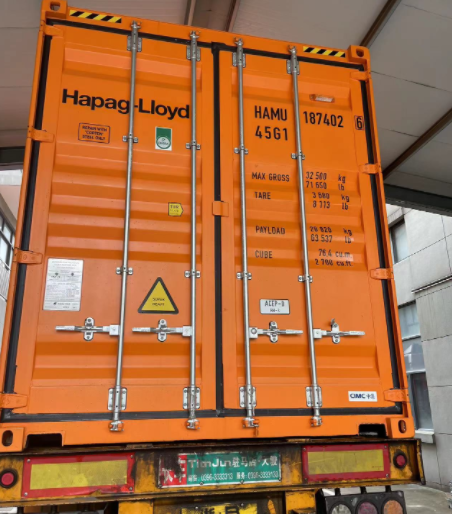
Are you wondering how to efficiently ship excavators from China to Uganda while minimizing risks and costs? Whether you’re an importer, contractor, or logistics manager, understanding the complexities of shipping methods, customs clearance, and compliance is critical. In this comprehensive guide, we’ll break down the entire process of shipping excavators from China to Uganda—from choosing the right freight option to ensuring smooth delivery at your final destination.
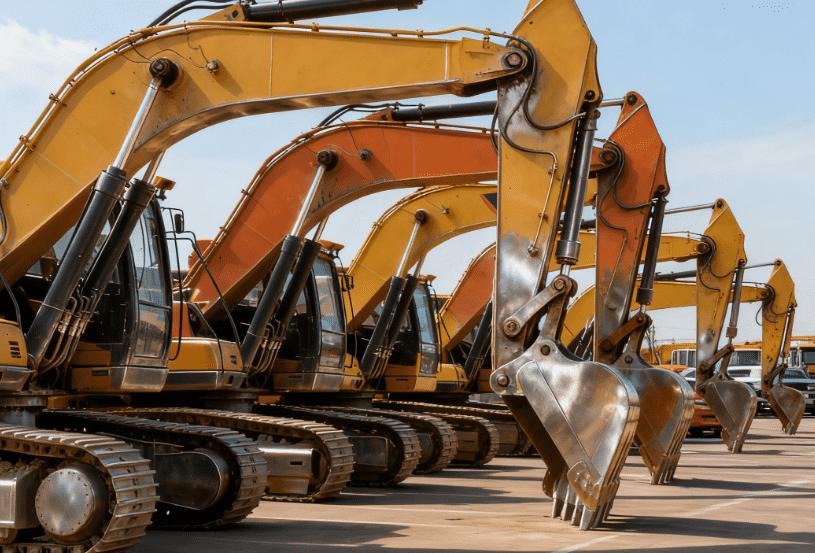
Shipping Methods and Logistics
Shipping Excavators from China to Uganda by Sea Freight
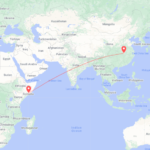
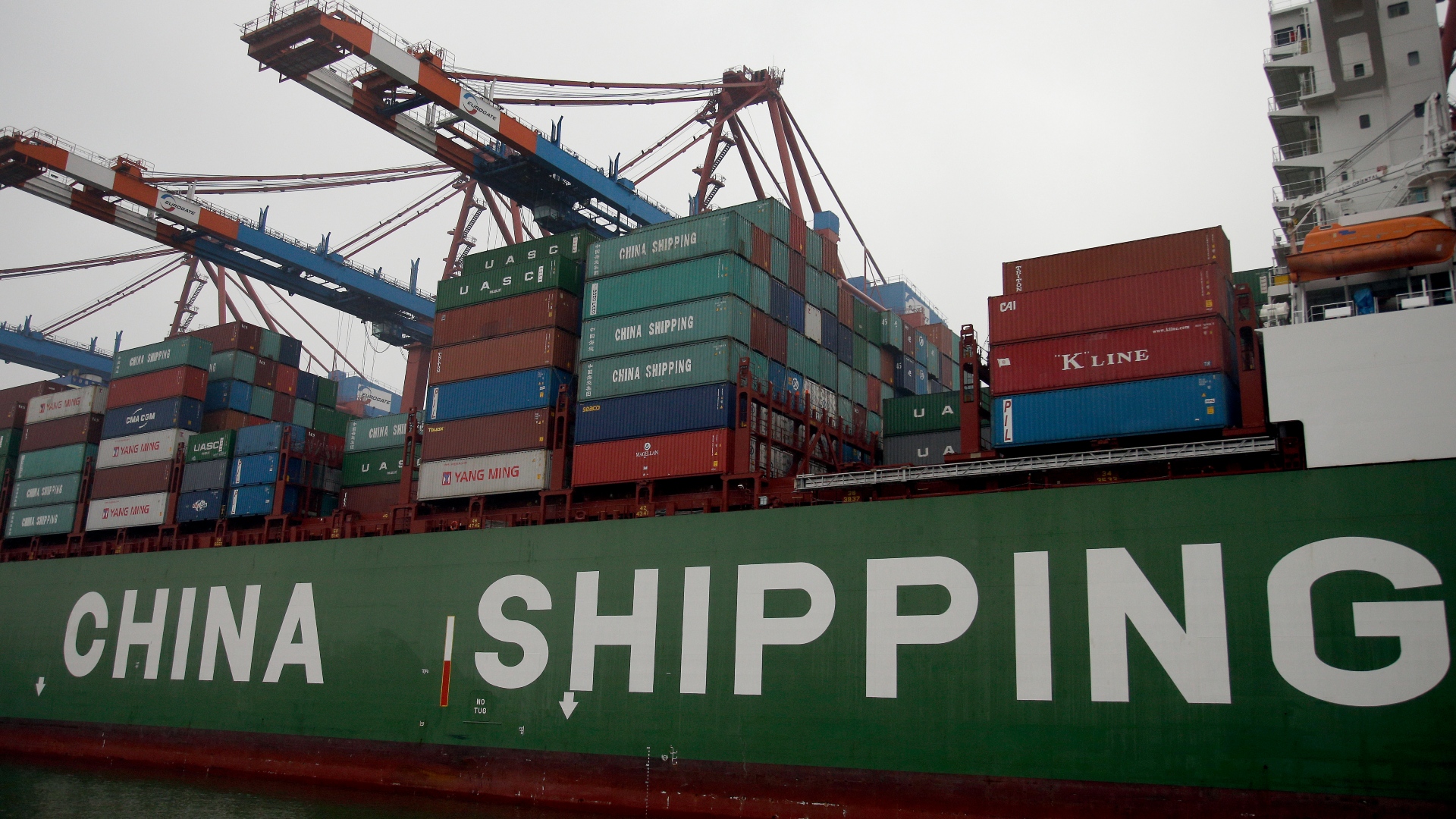
When transporting large machinery such as excavators from China to Uganda, sea freight is the most common and cost-effective shipping method. Due to the heavy weight and sizable dimensions of excavators, container shipping or breakbulk shipping is typically employed. The main Chinese ports used for export include Shanghai, Shenzhen, Qingdao, and Guangzhou. The excavators are shipped to East African ports such as Mombasa (Kenya) or Dar es Salaam (Tanzania), as Uganda is landlocked. For the latest pricing and detailed breakdowns regarding this route, you may find this guide on shipping from China to Uganda useful.
Container Options & Capacity
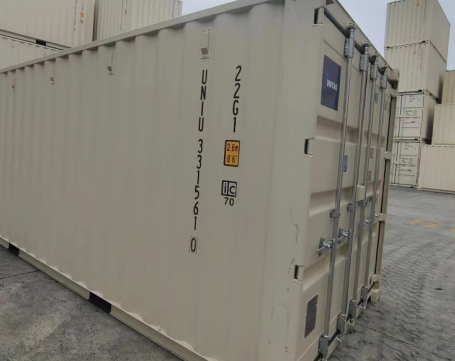
- 20FT Container: Up to 28CBM (mostly used for smaller or disassembled excavators)
- 40FT Container: Up to 56CBM
- 40HQ Container: Up to 68CBM (common for larger or multiple units)
- Breakbulk: For oversized or assembled units that do not fit in containers
Typical Sea Freight Transit Route
China Port → Mombasa/Dar es Salaam → Inland transportation to Uganda (Kampala or project site)
Advantages
- Lower shipping costs per unit
- Suitable for large and heavy cargo
- Fewer restrictions regarding cargo size and weight
Considerations
- Longer transit times compared to air freight
- Requirement for inland transportation from port to final destination
Shipping Excavators from China to Uganda by Air Freight
Air freight is usually reserved for urgent shipments, small machinery, or essential components/parts of excavators due to high cost and weight limitations. Major airports in China like Guangzhou Baiyun International Airport and Shanghai Pudong International Airport offer regular flights to Entebbe International Airport in Uganda, often via regional hubs such as Nairobi or Addis Ababa.
Advantages
- Fastest transit time (typically 3–7 days)
- Suitable for time-critical shipments or parts
Considerations
- Significantly higher shipping cost per kilogram/CBM
- Strict limitations on cargo size and weight for air transport
When to Choose Air Freight
- Project deadlines require rapid delivery
- Shipping spare parts or components with high value and low volume/weight
- Downtime costs outweigh higher freight costs
Transit Times and Cost Breakdowns
Sea Freight (Port-to-Port)
| Route | Estimated Transit Time | Estimated Cost (USD) per 40HQ* |
|---|---|---|
| Shanghai → Mombasa (Kenya) | 25–30 days | 3,800–5,200 |
| Shenzhen → Mombasa (Kenya) | 24–28 days | 3,700–5,100 |
| Qingdao → Dar es Salaam (Tanzania) | 28–34 days | 4,000–5,400 |
*Actual costs vary based on cargo size, shipping line, peak season, and surcharges.
Air Freight (Airport-to-Airport)
| Route | Estimated Transit Time | Estimated Cost (USD/kg) |
|---|---|---|
| Guangzhou → Entebbe | 3–5 days | 7.0–12.0 |
| Shanghai → Entebbe | 4–7 days | 7.5–13.0 |
*Rates fluctuate; large/heavy shipments may require special air charter quotes.
Inland Transportation (Port to Uganda)
| Destination (from East Africa port) | Mode | Transit Time | Estimated Cost (USD/TEU) |
|---|---|---|---|
| Mombasa → Kampala | Truck/Rail | 7–10 days | 3,000–4,500 |
| Dar es Salaam → Kampala | Truck/Rail | 8–12 days | 3,200–4,800 |
Insurance and Cargo Protection
Shipping high-value equipment like excavators involves substantial risk, including damage, theft, or loss during transit and handling. Cargo insurance is highly recommended for all shipments from China to Uganda.
Types of Insurance
- All-risk insurance: Offers comprehensive coverage for most perils
- Total loss insurance: Covers only total loss (less recommended for valuable machinery)
Cargo Protection Best Practices
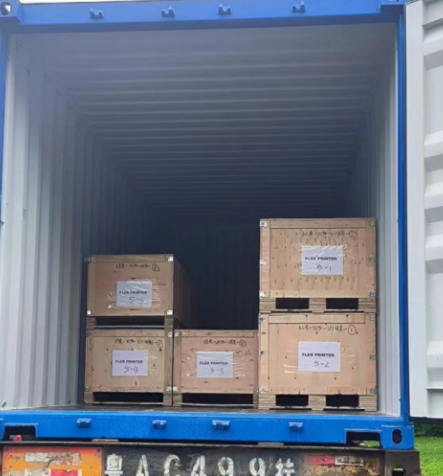
- Use professional packing with reinforced bracing and waterproof coverings
- For containerized shipments, ensure proper lashing and blocking to prevent movement
- For breakbulk, require certified lifting and handling at origin/destination ports
Dantful International Logistics provides both standard and customized cargo insurance solutions, ensuring your shipment is fully protected from origin to final delivery.
Documentation and Compliance
Key Documents: Bill of Lading, Certificate of Origin, Packing List, Invoice
For a smooth shipping and customs clearance process, you will need several critical documents:
Bill of Lading
- Serves as a contract of carriage and receipt of goods.
- Issued by the carrier or freight forwarder, required for goods release at the destination.
Certificate of Origin
- Certifies the manufacturing origin of the excavators.
- Required for customs in Uganda to determine applicable import duties and eligibility for any preferential tariffs.
Packing List
- Detailed listing of cargo contents, dimensions, and weight.
- Essential for verification during customs inspections.
Commercial Invoice
- Includes information on the seller, buyer, item descriptions, quantities, and value.
- Used for customs valuation and duty calculation.
Compliance with Uganda’s Import Regulations
Uganda Revenue Authority (URA) enforces strict regulations on the importation of heavy machinery, including excavators. Compliance is vital to avoid delays, fines, or confiscation.
Key Compliance Points
- Pre-Import Verification: Uganda sometimes requires pre-shipment inspection and certification (e.g., by SGS or Bureau Veritas).
- Tax Identification Number (TIN): The importer must be registered and provide a valid TIN.
- Import Duties and VAT: Calculated based on the HS code, customs value, and applicable tax rates.
- Environmental and Safety Standards: Used machinery must meet Uganda’s environmental and quality standards, sometimes requiring special certification or clearance.
Special Requirements for Used Machinery
Importing used excavators from China to Uganda involves extra scrutiny:
- Age Restrictions: Uganda may restrict or levy higher duties on machines above a certain age (often 5–10 years).
- Inspection Certificates: Used machinery typically requires a Certificate of Roadworthiness or Condition Report from an approved inspection agency before shipping.
- Sanitation Requirements: Machinery must be cleaned thoroughly to prevent import of soil or plant material, complying with Uganda’s phytosanitary regulations.
- Declaration of Usage: Documentation must clearly indicate whether the excavator is new or used.
Dantful International Logistics specializes in the seamless shipping of large machinery, offering expert guidance throughout every stage—transport, documentation, insurance, and compliance—to ensure your excavator arrives in Uganda safely and efficiently. Our one-stop service covers sea freight, air freight, customs clearance, insurance, door-to-door delivery, and more, tailored to your project’s specific needs. For those seeking a complete logistics service from origin to destination, consider door to door shipping from China to Uganda.
READ MORE:
- Shipping From China To Algeria
- Shipping From China To Angola
- Shipping From China To Morocco
- Shipping From China To Nigeria
- Shipping From China To Kenya
- Shipping From China To Tanzania
- Shipping From China To South Africa
Customs Clearance in Uganda
Import Duties, Taxes, and Fees
When shipping excavators from China to Uganda, understanding the local customs duties and taxes is crucial for accurate budgeting. The Uganda Revenue Authority (URA) imposes several charges on the import of heavy machinery, including excavators. Key cost components include:
| Fee Type | Typical Rate/Description | Notes |
|---|---|---|
| Import Duty | 0% – 25% (varies by machinery age and classification) | New machinery often enjoys lower rates |
| Value Added Tax (VAT) | 18% of the CIF (Cost, Insurance, Freight) value | Applied on top of the total landed cost |
| Withholding Tax | 6% of the customs value | Often applicable for businesses |
| Infrastructure Levy | 1.5% of the CIF value | To support local infrastructure projects |
| Environmental Levy | 10% on used equipment | Applies to used excavators only |
| Processing Fees | Fixed amount (approx. USD 30–50) | For documentation and administrative processing |
Note: All percentages are subject to change based on URA regulations. It is highly recommended to consult with a professional freight forwarder, such as Dantful International Logistics, to get the latest rates and accurate cost estimates.
Customs Procedures and Common Challenges
The clearance process for excavators in Uganda is regulated and requires strict compliance with local laws:
Submission of Import Documents: Key documents include the Bill of Lading, Certificate of Origin, Packing List, Commercial Invoice, and any applicable inspection certificates. These must be provided to the URA.
Pre-Arrival Processing (PAP): Importers are encouraged to submit documentation in advance via the URA online portal. Early submission can significantly reduce dwell time at the port.
Physical Inspection: Most used excavators will be subject to inspection for compliance with environmental and safety standards.
Tax Assessment and Payment: Customs will assess duties and taxes based on the provided documents and inspection results. Payment must be made before cargo release.
Final Release: Upon verification and payment, a release order is issued for pick-up and inland transportation.
Common Challenges:
- Delays due to incomplete or inconsistent documentation
- Disputes over machinery classification, particularly for used equipment
- Random inspections and assessments may increase clearance times
- Changes in regulatory policies without advance notice
- Additional fees for specialized handling or oversized cargo
Working with an experienced freight forwarder like Dantful International Logistics can help navigate these hurdles efficiently, leveraging local expertise and relationships with customs officials. For deeper insight into local market rates and procedures, you can explore container shipping costs from China to Uganda for a helpful reference.
Role of Customs Brokers and Freight Forwarders
Customs brokers in Uganda act as licensed intermediaries between importers and the URA. They:
- Prepare and submit all required customs documents
- Ensure proper tariff classification
- Calculate and pay duties/taxes on behalf of the importer
- Coordinate inspections and resolve customs queries
A professional freight forwarder, such as Dantful International Logistics, provides end-to-end solutions:
- Arranges smooth documentation for both Chinese export and Ugandan import
- Manages cargo tracking, customs clearance, and tax optimization
- Advises on the latest regulatory changes and compliance requirements
- Offers tailored solutions for large, OOG, or used machinery
Choosing a reliable partner is key to minimizing delays, reducing costs, and ensuring compliance throughout the process.
Inland Transportation and Last-Mile Delivery
Routing Through Kenya/Tanzania Ports
Excavators shipped from China to Uganda typically arrive at major East African seaports before being transported inland:
| Route Option | Main Port | Key Features | Typical Transit Time (Port to Kampala) | Notes |
|---|---|---|---|---|
| Mombasa Port | Kenya | Most popular; established trade corridor | 4–7 days | Efficient customs and road access |
| Dar es Salaam Port | Tanzania | Alternative for some shippers; growing infrastructure | 7–10 days | Slightly longer transit, but less congested |
Mombasa is generally favored for its connectivity and streamlined processes. However, Dar es Salaam offers a viable alternative, especially during peak congestion.
Trucking and Rail Options to Uganda
After clearing customs at the port, excavators must be moved to their final destination in Uganda. Two main inland transport modes are available:
Trucking: The most flexible and widely used option. Specialized low-bed trucks or trailers are recommended for oversized loads like excavators. Door-to-door delivery is possible, and routes are relatively direct via the Northern Corridor (from Mombasa to Kampala).
Rail Freight: Rail is available from both Mombasa and Dar es Salaam. For some customers, rail offers cost savings, especially on bulk or consolidated shipments; however, service frequency and last-mile connectivity should be verified in advance. For a broader understanding of this logistics solution in Africa, see more about rail freight options.
| Mode | Pros | Cons | Approximate Cost (Port-Kampala, USD) |
|---|---|---|---|
| Trucking | Fast, flexible, ideal for OOG cargo | More expensive, sensitive to road conditions | $2,500–$4,500 per excavator |
| Rail Freight | Cost-effective for large loads, less congestion | Less flexible, schedule-dependent | $1,500–$3,000 per excavator (plus local trucking) |
Note: Costs and transit times are subject to fluctuations based on fuel prices, road conditions, and port congestion.
Delivery to Final Destination
The final stage involves transporting the excavator from Kampala or another Ugandan hub to the end user’s site. Key considerations:
- Site Access: Confirm that the delivery site is accessible for large trailers or cranes.
- Permits: Oversized or heavy cargo may require special movement permits within Uganda.
- Unloading Arrangements: Ensure proper lifting equipment is available for safe and efficient offloading.
A full-service provider like Dantful International Logistics coordinates these final-mile details, ensuring a seamless and secure delivery experience.
Choosing the Right Freight Forwarder
Selecting an experienced and reliable freight forwarder is critical to successfully shipping excavators from China to Uganda. Consider the following factors:
- Specialization in Heavy/Earthmoving Equipment: Ensure your forwarder has proven expertise in handling, shipping, and clearing large machinery.
- Comprehensive Service Portfolio: Look for a company that offers Sea Freight, Air Freight, Rail Freight, Road Freight, Customs Clearance, Insurance, Door-to-Door, OOG Freight, and Breakbulk Freight.
- Transparent Pricing and Cost Breakdown: Choose a forwarder who provides detailed quotations, clearly listing all charges.
- Regulatory and Documentation Support: The right partner will proactively advise on the latest requirements in both China and Uganda.
- Track Record and Local Expertise: A strong presence and network in both countries are essential for smooth logistics and quick problem-solving.
Dantful International Logistics is a highly professional, cost-effective, and high-quality one-stop international logistics service provider. With over 15 years of experience, our team offers tailored solutions for shipping excavators and other heavy machinery from China to Uganda. We manage the entire process—from export documentation and sea/air/rail arrangements, through customs clearance and insurance, to final delivery—minimizing delays, optimizing costs, and ensuring compliance every step of the way.
For detailed guidance or a personalized quote, contact Dantful International Logistics today, and let us help you navigate the complexities of international heavy equipment shipping with confidence.

Young Chiu is a seasoned logistics expert with over 15 years of experience in international freight forwarding and supply chain management. As CEO of Dantful International Logistics, Young is dedicated to providing valuable insights and practical advice to businesses navigating the complexities of global shipping.