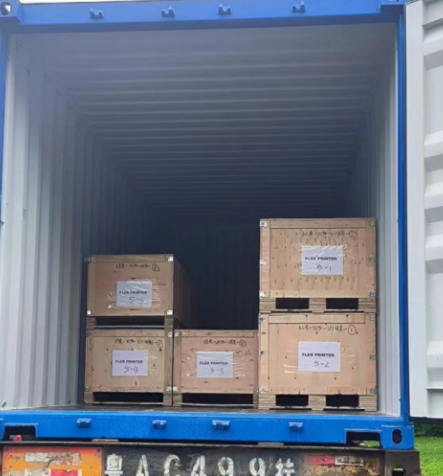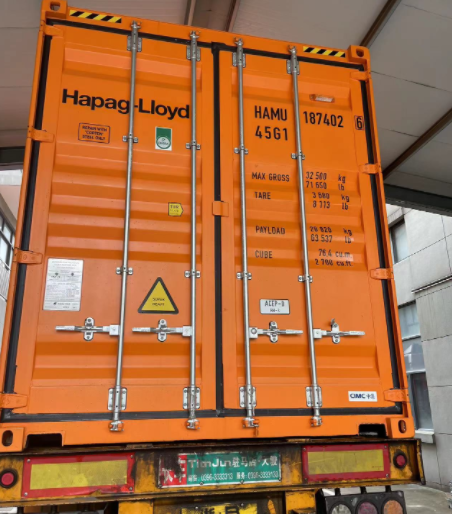
Are you looking for the most reliable and cost-effective way of shipping from China to Vancouver, Canada? With so many options like sea freight, air freight, and rail transport, choosing the right method can be overwhelming. In this comprehensive guide, we’ll break down the key shipping methods, step-by-step processes, and essential tips to ensure your goods reach Vancouver smoothly and on time. Let’s explore the best strategies to streamline your China–Vancouver shipping journey!
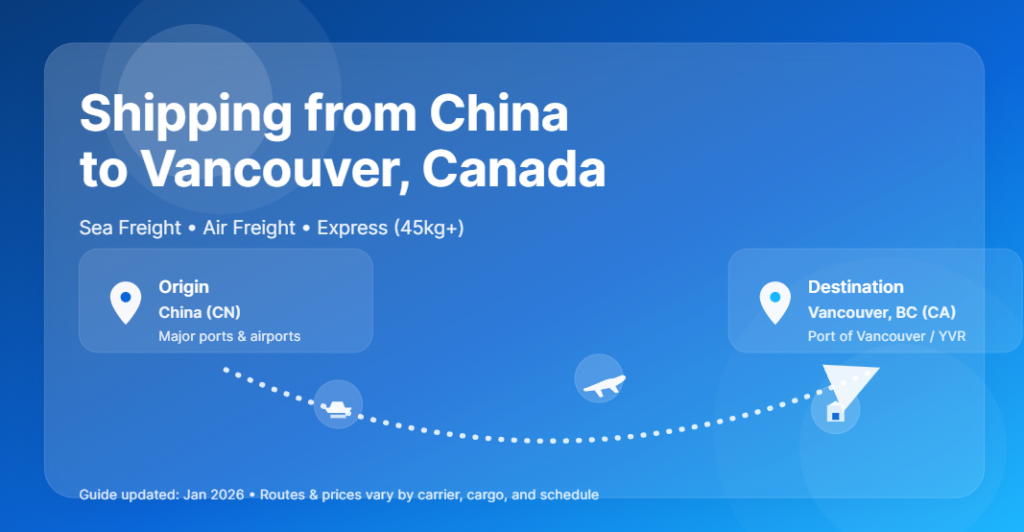
Overview of Shipping from China to Vancouver, Canada
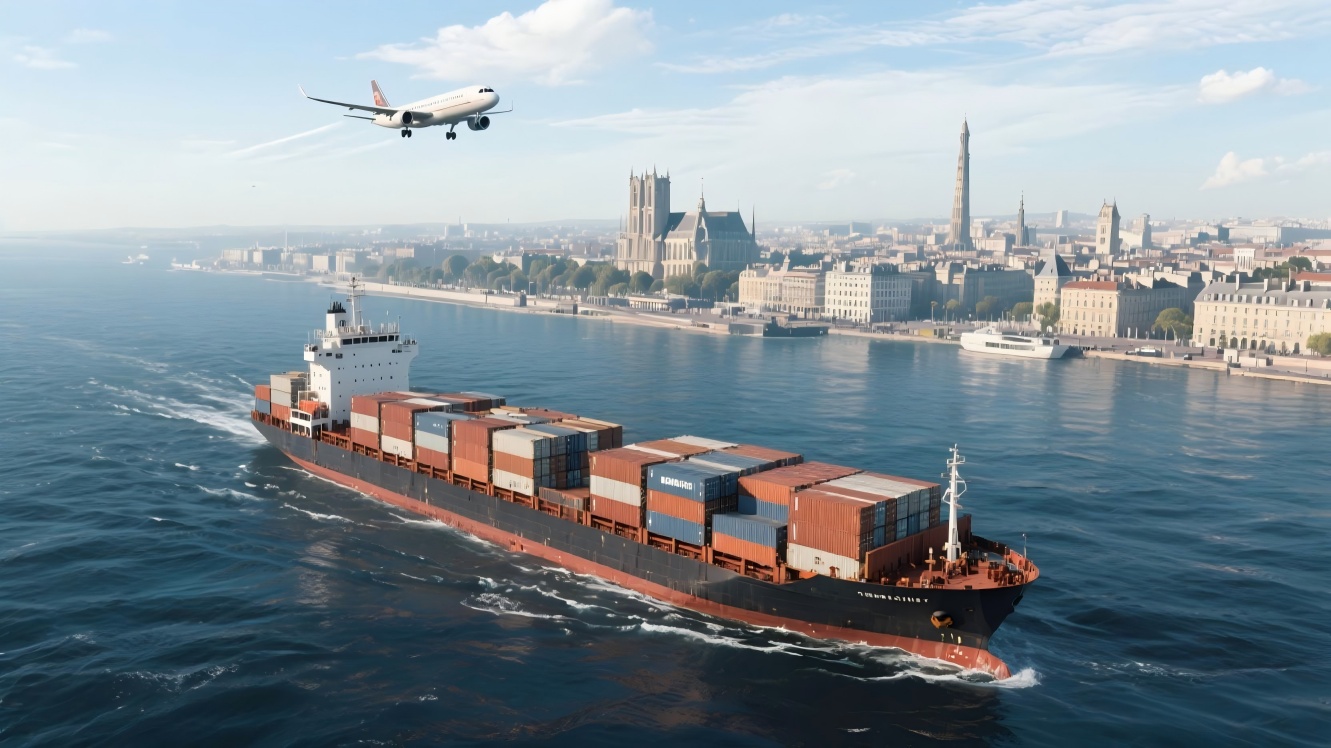
Shipping from China to Vancouver, Canada is a strategic route that connects Asia’s manufacturing powerhouse with one of North America’s most important west coast gateways. As the largest port in Western Canada, the Port of Vancouver is a critical hub for importers, exporters, manufacturers, and cross-border e-commerce businesses. Whether you are transporting bulk goods, e-commerce parcels, industrial equipment, or personal effects, understanding the main shipping methods, their advantages, and selection criteria is vital for cost control and supply chain efficiency.
Transpacific shipping conditions can change quickly—carrier schedules, capacity, and compliance requirements shift throughout the year. This guide provides a practical, fact-based overview of the main options—from sea freight and air freight to rail and multimodal solutions—so you can choose what fits your cargo, budget, and timeline.
Main Shipping Methods: Sea Freight, Air Freight, and Rail
Shipping from China to Vancouver can be accomplished via three primary international freight methods:
| Shipping Method | Typical Transit Time | Suitable Cargo Types | Cost Effectiveness | Capacity (per shipment) | Key Advantages |
|---|---|---|---|---|---|
| Sea Freight | 15–28 days | General cargo, bulk, large volumes | Most economical | Up to 68 CBM (40HQ container) | Lower cost, high volume, flexible container options |
| Air Freight | 3–7 days | Urgent, high-value, perishable goods | Highest | Up to 10 tons (per flight) | Fastest transit, reliable schedules |
| Rail/Multimodal | 18–25 days | General cargo, e-commerce, bulk | Moderate | 40–50 CBM (per container) | Balanced speed/cost, improved carbon footprint |
Let’s look at each shipping mode in more detail:
Ocean Freight: FCL vs. LCL Options for Shipping to Vancouver
Sea freight remains the most popular and cost-effective choice for moving goods from Chinese ports (such as Shanghai, Shenzhen, Ningbo, Qingdao, Xiamen) to Vancouver. Importers can choose between FCL (Full Container Load) and LCL (Less than Container Load) based on their cargo volume and requirements.
For those considering other destinations in North America, you might also be interested in the detailed breakdown of shipping methods and timelines in Shipping From China TO Canada.
FCL (Full Container Load)
Best for: Large shipments (typically >15 CBM)
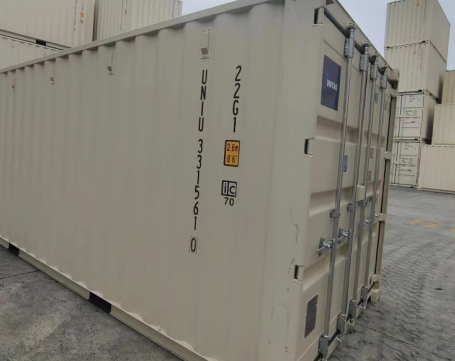
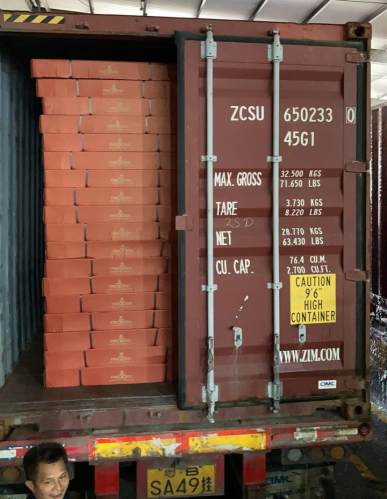
Container Sizes: 20FT (28CBM), 40FT (56CBM), 40HQ (68CBM), 45HQ (78CBM)
Advantages:
- Exclusive use of a container, reducing risk of cargo damage or contamination
- Lower per-unit cost for larger shipments
- Flexible scheduling and routing
LCL (Less than Container Load)
Best for: Smaller shipments (<15 CBM)
Process: Your goods share space with other shippers’ cargo in a consolidated container
Advantages:
- No need to wait for a full container
- Lower upfront cost for small volumes
- Ideal for startups, SMEs, or sample shipments
| Container Type | Capacity (CBM) | Typical Use Cases |
|---|---|---|
| 20FT | 28 | Standard goods, small to mid-size shipments |
| 40FT | 56 | Bulk goods, palletized cargo, high-volume items |
| 40HQ | 68 | Large, lightweight cargo (e.g., textiles, electronics) |
| 45HQ | 78 | Oversized/light cargo, e-commerce bulk shipments |
Port-to-port service from major Chinese ports to Vancouver typically takes 15–28 days, depending on the origin, shipping line, and whether direct or transshipment routes are used.
Air Freight: When Speed Matters in China–Vancouver Shipments
Air freight is the optimal choice for urgent, time-sensitive, or high-value shipments between China and Vancouver. Major departure airports include Shanghai (PVG), Shenzhen (SZX), Guangzhou (CAN), and Beijing (PEK), connecting to Vancouver International Airport (YVR).
- Transit Time: 3–7 days (airport-to-airport)
- Typical Cargo: Electronics, fashion, medical equipment, automotive parts, perishable goods, samples
- Weight/Size Limits: Generally up to 5000–10,000 kg per MAWB (Master Air Waybill), subject to airline policies
Advantages:
- Fastest delivery for urgent supply chain needs
- Low risk of cargo damage or pilferage
- Reliable and frequent flight schedules
- Preferred for high-value or seasonal goods (e.g., fashion, electronics)
Considerations:
- Higher cost compared to sea or rail freight
- Restrictive on bulky or heavy freight due to air cargo dimensions and weight limits
Dantful International Logistics leverages direct airline contracts for competitive rates and can provide door-to-door, insurance, and customs clearance support to ensure seamless delivery.
Rail and Multimodal Solutions from China** to Vancouver
Advancements in Eurasian rail networks have made rail freight a viable alternative for shipments between China and Europe, and by extension, to Canada via innovative multimodal logistics solutions.
For those evaluating the rail option, our rail freight guide explains its cross-border advantages in greater detail.
How it Works
- Cargo departs from central or western Chinese cities (Chongqing, Xi’an, Wuhan, Suzhou) via rail to European hubs (Duisburg, Hamburg, Warsaw).
- Shipments are then transferred via transatlantic ocean freight to Vancouver.
- This solution is facilitated through seamless multimodal integration (rail + sea + road).
Key Features
Transit Time: 18–25 days (door-to-port)
Best for: General cargo, electronics, automotive parts, e-commerce parcels
Cost: Typically between air and sea freight (faster than sea, cheaper than air)
Advantages:
- Balanced cost and speed for those who need faster delivery without paying air freight rates
- Reduced environmental impact compared to air transport
- Suitable for supply chains requiring moderate urgency and reliability
Dantful International Logistics provides customized rail and multimodal services, ensuring professional handling, real-time tracking, and cost transparency.
In summary, choosing the optimal shipping method from China to Vancouver, Canada depends on your cargo type, budget, timeline, and risk tolerance. Working with a reputable, experienced freight forwarder like Dantful International Logistics guarantees access to all major shipping modes, value-added services, and tailored solutions for your specific business scenario.
Step-by-Step Shipping Process from China to Vancouver
Shipping from China to Vancouver, Canada involves several key steps, each requiring careful planning and attention to detail. As a logistics expert with extensive experience, I can confirm that a structured approach not only ensures compliance but also reduces costs and transit delays.
Booking and Preparing Your Cargo for Export
The journey starts with selecting the correct shipping method—Sea Freight (FCL or LCL), Air Freight, or Rail Freight—based on your cargo’s characteristics, delivery deadlines, and budget.
Key Steps in Booking and Preparation:
- Choose the Right Freight Forwarder: Partner with a reliable logistics provider such as Dantful International Logistics. We offer comprehensive services for sea, air, rail, and multimodal freight, including door-to-door and customs clearance solutions.
- Provide Shipment Details: Share complete cargo specifications: type, dimensions, weight, and if hazardous or perishable.
- Packaging: Use export-grade packaging. For container shipments, ensure goods are properly palletized and labeled as per international standards.
- Container Booking: For FCL (Full Container Load), book the appropriate container size (20FT: 28CBM, 40FT: 56CBM, 40HQ: 68CBM, 45HQ: 78CBM). For LCL (Less than Container Load), consolidate cargo with others.
- Cargo Pickup and Inland Transport: Arrange for inland haulage from the factory or warehouse to the port or airport. Dantful provides efficient pickup for all major cities in China.
- Cargo Inspection (if required): For certain commodities, inspections by CIQ (China Inspection and Quarantine) or other authorities are mandatory before export.
Documentation Required for International Shipping
Accurate documentation is the backbone of smooth international shipping. Missing or incorrect paperwork can lead to delays, fines, or cargo holds.
Essential Shipping Documents:
| Document | Purpose | Who Prepares It |
|---|---|---|
| Commercial Invoice | Details value and nature of goods | Exporter |
| Packing List | Describes packing details and itemization | Exporter |
| Bill of Lading / Air Waybill | Contract of carriage and receipt of goods | Carrier/Freight Forwarder |
| Export/Import Licenses | Regulatory compliance for controlled items | Exporter/Importer |
| Certificate of Origin | Proves origin for tariff or quota purposes | Exporter/Chamber of Commerce |
| Insurance Certificate | Verifies cargo insurance coverage | Insurer/Freight Forwarder |
| Customs Declaration | Required for clearance in China & Canada | Exporter/Importer/Freight Forwarder |
Tip: Dantful International Logistics offers full documentation support, reducing the risk of costly errors.
Customs Clearance Procedures in China and Canada
Customs clearance is a critical phase, requiring compliance with both Chinese and Canadian regulations.
In China:
- Export Declaration: Submit all documentation to China Customs. HS codes must be accurate.
- Inspection & Release: Some goods are subject to physical inspection. After clearance, cargo is loaded for departure.
In Canada:
- Import Declaration: Submit entry documents electronically to the Canada Border Services Agency (CBSA).
- Duties & Taxes: Pay applicable GST, duties, and any anti-dumping tariffs.
- Canadian Partner (Importer of Record): Must be registered and responsible for compliance.
- Release: After CBSA clearance, cargo is released to the consignee.
Pro Tip: Dantful’s dedicated customs team navigates both Chinese and Canadian requirements, ensuring seamless entry and minimizing delays.
Transit Times and Cost Factors for Shipping to Vancouver
Successful planning for shipping from China to Vancouver, Canada requires understanding both transit times and cost structures.
For more details regarding specific corridor costs and route analysis, see our in-depth article on shipping from China to Vancouver.
Typical Shipping Duration by Different Methods
Shipping durations vary based on the mode of transport and port of origin in China. Below is an overview for January 2026 (typical ranges):
| Shipping Method | Typical Transit Time (Port-to-Port) | Notes |
|---|---|---|
| Ocean Freight (FCL/LCL) | 15–28 days | Major ports: Shanghai, Shenzhen, Ningbo to Vancouver; LCL may take longer due to consolidation and deconsolidation |
| Air Freight | 3–7 days | Fastest, for urgent or high-value goods |
| Rail Freight + Truck/Multimodal | 20–25 days | Via China-Europe rail to the West Coast, then by truck; limited routes, suitable for some cargo types |
Note: Inland haulage, customs, and peak season congestion can add extra days.
Key Factors Influencing Shipping Rates and Total Cost
Several variables impact overall shipping costs:
- Mode of Transport: Air freight costs are significantly higher than sea or rail.
- Container Size and Type: Full containers (FCL) vs. shared (LCL); special containers (e.g., OOG or refrigerated) cost more.
- Cargo Weight & Volume: Charges are based on either actual or volumetric weight (whichever is greater).
- Origin and Destination: Rates from inland cities (e.g., Chengdu, Chongqing) include additional rail/truck charges to the port.
- Seasonal Fluctuations: Peak shipping seasons (e.g., before Chinese New Year) see rate surges.
- Fuel Surcharges & Port Fees: These can vary monthly.
- Customs Duties, Taxes, and Insurance: Import duties/GST in Canada, and optional insurance coverage.
- Value-Added Services: Door-to-door delivery, warehousing, cargo consolidation, and customs brokerage.
Sample Cost Comparison Table (as of January 2026):
| Route (China Port → Vancouver) | FCL 20FT (USD) | FCL 40HQ (USD) | LCL (USD/CBM) | Air Freight (USD/kg) | Rail (USD/ton) |
|---|---|---|---|---|---|
| Shanghai → Vancouver | $1,950–$2,350 | $3,300–$4,100 | $72–$95 | $4.6–$7.2 | $320–$380 |
| Shenzhen → Vancouver | $2,050–$2,450 | $3,450–$4,250 | $74–$98 | $4.8–$7.6 | $330–$390 |
| Ningbo → Vancouver | $2,000–$2,400 | $3,380–$4,180 | $73–$96 | $4.7–$7.4 | $325–$385 |
Above prices are for reference only and may fluctuate with market conditions (including carrier surcharges and space tightness around Lunar New Year). Always request up-to-date quotations from your freight forwarder.
In Summary: By mastering each stage of the shipping process and understanding the cost-time dynamics, businesses can optimize their supply chain and avoid unnecessary risks. Choosing an experienced and professional partner like Dantful International Logistics ensures your shipments from China to Vancouver, Canada are delivered on time, within budget, and fully compliant with all regulations. For a detailed quote or tailored logistics plan, contact our team today.
How to Choose the Right Freight Forwarder for China–Vancouver Shipments
Selecting a reliable freight forwarder is a critical step in ensuring the success of your shipping from China to Vancouver, Canada. The right partner will not only streamline the logistics process but also help you mitigate risks, reduce costs, and improve delivery reliability. Here are the essential factors to consider:
1. Experience and Expertise
Look for a freight forwarder with proven experience in managing shipments between China and Canada. Understanding the nuances of shipping regulations, customs clearance procedures, and local port operations in both countries ensures smooth transit. For example, Dantful International Logistics has over 15 years of hands-on experience, with deep familiarity in handling sea, air, and rail shipments on this route.
2. Comprehensive Service Portfolio
If you’re trying to avoid handoffs between multiple vendors, a forwarder with broader coverage can reduce back-and-forth and make accountability clearer. A practical way to evaluate this is to ask for a written service scope and confirm whether they can support the parts you actually need, such as:
- Sea Freight (FCL, LCL)
- Air Freight
- Rail Freight
- Road Freight
- Amazon FBA Logistics
- Warehousing and Storage Solutions
- Customs Clearance in both China and Canada
- Insurance, OOG Freight, Consolidated Freight, Breakbulk Freight, and Door-to-Door Delivery
If you want a single point of contact for China–Vancouver shipments, Dantful International Logistics can propose a service plan based on your cargo type, Incoterms, and delivery requirements.
3. Transparent Pricing and Competitive Rates
Request clear quotations that detail all cost components, including origin/destination charges, customs duties, surcharges, and last-mile delivery fees. A professional forwarder will help you understand and optimize these costs based on your shipment size, mode, and urgency.
4. Strong Local Network and Global Reach
Access to a robust agent network in both China and Vancouver ensures timely handling, quick issue resolution, and real-time updates. Dantful maintains an extensive operational presence in all major Chinese cities (e.g., Shanghai, Shenzhen, Guangzhou, Ningbo, Qingdao) and established partnerships with Vancouver logistics providers.
5. Track Record of Compliance and Reliability
Review the forwarder’s track record for delivery performance, compliance with international shipping standards, and their ability to handle emergencies or exceptions. Reliable partners will have positive client testimonials and recognized industry certifications.
6. Technology and Customer Support
A modern forwarder should offer digital tools for shipment tracking, documentation management, and proactive customer service. Dantful provides online shipment tracking and 24/7 customer support to ensure you stay informed every step of the way.
In summary, selecting a reputable, full-service forwarder like Dantful International Logistics ensures your shipments from China to Vancouver are managed with professionalism, efficiency, and transparency.
Essential Tips for Reducing Shipping Delays and Risks
Delays and risks are inherent in international shipping, but with proactive planning and the right strategies, most can be minimized. Here are expert tips to keep your China–Vancouver shipments on track:
Common Challenges and How to Avoid Them
| Challenge | Description & Impact | Mitigation Strategies |
|---|---|---|
| Customs Clearance Delays | Incorrect paperwork or missing documentation can stall goods. | Double-check all shipping documents; work with experienced customs brokers familiar with both Chinese and Canadian regulations. |
| Port Congestion | Peak periods at Shanghai, Shenzhen, or Vancouver can cause offloading delays. | Plan shipments outside peak seasons; book space early. |
| Incorrect Cargo Labeling | Mislabeled shipments can be held or fined. | Ensure labels match bill of lading and packing list. |
| Regulatory Changes | Sudden changes in import/export policies can affect transit. | Stay updated; consult your freight forwarder for the latest requirements. |
| Inadequate Packaging | Damaged goods during transit may lead to claims or losses. | Use certified, export-grade packaging, suitable for sea or air freight. |
| Unforeseen Events | Weather, labor strikes, or public holidays can disrupt schedules. | Build in buffer time; secure insurance for high-value shipments. |
Recommended Best Practices for Smooth Deliveries
- Start Early: Initiate shipping arrangements at least 2–3 weeks in advance, especially for sea freight.
- Accurate Documentation: Prepare a complete set of documents (commercial invoice, packing list, bill of lading/airway bill, certificates of origin, etc.).
- Choose the Right Shipping Method: Match your timeline and budget with the most suitable method—FCL, LCL, or air freight.
- Use Reliable Partners: Partner with established companies like Dantful International Logistics for end-to-end support and problem-solving.
- Risk Management: Always insure your cargo, particularly for high-value goods or sensitive shipments.
- Leverage Technology: Use digital tracking and communications platforms to monitor your shipment and quickly address any issues.
- Maintain Open Communication: Keep all stakeholders informed, including suppliers, buyers, and logistics partners.
FAQs
Q1: What is the fastest shipping method from China to Vancouver, Canada? A: Air Freight is the quickest option. Airport-to-airport is commonly 3–7 days, while door-to-door timelines usually depend on pickup, flight availability, and customs clearance.
Q2: How long does sea freight take from China to Vancouver? A: Ocean freight transit time commonly ranges from 15–28 days, depending on the port of origin (e.g., Shanghai to Vancouver is often around 16–19 days for port-to-port service).
Q3: What documents are required for shipping from China to Canada? A: Key documents include a commercial invoice, packing list, bill of lading (or air waybill), certificate of origin, and relevant import permits if applicable.
Q4: How can I reduce shipping costs? A: Optimize container utilization (choose FCL for large shipments, LCL for small loads), consolidate shipments when possible, and work with cost-effective forwarders like Dantful Logistics.
Q5: What are the common import duties and taxes in Canada? A: Canada Border Services Agency (CBSA) applies duties and GST (Goods and Services Tax) based on product classification. Consult with your forwarder for tariff codes and estimated charges.
Q6: Do you handle shipments over 45kg from China to Vancouver? A: Yes. We typically handle cargo shipments 45kg+. Dantful International Logistics can propose the right option (air, sea, or multimodal) based on your cargo details, including customs clearance and door-to-door delivery if needed.
Q7: What should I consider regarding cargo insurance? A: International shipping involves risks such as loss, damage, or theft. Always insure your cargo for its full value, especially for valuable, fragile, or time-sensitive items.

Young Chiu is a seasoned logistics expert with over 15 years of experience in international freight forwarding and supply chain management. As CEO of Dantful International Logistics, Young is dedicated to providing valuable insights and practical advice to businesses navigating the complexities of global shipping.