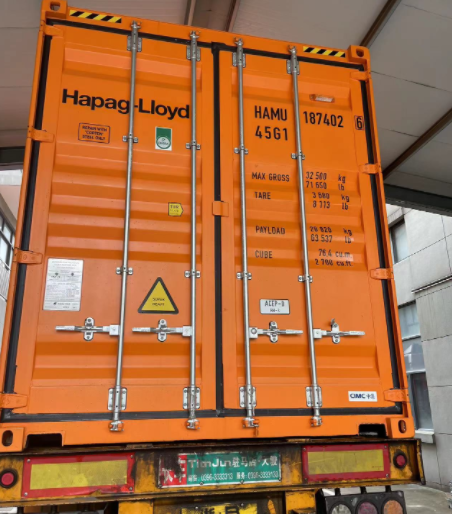
Are you searching for the most cost-effective shipping rates from China to Belgium but feeling overwhelmed by fluctuating prices and hidden fees? Understanding the complexities of shipping costs, freight methods, and customs regulations is crucial for successful international trade. In this comprehensive guide, we break down the key factors affecting your shipping expenses, offer practical tips to optimize costs, and explain how to navigate every step of the process confidently. Let’s unlock the secrets to smarter shipping from China to Belgium!

Understanding Shipping Rates and Pricing Structures from China to Belgium
Breakdown of Shipping Costs from China to Belgium
When shipping goods from China to Belgium, the total shipping rate is influenced by multiple factors, each contributing to the final price you will pay. A comprehensive breakdown includes:
| Cost Component | Description |
|---|---|
| Freight Charges | Basic cost for transporting goods by sea freight or air freight. |
| Origin Charges | Fees at the departure point in China (handling, warehousing, export customs). |
| Destination Charges | Handling and documentation fees upon arrival in Belgium. |
| Fuel Surcharges | Adjusted periodically based on global fuel prices. |
| Security Fees | Charges for enhanced cargo security measures. |
| Peak Season Surcharges | Additional costs during high demand periods (e.g., pre-holiday, Q3-Q4). |
| Customs Duties & VAT | Taxes imposed by Belgian authorities—separate from freight cost (see details below). |
For example, as of Q2 2025, sea freight for a 20ft container from Shanghai to Antwerp typically ranges from USD $800 to $1,200, while air freight costs from $4.50 to $7.00 per kilogram depending on the route and cargo.
Related: For importers who want detailed breakdowns and insights on container pricing, you can explore the latest container shipping costs from China to Belgium.
Additional Fees and Surcharges to Consider
Beyond the base rates, several additional surcharges may apply:
- Bunker Adjustment Factor (BAF): Covers fuel price variation for sea shipments.
- Currency Adjustment Factor (CAF): Adjusts charges based on currency fluctuations.
- War Risk Surcharge: Applies if cargo passes through unstable regions.
- Documentation Fees: Charges for bill of lading, customs paperwork, etc.
- Demurrage and Detention: Extra costs if containers stay too long at port.
- Insurance: Strongly recommended to cover loss or damage during transit.
It’s important to clarify with your freight forwarder (such as Dantful International Logistics) which fees are included in your quotation to avoid unexpected costs.
Key Factors Affecting Shipping Rates to Belgium
Shipping rates from China to Belgium are affected by:
- Shipping Method: Choice between sea freight (FCL/LCL), air freight, or express courier.
- Cargo Volume & Weight: Larger/heavier shipments often benefit from lower unit rates.
- Shipping Route and Port Selection: Direct routes to Antwerp or Zeebrugge are usually more cost-effective.
- Seasonality: Rates typically increase during peak seasons (August–November).
- Fuel and Currency Fluctuations: Direct impact on surcharges.
- Type of Goods: Hazardous, oversized, or perishable goods may incur special handling fees.
- Service Speed: Expedited services (express or air) are costlier but faster.
How to Calculate Your Total Shipping Rates from China to Belgium
Step-by-Step Guide to Estimating Shipping Costs
- Identify Shipping Method: Decide between sea freight, air freight, or express based on speed, cost, and cargo type.
- Get Accurate Measurements: Measure and weigh your cargo (Length x Width x Height and Gross Weight).
- Request Quotes: Obtain detailed quotes from reputable freight forwarders like Dantful International Logistics.
- Compare Port-to-Port and Door-to-Door Options: Factor in last-mile delivery if needed.
- Calculate Additional Fees: Add terminal charges, insurance, customs clearance, and taxes.
- Estimate Transit Time: Balance shipping cost against delivery urgency.
- Finalize Total Cost: Sum all components for a full-cost picture.
As a reference, if you are interested in similar logistics solutions for neighboring regions, visit the guide on shipping rates from China to Luxembourg.
Volumetric Weight vs. Actual Weight: What You Need to Know
For air freight and some courier services, charges are based on volumetric (dimensional) weight if it exceeds the actual weight.
- Volumetric Weight (kg) = (Length x Width x Height (cm)) ÷ 6000
- Actual Weight: The real weight of your cargo.
| Shipping Type | Charged By | Formula/Note |
|---|---|---|
| Sea Freight (FCL) | Actual weight or volume | Usually, only if cargo is very heavy or oversized |
| Sea Freight (LCL) | Volume (CBM) | 1 CBM = 1,000,000 cm³, minimum charge often 1 CBM |
| Air Freight | Greater of actual or volumetric weight | (L x W x H in cm)/6000 |
| Express/Courier | Greater of actual or volumetric weight | (L x W x H in cm)/5000 |
Always provide precise cargo dimensions to avoid underestimating costs.
Impact of Currency Exchange Rates on Shipping Expenses
Currency fluctuations can significantly impact your shipping costs. Most shipping quotes from China are denominated in USD or RMB, while customs duties and VAT in Belgium are in EUR.
- Weakening Euro: Increases the effective cost of shipping when converting from USD/RMB.
- Forwarding Companies: Some, like Dantful International Logistics, may offer fixed exchange rates for a set period to help manage risk.
- Best Practice: Request a breakdown of charges by currency and clarify payment terms to avoid surprises.
Tip: Use reliable currency converters and monitor exchange rates before booking your shipment.
With these insights, importers can better understand and manage shipping rates from China to Belgium, ensuring cost-effective and predictable logistics operations. For the most accurate and tailored quotes, consult a professional freight forwarder like Dantful International Logistics, which provides transparent pricing, expert support, and a wide range of services to meet your needs.
Most Popular Shipping Methods from China to Belgium
Sea Freight vs. Air Freight: Pros, Cons, and Cost Comparison
When importing goods from China to Belgium, selecting the right shipping method is crucial for balancing cost, speed, and reliability. The two most common options are sea freight and air freight. Each offers distinct advantages depending on your shipment’s size, urgency, and budget.
Sea Freight
Sea freight is the preferred choice for large volumes and heavier cargo due to its cost-effectiveness. It typically involves shipping containers (FCL – Full Container Load or LCL – Less than Container Load) from major Chinese ports (such as Shanghai, Shenzhen, or Ningbo) to key Belgian ports like Antwerp or Zeebrugge.
Pros:
- Lower cost per kilogram, especially for bulk shipments.
- Can accommodate oversized or heavy cargo.
- Environmentally friendly due to lower emissions per ton.
Cons:
- Longer transit time (about 20–35 days).
- More complex customs procedures.
- Potential for delays due to weather or port congestion.
If you are interested in learning more about sea transportation to Europe, see the dedicated post on sea freight from China to Europe: best routes, costs, and how to avoid delays.
Air Freight
Air freight is ideal for urgent, high-value, or time-sensitive shipments. Goods are transported from major Chinese airports (like Shanghai Pudong, Guangzhou Baiyun) to Brussels Airport or Liège Airport in Belgium.
Pros:
- Transit time is much shorter (5–7 days on average).
- Higher security and lower risk of damage.
- Simpler customs process.
Cons:
- Higher shipping rates from China to Belgium (often 4–6 times more than sea freight).
- Limited capacity for bulky or heavy items.
Shipping Rate Comparison Table
Below is a representative cost comparison (as of Q2 2025; for updated rates, consult a freight forwarder like Dantful International Logistics):
| Shipping Method | Estimated Transit Time | Typical Cost (USD/CBM or per kg) | Best For |
|---|---|---|---|
| Sea Freight (FCL) | 20–30 days | $900–$1,400 / 20ft container | Bulk cargo |
| Sea Freight (LCL) | 25–35 days | $80–$160 / CBM | Small loads |
| Air Freight | 5–7 days | $4.50–$8.00 / kg | Urgent goods |
Note: Shipping rates fluctuate due to fuel prices, demand, and seasonality. Always request a current quote.
Express Shipping and Courier Services Explained
For smaller shipments, urgent samples, or e-commerce parcels, express shipping via international couriers is a viable alternative. They services offer:
- Door-to-door delivery
- Full tracking
- Customs clearance assistance
Pros:
- Fastest delivery (2–5 days from China to Belgium)
- Streamlined process, suitable for documents and packages up to 100kg
- Ideal for Amazon FBA or e-commerce importers
Cons:
- Higher cost per kilogram compared to both air and sea freight
- Size and weight limits may apply
When to choose express shipping: If you need reliable, rapid delivery and your shipment is small, or when you require seamless handling without coordinating multiple logistics providers.
Tips to Reduce and Optimize Shipping Rates from China to Belgium
How to Choose the Best Shipping Method for Your Needs
Choosing the right shipping method can significantly impact your total shipping rates from China to Belgium. Consider the following factors:
- Cargo Size and Weight: Large, heavy shipments are more economical by sea; small, urgent parcels by air or express.
- Delivery Time Frame: Sea freight for flexible deadlines, air or courier for time-sensitive goods.
- Total Landed Cost: Include not just shipping, but also customs, handling, and delivery charges.
- Product Type: High-value or perishable goods often warrant air or express shipping.
Dantful International Logistics offers personalized solutions, helping you balance cost and efficiency by advising on optimal routes and carriers.
You may also consider alternative logistics modes such as rail freight from China to Europe, which can offer a balance of speed and cost for certain cargo types.
Consolidating Cargo to Save on Transportation Costs
Cargo consolidation is an effective strategy, particularly for small to medium-sized shipments. This involves combining your goods with those of other importers in a shared container (LCL – Less than Container Load).
Benefits of Cargo Consolidation:
- Lower per-unit cost: Share container space and associated fees.
- Reduced risk of damage: Professional packing and handling.
- Simplified logistics: One shipment, one customs process.
| Shipping Scenario | Individual LCL | Consolidated LCL |
|---|---|---|
| Volume Shipped | 2 CBM | 2 CBM |
| Estimated Cost/CBM | $120 | $80 |
| Handling Fees | Separate | Shared |
| Customs Process | Multiple | Single |
Dantful International Logistics provides comprehensive consolidation services, including warehousing, cargo sorting, and customs documentation. This approach is especially beneficial for SMEs seeking to keep shipping rates from China to Belgium competitive.
Read More:
- Shipping From China To Netherlands
- Shipping From China To Spain
- Shipping From China To Germany
- Shipping From China To France
- Shipping From China to Italy
- Shipping From China To Poland
- Shipping From China to United Kingdom
Customs Duties, Taxes, and Compliance for Imports to Belgium
Shipping goods from China to Belgium involves more than just calculating freight charges. Importers must understand the customs duties, value-added tax (VAT), and compliance requirements to ensure a smooth clearance process and avoid unexpected expenses. Below, we detail the essential aspects of customs and tax compliance for shipments to Belgium.
Understanding Import Duties and VAT in Belgium
Import duties in Belgium are determined by the European Union’s Common External Tariff (CET), as Belgium is a member of the EU. The applicable duty depends on the product’s HS Code (Harmonized System Code), which classifies goods for customs purposes. Most duty rates are calculated as a percentage of the goods’ customs value (CIF: Cost, Insurance, and Freight).
In addition to import duties, importers must pay VAT (Value Added Tax) on goods imported into Belgium. As of July 2025, the standard VAT rate in Belgium is 21%, though some goods may qualify for reduced rates (6% or 12%). VAT is calculated on the sum of the customs value, import duty, and any additional costs (such as insurance and freight) up to the destination.
Example calculation (for general cargo):
| Item | Calculation | Amount (EUR) |
|---|---|---|
| Product Value | — | 10,000 |
| Freight & Insurance | — | 1,500 |
| Customs Value (CIF) | Product Value + Freight & Insurance | 11,500 |
| Import Duty (5%) | 11,500 × 5% | 575 |
| VAT (21%) | (11,500 + 575) × 21% | 2,548.75 |
| Total Taxes/Duties | Import Duty + VAT | 3,123.75 |
Note: Actual import duty rates depend on the product’s HS Code. For specifics, refer to the EU TARIC database.
Required Documentation and Customs Clearance Process
Smooth customs clearance in Belgium requires comprehensive and accurate documentation. Missing or incorrect paperwork can cause delays and additional costs.
Key documents include:
- Bill of Lading (for sea freight) or Air Waybill (for air freight)
- Commercial Invoice: Details goods description, value, and seller/buyer information
- Packing List: Specifies the contents, dimensions, and weight of each package
- Certificate of Origin: May be required for specific goods to determine duty rates
- Import Licenses or Permits: For regulated/restricted goods (e.g., foodstuffs, chemicals)
- Customs Declaration: Usually filed electronically via the Belgian customs system (PLDA)
Customs Clearance Steps in Belgium:
- Arrival and Notification: Carrier notifies consignee and presents the manifest to Belgian customs at the port (e.g., Port of Antwerp or Liège Airport).
- Document Submission: Submit all required documents to customs authorities.
- Inspection (if selected): Customs may inspect goods physically or virtually.
- Duty & VAT Payment: Importer pays calculated duties and VAT.
- Goods Release: Upon approval, goods are released for delivery.
Working with an experienced freight forwarder like Dantful International Logistics ensures proper compliance, reducing the risk of delays and penalties.
Choosing a Reliable Freight Forwarder for Belgium Shipments
Selecting the right freight forwarding partner is crucial for successfully importing from China to Belgium, especially when dealing with complex customs regulations, diverse shipping methods, and tight delivery schedules.
What to Look for in a Freight Forwarding Partner
When evaluating a freight forwarder, consider the following essential criteria:
| Criteria | Key Considerations |
|---|---|
| Experience & Expertise | Years in international shipping, especially on China-Europe routes |
| Service Range | Offers Ocean Freight, Air Freight, Rail Freight, Road Freight, Warehousing, Customs Clearance, Insurance, Door to Door, OOG Freight, Consolidated Freight, Breakbulk Freight |
| Global Network | Strong local presence in China & Belgium, partnerships with carriers |
| Transparency | Clear pricing, detailed quotations, no hidden fees |
| Compliance Support | Knowledge of Belgian customs regulations, document preparation |
| Customer Service | Multilingual support, timely communication, online tracking |
| Reputation | Positive customer reviews, industry certifications, references |
Dantful International Logistics stands out as a highly professional, cost-effective, and high-quality one-stop logistics service provider for global traders. Our comprehensive solutions ensure your goods reach Belgium safely, quickly, and compliantly.
How to Check Freight Forwarder Credentials and Reputation
To safeguard your shipment and investment, always verify your freight forwarder’s legitimacy and reliability:
- Business Licenses & Certifications: Check for valid international freight forwarding licenses and industry affiliations (e.g., FIATA, WCA, IATA).
- Track Record: Request references, read verified customer testimonials, and check online reviews.
- Financial Stability: Ensure the company is financially sound and not prone to bankruptcy.
- Insurance Coverage: Verify that the forwarder offers or arranges adequate cargo insurance.
- Transparent Communication: Responsive and clear communication builds trust and minimizes misunderstandings.
Dantful International Logistics is fully licensed and recognized within the international logistics community. Our team provides end-to-end solutions, from China to Belgium, tailored to your business needs.
FAQs
Q1: How can I estimate shipping rates from China to Belgium for my cargo?
A: Shipping rates depend on factors such as shipment size, weight, shipping method (sea, air, rail), origin and destination ports, and additional services. Use professional online calculators or consult with Dantful International Logistics for a tailored quote.
Q2: What is the average transit time for shipments from China to Belgium?
A: Typical transit times are:
- Sea Freight: 25–35 days (main ports: Shanghai / Shenzhen to Antwerp)
- Air Freight: 3–7 days
- Rail Freight: 18–22 days (via the China-Europe Railway Express)
For further details and real-world transit data, consult the guide on how long is freight from China to Belgium.
Q3: Which Incoterm should I choose for shipments to Belgium?
A: Commonly used Incoterms include FOB (Free on Board) and DDP (Delivered Duty Paid). DDP is convenient for buyers as the seller arranges all shipping, customs, and delivery.
Q4: What documents are required for customs clearance in Belgium?
A: Essential documents include the Bill of Lading/Air Waybill, Commercial Invoice, Packing List, Certificate of Origin, and applicable import permits.
Q5: How do I select the best shipping method for my needs?
A: The choice depends on your budget, cargo urgency, volume, and special requirements. Dantful International Logistics offers expert advice to help you make the optimal choice.
Q6: Can I track my shipment from China to Belgium?
A: Yes, reputable freight forwarders like Dantful International Logistics provide real-time tracking and regular status updates.
For more information, customized quotes, or expert assistance on shipping from China to Belgium, contact Dantful International Logistics—your trusted logistics partner for global trade.

Young Chiu is a seasoned logistics expert with over 15 years of experience in international freight forwarding and supply chain management. As CEO of Dantful International Logistics, Young is dedicated to providing valuable insights and practical advice to businesses navigating the complexities of global shipping.