Are you puzzled about the shipping rates from China to Canada?
Understanding the costs and options available can make a significant difference in your logistics planning. In this blog, we will delve into the intricacies of shipping rates, exploring what influences these costs, comparing sea freight and air freight, and revealing current market trends. Additionally, we will provide tips on reducing shipping expenses and selecting a reliable freight forwarder
Understanding Shipping Rates from China to Canada
What Influences Shipping Rates From China To Canada?
As we navigate Q3 2025, the global logistics landscape continues to evolve, making understanding the nuances of shipping from China to Canada cost more critical than ever. A multitude of factors, often influenced by ongoing geopolitical and economic shifts, collectively determine the final cost. The key elements include:
1. Mode of Transport:
The fundamental choice between sea freight from China to Canada and air freight from China to Canada remains the primary cost differentiator. In Q3 2025, while ocean freight generally remains the most economical option for large, non-urgent shipments, recent global events have seen container shipping rates from China to Canada experience moderate fluctuations. For instance, following the resolution of certain geopolitical tensions that affected key shipping lanes earlier in the year, we’ve seen a stabilization in ocean freight costs, albeit at levels slightly higher than pre-2023 averages. Conversely, Air Freight remains the premium choice for time-sensitive or high-value goods, with rates in Q3 2025 influenced by sustained strong demand for e-commerce and critical component deliveries, especially for consumer electronics ahead of the Q4 holiday season.
2. Distance and Location:
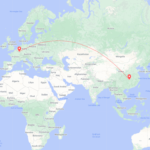
The geographical distance and the specific origin ports in China (e.g., Shanghai, Shenzhen, Ningbo) to destination ports in Canada (e.g., Vancouver, Toronto, Montreal) significantly impact shipping cost from China to Canada. Major trade routes, particularly those serving the bustling ports of Shanghai (Shanghai Port’s throughput in H1 2025 showed a 3% increase in container volume year-on-year, indicating continued robust activity) or Shenzhen, to the largest Canadian ports like Vancouverand Toronto, benefit from established logistics networks and higher frequency of sailings, potentially offering best shipping rates from China to Canada due to economies of scale. However, inland destinations in Canada might incur additional domestic transportation costs.
3. Cargo Type and Weight:
The nature, weight, and dimensions of your goods are paramount. Hazardous materials, perishable items, or out of gauge cargo will always command higher shipping from China to Canada cost due to specialized handling requirements, regulatory compliance, and potential need for dedicated transport solutions. For instance, the cost of shipping a pallet from China to USA or Canada can vary wildly based on its contents and dimensions. Heavier and bulkier items directly translate to higher freight charges, particularly in air freight where volumetric weight is a critical pricing factor.
4. Fuel Prices:
Global energy markets remain volatile. In Q3 2025, while crude oil prices have somewhat stabilized compared to the peaks of early 2024, they are still subject to geopolitical influences and OPEC+ decisions. Carriers consistently adjust fuel surcharges (Bunker Adjustment Factor – BAF for sea freight and Fuel Surcharge for Air Freight) in response to these fluctuations, directly impacting your how much is shipping from China to Canada calculation. Businesses should regularly check these surcharges as they can add a significant percentage to the base freight rate.
5. Seasonality:
The shipping industry is inherently seasonal. Q3 2025 is typically a period of increasing demand as businesses prepare for the upcoming Q4 holiday shopping season. This “peak season” usually extends from mid-August through October, leading to higher shipping rates from China to Canada due to limited capacity and increased carrier premiums. Planning your shipments well in advance and potentially leveraging off-peak periods can help mitigate these seasonal rate hikes.
6. Customs Regulations and Duties:
Navigating Canadian customs is a critical, and often costly, part of the shipping process. Customs duties and taxes (like GST/HST) are levied based on the Harmonized System (HS) code of your goods and their declared value. For example, recent trade policy adjustments between Canada and specific regions might introduce new or altered tariffs on certain product categories. Partnering with an experienced freight forwarder like Dantful International Logistics for Customs Clearance can ensure compliance and prevent unexpected delays or penalties, which ultimately add to the cost of shipping from China to Canada.
Types of Shipping Services From China Available to Canada
When planning your Shipping From China To Canada strategy in Q3 2025, understanding the various service types is crucial for optimizing both cost and efficiency.
1. Consolidated Freight Shipping:
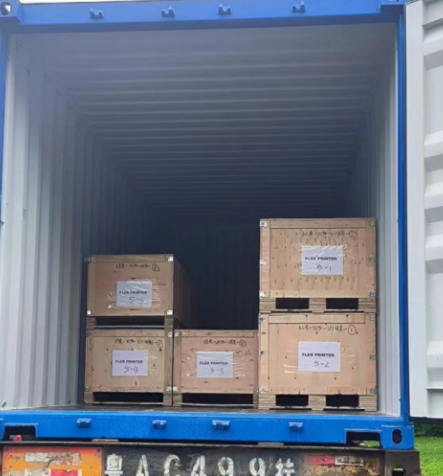
This service is a cornerstone for small to medium-sized businesses looking to ship smaller volumes. By combining multiple Less than Container Load (LCL) shipments into a single Full Container Load (FCL), it offers a highly cost-effective solution. Dantful International Logistics excels in providing robust consolidated freight shipping services, allowing clients to benefit from lower shipping rates from China to Canada while maintaining reliability. This is particularly beneficial for businesses that don’t have enough cargo to fill an entire container but still want the economic advantages of sea freight.
2. Full Container Load (FCL):
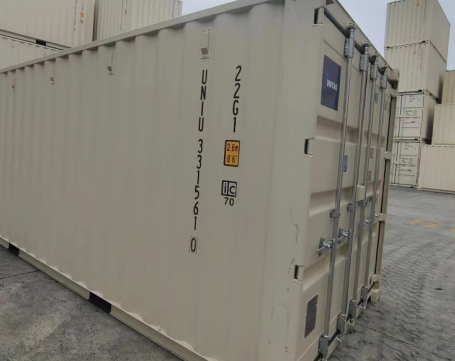
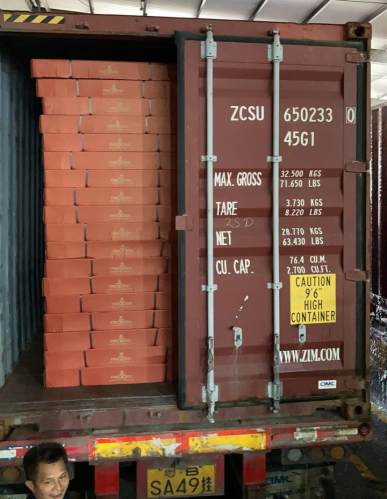
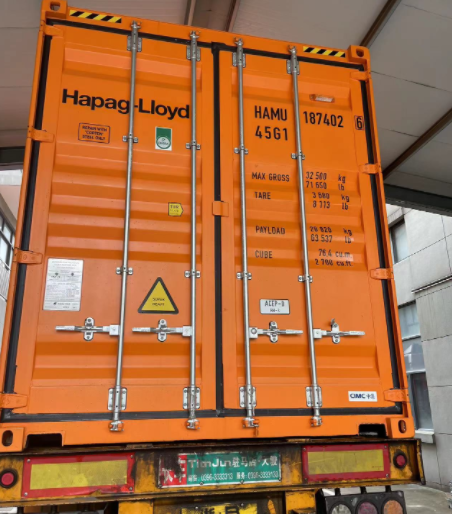
For larger shipments that can fill an entire shipping container, FCL remains the most efficient and often the most economical option on a per-unit basis. You rent the entire container (e.g., 20ft or 40ft), offering security and faster transit times as there are no consolidations or deconsolidations. Current container shipping rates from China to Canada for FCL, such as a 40 ft container shipping cost from China to USA (similar trends apply to Canada), have seen slight upward pressure in Q3 2025 due to global supply chain adjustments, yet still offer significant savings for bulk imports. Our experts at Dantful Logistics can provide precise how much to ship a container from China to Canada quotes based on the latest market conditions.
3. Less than Container Load (LCL):
When your cargo volume is insufficient for an FCL shipment, LCL is the go-to sea freight solution. While generally more affordable than air freight from China to Canada for smaller volumes, it typically involves longer transit times due to consolidation and deconsolidation processes. In Q3 2025, LCL shipping rates from China to USA (with comparable pricing structures for Canada) have remained relatively stable, offering a reliable option for businesses managing smaller inventories or launching new products.
4. Air Freight:
For shipments where speed is paramount, air freight from China to Canada is unmatched. Despite being the most expensive option per kilogram, it drastically reduces transit times, making it ideal for high-value goods, urgent replenishment, or perishable commodities. We’ve observed sustained high demand for air freight from China to Canada in Q3 2025, particularly for tech components and expedited fashion goods, which has kept prices elevated. For precise how much for air freight from China to Los Angeles (similar to Canada destinations) rates, reach out to Dantful International Logistics for a tailored quote.
5. Door-to-Door Shipping:
This comprehensive service removes the complexity of international logistics for the importer. Door-to-door shipping from China to Canada means Dantful Logistics handles everything from pickup at the supplier’s factory in China, through Customs Clearance and all transportation, right to your warehouse or doorstep in Canada. This DDP Shipping Services model provides cost predictability and reduces administrative burden, making it an increasingly popular choice for businesses seeking a hassle-free import experience, especially in a dynamic market like Q3 2025 where supply chain stability is highly valued.
Sea Freight vs. Air Freight
Sea Freight Shipping Rates from China to Canada
Sea freight is generally the most cost-effective method for shipping large volumes. Rates can vary based on several factors, such as shipping routes, container types, and market conditions. As of Q3 2025, an approximate rate for shipping a 20-foot container from Shanghai to Vancouver ranges from 2,200 to 4,000, depending on the shipping line and seasonality. For rates to other locations, check out Container Shipping Costs from China to Canada.
| Port of Origin | Port of Destination | Estimated Cost (20ft) | Transit Time |
| Shanghai | Vancouver | 2,200−4,000 | 20 – 30 days |
| Shenzhen | Toronto | 2,500−4,500 | 25 – 35 days |
Air Freight Shipping Rates from China to Canada
In contrast, air freight offers much faster shipping times at a higher cost. The rates for air freight can range from 8to8 to 8to15 per kilogram, depending on the carrier and specific route. For example, sending a 100 kg cargo can cost between 800and800 and 800and1,500. More details can be found in Air Freight.
| Port of Origin | Port of Destination | Estimated Cost (per kg) | Transit Time |
| Shanghai | Vancouver | 8−15 | 3 – 7 days |
| Shenzhen | Toronto | 9−16 | 3 – 7 days |
Comparing Transit Times and Reliability
When considering sea freight versus air freight, it is essential to weigh both transit times and reliability. Air freight typically takes between 3 to 7 days, making it the best choice for urgent deliveries. However, it may be subject to delays due to weather or operational issues.
Conversely, sea freight can take anywhere from 20 to 35 days, depending on transit routes and port congestion. While slower, sea freight is generally more reliable concerning scheduled departures and arrivals, as long as there are no unforeseen disturbances like port strikes or severe weather conditions.
In summary, both freight methods have their advantages and disadvantages. The final decision will depend on your specific needs regarding urgency, budget, and the nature of the goods you are shipping. For personalized assistance and cost-effective solutions, consider partnering with Dantful International Logistics, a highly professional and reliable freight forwarder that offers a range of services tailored to meet your shipping requirements.
READ MORE:
- Shipping From China to the USA
- Shipping From China TO Canada
- Shipping From China TO Mexico
- Shipping From China to Panama
- Shipping From China to Costa Rica
- Shipping From China to Brazil
- Shipping From China TO Colombia
- Shipping From China to Jamaica
- Shipping From China to Venezuela
- Shipping From China to Argentina
Current Shipping Rates from China to Canada
Average Costs for Different Freight Methods
When importing goods from China to Canada, understanding the average shipping rates is essential for budgeting and planning purposes. The costs vary significantly depending on the freight method used—Sea Freight, Air Freight, or other logistical services. Below is a comprehensive table summarizing the average shipping costs associated with each method:
| Freight Method | Average Cost (USD) per kg | Transit Time (Days) | Ideal For |
|---|---|---|---|
| Sea Freight | $1.00 – $2.50 | 20 – 40 | Large, bulky shipments |
| Air Freight | $5.00 – $10.00 | 3 – 10 | Urgent, high-value items |
| Consolidated Freight | $2.00 – $4.00 | 15 – 30 | Smaller shipments, budget-conscious |
Note: The above rates are indicative and can fluctuate based on market conditions, fuel prices, and specific logistics requirements. It is advisable to check with a reliable freight forwarder like Dantful International Logistics for the most accurate and updated rates.
Factors Affecting Current Shipping Rates
Several key factors influence the shipping rates from China to Canada:
Fuel Prices: Fluctuations in fuel costs can greatly affect shipping rates, especially for air and sea freight methods. Increases in oil prices typically lead to higher freight charges.
Supply and Demand: The volume of cargo being shipped during peak seasons (like Chinese New Year or holiday seasons) can drive up shipping costs. Conversely, during off-peak periods, rates may decrease due to reduced demand.
Weight and Volume of Cargo: Shipping costs are often calculated based on the dimensional weight or actual weight of your cargo. Heavier and bulkier shipments tend to incur higher costs.
Shipping Route: The distance and complexity of the route from China to Canada will also play a role in determining the shipping costs. Routes with more transshipments or longer distances can incur additional fees.
Customs Regulations: Tariffs and duties imposed by both Chinese and Canadian authorities can affect the total landed cost of goods. This includes any additional fees for customs clearance services.
Freight Forwarding Services: The choice of freight forwarder can significantly impact overall shipping rates. A reputable provider, such as Dantful International Logistics, can offer competitive pricing and additional services that can save costs in the long run.
Additional Fees and Charges to Consider
When calculating the total cost of shipping from China to Canada, it is crucial to consider additional fees and charges that may apply.
Customs Duties and Taxes
Importing goods into Canada incurs customs duties and taxes, including the Goods and Services Tax (GST) and provincial sales taxes. The duty rate depends on the product classification and its country of origin. Importers should consult the Canada Border Services Agency (CBSA) and the Harmonized System (HS) codes to determine applicable rates.
Here’s an illustrative table for common product categories, including their typical HS codes, MFN tariff rates, and applicable GST/HST rates in Canada (GST is 5%, HST varies by province):
| Product Category | HS Code (Example) | MFN Tariff Rate (Approx.) | GST/HST Rate (Federal + Provincial where applicable) | Notes |
|---|---|---|---|---|
| Apparel (Textiles) | 6103.42 | 18% | 5% (GST) to 15% (HST in some provinces) | Rates vary significantly by material and type. |
| Electronics (Consumer) | 8517.12 | 0% – 7% | 5% (GST) to 15% (HST in some provinces) | Many electronics have low or zero tariffs under MFN. |
| Furniture (Wooden) | 9403.60 | 9.5% | 5% (GST) to 15% (HST in some provinces) | Subject to potential anti-dumping duties on specific types. |
| Toys (Plastic) | 9503.00 | 6.5% | 5% (GST) to 15% (HST in some provinces) | |
| Machinery (Industrial) | 8479.89 | 0% – 8% | 5% (GST) to 15% (HST in some provinces) | Often lower tariffs for essential industrial equipment. |
Handling Fees and Insurance
Handling fees may be charged for loading, unloading, storage, and other logistical services. Additionally, insurance is often recommended to protect against loss or damage during transit. Insurance costs can vary based on the value of the shipment and the coverage options selected. Using the services of a professional freight forwarder like Dantful International Logistics can help ensure that you have appropriate coverage and minimized handling costs.
By understanding the current shipping rates, the factors affecting them, and the additional fees to consider, importers can make informed decisions and better manage their logistics costs when shipping from China to Canada.
Tips for Reducing Shipping Costs from China to Canada
Consolidated Freight Shipping Options
One of the most effective strategies for reducing shipping costs from China to Canada is utilizing consolidated freight shipping. This method allows multiple shipments to be combined into one larger shipment, significantly lowering the per-unit shipping cost. By sharing the space in a container, businesses can benefit from reduced rates due to economies of scale.
For businesses importing smaller shipments, consolidated freight is particularly advantageous. This method not only decreases shipping fees but also minimizes the risk of excess charges associated with smaller, individual shipments. It’s crucial to work with a freight forwarder who offers consolidation services, ensuring that your goods are grouped efficiently without compromising the delivery timeline.
Furthermore, many freight forwarders, including Dantful International Logistics, offer customized consolidated shipping options to cater to specific needs. With their expertise, you can expect optimal routing and timely delivery, making your logistics process smoother and more cost-effective.
Choosing the Right Freight Forwarder
Selecting the right freight forwarder is essential for managing shipping costs effectively. Several key factors should be considered to ensure you choose a service provider that best meets your needs:
Experience and Reputation: Look for a freight forwarder with a solid track record in shipping from China to Canada. An established company like Dantful International Logistics has experience navigating the complexities of international shipping and can provide reliable service.
Service Offerings: Evaluate the range of services provided by the freight forwarder. A comprehensive logistics solution that includes ocean freight, air freight, customs clearance, and insurance can save you time and money, as you won’t need to coordinate with multiple vendors.
Cost Transparency: Ensure that your chosen freight forwarder offers clear and transparent pricing structures. Hidden fees can quickly add up, so a reputable company will provide detailed quotes, allowing you to anticipate all potential costs.
Customer Support: Reliable customer support is crucial for addressing any issues that may arise during the shipping process. A responsive team can help you navigate challenges effectively, ensuring a smoother experience.
Technology Use: A forwarder that utilizes advanced tracking technology and logistics management systems can provide real-time updates on your shipment’s status. This level of transparency can enhance your supply chain management and help you make informed decisions.
How to Choose a Reliable Freight Forwarder
Key Factors to Evaluate
When searching for a reliable freight forwarder, it’s important to evaluate a few critical factors:
Certifications and Compliance: Ensure that the freight forwarder holds appropriate certifications, such as IATA (International Air Transport Association) and FMC (Federal Maritime Commission) licensing. This indicates a commitment to regulatory compliance and professional standards.
Network and Partnerships: A strong network of carriers and logistics partners can facilitate more efficient shipping routes and better rates. A well-connected freight forwarder can offer more options, allowing you to choose the best fit for your shipping needs.
Reviews and References: Check customer reviews and ask for references. Testimonials can provide insights into the quality of service and reliability of the freight forwarder.
Flexibility and Scalability: Your logistics needs may change over time, so it’s essential to choose a freight forwarder that can adapt to your changing requirements and scale their services accordingly.
Benefits of Using Dantful Logistics
Dantful International Logistics stands out as a top choice for businesses looking to streamline their shipping from China to Canada. Here are some key benefits of partnering with us:
Cost-Effective Solutions: We offer competitive rates for various shipping methods, including ocean freight, air freight, and consolidated freight, ensuring you get the best value for your money.
Comprehensive Services: Our suite of services covers all aspects of international logistics, including customs clearance, insurance, and warehouse solutions, providing a one-stop shop for your shipping needs.
Expertise and Experience: With a team of seasoned professionals, we navigate the complexities of international shipping efficiently, ensuring compliance with regulations and timely delivery.
Excellent Customer Support: Our dedicated customer support team is available to assist you at every stage of the shipping process, providing real-time updates and addressing any concerns promptly.
By choosing Dantful Logistics, you can trust that your shipping needs will be handled with professionalism and care, ultimately helping you reduce costs and improve your supply chain efficiency.

Young Chiu is a seasoned logistics expert with over 15 years of experience in international freight forwarding and supply chain management. As CEO of Dantful International Logistics, Young is dedicated to providing valuable insights and practical advice to businesses navigating the complexities of global shipping.