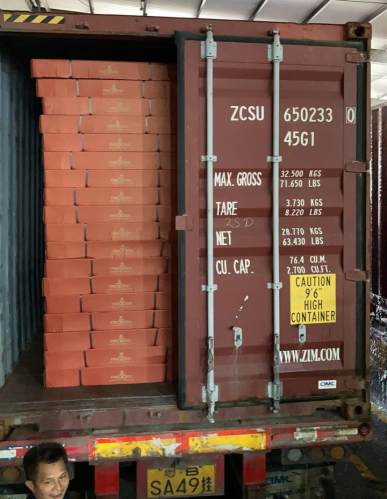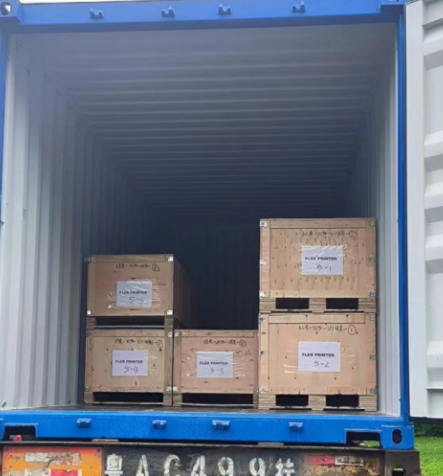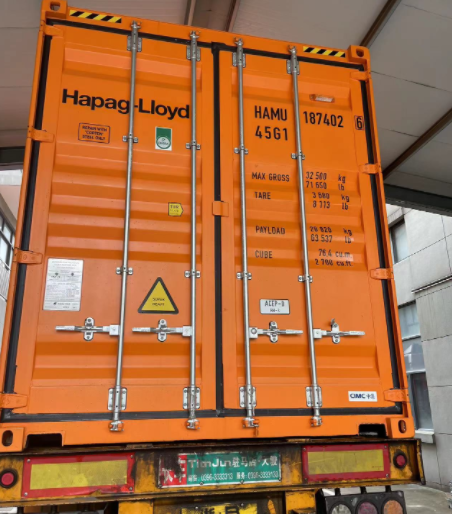
Are you struggling to find the best shipping rates from China to Djibouti for your business or personal needs? Navigating the complexities of ocean freight, air freight, and various cost factors can be overwhelming. In this comprehensive guide, we’ll break down everything you need to know about shipping methods, rate calculations, customs duties, and how to save money on your shipments from China to Djibouti. Let’s unlock the secrets to efficient and affordable shipping together!
Overview of Shipping Rates from China to Djibouti
Shipping rates from China to Djibouti can vary significantly depending on several factors, including the chosen shipping method, cargo specifications, and current market conditions. As Djibouti serves as a crucial logistics hub in East Africa, understanding the dynamics of international shipping costs is essential for importers, exporters, and supply chain managers.
Generally, the most popular shipping modes between China and Djibouti are ocean freight and air freight. Each mode offers unique advantages in terms of cost, speed, and cargo suitability. By analyzing the latest industry data and leveraging over 15 years of freight forwarding experience, I will guide you through the current landscape of shipping rates, helping you make informed decisions for your business.
The cost to ship goods from China to Djibouti typically includes base freight charges, port fees, fuel surcharges, and other handling costs. As of February 2026, average rates for a 20-foot container by sea range from USD 1,800 to USD 2,500, while air freight rates are usually higher but provide much faster transit times.
Finding a low rate is easy, but avoiding the hidden costs that plague the China-Djibouti route—like unexpected port congestion fees or documentation errors—requires experience. At Dantful International Logistics, we leverage 15 years of on-the-ground expertise to protect your bottom line, ensuring your cargo moves smoothly while others are stuck in customs.
Main Shipping Methods from China to Djibouti
Ocean Freight: FCL, LCL, and Bulk Cargo Options
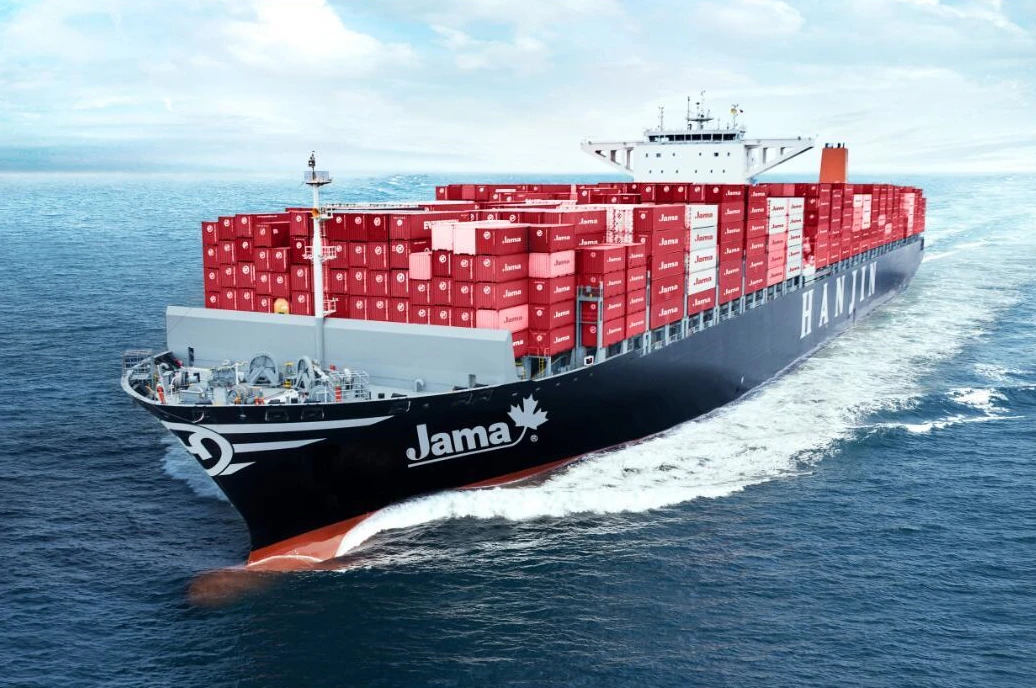
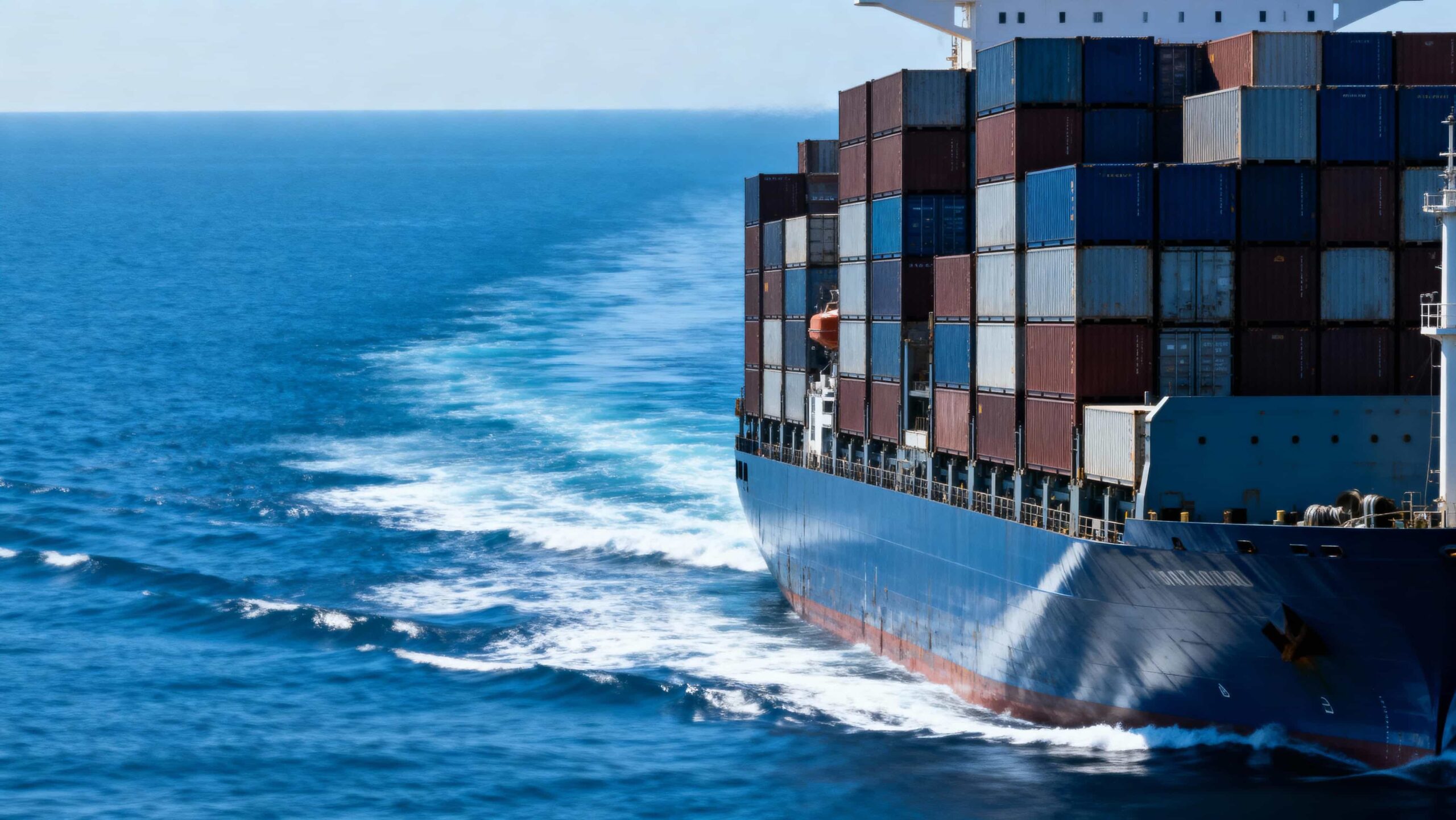
Ocean freight is the most economical shipping method for transporting goods from China to Djibouti, especially for large or heavy consignments. The main ocean freight options include:
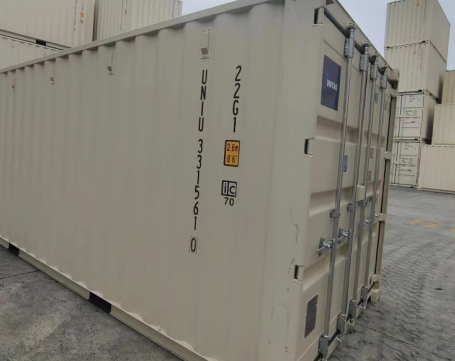
FCL (Full Container Load): Shipping via FCL means your cargo occupies an entire container—ideal for large shipments or when security and minimal handling are priorities. Typical container types and capacities are:
Container Type Capacity (CBM) Common Use Cases 20FT 28 CBM Heavy, dense cargo; cost-efficient for mid-sized shipments 40FT 56 CBM Larger volumes or lighter/bulkier goods 40HQ 68 CBM Voluminous, lightweight cargo 45HQ 78 CBM Extra-large shipments Approximate shipping rates (February 2026):
Route 20FT FCL (USD) 40FT FCL (USD) Transit Time (Days) Shanghai/Shenzhen/Ningbo – Djibouti Port 1,800–2,500 3,200–4,000 18–30 LCL (Less than Container Load): If your cargo does not fill a full container, LCL allows you to share space with other shippers. Pricing is calculated by the volume (CBM) or weight, whichever is higher. LCL is convenient for small shipments but may involve longer consolidation times at origin and destination.
Volume (CBM) Estimated Rate (USD) Notes 1–5 CBM 150–300/CBM Varies by port and commodity 6–15 CBM 130–250/CBM Discounts may apply Bulk Cargo: For unconventional cargo types (e.g., machinery, vehicles, project cargo), breakbulk or OOG (Out-of-Gauge) solutions are available. Costs are quoted on a case-by-case basis, depending on dimensions, weight, and special handling requirements.
At Dantful, we don’t just ship boxes; we engineer solutions. Whether you’re moving heavy construction machinery for a government project or need to consolidate LCL goods from five different suppliers, our team knows the exact loading protocols and documentation required by Djibouti customs to prevent costly rejections.
If you are interested in learning more about the unique aspects and challenges of shipping from China to Africa, you may also want to explore related trade lanes and strategies in the region.
Air Freight: When Speed Matters
Air freight is the preferred option when transit time is critical, such as for urgent shipments, high-value electronics, or perishable goods. Air cargo from China to Djibouti typically departs from major airports like Shanghai Pudong (PVG), Guangzhou (CAN), or Beijing (PEK), arriving at Djibouti–Ambouli International Airport (JIB).
February 2026 air freight overview:
- Transit time: 3–7 days (door to airport)
- Rates: USD 4.50–6.50 per kg (based on chargeable weight and commodity)
- Chargeable weight: Calculated as the greater of gross weight and volumetric weight ([L x W x H (cm)] ÷ 6,000)
| Cargo Weight (kg) | Estimated Rate (USD/kg) | Example Total Cost (USD) | Notes |
|---|---|---|---|
| 100–300 | 5.5–6.5 | 550–1,950 | Standard cargo |
| 300–1,000 | 5.0–6.0 | 1,500–6,000 | Discounts possible |
| >1,000 | 4.5–5.5 | Negotiable | Charter available |
Note: Air freight markets are volatile. Instead of quoting you a standard “book” rate, Dantful’s specialists monitor spot rates 24/7. We often secure space on commercial flights at a fraction of the cost during price dips, ensuring your urgent cargo arrives on time without the premium price tag.
Comparison of Shipping Modes: Cost, Speed, and Suitability
Choosing the right shipping mode depends on your cargo’s size, budget, and urgency. Below is a comparison for ease of reference:
| Mode | Cost (Indicative) | Transit Time | Ideal For | Limitations |
|---|---|---|---|---|
| Ocean FCL | $1,800–$4,000/Container | 18–30 days | Large, regular shipments | Slower; port congestion possible |
| Ocean LCL | $150–$300/CBM | 22–35 days | Small, infrequent shipments | Handling/transit delays |
| Air Freight | $4.50–$6.50/kg | 3–7 days | Urgent, high-value, perishable cargo | Expensive for large volumes |
| Bulk/OOG/Breakbulk | Quoted individually | Varies | Machinery, vehicles, project cargo | Special arrangements needed |
Summary:
- Use ocean freight for cost efficiency with large or less time-sensitive shipments.
- Opt for air freight when timing is crucial and cargo size is manageable.
- For unique project needs, consult experts for bulk or OOG solutions.
This isn’t just about logistics; it’s about your business reputation. Dantful leverages deep relationships with port authorities in both China and Djibouti to solve potential issues—like lack of space or customs flags—before they become problems, giving you the peace of mind that your supply chain is secure.
If you’re comparing African trade lanes, you might also be interested in the nuances and providers for shipping from China to Nigeria, another key destination in West Africa.
Key Factors Influencing Shipping Rates
Distance, Transit Time, and Route Selection
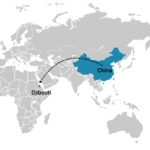
The distance between the origin port in China and the destination port in Djibouti is a primary factor affecting shipping rates. Longer distances generally lead to higher transportation costs due to increased fuel consumption, higher operational expenses, and longer transit times. For example, shipments departing from major Chinese ports like Shanghai, Shenzhen, or Ningbo to Port of Djibouti will have different transit times and may use different maritime routes, influencing cost and reliability.
Transit time varies based on the chosen service (direct vs. transshipment), route congestion, and weather conditions. Direct ocean freight routes are usually faster but may be more expensive than routes involving transshipment at intermediary ports (such as Singapore or Jebel Ali).
Route selection also impacts both cost and risk. Some routes may be more prone to delays due to port congestion or geopolitical concerns (e.g., traversing the Suez Canal or the Red Sea). It’s vital to balance cost with transit time and reliability, especially for time-sensitive shipments.
| Origin Port (China) | Route Example | Estimated Transit Time (Days) | Typical Cost Impact |
|---|---|---|---|
| Shanghai | Shanghai – Singapore – Djibouti | 18–25 | Moderate |
| Shenzhen | Shenzhen – Jebel Ali – Djibouti | 20–28 | Higher (transshipment) |
| Ningbo | Ningbo – Singapore – Djibouti | 18–26 | Moderate |
Note: Transit times are indicative and subject to market conditions (February 2026 data). Always consult with your freight forwarder for the latest schedules.
If you want to understand how shipping times and routes can impact your costs on other African corridors, check out how long is freight from China to Kenya.
Port Charges, Fuel Surcharges, and Carrier Fees
Port charges are local fees levied at both origin and destination ports. These include container handling, terminal usage, customs inspection, and storage fees. Djibouti port charges may differ from Chinese ports and should be considered when budgeting.
Fuel surcharges (BAF, or Bunker Adjustment Factor) fluctuate with global oil prices. Rising fuel costs directly increase shipping rates. Similarly, Emergency Risk Surcharges (ERS) or War Risk Surcharges (WRS) can be applied, especially in regions with geopolitical instability.
Carrier fees include base freight rate, security surcharges, congestion surcharges, and documentation charges. Each carrier may have unique fee structures, so obtaining detailed, itemized quotations is essential for transparency.
| Fee Type | Typical Range (USD, February 2026) | Applies At | Description |
|---|---|---|---|
| Port Handling | $80–$200 / container | Both ports | Loading/unloading containers |
| Fuel Surcharge (BAF) | Variable (market-based) | Carrier | Adjusted regularly with oil prices |
| Documentation Fee | $40–$70 | Carrier/Agent | Bill of Lading and export paperwork |
| Congestion Surcharge | $0–$100 | Busy ports | During peak congestion periods |
| Customs Inspection | $40–$120 | Destination | If selected for customs exam |
Seasonal Fluctuations and Market Demand
Shipping rates from China to Djibouti are subject to seasonal fluctuations and market demand. Peak seasons—such as before Chinese New Year, Golden Week, and major international holidays—often result in higher freight rates due to increased demand and reduced available space.
During off-peak periods, rates may drop as carriers seek to fill vessel capacity. However, sudden events like strikes, natural disasters, or changes in geopolitical risks (e.g., disruptions in the Red Sea region) can also cause unforeseen surges in costs and transit times.
Pro Tip: The pre-Chinese New Year rush often sees rates double overnight. We proactively alert our clients 4-6 weeks in advance to secure space. By partnering with Dantful, you get access to our pre-booked block space agreements, protecting you from the worst of the peak season rate spikes.
Impact of Cargo Type, Weight, and Volume on Pricing
Cargo type (general, hazardous, perishable, OOG—Out of Gauge), weight, and volume directly affect shipping rates. For ocean freight, rates are typically calculated per Full Container Load (FCL) or Less than Container Load (LCL):
FCL: Flat rate per container (e.g., 20FT, 40FT, 40HQ, 45HQ). Ideal for large shipments.
- 20FT: Capacity ~28CBM
- 40FT: Capacity ~56CBM
- 40HQ: Capacity ~68CBM
- 45HQ: Capacity ~78CBM
LCL: Priced per CBM or per ton, whichever is greater. Suitable for smaller shipments.
Air freight: Charged by chargeable weight (actual or volumetric, whichever is higher).
Hazardous or special cargo requires additional documentation, handling, and often incurs surcharges.
| Mode | Pricing Basis | Common Triggers for Higher Rates |
|---|---|---|
| FCL | Per container | Overweight, special equipment, OOG loads |
| LCL | Per CBM or ton | Dense/heavy cargo, palletized goods |
| Air Freight | Chargeable weight | Volumetric, dangerous goods, perishables |
Accurate cargo measurements and clear specification of cargo type are essential to obtain precise shipping rates and avoid surprises.
How to Calculate Shipping Costs from China to Djibouti
Understanding Freight Quotes and Rate Components
A comprehensive freight quote from a professional forwarder like Dantful International Logistics will break down all cost components, providing full transparency. Typical components include:
- Freight Charges: Main transit cost (sea/air/rail).
- Origin Charges: Export handling, customs clearance, documentation.
- Destination Charges: Port handling, import customs clearance, delivery.
- Surcharges: Fuel, peak season, security, war risk, etc.
- Optional Services: Insurance, warehousing, door-to-door delivery, cargo consolidation.
It is crucial to distinguish between all-in rates (including every step from origin to delivery) and port-to-port rates (covering only main carriage).
Using Online Shipping Rate Calculators
Online shipping rate calculators are valuable tools for preliminary cost estimation. Reputable providers, including Dantful International Logistics, offer calculators that consider route, cargo dimensions, weight, incoterms (e.g., EXW, FOB, CIF), and current market rates.
Steps to use a shipping rate calculator:
- Enter origin and destination ports (e.g., Shanghai to Djibouti).
- Specify cargo type, dimensions, and weight.
- Select preferred shipping mode (FCL, LCL, air freight).
- Choose service options (door-to-door, port-to-port).
- Review estimated costs, transit times, and included services.
Disclaimer: Rates provided online are guidelines; final quotes may vary with market fluctuations and individual cargo requirements. Always confirm with your freight forwarder.
Tips for Accurate Shipping Cost Estimation
- Provide Detailed Cargo Information: Correct cargo type, dimensions, weight, and packaging method.
- Clarify Incoterms: Define your responsibilities for shipping, insurance, and customs.
- Request Itemized Quotes: Ensure all surcharges, taxes, and ancillary fees are included.
- Plan Ahead for Peak Seasons: Book early to secure space and better rates.
- Consult an Experienced Freight Forwarder: Work with a trusted partner like Dantful International Logistics for tailored advice, competitive rates, and end-to-end service coverage.
If you’re also interested in the breakdown and comparison of container shipping costs from China to Djibouti, we have a guide dedicated to detailed pricing structures for this exact shipping route.
READ MORE:
- Shipping From China To Algeria
- Shipping From China To Angola
- Shipping From China To Morocco
- Shipping From China To Nigeria
- Shipping From China To Kenya
- Shipping From China To Tanzania
- Shipping From China To South Africa
Customs Duties, Taxes, and Additional Charges
Import Regulations and Documentation for Djibouti
When shipping goods from China to Djibouti, understanding the import regulations is crucial for smooth customs clearance and accurate cost estimation. The Djiboutian Customs Authority enforces strict guidelines on documentation and the types of goods that can be imported.
Required Documents:
- Bill of Lading (B/L) or Airway Bill (AWB) Proof of shipment and receipt of goods, essential for both ocean and air freight.
- Commercial Invoice Details the value, quantity, and nature of the goods. It is used for customs valuation and calculating duties/taxes.
- Packing List Specifies the contents, packaging type, and weight/volume of each cargo item.
- Import License (if applicable) Mandatory for certain restricted goods such as pharmaceuticals, chemicals, and electronics.
- Certificate of Origin Confirms the manufacturing country of the goods, which may affect duty rates and trade agreements.
- Other Certifications For sensitive products (e.g., food, health, and safety goods), additional health or phytosanitary certificates may be required.
Important Note: All documentation must be accurate and consistent. Incomplete or incorrect paperwork can result in customs delays, fines, or cargo seizure.
How Customs Fees Affect Total Shipping Cost
Customs fees in Djibouti directly influence the final shipping rate. These fees typically include:
| Fee Type | Description | Estimated Rate/Range |
|---|---|---|
| Import Duty | Tax applied on the CIF (Cost + Insurance + Freight) value of the imported goods | 5–30% (varies by product) |
| Value Added Tax (VAT) | General consumption tax on the value of goods and services | 10% (standard rate) |
| Customs Processing Fee | Administrative fee for customs clearance procedures | USD 15–40 per shipment |
| Port Handling Charges | Fees for loading, unloading, and cargo handling at Djibouti Port | USD 80–250 per container |
| Inspection Fees | For goods requiring additional customs or safety inspections | USD 20–80 per inspection |
| Other Local Taxes/Levies | May apply to certain categories, e.g., environmental or excise taxes | Case-specific |
Calculation Example (for a $10,000 shipment):
- CIF Value: $10,000
- Import Duty (e.g., 15%): $1,500
- VAT (10% of CIF + Duty): $1,150
- Processing & Handling: $180
- Total Customs Fees: $2,830 This amount adds significantly to your shipping cost, so always factor customs into your budgeting.
Hidden Charges to Watch Out For
Many shippers overlook additional fees that can arise during the import process. Being aware of these helps you avoid unexpected costs:
- Demurrage and Detention Fees: If your container stays at the port beyond the free period, you may incur daily charges.
- Storage Fees: Charged if cargo is not cleared on time and stored at the port or warehouse.
- Amendment Fees: For corrections or changes in shipping documents after submission.
- Terminal Handling Charges (THC): Applied by the port for loading/unloading operations, sometimes not included in the original quote.
- Agency Fees: Payments to local freight agents or brokers assisting with customs clearance.
- Quarantine and Inspection Fees: For goods subject to health, safety, or phytosanitary checks.
- Currency Adjustment Factor (CAF) & Bunker Adjustment Factor (BAF): Surcharges related to exchange rate fluctuations and fuel cost changes.
Tip: Request an all-inclusive quote from your freight forwarder and review the breakdown carefully to ensure transparency.
How to Choose the Right Freight Forwarder for China-Djibouti Shipments
Selecting a reliable freight forwarder is essential to optimize your shipping rates from China to Djibouti and ensure smooth logistics management. Here’s what you should consider:
1. Industry Experience and Expertise
Choose a forwarder with proven experience in handling shipments to Djibouti, familiar with the unique challenges, customs procedures, and local market requirements. Look for certifications, track record, and established networks in both China and Djibouti.
2. Comprehensive Service Portfolio Rooted in Real-World Expertise
A truly reliable freight forwarder demonstrates its professionalism not just through a broad menu of services, but by applying hands-on experience to tailor solutions for each customer’s unique needs. For example, Dantful International Logistics delivers practical, on-the-ground support across the entire supply chain, including:
- Sea Freight (FCL/LCL) — from managing complex export documentation in Shenzhen to optimizing route selection for urgent shipments.
- Air Freight — leveraging established airline partnerships for consistent transit times, even during peak season disruptions.
- Rail Freight — offering intermodal solutions that balance speed and cost, especially for China-Europe and Central Asia corridors.
- Road Freight — with local teams that can arrange secure last-mile deliveries to inland destinations across multiple continents.
- Amazon FBA — providing end-to-end prep, labeling, and FBA booking to ensure compliance and avoid costly storage delays.
- Warehouse Solutions — including consolidation, pick & pack, and flexible storage locations near major ports like Ningbo, Yantian, and Rotterdam.
- Customs Clearance — drawing on up-to-date customs knowledge to help clients navigate regular EU regulation changes and avoid release delays.
- Cargo Insurance — helping shippers choose the right level of coverage based on practical risk assessments.
- Door-to-Door Delivery — managing the entire process, from origin pick-up in factories to destination doorstep in the US, EU, or Africa.
- OOG (Out-of-Gauge) & Breakbulk Freight — with a proven safety record handling large machinery and special projects.
- Consolidated Shipments — optimizing groupage for SMEs who need cost-effective access to global markets.
Dantful International Logistics’ practical experience—from successfully orchestrating time-critical air shipments for the electronics sector to cost-saving LCL consolidation for small businesses—ensures that you get more than just a theoretical service list. You benefit from real problem-solving, faster responses, and measurable reductions in logistics risk and cost.
3. Transparent Pricing and Detailed Quotations
Request itemized quotes that clearly list freight charges, surcharges, customs fees, and any additional costs. Avoid forwarders who provide vague or “all-in” rates without a breakdown.
4. Local Support and Network Strength
Your forwarder should have a robust partner network in Djibouti for efficient customs clearance, port handling, and last-mile delivery. This network minimizes delays and offers real-time visibility during transit.
5. Digital Tools and Customer Service
Modern forwarders utilize tracking systems, online portals, and responsive customer support. Ensure they provide shipment tracking, document management, and timely updates.
6. Reputation and References
Check for testimonials, case studies, or references from clients shipping to Djibouti. A reputable provider will be transparent about their success stories and challenges handled.
Why Trust Dantful with Your Djibouti Shipments?
We aren’t just a forwarder; we are your strategic partner in East Africa. We know that Djibouti’s strict documentation requirements (like the mandatory ECTN/BESC) trip up many importers. Dantful handles these complex compliance details for you internally, ensuring zero penalties and 100% compliance. We treat your cargo as our own, fighting for every dollar in savings.
For a more detailed review of value-added services and how to choose a logistics provider, see our comprehensive advice on how to choose the right freight forwarder.
Conclusion: Shipping to Djibouti shouldn’t be a gamble. By partnering with Dantful International Logistics, you gain a veteran team that has successfully delivered thousands of containers to the region. Let us handle the complex logistics so you can focus on what you do best—growing your business.
Tips to Save on Shipping from China to Djibouti
Shipping goods from China to Djibouti can be a significant investment, especially for small and medium-sized businesses. However, with strategic planning and a clear understanding of freight logistics, it is possible to optimize costs without sacrificing reliability or service. Below, I share actionable tips—drawn from over 15 years of hands-on logistics expertise—to help you reduce your shipping expenses and ensure a seamless supply chain experience.
Consolidation, Negotiation, and Volume Discounts
Consolidation is one of the most effective ways to save on shipping rates from China to Djibouti. By combining multiple smaller shipments—either your own or with other shippers—you can book space in a shared container (LCL: Less than Container Load), dramatically lowering your per-unit transport costs compared to booking a full container (FCL: Full Container Load) when your cargo does not fill it.
Benefits of Consolidation:
- Reduced freight charges per cubic meter (CBM)
- Minimized risk of paying for unused container space
- Simplified customs clearance when using experienced consolidators
Negotiation with your freight forwarder or carrier can also yield better rates, especially if you have regular shipments or expect to increase your volume. Most reliable freight forwarders, including Dantful International Logistics, offer volume discounts or tailored pricing for loyal clients. Always request multiple quotes and consider signing a long-term shipping agreement if your business allows for predictable volumes.
| Shipping Type | Typical Volume | Suitability | Potential Savings |
|---|---|---|---|
| LCL Consolidation | < 15 CBM | Small/Irregular Shipments | High (on small loads) |
| FCL | 28–78 CBM | Bulk/Regular Shipments | High (on full loads) |
| Volume Discount | > 50 CBM/Month | Large/Contract Clients | Negotiable (up to 10%) |
Note: 20FT: 28CBM, 40FT: 56CBM, 40HQ: 68CBM, 45HQ: 78CBM
If you are shipping smaller loads and want to optimize on space and budget, you may find this guide on LCL vs FCL shipping especially helpful for choosing the best cargo solution.
Optimizing Packaging and Shipment Planning
Proper packaging and shipment planning can have a direct impact on your shipping costs. Inefficient packaging leads to wasted space, which means paying for more volume than necessary. Here’s how to optimize:
- Review carton sizes: Use boxes that fit your products snugly, minimizing empty space.
- Stackability: Design packaging for stable stacking, maximizing the use of container height and reducing risk of damage.
- Palletization: If shipping by pallet, ensure each pallet meets standard dimensions and weight limits to avoid extra handling charges.
Shipment planning is equally critical. Instead of frequent small shipments, coordinate your procurement or production to consolidate cargos. This approach reduces not only freight costs but also handling, documentation, and customs fees.
Example: Shipping two 10CBM LCL shipments separately may cost 30–40% more than consolidating into one 20CBM LCL or a single FCL, after accounting for minimum charges and handling fees.
Avoiding Common Mistakes That Increase Costs
Many shippers unknowingly incur extra costs due to common mistakes. Based on extensive operational experience, here are key pitfalls to avoid when shipping from China to Djibouti:
- Inaccurate cargo information: Underestimating weight or volume can result in costly re-quotes and delays.
- Incomplete documentation: Missing or incorrect documents can trigger fines or storage fees at Djibouti customs.
- Late bookings in peak season: Rates typically rise during shipping peak times and space may be limited. Book early to lock in lower rates.
- Ignoring insurance: While it adds a small cost upfront, skipping cargo insurance can result in significant losses if damage or loss occurs during transit.
- Not using a professional freight forwarder: DIY shipping often leads to unexpected charges and compliance issues. Partnering with a reputable freight forwarder like Dantful International Logistics ensures transparent pricing, expert handling, and end-to-end support.
FAQs
1. What is the cheapest way to ship from China to Djibouti? Generally, ocean freight is the most cost-effective option for large or heavy shipments. For smaller consignments, LCL consolidation allows you to share container space and reduce per-unit costs.
2. How can I get a better shipping rate from China to Djibouti? Combine shipments (consolidation), negotiate with multiple freight forwarders, utilize volume discounts, and plan ahead to avoid peak season surcharges. Dantful International Logistics offers tailored solutions based on your specific needs.
3. What documents are required to clear customs in Djibouti? Typically, you need a commercial invoice, packing list, bill of lading or air waybill, and any required import permits or certificates. Ensuring documentation accuracy is critical to avoid delays and extra costs.
4. How does the type of cargo affect shipping rates? Cargo type, weight, and volume directly impact your freight quote. Hazardous, oversized, or temperature-controlled goods may incur additional fees. Consult your forwarder for detailed analysis.
5. How long does shipping from China to Djibouti take? Transit times vary:
- Sea freight: 18–28 days (port to port, depending on route and transshipment)
- Air freight: 3–7 days (airport to airport)

Young Chiu is a seasoned logistics expert with over 15 years of experience in international freight forwarding and supply chain management. As CEO of Dantful International Logistics, Young is dedicated to providing valuable insights and practical advice to businesses navigating the complexities of global shipping.