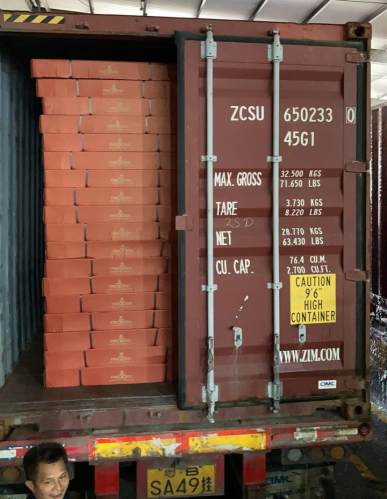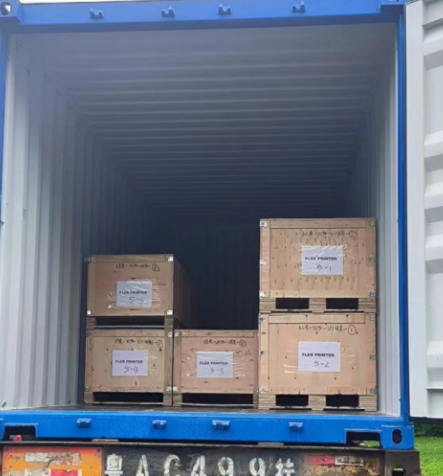
As CEO of Dantful International Logistics, I’ve seen a significant shift in global trade, with Vietnam emerging as a key manufacturing hub for businesses worldwide. This has led to a surge in demand for shipping services between Vietnam and the United States. If you’re looking to tap into this lucrative trade lane, understanding the shipping routes from Vietnam to the US is crucial for optimizing your supply chain, managing costs, and ensuring timely delivery of your goods. This comprehensive guide will walk you through the primary sea and air routes, helping you make informed decisions for your business.
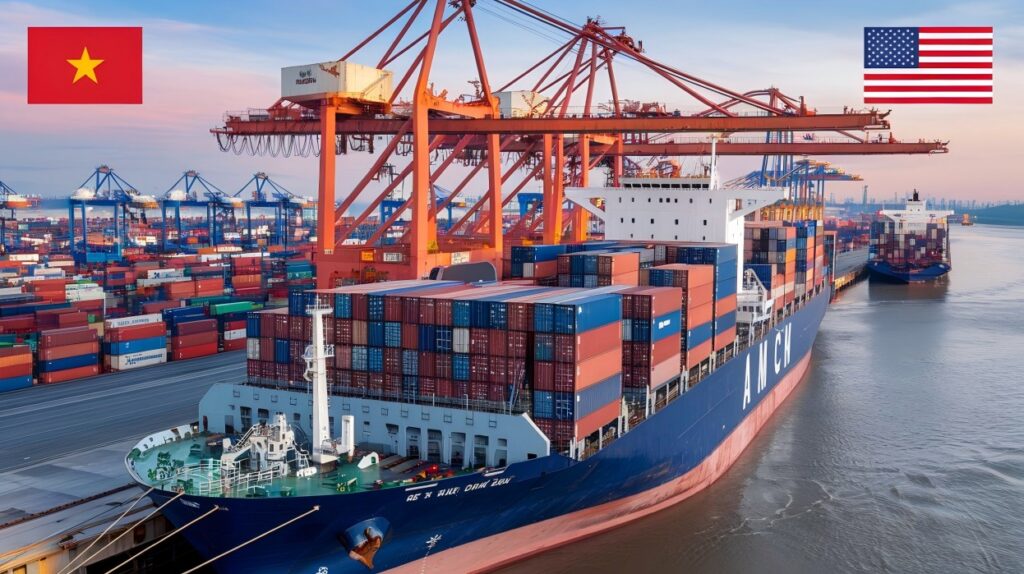
Table of Contents
Main Ocean Freight Routes from Vietnam to the US
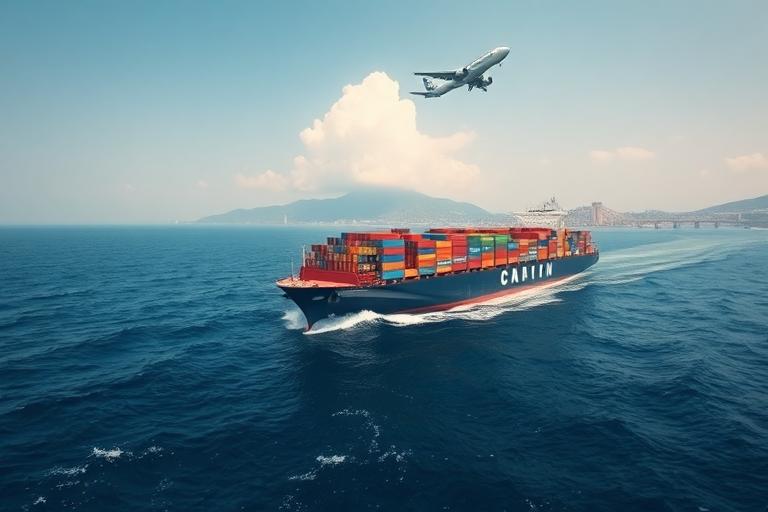
Ocean freight is the most common and cost-effective method for shipping large volumes of goods. There are three main ocean routes from Vietnam to the US, each with its own advantages and disadvantages.
1. The Pacific Ocean Route (Trans-Pacific)
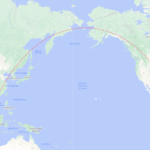
This is the most direct and fastest ocean route. From major Vietnamese ports like Hai Phong in the north and Ho Chi Minh City (Cat Lai) in the south, vessels travel east across the Pacific Ocean, directly to major ports on the US West Coast, such as Los Angeles, Long Beach, and Oakland.
Advantages:
- Faster Transit Times: This route offers the shortest transit times for ocean freight, typically ranging from 15 to 25 days to the West Coast.
- More Frequent Sailings: Due to high demand, there are numerous weekly sailings from major Vietnamese ports.
Disadvantages:
- Port Congestion: US West Coast ports are some of the busiest in the world and can experience significant congestion, leading to potential delays.
- Higher Costs During Peak Season: The popularity of this route can lead to higher shipping rates, especially during peak seasons (August-October).
2. The Atlantic Ocean Route via the Suez Canal
For shipments destined for the US East Coast, the Suez Canal route is a popular option. Vessels depart from Vietnam, travel through the Strait of Malacca, cross the Indian Ocean, pass through the Suez Canal into the Mediterranean Sea, and then cross the Atlantic Ocean to ports like New York-New Jersey, Savannah, and Charleston.
Advantages:
- Avoids West Coast Congestion: This route bypasses the often-congested ports on the US West Coast.
- Cost-Effective for East Coast Destinations: It can be more economical than shipping to the West Coast and then transporting goods inland via rail or truck.
Disadvantages:
- Longer Transit Times: This is a much longer route, with transit times typically ranging from 30 to 45 days.
- Suez Canal Surcharges: Geopolitical instability or other issues affecting the Suez Canal can lead to unexpected delays and surcharges.
3. The Atlantic Ocean Route via the Cape of Good Hope
An alternative to the Suez Canal route, this route also targets the US East Coast. Ships travel south from Vietnam, around the Cape of Good Hope at the southern tip of Africa, and then across the Atlantic Ocean.
Advantages:
- Avoids Suez Canal: This route is an option when the Suez Canal is congested or impassable.
Disadvantages:
- Even Longer Transit Times: This is the longest of the three ocean routes, with transit times often exceeding 40-50 days.
- Fewer Sailings: This route is less common, meaning fewer carrier options and less frequent sailings.
Air Freight Routes from Vietnam to the US
For time-sensitive or high-value shipments, air freight is the fastest option. While there are currently no non-stop flights from Vietnam to the US, several efficient routes with one-stop connections are available.
Major airports in Vietnam, such as Noi Bai International Airport (HAN) in Hanoi and Tan Son Nhat International Airport (SGN) in Ho Chi Minh City, serve as the primary departure points. Cargo is typically routed through major international hubs in Asia or the Middle East before heading to the US.
Common Transit Hubs:
- East Asia: Hong Kong (HKG), Seoul (ICN), Taipei (TPE), Tokyo (NRT)
- Southeast Asia: Singapore (SIN)
- Middle East: Dubai (DXB), Doha (DOH)
From these hubs, cargo is then flown to major US airports, including Los Angeles (LAX), Chicago (ORD), New York (JFK), and Dallas/Fort Worth (DFW).
Advantages:
- Speed: Air freight offers the fastest transit times, typically ranging from 3 to 7 days, including customs clearance.
Disadvantages:
- Cost: Air freight is significantly more expensive than ocean freight.
- Limited Capacity: Cargo space on airplanes is limited, which can be a constraint for large shipments.
Factors Influencing Your Choice of Shipping Route
Several factors will influence your decision when choosing a shipping route:
- Cost: Ocean freight is generally much cheaper than air freight. Among ocean routes, the Trans-Pacific route is often the most cost-effective for West Coast destinations, while the Suez Canal route can be more economical for the East Coast.
- Transit Time: If speed is a priority, air freight is the clear winner. For ocean freight, the Trans-Pacific route is the fastest.
- Cargo Type and Volume: For large, heavy, or non-perishable goods, ocean freight is the preferred choice. For small, high-value, or time-sensitive items, air freight is more suitable.
- Final Destination in the US: Your final delivery location will play a significant role. If your destination is on the West Coast, the Trans-Pacific route is the most logical choice. For East Coast destinations, the Suez Canal or even the Cape of Good Hope route might be more practical.
How Dantful Can Help You Navigate the Routes
Choosing the right shipping route from Vietnam to the US can be complex. At Dantful, we specialize in providing tailored logistics solutions to meet your specific needs. Our team of experts can help you:
- Analyze your shipping requirements to determine the most suitable route and mode of transport.
- Provide competitive quotes for both ocean and air freight.
- Manage the entire shipping process, from booking and documentation to customs clearance and final delivery.
- Offer real-time tracking so you can monitor your shipment’s progress every step of the way.
With our extensive network and deep understanding of the Vietnam-US trade lane, we can help you optimize your supply chain and ensure your cargo arrives safely and on time.
Conclusion
The growing trade relationship between Vietnam and the US offers immense opportunities for businesses. By understanding the different shipping routes from Vietnam to the US, you can make strategic decisions that will positively impact your bottom line. Whether you choose the speed of air freight or the cost-effectiveness of ocean freight, partnering with an experienced freight forwarder like Dantful is key to navigating the complexities of international shipping.
Ready to start shipping from Vietnam to the US? Contact Dantful today for a free quote and expert guidance on your next shipment.

Young Chiu is a seasoned logistics expert with over 15 years of experience in international freight forwarding and supply chain management. As CEO of Dantful International Logistics, Young is dedicated to providing valuable insights and practical advice to businesses navigating the complexities of global shipping.