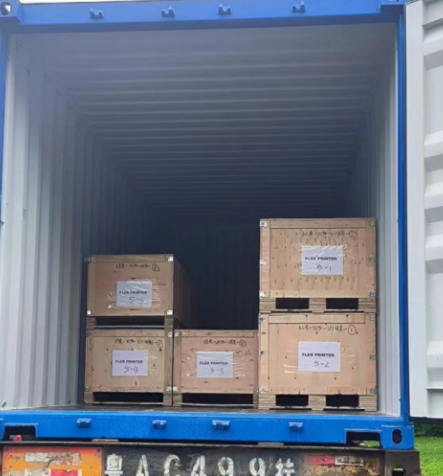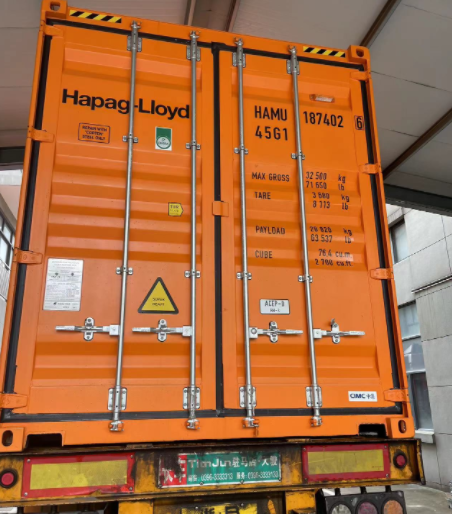
Understanding the costs involved in shipping containers from China to Germany is crucial for businesses looking to optimize their logistics and manage their budget effectively. As of January 2026, various factors, including stabilizing global economic conditions, seasonal adjustments, and evolving trade policies, have influenced shipping rates to be more competitive compared to previous years.
This comprehensive guide aims to provide a detailed overview of the costs associated with shipping 20ft and 40ft containers from China to Germany, helping you make informed decisions and plan your logistics strategy efficiently.
You may be interested in the article: Shipping From China To Germany
Factors Influencing Shipping Costs
Several key factors influence the cost of shipping containers from China to Germany. Understanding these factors can help you better estimate your shipping expenses and identify opportunities for cost savings.
- Type of Container: The size and type of container you choose significantly impact the shipping cost. A standard 20ft container typically costs less to ship than a 40ft container due to its smaller size and capacity. However, the choice between the two depends on the volume and weight of your cargo.
- Distance and Route: The distance between the port of origin and the destination port is a critical factor in determining shipping costs. Common shipping routes from China to Germany include direct routes via the Suez Canal or indirect routes through other major ports. The choice of route can affect transit times and costs.
- Seasonal Variations: Shipping rates can fluctuate based on seasonal demand. Peak shipping seasons, such as the months leading up to major holidays or the Chinese New Year (which falls in early 2026), often see higher shipping costs due to increased demand. Planning your shipments during off-peak times (like mid-January post-rush) can help you save on costs.
- Fuel Prices: The cost of fuel is a significant component of shipping expenses. Fluctuations in fuel prices directly impact shipping rates, as fuel surcharges (BAF) are typically included in the total shipping cost. Monitoring fuel prices and market trends can help you anticipate changes in shipping costs.
- Port Fees and Customs Duties: Additional charges at ports, such as handling fees (THC), terminal fees, and customs duties, can add to the overall shipping cost. These fees vary depending on the port of origin and destination, as well as the type of cargo being shipped.
Main Ports in China and Germany
In the flourishing trade between China and Germany, several ports play crucial roles.
Chinese Ports
- Shanghai Port: A linchpin for China – Germany trade, Shanghai Port is a global behemoth. In 2025, its container throughput maintained its leading position, exceeding 50 million TEUs. It serves as a major exporter of Chinese electronics, textiles, and consumer goods bound for Germany.
- Ningbo Port: Another significant port, Ningbo-Zhoushan Port continued its growth in 2025. It is a key departure point for various products like mechanical equipment and daily necessities en route to Germany. Many small and medium-sized enterprises in Zhejiang province rely on Ningbo Port.
- Qingdao Port: With a robust container throughput in 2025, Qingdao Port contributes substantially to the trade. It is especially important for shipping steel products and agricultural products from China to Germany.
German Ports
- Hamburg Port: As Germany’s largest port, Hamburg Port handles a vast amount of seaborne cargo. It has a long-standing and robust connection with China. Nearly one-third of its total cargo is either from or destined for China.
- Bremen Port (including Bremerhaven): A crucial hub for the import of automotive products, machinery, and electronics from China. Many German car manufacturers receive parts and components from China through this port.
- Rotterdam Port (in the Netherlands): While not in Germany, Rotterdam is a major gateway for goods entering the German market. It serves as a transit point for a large volume of goods flowing between China and Germany.
Cost Breakdown of Cost of Shipping Containers
To provide a clearer understanding of the cost differences between 20ft and 40ft containers, we will break down the average shipping costs and offer examples for both container types. Note: The following rates are estimates for January 2026 and are subject to change based on weekly market fluctuations.
Cost of Shipping 20ft Container from China to Germany
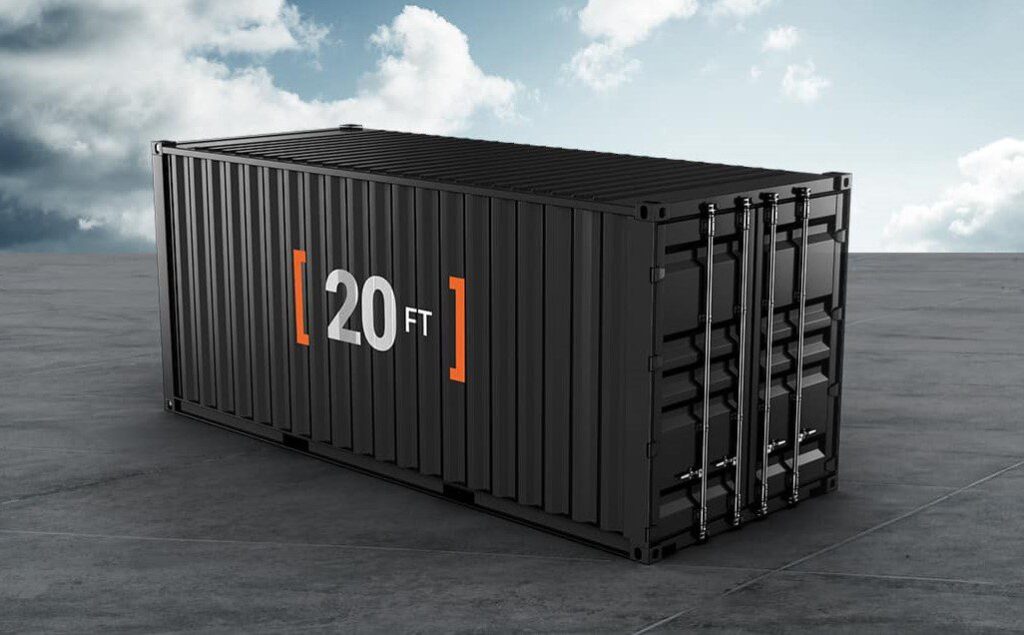
A 20ft container is ideal for smaller shipments and is commonly used for transporting goods with lower volume and weight (approx. 28-30 cbm). The average shipping cost for a 20ft container from China to Germany in 2026 ranges from $1,250 to $2,250, depending on the factors mentioned above.
| Cost Component | Average Cost (USD) |
|---|---|
| Base Shipping Rate | $800 – $1,400 |
| Fuel Surcharge | $150 – $300 |
| Port Fees | $150 – $250 |
| Customs Duties | $100 – $200 |
| Insurance | $50 – $100 |
| Total Cost | $1,250 – $2,250 |
Cost of Shipping 40ft Container from China to Germany
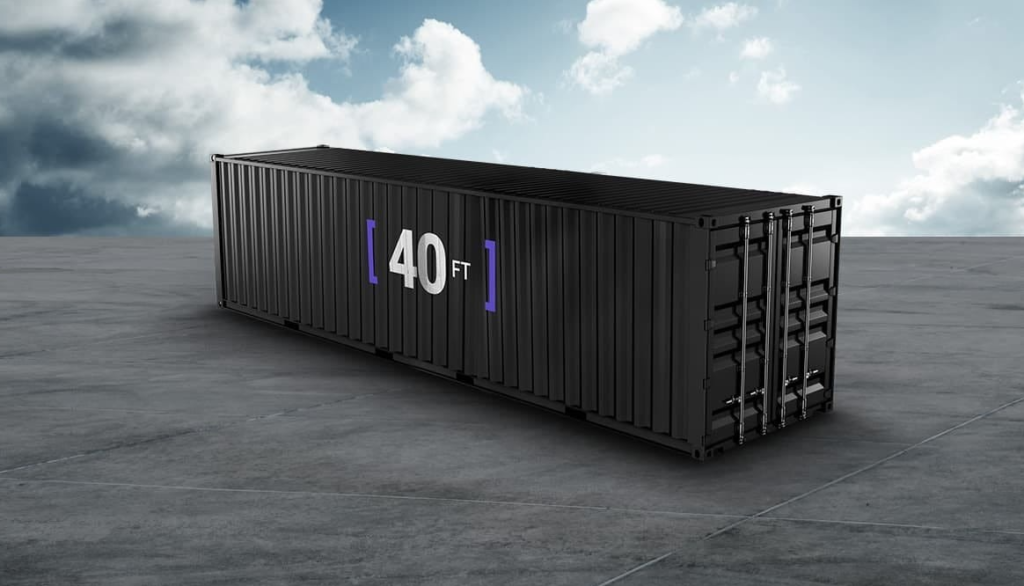
A 40ft container is suitable for larger shipments and offers more space and capacity (approx. 65-68 cbm) compared to a 20ft container. The average shipping cost for a 40ft container from China to Germany in 2026 ranges from $2,150 to $3,650, offering better economies of scale for bulkier cargo.
| Cost Component | Average Cost (USD) |
|---|---|
| Base Shipping Rate | $1,500 – $2,400 |
| Fuel Surcharge | $250 – $450 |
| Port Fees | $200 – $400 |
| Customs Duties | $150 – $300 |
| Insurance | $100 – $200 |
| Total Cost | $2,150 – $3,750 |
Cost of Shipping 40HQ Container from China to Germany
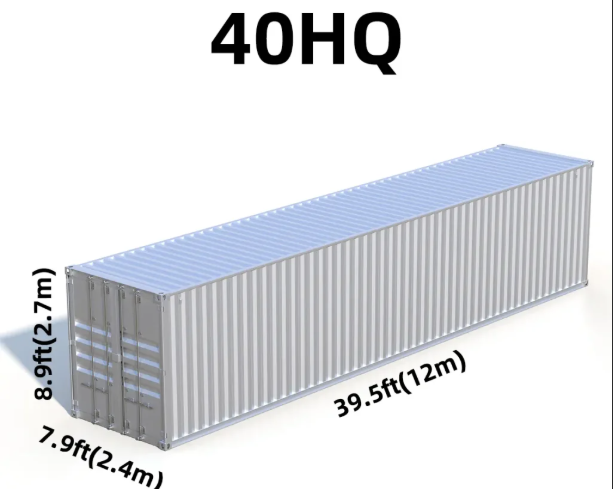
A 40HQ container is a high-quality version of a 40ft container, designed for higher quality goods and more secure handling. The average shipping cost for a 40HQ container from China to Germany in 2026 ranges from $3,000 to $4,500, offering higher value for bulkier cargo.
| Cost Component | Average Cost (USD) |
|---|---|
| Base Shipping Rate | $2,000 – $3,000 |
| Fuel Surcharge | $300 – $500 |
| Port Fees | $250 – $500 |
| Customs Duties | $200 – $400 |
| Insurance | $150 – $300 |
| Total Cost | $3,000 – $4,500 |
Comparison Table
To provide a quick comparison of the shipping costs for 20ft and 40ft containers, the table below summarizes the total costs for both container types:
| Container Type | Average Total Cost (USD) |
|---|---|
| 20ft Container | $1,250 – $2,250 |
| 40ft Container | $2,150 – $3,750 |
| 40HQ Container | $3,000 – $4,500 |
Freight Rate Trend Analysis (January 2026)
Current Trend Analysis: Comparing to the fourth quarter of 2025, where rates peaked due to the year-end holiday rush, current shipping rates in January 2026 have shown a moderate decline. The market has stabilized, and we are seeing more competitive pricing compared to the Q4 highs. Looking ahead to the next quarter, we anticipate rates to remain relatively stable, though slight fluctuations may occur as carriers adjust capacity after the Chinese New Year.
Conclusion: Is it the right time to ship? Yes, the current market is favorable. With rates lower than the previous quarter and decent container availability, now is a strategic time to arrange your shipments.
- Action: Since the current environment is suitable for shipping, we highly recommend you contact Dantful International Logistics to get a customized shipping solution. We can help you lock in these rates and ensure your cargo moves efficiently.
- Cost Optimization: Even if you face specific route constraints or budget concerns, our team specializes in reasonable planning to help you avoid unnecessary expenses and optimize your supply chain costs.
This cost breakdown helps you understand the price differences between 20ft and 40ft containers, enabling you to make an informed decision based on your shipping needs and budget.onsidering the factors influencing shipping costs and exploring cost-saving strategies, you can optimize your logistics operations and achieve greater efficiency in your supply chain.
Read More:
- Shipping From China to the United States
- Shipping From China TO CANADA
- Shipping From China To Netherlands
- Shipping From China To UNITED KINGDOM
- Shipping From China To ALGERIA
- Shipping from China to UAE
- Shipping from China to Saudi Arabia
Additional Services and Fees
When planning to ship containers from China to Germany, it’s important to consider additional services and fees that can impact the overall shipping cost.
- Insurance: While shipping goods internationally, it’s crucial to have insurance coverage to protect against potential losses or damages during transit. Insurance services typically range from 0.5% to 2% of the cargo’s total value.
- Customs Clearance: Navigating customs regulations and procedures can be complex. Customs clearance services help ensure that your shipments comply with all legal requirements. The cost varies based on the complexity of the shipment and the specific customs regulations of both China and Germany.
- Warehouse Services: Utilizing warehouse services for storage and consolidation can be beneficial. Warehousing costs can include storage fees, handling charges, and consolidation fees.
- Freight Forwarding: Partnering with a reliable freight forwarder like Dantful International Logistics can provide comprehensive logistics solutions. Freight forwarding fees are typically calculated based on the shipment’s weight, volume, and complexity.
- Value-Added Services: Additional services such as packaging, labeling, and quality inspections may be required to meet specific industry standards or customer requirements.
Understanding Import Tax and Duties for Goods from China to Germany
The calculation of tariffs for goods shipped from China to Germany involves multiple aspects, mainly relying on the declared value of the goods and the corresponding tax rates.
Formula: Total Tariff = Declared Value × Tariff Rate
The declared value generally includes the value of the goods themselves, along with international shipping fees and insurance (CIF Value).
Tariff Rate Components:
- Base Rate: Determined by the commodity’s HS (Harmonized System) code. For example, for clothing items like cotton-knitted men’s tops (HS 6103.32000), the base rate is approx. 12.0%. For some high-tech products, the base rate is 0%.
- Anti-Dumping/Countervailing Duties (AD/CVD): In 2026, certain goods remain subject to AD/CVD. For instance, specific steel products or electric vehicles (EVs) may face additional tariffs due to EU regulations. It is vital to check the latest EU official journal for specific product updates.
- VAT Consideration: In addition to tariffs, imported goods to Germany are generally subject to Value-Added Tax (VAT). The standard VAT rate in Germany is 19%. The VAT is calculated based on the sum of the CIF value of the goods, the applicable customs duty, and other relevant costs.
- Formula: VAT = 19% × (CIF Value + Customs Duty)
How to save cost when shipping from China to Gemany
Shipping containers from China to Germany can be expensive, but there are several strategies you can implement to reduce costs and improve efficiency.
- Choosing the Right Freight Forwarder: Selecting a reputable and cost-effective freight forwarder like Dantful International Logistics can significantly impact your shipping expenses. We offer competitive rates and transparent pricing.
- Consolidating Shipments (LCL): If you don’t have enough cargo for a full container (FCL), consider LCL (Less than Container Load) consolidation. This helps maximize container space utilization and reduces per-unit shipping costs.
- Flexible Shipping Dates: Shipping during off-peak seasons can result in lower shipping costs. Avoiding peak shipping periods, such as the weeks leading up to Chinese New Year or Christmas, can help you secure better rates.
- Negotiating Rates: Volume discounts and long-term agreements can lead to more favorable pricing.
- Optimizing Packaging: Efficient packaging can reduce the volume and weight of your shipments, leading to lower shipping costs.
Partner with Dantful International Logistics, a highly professional, cost-effective, and high-quality one-stop international logistics service provider for global traders. Our comprehensive services and expertise ensure smooth and efficient shipping from China to Germany. Contact us today for a customized shipping solution tailored to your business needs.l International Logistics, a highly professional, cost-effective, and high-quality one-stop international logistics service provider for global traders. Our comprehensive services and expertise ensure smooth and efficient shipping from China to Germany. Contact us today for a customized shipping solution tailored to your business needs.
Dantful International Logistics Services:
- Dantful Ocean Freight Services
- Air Freight From China
- Amazon FBA Freight Forwarding
- WAREHOUSE Services
- One-Stop Customs Clearance Solution
- Cargo Insurance Services in China
- DDP Shipping Services By Dantful Logistics
- Out of Gauge Cargo Transportation Shipping Services
FAQs
To address common questions and concerns related to shipping containers from China to Germany, here are some frequently asked questions:
1. How much does it cost to ship from China to Germany in 2026?
The cost of shipping from China to Germany has adjusted in 2026. A 20ft container typically ranges from $1,250 to $2,250, while a 40ft container ranges from $2,150 to $3,750, depending on market rates and seasonality.
2. How long does it take to ship from China to Germany?
The shipping time from China to Germany ranges from approximately 3-7 days for Air Freight, 15-24 days for Rail Freight, and typically 30-40 days for standard Sea Freight routes.
3. What is the cheapest way to ship from China to Germany?
Sea freight is generally the cheapest option for large shipments. For smaller volumes, LCL (Less than Container Load) shipping is cost-effective.
4. What documents are required for customs clearance?
Commonly required documents include the Commercial Invoice, Bill of Lading, Packing List, Certificate of Origin, and EORI number for the importer in Germany.
5. How can I calculate the total shipping cost?
The total shipping cost includes the base shipping rate, fuel surcharges, port fees, customs duties, insurance, and VAT. Use the cost breakdown provided in this guide or contact Dantful for a precise quote.
6. What is the capacity difference between a 20ft and 40ft container?
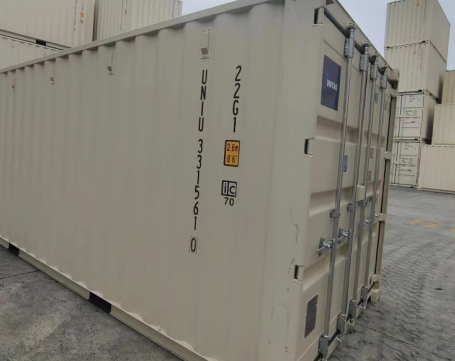
A 20ft container has a capacity of approximately 33 cubic meters (CBM) but is usually loaded with 28-30 CBM of cargo, suitable for heavy goods like minerals or machinery. A 40ft container offers about 67 cubic meters (CBM), typically holding 60-65 CBM, making it ideal for voluminous but lighter goods like furniture or textiles.
References
To ensure the accuracy and reliability of the information provided in this guide, here are authoritative sources and references:
- World Shipping Council: Industry Data
- Export.gov: Shipping Documentation
- German Customs (Zoll): Import Guidelines
- Germany Trade & Invest: Logistics Infrastructure

Young Chiu is a seasoned logistics expert with over 15 years of experience in international freight forwarding and supply chain management. As CEO of Dantful International Logistics, Young is dedicated to providing valuable insights and practical advice to businesses navigating the complexities of global shipping.