Are you wondering how much is shipping from China to Argentina and what factors impact these costs? Navigating ocean freight, air freight, and door to door shipping options can be complex. In this comprehensive guide, we’ll break down the pricing, explore additional charges, explain import duties, and share tips to help you save on shipping from China to Argentina. Let’s dive in and make your international logistics easier to understand!
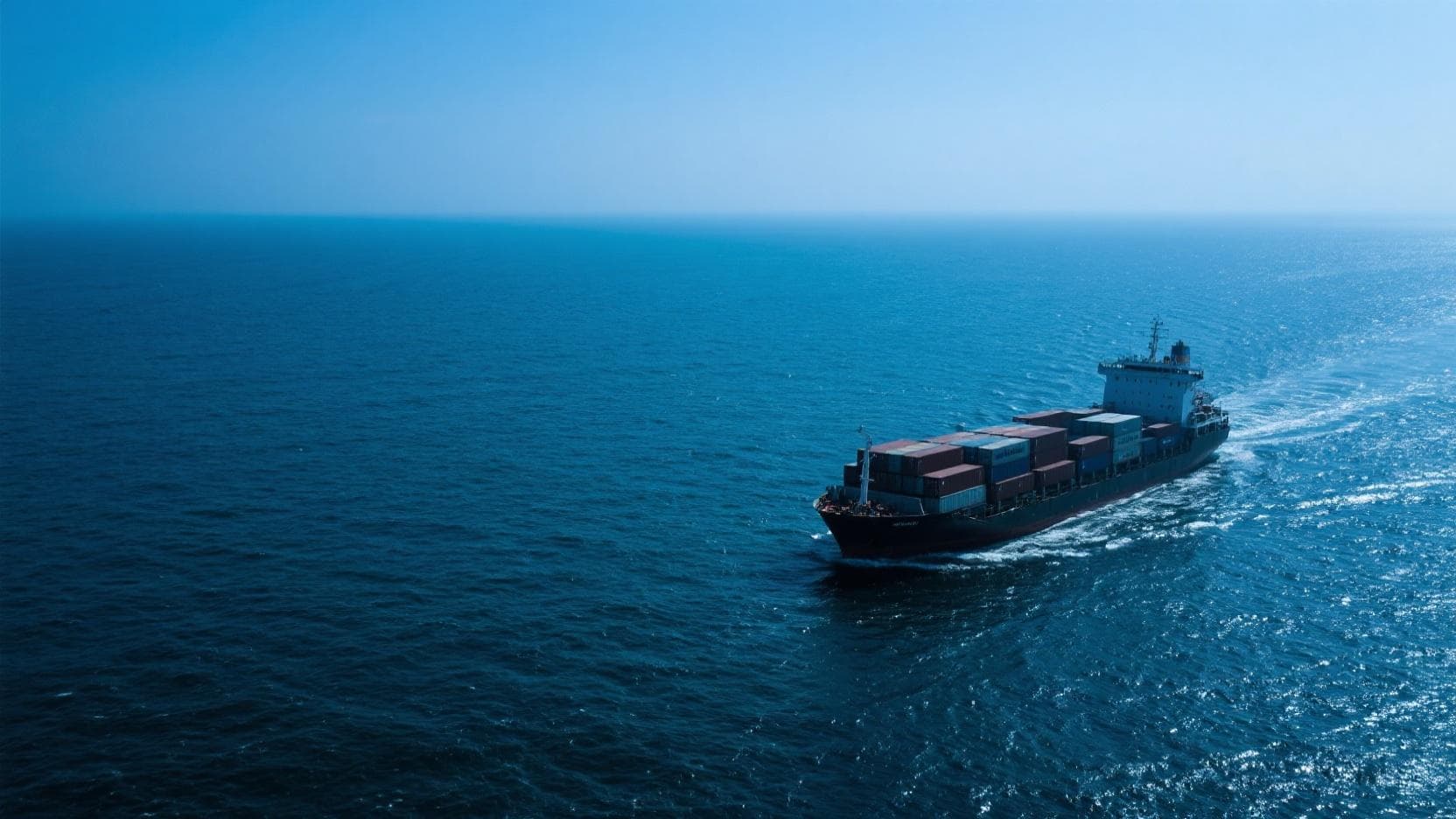
Shipping from China to Argentina
Shipping goods from China to Argentina is a critical link for many businesses, covering a vast range of products from electronics and textiles to machinery and consumer goods. Choosing the right shipping method and understanding the associated costs and transit times is essential for a successful supply chain. Below, I provide a professional breakdown of the main shipping options: ocean freight, air freight, and door-to-door services.
Ocean Freight from China to Argentina
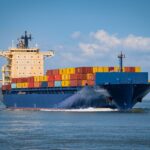
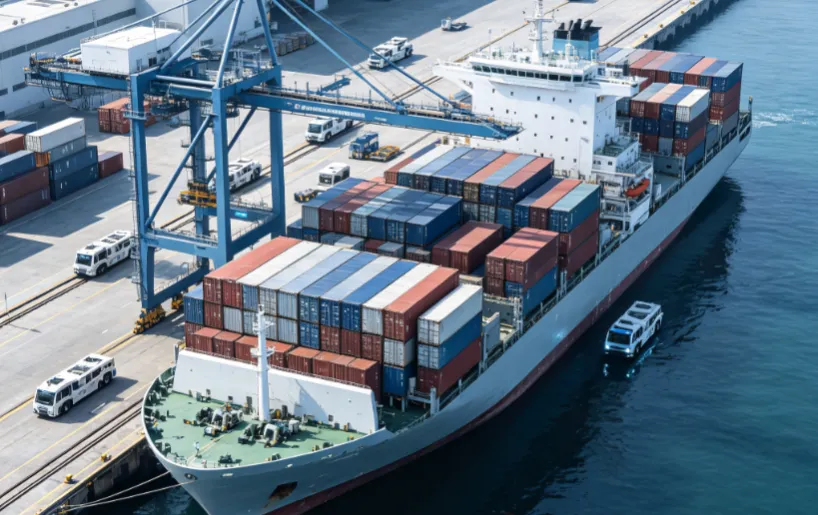
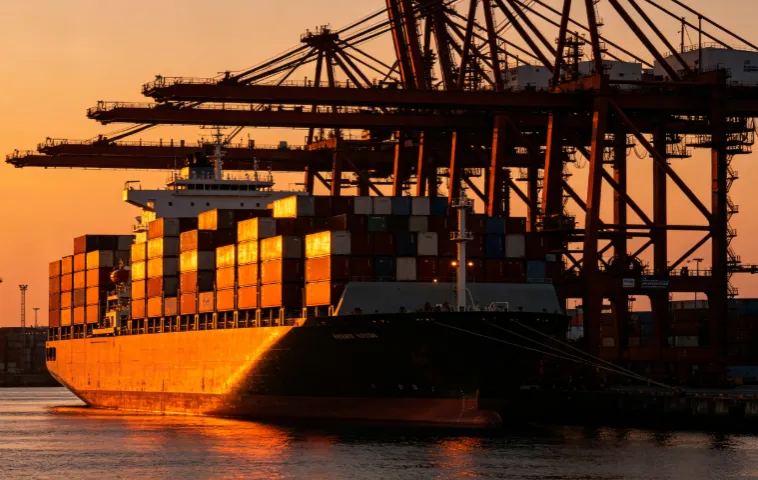
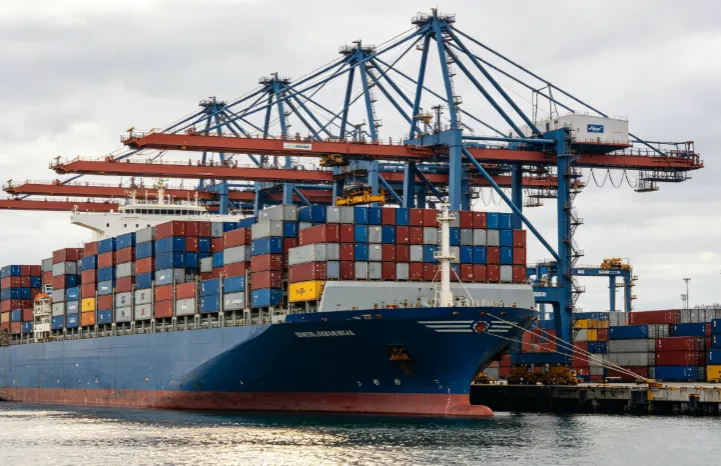
Ocean freight is the most popular shipping mode for large volumes and bulky goods due to its cost-effectiveness. Most shipments depart from major Chinese ports such as Shanghai, Shenzhen, and Ningbo, arriving at main Argentinian ports like Buenos Aires.
Types of Ocean Shipping:
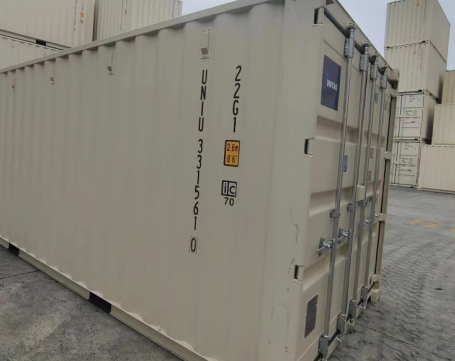
- FCL (Full Container Load): Ideal for larger shipments that can fill a standard 20ft or 40ft container.
- LCL (Less than Container Load): Suitable for smaller shipments that do not require a full container.
- OOG (Out of Gauge) & Breakbulk: For oversized or heavy machinery.
Advantages:
- Lowest cost per kilogram for large shipments
- Suitable for a wide variety of goods
- Multiple sailing schedules and flexible options
Considerations:
- Transit time is longer (usually 30–40 days port-to-port)
- Requires customs clearance at both origin and destination
Typical Process:
- Cargo pick-up and consolidation
- Container loading at the origin port
- Ocean transit
- Unloading and customs clearance at the destination port
- Delivery to the consignee’s warehouse
For more regional ocean shipping insights, see Sea Freight From China to Brazil.
Air Freight from China to Argentina
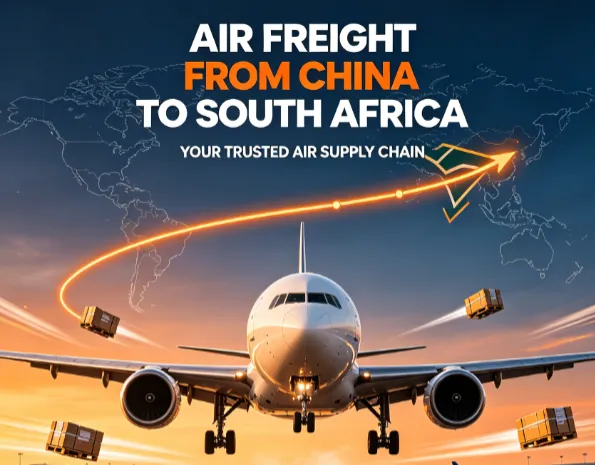
Air freight is the preferred option for high-value, urgent, or time-sensitive cargo. Major Chinese airports like Shanghai Pudong (PVG) and Guangzhou Baiyun (CAN) connect to Buenos Aires Ezeiza International Airport (EZE).
Advantages:
- Fastest transit time (typically 3–7 days airport-to-airport)
- Reliable schedules and frequent departures
- Reduced risk of damage and loss
Considerations:
- Higher cost compared to ocean freight
- Suitable for lighter, high-value, or perishable goods
Typical Process:
- Cargo collection and export customs clearance
- Air transport to the destination airport
- Import customs clearance and delivery
Door to Door Shipping from China to Argentina
Door to door shipping offers a hassle-free experience for shippers, as the freight forwarder handles the entire process—from the supplier’s warehouse in China to the recipient’s address in Argentina.
Service Includes:
- Pick-up and consolidation
- Export and import customs clearance
- International transportation (by sea or air)
- Final local delivery
This service is ideal for cross-border e-commerce sellers, SMEs, and those new to international logistics, as it simplifies coordination and ensures compliance with local regulations.
Dantful International Logistics specializes in comprehensive door-to-door shipping services, providing end-to-end tracking, personalized support, and competitive rates. For more on regional door-to-door solutions, check out door to door shipping from China to Chile.
How Much Does Shipping from China to Argentina Cost?
Shipping costs are influenced by factors such as shipping mode, cargo volume, weight, route, and seasonal demand. Below are current market references for the most common shipping scenarios. Please note, these are indicative figures as of 2025; actual rates may vary depending on carrier, port, and shipment specifics. For a tailored quote, consult an expert like Dantful International Logistics.
Cost of Shipping 20ft & 40ft Container from China to Argentina
The following table summarizes estimated all-in costs for shipping full containers from major Chinese ports to Buenos Aires port in Argentina, including basic freight charges and surcharges (excluding local charges, customs duties, and taxes):
| Container Type | Capacity (CBM) | Shanghai to Buenos Aires | Shenzhen to Buenos Aires | Ningbo to Buenos Aires |
|---|---|---|---|---|
| 20ft Standard | 28 CBM | $3,200 – $3,800 | $3,300 – $3,900 | $3,250 – $3,850 |
| 40ft Standard | 56 CBM | $5,400 – $6,300 | $5,500 – $6,400 | $5,450 – $6,350 |
| 40ft High Cube (HQ) | 68 CBM | $5,600 – $6,500 | $5,700 – $6,600 | $5,650 – $6,550 |
Notes:
- Rates fluctuate based on shipping season, space availability, and fuel prices.
- Additional charges may apply for special cargo, remote destination, or value-added services.
For a detailed look at containerized shipping costs in this region, see container shipping costs from china to Argentina.
Air Shipping from China to Argentina Cost per kg
For air cargo, cost is typically quoted per kilogram, based on the greater of actual or volumetric weight. Here are reference rates for main origin airports in China to Buenos Aires (EZE):
| Weight Break | Shanghai (PVG) to Buenos Aires (EZE) | Guangzhou (CAN) to Buenos Aires (EZE) | Shenzhen (SZX) to Buenos Aires (EZE) |
|---|---|---|---|
| 45–100 kg | $7.5 – $9.5 / kg | $7.8 – $10.0 / kg | $8.0 – $10.2 / kg |
| 100–300 kg | $6.8 – $8.5 / kg | $7.0 – $8.8 / kg | $7.2 – $9.0 / kg |
| 300 kg+ | $6.2 – $7.5 / kg | $6.4 – $7.8 / kg | $6.5 – $8.0 / kg |
Notes:
- These prices are for general cargo. Lithium batteries, dangerous goods, or oversize items may incur additional fees.
- Rates include fuel and security surcharges but exclude destination handling, customs, and taxes.
Door to Door Shipping Cost from China to Argentina
Door-to-door rates will combine freight, customs clearance, local fees, and last-mile delivery. Pricing varies based on cargo type (general, e-commerce, personal effects), mode of transport, and service level. Here’s a summary for commonly requested services:
| Service Type | Typical Cargo Weight/Volume | Estimated Cost (All-In) | Transit Time | Inclusions |
|---|---|---|---|---|
| LCL Sea Freight DDP* | 2–5 CBM | $650 – $1,000 / CBM | 38–48 days | Pickup, ocean freight, customs, delivery |
| FCL Sea Freight DDP* | 20ft: 28 CBM | $5,000 – $6,000 / container | 38–48 days | Full-container, all-clearances, delivery |
| Air Freight DDP* | 100 kg+ | $9.5 – $13.0 / kg | 7–14 days | Pickup, air freight, customs, delivery |
*DDP = Delivered Duty Paid (seller/freight forwarder handles all customs and tax)
For a detailed shipping quote or to discuss your specific requirements, please contact our team—ensuring your cargo reaches Argentina safely, efficiently, and with full compliance.
What is the import duty from China to Argentina?
When shipping goods from China to Argentina, understanding import duties is essential for accurate cost forecasting and compliance. Argentina enforces a structured tariff system, regulated by the Mercosur Common Nomenclature (NCM), which aligns with the Harmonized System (HS code) classification. The applicable import duty depends on the commodity type, value, and trade agreements.
Key Points on Import Duties:
- General Import Duty Rate: Most goods imported from China to Argentina incur basic customs duty rates between 0% and 35%, with the majority falling within the 16% to 20% range.
- Calculation Basis: Duties are calculated on the CIF (Cost + Insurance + Freight) value of the shipment.
- VAT (Value Added Tax): In addition to import duty, a standard VAT of 21% applies to most goods, calculated on the CIF value plus duty.
- Statistical Tax & Other Fees: A Statistical Tax (Tasa de Estadística) of 3% (capped at certain values) is often charged, and some categories may attract an Advanced VAT or other surcharges.
- Specific Product Categories: Some goods like electronics, textiles, shoes, or vehicles may face higher tariffs or require additional permits.
Typical Example: Import Duty Calculation
| Item | Sample Value (USD) | Percentage / Rate | Amount (USD) |
|---|---|---|---|
| Product Value (FOB) | $10,000 | – | $10,000 |
| Sea Freight + Insurance | $1,500 | – | $1,500 |
| CIF Value | – | – | $11,500 |
| Import Duty (20%) | – | 20% of CIF | $2,300 |
| Statistical Tax (3%) | – | 3% of CIF | $345 |
| VAT (21%) | – | 21% of [CIF + Duty] | $2,899.5 |
| Total Taxes | – | – | $5,544.5 |
Note: Real rates may vary based on product type and regulatory updates. Always consult the latest Argentina Customs (Dirección General de Aduanas) regulations or a trusted freight forwarder for product-specific duties.
Tips:
- Verify your product’s HS code to determine the exact duty rate.
- Utilize professional customs clearance services to avoid misclassification and penalties.
- Work with a knowledgeable freight forwarder like Dantful International Logistics, which offers expert customs brokerage for China–Argentina shipments.
If you’re shipping to other Latin American countries, see Shipping From China TO Mexico for comparative procedures.
Additional Cost of shipping from China to Argentina
In addition to the main freight charges and import duties, several additional costs can impact the total shipping budget. Understanding and planning for these can help you avoid unexpected expenses and optimize your supply chain.
Common Additional Costs:
Port Charges & Terminal Handling Fees (THC):
- Charged both at the origin (Chinese ports like Shanghai, Shenzhen, Guangzhou) and at Argentinian ports (e.g., Buenos Aires).
- Cover container loading, unloading, and storage at the port.
Documentation Fees:
- Includes bills of lading, export declarations, and customs clearance paperwork.
- Typically ranges from $50–$150 per shipment.
Customs Brokerage Fees:
- Paid for professional assistance in clearing goods through Argentina Customs.
- Can vary from $100–$400 depending on shipment complexity.
Insurance:
- Strongly recommended for international shipments.
- Usually 0.1–0.3% of cargo value for All-Risk Coverage.
Inland Transportation:
- Charges for moving freight from the arrival port (Buenos Aires, Rosario, Bahia Blanca) to the final destination within Argentina.
- Costs depend on distance, mode (truck, rail), and cargo volume.
Storage & Demurrage:
- Demurrage is charged if containers stay at the port beyond free days (often 5–7 days).
- Storage fees can be significant, especially during congestion periods.
Inspection Fees:
- Argentina Customs may require physical inspections, especially for sensitive or regulated commodities.
- Fees vary by product and inspection type.
Additional Taxes & Surcharges:
- Environmental, security, or local administration taxes may apply, depending on cargo type and route.
- Advanced VAT, income tax withholdings, or other government fees may be required for some importers.
Sample Table: Estimated Additional Costs for a Standard FCL Shipment
| Cost Item | Estimate per Container (USD) | Remarks |
|---|---|---|
| Terminal Handling Charges | $250–$400 | Both origin and destination |
| Documentation Fees | $50–$150 | Per shipment |
| Customs Brokerage | $100–$400 | Varies by agent and complexity |
| Insurance | $100–$300 | Based on cargo value |
| Inland Trucking (BA–Cordoba) | $700–$1,200 | Depends on distance and container type |
| Storage/Demurrage | $50–$150 per day | After free days at terminal |
| Inspection Fees | $50–$200 | If applicable |
Note: Amounts are indicative and may fluctuate based on market dynamics and specific shipment details. Always confirm with your freight forwarder.
Pro Tip from Young Chiu:
To optimize your shipping process from China to Argentina, partner with a highly experienced and reliable logistics provider like Dantful International Logistics. We offer transparent pricing, comprehensive service (including customs clearance, insurance, warehousing, and door-to-door solutions), and real-time support to help you stay ahead of hidden costs and compliance requirements.
If you are interested in other international shipping cost breakdowns, see cost of shipping from vietnam to usa for further reference.
Factors Influencing the Shipping Cost
Understanding the main factors that impact the shipping cost from China to Argentina is essential for making informed choices and optimizing your logistics budget. As a seasoned freight forwarder, Dantful International Logistics has extensive experience helping clients navigate these variables to secure the best possible rates and reliable service. Here is a comprehensive overview of the critical elements affecting your shipping expenses:
Shipping Mode
- Sea Freight is typically the most cost-effective for large, heavy, or non-urgent shipments, including both FCL (Full Container Load) and LCL (Less than Container Load).
- Air Freight is faster but significantly more expensive, suitable for urgent, valuable, or perishable goods.
- Door to Door Service combines multiple modes and includes local pickup, customs, and final delivery—cost varies based on total logistics required.
Cargo Volume & Weight
- Shipping costs are calculated based on CBM (Cubic Meter) or weight, depending on which is greater (“chargeable weight”).
- For FCL, you pay for the whole container regardless of how full it is:
Container Type Capacity (CBM) 20ft 28 CBM 40ft 56 CBM 40HQ 68 CBM 45HQ 78 CBM - For LCL and Air Freight, consolidated shipments are charged by the actual volume or gross/volumetric weight.
Origin and Destination Ports
- The specific Chinese port (e.g., Shanghai, Shenzhen, Ningbo) and Argentinian port (e.g., Buenos Aires) impact ocean freight rates due to route distance, port fees, and carrier availability.
- Inland transport from/to non-port cities (in both China and Argentina) incurs extra trucking or rail charges.
Type of Goods and Handling Requirements
- Hazardous, oversized, temperature-sensitive, or high-value cargo requires special handling, packaging, or equipment, driving up costs.
- Certain categories may also be subject to stricter customs controls or require additional documentation.
Seasonality & Market Demand
- Peak periods (e.g., pre-holiday season, China’s Golden Week, harvest times) see rate surges due to high demand and limited capacity.
- Booking in advance and working with a proactive freight forwarder helps mitigate seasonal fluctuations.
Fuel Surcharges and Currency Fluctuations
- Bunker Adjustment Factor (BAF) and currency changes can cause monthly or even weekly cost variations.
Customs Duties, Taxes, and Insurance
- Import duties and VAT/GST are payable upon arrival in Argentina.
- Cargo insurance, while optional, is highly recommended to protect your goods during transit.
Value-added Services
- Additional services such as warehousing, customs clearance, cargo consolidation, and door-to-door delivery influence the final quote.
In summary, shipping costs are dynamic and require a detailed assessment of your cargo profile, route, and service needs. At Dantful International Logistics, we offer transparent quotations and tailor-made solutions to ensure your shipments from China to Argentina are cost-effective and smooth.
How long does it take to ship from China to Argentina?
Shipping time is a crucial consideration for businesses and individuals planning their supply chain from China to Argentina. Transit durations depend on the chosen mode of transport, specific origin and destination, and any customs or operational delays. Below, I provide a breakdown of the typical lead times for both sea and air freight, ensuring you can plan your inventory and delivery schedules effectively.
How long is sea freight from China to Argentina?
Sea Freight is the most common and cost-effective shipping method for large and bulk cargo between China and Argentina. The typical transit time is influenced by the departure and arrival ports, vessel schedules, and whether the service is direct or involves transshipment.
| Departure Port (China) | Arrival Port (Argentina) | Estimated Transit Time (Days) | Service Type |
|---|---|---|---|
| Shanghai | Buenos Aires | 30 – 38 | Direct/Transshipment |
| Shenzhen | Buenos Aires | 32 – 40 | Transshipment |
| Ningbo | Buenos Aires | 30 – 39 | Transshipment |
| Qingdao | Buenos Aires | 35 – 45 | Transshipment |
Key Notes:
- Most routes are not direct and typically require transshipment at major hub ports, such as Singapore or Panama.
- LCL shipments may take slightly longer than FCL due to cargo consolidation/deconsolidation.
- Allow an additional 3–7 days for customs clearance and inland trucking within Argentina.
For detailed transit information, refer to how long is freight from china to Argentina.
Air freight transit time from China to Argentina?
Air Freight is the fastest shipping method, ideal for time-sensitive, high-value, or perishable goods. Transit times are significantly shorter but can vary based on airline schedules, cargo capacity, and customs procedures.
| Departure Airport (China) | Arrival Airport (Argentina) | Typical Transit Time (Days) | Notes |
|---|---|---|---|
| Shanghai PVG | Buenos Aires EZE | 3 – 7 | Usually with 1 stopover |
| Guangzhou CAN | Buenos Aires EZE | 4 – 8 | May require multiple connections |
| Beijing PEK | Buenos Aires EZE | 4 – 8 | Via major European hubs |
Additional Considerations:
- Transit times reflect airport-to-airport duration and exclude pick up, final delivery, and customs procedures.
- During peak air cargo season or unforeseen disruptions (e.g., weather, public holidays), expect potential delays.
- Proper packing and accurate documentation can help minimize customs or handling holdups.
DDP shipping from China to Argentina
DDP (Delivered Duty Paid) shipping from China to Argentina provides a comprehensive logistics solution where the freight forwarder handles the entire shipping process, including freight charges, customs clearance, import duties, and final delivery to the consignee’s door. This service is especially popular among importers aiming for a hassle-free experience, as all shipping complexities and risks are managed by the logistics provider.
For a deeper understanding of DDP, you may refer to our regional guide on DDP Shipping Services.
Key Features of DDP Shipping
| Service Aspect | Description |
|---|---|
| Service Scope | Door-to-door delivery; includes pick-up, international transport, customs declaration and clearance, payment of duties/taxes, and final delivery. |
| Responsibility | All shipping risks and paperwork are handled by the freight forwarder (e.g., Dantful International Logistics). |
| Transparency | All-inclusive rates—importers receive a single quote covering all charges to the final destination. |
| Compliance | Ensures adherence to Argentina‘s import regulations, reducing the risk of delays or penalties. |
When to Use DDP Shipping?
- New importers with limited knowledge of customs procedures in Argentina.
- E-commerce sellers who want to provide a seamless buying experience for customers.
- Businesses seeking predictable landed costs.
- Shipments with complex paperwork or multi-modal requirements.
Advantages & Disadvantages
| Pros of DDP Shipping | Cons of DDP Shipping |
|---|---|
| Complete logistics management by the forwarder | Slightly higher cost due to comprehensive coverage |
| Predictable landed cost for the importer | Importer has less direct control over the process |
| Minimizes risk of customs clearance issues | Suitable mainly for small/medium-sized shipments |
| Saves time and administrative effort | High-value cargo may require additional coordination |
Typical DDP Shipping Process
- Quote & Booking: Request an all-in DDP shipping quote (e.g., from Dantful International Logistics).
- Cargo Pick-up: Goods are collected from the Chinese supplier or factory.
- Export Clearance: Forwarder arranges export customs in China.
- International Transit: Goods are shipped via sea, air, or multimodal transport.
- Import Customs: The forwarder handles import clearance, pays duties/taxes in Argentina.
- Final Delivery: Goods are delivered to the consignee’s specified address.
Dantful International Logistics specializes in DDP shipping to Argentina, offering full-chain services across Sea Freight, Air Freight, Amazon FBA, Warehouse, Customs Clearance, Insurance, and more, ensuring a smooth and reliable delivery.
Tips to reduce shipping rates from China to Argentina
Shipping costs can be a significant portion of your landed cost. Here are actionable strategies to help you optimize your logistics budget:
Optimize Packaging & Volume
- Ensure your cargo occupies as little space as possible. Efficient packaging can reduce dimensional weight and save on shipping fees.
- Combine multiple small shipments into a single consolidated shipment to qualify for better rates.
Select the Most Suitable Shipping Mode
- Compare Sea Freight, Air Freight, and Consolidated Freight.
- For bulky or heavy goods, Sea Freight is generally the most cost-effective.
- For urgent or high-value goods, Air Freight may justify its higher price.
Plan Shipments in Advance
- Avoid peak shipping seasons from China (such as before Chinese New Year or major holidays) when rates tend to spike.
- Advance planning allows you to secure lower rates and avoid last-minute surcharges.
Negotiate with Freight Forwarders
- Engage with professional forwarders like Dantful International Logistics to access volume discounts and tailored solutions.
- Long-term collaboration can often secure better contract terms.
Leverage Consolidation Services
- Use Consolidated Freight (LCL – Less than Container Load) if your shipment does not fill a full container.
- Grouping shipments with other exporters can significantly reduce per-unit shipping costs.
Utilize Door-to-Door Solutions
- Opt for door-to-door options to avoid hidden fees and ensure cost transparency, especially for SME importers or e-commerce sellers.
Minimize Additional Charges
- Prepare accurate documentation to avoid customs delays and demurrage/detention charges in Argentina.
- Confirm all requirements with your forwarder ahead of time.
Monitor Exchange Rates
- Shipping costs are often quoted in USD; keep an eye on currency fluctuations to optimize payment timing.
By partnering with Dantful International Logistics, you gain access to professional guidance, competitive rates, and efficient end-to-end solutions designed to maximize your value and minimize risk.
Freight forwarder from China to Argentina
Choosing the right freight forwarder is crucial for success in international trade. An experienced and reputable forwarder not only ensures your cargo arrives on time, but also helps you navigate complex compliance, documentation, and cost optimization.
Why Choose a Professional Freight Forwarder?
- Expertise in China-Argentina Trade Lane: Knowledge of routes, regulations, and local requirements at both ends.
- Comprehensive Services: From Sea Freight, Air Freight, Rail Freight, Road Freight, Amazon FBA, to Customs Clearance, Warehouse, Insurance, OOG Freight, and Door to Door services.
- Risk Management: Guidance on cargo insurance, customs documentation, and regulatory changes.
- Cost Efficiency: Access to negotiated carrier rates, consolidation options, and supply chain optimization.
How Dantful International Logistics Makes a Difference
As a leading, highly professional, and cost-effective international freight forwarder, Dantful International Logistics provides:
- Deep experience in both Chinese and Argentinian markets.
- Tailored shipping solutions across all major shipping methods.
- End-to-end visibility and real-time tracking.
- Multilingual customer support and local expertise.
- Full compliance with international shipping standards and Argentina’s import policies.
For comprehensive cross-border freight solutions in South America, see freight forwarder from china to Argentina.
What to Look For in Your Freight Forwarder
- Proven track record and client testimonials.
- Transparent pricing and clear communication.
- Ability to handle both standard and special cargo (e.g., OOG, hazardous, oversized).
- Integrated IT solutions for tracking and documentation.
Contact Dantful International Logistics for a customized, competitive quote and experience seamless shipping from China to Argentina with an industry-leading team.

Young Chiu is a seasoned logistics expert with over 15 years of experience in international freight forwarding and supply chain management. As CEO of Dantful International Logistics, Young is dedicated to providing valuable insights and practical advice to businesses navigating the complexities of global shipping.