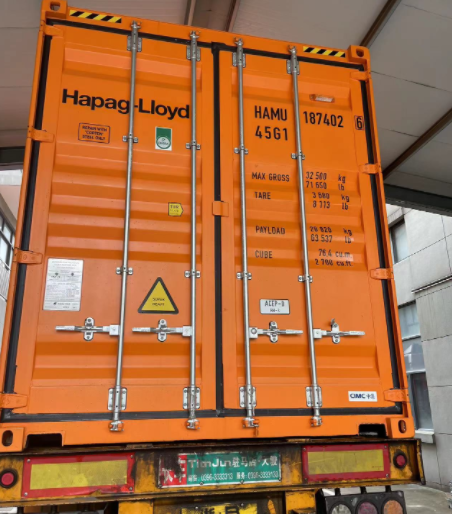
Are you struggling to navigate the complexities of shipping lithium batteries from China to the USA? As global demand grows, understanding the strict regulations, specialized packaging, and unique shipping methods for lithium batteries is crucial to avoid costly delays and penalties. In this comprehensive guide, we’ll walk you through every essential step and requirement to ensure your lithium battery shipments reach the USA safely and efficiently.

Understanding Lithium Batteries as Dangerous Goods
Lithium batteries play a crucial role in powering a vast range of modern electronic devices, from smartphones and laptops to electric vehicles and energy storage systems. However, shipping lithium batteries from China to the USA is not a straightforward process. They are classified as dangerous goods (also known as hazardous materials, or hazmat) by international regulatory bodies due to their potential safety risks.
Lithium batteries can catch fire, explode, or leak hazardous substances if not handled, packaged, and transported correctly. The risks arise mainly from:
- Short-circuiting: Poor packaging or damage can cause the terminals to touch, leading to overheating.
- Mechanical damage: Rough handling or improper stowage may compromise the battery’s structure, increasing the risk of combustion.
- Improper packaging: Inadequate separation or insulation can lead to dangerous chain reactions, especially during air transportation.
There are two main types of lithium batteries involved in international shipping:
| Type | UN Number | Description | Examples |
|---|---|---|---|
| Lithium-ion batteries (rechargeable) | UN3480, UN3481 | Used in phones, laptops, electric vehicles, power banks | Laptops, EV batteries |
| Lithium metal batteries (non-rechargeable) | UN3090, UN3091 | Primary batteries for cameras, watches, medical devices | AA lithium, pacemaker |
Both types are subject to strict global and US regulations. Factors such as battery capacity, state of charge, and whether they are shipped inside equipment, packed with equipment, or standalone, all affect compliance requirements.
Businesses, importers, and cross-border e-commerce sellers must treat all lithium battery shipments with utmost caution. Failure to follow proper procedures can result in:
- Shipments being rejected by carriers.
- Severe penalties and fines from regulatory authorities.
- Safety hazards for personnel and property.
Understanding the classification and inherent risks associated with lithium batteries is the critical first step towards compliant and safe shipping from China to the USA. For a comprehensive overview of general shipment processes on this route, refer to Shipping From China to USA.
Key International and US Regulations for Lithium Battery Shipments
Shipping lithium batteries from China to the United States must comply with a complex framework of international and national regulations, designed to ensure the safety of people, cargo, and transport infrastructure.
1. International Regulations
International Air Transport Association (IATA) Dangerous Goods Regulations
All lithium battery air shipments must adhere to the IATA DGR, which sets stringent packaging, labeling, and documentation standards. The latest 65th Edition (2025) includes updated requirements for lithium battery state of charge, packaging instructions, and labeling specifications.International Maritime Dangerous Goods (IMDG) Code
For ocean freight, the IMDG Code (amended every two years, latest 2022 Edition) governs the classification, packaging, marking, and stowage of lithium batteries. It requires strict segregation and documentation for shipments in containers.UN Recommendations on the Transport of Dangerous Goods
The United Nations provides technical guidelines and assigns unique UN numbers to different types of lithium batteries (e.g., UN3480, UN3481, UN3090, UN3091). These numbers form the cornerstone for all other regulatory frameworks.
2. US Regulations
US Department of Transportation (DOT) & Pipeline and Hazardous Materials Safety Administration (PHMSA)
The US 49 CFR regulations mirror many international rules but also include additional requirements for importing and transporting lithium batteries within the USA. Importers must ensure that packaging, labeling, and testing standards meet both international and US-specific requirements.Federal Aviation Administration (FAA)
The FAA enforces stringent limitations on lithium batteries shipped via air to US destinations, including watt-hour (Wh) and lithium content thresholds, as well as restrictions on undeclared or improperly packaged shipments.US Customs and Border Protection (CBP)
CBP closely inspects lithium battery shipments at entry ports. All required documentation, including test reports, Material Safety Data Sheets (MSDS), and compliance declarations, must be accurate and complete to avoid delays or rejections.
3. Key Requirements Comparison Table
| Regulation | Applies To | Key Focus | Enforcement |
|---|---|---|---|
| IATA DGR | Air Freight | Packaging, labeling, state of charge, documentation | Airlines, freight forwarders |
| IMDG Code | Sea Freight | Classification, segregation, stowage, documentation | Shipping lines, terminals |
| UN Model Regs | All Modes | UN numbers, testing, hazard classification | National authorities |
| 49 CFR (US DOT) | Domestic US Transport | Additional packaging, labeling, recordkeeping | DOT, PHMSA, CBP |
4. Why Compliance Matters
Non-compliance leads to serious consequences: shipment delays, returned cargo, fines, and potential bans from carriers. Moreover, compliance ensures the safe and legal delivery of your products, protecting your business reputation and supply chain.
As a highly experienced international freight forwarder, Dantful International Logistics stays updated with the latest IATA, IMDG, and US DOT changes. We provide tailored shipping solutions that ensure strict adherence to all relevant regulations, whether you are an importer, manufacturer, or cross-border e-commerce seller shipping lithium batteries from China to the USA.
Classifying Your Lithium Batteries: UN Numbers and Types
Shipping lithium batteries from China to the USA requires strict adherence to international classification standards. Correct classification is not only a regulatory requirement but also crucial for safety and smooth customs clearance. Misclassification can lead to shipment delays, fines, or even confiscation.
Understanding UN Numbers for Lithium Batteries
Lithium batteries are classified as dangerous goods under international regulations, and each type is assigned a specific UN number by the United Nations Committee of Experts on the Transport of Dangerous Goods. The most common UN numbers for lithium batteries are:
| Battery Type | UN Number | Description |
|---|---|---|
| Lithium-ion batteries (including those in equipment) | UN3480 | Rechargeable li-ion cells/batteries, shipped alone |
| Lithium-ion batteries packed with equipment | UN3481 | Batteries shipped with, but not installed in, equipment |
| Lithium-ion batteries contained in equipment | UN3481 | Batteries installed in a device |
| Lithium metal batteries (including those in equipment) | UN3090 | Non-rechargeable lithium metal batteries, shipped alone |
| Lithium metal batteries packed with equipment | UN3091 | Batteries shipped with, but not installed in, equipment |
| Lithium metal batteries contained in equipment | UN3091 | Batteries installed in a device |
It is essential to declare the correct UN number on all shipping documentation.
Types of Lithium Batteries
There are two main types of lithium batteries encountered in international shipping:
- Lithium-ion batteries (Li-ion)
- Rechargeable
- Used in electronics such as laptops, mobile phones, e-bikes, and power tools
- Lithium metal batteries
- Non-rechargeable
- Common in watches, medical devices, and backup systems
Differentiating by Watt-hour (Wh) and Lithium Content
Regulations further subdivide lithium batteries by their watt-hour rating (for Li-ion) or lithium metal content (for lithium metal batteries).
| Battery Type | Regulatory Category | Threshold for Regulation |
|---|---|---|
| Li-ion (Rechargeable) | Small batteries | ≤ 100 Wh per cell or battery |
| Medium/Large batteries | > 100 Wh and ≤ 160 Wh (special provisions apply) | |
| Large batteries | > 160 Wh (strict regulation, often requires special approval) | |
| Lithium metal | Small batteries | ≤ 1g lithium per cell / ≤ 2g per battery |
| Large batteries | > 1g per cell or > 2g per battery (strict regulation) |
Most consumer products fall within the “small battery” category but must still comply with packaging, labeling, and declaration requirements.
Importance of Correct Classification
Accurate classification impacts:
- Packaging and labeling requirements
- Transport method eligibility (e.g., some airlines restrict large batteries)
- Documentation and customs clearance
- Shipping costs
Professional freight forwarders like Dantful International Logistics have specialized expertise in classifying lithium batteries and ensuring full compliance with the latest IATA, IMDG, and US DOT regulations. This expertise reduces risk and avoids costly shipment disruptions.
Essential Packaging Requirements for Lithium Batteries
Proper packaging is a legal and safety requirement for shipping lithium batteries from China to the USA. Inadequate packaging can cause dangerous incidents, shipment rejection, or regulatory penalties.
General Principles
All lithium battery shipments must comply with international standards such as the IATA DGR (Dangerous Goods Regulations) for air transport and the IMDG Code (International Maritime Dangerous Goods Code) for ocean freight. Key requirements include:
1. Cell and Battery Protection
- Batteries must be packed to prevent short circuits (e.g., by insulating exposed terminals)
- Individual batteries should be separated to avoid contact
- Use of strong, rigid outer packaging
2. Packaging Categories by Battery Type
| Shipment Type | Packaging Requirement |
|---|---|
| Batteries shipped alone (UN3480/UN3090) | Must use UN-certified packaging; strong outer carton, inner insulation, short circuit protection, limits on quantity per package |
| Batteries packed with or contained in equipment (UN3481/UN3091) | Equipment must be secured to prevent accidental activation; batteries must not move within packaging; limits on units per package |
3. Testing and Certification
- All lithium batteries must pass the UN 38.3 test (proof required by most carriers)
- Packaging must often be UN-certified (tested for pressure, drop, crush, and stack resistance)
4. Labeling and Marking
- Packages containing lithium batteries must display the appropriate Class 9 hazard label
- Lithium battery mark (label) with UN number and telephone contact is mandatory
- Overpack markings if multiple packages are consolidated
5. Quantity Limits
- Both air and sea carriers impose strict limits per package (e.g., no more than 35 kg net for many air shipments)
- Some airlines and vessels may have more restrictive policies
6. Special Provisions for Damaged or Defective Batteries
- Damaged, recalled, or defective batteries require special approval and packaging standards (often classified as UN 3090/UN 3480, PI965 Section IA)
Packaging Checklist for Lithium Battery Exports
- UN 38.3 test report available for all battery models
- Batteries protected against short circuit and movement
- Strong, rigid outer packaging (UN-certified for some batteries)
- Correct hazard labels and markings present
- Documents indicating type, quantity, and UN number attached
Practical Tips
- Always check with both the freight forwarder and the airline/ocean carrier for updated requirements, as rules can change frequently.
- For cross-border e-commerce sellers or those shipping large volumes, using a professional logistics partner such as Dantful International Logistics is highly recommended. Our team ensures all batteries are correctly classified, packed, documented, and shipped in compliance with the latest China and US regulations.
For those interested in alternative bulk shipping options, see our guide on consolidated freight shipping for additional strategies to optimize your logistics.
Shipping Methods: Air Freight vs. Ocean Freight for Lithium Batteries
When shipping lithium batteries from China to the USA, choosing the right transportation mode is critical for compliance, safety, speed, and cost-effectiveness. Both air freight and ocean freight are viable, but each comes with distinct advantages, limitations, and regulatory requirements.
Air Freight
Air freight is often the preferred choice for high-value, urgent, or time-sensitive shipments. However, due to the hazardous nature of lithium batteries, strict regulations apply.
Key Considerations:
- Speed: Transit time is typically 3–7 days from major Chinese airports (such as Shanghai Pudong, Guangzhou Baiyun) to US hubs (Los Angeles, Chicago, New York).
- Regulations: Must comply with IATA Dangerous Goods Regulations and the International Civil Aviation Organization (ICAO) guidelines. Airlines may have additional restrictions.
- Permitted Battery Types: Generally allows UN3480 (Lithium-ion) and UN3090 (Lithium metal) under specific packing instructions.
- Packaging: Requires UN-approved packaging and strict adherence to labeling, marking, and documentation.
- Cost: Higher than ocean freight, but justified for urgent or small, high-value shipments.
If you are comparing time or cost to other air routes, the article how much for air freight from china to los angeles offers practical pricing benchmarks.
Ocean Freight
Ocean freight is a cost-effective option, especially for bulk shipments of lithium batteries or products containing them.
Key Considerations:
- Speed: Transit time ranges from 18–35 days, depending on the shipping route and destination port (Los Angeles, Oakland, Houston, etc.).
- Regulations: Governed by International Maritime Dangerous Goods (IMDG) Code. Ports and shipping lines may enforce their own restrictions.
- Container Options: FCL (Full Container Load) and LCL (Less than Container Load) are available.
- Capacity: Suitable for large volumes; container sizes include 20FT (28 CBM), 40FT (56 CBM), 40HQ (68 CBM), 45HQ (78 CBM).
- Cost: Lower per unit than air freight; ideal for manufacturers and importers managing inventory with flexible timelines.
Comparative Table: Air vs. Ocean Freight for Lithium Batteries
| Aspect | Air Freight | Ocean Freight |
|---|---|---|
| Transit Time | 3–7 days | 18–35 days |
| Cost | High | Low to moderate |
| Volume Suitability | Low to medium (smaller consignments) | Medium to high (bulk, large shipments) |
| Regulations | IATA/ICAO, Airline-specific | IMDG Code, Shipping line restrictions |
| Packaging | Stringent UN-compliant, stricter limits | UN-compliant, less restrictive |
| Common Use Case | Emergency, high-value, small lots | Mass production, cost-sensitive cargo |
| Risk Level | Higher, stricter handling, airline limits | Lower, but subject to maritime rules |
How to Choose the Best Shipping Method
- Urgency: Use air freight for time-critical delivery.
- Budget: Opt for ocean freight for cost savings on bulky cargo.
- Battery Type and Quantity: Consult with a professional freight forwarder for compliance and carrier acceptance.
- End-to-End Solutions: A reliable partner like Dantful International Logistics provides tailored advice, manages documentation, and ensures regulatory compliance. We offer both air and ocean freight, as well as door-to-door, warehousing, and customs clearance for lithium battery shipments.
Required Documentation for Shipping Lithium Batteries to the USA
Shipping lithium batteries is subject to comprehensive documentation to ensure safety, legal compliance, and smooth customs clearance. Below is an overview of the essential documents required when shipping from China to the USA:
1. Dangerous Goods Declaration (DGD)
- Mandatory for both air and ocean freight.
- Must detail the UN number (e.g., UN3480 for lithium-ion), classification, packaging, and labeling.
- Prepared according to IATA (for air) or IMDG (for sea) regulations.
2. Material Safety Data Sheet (MSDS)
- Provides information on the chemical properties, handling, hazards, and emergency measures.
- Required by carriers, customs, and sometimes warehouse operators.
3. Commercial Invoice
- Specifies the value, quantity, and description of goods.
- Used by US Customs for duties and clearance.
4. Packing List
- Lists all packages, descriptions, weights, and dimensions.
- Assists in cargo handling and verification.
5. Air Waybill (AWB) or Bill of Lading (B/L)
- AWB for air shipments; B/L for sea shipments.
- Serves as the contract of carriage and proof of shipment.
6. Importer Security Filing (ISF) – for Ocean Freight
- Also known as “10+2 Filing”; must be submitted to US Customs and Border Protection (CBP) at least 24 hours before cargo is loaded onto the vessel in China.
7. Certificate of Origin (if required)
- Some importers or regulatory situations may require this for trade compliance or to benefit from tariff reductions.
8. Additional Permits and Approvals
- Certain high-capacity lithium batteries or large shipments may require extra certifications or US Department of Transportation (DOT) permits.
Summary Table: Key Documents and Their Functions
| Document | Purpose / Function | Required for Air | Required for Sea |
|---|---|---|---|
| Dangerous Goods Declaration | Compliance with carrier and safety regulations | ✔ | ✔ |
| Material Safety Data Sheet | Safety and handling information for lithium batteries | ✔ | ✔ |
| Commercial Invoice | Customs valuation and clearance | ✔ | ✔ |
| Packing List | Cargo verification and handling | ✔ | ✔ |
| Air Waybill / Bill of Lading | Proof of shipment and contract of carriage | AWB / – | – / B/L |
| Importer Security Filing | Advance notification to US Customs (ocean only) | – | ✔ |
| Certificate of Origin | Trade compliance (if needed) | ✔ | ✔ |
| Special Permits | Regulatory approval for certain shipments | Case-by-case | Case-by-case |
Expert Advice for Smooth Shipment
Ensuring accurate and complete documentation is paramount. Missing or incorrect paperwork can result in shipment delays, fines, or even seizure by authorities. At Dantful International Logistics, our experienced team takes responsibility for document preparation, review, and submission. We maintain up-to-date knowledge of the latest US and international regulations, minimizing compliance risks for your business.
For shippers new to lithium battery logistics, partnering with a seasoned freight forwarder like Dantful International Logistics provides peace of mind and guarantees the highest standards of safety and efficiency throughout the shipping process.
Customs Clearance Process for Lithium Batteries in the USA
Clearing lithium battery shipments through U.S. Customs is a highly regulated and multi-step process, given that lithium batteries are classified as dangerous goods. Failure to comply with U.S. import regulations can result in significant delays, fines, or even seizure of cargo. Below is a comprehensive step-by-step guide, based on current industry standards and regulatory requirements:
1. Pre-shipment Compliance Review
Before your shipment leaves China, it’s crucial to verify that all packaging, labeling, and documentation meet both International Air Transport Association (IATA) and U.S. Department of Transportation (DOT) regulations. Ensure your cargo is accurately classified (UN3480, UN3481, UN3090, or UN3091, as appropriate) and properly packed according to the latest UN Manual of Tests and Criteria.
2. Accurate Documentation Preparation
The following documents are essential for smooth customs clearance:
- Commercial Invoice: Must detail the type, quantity, and value of lithium batteries.
- Packing List: Clearly lists all packages and contents.
- Air Waybill or Bill of Lading: Indicates transport details and special handling instructions.
- Material Safety Data Sheet (MSDS): Confirms battery composition and compliance.
- UN Test Summary: Demonstrates that batteries have passed UN38.3 testing.
- Dangerous Goods Declaration: Mandated for all lithium battery shipments.
3. Entry Filing with U.S. Customs (CBP)
Your U.S. customs broker or freight forwarder files an entry with U.S. Customs and Border Protection (CBP) using the Automated Commercial Environment (ACE) system. The system requires detailed data matching the goods and documents. Discrepancies may trigger inspections.
4. Partner Government Agency (PGA) Review
Lithium batteries may fall under additional scrutiny by other agencies:
- U.S. Department of Transportation (PHMSA)
- Federal Aviation Administration (FAA)
- Consumer Product Safety Commission (CPSC)
- Environmental Protection Agency (EPA)
These agencies may require further documentation or certifications, especially for new, high-capacity, or bulk batteries.
5. Security and Safety Inspections
Shipments may be selected for physical inspection, X-ray scanning, or sampling to ensure compliance with:
- Battery type and chemistry
- Proper labeling and packaging
- Absence of damage or swelling
Non-compliant shipments may be detained.
6. Duties, Taxes, and Fees Assessment
CBP will assess any applicable duties, taxes, or anti-dumping fees based on the battery’s classification in the Harmonized Tariff Schedule (HTS).
7. Release and Final Delivery
Once all regulatory checks are satisfied, and duties/fees are paid, the shipment is cleared for release and can proceed to its final destination.
U.S. Customs Clearance Checklist for Lithium Batteries
| Clearance Step | Responsible Party | Key Documents / Actions |
|---|---|---|
| Compliance Review | Shipper/Forwarder | UN38.3, MSDS, Packing, Labeling |
| Documentation Preparation | Shipper | Invoice, Packing List, Air Waybill/Bill of Lading |
| Entry Filing (ACE) | Customs Broker/Forwarder | Entry Summary, Prior Documentation |
| PGA Processing (DOT, CPSC, etc.) | Broker/Forwarder | Certifications, Additional Testing |
| Inspection (If Selected) | CBP | Physical Check, X-ray, Sampling |
| Duties & Taxes Payment | Importer/Broker | HTS Classification, Payment Receipt |
| Release & Delivery | Forwarder/Trucker | Delivery Order, Proof of Release |
Pro Tip:
Working with a professional, experienced freight forwarder like Dantful International Logistics ensures your lithium battery shipments to the USA are always compliant with the latest customs and regulatory requirements. Our dedicated customs clearance specialists help prevent costly delays and safeguard your cargo.
Challenges in Lithium Battery Shipping
Shipping lithium batteries from China to the USA presents unique and complex challenges due to their classification as hazardous materials. Understanding these risks is essential for manufacturers, exporters, e-commerce sellers, and logistics professionals.
1. Stringent Regulatory Requirements
Lithium batteries are subject to multiple overlapping regulations, including IATA DGR, IMDG Code, U.S. DOT, and local airline/carrier restrictions. Constant regulatory updates mean shippers must stay informed and ensure compliance for every shipment.
2. Safety Risks and Incident Prevention
Lithium batteries can present fire hazards if damaged, improperly packed, or exposed to extreme conditions. This has led to strict packaging, handling, and documentation requirements, as well as restrictions on the quantities that can be shipped in one consignment, especially by air freight.
3. Limited Shipping Options
Many airlines, ocean carriers, and courier services restrict, surcharge, or entirely prohibit the carriage of certain types of lithium batteries, particularly lithium-ion (UN3480) and lithium metal (UN3090) batteries shipped alone. As a result, available routes and service providers are limited.
4. High Cost Structures
The need for specialized handling, certified packaging, and additional documentation increases freight costs. Insurance premiums for lithium battery shipments are often higher due to the associated risks.
5. Customs Clearance Delays
Heightened scrutiny by U.S. Customs and other border agencies can lead to longer transit and clearance times, especially if documentation is incomplete or if inspections are triggered.
6. Packaging and Labeling Complexity
Strict packaging standards (such as the use of UN-certified packaging, hazard labels, and proper insulation) are mandatory. Any deviation can result in shipment rejection or fines.
7. Demand and Supply Chain Disruptions
Global events—such as regulatory changes, supply shortages, and pandemic-related disruptions—can affect shipping schedules and costs, complicating logistics planning for businesses relying on consistent battery supply.
Table: Common Challenges and Solutions in Lithium Battery Shipping
| Challenge | Impact | Recommended Solution |
|---|---|---|
| Regulatory Complexity | Compliance failures, delays | Work with expert freight forwarder, regular updates |
| Safety Risks | Fire, cargo damage, legal liability | Use certified packaging, trained personnel |
| Service Restrictions | Fewer transport options, higher rates | Early booking, route optimization |
| Cost Increases | Reduced profit margins | Consolidate shipments, negotiate rates |
| Customs Delays | Missed sales or production deadlines | Complete documentation, pre-clearance checks |
| Packaging/Labeling Errors | Shipment rejection, fines | Detailed SOPs, double-check against latest rules |
| Supply Chain Disruptions | Stockouts, lost sales | Build in buffer stock, diversify suppliers |
Cost Considerations for Shipping Lithium Batteries from China to USA
Shipping lithium batteries from China to the USA is more complex and costly compared to general cargo due to strict regulatory and safety requirements. Understanding the various cost components can help businesses optimize their supply chain and select the most suitable shipping method.
Key Cost Factors
| Cost Component | Air Freight | Ocean Freight | Notes |
|---|---|---|---|
| Freight Rate | $8–$20/kg (depending on route, season, and battery type) | $1,800–$3,000 (20FT container)<br>$2,500–$4,500 (40HQ container) | Rates are higher for lithium batteries due to DG handling |
| Dangerous Goods Surcharge | $1–$3/kg | $150–$300 per container | Additional to standard freight charges |
| Packaging & Labelling | $100–$300/shipment | $100–$300/shipment | Must comply with IATA/IMDG requirements |
| Documentation (e.g., MSDS, UN38.3, DG Declaration) | $80–$200/shipment | $80–$200/shipment | Required for customs and carrier acceptance |
| Customs Clearance (China & USA) | $150–$400 | $150–$400 | Varies by customs broker and complexity |
| Insurance | 0.2%–0.5% of cargo value | 0.2%–0.5% of cargo value | Strongly recommended for high-value lithium batteries |
| Last Mile Delivery | $0.5–$3/kg (air) | $100–$400 (LCL) | Door-to-door increases total cost, especially for DG |
| Storage/Warehouse | $0.1–$0.5/kg/day | $10–$30/CBM/day | If needed for consolidation or compliance checks |
Note: Prices are indicative and may fluctuate based on the latest market situation, battery classification, and destination specifics.
Hidden Costs and Tips
- Regulatory Compliance Fines: Failure to comply with DG regulations can lead to fines, shipment delays, or even cargo rejection.
- Seasonal Surcharges: Peak seasons (e.g., before major US holidays) can drive up both air and ocean rates.
- Consolidation Fees: For small-volume shipments, LCL (Less than Container Load) incurs additional handling and DG fees.
Cost Control Tips:
- Work with an experienced DG-certified forwarder like Dantful International Logistics to minimize compliance risks and avoid unnecessary costs.
- Optimize packaging to maximize container utilization (e.g., 20FT: 28CBM, 40HQ: 68CBM capacity).
- Plan shipments in advance to avoid urgent airfreight charges when possible.
For container-specific pricing, you can also review container shipping costs from china to USA to benchmark your expenses.
Shipping Transit Time from China to USA
Transit time plays a crucial role in supply chain planning, especially for time-sensitive products such as lithium batteries.
Typical Transit Times by Shipping Method
| Route Type | Major Ports/Terminals | Estimated Transit Time (Door-to-Door) |
|---|---|---|
| Air Freight | Shanghai, Shenzhen, Guangzhou to Los Angeles, Chicago, New York | 3–7 days (including customs) |
| Express Courier | Same as above | 2–5 days |
| Sea Freight (FCL) | Shanghai, Shenzhen, Ningbo to Los Angeles, Long Beach, New York | 18–28 days (depending on route & customs) |
| Sea Freight (LCL) | Same as above | 22–35 days (longer due to consolidation) |
Key Considerations:
- Customs Clearance Delays: Lithium batteries are subject to extra scrutiny, potentially extending clearance times at both origin and destination.
- Route & Congestion: West Coast ports (e.g., Los Angeles, Long Beach) are generally faster than East Coast routes.
- Weather and Peak Season: Typhoons, port congestion, or holiday surges can impact shipping timelines.
Pro Tip: For urgent or high-value shipments, consider split shipments—use air freight for a portion of goods while sending the rest by sea freight to balance time and cost.
Choosing a Reliable Freight Forwarder for Lithium Battery Shipments
Selecting a trustworthy and experienced freight forwarder is essential for safe, compliant, and cost-effective shipping of lithium batteries from China to the USA.
What to Look For
- DG Handling Certification: Ensure your forwarder holds all necessary certifications (e.g., IATA, IMDG) for handling and transporting dangerous goods.
- Proven Experience: Choose a forwarder with a strong track record in shipping lithium batteries internationally, understanding both Chinese and US regulations.
- Comprehensive Services: Look for providers offering end-to-end solutions: Sea Freight, Air Freight, Rail Freight, Road Freight, Amazon FBA, Warehouse, Customs Clearance, Insurance, Door to Door, OOG Freight, Consolidated Freight, Breakbulk Freight.
- Transparent Pricing: Reliable forwarders provide clear breakdowns of all costs, including DG surcharges, packaging, and documentation fees.
- Real-time Tracking: A professional forwarder offers shipment visibility at each stage, enhancing supply chain transparency.
Why Choose Dantful International Logistics
As a highly professional and cost-effective one-stop international logistics service provider, Dantful International Logistics stands out for:
- 15+ years of industry expertise in dangerous goods shipping.
- Full compliance with the latest IATA and IMDG regulations for lithium batteries.
- Robust partnerships with major carriers and airlines for prioritized bookings and competitive rates.
- Dedicated support teams in both China and the USA ensuring seamless communication and issue resolution.
- Advanced logistics IT systems for documentation, tracking, and analytics.
How Dantful Adds Value
- Risk Mitigation: Our DG-certified staff ensure your shipments always meet the latest safety and compliance standards, reducing the risk of delays or penalties.
- Cost Optimization: We help you choose the most optimal routing and packaging, leveraging our volume contracts for better rates.
- End-to-End Service: From pick-up, specialized packaging, documentation, customs clearance, to final delivery, we manage the entire process.
- Customer-Centric Approach: Tailored solutions for small businesses, large manufacturers, and cross-border e-commerce merchants alike.
Shipping lithium batteries from China to USA requires a methodical approach—balancing cost, speed, and compliance. Partnering with a trusted expert like Dantful International Logistics empowers your business to navigate challenges with confidence and efficiency.

Young Chiu is a seasoned logistics expert with over 15 years of experience in international freight forwarding and supply chain management. As CEO of Dantful International Logistics, Young is dedicated to providing valuable insights and practical advice to businesses navigating the complexities of global shipping.