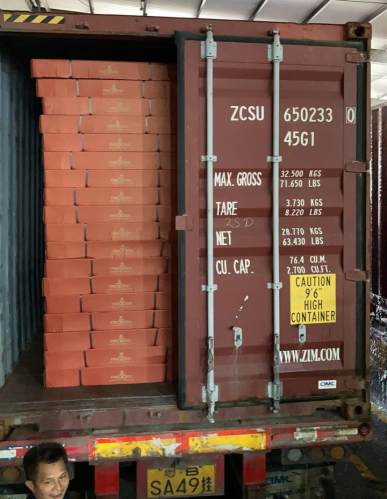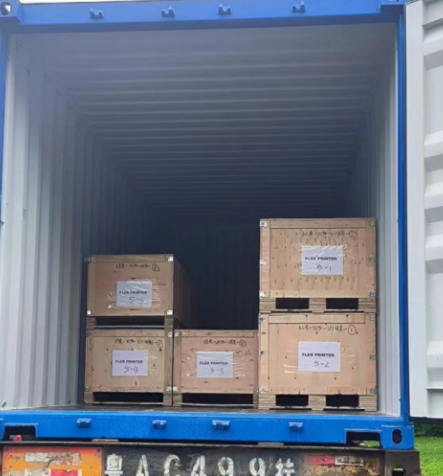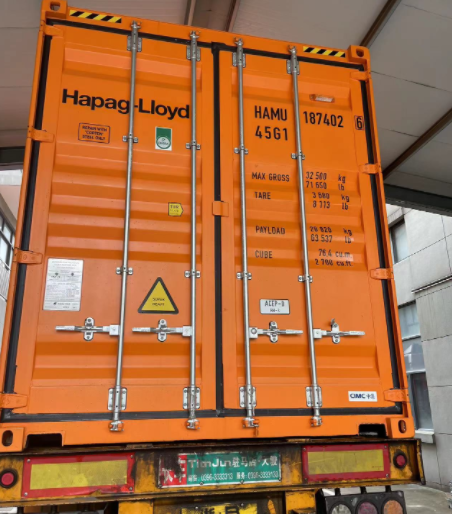
Are you curious about how much shipping from China to Ireland really costs, or what factors impact these expenses? In this comprehensive guide, we’ll break down the key elements affecting shipping costs, including sea freight, air freight, and rail options. Discover essential tips, cost-saving strategies, and everything you need for smooth and efficient shipments from China to Ireland.
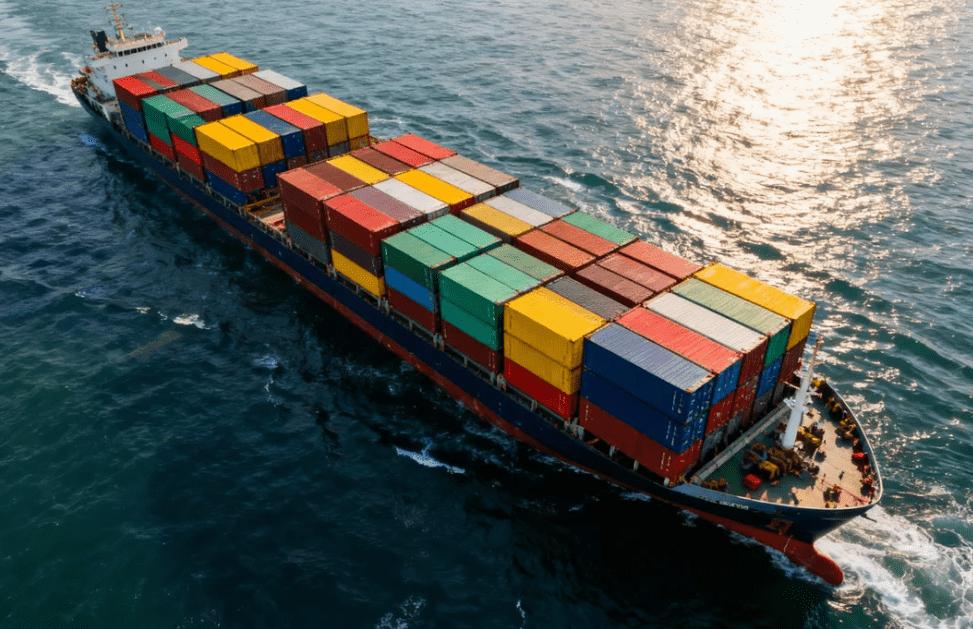
Key Factors Influencing Shipping Costs
When determining how much is shipping from China to Ireland, several crucial factors come into play that can significantly impact your final shipping cost. Understanding these variables allows importers, exporters, and supply chain managers to make informed decisions for cost-effective, efficient shipping.
1. Shipping Method:
Choosing between sea freight, air freight, or rail freight is the most fundamental decision. Generally, sea freight is the most economical for large volumes, while air freight offers speed but at a premium price. Rail freight is an emerging solution, offering a balance between cost and transit time for certain routes.
2. Cargo Volume & Weight:
Shipping rates are calculated based on either volumetric (CBM) or gross weight, whichever is higher. Larger shipments usually benefit from better per-unit rates, but exceeding standard container sizes or special requirements (like OOG—Out of Gauge Cargo) can increase costs.
3. Type of Goods:
Products categorized as hazardous, perishable, or high-value may attract surcharges or require special handling, impacting your total shipping fee. Ensure your forwarder understands the nature of your goods for accurate quotes.
4. Origin and Destination Ports:
Shipping costs vary depending on the distance from major Chinese ports (such as Shanghai, Shenzhen, Ningbo, Qingdao) to Irish ports like Dublin or Cork. Proximity to main ports, local infrastructure, and port charges can all affect the price.
5. Incoterms:
The chosen Incoterm (e.g., FOB, CIF, DAP) defines the division of responsibilities and costs between buyer and seller. For example, FOB (Free on Board) means you pay from the port of loading, while CIF (Cost, Insurance, and Freight) includes insurance and transport to the destination port.
6. Seasonality & Market Fluctuations:
Global shipping rates are influenced by supply and demand cycles, fuel prices, and market disruptions (such as pandemic-related congestion or geopolitical events). During peak seasons (e.g., pre-Christmas, Chinese New Year), expect higher rates and possible space shortages.
7. Additional Services:
Requirements like customs clearance, insurance, door-to-door delivery, warehousing, or Amazon FBA prep add to the overall cost but can streamline your operations and reduce risk.
8. Freight Forwarder Selection:
Working with a reputable and experienced freight forwarder—such as Dantful International Logistics—ensures transparent pricing, compliance, and expert support, ultimately reducing hidden costs and unforeseen delays.
Sea freight cost from China to Ireland
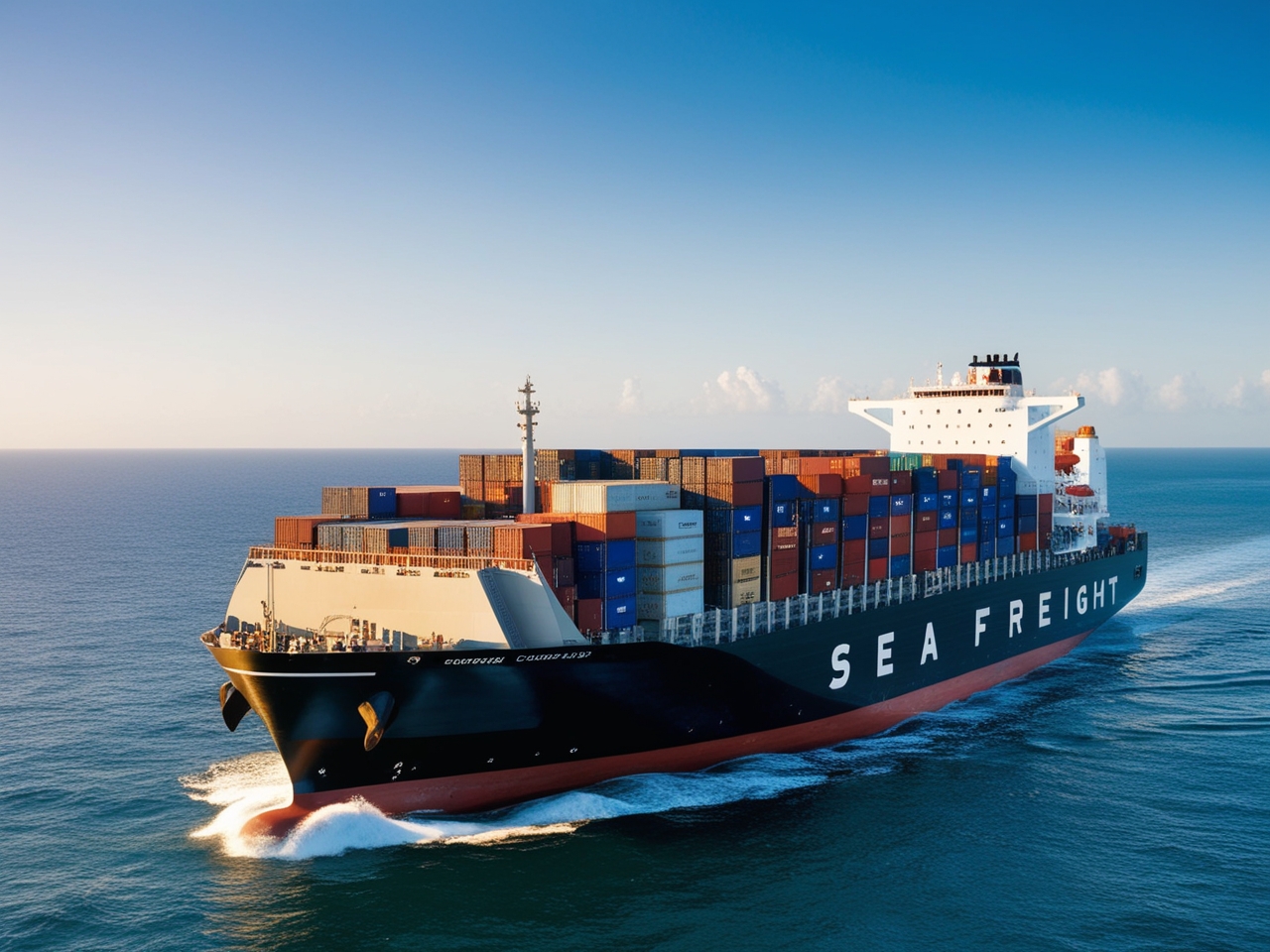
Sea freight is often the preferred option for shipping large volumes from China to Ireland due to its affordability and flexibility. There are two primary shipping methods:
- FCL (Full Container Load): Shippers rent the entire container (typically 20ft or 40ft). Best for larger shipments.
- LCL (Less than Container Load): Multiple shippers share a container, paying for the space their cargo occupies. Suitable for smaller shipments.
For businesses considering other European destinations, you may also be interested in the Sea Freight From China to United Kingdom for a comparative perspective on routes and costs within the region.
Cost of 20ft container shipping from China to Ireland
A 20ft container (capacity: 28CBM) is commonly used for medium-sized shipments. The shipping cost depends on the route, port charges, and seasonal factors.
| Origin Port | Destination Port | Estimated Cost (USD) | Transit Time (Days) |
|---|---|---|---|
| Shanghai | Dublin | $2,300 – $2,900 | 32 – 38 |
| Shenzhen | Dublin | $2,350 – $3,000 | 33 – 39 |
| Ningbo | Cork | $2,400 – $3,100 | 34 – 40 |
| Qingdao | Dublin | $2,450 – $3,150 | 35 – 41 |
Notes:
- Prices above are for FCL, port-to-port, and are updated for Q4 2025.
- Local charges at origin/destination, customs, and insurance are not included.
- LCL rates are calculated per CBM and may vary depending on consolidation services.
Cost of 40ft container shipping from China to Ireland
A 40ft container (capacity: 56CBM) and 40HQ (High Cube, 68CBM) are suitable for high-volume shipments and offer a lower per-unit shipping cost.
| Origin Port | Destination Port | Estimated Cost (USD) | Transit Time (Days) |
|---|---|---|---|
| Shanghai | Dublin | $3,800 – $4,700 | 32 – 38 |
| Shenzhen | Dublin | $3,850 – $4,800 | 33 – 39 |
| Ningbo | Cork | $3,900 – $4,950 | 34 – 40 |
| Qingdao | Dublin | $3,950 – $5,000 | 35 – 41 |
Key Considerations:
- Rates may fluctuate, especially during high season.
- Choosing the right container size ensures you maximize value and avoid paying for unused space.
- For oversized or special cargo (OOG), consult with your freight forwarder for a tailored quote.
For a customized, up-to-date quote based on your shipment details, contact us directly. Our expertise helps you navigate fluctuating market rates, optimize your shipping plan, and achieve timely, cost-efficient deliveries.
Air freight cost from China to Ireland per KG
Air freight is the fastest and most reliable shipping method for delivering goods from China to Ireland. It is particularly suitable for high-value, time-sensitive, or lightweight cargo. The cost is usually calculated per kilogram (KG), and several variables influence the final rate: cargo weight/volume, type of goods, departure and arrival airports, airline choice, seasonality, and any additional services required (such as customs clearance or door-to-door delivery).
Key Factors Affecting Air Freight Cost per KG
- Chargeable Weight: Air freight charges are based on the greater of actual weight or volumetric weight (Length x Width x Height in cm ÷ 6000).
- Origin and Destination Airports: Major airports like Shanghai Pudong (PVG), Guangzhou (CAN), Beijing (PEK), and Shenzhen (SZX) to Dublin Airport (DUB).
- Type of Service: Standard (economic) vs. Express (priority) services.
- Nature of Goods: Dangerous goods, perishable items, or oversized cargo may incur higher rates.
- Fuel Surcharges and Security Fees: These are often added on top of base rates.
Typical Air Freight Rates in 2025
Rates change according to market conditions, fuel prices, and capacity constraints. As of Q4 2025, estimated air freight rates from major Chinese airports to Dublin, Ireland are as follows:
| Departure Airport | Standard Rate (USD/KG) | Express Rate (USD/KG) | Typical Transit Time |
|---|---|---|---|
| Shanghai (PVG) | $4.8 – $6.5 | $7.0 – $9.0 | 2 – 5 days |
| Shenzhen (SZX) | $5.0 – $6.8 | $7.2 – $9.5 | 2 – 5 days |
| Guangzhou (CAN) | $4.9 – $6.6 | $7.0 – $9.2 | 2 – 5 days |
| Beijing (PEK) | $5.2 – $7.0 | $7.5 – $10.0 | 2 – 5 days |
- Note: The above rates apply to general cargo of 100kg+. For shipments under 100kg, rates are usually 10–20% higher due to minimum handling requirements.
Example Cost Calculation
If you are shipping 200kg of general cargo from Shanghai to Dublin via standard air freight, the estimated cost would be:
- 200kg x $5.5/kg = $1,100 USD (excluding additional surcharges, delivery, or customs fees).
Value-added Air Freight Services
- Door-to-Door: Dantful International Logistics offers full-service solutions, picking up from supplier and delivering directly to your address in Ireland.
- Consolidated Air Freight: Small shipments can be combined to reduce costs.
- Customs Clearance & Insurance: We handle all paperwork and risk protection.
As a highly professional and cost-effective logistics provider, Dantful’s team ensures competitive rates, reliable schedules, transparent pricing, and comprehensive support for your air shipments from China to Ireland.
Rail freight cost from China to Ireland
Rail freight is a cost-effective and relatively fast shipping option that has grown in popularity due to expansion of the China-Europe Railway Express. However, there is no direct rail service between China and Ireland. Instead, rail cargo is shipped from China to major rail hubs in Europe (such as Duisburg, Hamburg, or Warsaw) and then transferred to Ireland via road or short sea shipping.
For those interested in the broader context of rail shipments, see our detailed guide to Rail Service From China to Europe for insights into schedules, costs, and multimodal connections.
How Rail Freight Works for Shipments to Ireland
- China to Europe by Rail: Containers are transported by train to a European hub.
- Transshipment: At the hub, containers are transferred to truck or ship.
- Final Delivery to Ireland: By truck and/or short sea, usually through ports such as Rotterdam or Antwerp, then across the Irish Sea to Dublin.
Typical Rail Freight Costs (2025 Data)
Below is a summary table for a standard 40ft container (FCL) from China to a European hub, and the estimated total cost to deliver to Ireland:
| Route | Rail Freight (China to Europe) | Transshipment & Final Delivery to Ireland | Total Estimated Cost (USD) | Transit Time |
|---|---|---|---|---|
| Chengdu – Duisburg – Dublin | $7,500 – $8,500 | $2,000 – $2,400 | $9,500 – $10,900 | 22 – 28 days |
| Xi’an – Hamburg – Dublin | $7,300 – $8,300 | $2,100 – $2,500 | $9,400 – $10,800 | 21 – 27 days |
| Zhengzhou – Warsaw – Dublin | $7,600 – $8,400 | $2,300 – $2,600 | $9,900 – $11,000 | 23 – 29 days |
- For LCL (Less than Container Load): Costs are typically $250 – $350 per CBM, depending on volume and final delivery method.
- Note: Rates are for general cargo and subject to market fluctuations, customs clearance, and handling fees.
Pros and Cons of Rail Freight
Benefits:
- Faster than sea freight (typically 22–29 days vs. 35+ days by sea).
- Lower carbon footprint compared to air freight.
- More cost-effective for large shipments than air freight.
Limitations:
- Not as fast as air freight and not as cheap as seafreight.
- Not suitable for all types of cargo (e.g., perishable or dangerous goods may have restrictions).
- Requires transshipment, which can slightly raise handling time and cost.
For up-to-date quotations and the most effective shipping strategy from China to Ireland, contact Dantful International Logistics—your trusted global freight forwarding partner. If your business plans also involve the UK market, explore our resource on Shipping From China to United Kingdom.
Customs Duties, Taxes, and Regulations in Ireland
When shipping goods from China to Ireland, understanding the local customs duties, taxes, and import regulations is crucial for cost control and compliance. Ireland, as a member of the European Union (EU), strictly enforces EU-wide customs policies and standards, in addition to its national requirements. Below is a detailed breakdown to help shippers, importers, and supply chain managers navigate these requirements efficiently.
1. Customs Duties
Customs duties are tariffs imposed on goods imported into Ireland. The applicable rate depends on the type of product and its classification under the Harmonized System (HS) code. Most goods imported from China are assessed under the EU Common External Tariff. Some key points:
- Duty rates typically range from 0% to 14%, depending on the commodity.
- The customs value for duty calculation includes the CIF value (Cost, Insurance, and Freight) of the goods.
- Certain product categories may have quotas or anti-dumping duties, particularly textiles, steel, and electronics.
Example of Duty Calculation
| Product Type | HS Code | Typical Duty Rate | Basis for Calculation |
|---|---|---|---|
| Electronics | 8504 | 0–4% | CIF Value |
| Furniture | 9403 | 0–5% | CIF Value |
| Apparel/Textiles | 6109 | 12% | CIF Value (plus quotas may apply) |
2. Value-Added Tax (VAT)
All goods imported into Ireland are subject to Import VAT. The standard VAT rate is currently 23%, but reduced rates (13.5%, 9%, or 0%) may apply for specific goods (e.g., books, food, children’s clothing). VAT is calculated on the sum of:
- Customs Value (CIF)
- Customs Duty
- Any other applicable costs (e.g., insurance, commissions)
Example VAT Calculation
If the CIF value of your goods is €10,000 and the duty is 4% (€400), VAT would be calculated as:
- VAT Tax Base: €10,000 (CIF) + €400 (Duty) = €10,400
- VAT Due: €10,400 × 23% = €2,392
3. Other Applicable Taxes and Fees
- Excise Duties: Applied to specific goods such as alcohol, tobacco, and energy products.
- Environmental or Anti-dumping Duties: May apply to targeted product categories, especially if the goods are subject to special EU trade measures.
4. Product Compliance and Regulations
All products imported into Ireland must comply with EU safety, health, and environmental standards. Key compliance areas include:
- CE Marking: Mandatory for many products to demonstrate compliance with EU directives.
- REACH Regulation: For chemicals and materials.
- WEEE and RoHS: For electronics and electrical goods.
Failure to comply with these regulations can lead to delays, penalties, or seizure of goods.
Ireland Customs Clearance & Documents Checklist
Smooth and efficient customs clearance in Ireland relies on meticulous preparation of the correct documentation and adherence to local requirements. Below is a practical checklist, suitable for importers, exporters, supply chain managers, and e-commerce sellers.
1. Key Documents Required
| Document Name | Purpose | Who Provides It | Notes |
|---|---|---|---|
| Commercial Invoice | Details the value and nature of goods | Exporter/Seller | Must match HS codes and shipment details |
| Packing List | Lists contents, dimensions, and weight | Exporter/Seller | Essential for inspection and handling |
| Bill of Lading (B/L) / Airway Bill (AWB) | Confirms transport and ownership of goods | Carrier/Freight Forwarder | Ocean: B/L; Air: AWB |
| Importer’s EORI Number | Identifies importer to Irish customs | Importer | Apply with Irish Revenue |
| Certificate of Origin | Verifies origin of goods for duty assessment | Exporter/Chamber of Commerce | Required for preferential tariffs |
| CE Declaration (if applicable) | Confirms compliance with EU regulations | Exporter/Manufacturer | Needed for regulated goods |
| Insurance Certificate | Proof of insurance coverage for cargo | Insurer/Freight Forwarder | Strongly recommended |
| Import License (if required) | For restricted or controlled products | Importer | E.g., pharmaceuticals, chemicals |
| Customs Declaration (SAD/ENS) | Formal import declaration to Irish Revenue | Customs Broker/Freight Forwarder | Done electronically via AIS/ICS |
2. Customs Clearance Process in Ireland
- Pre-Arrival: Submit Entry Summary Declaration (ENS) for safety/security.
- Arrival of Goods: Present documents to Irish Revenue (Customs).
- Declaration Submission: File an import declaration via the Automated Import System (AIS).
- Payment of Duties & Taxes: Pay all applicable customs duties, VAT, and other fees.
- Inspection (if necessary): Goods may be subject to random or targeted inspection.
- Release of Goods: Once cleared, goods can be delivered to the final consignee.
3. Common Pitfalls to Avoid
- Incomplete or inconsistent documentation.
- Incorrect HS code declaration leading to wrong duty rates.
- Missing compliance certificates (e.g., CE marking).
- Not registering for EORI (Economic Operator Registration and Identification) before shipment.
4. Tips for Hassle-Free Customs Clearance
- Work with an Experienced Freight Forwarder: A professional like Dantful International Logistics can help you prepare all necessary documents, classify goods correctly, and handle customs formalities efficiently.
- Stay Updated: Customs rules can change; always verify the latest requirements through official sources or your logistics provider.
- Digitize Your Documents: Use digital copies and online customs tools to speed up processing.
5. Summary Table: Custom Clearance Checklist
| Step | Description | Responsible Party |
|---|---|---|
| Prepare Documents | Invoice, Packing List, B/L, etc. | Exporter/Freight Forwarder |
| Register EORI | Obtain/import EORI number | Importer |
| Submit Declaration | File electronic customs declaration | Customs Broker/Forwarder |
| Pay Duties & Taxes | Settle customs payments | Importer |
| Compliance Check | Ensure all certificates and conformity marks | Exporter/Manufacturer |
| Final Delivery | Receive cleared goods | Importer/Consignee |
Navigating the complexities of customs duties, taxes, and documentation for shipping from China to Ireland can be challenging. By staying informed and working with a highly professional, cost-effective, and reputable logistics provider like Dantful International Logistics, you ensure compliance and streamline your supply chain. Our team offers comprehensive freight solutions—including sea freight, air freight, rail freight, warehousing, customs clearance, and more—to help you succeed in the Irish and wider European markets. If you need tailored advice or end-to-end support with your next shipment, reach out to our experts for a personalized consultation.
Read More:
- Shipping From China To Netherlands
- Shipping From China To Spain
- Shipping From China To Germany
- Shipping From China To France
- Shipping From China to Italy
- Shipping From China To Poland
- Shipping From China to United Kingdom
Strategies to Reduce Shipping Costs from China to Ireland
Controlling logistics expenses is crucial for all exporters and importers. Shipping costs from China to Ireland are influenced by various factors such as cargo volume, shipment mode, seasonality, and value-added services. As a logistics expert with over 15 years of experience, I have summarized proven strategies that can help businesses optimize their shipping expenditure while maintaining efficiency and reliability.
For more European cost-saving insights, you might compare with container shipping costs from china to Ireland to see how rates are trending and optimize your logistics planning.
1. Optimize Cargo Volume and Container Utilization
- Full Container Load (FCL) vs. Less than Container Load (LCL):
Shipping a full container (such as a 20ft or 40ft container) is generally more cost-effective per cubic meter compared to LCL, especially as your volume increases. If your cargo doesn’t fill a container, consider consolidating shipments with partnered companies or using professional consolidation services like those offered by Dantful International Logistics. - Proper Packaging:
Use space-saving packaging and stacking to maximize the use of container capacity, reducing the cost per unit.
| Container Type | Capacity (CBM) | Typical Use Case | Cost Efficiency |
|---|---|---|---|
| 20FT | 28 CBM | Small-to-medium shipments | High (when full) |
| 40FT | 56 CBM | Bulk/large shipments | Higher (when full) |
| 40HQ | 68 CBM | High-volume or lightweight goods | Highest (when full) |
| LCL | Flexible | Small, infrequent, or urgent shipments | Variable |
2. Choose the Right Shipping Mode
The mode of transport significantly affects your shipping costs:
- Sea Freight: Best for large, non-urgent shipments. Offers the lowest cost per KG/CBM.
- Air Freight: For time-sensitive or high-value goods. More expensive, but reduces inventory holding costs.
- Rail Freight: A balance between speed and cost, suitable for certain trade lanes.
Dantful International Logistics offers all major shipping solutions, including Sea Freight, Air Freight, Rail Freight, Road Freight, and Door-to-Door services, allowing tailored solutions for every business need.
3. Plan Shipments in Advance
- Avoid Peak Seasons:
Freight rates spike around Chinese New Year, Golden Week, and major retail seasons. Early planning and booking can secure better rates and availability. - Flexible Scheduling:
If your timeline allows, opt for slower, more economical routes or vessel sailings.
4. Consolidate Shipments
Combining shipments (either your own or with other shippers) can reduce per-unit shipping costs, especially for LCL cargo. Dantful Logistics provides professional consolidation services and scheduled groupage options to major Irish ports.
5. Negotiate with Multiple Freight Forwarders
Obtain quotes from reputable freight forwarders. Compare total landed costs, not just freight rates. Consider value-added services like insurance, customs clearance, warehouse, and last-mile delivery. As a highly professional, cost-effective, and quality-focused freight forwarder, Dantful International Logistics offers transparent pricing and end-to-end service, minimizing hidden charges.
6. Leverage Cost-saving Services
- Warehouse & Distribution:
Utilize warehouse services in China for order consolidation, labelling, or temporary storage to optimize shipping frequency and batch size. - Door-to-Door Service:
All-inclusive door-to-door solutions help avoid unexpected surcharges and reduce administrative workload.
7. Understand and Minimize Customs Duties
- Correct HS Codes:
Ensure your products are classified with the right HS codes to avoid overpayment of duties or penalties. - Leverage Duty Exemptions/FTAs (if applicable):
Stay updated on Ireland’s import regulations and available trade agreements.
8. Use Digital Tracking and Data Analytics
Advanced tracking and logistics management platforms help you analyze freight spend, optimize routes, and identify further saving opportunities.
Transit Time from China to Ireland
Understanding transit times is essential for supply chain planning and meeting customer expectations. The total shipping time from China to Ireland depends on the shipping mode, origin and destination points, customs processing, and possible transshipment delays.
Below is a comparative overview of estimated transit times for major shipping modes in 2025:
| Shipping Mode | Route Example | Estimated Transit Time | Remarks |
|---|---|---|---|
| Sea Freight (FCL/LCL) | Shanghai – Dublin | 28–36 days | Includes port handling and main sea leg |
| Air Freight | Shanghai – Dublin | 3–7 days | Transit includes pickup and delivery |
| Rail Freight | Xi’an – Dublin (via Europe) | 21–28 days | Via Eurasian rail network, includes final trucking |
| Express Courier | Shenzhen – Dublin | 2–5 days | For small parcels, fastest option |
Key Factors Impacting Transit Times
- Origin & Destination:
Transit times may vary depending on the departure city in China and the arrival port or airport in Ireland. - Transshipment:
Some routes require transshipment at intermediate hubs, potentially adding days. - Customs Clearance:
Delays can occur if documents are incomplete or goods are flagged for inspection. Efficient pre-clearance and document preparation, as provided by Dantful Logistics, help reduce such risks. - Peak Seasons:
High volumes may lead to congestion at ports and airports, affecting overall transit.
Practical Tips
- For urgent shipments, choose air freight or reliable express services.
- For cost-sensitive cargo with flexible deadlines, sea freight offers the best value.
- Rail freight is recommended for businesses seeking a balance between speed and cost, especially for central or western China origins.
Dantful International Logistics leverages its global network and local expertise to recommend the most suitable shipping solution based on your urgency, budget, and cargo requirements, ensuring your goods reach Ireland on time and in perfect condition.
Essential Documentation for Smooth Shipments
Successful international shipping between China and Ireland relies heavily on having all required documentation in order. Incomplete or incorrect documents can cause significant delays, unexpected costs, and even confiscation of goods at the border. As a logistics expert with over 15 years in the industry, I can attest that understanding and preparing the right paperwork is one of the most effective ways to ensure a smooth shipping process.
For reference, if you’re shipping to other EU destinations, our guide on Shipping From China to France details documentation and compliance tips for the French market, which may offer useful parallels.
Below is a checklist of the essential documents typically required for shipments from China to Ireland:
| Document Name | Description & Purpose | Who Provides It? |
|---|---|---|
| Bill of Lading (B/L) | Acts as both a contract of carriage and receipt of goods, and is required to claim goods at destination. | Carrier or Freight Forwarder |
| Commercial Invoice | Official invoice confirming transaction details (price, quantity, description, HS code) for customs. | Exporter/Seller |
| Packing List | Detailed list of cargo contents, packaging method, weight, and dimensions. | Exporter/Seller |
| Certificate of Origin | Confirms the country where the goods were produced; may qualify cargo for preferential tariffs. | Exporter/Seller/Chamber of Commerce |
| Import/Export Declaration | Customs form declaring the shipment for export from China and import to Ireland. | Customs Broker/Freight Forwarder |
| Insurance Certificate | Proof of cargo insurance coverage during transport (optional but highly recommended). | Insurance Provider |
| Arrival Notice | Notification from carrier or agent that goods have arrived at destination port or airport. | Carrier/Freight Forwarder |
| Other Permits/Licenses | May be required for regulated goods such as food, chemicals, electronics, or pharmaceuticals. | Exporter/Importer |
Key Tips for Documentation:
- Ensure all information (descriptions, HS codes, values, consignee/consignor details) is accurate and matches across all documents.
- For Ireland, ensure compliance with EU import regulations and requirements, which may differ from non-EU countries.
- For air freight, the Air Waybill (AWB) serves as both the contract and receipt.
- Some shipments may require additional documents, such as MSDS (Material Safety Data Sheet) for hazardous goods, or phytosanitary certificates for plant products.
A professional freight forwarder, such as Dantful International Logistics, can guide you through the entire documentation process, check for errors, and help avoid costly mistakes.
Choosing the Right Freight Forwarder for Your Needs
Selecting the right freight forwarder is a strategic decision that can significantly impact your shipping experience between China and Ireland. With the complexity of international logistics, customs compliance, and varying transport options, partnering with an experienced and reliable provider ensures efficiency, cost-effectiveness, and peace of mind.
Key Considerations When Choosing a Freight Forwarder:
| Criteria | Why It Matters | What to Look For |
|---|---|---|
| Experience & Expertise | Knowledgeable partners anticipate issues and offer tailored solutions. | Track record in China-Ireland trade lanes, diverse cargo handling, and strong local presence. |
| Service Offerings | Comprehensive services reduce coordination efforts and minimize risk of miscommunication. | Coverage of Sea Freight, Air Freight, Rail Freight, Road Freight, Amazon FBA, Warehouse, Customs Clearance, Insurance, Door to Door, OOG Freight, Consolidated Freight, Breakbulk Freight. |
| Network & Partnerships | Strong networks enable competitive rates, flexible routing, and fast issue resolution. | Global agent network, reliable carrier relationships, and established local contacts. |
| Regulatory Compliance | Expertise in EU and Ireland import/export regulations avoids costly delays/fines. | Up-to-date customs knowledge, transparent documentation processes, and compliance certifications. |
| Customer Support & Transparency | Responsive, clear communication reduces stress and keeps you informed at every stage. | Dedicated account manager, real-time tracking, proactive updates, and clear pricing. |
| Cost Efficiency | Competitive, transparent pricing helps control your overall supply chain costs. | Detailed quotations, route optimization, and advice on cost-saving strategies. |
Why Choose Dantful International Logistics?
As CEO of Dantful International Logistics, I am committed to offering clients a highly professional, cost-effective, and high-quality one-stop international logistics service. Our team specializes in shipments between China and Ireland, and we take pride in our ability to tailor solutions for every business size and industry. Whether you need full container loads, consolidated shipments, express air freight, customs clearance, or value-added services like insurance and warehousing, we have the expertise and infrastructure to deliver.
Dantful International Logistics stands out for:
- Comprehensive Service Portfolio: From Sea Freight to Amazon FBA and everything in between.
- Deep Regulatory Knowledge: Expertise in Ireland and EU customs requirements.
- Transparent Communication: Dedicated support and shipment visibility at every step.
- Proven Track Record: Years of success in supporting importers, exporters, manufacturers, and e-commerce sellers.
Making the right choice today means fewer headaches, lower costs, and more successful deliveries tomorrow. For tailored advice or a free shipping quote from China to Ireland, reach out to our team at Dantful International Logistics.

Young Chiu is a seasoned logistics expert with over 15 years of experience in international freight forwarding and supply chain management. As CEO of Dantful International Logistics, Young is dedicated to providing valuable insights and practical advice to businesses navigating the complexities of global shipping.