Are you looking to streamline shipping from China to Dubai and wondering which method suits your business best? With multiple options like sea freight, air freight, and various customs requirements, it’s crucial to make informed decisions. In this comprehensive guide, we draw directly from our daily operations to break down the main shipping methods, real-world costs, timelines, documentation, and expert tips to ensure a smooth and cost-effective shipping process from China to Dubai.
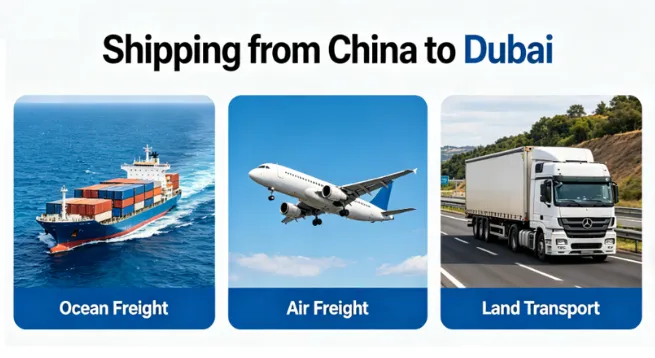
Main Shipping Methods from China to Dubai
Shipping from China to Dubai is a crucial logistics task for global traders, manufacturers, and e-commerce sellers. Choosing the right shipping method is essential for balancing cost, speed, and reliability. Below is a comprehensive overview of the primary shipping options.
Sea Freight from China to Dubai
Sea freight is one of the most popular and cost-effective solutions for transporting large volumes of goods from China to Dubai. It is ideal for bulk shipments, heavy cargo, or goods not requiring urgent delivery.
Key Features of Sea Freight:
FCL (Full Container Load): The entire container is allocated to one shipper. Best for large shipments.
LCL (Less than Container Load): Cargo from multiple shippers consolidated in a single container. Suitable for smaller loads.
- Dantful Operations Note: Once your LCL shipment exceeds 13–15 CBM, we strongly advise booking a dedicated 20FT container instead. Although the base freight might seem higher, avoiding the expensive destination CFS (Container Freight Station) unpacking fees at Jebel Ali makes FCL the more cost-effective choice.
Types of Containers:
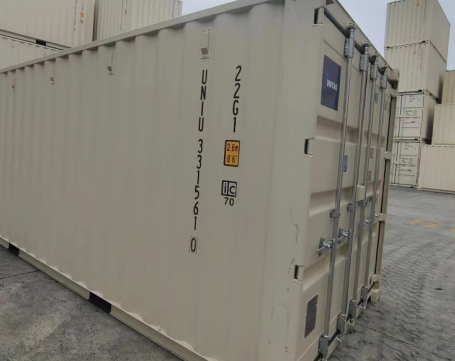
- 20FT container: 28 CBM capacity
- 40FT container: 56 CBM capacity
- 40HQ container: 68 CBM capacity
- 45HQ container: 78 CBM capacity
Main Seaports in China:
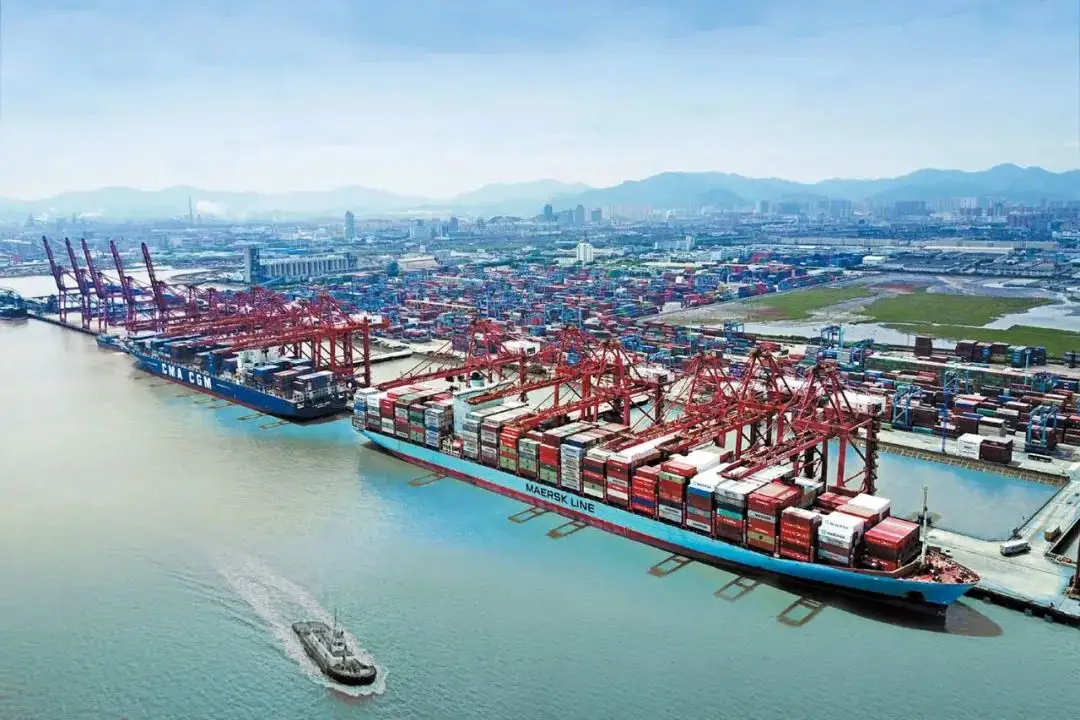
- Shanghai Port: The world’s busiest container port, ideal for shipments originating from Eastern China and the Yangtze River Delta.
- Shenzhen Port: A major hub for electronics and high-tech manufacturing exports from Southern China.
- Ningbo Port: Located near Shanghai, it offers excellent alternatives for heavy cargo and often experiences less congestion during peak seasons.
- Guangzhou Port: The primary gateway for manufactured goods, textiles, and wholesale market products from the Pearl River Delta.
- Qingdao Port: Best for agricultural products, heavy machinery, and bulk cargo from Northern China.
Dubai’s Main Port:
- Jebel Ali Port (one of the world’s largest and most advanced seaports)
Advantages:
- Competitive rates for large cargo
- Flexible container options
- Suitable for a wide range of goods
Limitations:
- Longer transit times (typically 18-28 days depending on route and service)
- Port congestion and customs clearance can affect lead times
If you want to know how shipping rates to Dubai compare to other Middle Eastern destinations, see this related guide on Shipping from China to UAE.
Air Freight from China to Dubai
Air freight is the fastest shipping method from China to Dubai. It is ideal for high-value, perishable, or time-sensitive goods.
Key Features of Air Freight:
- Direct or indirect flights from major Chinese airports to Dubai International Airport (DXB) and Al Maktoum International Airport (DWC)
- Suitable for cargo under 500 kg or urgent, high-value shipments
Main Airports in China:
- Shanghai Pudong International Airport (PVG): The largest air freight hub in China, offering the most direct flights to Dubai.
- Beijing Capital International Airport (PEK): A key northern gateway with robust daily cargo capacities to the Middle East.
- Guangzhou Baiyun International Airport (CAN): Ideal for fast fashion, electronics, and e-commerce parcels originating from Southern China.
- Shenzhen Bao’an International Airport (SZX): Highly specialized in cross-border e-commerce and high-value tech shipments.
Advantages:
- Fast transit times (2-7 days door-to-door)
- Reduced risk of damage or pilferage
- Reliable schedules
Limitations:
- Higher costs compared to sea freight
- Restrictions on hazardous materials and oversized cargo
Comparison of Shipping Methods: Cost, Speed, & Suitability
| Criteria | Sea Freight | Air Freight |
|---|---|---|
| Typical Cost | Low (USD 2,000–3,500/40HQ) | High (USD 5.0–8.0/kg) |
| Transit Time | 18–28 days (port-to-port) | 2–7 days (door-to-door) |
| Best For | Bulk, non-urgent, heavy cargo | Urgent, high-value, light cargo |
| Volume/Weight Constraints | No strict limits (containerized) | Usually < 500 kg per shipment |
| Customs & Handling | More complex (port/warehouse) | Simpler, quicker clearance |
| Sustainability | Lower emissions per kg | Higher emissions per kg |
Pro Tip: For importers seeking an optimum balance of speed and cost, Dantful International Logistics also offers multimodal solutions and consolidated freight, leveraging both air and sea networks to suit different needs.
For those interested in the regional shipping landscape, you may also check our insights on Middle East orders directly from China.
Step-by-Step Shipping Process from China to Dubai
Shipping internationally involves multiple coordinated steps to ensure smooth delivery and compliance with both origin and destination country regulations. Below is a practical, step-by-step guide for moving goods from China to Dubai.
Required Documentation and Customs Procedures
Proper documentation is fundamental for a successful shipment. Missing or incorrect paperwork can lead to delays, fines, or even confiscation.
Essential Documents Include:
- Bill of Lading (B/L) or Air Waybill (AWB): Proof of shipment and contract of carriage.
- Commercial Invoice: Details of the transaction, goods description, and value.
- Packing List: Specifies package details and contents.
- Certificate of Origin: Confirms country of manufacture (may be mandatory for tariff benefits).
- Import/Export Licenses: Depending on product categories.
- Insurance Certificate: Proof of cargo insurance if purchased.
- Other Certificates: (e.g., quality, health, or phytosanitary certificates for special goods).
Customs Procedures in Dubai:
- All consignments must be declared to Dubai Customs electronically.
- Required documents must be uploaded through the Dubai Trade Portal.
- Customs inspection and duties assessment are performed as needed.
- Payment of applicable duties and taxes before cargo release.
Packaging, Labeling, and Cargo Preparation
Correct packaging and labeling protect goods and ensure compliance with both Chinese export and Dubai import regulations.
Best Practices:
Use strong, industry-standard packaging materials suitable for the shipping method (e.g., export-grade cartons, pallets, shrink wrap).
Label cargo clearly with:
- Shipper and consignee details
- Handling instructions
- HS codes
- Suitable barcodes or QR codes for tracking
For LCL and Air Freight, package goods to maximize space and minimize damage.
Ensure compliance with any specific requirements (e.g., hazardous goods, perishable items).
Provide fumigation certificates if required (often for wood packaging).
Booking, Pick-Up, and Transit Procedures
1. Booking:
- Choose a professional freight forwarder, such as Dantful International Logistics, offering tailored solutions for both sea and air shipments.
- Provide cargo details (dimensions, weight, commodity, origin/destination).
- Select the best shipping schedule and service level (FCL/LCL, air/sea, door-to-door, DDP, DAP, etc.).
2. Cargo Pick-Up:
- Arrange pick-up at the supplier’s location or deliver goods to the designated warehouse/terminal.
- For door-to-door shipments, the forwarder manages pick-up and export customs clearance.
3. Export Customs Clearance:
- Submit required documents to Chinese Customs.
- Pay any export duties or taxes (rare for most commodities).
- Receive clearance and cargo release for export.
4. International Transit:
- Cargo is loaded onto vessels or aircraft for shipment to Dubai.
- Tracking and updates provided by the freight forwarder.
5. Arrival at Dubai:
- On arrival at Jebel Ali Port or Dubai airport, cargo is offloaded and transferred to the customs inspection area.
- Import clearance is conducted; duties and taxes are paid.
6. Final Delivery:
- After customs release, goods are delivered to the consignee’s address, warehouse, or designated location.
Why Choose Dantful International Logistics? Instead of generic promises, we offer concrete local capabilities for the UAE route:
- Direct Carrier Contracts: We hold long-term space agreements with vessels servicing the Jebel Ali route, securing container availability even during pre-Ramadan peak seasons.
- Dubai Customs Expertise: Our local clearance team operates directly within the Dubai Trade Portal, ensuring your HS codes and Certificates of Origin are perfectly aligned with UAE regulations before the cargo even leaves China.
- Specialized Cargo Handling: From oversized construction machinery (OOG) heading to Dubai’s development projects to sensitive electronics requiring temperature-controlled air freight via DXB, we have specialized teams for every cargo type.
- End-to-End DDP Solutions: We handle the exact calculation and payment of Dubai’s 5% customs duty and 5% VAT, providing true door-to-door delivery without hidden destination charges.
Summary: A seamless shipping process from China to Dubai requires strict adherence to local regulations and proactive space booking. By leveraging our on-the-ground teams in both China and the UAE, we prevent documentation hold-ups and secure the most efficient transit routes for your specific cargo.
Shipping Costs from China to Dubai
Shipping costs from China to Dubai vary significantly based on several factors, including the chosen shipping method, cargo characteristics, and additional service charges. As an experienced logistics professional, I recommend all businesses and individuals to understand the detailed cost structure before shipping, as this can help optimize budgets and avoid unexpected expenses.
Freight Rate Factors: Weight, Volume, and Incoterms
The primary factors influencing freight rates are:
Weight & Volume:
Sea Freight charges are usually calculated based on the greater of the actual weight or the volumetric (dimensional) weight, measured in CBM (Cubic Meter). Standard container capacities are:
Container Type Capacity (CBM) 20FT 28 CBM 40FT 56 CBM 40HQ 68 CBM 45HQ 78 CBM Air Freight fees are determined by either the gross weight or volumetric weight (calculated as Length x Width x Height (cm) / 6000).
Incoterms:
- The selected Incoterms (such as EXW, FOB, CIF, DAP, etc.) define which party bears which costs.
- Dantful Strategy Tip: For China-to-Dubai shipments, we routinely recommend buyers negotiate FOB (Free on Board) terms with their Chinese suppliers rather than CIF. Under FOB, you control the ocean freight rate and avoid the hidden “destination markups” suppliers often bake into CIF agreements.
Route & Carrier:
- Rates may differ by carrier, direct vs. transshipment routes, and shipping schedules.
Fuel Surcharges & Geopolitics:
- Ocean and air freight are highly sensitive to bunker fuel and aviation fuel prices. Recent global instability, such as conflicts in the Middle East and subsequent vessel route diversions, can cause sudden spikes in global fuel costs and insurance premiums, directly increasing your final shipping bill.
Nature of Cargo:
- Dangerous goods, temperature-sensitive items, and oversized or OOG (Out-of-Gauge) cargo often attract surcharges.
Sample Sea Freight Rate Table (Estimated, Spring 2026):
| Origin Port | Destination: Jebel Ali (Dubai) | 20FT Container | 40FT Container | 40HQ Container |
|---|---|---|---|---|
| Shanghai | Jebel Ali | $1,350 | $2,450 | $2,650 |
| Shenzhen | Jebel Ali | $1,400 | $2,500 | $2,750 |
| Ningbo | Jebel Ali | $1,320 | $2,420 | $2,600 |
Dantful Insights: As of April 2026, we are seeing a post-Chinese New Year stabilization in ocean freight rates. However, due to ongoing global inflation and shifts in carrier capacity, average container rates have adjusted slightly upward. Based on our daily operations, actual rates fluctuate weekly depending on fuel surcharges and vessel space. Please contact Dantful International Logistics for the latest rates and tailored quotations.
For a broader comparison, you might want to read more about container shipping costs from China to Dubai to understand price trends and influencing factors.
Additional Charges: Customs Duties, Port Fees, and Insurance
Beyond basic freight, several additional costs should be considered:
Customs Duties & Taxes:
- Dubai imposes import duties (generally 5% for most goods, but can vary), VAT (5%), and potentially excise taxes for specific items.
Port Fees:
- Charges at both Chinese and Dubai ports may include terminal handling, documentation, and port security fees.
Insurance:
- Cargo insurance is highly recommended to protect against loss or damage. Charges typically range from 0.1% to 0.5% of the cargo value, depending on the coverage and nature of goods.
Other Possible Fees:
- Storage, demurrage, detention, customs inspection, and delivery (door-to-door) costs.
Summary Table of Additional Fees (Typical Ranges):
| Fee Type | Estimated Range | Notes |
|---|---|---|
| Customs Duties | 0% – 5% (most goods) | Varies by HS code |
| VAT | 5% of CIF value | On most imports |
| Port Handling | $150 – $300 per container | At origin and destination |
| Documentation | $50 – $100 per shipment | Bills of lading, manifests |
| Insurance | 0.1% – 0.5% of goods’ value | Strongly advised for high-value shipments |
| Inspection Fees | $25 – $100 (if selected) | Based on customs requirements |
Estimated Shipping Time from China to Dubai
Delivery timelines from China to Dubai depend on the transportation mode, routing, and various operational factors. As someone with extensive hands-on experience, I advise shippers to always consider both average and worst-case scenarios when planning their supply chain.
Transit Times by Sea and Air Freight
Sea Freight:
- Full Container Load (FCL): Generally 18–25 days from major Chinese ports (Shanghai, Shenzhen, Ningbo) to Jebel Ali Port.
- Less than Container Load (LCL): 20–28 days, due to extra handling and consolidation.
Air Freight:
- Standard air cargo: 3–7 days (including customs clearance and local delivery).
- Express air service (DHL, FedEx, UPS): 2–4 days, but at a higher cost.
Estimated Transit Time Table (Door-to-Door):
| Shipping Method | Port Pairing | Typical Transit Time (Days) |
|---|---|---|
| Sea (FCL) | Shanghai – Jebel Ali | 18 – 22 |
| Sea (FCL) | Shenzhen – Jebel Ali | 19 – 24 |
| Sea (LCL) | Any Major Port – Dubai | 20 – 28 |
| Air Freight | PVG/CAN – DXB | 3 – 7 |
| Express Air | Any Major Airport – DXB | 2 – 4 |
PVG = Shanghai Pudong; CAN = Guangzhou Baiyun; DXB = Dubai International Airport
Factors Impacting Delivery Timelines
Several elements can influence how long it takes for your shipment to reach Dubai:
- Customs Clearance Delays: Documentation errors, incomplete paperwork, or non-compliant cargo can cause holdups.
- Port Congestion: Peak seasons or unforeseen events (weather, strikes) may lead to longer processing at ports.
- Transshipment: Some routes involve a transfer at a third-country port, which may extend timelines by several days.
- Cargo Type: Hazardous, oversized, or temperature-controlled goods might require special handling.
- Holidays and Weekends: Both China and UAE public holidays can affect shipment schedules.
Customs Clearance and Import Regulations in Dubai
Dubai Customs Requirements for Imports
Importing goods from China to Dubai requires strict adherence to the regulations set by Dubai Customs. Failure to comply may result in cargo delays, penalties, or even confiscation. Below are the key requirements you must be aware of:
Import Registration
- All importers must be registered with the Dubai Customs Authority. This includes obtaining a valid Import/Export Code (IEC) and registering their business on the Dubai Trade Portal.
Documentation
Proper documentation is crucial for successful clearance. The main documents required include:
- Bill of Lading (for sea freight) or Airway Bill (for air freight)
- Commercial Invoice
- Packing List
- Certificate of Origin (preferably legalized by the relevant Chamber of Commerce in China)
- Import Permit (if applicable for restricted goods)
- Delivery Order from the shipping agent or carrier
- Any other license or certificate required for special products (such as food, medicine, electronics, etc.)
- Bill of Lading (for sea freight) or Airway Bill (for air freight)
- Commercial Invoice
- Packing List
- Certificate of Origin (preferably legalized by the relevant Chamber of Commerce in China)
- Import Permit (if applicable for restricted goods)
- Delivery Order from the shipping agent or carrier
- Any other license or certificate required for special products (such as food, medicine, electronics, etc.)
HS Code Classification
- Accurate classification of your goods using the Harmonized System (HS) Code is mandatory. Incorrect classification can result in higher duties or fines.
Pre-Approval & Online Declaration
- Importers are required to submit an online customs declaration on the Dubai Customs portal (through the Dubai Trade platform) before goods arrive.
Physical Inspection
- Certain shipments, especially first-time imports or high-risk items, may be subject to a physical inspection by customs officers.
Payment of Duties & Taxes
- All applicable duties, Value Added Tax (VAT), and fees must be paid before cargo can be released.
Compliance with Import Bans & Restrictions
- Dubai enforces strict prohibitions and controls on specific categories of products (detailed below). Always verify if your products require special approvals.
Dantful Insights: Many first-time importers to Dubai face costly demurrage at Jebel Ali simply because their Certificate of Origin wasn’t correctly legalized by the Chinese Chamber of Commerce. Our local clearance teams handle these exact pre-clearance checks through the Dubai Trade Portal before your cargo even departs Shenzhen or Shanghai, ensuring zero delays upon arrival.
For those interested in understanding customs and port procedures across the region, refer to this guide on shipping agents from China to United Arab Emirates.
Common Duties, Taxes, and Prohibited Items
Duties and Taxes
When shipping from China to Dubai, importers should be aware of the following applicable duties and taxes:
| Type | Standard Rate (as of 2026) | Notes |
|---|---|---|
| Customs Duty | 5% of CIF Value | Some items are duty-free or subject to higher rates |
| VAT | 5% | Calculated on CIF + Duty + Other Charges |
| Excise Duty | 50-100% | Applies to tobacco, energy drinks, and soft drinks |
| Other Fees | ~AED 500-1,000 per shipment | Documentation, inspection, handling, and port charges |
- CIF Value = Cost + Insurance + Freight
- Certain goods (e.g., basic foodstuffs, books, pharmaceutical products) may be exempted from customs duty.
- Free Zones in Dubai offer duty exemptions for goods that are not entering the UAE mainland.
Prohibited and Restricted Items
Dubai maintains a clear list of completely prohibited and restricted items. Some examples include:
Prohibited Items:
- Narcotics and psychotropic substances
- Weapons, ammunition, and explosives
- Pornographic materials
- Counterfeit currency and goods
- Products offensive to Islamic morals and values
Restricted Items (require special permits):
- Pharmaceuticals and medical equipment
- Wireless and telecommunications equipment
- Foodstuffs, cosmetics, and health products
- Chemicals and hazardous materials
- Livestock and plants
For a detailed and up-to-date list, always consult the official Dubai Customs website or your logistics provider.
Tips for Reducing Shipping Costs and Avoiding Delays
How to Choose a Reliable Freight Forwarder
Selecting the right freight forwarder is critical for cost-effective and hassle-free shipping from China to Dubai. Here’s what you should look for:
Professional Accreditation
- Ensure the freight forwarder is licensed, experienced, and has a proven track record in handling shipments between China and Dubai.
Comprehensive Service Portfolio
- A top forwarder should offer a full suite of services, including Sea Freight, Air Freight, Rail Freight, Road Freight, Amazon FBA, Warehouse, Customs Clearance, Insurance, Door to Door, OOG (Out of Gauge) Freight, Consolidated Freight, and Breakbulk Freight.
Transparent Pricing
- Obtain detailed quotations covering all charges (freight, documentation, customs, insurance, etc.) to avoid hidden costs.
Strong Local Network
- Choose a forwarder with robust networks in both China and Dubai for seamless cargo handling and problem resolution.
Customer Support and Tracking
- Look for proactive communication, real-time shipment tracking, and responsive customer service.
How Dantful Adds Value on the Dubai Route Rather than simply brokering freight, Dantful International Logistics actively manages the risks unique to the China-UAE corridor. For instance, our local teams pre-verify your HS codes against the latest Dubai Customs updates to prevent unexpected duties upon arrival. We also manage complex multi-supplier consolidations in Shenzhen or Yiwu, stuffing a single container destined for Jebel Ali to maximize your CBM utilization and significantly reduce your per-unit landed cost.
Best Practices for Smooth Shipping from China to Dubai
To optimize your logistics process, minimize costs, and prevent delays, follow these best practices:
Plan Ahead
- Book shipments early, especially during peak seasons.
- Anticipate possible delays at origin or destination due to holidays (e.g., Chinese New Year, Ramadan, etc.).
Ensure Complete and Accurate Documentation
- Double-check all documents (invoice, packing list, HS codes) for accuracy.
- Provide certificates or permits for restricted goods.
Select the Appropriate Shipping Method
- Use Sea Freight for large, non-urgent shipments; Air Freight for urgent or high-value cargo.
- Consider Consolidated Freight for smaller loads to reduce costs.
Optimize Packaging and Labeling
- Use sturdy, compliant packaging tailored to your cargo type.
- Clearly label all packages with consignee/consignor information and HS codes.
Insure Your Cargo
- Protect against loss or damage with comprehensive cargo insurance.
Leverage Free Zones for Re-Export
- Utilize Dubai’s Free Zones for warehousing or transshipment to benefit from duty exemptions.
Stay Updated on Regulatory Changes
- Regularly check for changes in customs regulations and import policies in both China and Dubai.
Work with a Trusted Freight Forwarder
- Rely on the expertise of Dantful International Logistics to handle complex customs procedures, ensure regulatory compliance, and provide value-added services.
FAQs
Q1: What is the fastest shipping method from China to Dubai?
A1: Air Freight is the fastest, typically delivering within 3-7 days, depending on the route and service level.
Q2: What is the cheapest way to ship goods from China to Dubai?
A2: Sea Freight (especially FCL—Full Container Load) is usually the most cost-effective for large or heavy shipments.
Q3: Are there size limitations for containers?
A3: Common container types and their capacities are:
| Container Type | Capacity (CBM) |
|---|---|
| 20FT | 28 |
| 40FT | 56 |
| 40HQ | 68 |
| 45HQ | 78 |
Q4: Can Dantful International Logistics handle door-to-door delivery from China to Dubai?
A4: Yes, Dantful International Logistics provides comprehensive door-to-door solutions, including customs clearance, warehousing, and last-mile delivery for shipments from China to Dubai.
Q5: How much does it cost to ship a 20ft container from China to Dubai?
A5: As of Spring 2026, shipping a 20ft container typically costs between $1,320 and $1,400, depending on the departure port (e.g., Shanghai or Shenzhen) and current fuel surcharges.
Q6: What is the cost of a 40ft container from China to Dubai?
A6: A standard 40ft container generally ranges from $2,420 to $2,500. If you require a 40HQ (High Cube) for extra volume, expect to pay around $2,600 to $2,750.

Young Chiu is a seasoned logistics expert with over 15 years of experience in international freight forwarding and supply chain management. As CEO of Dantful International Logistics, Young is dedicated to providing valuable insights and practical advice to businesses navigating the complexities of global shipping.