Are you wondering how to efficiently ship electronic equipment from China to Canada while minimizing costs and ensuring safety? In this comprehensive guide, we’ll explore the best shipping methods, cost factors, customs clearance requirements, and practical tips for importing electronic devices. Whether you’re a business or an individual, discover expert insights to streamline your China-to-Canada shipping process for electronic goods.

Shipping Methods from China to Canada
When shipping electronic equipment from China to Canada, selecting the right shipping method is critical. The decision largely depends on your cargo’s volume, value, urgency, and specific handling requirements. Below, we provide an in-depth analysis of the key shipping methods available, tailored for shippers seeking reliability, efficiency, and cost-effectiveness.
Shipping Electronic Equipment from China to Canada by Sea Freight
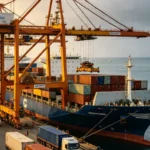
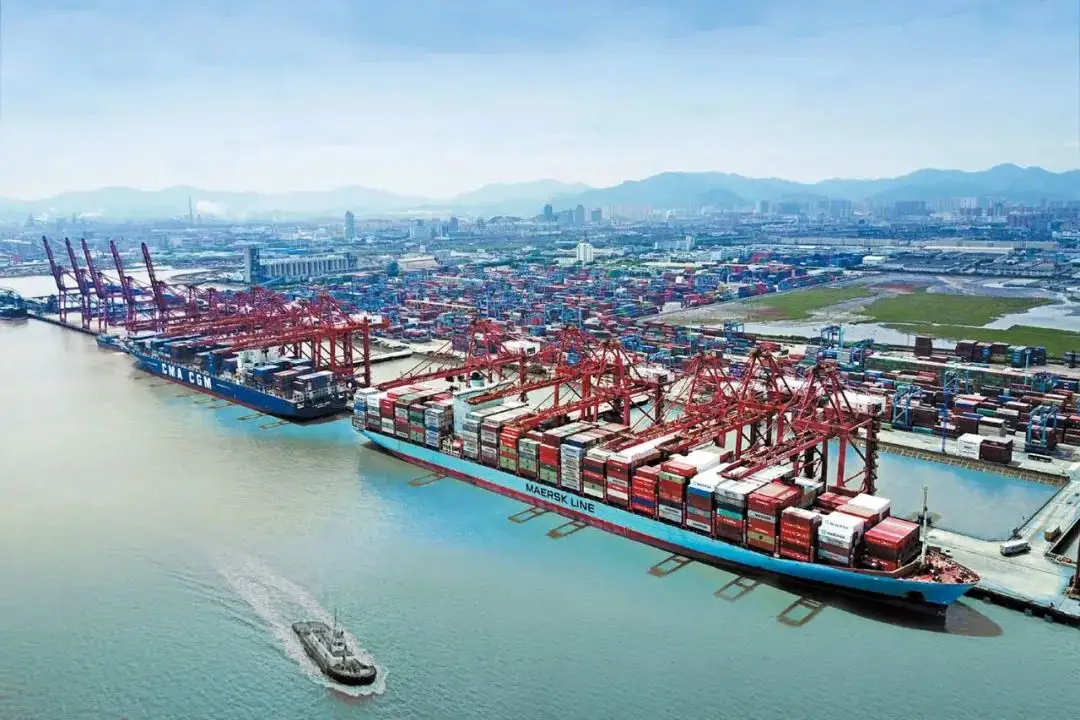
Sea freight is the most widely used method for shipping bulk and heavy electronic equipment between China and Canada. This method is highly economical for large consignments, offering flexible container options and consolidation services.
Key Benefits:
- Cost-effective for large and heavy shipments.
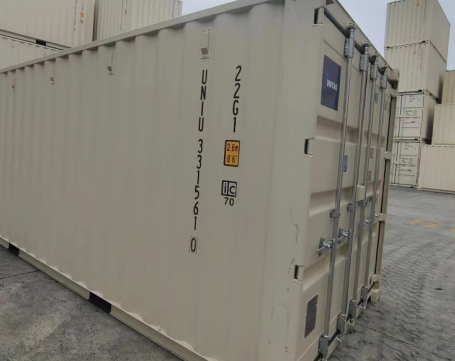
- Wide range of container types, including standard, high-cube, and specialized containers for sensitive or oversized electronics.
- Suitable for both FCL (Full Container Load) and LCL (Less than Container Load) shipments.
Major Canadian Ports:
- Port of Vancouver (the busiest and most popular entry point)
- Port of Montreal
- Port of Prince Rupert
Estimated Transit Times (Port-to-Port):
| Route | Estimated Transit Time (Days) |
|---|---|
| Shanghai – Vancouver | 15–22 |
| Shenzhen – Vancouver | 16–23 |
| Ningbo – Montreal (via Panama) | 25–35 |
| Qingdao – Prince Rupert | 18–25 |
Considerations:
- Sea freight is slower compared to air but more suitable for non-urgent, high-volume shipments.
- Electronics may require humidity and shock protection; ensure proper packaging and consider using desiccants.
For a broader view of maritime logistics, you may also want to explore container shipping from China to Canada, which provides additional insights on costs, timing, and port options.
Shipping Electronic Equipment from China to Canada by Air Freight
Air freight is the preferred choice for high-value, time-sensitive, or smaller shipments of electronic equipment. It offers speed, reliability, and extensive global connectivity.
Key Benefits:
- Fastest transit time, ideal for urgent shipments.
- Higher security and lower risk of damage.
- Preferred for sensitive or high-value electronics.
Major Canadian Airports:
- Toronto Pearson International Airport (YYZ)
- Vancouver International Airport (YVR)
- Montreal-Trudeau International Airport (YUL)
Estimated Transit Times:
| Route | Estimated Transit Time (Days) |
|---|---|
| Shanghai – Toronto | 3–5 |
| Shenzhen – Vancouver | 3–5 |
| Beijing – Montreal | 4–6 |
Considerations:
- Higher cost compared to sea freight.
- Weight and volume restrictions apply. For bulky shipments, air freight is less economical.
- Additional packaging is often required to comply with airline and safety regulations.
When evaluating options, you may benefit from comparing air freight from China to Canada for detailed information regarding rates, transit times, and operational advice.
Container Types and Packing Requirements
Choosing the right container type and packing method is crucial for protecting electronic equipment during transit and complying with both Chinese and Canadian regulations.
Common Container Types:
| Container Type | Capacity (CBM) | Typical Use Case |
|---|---|---|
| 20FT Standard | 28 | Small to medium shipments, partial loads |
| 40FT Standard | 56 | Medium to large shipments, full loads |
| 40FT High Cube (HQ) | 68 | Bulky or oversized electronics, high-volume loads |
| 45FT High Cube (HQ) | 78 | Maximum volume for large or consolidated shipments |
Packing Requirements:
- Use anti-static and shock-absorbing materials.
- Seal electronics in waterproof packaging to prevent moisture damage.
- Clearly label each package with handling instructions.
- If shipping batteries or hazardous components, comply with IMDG (for sea) or IATA (for air) regulations.
- Ensure pallets and wooden materials are ISPM-15 certified for Canadian import.
Door-to-Door vs. Port-to-Port Services
Understanding the logistics service level can help streamline your shipping process and avoid hidden costs.
| Service Type | Description | Pros | Cons |
|---|---|---|---|
| Door-to-Door | Freight forwarder handles pickup from supplier in China and delivery to final address in Canada | Most convenient; minimal handling by shipper | Usually higher cost for full service |
| Port-to-Port | Shipper delivers goods to origin port/airport; recipient collects at destination port/airport | Lower cost; more control for experienced shippers | Requires arranging local transportation |
| Door-to-Port | Pickup at origin, delivery to destination port/airport | Balanced, minimizes origin logistics burden | Receiver arranges final delivery |
| Port-to-Door | Shipper delivers to port in China; forwarder handles to final address in Canada | Eases destination logistics | Requires origin delivery |
For most businesses—especially first-time or small-volume shippers—Door-to-Door services provide peace of mind and reduce logistical complexity. Dantful International Logistics specializes in customized Door-to-Door solutions, including customs clearance, insurance, and last-mile delivery, ensuring your electronic equipment arrives safely and on time. To further understand this service model, see our guide on door to door shipping from China to Canada.
What Factors Affect Shipping Cost from China to Canada
The cost of shipping electronic equipment from China to Canada is influenced by several key factors. A clear understanding of these can help businesses optimize their logistics budget and avoid unexpected expenses.
1. Shipping Method
- Sea Freight is generally less expensive but slower.
- Air Freight offers speed at a premium price.
2. Cargo Volume and Weight
- Freight charges are based on either gross weight or volumetric weight, whichever is greater.
- Larger, heavier shipments benefit from economies of scale.
3. Type of Goods
- Electronic equipment may require special handling, packaging, and insurance, which can add to costs.
- Items classified as dangerous goods (e.g., lithium batteries) may incur surcharges.
4. Container Type and Load
- FCL (Full Container Load) vs. LCL (Less than Container Load): FCL is more cost-effective for large shipments, while LCL allows smaller shippers to share container space.
5. Origin and Destination
- Shipping from major ports/airports (e.g., Shanghai, Shenzhen) is often cheaper due to better connectivity and higher cargo volume.
- Delivery to remote or inland Canadian locations may incur additional transportation charges.
6. Incoterms
- The trade term (e.g., EXW, FOB, CIF, DDP) determines which party is responsible for which costs (origin charges, freight, insurance, customs, delivery).
7. Customs Duties and Taxes
- Canada imposes import duties and GST on certain electronic goods. Check tariff codes and eligibility for trade agreements.
- Customs clearance, inspection, and brokerage fees also contribute to total cost.
8. Insurance
- Insuring valuable electronics is recommended. Premiums vary with shipment value, route risk, and coverage type.
9. Additional Services
- Door-to-Door logistics, warehousing, cargo consolidation, and special packaging may increase costs but add significant value and efficiency.
Example Cost Comparison Table:
| Volume/Weight | Sea Freight (FCL, Shanghai–Vancouver) | Air Freight (Shanghai–Toronto) |
|---|---|---|
| 1 CBM / 200 kg | USD 200–300 | USD 1,500–2,000 |
| 10 CBM / 2,000 kg | USD 1,200–1,500 | USD 9,000–12,000 |
| 28 CBM / 5,000 kg (20FT) | USD 3,200–4,000 | N/A (too bulky for air) |
Note: The above rates are estimates as of Q4 2025 and can vary with season, fuel surcharges, and market fluctuations.
For more details on cost structures, you can also reference the current shipping rates from China to Canada, which offers regular updates and market trends.
READ MORE:
- Shipping From China to the USA
- Shipping From China TO Canada
- Shipping From China TO Mexico
- Shipping From China to Panama
- Shipping From China to Costa Rica
- Shipping From China to Brazil
- Shipping From China TO Colombia
- Shipping From China to Jamaica
- Shipping From China to Venezuela
- Shipping From China to Argentina
How much to ship Electronic Equipment from China to Canada
Shipping electronic equipment from China to Canada involves multiple cost components—each influenced by factors such as shipment size, transportation mode, destination, and service type. As of Q4 2025, the following breakdown provides a comprehensive analysis of the main costs to expect and typical market rates:
Key Cost Components
- Freight Charges: The core shipping cost, determined primarily by weight (air freight) or volume (sea freight).
- Fuel Surcharges: Variable fees linked with global fuel price fluctuations.
- Origin and Destination Charges: Includes handling, terminal, and documentation fees at both ends.
- Customs Duties and Taxes: Canadian import duties and GST/HST, depending on the product HS code.
- Insurance: Strongly recommended for high-value electronics.
- Additional Services: Such as warehousing, consolidation, or door-to-door delivery.
Typical Shipping Cost Estimates
Below is a comparison table for shipping electronic equipment from major ports in China (e.g., Shenzhen, Shanghai, Ningbo) to primary gateways in Canada (e.g., Vancouver, Toronto, Montreal) based on market data (Q4 2025). Rates may fluctuate with market demand, seasons, and global events.
| Mode | Service Type | Typical Shipping Volume/Weight | Estimated Cost (USD) | Transit Time (Days) |
|---|---|---|---|---|
| Sea Freight | FCL 20FT | 28 CBM / ~18-20 tons | $2,600-$3,200 | 20-32 |
| FCL 40HQ | 68 CBM / ~22-25 tons | $4,200-$4,900 | 20-32 | |
| LCL (1-5 CBM) | Per CBM | $190-$320/CBM | 22-35 | |
| Air Freight | Express (100 kg) | 100 kg (Chargeable weight) | $950-$1,500 | 3-7 |
| General Cargo | 500 kg+ | $5-$7/kg | 3-7 | |
| Door-to-Door | (Sea+Trucking) | 1 CBM – Full truck | $350-$520/CBM | 25-40 |
Note:
- Costs exclude Canadian customs duties, taxes, and insurance unless specified in the quote.
- Electronic equipment may attract additional handling, certification, or inspection fees.
- Rates for air freight are subject to rapid change during peak seasons and battery/restricted cargo surcharges.
- For high-value or sensitive shipments, investing in cargo insurance is critical.
For a precise, up-to-date quote tailored to your specific cargo, shipping terms (Incoterms), and destination, consult with a reputable freight forwarder. Dantful International Logistics specializes in cost-effective, transparent solutions for shipping electronics, with a dedicated team to assist in rate negotiation, route planning, and compliance.
Tips to Reduce Shipping Costs
Shipping electronic equipment internationally can be expensive, but with expert planning and the right logistics partner, you can optimize expenses significantly. Here are proven strategies to help minimize your overall shipping costs from China to Canada:
1. Optimize Shipment Size and Mode
- Consolidate Shipments: Combine multiple orders to maximize container space and benefit from bulk rates.
- Choose the Right Container: Use 20FT, 40FT, or 40HQ containers according to your cargo volume. Avoid partly loaded FCL shipments where possible.
- LCL for Small Shipments: For lower volumes, Less-than-Container-Load (LCL) can be more cost-effective. LCL vs FCL Shipping: How to Choose the Right Option for Small Cargo offers a comprehensive comparison to help you select the best option for your needs.
2. Plan Ahead
- Book Early: Early booking helps secure better rates, especially during high-demand seasons or before major holidays in China.
- Avoid Peak Periods: Rates tend to spike before Chinese New Year and during the holiday season.
3. Select the Most Suitable Route and Service
- Compare Port-to-Port vs. Door-to-Door: Door-to-door can sometimes be more economical for complex inland destinations.
- Leverage Multimodal Solutions: Combine sea and rail or sea and air for cost and speed balance.
4. Minimize Volume and Weight
- Optimize Packaging: Use compact, secure packing to reduce both weight and cubic volume. Avoid unnecessary dunnage or oversized cartons.
- Custom Crating: Especially for high-value electronics, proper crating reduces damage risk and can lower insurance premiums.
5. Partner with a Professional Freight Forwarder
- Leverage Expertise: An experienced partner like Dantful International Logistics can negotiate competitive rates, consolidate shipments, and offer value-added services such as cargo insurance and customs brokerage.
- Transparent Quoting: Ensure all potential costs (handling, documentation, surcharges) are clearly outlined to avoid hidden fees.
6. Manage Customs and Compliance
- Accurate Documentation: Proper classification (HS Code), certificates, and invoices reduce the risk of delays and fines.
- Tariff Engineering: Sometimes, minor changes in product specification or HS code can reduce duty rates—consult with your forwarder or customs broker for advice.
7. Monitor and Track Shipment
- Real-Time Tracking: Reduces time spent on follow-ups and allows quick action if issues arise, minimizing potential storage or demurrage costs.
By implementing these tips and collaborating with a trusted logistics partner like Dantful International Logistics, you can ensure your electronic equipment arrives safely, compliantly, and at the best possible cost. Our one-stop solutions—from sea freight and air freight to customs clearance, warehousing, insurance, and door-to-door delivery—are tailored to the unique needs of technology shipments between China and Canada.
Customs Clearance & Documentation
Required Documents for Electronic Equipment Import
When importing Electronic Equipment from China to Canada, proper documentation is crucial for smooth customs clearance and to avoid delays or penalties. The core documents required include:
- Commercial Invoice: Details the transaction between the buyer and seller, including product description, value, and HS codes.
- Packing List: Specifies quantity, packaging type, dimensions, and weight of each item or carton.
- Bill of Lading (B/L): For Sea Freight, this document serves as shipment receipt and title of goods. For Air Freight, the equivalent is the Air Waybill (AWB).
- Certificate of Origin: Indicates where the goods are manufactured, which may affect duty rates and eligibility for trade agreements.
- Import Permits or Licenses: Some types of electronic equipment may require specific import permits or certifications, especially those subject to Canadian safety or environmental standards (e.g., CSA certification, Energy Efficiency Regulations).
- Customs Declaration (B3 Form): Required by the Canada Border Services Agency (CBSA) for all commercial imports.
- Product Compliance Certificates: For certain electronics, documentation proving compliance with Canadian standards, such as Radiocommunication Act for wireless devices, may be required.
- Insurance Certificate (optional but recommended): Proof of cargo insurance coverage.
It’s strongly advised to consult with a professional freight forwarder, such as Dantful International Logistics, to ensure your documentation is complete and accurate, as missing or incorrect paperwork is a common cause of customs delays.
Canada Customs Regulations and Duties
Importing Electronic Equipment into Canada entails strict compliance with CBSA regulations. Below are key considerations:
Tariff Classification & HS Codes
Accurate use of Harmonized System (HS) Codes is essential. For electronics, codes often begin with 85 or 90. Proper classification determines duty rates and admissibility.Applicable Duties & Taxes
- Most Favoured Nation (MFN) Tariffs apply to goods from China.
- Duty rates for electronic equipment typically range from 0% to 8%, depending on the product.
- Goods and Services Tax (GST) of 5% applies to most imports, calculated on the CIF (Cost + Insurance + Freight) value plus any duties.
- Provincial Sales Tax (PST) or Harmonized Sales Tax (HST) may also apply depending on the destination province.
Sample Duty Rate Table for Common Electronic Equipment
| Product Category | Example HS Code | Duty Rate (%) | GST (%) |
|---|---|---|---|
| Laptops/Computers | 8471.30 | 0 | 5 |
| Mobile Phones | 8517.12 | 0 | 5 |
| Televisions | 8528.72 | 5 | 5 |
| Audio Equipment | 8518.22 | 7 | 5 |
| Electronic Parts | 8542.31 | 0 – 8 | 5 |
Note: Rates subject to change. Always verify with CBSA or your freight forwarder.
Restricted and Regulated Goods
Electronic products emitting radio frequencies, lithium batteries, or subject to environmental controls (e.g., RoHS, Energy Efficiency) may have additional import restrictions or require special permits.Labelling and Packaging
All products must meet Canadian labelling requirements (French/English, legal markings, safety warnings). Incorrect or missing labelling can lead to shipment holds or fines.Anti-Dumping and Countervailing Duties
Some categories of electronics from China may be subject to additional duties. It is essential to check current rulings with CBSA.
Working with an experienced logistics provider like Dantful International Logistics ensures compliance and minimizes your risk of costly delays or fines.
Shipping Transit Time from China to Canada
Typical Shipping Timelines from China to Canada
The total transit time to ship Electronic Equipment from China to Canada depends on the chosen shipping method (sea, air, express), origin and destination ports, as well as customs and handling processes. Below is a comparative overview:
| Shipping Method | Major Routes (China – Canada) | Estimated Transit Time (Port to Port) | Typical Use Case |
|---|---|---|---|
| Sea Freight (FCL/LCL) | Shanghai/Shenzhen to Vancouver/Toronto | 18–30 days | Bulk shipments, cost-sensitive, less urgent |
| Express Sea (Fast LCL) | Ningbo to Vancouver | 12–16 days | Smaller, urgent sea cargo |
| Air Freight | Shanghai/Guangzhou/Beijing to Toronto/Vancouver | 3–7 days | High-value/urgent shipments |
| Express Courier (DHL/UPS/FedEx) | Major cities to major cities | 2–5 days | Samples, small parcels |
Note:
- Transit times above exclude local pickup, customs clearance, and final delivery, which may add 3–5 days depending on the efficiency of each step.
- Seasonal fluctuations (peak season, holidays) and unforeseen events (port congestion, weather, pandemics) can impact timelines.
Choosing the right balance between cost and speed is essential. Dantful International Logistics offers tailored solutions to optimize your supply chain and minimize lead times.
For further reference, you can check detailed shipping routes from China to Canada and discover the best connections and transit time considerations for your cargo.
How to Track Your Shipment
End-to-end shipment visibility is crucial for effective supply chain management. Here’s how you can track your Electronic Equipment shipments from China to Canada:
Tracking by Bill of Lading/Air Waybill Number
- Use your Bill of Lading (Sea Freight) or Air Waybill (Air Freight) number to track cargo status via the carrier’s or freight forwarder’s online portal.
Freight Forwarder’s Tracking Platform
- Dantful International Logistics provides clients with a real-time digital dashboard. You can:
- Monitor shipment status (in transit, at port, customs clearance, out for delivery).
- Receive automated updates and alerts.
- Download shipment documents.
- Monitor shipment status (in transit, at port, customs clearance, out for delivery).
- Receive automated updates and alerts.
- Download shipment documents.
- Dantful International Logistics provides clients with a real-time digital dashboard. You can:
Carrier and Port Websites
- Major shipping lines (e.g., Maersk, COSCO, CMA CGM) and airlines offer online tracking tools.
- Canadian ports (such as Port of Vancouver, Port of Montreal) have cargo status lookup features.
Customs Tracking
- Once the shipment arrives in Canada, you can check clearance status through the CBSA portal using your customs declaration number.
Third-Party Logistics (3PL) Integrations
- For large or recurring importers, integrating with ERP or supply chain management software enables automated tracking and reporting.
Pro Tip:
Always ensure your freight forwarder offers transparent, up-to-date tracking tools, and communicates proactively. At Dantful International Logistics, we prioritize shipment visibility, keeping you informed from origin to final delivery—helping you plan inventory, production, and customer commitments with confidence.
Shipping Process from China to Canada
Efficiently shipping electronic equipment from China to Canada demands a systematic approach across each logistics stage. Below is a comprehensive exploration of the essential phases, tailored for all types of businesses and individuals involved in international trade.
Logistics from Supplier to Port
The journey begins at the point of production or storage in China and ends when cargo is handed over at the chosen departure port. This crucial phase includes:
- Inland Transportation: Electronic equipment is typically collected from the supplier’s warehouse or factory by truck or rail. For high-value or fragile cargo, dedicated vehicles or consolidated trucking may be arranged for enhanced safety.
- Warehouse Handling & Consolidation: Before shipping, goods may be consolidated with other shipments or temporarily stored in a bonded warehouse, streamlining customs processes and optimizing costs.
- Export Customs Clearance in China: All shipments must undergo export clearance. Customs brokers ensure all commercial invoices, packing lists, and permits (especially for sensitive electronics) are in order to avoid delays or penalties.
- Port Delivery: Once cleared, cargo is delivered to the port (such as Shanghai, Shenzhen, or Ningbo), ready for loading onto the vessel or aircraft.
Key Tip: Early coordination with a reliable freight forwarder minimizes bottlenecks and ensures compliance with Chinese export regulations.
Packing and Loading Requirements
Electronic equipment is vulnerable to both physical and electrostatic damage. Adhering to robust packing and loading protocols is non-negotiable for loss prevention and regulatory compliance.
- Packaging Materials: Use anti-static bags, foam inserts, and sturdy corrugated cartons. For sea shipments, consider moisture barriers and desiccants to counter humidity.
- Palletization: Place cartons on pallets, shrink-wrapped for easy handling and increased stability during transit.
- Container Selection & Loading: Choose the right type of container:
- 20FT Container: 28CBM capacity, suitable for small or heavy loads.
- 40FT Container: 56CBM capacity.
- 40HQ Container: 68CBM capacity, ideal for lighter, voluminous cargo.
- 45HQ Container: 78CBM capacity, for maximum volume.
- Dangerous Goods Compliance: If shipping lithium batteries or other hazardous components, ensure packaging and documentation follow the latest IMDG or IATA regulations.
Pro Insight: Professional packing is essential not only for cargo safety, but also for satisfying both Chinese and Canadian customs authorities’ requirements.
Cargo Insurance and Risk Management
International shipping exposes cargo to various risks—damage, theft, loss, or delays. Comprehensive cargo insurance offers vital protection for your electronic goods.
- Types of Insurance:
- All-risk Insurance: Recommended for valuable electronics, covers most perils.
- Named-peril Insurance: Covers only listed risks, often less expensive but with narrower protection.
- Premium Calculation: Factors influencing premiums include cargo value, shipping mode (air/sea), route, and packaging quality.
- Claims Process: Maintain detailed packing lists, photos, and proof of value to streamline claims in the event of loss or damage.
| Insurance Type | Coverage Scope | Typical Use Case |
|---|---|---|
| All-risk | Most accidental scenarios | High-value, sensitive electronics |
| Named-peril | Specific listed risks | Lower-value or less risky consignments |
Recommendation: Dantful International Logistics partners with leading insurance providers to tailor coverage for each shipment, ensuring peace of mind for clients.
Shipment Tracking and Transparency
Today’s shippers demand end-to-end visibility throughout the shipping process. Advanced tracking tools provide real-time shipment status, ETA updates, and exception alerts.
- Digital Tracking: Use online portals or mobile apps to monitor container status, vessel or flight location, and key milestones (departure, customs, arrival).
- Proactive Communication: Automated notifications keep all stakeholders informed and allow quick response to disruptions.
- Document Management: Access digital copies of bills of lading, customs documents, and insurance certificates for compliance and efficient dispute resolution.
Did You Know? Dantful International Logistics offers integrated tracking platforms, combining sea, air, and multimodal shipment data for seamless visibility and enhanced customer experience.
Choosing a Reliable Freight Forwarder
Selecting a trustworthy and capable freight forwarder is paramount for a successful shipping experience from China to Canada. Here’s what to consider:
- Comprehensive Service Portfolio: Look for a provider offering all major services: Sea Freight, Air Freight, Rail Freight, Road Freight, Amazon FBA, Warehouse, Customs Clearance, Insurance, Door to Door, OOG Freight, Consolidated Freight, and Breakbulk Freight.
- Market Reputation & Expertise: Choose a forwarder with a proven track record, in-depth knowledge of both Chinese and Canadian logistics landscapes, and hands-on experience with electronic equipment shipping.
- Cost-effectiveness & Transparency: Reliable partners provide clear pricing, detailed quotations, and no hidden fees. They help optimize routes, consolidate shipments, and advise on cost-saving opportunities.
- Customer Support & Technology: Top freight forwarders enable easy communication, offer advanced tracking tools, and provide responsive after-sales support.
- Risk Management: Ensure your forwarder arranges proper cargo insurance and advises on regulatory compliance, especially for sensitive or high-value shipments.
| Freight Forwarder Criteria | Why It Matters |
|---|---|
| Service Range | One-stop solutions reduce complexity |
| Industry Experience | Fewer errors, faster transit, regulatory know-how |
| Transparent Pricing | Prevents budget overruns |
| Technology & Tracking | Real-time visibility, efficient management |
| Insurance & Risk Solutions | Protects your investment |
Why Choose Dantful International Logistics?
As a highly professional, cost-effective, and high-quality international logistics service provider, Dantful offers one-stop solutions for global traders. Our expertise in electronic equipment shipping, robust network in both China and Canada, and dedication to transparency make us the ideal partner for your logistics needs.

Young Chiu is a seasoned logistics expert with over 15 years of experience in international freight forwarding and supply chain management. As CEO of Dantful International Logistics, Young is dedicated to providing valuable insights and practical advice to businesses navigating the complexities of global shipping.