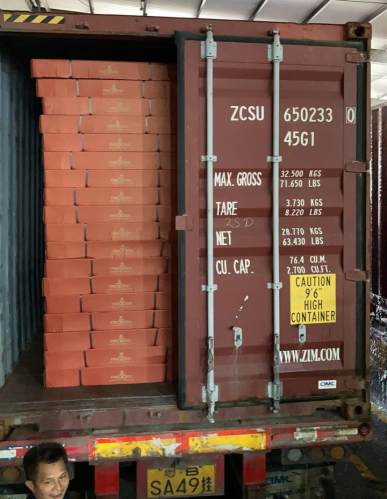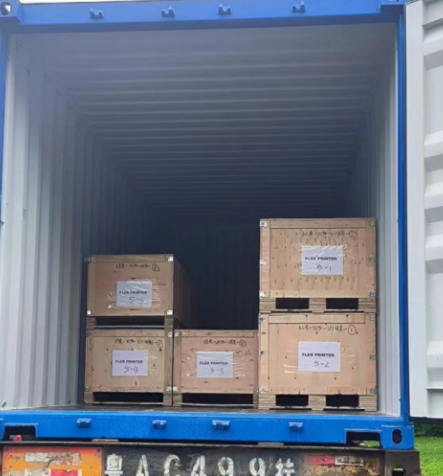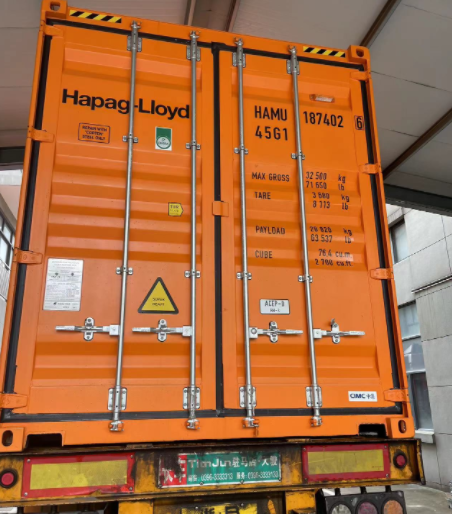
Are you looking to streamline the process of shipping auto parts from China to Uganda but feel overwhelmed by all the logistics, rules, and options? In this comprehensive guide, we’ll explore everything you need to know about sourcing, shipping methods, transit times, and necessary documentation. Whether you’re a business or individual, discover how to efficiently deliver auto parts to Uganda while navigating customs, taxes, and last mile logistics for smooth, hassle-free importing.
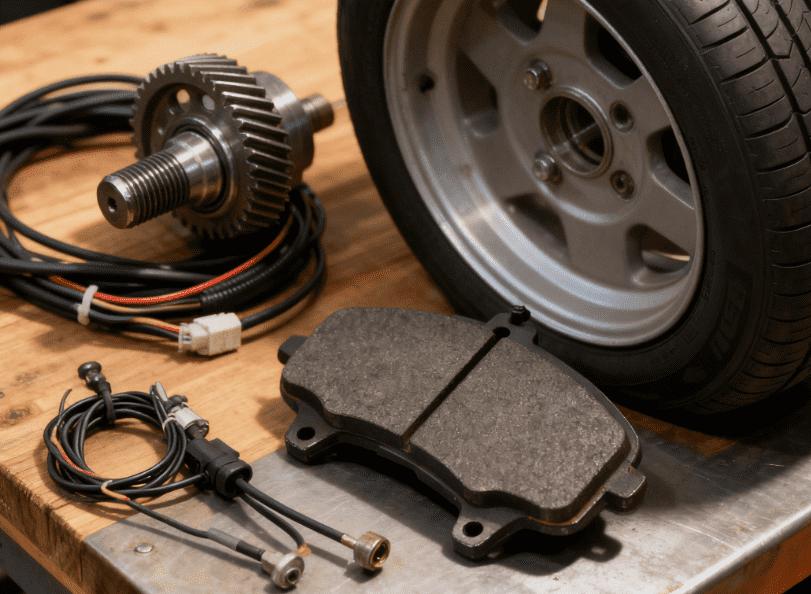
Sourcing Auto Parts in China
How to Find Reliable Suppliers
When importing auto parts from China to Uganda, sourcing from trustworthy suppliers is crucial to ensure product quality and compliance with international standards. Here are key steps and best practices to identify reputable suppliers:
- Leverage B2B Platforms: Use established online platforms such as Alibaba, Made-in-China.com, and Global Sources. These platforms feature verified suppliers and offer buyer protection services.
- Request Business Licenses and Certifications: Ask for the supplier’s business license, quality certifications (such as ISO/TS 16949 for automotive components), and export licenses. Authentic documents indicate compliance and manufacturing capability.
- Factory Audits and On-site Inspections: Conduct audits or hire third-party inspection agencies (e.g., SGS, TÜV, Bureau Veritas) to visit the supplier’s facilities. This ensures the factory’s existence, production scale, and quality control processes.
- Review Trade History: Analyze the supplier’s export history, customer feedback, and transaction records. Long-term export experience to African countries like Uganda can reflect reliability. For more insight into regional logistics, see Shipping from China to Africa.
- Request Samples: Obtain product samples to assess build quality, material, and compatibility. This step helps avoid substandard parts and potential disputes.
- Negotiate Clear Contract Terms: Use clear contracts specifying product standards, delivery timeframes, payment terms, and dispute resolution methods. Incoterms such as FOB, CIF, or EXW should be clearly defined to avoid misunderstandings.
- Consult Logistics Partners: Professional freight forwarders like Dantful International Logistics have extensive supplier networks and can recommend reliable manufacturers, ensuring a seamless sourcing experience.
Key Cities and Markets for Auto Parts
China is home to several automotive manufacturing hubs specializing in different types of auto parts. Understanding these key regions can streamline your sourcing process:
| City/Region | Specialization | Notable Markets/Industrial Zones |
|---|---|---|
| Guangzhou | Auto parts, accessories, and electronics | Guangzhou Yongfu Auto Parts Market, Baiyun Auto Parts City |
| Shanghai | High-end and OEM auto components | Shanghai International Auto Parts Trading Center |
| Wenzhou (Zhejiang) | Electrical parts, switches, mechanical accessories | Wenzhou Auto Parts Market |
| Ruian (Zhejiang) | Braking systems, chassis components | Ruian Auto & Motorcycle Parts Industrial Base |
| Changzhou (Jiangsu) | Engine parts, shock absorbers | Changzhou Auto Parts City |
| Chongqing | Motorcycle parts, truck components | Chongqing Auto Parts Market |
| Yiwu | Small accessories and aftermarket parts | Yiwu International Trade City |
Many suppliers located in these regions have vast experience exporting to Africa, offering competitive prices and support for bulk orders. Collaborating with a local agent or a specialist logistics provider can also simplify supplier verification and negotiations.
Shipping Methods and Transit Times
Sea Freight, Air Freight, Express Courier, and Rail/Truck Options
Selecting the right shipping mode is vital for cost optimization, timely delivery, and cargo safety. Each method has its pros and cons depending on cargo size, urgency, and budget.
| Shipping Method | Description | Suitable For | Key Strengths |
|---|---|---|---|
| Sea Freight | Shipping via container vessels, either FCL (Full Container Load) or LCL (Less than Container Load) | Large, heavy, or bulk shipments | Cost-effective, suitable for voluminous cargo |
| Air Freight | Transport by cargo or passenger aircraft | Urgent or high-value auto parts | Fast transit, better security |
| Express Courier | Door-to-door by companies such as DHL, FedEx, UPS | Small parcels, samples, high-value spares | Fastest, convenient, real-time tracking |
| Rail/Road Freight | Rail from inland China to East Africa, then by truck to Uganda | Balanced cost and time, project cargo | Alternative to sea/air freight, flexible |
For those considering rail as an option, you may find rail freight solutions particularly beneficial for bulk and project cargo.
Container Capacity Reference
| Container Type | Volume (CBM) |
|---|---|
| 20FT | 28 CBM |
| 40FT | 56 CBM |
| 40HQ | 68 CBM |
| 45HQ | 78 CBM |
Typical Transit Times and Cost Comparisons
Shipping from China to Uganda (often via Mombasa or Dar es Salaam ports, then overland to Kampala) is a multimodal process. Here is a comparison of typical transit times and estimated costs (as of Q4 2025, for reference only):
| Shipping Method | Estimated Transit Time (China to Kampala) | Estimated Cost (per CBM)* | Key Notes |
|---|---|---|---|
| Sea Freight | 35–45 days | $100–$200 | Includes sea + road, best for cost savings |
| Air Freight | 5–8 days | $5–$8 per kg | Fast but expensive, ideal for urgent cargo |
| Express Courier | 3–6 days | $8–$15 per kg | Fastest, for small parcels |
| Rail/Road | 20–30 days | $180–$250 | Limited availability, subject to route |
*Please note: Rates fluctuate with market demand, fuel prices, and seasonality. Exact costs depend on shipment size, weight, and service level.
Additional Considerations
- Sea Freight is usually routed to Mombasa (Kenya) or Dar es Salaam (Tanzania), then transported by road or rail to Uganda.
- Air Freight is typically handled via Entebbe International Airport.
- Express Courier provides direct delivery to your address in Uganda, with customs clearance handled by the courier.
- Rail/Road options are evolving, especially with regional investment in logistics corridors.
Recommendation:
For most commercial importers of auto parts, sea freight offers the optimal balance of cost and reliability. For urgent needs, air freight or express is preferable. Working with a professional freight forwarder like Dantful International Logistics ensures your shipment is routed efficiently, with support for customs clearance, last-mile delivery, and risk management.
For more information about regional shipping costs, see How much is shipping from China to Uganda.
How much to Shipping auto parts from China to Uganda
Shipping auto parts from China to Uganda involves several cost components. These include freight charges, customs duties, taxes, local delivery fees, and possible insurance costs. Actual prices depend on factors such as shipment volume, weight, selected shipping method, and the exact origin and destination.
Main Cost Components
| Cost Element | Description |
|---|---|
| Freight Charges | Cost of transporting your goods by sea, air, or express from China to Uganda |
| Customs Duties & VAT | Levied by the Uganda Revenue Authority (URA) based on HS code, value, and auto part type |
| Local Charges | Port handling, documentation, inland haulage, and delivery to final destination (e.g., Kampala) |
| Insurance | Optional, but recommended for high-value or fragile items |
| Additional Fees | Inspection, special handling, warehousing (if required) |
Example Shipping Cost Comparison (as of 2025)
| Shipping Mode | Typical Transit Time | Estimated Cost (20ft Container)* | Estimated Cost (100kg Air Freight)** |
|---|---|---|---|
| Sea Freight (FCL/LCL) | 30-40 days (incl. transit via Mombasa) | $3,200 – $4,500 | N/A |
| Air Freight | 5-8 days | N/A | $8 – $12/kg |
| Express Courier | 3-6 days | N/A | $12 – $18/kg |
*For full container load (FCL) or less-than-container load (LCL) from major ports like Shanghai, Ningbo, or Guangzhou to Mombasa Port, then by road to Kampala.
**Air freight calculated from Guangzhou/Shanghai to Entebbe.
Please note: These are indicative rates for regular shipments as of Q4 2025. Actual rates vary depending on fuel prices, geopolitical factors, and carrier surcharges. For up-to-date, tailored quotes, consult a professional freight forwarder like Dantful International Logistics.
Factors That Influence Shipping Rates
- Volume & Weight: Heavier, larger shipments generally benefit from lower per-unit costs.
- Shipping Routes: Using Mombasa Port (Kenya) is standard, but Dar es Salaam (Tanzania) is also an option.
- Type of Auto Parts: Hazardous, oversized, or high-value items may incur additional fees.
- Seasonality: Peak shipping season (e.g., pre-holiday, Chinese New Year) may increase costs.
READ MORE:
- Shipping From China To Algeria
- Shipping From China To Angola
- Shipping From China To Morocco
- Shipping From China To Nigeria
- Shipping From China To Kenya
- Shipping From China To Tanzania
- Shipping From China To South Africa
Preparing Your Shipment
Packing requirements for auto parts
Proper packing is crucial for ensuring your auto parts arrive safely and comply with both China and Uganda customs standards.
- Protection: Use sturdy, export-grade cartons or wooden crates. Pad items with foam or bubble wrap to prevent damage.
- Labeling: Clearly label each package with consignee details, part numbers, net/gross weight, and handling instructions (e.g., “Fragile”, “Handle with Care”).
- Palletizing: When possible, palletize your cargo for easier handling and to minimize the risk of loss or damage during transshipment.
- Hazardous Materials: If shipping items like batteries, oils, or airbags, pack according to IMO/ICAO regulations and declare them as Dangerous Goods.
- Container Loading: For FCL (Full Container Load), utilize container space efficiently – a 20ft container holds up to 28 CBM, 40ft: 56 CBM, 40HQ: 68 CBM, and 45HQ: 78 CBM.
If you are shipping full containers, you may want to read about FCL autoparts shipping for specific practices and tips.
Common Incoterms (FOB, EXW, CIF) and their impact
Incoterms define the responsibilities and cost-sharing between buyer and seller in international shipping. Choosing the right Incoterm affects your total landed cost and logistics control.
| Incoterm | Seller’s Responsibility | Buyer’s Responsibility | Impact on Shipping Auto Parts |
|---|---|---|---|
| EXW | Goods ready at seller’s premises | Full transport and export formalities | Maximum buyer control, but more complex logistics |
| FOB | Delivery to Chinese port, export clearance | Main transport, import clearance, local delivery | Common, cost-effective for experienced buyers |
| CIF | Delivery to destination port, insurance | Import clearance, local delivery | More predictable costs, less buyer control |
Key Considerations:
- EXW (Ex Works): Buyer must arrange all transportation and export documentation. Suited for buyers with strong logistics partners in China.
- FOB (Free On Board): Seller delivers goods to the port. Buyer controls international freight and destination logistics.
- CIF (Cost, Insurance, and Freight): Seller arranges shipment and insurance to the destination port; buyer handles customs and local delivery in Uganda.
For most importers, FOB or CIF terms strike the right balance between cost control and logistical simplicity. If you are new to importing or wish to reduce risk, partnering with a reliable freight forwarder like Dantful International Logistics can help you navigate Incoterm implications and ensure smooth shipping.
Required Documentation
When shipping auto parts from China to Uganda, accurate and complete documentation is essential to ensure a smooth customs clearance process and avoid delays or additional costs. The following key documents are typically required:
| Document Name | Description | Issuer/Source | Notes |
|---|---|---|---|
| Commercial Invoice | Details the transaction, including buyer/seller info, product description, quantity, price | Supplier/Exporter | Must match shipment and customs declaration |
| Packing List | Lists contents, weights, dimensions, and packaging details | Supplier/Exporter | Essential for cargo handling and customs inspection |
| Bill of Lading (B/L) | Evidence of shipment, contract of carriage | Shipping Line/Freight Forwarder | For sea freight; for air shipments, Air Waybill (AWB) is used |
| Certificate of Origin | Confirms goods were manufactured in China | Chamber of Commerce | May be required for tax or regulatory purposes |
| Import License | Authorization to import certain goods into Uganda | Uganda Revenue Authority (URA) | Often required for automotive parts |
| Insurance Certificate | Proof of insurance coverage for cargo | Insurance Provider | Recommended, especially for high-value shipments |
| Proforma Invoice/Quotation | Initial sales offer, sometimes required for payment and import approval | Supplier/Exporter | Used in advance for opening L/C or import permits |
| Inspection Certificate | Evidence of cargo inspection (if required) | Inspection Agency | For regulated or high-value items |
Pro Tip: Always verify with your freight forwarder and the Uganda Revenue Authority (URA) for the latest documentation requirements, as regulations can change.
Customs Clearance in Uganda
Customs clearance in Uganda is a structured process governed by a set of regulations and digital systems aimed at ensuring the proper assessment of duties, taxes, and compliance with import laws. Below is an in-depth guide to help you navigate this stage effectively.
Uganda Revenue Authority (URA) Regulations
The Uganda Revenue Authority (URA) is the primary government agency responsible for enforcing customs regulations, collecting duties and taxes, and ensuring compliance with import legislation for shipments entering Uganda.
Key regulatory points to consider:
- Pre-Arrival Processing: All imports must be declared electronically through the URA’s online platforms before arrival.
- HS Code Classification: Correct classification of auto parts under the Harmonized System (HS) is essential for proper tax assessment.
- Restricted and Prohibited Goods: Some auto parts may face import restrictions (e.g., used parts, airbags, batteries). Always verify compliance.
- Physical Inspection: The URA may select shipments for inspection to verify documentation and conformity.
- Clearing Agents: Only licensed clearing agents or importers can process customs clearance in Uganda.
Duties, VAT, and Other Taxes
Importers are required to pay various taxes and duties on auto parts shipped from China to Uganda. The actual costs depend on the HS code, CIF (Cost, Insurance, Freight) value, and applicable exemptions.
| Tax/Levy | Typical Rate (2025) | Calculation Basis | Notes |
|---|---|---|---|
| Import Duty | 10% to 25% | CIF Value | Varies by auto part type; check URA schedule |
| VAT | 18% | CIF Value + Import Duty | Standard rate across most imported goods |
| Withholding Tax | 6% | CIF Value + Import Duty + VAT | Often required for business importers |
| Infrastructure Levy | 1.5% | CIF Value | Applied to all imports |
| Excise Duty | Varies (if applicable) | Special goods only | E.g., lubricants, batteries, etc. |
| Processing Fees | Fixed fee (approx. UGX 15,000) | Per consignment | Subject to periodic review by URA |
Additional Tips:
- Ensure all values declared are consistent and supported by commercial documentation.
- Misclassification, undervaluation, or incomplete paperwork can result in penalties or confiscation.
ASYCUDA World System for Customs
ASYCUDA World is the automated customs data management system used by the Uganda Revenue Authority (URA). It streamlines the customs clearance process and enhances transparency.
Key features for importers shipping auto parts from China to Uganda:
- Electronic Declarations: All import entries must be submitted electronically through the ASYCUDA platform.
- Document Uploads: Required documents (commercial invoice, bill of lading, etc.) are uploaded directly for review.
- Status Tracking: Importers and their agents can monitor clearance progress in real-time.
- Risk Assessment: The system assigns green, yellow, or red channels for inspection based on risk profiles.
- Duty Calculation: Automated, based on entered HS codes and declared values.
Steps in ASYCUDA World System:
- Create Declaration: Licensed clearing agent/importer initiates entry online.
- Attach Documents: Upload all required documentation.
- Assessment: System calculates customs duties and taxes automatically.
- Payment: Duties and taxes are paid electronically.
- Inspection (if required): Cargo may be directed for physical inspection.
- Release: Once all checks are completed, cargo is cleared for delivery.
Why Work with an Experienced Freight Forwarder?
Navigating documentation and customs clearance can be complex. Partnering with a reliable logistics provider like Dantful International Logistics ensures:
- Precise and compliant documentation preparation
- Up-to-date regulatory knowledge
- Smooth interaction with URA’s ASYCUDA system
- Cost-effective, end-to-end support for sea, air, rail, and road shipments
This professional approach minimizes risks of delays, penalties, and additional costs—crucial for maintaining your supply chain’s reliability and profitability when shipping auto parts from China to Uganda.
Delivery to Uganda (Last Mile Logistics)
Main Entry Ports (Mombasa, Dar es Salaam) and Inland Transport
When shipping auto parts from China to Uganda, the cargo typically arrives first at major East African seaports—namely Port of Mombasa in Kenya and Port of Dar es Salaam in Tanzania. These ports are the principal gateways for international shipments entering East Africa, especially for landlocked countries like Uganda.
Port of Mombasa is the most frequently used entry point for cargo bound for Uganda, handling the majority of regional containerized traffic. Dar es Salaam is a viable alternative, particularly when shipping lines offer competitive rates or faster schedules. Below is a comparative overview:
| Port | Typical Transit Time (China to Port) | Main Route to Uganda | Approx. Distance to Kampala | Key Considerations |
|---|---|---|---|---|
| Mombasa | 25–35 days (sea freight) | Mombasa–Kampala | ~1,150 km | Most established corridor, many transport providers |
| Dar es Salaam | 30–40 days (sea freight) | Dar–Kampala | ~1,700 km | Alternative in case of congestion or specific shipping line contracts |
After arrival at the port, goods are cleared through customs and then transported overland to Kampala (the capital of Uganda) or other destinations. Inland transport from these ports is conducted via road, rail, or multimodal solutions depending on cost, urgency, and cargo type.
Road and Rail Options to Kampala and Other Cities
Road Freight
Road transport is the dominant option for last-mile delivery from both Mombasa and Dar es Salaam to Uganda. The Northern Corridor (Mombasa–Kampala) is well-developed, featuring paved highways, many logistics hubs, and frequent services by reputable trucking companies.
- Transit Time: 3–5 days from port to Kampala
- Advantages: Flexible scheduling, door-to-door delivery, suitable for FCL/LCL, oversized or urgent shipments
- Challenges: Potential border delays (Malaba/Busia for Kenya; Mutukula for Tanzania), road congestion, seasonal weather impacts
Rail Freight
Rail services have improved in recent years, especially with the rehabilitation of the Uganda Railway and integration with the Kenya Standard Gauge Railway (SGR). While direct rail lines from Mombasa to Kampala are not yet fully operational, multimodal rail-road solutions can reduce costs and improve reliability.
- Transit Time: 5–8 days (including offloading/transshipment)
- Advantages: Cost-effective for bulk shipments, lower risk of cargo damage, environmentally friendly
- Limitations: Less flexible than road, limited direct coverage, requires coordination for last-mile delivery
Comparison Table: Inland Transport Options
| Mode | Estimated Time (Mombasa to Kampala) | Typical Cost (USD/20ft container)* | Best Suited For | Limitations |
|---|---|---|---|---|
| Road | 3–5 days | $2,000–$2,800 | Fast, urgent, door-to-door, LCL/FCL | Traffic delays, border congestion |
| Rail | 5–8 days | $1,800–$2,200 | Bulk, non-urgent, large volumes | Requires final road delivery |
*Costs are indicative as of 2025, subject to fluctuations in fuel prices, border fees, and seasonal demand.
Other Ugandan Cities: For destinations beyond Kampala (e.g., Jinja, Mbarara, Gulu), additional road freight is arranged from the main depot in Kampala, typically taking 1–2 more days depending on distance and infrastructure.
Key Tip: Choose the combination of port and inland transport based on your cargo volume, urgency, and total landed cost. Professional logistics partners can help optimize routing for savings and reliability.
Choosing a Freight Forwarder or Logistics Partner
Selecting the right freight forwarder is critical for ensuring smooth, cost-effective, and compliant shipping of auto parts from China to Uganda. A qualified logistics partner manages not just international shipping, but also customs clearance, inland transport, and documentation, minimizing risks and delays.
If you want to compare routes and rates to neighboring countries, you may also find value in reading about Shipping From China To Kenya as the logistics process is very closely linked.
Key Criteria for Selecting a Logistics Partner
- Experience & Expertise: Prioritize partners with proven experience in handling shipments from China to East Africa, especially for complex products like auto parts which may require specialized documentation and handling.
- Service Range: Prefer providers offering a comprehensive portfolio, including sea freight, air freight, rail and road transport, customs clearance, insurance, and door-to-door solutions.
- Compliance & Network: Ensure your partner has up-to-date knowledge of Uganda Revenue Authority (URA) regulations, ASYCUDA World customs system, and relationships with local transport providers.
- Transparent Pricing: Choose companies offering clear, itemized quotes with no hidden charges—including port handling, customs, and last-mile delivery.
- Communication: A reliable partner should provide real-time tracking, proactive updates, and swift resolution of any issues along the way.
- Value-Added Services: Look for additional options such as cargo insurance, warehousing, consolidation, and OOG/breakbulk capabilities.
Why Choose Dantful International Logistics?
As a seasoned professional in the freight forwarding industry, I strongly recommend considering Dantful International Logistics for your shipments from China to Uganda. We are recognized for:
- Comprehensive Services: Covering Sea Freight, Air Freight, Rail Freight, Road Freight, Amazon FBA, Warehousing, Customs Clearance, Insurance, Door to Door, OOG Freight, Consolidated Freight, and Breakbulk Freight.
- Professionalism & Reliability: Over 15 years of expertise, a global network, and dedicated teams fluent in both Chinese and East African logistics.
- Cost-Effectiveness: Competitive rates, efficient routing, and proactive management ensure your shipments reach their destination on time and within budget.
- Trust & Authority: Endorsed by many international traders and manufacturers, Dantful is committed to providing transparent, high-quality, and fully compliant solutions.
Shipping auto parts from China to Uganda requires careful planning at every stage—from selecting the right entry port, optimizing inland transport, to choosing a reputable logistics partner. By working with an experienced company like Dantful International Logistics, you gain a strategic advantage in cost, efficiency, and compliance, ensuring your business remains competitive and your supply chain robust.

Young Chiu is a seasoned logistics expert with over 15 years of experience in international freight forwarding and supply chain management. As CEO of Dantful International Logistics, Young is dedicated to providing valuable insights and practical advice to businesses navigating the complexities of global shipping.