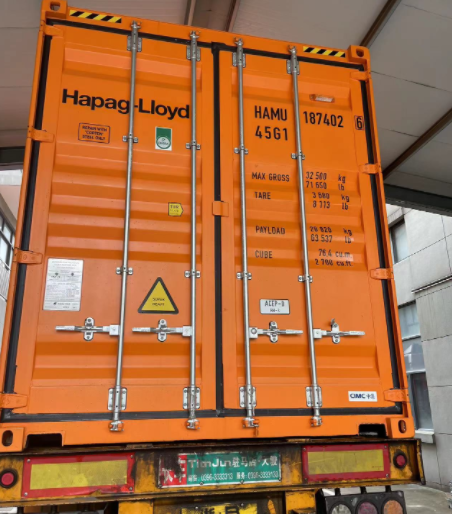
Are you planning to import goods and wondering how to choose the right freight forwarder from China to New Zealand? Navigating international shipping, customs clearance, and finding the best shipping method can be overwhelming. In this comprehensive guide, we’ll break down everything you need to know—from choosing reliable freight forwarding services to understanding shipping costs, paperwork, and compliance—ensuring your shipments from China to New Zealand are smooth and cost-effective.
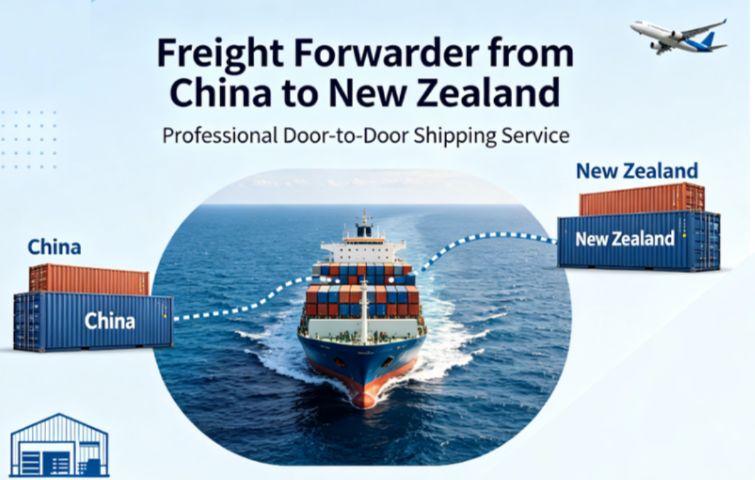
Why Use a Freight Forwarder from China to New Zealand?
Shipping goods internationally from China to New Zealand involves a complex web of logistics, regulations, and documentation. Partnering with a professional freight forwarder is essential for businesses and individuals aiming to ensure a smooth, cost-effective, and reliable shipping experience. Below, I provide a comprehensive breakdown of the advantages and core functions of using an expert like Dantful International Logistics when shipping to New Zealand.
Benefits of Professional Freight Forwarding Services
Choosing a knowledgeable freight forwarder brings several key advantages:
- Expertise in International Shipping Regulations: Professionals stay up-to-date with both Chinese export policies and New Zealand import rules, reducing your risk of compliance issues or costly delays.
- End-to-End Coordination: From negotiating the best carrier rates to arranging local pick-up, warehousing, and last-mile delivery, a freight forwarder manages the entire supply chain process.
- Access to Multiple Transportation Modes: Established forwarders like Dantful offer comprehensive options, including Sea Freight, Air Freight, Rail Freight, Road Freight, Express Courier, Amazon FBA, OOG Freight, and more, ensuring each shipment is matched to the optimal route and mode.
- Customized Solutions: Every shipment has unique requirements. Freight forwarders provide services such as consolidated freight, breakbulk freight, cargo insurance, customs clearance, and door-to-door delivery, tailoring solutions to fit your specific needs.
- Cost Savings: Leveraging large shipping volumes and strong carrier relationships, professional forwarders secure competitive rates and help you avoid hidden charges.
- Risk Management and Insurance: Experienced agents assess risks throughout the shipping process and recommend appropriate insurance coverage, protecting your goods during transit.
- Efficient Problem Resolution: In case of disruptions (delays, damage, customs issues), freight forwarders act swiftly to resolve problems and keep your shipment on schedule.
By trusting a reputable provider such as Dantful International Logistics, you benefit from over 15 years of hands-on industry experience, transparent pricing, and dedicated customer service for your China to New Zealand shipments.
For those seeking optimal cost-efficiency, see our insights on the cheapest shipping company from China to New Zealand and how to maximize value in your logistics operations.
How Freight Forwarders Simplify International Shipping
The international shipping process involves numerous steps, each with its own potential complications. Here’s how a capable freight forwarder streamlines the process for you:
- Cargo Booking and Space Management: Forwarders reserve space on vessels, aircraft, or trucks in advance, ensuring your cargo isn’t delayed by capacity shortages—especially important during peak seasons.
- Documentation Management: Handling documents such as the Bill of Lading, Commercial Invoice, Packing List, and Certificate of Origin is crucial for smooth customs clearance. A freight forwarder ensures all paperwork is accurate and compliant.
- Customs Clearance Expertise: Navigating both Chinese export and New Zealand import customs can be daunting. Professional forwarders manage tariff classifications, duties, taxes, and restricted items, minimizing the risk of clearance delays.
- Cargo Consolidation: For smaller shipments, combining multiple consignments into a single container (LCL, or Less than Container Load) reduces costs and optimizes container space.
- Real-Time Tracking and Updates: Advanced tracking tools let you monitor your shipment throughout its journey, providing transparency and peace of mind.
- Problem-Solving and Communication: Should issues arise, your forwarder acts as your single point of contact, handling everything from rerouting to claims handling.
Working with a reliable partner like Dantful International Logistics ensures your China to New Zealand freight forwarding experience is efficient, transparent, and problem-free.
Popular Shipping Methods from China to New Zealand
Selecting the right shipping method is essential for balancing speed, cost, and cargo requirements. Below are the most common international freight options between China and New Zealand, each with its own strengths:
Sea Freight: FCL vs LCL Options
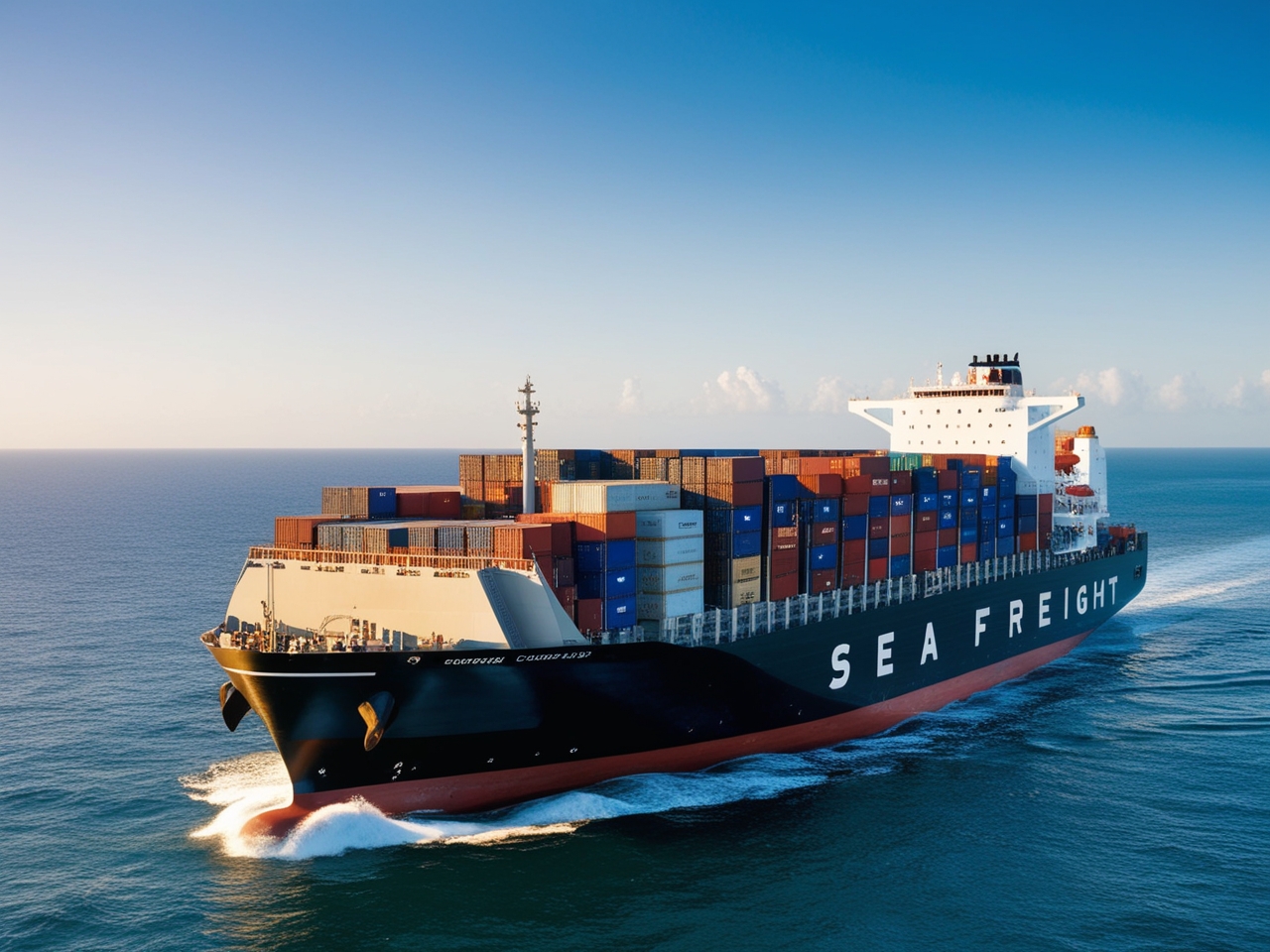
Sea freight is the most economical and widely used mode for shipping large volumes from China to New Zealand. There are two main options:
| Mode | Description | Typical Users | Container Capacity | Transit Time (Days)* | Cost Per CBM (Approx.)* |
|---|---|---|---|---|---|
| FCL (Full Container Load) | Exclusive use of a container for your cargo. Best for shipments filling a 20FT (28CBM), 40FT (56CBM), 40HQ (68CBM), or 45HQ (78CBM) container. | Large importers, manufacturers | 20FT: 28CBM 40FT: 56CBM 40HQ: 68CBM 45HQ: 78CBM | 18–25 | $65–$100 |
| LCL (Less than Container Load) | Your cargo shares container space with other shippers. Pay only for the volume you use. | SMEs, startups, e-commerce sellers | Flexible (charged by CBM) | 22–30 | $110–$165 |
*Transit time and cost vary by port, carrier, season, and cargo type. Costs are for reference (April 2026 data, reflecting post-Chinese New Year stabilization); contact Dantful for tailored quotes.
Key Advantages of Sea Freight:
- Most cost-effective for heavy or bulky shipments.
- Suitable for a wide range of cargo, including general merchandise, machinery, and consumer goods.
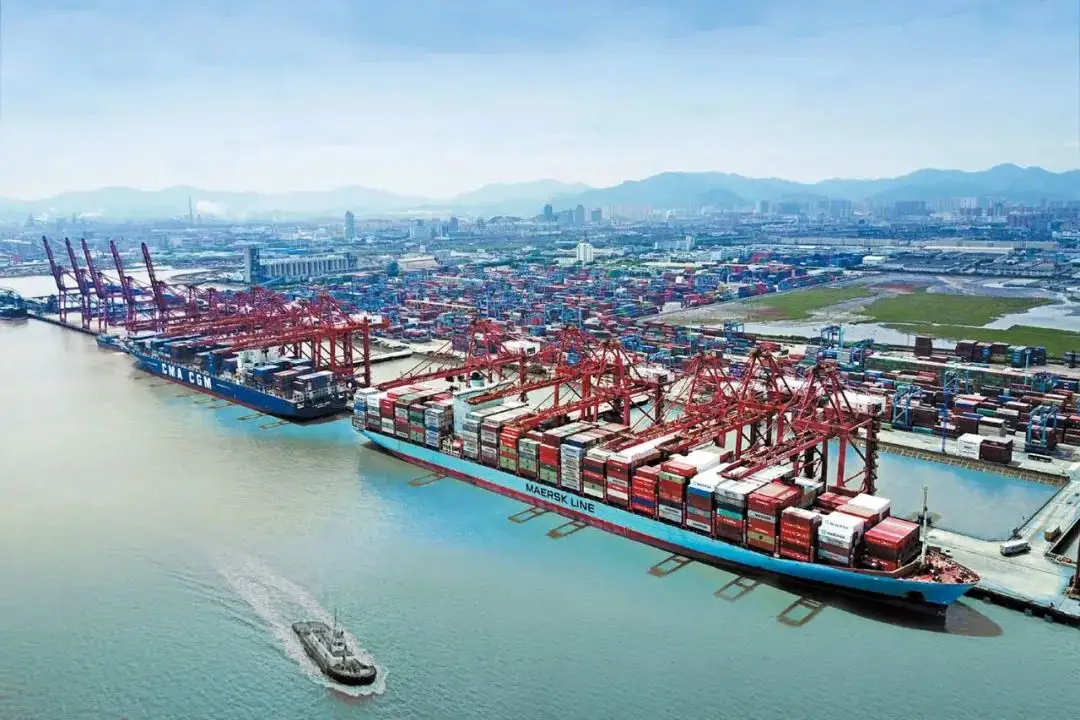
- Regular sailings from major Chinese ports (Shanghai, Shenzhen, Guangzhou, Ningbo) to Auckland, Wellington, and Lyttelton.
Considerations:
- Longer transit times compared to air.
- Potential for delays during peak seasons or due to weather/port congestion.
- Additional time needed for customs clearance and inland delivery in New Zealand.
Learn more about shipping ocean freight in the region with our guide to Sea Freight From China to New Zealand, including port options and transit insights.
Air Freight: Fast Shipping Solutions
Air freight is the preferred choice for high-value, time-sensitive, or perishable goods. While more expensive than ocean shipping, it offers remarkable speed and reliability.
| Mode | Description | Typical Users | Weight Range | Transit Time (Days)* | Cost per KG (Approx.)* |
|---|---|---|---|---|---|
| Standard Air Freight | Space booked on scheduled commercial or cargo flights. | Electronics, apparel, urgent parts | 45kg+ | 3–7 | $5.0–$9.5 |
| Express Air Freight | Priority service with faster handling and delivery. | Critical samples, e-commerce | 1kg+ | 1–3 | $8–$16 |
*Rates and transit times vary based on origin/destination airports, airline, and cargo type.
Major Airport Connections:
- China: Shanghai (PVG), Guangzhou (CAN), Shenzhen (SZX), Beijing (PEK)
- New Zealand: Auckland (AKL), Wellington (WLG), Christchurch (CHC)
Benefits of Air Freight:
- Fastest international shipping option.
- Lower risk of damage or theft.
- Reliable schedules and frequent departures.
- Ideal for products with high inventory turnover, urgent orders, or supply chain disruptions.
Considerations:
- Higher cost per unit compared to ocean freight.
- Weight and volume limitations apply.
- Certain hazardous or bulky items may not be eligible for air transport.
If you’re considering air cargo, discover specific strategies and pricing in air freight from china to nz.
Express Courier Services: When Speed Matters
For small parcels, documents, or urgent shipments, international express couriers (such as DHL, FedEx, UPS, TNT) provide door-to-door services between China and New Zealand.
| Courier Service | Delivery Scope | Typical Transit Time | Suitable For | Weight Limit | Sample Cost (0.5kg–2kg)* |
|---|---|---|---|---|---|
| Express Courier | Door-to-door worldwide | 2–5 days | Documents, samples, e-commerce | 0.5–30kg+ | $28–$65 |
*Costs are indicative and depend on route, weight, and service level.
Advantages:
- Seamless end-to-end delivery, including customs clearance.
- Online tracking from pick-up to delivery.
- Value-added services like insurance, pickup scheduling, and return solutions.
- Simplified documentation needs.
Considerations:
- Significantly higher per-kilogram cost.
- Not suitable for large or heavy shipments.
- Size and value restrictions may apply.
Summary Table: Shipping Options from China to New Zealand
| Mode | Speed | Cost | Best For | Typical Transit Time |
|---|---|---|---|---|
| Sea Freight (FCL) | Slow | Lowest | Bulk cargo, full containers | 18–25 days |
| Sea Freight (LCL) | Slow | Low | Small-to-medium shipments | 22–30 days |
| Air Freight | Fast | High | Urgent, high-value, perishable | 3–7 days |
| Express Courier | Fastest | Highest | Samples, documents, e-commerce | 2–5 days |
Recommendation: For most businesses, working with an experienced freight forwarder like Dantful International Logistics ensures you receive the best guidance on selecting the optimal shipping method, balancing cost, speed, and reliability according to your unique needs. Our team is equipped to handle a diverse range of cargo, provide real-time tracking, manage compliance, and deliver transparent quotations for all major routes from China to New Zealand.
Step-by-Step Guide: Shipping Process from China to New Zealand
Key Stages in the Freight Forwarding Process
Shipping goods from China to New Zealand involves a systematic, multi-stage process. Understanding each stage is crucial for importers, exporters, and logistics professionals to ensure smooth deliveries, cost control, and compliance. Below is a breakdown of the essential steps in the freight forwarding process:
Shipment Inquiry & Quotation
- The process begins when you request a freight quote from your freight forwarder. Key details required include origin (factory or supplier in China), destination in New Zealand, cargo type, weight, volume, and preferred shipping method (Sea Freight, Air Freight, Express, etc.).
- Leading freight forwarders, such as Dantful International Logistics, offer instant online quotes and expert route planning.
Cargo Booking & Space Reservation
- Once the shipping plan is confirmed, the forwarder books space with the carrier (airline, shipping line, or courier). Early booking ensures favorable rates and space availability, especially during peak seasons.
Cargo Pickup & Consolidation
- Goods are picked up from the supplier’s warehouse or factory. For LCL (Less than Container Load) shipments, cargo is consolidated with other shipments at a warehouse. FCL (Full Container Load) cargo is loaded directly into dedicated containers.
- Dantful provides pick-up, consolidation, packaging, and warehousing across major Chinese cities.
Export Customs Clearance in China
- The forwarder manages export customs declaration. This requires submission of documents such as the commercial invoice, packing list, and export license (if applicable).
- Professional clearance helps avoid delays at the port of exit.
International Transportation
Cargo is shipped via the chosen method:
- Sea Freight: Suitable for bulk or heavy shipments. Options include FCL (20FT, 40FT, 40HQ, 45HQ) and LCL.
- Air Freight: Ideal for urgent or high-value goods.
- Express Courier: Fastest, but highest cost.
- Sea Freight: Suitable for bulk or heavy shipments. Options include FCL (20FT, 40FT, 40HQ, 45HQ) and LCL.
- Air Freight: Ideal for urgent or high-value goods.
- Express Courier: Fastest, but highest cost.
During transit, shipments are tracked via digital systems.
Import Customs Clearance in New Zealand
- Upon arrival at a New Zealand port or airport, customs clearance is required. The forwarder coordinates document submission, payment of duties/taxes, and compliance checks.
Local Delivery
- After clearance, the cargo is delivered to the consignee’s address, warehouse, or Amazon FBA center if specified.
Typical Shipping Timeline Overview
| Shipping Stage | Sea Freight (FCL/LCL) | Air Freight | Express Courier |
|---|---|---|---|
| Booking & Documentation | 1-3 days | 1-2 days | 0.5-1 day |
| Pickup & Consolidation | 1-3 days | 1 day | 0.5-1 day |
| Export Customs in China | 1-2 days | 0.5-1 day | Same day |
| International Transit | 13-25 days (FCL/LCL) | 2-5 days | 1-3 days |
| Import Customs in New Zealand | 1-3 days | 1-2 days | 1 day |
| Final Delivery | 1-3 days | 1-2 days | 0.5-1 day |
| Total Estimated Time | 18-39 days | 6-13 days | 3-7 days |
*All timelines are estimates and may vary based on carrier schedules, customs procedures, and peak seasons.
Required Shipping Documents and Customs Procedures
Proper documentation is vital to ensure smooth customs clearance in both China and New Zealand. Missing or inaccurate paperwork can result in costly delays and penalties.
Essential Shipping Documents
Commercial Invoice
- Details the transaction between buyer and seller, including value, quantity, and description of goods.
Packing List
- Lists the contents of each package or container.
Bill of Lading (B/L) / Air Waybill (AWB)
- For Sea Freight: Bill of Lading is the contract of carriage and proof of ownership.
- For Air Freight: Air Waybill serves a similar function.
Export Declaration (in China)
- Required for all shipments leaving China; handled by your freight forwarder.
Import Declaration (in New Zealand)
- Includes details for customs entry and tariff classification.
Certificate of Origin (if requested)
- Certifies the country where goods were manufactured.
Other Certificates
- Such as fumigation certificate, phytosanitary certificate (for certain products), or insurance documents.
New Zealand Customs Procedures & Strict Biosecurity
Tariffs & Taxes: Duties and GST (Goods and Services Tax) apply to imported goods. GST is 15% and is calculated based on the Customs Value (FOB) + Freight + Insurance.
MPI Biosecurity Requirements (Critical): New Zealand’s Ministry for Primary Industries (MPI) enforces some of the strictest biosecurity laws globally.
- Dantful Insight: In our daily operations, we see that a significant portion of preventable delays at Auckland and Tauranga ports are due to untreated wood packaging. All wooden pallets or crates from China MUST be treated and stamped according to ISPM 15 standards (fumigation or heat treatment).
- BMSB Season: From September to April, high-risk goods must undergo Brown Marmorated Stink Bug (BMSB) treatment before arriving in New Zealand. Failure to comply can result in the entire container being returned or destroyed at your expense.
Compliance Checks: All documents must be accurate and complete. Discrepancies can trigger customs holds, mandatory X-ray inspections, or fines.
Common Restricted/Prohibited Items
| Category | Examples | Requirement |
|---|---|---|
| Food & Beverages | Dairy, meat, fresh produce | Permits/inspection needed |
| Plant & Animal Products | Seeds, wood, animal feed | Biosecurity clearance |
| Hazardous Materials | Chemicals, batteries, flammable goods | Special permits, packaging rules |
| Counterfeit Goods | Fake branded items | Prohibited |
Always consult with your freight forwarder for the latest customs policies and regulatory updates.
How to Choose the Best Freight Forwarder for China to New Zealand Shipments
Selecting a reliable and experienced freight forwarder is crucial for successful international shipping. Consider the following factors when evaluating potential logistics partners:
1. Expertise in China–New Zealand Trade Lane
- Choose a forwarder with proven experience handling shipments between China and New Zealand. They should be familiar with both countries’ regulations, major ports (e.g., Shanghai, Shenzhen, Ningbo to Auckland, Wellington, Lyttelton), and local logistics networks.
2. Tailored Solutions for the China-NZ Route (Beyond Basic Freight)
A generic forwarder simply books space on a ship. A top-tier logistics partner acts as an extension of your business, offering a “one-stop solution” specifically optimized for the New Zealand market.
At Dantful International Logistics, our competitive edge on the NZ route includes:
- Direct Carrier Contracts: We hold long-term agreements with premium shipping lines (like COSCO, OOCL, and MSC) and major airlines. This means we secure container space and stable rates for you, even during the chaotic pre-Christmas or pre-CNY peak seasons.
- Free Consolidation & Warehousing in China: Buying from multiple suppliers on Alibaba or 1688? We offer up to 30 days of free warehousing in Shenzhen, Guangzhou, or Yiwu to consolidate your LCL goods into a single shipment, drastically reducing your per-unit shipping cost.
- In-House NZ Customs & Biosecurity Experts: We don’t just hand off your cargo. Our dedicated clearance team pre-checks your commercial invoices, ensures your wood packaging meets ISPM-15 standards, and manages BMSB compliance to guarantee zero delays at Auckland or Lyttelton ports.
- True Door-to-Door (DDP/DDU) Delivery: From picking up at the factory floor in China to final delivery at your NZ warehouse, retail store, or even Amazon FBA, we handle the entire supply chain—including paying NZ GST and Customs Entry Fees on your behalf if requested.
- Specialized Cargo Handling: Whether it’s OOG (Out of Gauge) heavy machinery for NZ’s construction sector, or sensitive battery/dangerous goods, our specialized divisions have the technical know-how to route it safely.
3. Transparent Pricing & Cost Control
- Request detailed quotes that break down all costs: freight, surcharges, customs fees, local charges, etc.
- Look for forwarders offering rate comparison tables and cost optimization advice.
4. Customs Compliance & Documentation Support
- Ensure your provider has an in-depth understanding of customs processes in both China and New Zealand, and can handle all documentation, declarations, and regulatory requirements.
5. Cargo Tracking & Digital Tools
- Opt for forwarders offering real-time tracking, digital document management, and proactive updates throughout the shipping journey.
6. Customer Service & Local Support
- A dedicated account manager, responsive customer support, and local teams in both countries improve communication and problem-solving.
7. Reputation, Certifications & References
- Check for industry certifications (e.g., FIATA, NVOCC, IATA), positive client testimonials, and solid track records.
Freight Forwarder Comparison Table
| Feature | Dantful International Logistics | Typical Local Forwarder | Shipping Line Direct |
|---|---|---|---|
| Full Service Coverage | ✔️ | Limited (varies) | Sea Freight Only |
| Customs Expertise | ✔️ | Often basic | No |
| Door-to-Door Option | ✔️ | Sometimes | No |
| Online Tracking | ✔️ | Sometimes | Sometimes |
| Rate Transparency | ✔️ | Varies | Basic |
| Warehousing & FBA | ✔️ | Limited | No |
| Consolidation & OOG Handling | ✔️ | Rare | No |
| English/Chinese Support | ✔️ | Sometimes | Sometimes |
In summary: A reputable freight forwarder like Dantful International Logistics will not only manage each phase of your shipment with professionalism and transparency but also help you avoid costly mistakes and delays. With deep local expertise, advanced digital systems, and a full suite of logistics services, Dantful is committed to making your China to New Zealand freight experience smooth, reliable, and cost-effective.
If you are also interested in neighboring routes, check out shipping details for Shipping From China to Australia to compare regional logistics strategies.
If you are looking for a trusted, experienced, and highly professional freight forwarder for China to New Zealand shipments, Dantful International Logistics is your ideal partner.
Shipping Costs and Rate Factors
What Affects Freight Rates from China to New Zealand?
When importing from China to New Zealand, understanding the factors that impact your freight rates is essential for effective cost control and supply chain planning. Rates can fluctuate due to a combination of market dynamics, cargo specifics, and service requirements. Below are the primary elements that influence freight costs:
1. Shipping Method:
- Sea Freight (FCL/LCL): Generally the most cost-effective option for bulk cargo. FCL (Full Container Load) rates are charged per container, while LCL (Less than Container Load) is priced per CBM (cubic meter).
- Air Freight: Faster but significantly more expensive; suitable for urgent or high-value shipments.
- Express Courier Services: The quickest but typically the most costly, ideal for small parcels.
2. Cargo Volume and Weight:
Volume (CBM) and weight (kg) determine whether the chargeable weight is based on gross weight or volumetric weight, especially for air freight and LCL shipments.
Full containers (20FT, 40FT, 40HQ) have standard capacity limits:
Container Type Capacity (CBM) Typical Max Gross Weight (tons) 20FT 28 22 40FT 56 22 40HQ 68 22 45HQ 78 29
3. Origin and Destination Ports:
- Popular origin ports in China include Shanghai, Shenzhen, Ningbo, Qingdao, and Guangzhou.
- Main destination ports in New Zealand: Auckland, Wellington, Lyttelton (Christchurch), and Tauranga.
- Port charges and inland transportation costs vary by location.
4. Seasonality and Market Demand:
- Peak periods (such as pre-holiday seasons) and global events can cause rate surges due to limited capacity.
- Off-peak times typically offer more competitive pricing.
5. Type of Goods and Special Handling:
- Hazardous, oversized, or temperature-controlled cargo will incur surcharges.
- Special documentation or packaging needs may add to the final cost.
6. Additional Services:
- Customs Clearance, Insurance, Warehousing, Door-to-Door Delivery, and other value-added services will affect the total shipping bill.
7. Fuel Surcharges and Security Fees:
- Fluctuations in fuel prices are often passed on as BAF (Bunker Adjustment Factor) or other surcharges.
8. Compliance and Documentation:
- Errors or omissions in paperwork can result in fines, delays, or additional fees.
Understanding Your Total Landed Cost in New Zealand
Many first-time importers only look at the base sea or air freight rate. To accurately calculate your profit margins, you must account for the Total Landed Cost, which includes:
Origin Charges (China): Factory to port transport, export customs, and terminal handling charges (THC). Tip: Buying on FOB (Free on Board) terms means your supplier covers these, while EXW (Ex Works) means you pay them.
International Freight: The core sea or air shipping fee.
New Zealand Destination Charges: Port Service Charges (PSC), container devanning (for LCL), and local delivery to your warehouse.
Government Fees:
- GST (15%): Applied to the CIF value (Cost + Insurance + Freight).
- Customs Import Entry Transaction Fee (IETF) and MPI Biosecurity System Entry Levy.
Dantful Insight: We always provide our clients with a transparent, itemized quote so there are no surprise destination charges when your cargo arrives in Lyttelton or Wellington.
Sample Sea Freight Rate Reference (as of April 2026)
Analyst Note: Following the post-Chinese New Year stabilization and recent adjustments in carrier capacity, we have observed a slight increase in average rates. The figures below reflect the current market conditions.
| Route | 20FT FCL (USD) | 40FT FCL (USD) | LCL (USD/CBM) | Transit Time (Days) |
|---|---|---|---|---|
| Shanghai – Auckland | $1,350–$1,650 | $2,250–$2,650 | $80–$100 | 18–25 |
| Shenzhen – Wellington | $1,400–$1,750 | $2,350–$2,750 | $85–$105 | 20–27 |
| Ningbo – Tauranga | $1,450–$1,850 | $2,450–$2,850 | $90–$115 | 19–26 |
Rates are indicative; actual prices fluctuate based on market conditions and service specifics. For a tailored quote, consult Dantful International Logistics for real-time market rates and professional advice.
For a detailed breakdown of current shipping rates, see shipping rates from china to New Zealand to benchmark your logistics budget.
Tips for Getting the Best Shipping Quotes
Securing the most competitive rates for your freight forwarder from China to New Zealand requires a blend of preparation, negotiation, and leveraging the right partnerships. Consider the following strategies:
1. Provide Accurate Shipment Details:
- Share clear information on cargo dimensions, weight, commodity type, value, and Incoterms. Accurate data prevents surprises and ensures precise quotes.
2. Plan Ahead and Book Early:
- Booking in advance, especially during peak seasons, yields better rates and ensures space availability.
3. Compare Different Shipping Modes:
- Assess cost vs. speed trade-offs between sea freight (FCL/LCL), air freight, and express courier.
- For time-sensitive shipments, consider air freight; for non-urgent cargo, sea freight is best.
4. Consolidate Shipments:
- Combining multiple LCL shipments into a single FCL can lower per-unit shipping costs.
- Dantful International Logistics specializes in consolidated freight and OOG freight solutions to maximize savings.
5. Request All-Inclusive Pricing:
- Ask for a detailed quotation covering origin/destination charges, customs clearance, and value-added services. Avoid hidden fees.
6. Build Relationships with Freight Forwarders:
- Regular shippers may access volume discounts or preferential rates with trusted partners like Dantful International Logistics.
- Our one-stop service covers all aspects: sea, air, rail, road, warehousing, FBA, insurance, and customs clearance.
7. Review Contract Terms Carefully:
- Understand cancellation policies, free time at ports, and demurrage/detention fees.
8. Leverage Technology:
- Use online platforms to track quotes and monitor market trends.
For customized solutions and transparent, competitive rates, consult with Dantful International Logistics. As a highly professional and cost-effective freight forwarder, we tailor logistics strategies to fit your business needs.
Customs Clearance and Compliance for New Zealand Imports
Import Regulations and Restricted Items
New Zealand maintains strict quarantine and customs regulations to protect its unique ecosystem and economy. Importers must comply with the New Zealand Customs Service and the Ministry for Primary Industries (MPI) requirements. Key points include:
1. Prohibited and Restricted Items:
Commonly restricted goods:
- Live animals and plants
- Foodstuffs, seeds, and agricultural products
- Medicines, chemicals, radioactive materials
- Firearms and weapons
- Counterfeit goods and pirated materials
- Used vehicles and machinery without appropriate cleaning certificates
For a full list, always consult the official New Zealand Customs website or work with an experienced freight forwarder.
2. Documentation Requirements:
Typical documents for customs clearance:
- Bill of Lading (for sea freight) or Air Waybill
- Commercial Invoice
- Packing List
- Import Entry/Customs Declaration
- Certificates (e.g., phytosanitary, fumigation, or cleaning certificates for regulated items)
- Certificates of Origin, if preferential tariffs are claimed
3. Biosecurity Inspection:
- MPI may inspect shipments for biosecurity risks. Goods may be subject to treatment, cleaning, or even destruction if non-compliant.
4. Duties and Taxes:
- Goods & Services Tax (GST) is typically 15% of the value, including cost, insurance, and freight (CIF).
- Import duties vary by product code (HS code) and trade agreements.
Avoiding Common Customs Issues
To ensure smooth customs clearance and minimize risks of delays or penalties, keep the following best practices in mind:
1. Work with Experienced Freight Forwarders:
- Partnering with experts like Dantful International Logistics greatly reduces compliance risks. Our team stays current with the latest New Zealand regulations.
2. Ensure Complete and Accurate Documentation:
- Double-check that all shipping and compliance documents are correct and consistent. Discrepancies between the commercial invoice and bill of lading can cause delays.
3. Understand Product-Specific Rules:
- Some goods require permits, special declarations, or pre-arrival notifications. Always verify requirements for your commodity.
4. Prepare for Biosecurity Controls:
- If shipping used machinery, wood packaging, or agricultural products, ensure all necessary certificates and treatments are in place.
5. Declare Goods Honestly:
- Under-declaring value or misclassifying goods is illegal and can result in fines, seizure, or blacklisting.
6. Monitor Regulatory Updates:
- New Zealand regularly updates its import policies. Stay informed or partner with a proactive forwarder who alerts you to changes.
7. Leverage Customs Clearance Services:
- Dantful International Logistics offers full-service customs clearance and compliance support, helping you avoid mistakes and expedite your cargo through New Zealand’s ports.
Transit Times and Tracking Your Shipment
Typical Shipping Times for Different Modes
When shipping from China to New Zealand, transit times vary significantly depending on your chosen shipping method. Here’s an overview of the typical shipping times for the most common freight forwarding options:
| Shipping Mode | Route/Typical Destination | Estimated Transit Time |
|---|---|---|
| Sea Freight (FCL) | Major Ports: Shanghai, Shenzhen, Ningbo to Auckland, Tauranga, Lyttelton | 18 – 28 days |
| Sea Freight (LCL) | Same as above | 22 – 32 days |
| Air Freight | Major Airports: Shanghai (PVG), Guangzhou (CAN), Beijing (PEK) to Auckland (AKL), Wellington (WLG), Christchurch (CHC) | 3 – 7 days |
| Express Courier | Door-to-door via DHL, FedEx, UPS, TNT | 2 – 5 days |
Notes:
- Sea Freight (FCL) is generally faster than LCL due to less handling and consolidation time.
- Air Freight is the fastest commercial option, ideal for urgent or valuable shipments.
- Express Courier Services provide unmatched speed and door-to-door convenience, but at a higher cost.
Transit times may be affected by factors such as port congestion, weather conditions, customs clearance, and holiday seasons. It’s essential to plan ahead and consult with your freight forwarder from China to New Zealand for the most accurate and up-to-date information.
For further guidance on delivery timelines, review our full analysis on how long is freight from china to New Zealand for mode-specific details and planning tips.
How to Track Your Cargo from China to New Zealand
Modern logistics relies heavily on transparency. At Dantful International Logistics, we provide robust tracking solutions so you always know your cargo’s status.
Sea Freight Tracking:
- You can track your container using the Bill of Lading Number or Container Number on shipping line websites or via your freight forwarder’s portal.
- Real-time updates typically include vessel departure, arrival at transshipment ports, and estimated arrival at the New Zealand port.
Air Freight Tracking:
- Use the Air Waybill (AWB) Number to monitor your shipment on airline or third-party tracking platforms.
- Updates show flight details, customs clearance, and local delivery processes.
Express Courier Tracking:
- Track using the courier’s tracking number directly on the service provider’s website (DHL, FedEx, UPS, etc.).
- Provides detailed, step-by-step visibility from pickup in China to delivery in New Zealand.
Value-added Services from Dantful:
- Integrated tracking dashboard for all shipments.
- Proactive notifications for key milestones (departure, customs clearance, arrival).
- Dedicated customer support for urgent queries or exception handling.
Pro tip: Always ensure your freight forwarder provides transparent, real-time tracking and clear communication throughout the shipping process. This helps you plan inventory, manage supply chain risks, and provide accurate updates to your customers.
Tips to Save Money and Avoid Delays When Shipping to New Zealand
Cost-Effective Shipping Strategies
Shipping costs can account for a significant portion of your landed cost. Here are proven strategies to optimize your budget when importing from China to New Zealand:
Choose the Right Shipping Mode:
- FCL (Full Container Load) is usually more cost-effective for shipments exceeding 15–20 CBM.
- LCL (Less than Container Load) is suitable for smaller shipments, but be aware of higher per-unit costs.
- Consolidation services can help combine multiple LCL shipments into one FCL, reducing overall expense.
Optimize Your Incoterms (FOB vs. EXW):
- For most SME importers in New Zealand, buying on FOB (Free on Board) terms is highly recommended. It places the responsibility of Chinese local transport and export clearance on your supplier, simplifying your logistics and often lowering origin costs.
Plan Ahead to Avoid Peak Seasons:
- Shipping rates rise during Chinese New Year, Golden Week, and pre-Christmas periods. Book in advance to secure space and avoid surcharges.
Optimize Packaging:
- Efficient packaging maximizes container utilization (28CBM for 20FT, 56CBM for 40FT, 68CBM for 40HQ, 78CBM for 45HQ), reducing per-unit shipping costs.
Leverage Door-to-Door Solutions:
- Integrated services often provide better rates and minimize potential handover delays.
Negotiate with Your Freight Forwarder:
- Partner with an experienced provider like Dantful International Logistics for transparent quotes, flexible routing options, and competitive rates.
Bundle Insurance and Value-Added Services:
- Comprehensive insurance and proactive customs handling can prevent unexpected costs from damage or delays.
Common Mistakes and How to Prevent Them
Avoiding mistakes is as important as finding the best shipping rates. Here are some frequent pitfalls and tips on sidestepping them:
| Mistake | Prevention Tip |
|---|---|
| Choosing the wrong shipping mode | Analyze your cargo size, weight, urgency, and budget. Consult your freight forwarder for tailored recommendations. |
| Incomplete or incorrect shipping documents | Double-check all paperwork, including commercial invoices, packing lists, and certificates. Use checklists provided by your logistics partner. |
| Underestimating customs requirements in New Zealand | Stay updated with New Zealand import regulations, restricted items, and duties. Leverage your forwarder’s expertise. |
| Not purchasing insurance | Always secure adequate cargo insurance to protect against loss, damage, or delays. |
| Ignoring packaging standards | Ensure cargo is packed according to international standards and New Zealand biosecurity requirements. |
| Lack of shipment tracking | Use freight forwarders with robust, real-time tracking and proactive communication. |
| Booking last-minute during peak seasons | Plan and book early, especially during high-demand periods, to secure space and better prices. |
FAQs
Q1: What are the main ports in China and New Zealand for international shipping?
A: Key Chinese ports include Shanghai, Shenzhen, Ningbo, and Guangzhou. In New Zealand, major ports are Auckland, Tauranga, Lyttelton, and Wellington.
Q2: Can I ship personal effects from China to New Zealand?
A: Yes, both commercial and personal shipments are possible. Ensure all required documents are prepared and comply with New Zealand biosecurity and customs requirements.
Q3: How are shipping costs calculated?
A: Freight rates depend on cargo volume, weight, shipping mode, origin/destination, incoterms, and seasonality. Request detailed quotes from your freight forwarder.
Q4: What documents are required for customs clearance in New Zealand?
A: Commonly required documents include the Bill of Lading/Air Waybill, Commercial Invoice, Packing List, and any applicable certificates (such as fumigation or origin).
Q5: Can Dantful International Logistics handle door-to-door shipments?
A: Absolutely. Dantful offers comprehensive freight forwarding services, including Sea Freight, Air Freight, Rail Freight, Road Freight, Amazon FBA, Warehousing, Customs Clearance, Insurance, Door-to-Door, OOG Freight, Consolidated Freight, and Breakbulk Freight for shipments from China to New Zealand.
Q6: How can I track my shipment?
A: Use the tracking tools provided by your freight forwarder or carrier. At Dantful, we provide real-time tracking and proactive updates.
Q7: Are there any restricted or prohibited imports to New Zealand?
A: Yes, items like certain foods, plant materials, chemicals, and animal products are strictly regulated. Check New Zealand Customs and Biosecurity guidelines or consult with your logistics provider.

Young Chiu is a seasoned logistics expert with over 15 years of experience in international freight forwarding and supply chain management. As CEO of Dantful International Logistics, Young is dedicated to providing valuable insights and practical advice to businesses navigating the complexities of global shipping.