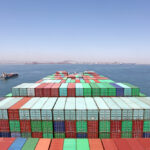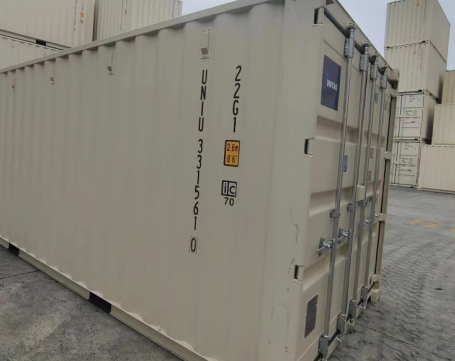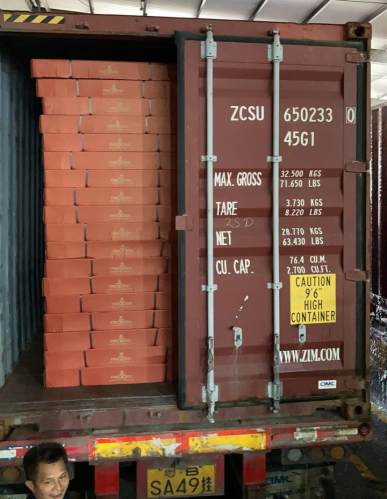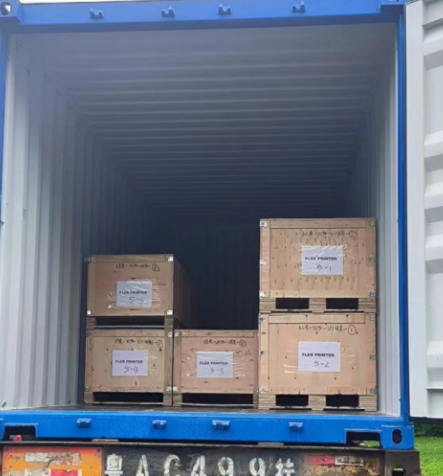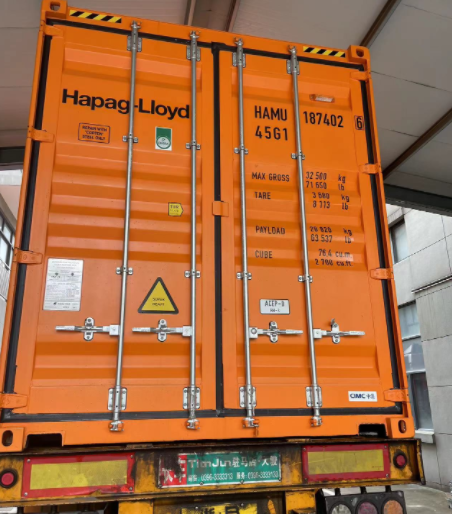
Shipping a container from China to Ghana in August 2026 costs roughly $2,000–$4,200 for a 20ft container and $3,000–$5,500 for a 40ft container on an all-in port-to-port basis (ocean freight plus origin and destination handling, excluding duties). Sea freight from southern Chinese ports such as Shenzhen and Guangzhou reaches Tema in 28–32 days, while eastern ports like Shanghai, Ningbo and Qingdao take 35–43 days; the fastest option, air freight to Accra’s Kotoka International Airport, lands in 3–8 days at $4.9–$8.00 per kg. As a Shenzhen-based freight forwarder shipping thousands of containers to West Africa since 2008, Dantful publishes this guide to help importers in Accra, Kumasi and Takoradi budget accurately and avoid the port fees that quietly erase profit margins.
This is a complete, data-first walkthrough of Shipping From China to Ghana: real August 2026 rate ranges, a port-by-port FCL comparison, the LCL-versus-FCL break-even point, Ghana customs and duties, and the hidden charges at Tema and Takoradi that most quote tables never show. Everything here is the practical, updated companion to our main container shipping costs from china to Ghana rate reference.
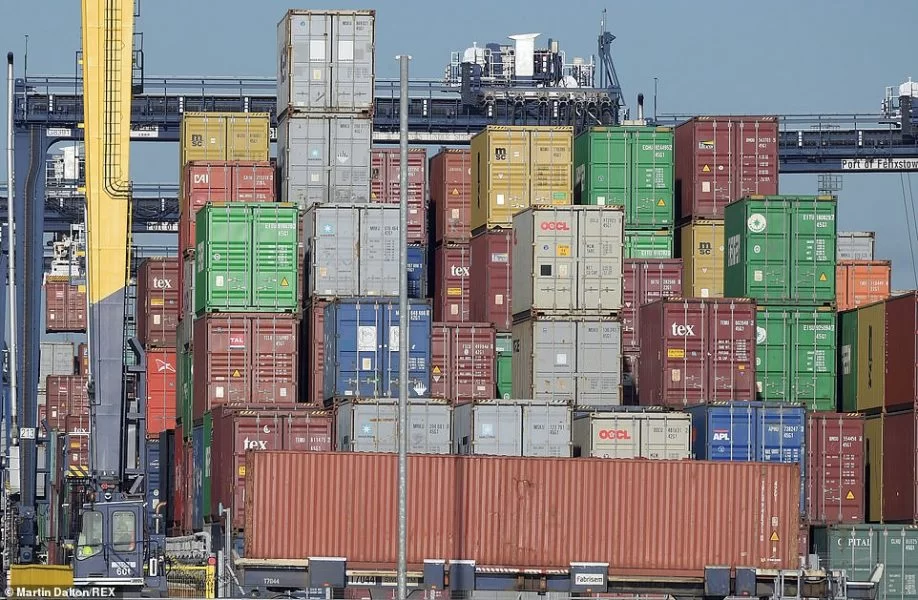
How Much Does Container Shipping from China to Ghana Cost in 2026?
Freight rates to West Africa moved modestly through July and August 2026. Sea FCL into Tema held broadly flat month-over-month, air rates softened, and LCL pricing stayed in its mid-year range. The table below is the short answer for budget planning — every figure is cross-checked against the detailed tables later in this guide.
| Shipping Mode | Cost (August 2026) | Transit Time | Best For |
|---|---|---|---|
| 20ft FCL (all-in, port-to-port) | $2,000 – $4,200 | 28 – 43 days | 15–33 CBM of cargo; the standard import container |
| 40ft FCL (all-in, port-to-port) | $3,000 – $5,500 | 28 – 43 days | 33–76 CBM; high-volume shipments |
| LCL (per CBM, port-to-port) | $70 – $250 / CBM | 33 – 46 days | Small shipments under 15 CBM |
| Air Freight (per kg, to Accra) | $4.90 – $8.00 / kg | 3 – 8 days | Urgent, high-value, lightweight cargo |
| Express Courier (per kg) | $8.90 – $14.90 / kg | 2 – 5 days | Documents, samples, e-commerce parcels |
| DDP Sea (door-to-door, per CBM) | $90 – $300 / CBM | +5 – 10 days | Importers who want one flat, duty-paid price |
Dantful Insight (August 2026): the 20ft/40ft rate gap is unusually narrow right now. If your volume is approaching 25–30 CBM, a 40ft container usually delivers noticeably better value per cubic meter — check the port-by-port matrix in Section 3 before you book two LCL shipments out of habit.
All-in figures in this snapshot include ocean freight, origin loading and documentation, destination terminal handling at Tema or Takoradi, and customs brokerage — but exclude Ghana import duties and VAT, which depend on your HS code and cargo value (Section 7 explains how to calculate them).
Container Shipping Cost Breakdown: What Your Quote Includes
A quoted “rate to Ghana” is never one number. Carriers and forwarders split the total into line items, and knowing each one is what protects you from surprise invoices. Here is what a typical August 2026 quote for a China–Ghana shipment contains, with realistic ranges for a 20ft container:
| Cost Element | What It Covers | Typical Range (20ft, USD) |
|---|---|---|
| Ocean Freight | The core carriage from a Chinese port to Tema or Takoradi; the base rate set by the shipping line | $1,200 – $2,500 |
| BAF & Surcharges | Bunker Adjustment Factor (fuel) plus peak-season, port-congestion and low-sulphur surcharges | $80 – $200 |
| Origin Charges | Loading, container yard handling, export documentation and customs declaration in China | $200 – $450 |
| Destination Charges | Terminal Handling Charge (THC), release and port security at Tema or Takoradi | $300 – $600 |
| Customs Brokerage | GRA agent fees for the import declaration (duties themselves are separate) | $150 – $300 |
| Cargo Insurance | Marine coverage against loss or damage at sea, typically 0.3%–0.5% of cargo value | $70 – $150 |
| Total (port-to-port, excl. duties) | The realistic all-in budget per 20ft container | $2,000 – $4,200 |
Three lane-specific variables move the needle on China–Ghana routes specifically:
- Transshipment routing. Most China–West Africa services call Singapore, Port Klang or Jebel Ali before Tema. A direct sailing (more common from Shenzhen and Guangzhou) shaves days off transit and can reduce the risk of missed connections.
- Seasonal demand. Rates climb ahead of Chinese New Year (January–February) and during the Q4 holiday build-up (August–October). Booking in Q2 usually locks the softest pricing of the year.
- Equipment type. Refrigerated (reefer), open-top and flat-rack containers carry premiums of 30–100% over dry containers, and the West Africa reefer pool is chronically short — book 4–6 weeks ahead if you ship chilled cargo.
For a full breakdown of the underlying service, see our guide to ocean freight from China.
20ft & 40ft Container Shipping Rates from China to Ghana (FCL, by Port)
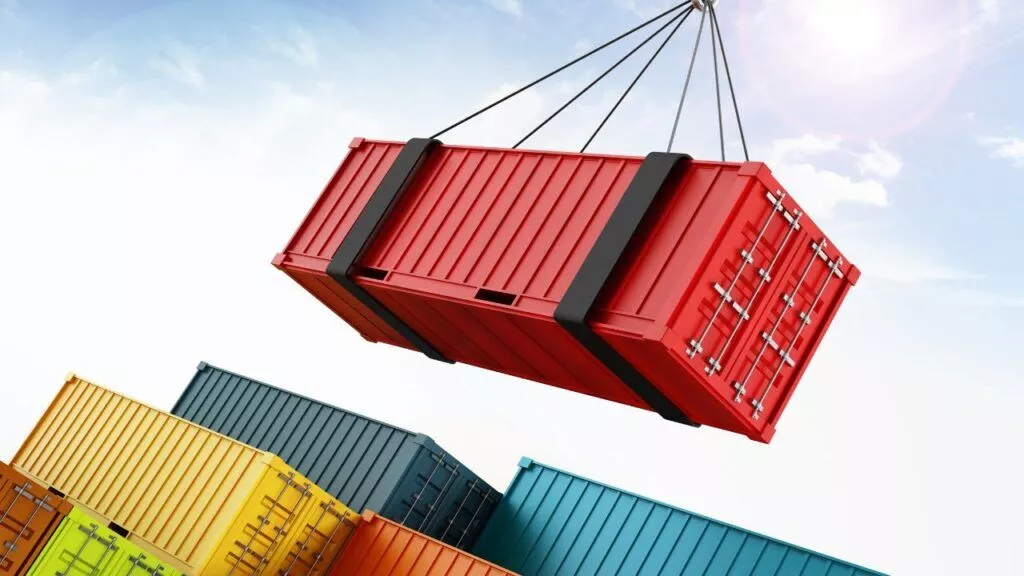
FCL (Full Container Load) means you rent the whole box. It is the most economical choice for medium-to-large shipments and gives you a sealed container from your Chinese supplier to the Ghanaian port. If you only need the headline numbers, our Sea Freight From China to Ghana service page keeps the current spot rates updated weekly. The table below shows August 2026 all-in sea freight ranges (ocean freight + origin + destination handling, excluding duties and insurance) from the five Chinese ports that dominate Ghana-bound trade to Tema — Ghana’s largest seaport, handling roughly 12 million tonnes of cargo a year — and Takoradi, the western port favored for bulk and specialized cargo.
| Origin Port (China) | 20ft → Tema | 40ft → Tema | 20ft → Takoradi | 40ft → Takoradi |
|---|---|---|---|---|
| Shenzhen (Yantian/Shekou) | $2,250 – $2,850 | $3,150 – $3,850 | $2,450 – $3,100 | $3,350 – $4,150 |
| Guangzhou (Nansha) | $2,250 – $2,850 | $3,250 – $3,950 | $2,450 – $3,100 | $3,450 – $4,250 |
| Shanghai | $2,050 – $2,650 | $3,050 – $3,650 | $2,250 – $2,900 | $3,250 – $3,950 |
| Ningbo | $2,350 – $2,950 | $3,250 – $3,950 | $2,550 – $3,200 | $3,450 – $4,250 |
| Qingdao | $2,550 – $3,150 | $3,350 – $4,050 | $2,750 – $3,400 | $3,550 – $4,350 |
Ranges are all-in port-to-port (incl. destination THC), August 2026; Takoradi legs typically add $150–$300 per container for the feeder call. BAF and seasonal surcharges apply on top, which is why the same shipment can sit at either end of these ranges.
How to read this table — the port-selection logic:
- Shenzhen and Guangzhou are the fastest and usually the most competitive for electronics, furniture and consumer goods. They also run the most direct sailings to Tema — expect 28–32 days.
- Shanghai offers the most frequent sailings and the best rates for machinery and industrial cargo, at the cost of a longer transit (35–43 days).
- Qingdao suits chemicals, tyres and bulk commodities but is the most expensive and slowest of the five — plan for the top of the rate range.
- Takoradi makes sense when your warehouse is in the Western Region (Sekondi-Takoradi, Tarkwa, the mining belt). Paying an extra $150–$300 per box can still beat trucking a container 200 km from Tema.
If your factory or supplier is in the Pearl River Delta, our Shipping from Shenzhen to Ghana page details the fastest route options from that hub.
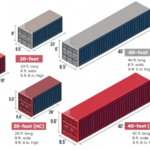
Container Specifications: 20GP vs 40GP vs 40HQ
Choosing the right box size is a cost decision, not just a capacity decision. These are the standard dry-container specifications used on the China–Ghana lane:
| Container Type | Internal Volume | Max Payload (approx.) | Typical Use |
|---|---|---|---|
| 20ft Standard (20GP) | ~33 CBM | 28,000 kg | Dense, heavy cargo: tiles, steel, machinery parts |
| 40ft Standard (40GP) | ~67 CBM | 26,500 kg | Light, voluminous cargo: furniture, textiles |
| 40ft High Cube (40HQ) | ~76 CBM | 26,000 kg | Extra height for tall pallets and racking |
Dantful Insight: many first-time importers assume a 20ft box is always cheaper. Per cubic meter, a 40ft container is almost always cheaper — but only if you can fill it. If your cargo is dense and heavy (tiles, hardware), a 20GP at ~$2,250 from Shenzhen carries roughly the same freight weight value as a half-empty 40GP. Match the box to the cargo, not the other way around.
LCL Shipping Cost per CBM & the FCL vs LCL Break-Even
LCL (Less than Container Load) shares a container with other shippers’ cargo and bills you per cubic meter (CBM). It looks cheap on paper, but Ghana’s destination deconsolidation and handling fees are higher than most markets, so the real question is: at what volume does an FCL become cheaper? The math below uses August 2026 ranges — LCL at $70–$250 per CBM plus typical destination deconsolidation charges, versus a 20ft FCL at $2,000–$4,200 all-in.
| Cargo Volume | LCL Freight (low $70/CBM) | LCL Freight (high $250/CBM) | LCL + Destination Deconsolidation (~$300) | 20ft FCL All-in | Best Choice |
|---|---|---|---|---|---|
| 12 CBM | $840 | $3,000 | $1,140 – $3,300 | $2,000 – $4,200 | LCL (cheaper at the low end) |
| 15 CBM | $1,050 | $3,750 | $1,350 – $4,050 | $2,000 – $4,200 | Tipping point — FCL becomes competitive |
| 18 CBM | $1,260 | $4,500 | $1,560 – $4,800 | $2,000 – $4,200 | FCL (unless you negotiate a strong LCL rate) |
The rule of thumb for Ghana: if your shipment exceeds 15 CBM, quote an FCL before you book LCL. At 18 CBM, a 20ft container is usually cheaper than LCL once deconsolidation fees are counted, and it eliminates the other LCL headaches: cargo that sits on the quay waiting for the container to be stripped, higher damage risk from multiple handling, and slower clearance because your shipment shares a single Bill of Lading with other importers.
LCL remains the right call below roughly 12 CBM, especially for spare parts, samples and first test orders. If you buy from multiple suppliers across Guangzhou, Yiwu or Shenzhen, our consolidated freight shipping service merges those purchases into a single LCL or FCL shipment at one Dantful warehouse — often cutting your per-unit freight cost by 20–30% versus shipping each parcel separately.
You may be interested in the following related articles:
- Container Shipping Costs from China to Nigeria
- The Ultimate Guide to Container Shipping Costs from China to Kenya
- Container Shipping Costs from China to Canada
- The Ultimate Guide to Container Shipping Costs from China to UAE
- Container Shipping Costs from China to Dubai
- The Ultimate Guide to Container Shipping Costs from China to South Africa
EXW vs FOB vs CIF vs DDP: Shipping Terms for Ghana Explained
Incoterms are the international trade rules that define who pays for what and where risk transfers. On the China–Ghana lane, the four that matter are EXW, FOB, CIF and DDP. The difference is not academic — it determines whether you or the seller absorbs the ocean freight, the insurance, and the messy Ghanaian clearance process.
| Incoterm | Who Pays Ocean Freight | Who Pays Insurance | Who Handles Ghana Clearance & Delivery | Your Total Spend (typical 20ft) | Effort Level |
|---|---|---|---|---|---|
| EXW (Ex Works) | You | You | You | Freight + all fees; cheapest quoted price, most work | Very high |
| FOB (Free On Board) | You | You | You | Freight + destination fees; standard for experienced importers | High |
| CIF (Cost, Insurance, Freight) | Seller | Seller | You | Cargo price + fees; seller pays freight to Tema, you still clear | Medium |
| DDP (Delivered Duty Paid) | Seller/Forwarder | Included | Forwarder (full door-to-door) | One flat, duty-paid price to your door | Minimal |
Most B2B buyers in Ghana source on FOB or CIF terms and arrange clearance through their own agent — which works well if you have a trusted broker at Tema. If you would rather avoid the clearance process entirely, a DDP Shipping Services quote rolls ocean freight, customs duties, VAT and final trucking into a single guaranteed price, so you know your total cost before the container leaves China.
Shipping Time from China to Ghana: Transit Times by Route
Transit time is the second biggest budgeting variable after cost. The table below reflects August 2026 schedules. Southern ports run faster direct services; eastern ports trade a few days for more frequent sailings.
| Route | Sea Transit (days) | Air Transit (days) | Notes |
|---|---|---|---|
| Shenzhen / Guangzhou → Tema | 28 – 32 | 3 – 8 | Most direct West Africa sailings |
| Shanghai → Tema | 35 – 43 | 3 – 8 | Frequent departures, longer voyage |
| Ningbo → Tema | 35 – 43 | 3 – 8 | Similar to Shanghai |
| Qingdao → Tema | 36 – 43 | 3 – 8 | Slowest sea option |
| Any port → Takoradi | +2 – 4 days | — | Feeder/transshipment call |
| Any port → Accra (Kotoka Intl) | — | 3 – 8 | Air cargo via Accra |
Add 7–10 days on top of sea transit for origin loading, vessel schedule slippage and destination customs clearance — the skill reference says plan for it, and our own experience at Tema confirms clearance alone routinely takes 2–5 days for a clean, correctly documented shipment. If you are time-critical, Air Freight to Accra is the dependable answer, at roughly $4.90–$8.00 per kg.
Dantful Insight: the “30–45 days” figure you will see on most blogs is a simplification. On the 2026 schedules, Shenzhen–Tema direct sailings routinely arrive in 28–32 days, while a Shanghai booking on a transshipment service can stretch past 40. Ask your forwarder for the specific vessel rotation — a forwarder who can name the ship and the cut-off date is a forwarder who actually controls your shipment.
Ghana Import Duty & VAT: Customs Clearance Costs Explained
Ghana runs its import clearance through the ICUMS (Integrated Customs Management System) under the authority of the Ghana Revenue Authority (GRA). Every shipment must be declared electronically, duties paid before release, and the risk of delay is concentrated in one place: paperwork that does not match. The single most common mistake we see at Tema is an HS code mismatch between the commercial invoice, packing list and Bill of Lading — it triggers a physical inspection, which costs you days of demurrage.
How Ghana import duties are calculated:
- Take the CIF value — the cost of the goods plus insurance and freight.
- Apply the ECOWAS CET duty for your HS code (0–35%).
- Apply VAT at 15% on the CIF value plus the duty — a flat rate that consolidates the former VAT, NHIL (2.5%) and GETFund (2.5%) components.
- Add the ICUMS fee (0.75%) and a processing fee (1%).
Worked example: importing $10,000 of electronics at a 20% CET duty:
| Step | Calculation | Amount (USD) |
|---|---|---|
| CIF value | Declared cargo value | $10,000 |
| CET duty (20%) | 20% × $10,000 | $2,000 |
| VAT (15%) | 15% × ($10,000 + $2,000) | $1,800 |
| ICUMS fee (0.75%) | 0.75% × $12,000 | $90 |
| Processing fee (1%) | 1% × $12,000 | $120 |
| Total taxes & levies | Duty + VAT + fees | $4,010 |
That is 40% of your cargo value before a single cedi of local handling, trucking or brokerage. Budgeting duties correctly is the difference between a profitable container and a loss-making one — and it is exactly why landed-cost calculations matter more than headline freight rates.
Indicative Duty Rates by Product Category
| Product Category | Common HS Codes | Typical CET Duty | Notes |
|---|---|---|---|
| Electronics | 8528, 8517 | 0% – 20% | VAT applies on CIF + duty |
| Apparel / Textiles | 6109, 6203 | 10% – 20% | Customs valuation strictly monitored |
| Furniture | 9403 | 10% – 20% | Bulky; keep packing lists exact |
| Vehicles (Cars) | 8703 | 5% – 20% | Over-age penalty applies to vehicles older than 10 years |
| Pharmaceuticals | 3004 | 0% – 10% | FDA Ghana permit required |
| Food Items | 1006, 1701 | 0% – 20% | Phytosanitary checks; seasonal quotas possible |
Local Clearing Costs Paid in Ghana Cedis (GHS)
Freight rates are quoted in US dollars, but at the port you pay in Ghana cedis. Importers who only budget in USD get caught out. These are typical August 2026 ranges at Tema (1 USD ≈ GHS 14.5, indicative):
| Local Cost Item | Typical Range (GHS) | Typical Range (USD equiv.) |
|---|---|---|
| Clearing agent / brokerage | GHS 800 – 1,500 | $55 – $105 |
| Terminal handling & port charges | GHS 1,200 – 2,000 | $85 – $140 |
| Trucking Tema → Accra (20ft) | GHS 1,500 – 2,500 | $105 – $175 |
| Trucking Tema → Kumasi (20ft) | GHS 3,500 – 5,000 | $240 – $345 |
| Demurrage / detention (per day) | GHS 350 – 600 | $25 – $40 |
Our team handles the full GRA paperwork through Customs Clearance so your goods clear within the free period — a shipping agent from china to Ghana who pre-files documentation routinely saves importers hundreds of dollars in daily demurrage.
READ MORE:
- Shipping From China To Algeria
- Shipping From China To Angola
- Shipping From China To Morocco
- Shipping From China To Nigeria
- Shipping From China To Kenya
- Shipping From China To Tanzania
- Shipping From China To South Africa
Tema & Takoradi Port Charges: Hidden Fees, Demurrage & Detention
The ocean freight you see on a quote is never the full story. These are the charges that appear on the destination invoice — and the ones importers argue about most:
| Fee | What It Is | Typical Amount / Timing |
|---|---|---|
| THC (Terminal Handling Charge) | Moving the container from vessel to yard | $85 – $140 (GHS 1,200–2,000) |
| Demurrage | Container sits at port beyond free days | GHS 350–600 / day after 5–7 free days |
| Detention | Empty container not returned to the line in time | GHS 350–600 / day |
| Bill of Entry (BOE) processing | GRA administrative fee for the import declaration | GHS 300 – 600 |
| CFS / Deconsolidation (LCL only) | Stripping your cargo from a shared container | $100 – $300 per shipment |
| VGM / ISPS | Verified Gross Mass filing, port security | $15 – $40 per container |
The single biggest money-loser: demurrage. Tema gives 5–7 free days; after that the clock runs at GHS 350–600 per day and the container can rack up thousands of cedis in a week. Two defenses: (1) ensure your documents are flawless before the vessel arrives, and (2) ask your forwarder to negotiate 14–21 free days with the shipping line at booking — Dantful does this routinely for Ghana-bound containers.
When Is It Cheapest to Ship from China to Ghana? Seasonal Rate Calendar
| Season | Rate Direction | Why |
|---|---|---|
| Jan – Feb (CNY) | Peak, capacity tight | Chinese New Year factory closures; cargo rushes to ship before the break |
| Mar – Jun (Q2) | Softest of the year | Post-CNY lull; stable demand |
| Aug – Oct (Q4 build-up) | Rising | Holiday-season inventory builds in West Africa |
| Nov – Dec | High, volatile | Peak season carries into year-end |
How to Reduce Container Shipping Costs from China to Ghana: 5 Proven Tips
- Consolidate multiple suppliers into one container. Buy from several factories in Guangzhou, Yiwu or Shenzhen? Merge everything at a forwarder’s warehouse and ship a single FCL instead of several LCLs — the per-unit savings typically run 20–30%. Dantful offers free Warehouse Services consolidation in China for exactly this purpose.
- Ship flat-packed (RTA) where possible. Furniture that ships fully assembled consumes 2–3× the CBM of the same piece flat-packed. “Dead air” is the most expensive thing in your container.
- Negotiate free days before you book. A strong forwarder asks the shipping line for 14–21 free days at Tema at booking time, not after the container arrives. That single conversation can save you thousands of cedis.
- Book 4–6 weeks ahead and lock the rate. West Africa rates move month to month, and space on the busiest sailings sells out ahead of peak season. Early booking also protects you from last-minute GRI (General Rate Increase) announcements.
- Use DDP when you want one number. If you hate surprises, a door-to-door, duty-paid quote converts a dozen line items into a single price — see door to door shipping from China to Ghana for how it works.
How to Choose a Freight Forwarder from China to Ghana: 6 Questions
The forwarder you choose decides whether your container clears in 2 days or 12. Before you sign, ask these six questions:
- “Which shipping lines do you hold direct contracts with on the China–West Africa lane?” Direct carrier contracts mean better rates and priority space; intermediaries just mark up.
- “What was your average Tema clearance time last month?” A real answer (“2–4 days”) versus a vague one separates operators from salespeople.
- “Will you negotiate extended free days at destination?” Good forwarders get 14–21 days; indifferent ones take the standard 5–7.
- “Do you have a partner or office in Ghana, or do you hand off to a third party?” Single-point responsibility prevents the classic “it’s with our agent” black hole.
- “What is included in your quoted rate — and what isn’t?” Ask for the line-item breakdown: BAF, THC, BOE, CFS, VGM. If the answer is “it’s all included,” get it in writing.
- “Can I see your NVOCC/FMC credentials?” Legitimate forwarders can prove it. Dantful holds Class-A, NVOCC, FMC and Jctrans certifications, and we are happy to show them.
At Dantful International Logistics, we are a Shenzhen-based freight forwarder from china to Ghana with 15+ years in the China–Africa trade, direct contracts with major carriers, and a 24/7 operations desk (50 operations staff plus 50+ customer service agents). We ship to Ghana weekly — FCL, LCL, air and full door-to-door DDP — with daily tracking updates from our warehouse in China to your door in Accra, Kumasi, Takoradi or anywhere in between. As a freight forwarder in shenzhen china, we have been the partner behind thousands of successful Ghana-bound containers since 2008, and we would be glad to be yours.
Request your August 2026 quote today — send us your cargo details (volume, weight, HS code) and we will come back within hours with FCL, LCL and DDP options for Tema or Takoradi, plus a complete landed-cost projection including duties and VAT.
FAQs
1. How much does it cost to ship a 40ft container from China to Ghana in 2026?
As of August 2026, an all-in port-to-port 40ft shipment costs $3,000–$5,500 depending on the origin port (Shenzhen and Shanghai are typically at the lower end; Qingdao at the upper), the destination port, and seasonality. Add $2,000–$4,000+ for Ghana import duty and VAT depending on your HS code, plus local trucking. For a precise figure, request a quote with your cargo details.
2. How much does it cost to ship a 20ft container from China to Ghana?
An all-in 20ft port-to-port shipment runs $2,000–$4,200 in August 2026. The spread reflects origin port, destination (Tema vs Takoradi), surcharges and booking timing. Duties are calculated separately on the CIF value.
3. How long does sea freight take from China to Tema?
28–32 days from Shenzhen or Guangzhou on direct sailings, 35–43 days from Shanghai, Ningbo or Qingdao. Add 7–10 days for origin loading and Ghanaian customs clearance, so plan a total of 35–50 days from factory to door.
4. LCL or FCL — which is cheaper for my shipment?
For cargo under 12 CBM, LCL at $70–$250 per CBM is usually cheaper. Above 15 CBM, a 20ft FCL at $2,000–$4,200 all-in becomes the better deal once destination deconsolidation fees are counted. At 18 CBM, FCL is almost always the right choice.
5. What is the air freight rate from China to Accra?
Air freight runs $4.90–$8.00 per kg in August 2026 with a transit time of 3–8 days to Kotoka International Airport. Express courier services run $8.90–$14.90 per kg in 2–5 days. Air is 5–6× the cost of sea freight but justified for urgent or high-value cargo.
6. What import duties and taxes will I pay in Ghana?
You pay the ECOWAS CET duty (0–35% depending on HS code), VAT at 15% on the CIF value plus duty, the ICUMS fee (0.75%) and a 1% processing fee. For a $10,000 electronics shipment at 20% duty, total taxes and levies come to about $4,010. See Section 7 for the full worked example.
7. Which Ghanaian port should I use — Tema or Takoradi?
Tema (southeast, near Accra) is Ghana’s largest port and the default choice for most cargo. Takoradi (western Ghana) suits importers in the Western Region and the mining belt; it costs $150–$300 more per container but saves overland trucking from Tema.
8. When is the cheapest time to ship from China to Ghana?
March–June (Q2) is consistently the softest pricing window. Rates rise ahead of Chinese New Year (January–February) and during the Q4 holiday build-up (August–October). Booking 4–6 weeks ahead protects you from last-minute rate increases in any season.

Young Chiu is a seasoned logistics expert with over 15 years of experience in international freight forwarding and supply chain management. As CEO of Dantful International Logistics, Young is dedicated to providing valuable insights and practical advice to businesses navigating the complexities of global shipping.
The other language versions of this article
- الدليل النهائي لتكاليف شحن الحاويات من الصين إلى غانا في عام 2024
- De ultieme gids voor containerverzendingskosten van China naar Ghana in 2024
- Le guide ultime des coûts d’expédition de conteneurs de la Chine vers le Ghana en 2024
- Der ultimative Leitfaden zu den Containerversandkosten von China nach Ghana im Jahr 2024
- La guida definitiva ai costi di spedizione dei container dalla Cina al Ghana nel 2024
- La guía definitiva sobre los costes de envío de contenedores desde China a Ghana en 2024
- O guia definitivo para custos de transporte de contêineres da China para Gana em 2024
- Полное руководство по стоимости контейнерных перевозок из Китая в Гану в 2024 году
- 2024’te Çin’den Gana’ya Konteyner Nakliye Maliyetlerine İlişkin Nihai Kılavuz