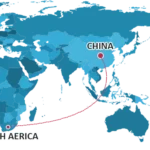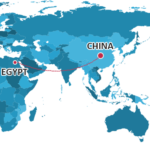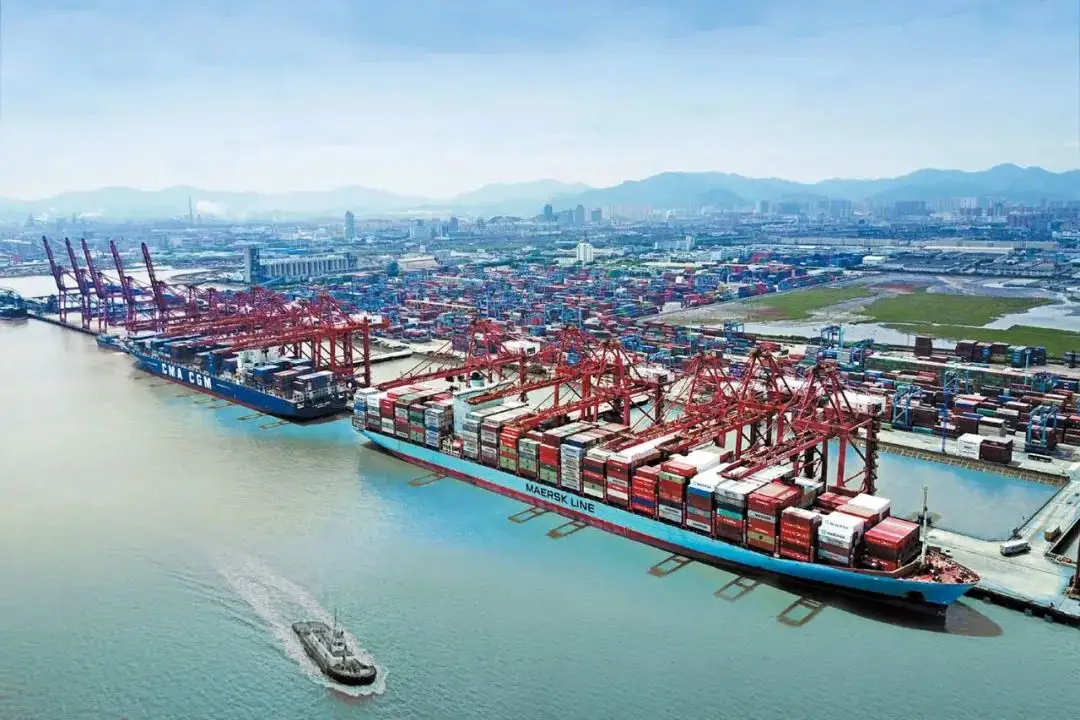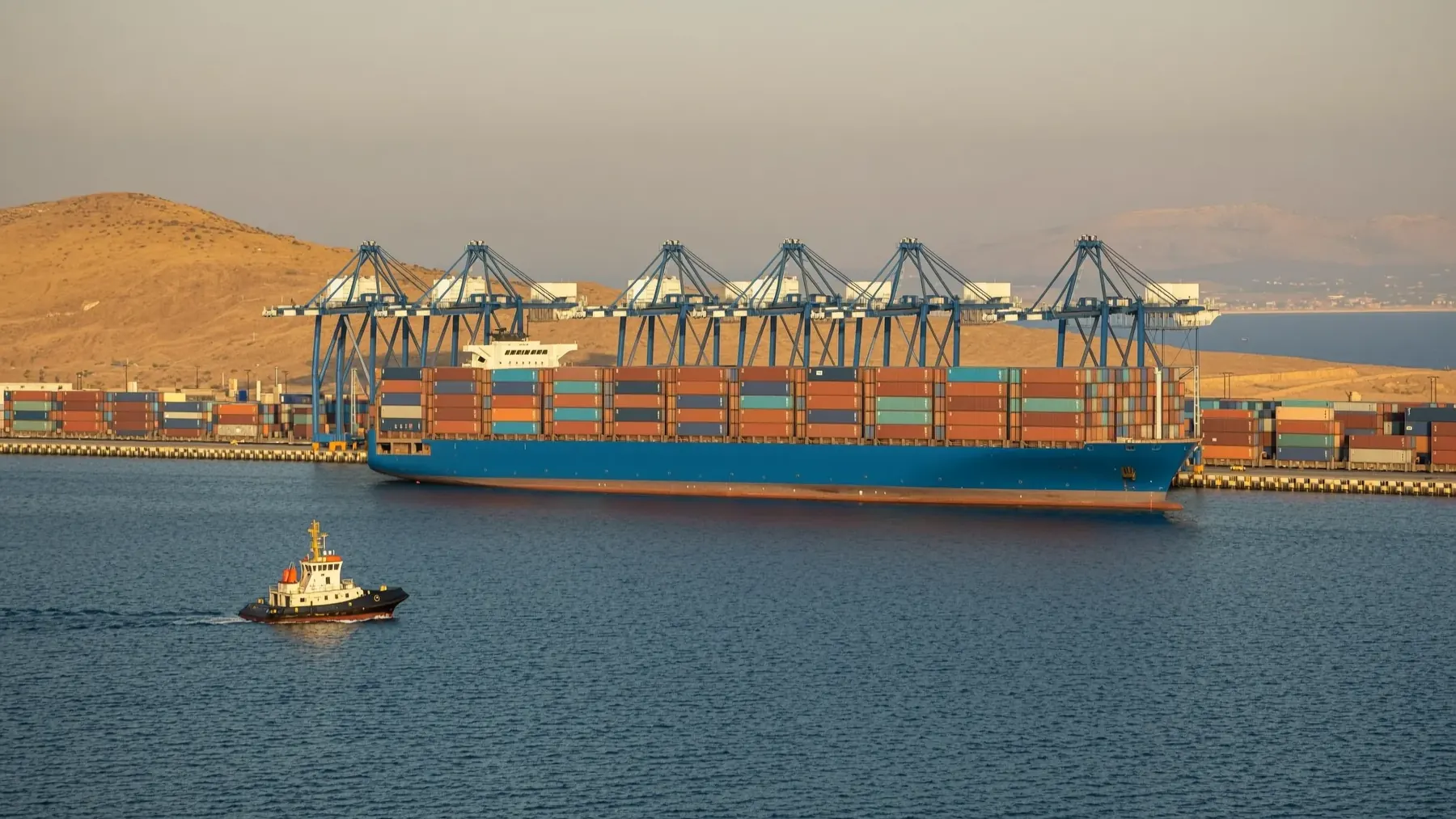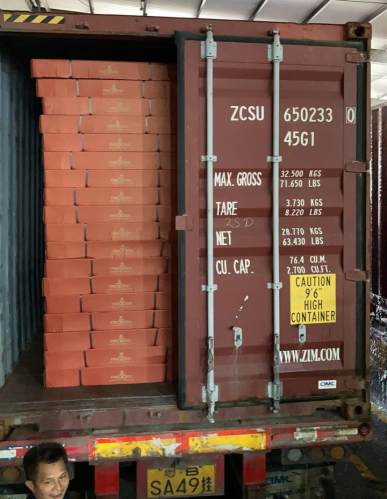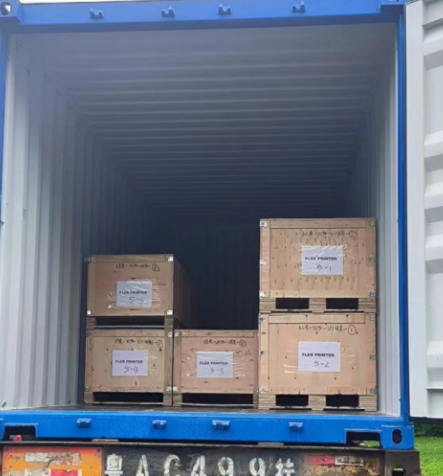
If you are sourcing products from Chinese manufacturers for your South African business, finding trustworthy shipping agents from China to South Africa is the single most important decision you will make for your supply chain. China-South Africa bilateral trade reached $55.62 billion in 2023, and thousands of South African importers — from large wholesalers to first-time e-commerce sellers — depend on Chinese goods. Yet many of them lose serious money every year. Not on the products themselves. On the shipping. Hidden destination charges that were never quoted. Cargo sitting at Durban port racking up demurrage because the paperwork is wrong. An agent who disappears the moment the container leaves Shanghai. These are not rare horror stories — they are what happens when you choose the wrong shipping agent because you did not know what to look for.
This guide exists to solve that problem. Drawing on 15-plus years of hands-on freight forwarding experience on the China-South Africa route, we will walk you through everything you need to make a confident, informed decision: transparent 2026 cost tables for every major port pair, transit times by shipping method, a step-by-step SARS customs compliance breakdown (including NRCS product rules most guides skip), a practical 8-point framework for vetting any agent, and three real case studies with actual numbers. By the time you finish reading, you will know exactly how to identify a shipping agent that protects your margins rather than eating them — whether you are shipping a single LCL pallet or a full container load of industrial machinery.
What Is a Freight Forwarder? Shipping Agent vs NVOCC for China to South Africa Freight
Before you can evaluate whether an agent is worth trusting, you need to understand what they actually are — and what they are not. The terms get thrown around loosely, but the distinctions carry real financial consequences for your shipment.
Shipping Agent vs Freight Forwarder vs NVOCC: The Key Differences
A shipping agent in the narrow sense is a representative who arranges cargo bookings with vessel operators. Think of them as a booking intermediary — they reserve space on a ship on your behalf. Many operate on commission from carriers and have limited involvement beyond the port-to-port leg.
A freight forwarder is a far broader role. A full-service freight forwarder from China to South Africa manages the entire logistics chain: picking up goods from your supplier’s factory in China, handling export customs declaration, booking international transport (ocean or air), managing import customs clearance at the destination, paying duties and VAT on your behalf, and arranging last-mile delivery to your warehouse in South Africa. When importers say they need a “shipping agent,” what they actually need in most cases is a freight forwarder.
An NVOCC (Non-Vessel Operating Common Carrier) is a freight forwarder that has obtained a specific license to issue their own Bill of Lading. This matters because an NVOCC buys container space in bulk directly from carriers and resells it to shippers — giving them better rates and more flexible sailing options than a forwarder without NVOCC status.
A customs broker handles only the customs clearance portion — filing the bill of entry with SARS (South African Revenue Service), calculating duties, and obtaining release. Some freight forwarders employ in-house customs brokers; others outsource this. Knowing which one you are dealing with determines whether you have one throat to choke or two.
Why Certifications Are Your First Line of Defense
Anyone can call themselves a shipping agent. Certifications separate the professionals from the middlemen. Here is what to look for:
- Class-A Freight Forwarder License: Issued by China’s Ministry of Commerce, this is the highest-tier freight forwarding license. It requires minimum registered capital, bonded guarantees, and operational history. You can verify it through the Ministry’s public business registry.
- NVOCC Qualification: Issued by China’s Ministry of Transport, this license authorizes the forwarder to issue their own Bills of Lading and operate as a carrier in the eyes of the law — giving you direct legal recourse if something goes wrong.
- FMC Membership: The U.S. Federal Maritime Commission license is relevant even on the China-SA route because many transshipment services touch U.S.-regulated carriers. An FMC-licensed forwarder is subject to additional oversight and bonding requirements.
- Jctrans Membership: Jctrans is one of the largest logistics B2B platforms in China. Verified member profiles include business license verification, trade references, and transaction history — useful for independent due diligence.
A shipping agent who cannot produce at least a Class-A license and NVOCC qualification is likely a reseller — someone who takes your booking, marks it up, and hands it to a real forwarder. You pay extra for no additional service, and if something goes wrong, the reseller has no operational control to fix it.
Best Way to Ship from China to South Africa: Sea Freight (FCL/LCL), Air Freight & Door-to-Door DDP
The “best” shipping method is not a fixed answer — it depends on your cargo volume, urgency, product value, and tolerance for complexity. Here is how each option works on the China-South Africa corridor, so you can match the method to your business reality.
Sea Freight FCL (Full Container Load)
FCL means you book an entire container exclusively for your cargo. No sharing. No waiting for other people’s goods to be consolidated or deconsolidated.
| Container Type | Internal Capacity | Typical Goods | Best When |
|---|---|---|---|
| 20ft GP (General Purpose) | ~28 CBM, ~28,000 kg | Electronics, auto parts, textiles, small machinery | You have 15-28 CBM of cargo |
| 40ft GP | ~58 CBM, ~28,000 kg | Furniture, industrial equipment, bulk consumer goods | You have 30-58 CBM |
| 40ft HQ (High Cube) | ~68 CBM, ~28,000 kg | Bulky but lighter goods (furniture, insulation, packaging) | You need extra height/volume |
FCL consistently delivers the lowest cost per cubic meter for shipments above roughly 15 CBM. Transit is also faster than LCL because there is no consolidation delay — your container moves directly from the Chinese port to the South African port on a single vessel. If you are new to these terms, our guide on what LCL and FCL means in shipping breaks down the differences in detail.
Sea Freight LCL (Less than Container Load)
LCL means your cargo shares a container with shipments from other importers. You pay only for the cubic meters (CBM) you use, typically $80-$160 per CBM depending on volume tier and port pair.
How it works: multiple suppliers deliver goods to a consolidation warehouse in Shenzhen, Guangzhou, Shanghai, or Ningbo. The forwarder loads all compatible cargo into one container, ships it to Durban or Cape Town, and deconsolidates it at a bonded warehouse, where each importer’s goods are separated and cleared through customs individually.
LCL is ideal for small businesses importing 1-15 CBM, startups testing new suppliers, or seasonal restocks where you do not need a full container. The trade-off: LCL adds 3 to 7 days to total transit time due to consolidation before sailing and deconsolidation after arrival.
Air Freight from China to South Africa
When speed justifies the premium, air freight delivers in 5-10 days airport-to-airport versus 25-35 days by sea. The cost — $4.50-$8.50 per kg for standard service — may look high on its own, but the real comparison should be against your total inventory holding cost.
Consider a shipment of smartphone accessories valued at $25,000 with a CIF of $500 per kg. By air, you pay $2,250-$4,250 in freight and have the goods selling in stores within 10 days. By sea, you pay roughly $350-$600 in freight but wait 35 days — during which your $25,000 in inventory is tied up, generating zero revenue. For high-value, fast-moving goods, air freight often produces a superior return on capital despite the higher per-kg rate.
Chargeable weight is the pricing basis: the greater of actual (gross) weight or volumetric weight (Length × Width × Height in cm ÷ 6,000). A large, lightweight box can cost more than a small, dense one. Always verify how your forwarder calculates it.
Express Courier (DHL / UPS / FedEx)
For samples, documents, or urgent parcels under 50 kg, express courier services offer true door-to-door delivery in 3-7 days. Rates run $7.50-$13.50 per kg. For shipments over 50 kg, air freight almost always beats express on price.
Door-to-Door DDP (Delivered Duty Paid)
DDP is the most hands-off option: your forwarder handles pickup from the Chinese supplier, export customs, international freight, import customs clearance in South Africa, payment of all duties and VAT, and final delivery to your doorstep. For importers who want a completely hassle-free experience, our DDP Shipping Services cover every step from factory to final address with a single all-inclusive quote.
DDP is ideal for first-time importers, Amazon FBA sellers, and businesses that simply do not want to manage logistics. The convenience premium is modest relative to the time and risk it eliminates — especially if you do not yet have a registered SARS Importer’s Code or an established relationship with a South African customs broker.
| Shipping Method | Transit Time | Cost Range | Minimum Volume | Best For |
|---|---|---|---|---|
| Sea FCL (20ft) | 25-35 days | $1,850-$3,200/container | 15+ CBM | Bulk orders, heavy goods |
| Sea FCL (40ft) | 25-35 days | $2,650-$4,700/container | 30+ CBM | Large-volume importers |
| Sea LCL | 28-42 days | $80-$160/CBM | 1+ CBM | SMEs, test orders, mixed goods |
| Air Freight | 5-10 days | $4.50-$8.50/kg | 45+ kg | Urgent, high-value goods |
| Express Courier | 3-7 days | $7.50-$13.50/kg | 1-50 kg | Samples, documents, small parcels |
| Door-to-Door DDP | Varies by mode | All-inclusive quote | Varies | Hands-off importers, FBA sellers |
READ MORE:
- Shipping From China To Algeria
- Shipping From China To Angola
- Shipping From China To Morocco
- Shipping From China To Nigeria
- Shipping From China To Kenya
- Shipping From China To Tanzania
- Shipping From China To South Africa
Container Shipping Cost from China to South Africa 2026
Understanding real costs is the difference between a profitable import and a margin-eroding surprise. Here is what you can expect to pay in 2026, broken down by port pair, container type, and shipping mode. For regularly updated rates, you can also check our container shipping costs from China to South Africa page.
Sea Freight FCL Rates by Port Pair (2026 Estimates)
| Origin (China) | Destination (SA) | 20ft Container | 40ft / 40ft HQ |
|---|---|---|---|
| Shenzhen (Yantian/Shekou) | Durban | $1,950 – $3,100 | $2,800 – $4,400 |
| Shanghai | Durban | $2,000 – $3,200 | $2,850 – $4,500 |
| Ningbo | Durban | $1,900 – $3,000 | $2,750 – $4,300 |
| Guangzhou (Nansha) | Cape Town | $2,100 – $3,300 | $3,000 – $4,600 |
| Qingdao | Durban | $2,200 – $3,400 | $3,100 – $4,700 |
| Shenzhen (Yantian) | Port Elizabeth | $2,050 – $3,250 | $2,950 – $4,550 |
Rates are quoted as port-to-port ocean freight only. The range reflects seasonal fluctuation: the lower end applies during the March-May and September-October shoulder periods; the higher end reflects peak-season surcharges around Chinese New Year (January-February) and the pre-holiday rush (August-September).
Sea Freight LCL Rates
LCL is priced per cubic meter (CBM). The more you ship, the lower the per-unit rate:
| Volume Tier | Rate per CBM | Example (Durban) |
|---|---|---|
| 1-5 CBM | $130 – $160/CBM | 3 CBM = $390 – $480 |
| 5-10 CBM | $100 – $130/CBM | 8 CBM = $800 – $1,040 |
| 10-15 CBM | $85 – $110/CBM | 12 CBM = $1,020 – $1,320 |
| 15+ CBM | Consider FCL | FCL becomes more economical |
Air Freight Rates (2026)
| Service Level | Rate | Transit | Example: 100 kg Shipment |
|---|---|---|---|
| Standard Air Freight | $4.50 – $8.50/kg | 5-10 days | $450 – $850 |
| Express (DHL/UPS/FedEx) | $7.50 – $13.50/kg | 3-7 days | $750 – $1,350 |
Chargeable weight formula: (Length cm × Width cm × Height cm) ÷ 6,000 = volumetric kg. Use the greater of actual weight or volumetric weight.
The Real Landed Cost: Beyond the Freight Quote
The freight rate your agent quotes is rarely the total you will pay. A complete landed cost includes:
- Origin Charges (China-side): Terminal handling charge (THC), documentation fee, export customs declaration, trucking from factory to port ($200-$500 depending on distance).
- Ocean/Air Freight: The base rate quoted above.
- Cargo Insurance: Typically 0.2%-0.5% of the CIF value — strongly recommended.
- Destination Charges (SA-side): Terminal handling, delivery order fee, customs brokerage, port service charges ($350-$600 for a 20ft container at Durban).
- Customs Duty: Varies by HS code (0%-45%).
- VAT: 15% on (CIF value + duty).
- Last-Mile Delivery: Trucking from port/airport to your final warehouse.
And then there are the budget killers — charges you never see coming if your agent does not warn you:
- Demurrage: Your container sits inside the port terminal beyond the free time (typically 3-5 days at Durban). Daily charges escalate fast.
- Detention: You take the container outside the port but do not return it empty by the deadline. Also charged daily.
- Storage: Cargo held at a warehouse because customs clearance is delayed — often due to incomplete or incorrect documentation.
These three can add hundreds or even thousands of dollars to your total. A good freight forwarder minimizes them through proactive documentation, pre-clearance filing, and accurate transit planning.
How Long Does Shipping from China to South Africa Take? Transit Times to Durban, Cape Town & Johannesburg
Transit time varies significantly depending on which Chinese port your goods depart from and which South African port they arrive at. Here is the full matrix for FCL sea freight:
| Origin Port (China) | Durban | Cape Town | Port Elizabeth |
|---|---|---|---|
| Shenzhen (Yantian) | 25-30 days | 28-33 days | 27-32 days |
| Shanghai | 28-33 days | 30-35 days | 29-34 days |
| Ningbo | 27-32 days | 29-34 days | 28-33 days |
| Guangzhou (Nansha) | 26-31 days | 29-34 days | 28-33 days |
| Qingdao | 30-35 days | 32-38 days | 31-36 days |
| Xiamen | 27-32 days | 30-35 days | 29-34 days |
LCL sea freight adds 3-7 days to the above for consolidation at origin and deconsolidation at destination.
Air freight from major Chinese airports (PVG, SZX, CAN, PEK) to O.R. Tambo International Airport (JNB) in Johannesburg: 5-10 days airport-to-airport, or 7-12 days door-to-door including pickup and final delivery.
Express courier (DHL, UPS, FedEx): 3-7 days true door-to-door.
Choosing Your Ports: The Strategic View
Chinese Origin Ports:
- Shenzhen (Yantian & Shekou): The world’s fourth-busiest container port, and the most frequent sailings to South Africa. If your supplier is anywhere in Guangdong province, Shenzhen is almost always the best choice.
- Shanghai: The world’s largest container port. Highest sailing frequency overall, but slightly longer transit to SA than Shenzhen. Best for suppliers in eastern China (Jiangsu, Zhejiang, Anhui).
- Ningbo: Strong SA connectivity, often slightly cheaper than Shanghai with comparable transit. A good alternative for Zhejiang-based suppliers.
- Guangzhou (Nansha): Deep-water port in the Pearl River Delta. Best for suppliers in Guangzhou, Foshan, Zhongshan.
- Qingdao: Primary port for northern China (Shandong, Hebei, Tianjin). Longer transit to SA but serves an important industrial region.
South African Destination Ports:
- Durban: The workhorse. Durban handles over 40% of South Africa’s container traffic and is the primary gateway for goods destined for Gauteng (Johannesburg/Pretoria), KwaZulu-Natal, and the broader SADC region. Occasional congestion during the citrus export season (December-March). Inland transit to Johannesburg: approximately 1-2 days by road or rail.
- Cape Town: Western Cape gateway. Subject to occasional wind-related delays during winter (June-August). Good for importers based in the Western Cape or sourcing for the Cape Town metro area.
- Port Elizabeth (Gqeberha): Eastern Cape automotive hub. Less congested than Durban, good for automotive parts and machinery importers.
- Ngqura: Deep-water port adjacent to Port Elizabeth. Newer, less congested, capable of handling the largest container vessels. A growing alternative to Durban for importers who value reliability over absolute sailing frequency.
Factors That Can Add Days (or Weeks)
- LCL consolidation: 3-7 extra days depending on how quickly enough cargo accumulates to fill a container to your destination.
- Transshipment: Some sailings connect via Singapore, Port Klang, or Colombo — adding 3-5 days.
- SA port congestion: Durban in particular can experience delays during peak citrus season and when equipment shortages occur.
- Customs inspection holds: Random or targeted SARS inspections can add 1-5 days.
- Incomplete documentation: The number one cause of avoidable delays — wrong HS codes, mismatched values, missing permits.
Lead time planner: From your supplier’s “goods ready” date, expect 7-10 days for trucking, booking, and export clearance in China + 25-35 days ocean transit + 2-5 days SA customs clearance + 1-3 days last-mile delivery = approximately 35-53 days from factory floor to your warehouse door by sea. Air freight compresses this to roughly 9-16 days total.
South Africa Import Duties from China: Customs Clearance, VAT & Documents Required
Clearing customs in South Africa is predictable — if your documentation is right. The process is administered by SARS (South African Revenue Service), and most delays are caused by paperwork errors, not the actual inspection. A professional forwarder with in-house Customs Clearance capability handles this entire process on your behalf, ensuring documentation is filed correctly the first time.
Step-by-Step SARS Import Clearance Process
- Vessel Arrival: Container is discharged at Durban, Cape Town, or Port Elizabeth.
- Customs Entry Lodgment: Your customs broker (or your forwarder’s in-house broker) submits the Bill of Entry (Form SAD 500) to SARS electronically, declaring the goods’ value, origin, HS codes, and applicable duties.
- Tariff Classification & Duty Assessment: SARS assesses the correct HS code and applicable duty rate, then calculates the total payable.
- Payment: Duties and VAT are paid to SARS. Once payment is confirmed, the entry is processed.
- Customs Release: SARS issues a release notification. If the shipment is flagged for physical inspection, this happens before release.
- Final Delivery: The cleared cargo is trucked from the port to your warehouse.
Documents Required — The Complete Checklist
| Document | Why It Matters |
|---|---|
| Commercial Invoice | Must include: seller and buyer details, incoterm, HS code per item, unit price, total value, currency, and country of origin. Any discrepancy triggers re-assessment and delay. |
| Packing List | Itemized weight (gross and net), dimensions, and package count per carton/pallet. Inaccuracies here are the most common trigger for physical inspection. |
| Bill of Lading (Sea) / Air Waybill (Air) | Telex release is faster (electronic transfer of ownership). Original B/L is required for letter of credit transactions. Know which one applies before sailing. |
| Certificate of Origin | Required for goods benefiting from preferential tariff treatment under SACU agreements, and for certain product categories subject to anti-dumping duties. |
| SARS Importer’s Code | Every South African importer must register with SARS and obtain a unique importer’s code. Without it, your goods cannot clear. Registration is free but takes 2-4 weeks. |
| Import Permits | Required for controlled goods: electronics (NRCS), chemicals, food products, used equipment, certain textiles. Check before shipping — no permit means cargo is held at port. |
Import Duty & VAT Calculation (Worked Examples)
South Africa applies Most Favored Nation (MFN) duty rates to imports from China — there is no standalone China-SA free trade agreement, so standard WTO rates apply. Customs duty is calculated on the CIF value (Cost + Insurance + Freight), and VAT at 15% is applied on top of the CIF value plus the duty paid.
Formula: VAT = 15% × (CIF Value + Customs Duty)
Example 1 — Consumer Electronics (Shenzhen → Durban):
- CIF value: $10,000
- HS Code: 8518.22 (loudspeakers) → Customs duty: 0%
- VAT: 15% × ($10,000 + $0) = $1,500
- Total import charges: $1,500
Example 2 — Textiles (Guangzhou → Cape Town):
- CIF value: $8,000
- HS Code: 6204.62 (women’s cotton trousers) → Customs duty: 20%
- Duty: 20% × $8,000 = $1,600
- VAT: 15% × ($8,000 + $1,600) = $1,440
- Total import charges: $3,040
The HS code makes all the difference. A 0% duty electronics item costs $1,500 in import charges on a $10,000 shipment; a 20% duty textile shipment costs $3,040 on just $8,000 in value. Always verify your product’s correct HS code with your forwarder before shipping — and do not let a low-cost agent “approximate” it.

NRCS, SABS & Product Compliance
South Africa enforces product compliance through two main bodies:
- NRCS (National Regulator for Compulsory Specifications): Mandatory compliance for electronics, electrical appliances, automotive components, and certain building materials. Products must meet NRCS safety standards, and importers must hold a valid Letter of Authority (LOA) from NRCS. Shipping non-compliant electronics without an LOA will result in SARS withholding release.
- SABS (South African Bureau of Standards): Sets voluntary and mandatory standards across a wide range of product categories. While not all SABS standards are compulsory for import, certain regulated products require SABS certification or equivalent international certification recognized by SABS.
Additionally, certain product categories require pre-shipment inspection certificates issued by an accredited inspection agency in the country of export. Check with your forwarder whether your specific product category requires this.
The Most Common Customs Mistakes
- Wrong HS code classification: A generic or “close enough” code may trigger a higher duty rate — or worse, a SARS audit.
- Undervaluation: Declaring a value lower than the actual transaction value to reduce duty is customs fraud. SARS cross-references against market values and can impose penalties, seize goods, or blacklist the importer.
- Missing import permits: NRCS-regulated electronics, food products, and certain chemicals require permits obtained before shipment. Cargo without required permits sits at the port accumulating demurrage daily.
- Incomplete Commercial Invoice: Missing incoterms, HS codes, or itemized values forces the customs broker to file an incomplete entry, which SARS will flag for manual review — adding days and potential storage charges.
How to Find Reliable Shipping Agents from China to South Africa
This is the section that will save you money. After vetting hundreds of agents over a 15-year career on the China-Africa corridor, here is a practical framework you can use to evaluate any shipping agent before you hand them your cargo. If you prefer a step-by-step walkthrough, our guide on how to get a shipping agent in China covers the entire sourcing and screening process.
The 8-Point Vetting Checklist
1. Certifications & Licenses
Ask for their Class-A freight forwarder license number and NVOCC registration. Verify both on the China Ministry of Commerce and Ministry of Transport public databases. A legitimate forwarder will share these without hesitation — it is a routine request. If they deflect or claim “it is not necessary,” walk away. Certifications are your legal recourse when things go wrong. Without them, you have no accountability.
2. China-SA Route Volume
How many containers does this agent ship to South Africa annually? A forwarder moving fewer than 5,000 TEUs per year on this specific route may lack the carrier relationships and destination-network depth to handle issues when they arise. Ask directly: “How many containers did you ship to Durban, Cape Town, and Port Elizabeth last year?” An experienced specialist can answer without pausing.
3. Carrier Relationships
Direct contracts with carriers like Maersk (MSK), MSC, COSCO, Evergreen (EMC), and CMA CGM give a forwarder access to contracted rates and guaranteed space allocations — even during peak season. Agents who buy exclusively on the spot market cannot guarantee space or price stability. Ask which carriers they have direct contracts with and whether they can provide a rate validity period (ideally 30+ days).
4. SA Customs Capability
A forwarder who only handles the China side of the shipment leaves you alone at the destination. This is a common trap: the freight quote looks competitive, but when the container arrives at Durban, you are scrambling to find a local customs broker, paying unexpected terminal fees, and managing clearance yourself. Demand a forwarder with in-house customs brokerage licensed by SARS and a local office or established agent network in Durban, Cape Town, and Johannesburg.
5. Quote Transparency
A professional quote is a line-by-line breakdown: ocean freight, origin THC, documentation fee, export customs declaration, trucking (if included), destination terminal handling, delivery order fee, customs brokerage, and any other applicable charges. A vague “all-in” number without line items is a red flag — you have no way to compare it against market benchmarks or understand what is covered. Demand an itemized quote.
6. Tracking & Visibility
Real-time online tracking with milestone notifications is standard practice in 2026, not a premium feature. A reliable agent provides a tracking platform where you can see: booking confirmed, container picked up, departed origin port, arrived transshipment port, arrived destination port, customs cleared, out for delivery. If the agent’s “tracking” is “email us for updates,” they are operating with 2010-era infrastructure.
7. Insurance & Claims Process
Ask: “Do you offer all-risk marine cargo insurance? What is the claims process, and what is the typical timeline from claim submission to settlement?” A professional forwarder will explain the coverage, provide an insurance certificate, and walk you through what the claim requires. If they dismiss the question or say “nothing ever goes wrong,” that is your cue to leave. Cargo insurance costs 0.2%-0.5% of the cargo value — negligible relative to the cost of losing an entire container.
8. Client References
Request three references who ship similar product categories on the China-SA route. A confident, established forwarder will provide them. Also check independent sources: Jctrans verified reviews, Google reviews, and trade forum discussions. If you find zero independent trace of the company online beyond their own website, that should give you pause.
Red Flags — If You See These, Walk Away
- No verifiable business license or certification
- Quote is 30% or more below market average with no breakdown
- Only handles China-side processing — no SA customs or destination capability
- Refuses to provide client references or share tracking methodology
- Poor English communication and slow response times (there is a 6-hour overlap between China GMT+8 and South Africa GMT+2 — time zone is not a valid excuse)
- Requests 100% payment before any service is rendered
Cheapest Freight Forwarder China to South Africa? Why Low-Price Agents Cost More
Everyone wants to save on shipping. But “cheapest” and “least expensive” are not the same thing. A freight quote that looks $400 cheaper on paper can end up costing $2,000 more in reality — because it omitted destination charges, used the wrong HS code, or came from an agent who disappears when problems arise. Here are three real scenarios from the China-SA route that show exactly how this plays out.
Case Study 1 — Consumer Electronics (Shenzhen to Durban, 1×20ft FCL)
Scenario: An SME importer in Johannesburg sourced 1,500 Bluetooth speakers from a Shenzhen factory. Total CIF value: $15,000. They received two quotes:
| Cost Item | Low-Cost Agent | Transparent Forwarder |
|---|---|---|
| Ocean Freight (Shenzhen-Durban) | $1,850 | $2,200 |
| Origin Charges (THC, docs, trucking) | $220 (understated) | $380 |
| Cargo Insurance | Not included | $75 |
| SA Customs Duty (HS 8518.22) | Charged 15% ($2,250) | Correct 0% ($0) |
| VAT (15% on CIF+Duty) | $2,588 | $2,318 |
| Destination Charges (SA-side) | $380 | $420 |
| Total Landed Cost | $7,288 | $5,393 |
The “cheaper” freight quote ended up costing $1,895 more than the transparent quote — a 35% premium on the total landed cost. Why? The low-cost agent used a generic HS code (triggering a 15% duty instead of the correct 0% rate for the specific product subheading 8518.22), excluded insurance, and understated origin charges to make the upfront number look better. The transparent forwarder classified the HS code correctly — saving $2,250 in duties alone.
Timeline: 27 days port-to-port + 1.5 days customs clearance + 1 day delivery to Johannesburg = goods in-hand in 29.5 days. Proper documentation meant zero customs holds.
Lesson: The HS code your agent uses directly determines what you pay at the border. A forwarder who knows the tariff book can save you more than a “cheap” freight quote ever could.
Case Study 2 — Industrial Machinery with OOG Components (Shanghai to Johannesburg via Durban)
Scenario: A South African manufacturer imported a production line from Shanghai — including two oversized press components that would not fit in standard containers. For shipments like this, you need a forwarder with proven out of gauge cargo expertise and the right equipment access.
- OOG (Out of Gauge) requirement: 2× flat rack containers
- Freight: $3,200 per flat rack (includes 40% OOG surcharge over standard 40ft rate)
- Specialized handling: Port crane loading/unloading, lashing and securing — $680
- Inland trucking: Durban to Johannesburg (specialized OOG trailer) — $1,200
- Total logistics cost: $8,280 (not including customs and VAT)
Timeline: 31 days to Durban + 3 days specialized port handling (flat racks require crane scheduling) + 2 days customs + 2 days OOG trucking = 38 days total.
Lesson: The agent with OOG expertise secured flat rack space three weeks before sailing, at contracted rates. A competing “general” agent quoted a lower freight number but could not find flat rack availability for six weeks — which would have delayed the factory’s commissioning by over a month, costing far more in lost production than the freight difference. For specialized cargo, an agent’s expertise and carrier relationships matter more than their base rate.
Case Study 3 — LCL Consolidation for a Small Business (Guangzhou to Cape Town, 5 CBM)
Scenario: A Cape Town startup importing home goods sourced from two Guangzhou suppliers:
- Supplier A: kitchenware, 2 CBM
- Supplier B: decorative items, 3 CBM
Rather than shipping two separate LCL shipments (which would each incur minimum charges and separate destination fees), the forwarder consolidated both suppliers’ goods at their Guangzhou warehouse into one 5 CBM LCL shipment. This is the power of consolidated freight shipping — combining multiple smaller shipments into a single, more cost-efficient load.
| Cost Item | Two Separate LCL Shipments | Single Consolidated LCL |
|---|---|---|
| Freight (at $110/CBM) | 2 CBM × $160 + 3 CBM × $145 = $755 | 5 CBM × $110 = $550 |
| Origin Charges | 2 × $180 = $360 | $320 (single consolidation) |
| Destination Charges | 2 × $240 = $480 | $480 (single clearance) |
| Total | $1,595 | $1,350 |
Consolidation saved $245 (34%) on origin and freight costs. Additionally, during consolidation at the warehouse, quality inspection caught a defective batch of kitchenware — roughly $800 in retail value — before it was loaded. Rejecting it at origin avoided the cost of shipping, clearing, and then returning defective goods from South Africa — a process that would have cost more than the goods were worth.
Lesson: A forwarder who offers China-side consolidation and quality inspection services does more than move boxes. They protect your margins at the source.
Amazon FBA Shipping from China to South Africa
Amazon launched Amazon.co.za in May 2024, opening a massive new channel for China-based sellers and South African consumers alike. If you sell on Amazon and want to reach South African customers, shipping directly to Amazon’s fulfillment centers requires a different logistics approach than standard commercial importing. Our Amazon FBA forwarding service handles the entire process — from supplier pickup in China to FBA-compliant delivery at Amazon.co.za fulfillment centers.
The Opportunity
South Africa’s e-commerce market is projected to reach $7.9 billion by 2027. Amazon’s entry introduces the FBA model — sellers ship inventory to Amazon’s SA warehouses, and Amazon handles storage, picking, packing, customer service, and returns. For China-based sellers and SA-based brands sourcing from China, this means you need a freight forwarder who understands both FBA requirements and the China-SA logistics corridor.
FBA Shipping Requirements from China
Shipping to Amazon FBA in South Africa is not the same as shipping to a commercial warehouse. Amazon imposes strict requirements:
- FBA labeling: Every unit must have an FNSKU barcode (Fulfillment Network Stock Keeping Unit) applied. Every carton must have a shipment label generated from Seller Central.
- Prep services: Poly-bagging for loose items, bubble wrap for fragile goods, over-boxing where required by Amazon’s prep guidelines. Your forwarder should offer these services in China before the goods leave.
- Carton specifications: Carton weight limits (typically 15-23 kg depending on product category), size limits, and stacking requirements. Non-compliant cartons are rejected at the fulfillment center.
- Shipment plan: Created in Amazon Seller Central before shipping. Your forwarder must follow the exact routing and quantity allocation Amazon specifies — you cannot deviate.
Recommended Shipping Methods for Amazon FBA SA
| Method | When to Use | Considerations |
|---|---|---|
| Sea LCL to Durban → Amazon SA FC | Restocking inventory, non-urgent | Most cost-effective; plan 35-45 days total lead time |
| Sea FCL to Durban → Amazon SA FC | Large launch quantities | Economical at 15+ CBM; single shipment plan |
| Air Freight to JNB → Amazon SA FC | Launch inventory, urgent restock | Higher cost but fast; avoids stockouts |
| Express Courier | Small test batches (under 50 kg) | Fastest door-to-FC; good for initial market testing |
DDP terms are strongly recommended for Amazon FBA shipments. All duties and VAT are pre-paid, so the shipment arrives at the fulfillment center cleared and ready for intake. For a complete walkthrough of how this works, see our guide on door to door shipping from China to South Africa.
BRICS & SACU: The Bigger Picture
South Africa’s membership in BRICS (alongside China, Brazil, India, Russia, and newer members) facilitates trade through customs cooperation agreements and trade facilitation initiatives between the two countries. While there is no zero-tariff FTA between China and South Africa specifically, BRICS coordination has progressively simplified certain customs procedures.
More importantly for importers, South Africa’s membership in SACU (Southern African Customs Union) makes it a strategic gateway. Once goods clear customs in South Africa, they can be distributed duty-free to Botswana, Namibia, Lesotho, and Eswatini. A single import into Durban can serve customers across five countries — a powerful advantage for businesses looking to scale beyond South Africa’s borders from one fulfillment point.
FAQs
How long does it take to ship from China to South Africa by sea?
Sea freight takes 25-35 days for FCL and 28-42 days for LCL from major Chinese ports to Durban, Cape Town, or Port Elizabeth. The exact transit time depends on your specific port pair (Shenzhen to Durban is fastest at 25-30 days; Qingdao to Cape Town is slowest at 32-38 days). LCL adds 3-7 days for consolidation and deconsolidation.
How much does a 20ft container cost from China to South Africa in 2026?
A 20ft container from China to South Africa costs $1,850-$3,400 for port-to-port ocean freight in 2026, depending on the origin port, destination port, season, and carrier. The lowest rates are typically available during the March-May and September-October shoulder periods. Booking 3-4 weeks ahead helps secure competitive rates.
What documents do I need to import goods from China to South Africa?
You need: a Commercial Invoice (with HS codes, incoterm, itemized values), a Packing List (weights, dimensions, package count), a Bill of Lading (sea) or Air Waybill (air), a Certificate of Origin (for certain product categories and SACU preference claims), a valid SARS Importer’s Code, and Import Permits if your goods are controlled (electronics, chemicals, food, used equipment). See Section 5 for the full document-by-document breakdown.
Sea freight vs air freight from China to South Africa — which is better?
It depends on four factors: cargo weight/volume, urgency, product value, and inventory holding cost. As a quick decision framework: under 100 kg and urgent → air freight (5-10 days, $4.50-$8.50/kg). Over 2 CBM and not urgent → sea LCL (28-42 days, $80-$160/CBM). Over 15 CBM → sea FCL (25-35 days, $1,850-$3,200 per 20ft). High-value, fast-moving inventory often justifies air freight despite the higher per-kg cost, because the capital tied up during 35 days at sea could be generating revenue.
What items are restricted or prohibited from shipping to South Africa?
South Africa prohibits or restricts: used tires, certain chemicals and hazardous substances, counterfeit goods, narcotics, firearms and ammunition (without permits), endangered species products (CITES), certain food items subject to sanitary controls, and second-hand vehicles (subject to strict import permit requirements). Always check the latest SARS and NRCS restricted/prohibited goods lists before shipping — classifications change, and attempting to import prohibited goods can result in seizure and penalties.
How is import duty calculated in South Africa for goods from China?
Import duty = HS code duty rate × CIF value (Cost + Insurance + Freight). VAT = 15% × (CIF value + duty). South Africa applies standard WTO Most Favored Nation rates to Chinese goods — there is no standalone China-SA free trade agreement, so duties range from 0% to 45% depending on the specific HS code classification. Always verify your product’s HS code with your forwarder before shipping; a misclassification can double your import charges.
How do I find a reliable shipping agent in China for South Africa?
Use the 8-point vetting checklist detailed in Section 6: verify certifications (Class-A license, NVOCC), check China-SA route volume (5,000+ TEUs/year), confirm direct carrier contracts, demand in-house SA customs capability, insist on an itemized quote, verify online tracking capability, confirm insurance offerings, and ask for three client references. You can also use our find shipping agent in China resource for additional screening tools. Avoid any agent who lacks verifiable certifications, quotes 30%+ below market with no breakdown, or cannot demonstrate SA-specific customs expertise.
Can I ship to Amazon FBA South Africa from China?
Yes. Amazon.co.za launched in 2024 and accepts FBA inventory shipped from China. Work with a forwarder experienced in FBA prep requirements: FNSKU labeling, poly-bagging and over-boxing as needed, carton compliance, and Seller Central shipment plan creation. DDP terms are recommended — all duties and taxes are pre-paid so the shipment arrives at the fulfillment center cleared and ready for intake. See Section 8 for the full breakdown.
What is the shipping process from China to South Africa, step by step?
The full process: supplier produces goods → forwarder picks up from factory → export customs declaration in China → cargo loaded at Chinese port → ocean transit (25-35 days) → arrival at SA port (Durban/Cape Town/PE) → SARS import customs clearance (Bill of Entry lodgment, duty/VAT payment, release) → last-mile trucking to your warehouse. From factory floor to your door, allow approximately 35-53 days by sea or 9-16 days by air. A full-service freight forwarder handles every step; with a limited-service agent, you manage the gaps yourself.

Young Chiu is a seasoned logistics expert with over 15 years of experience in international freight forwarding and supply chain management. As CEO of Dantful International Logistics, Young is dedicated to providing valuable insights and practical advice to businesses navigating the complexities of global shipping.