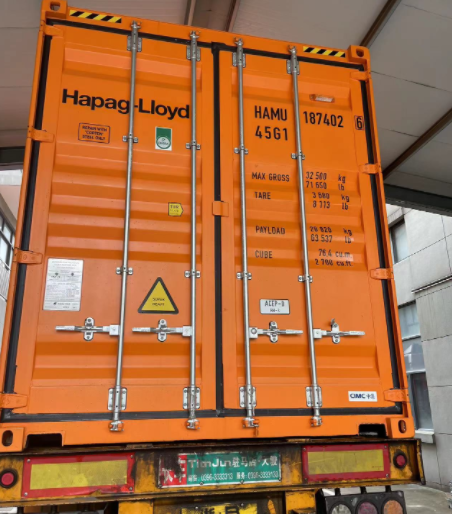
Are you looking for the most efficient way to ship goods from Shanghai to Philadelphia? Navigating the complexities of international shipping, from major trade routes to choosing between sea freight and air freight, can be challenging. In this comprehensive guide, we’ll break down everything you need to know about shipping from Shanghai to Philadelphia, including key logistics, essential costs, customs regulations, and expert tips to ensure a smooth and cost-effective delivery.
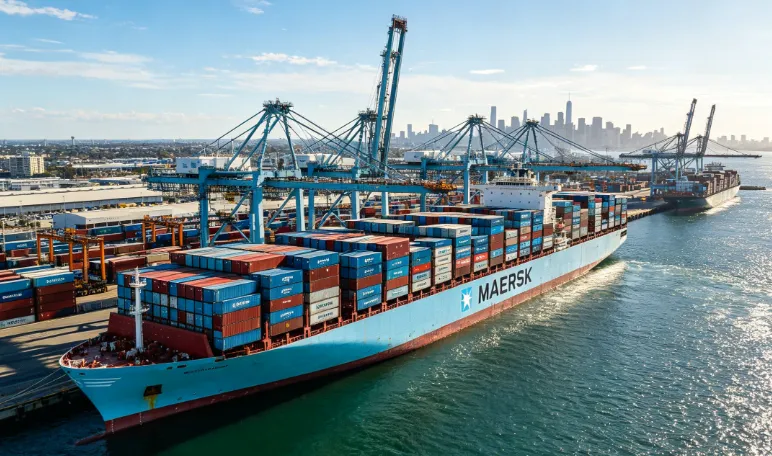
How to Ship from Shanghai to Philadelphia Efficiently
When shipping from Shanghai to Philadelphia, importers face a critical decision: Should you book a direct ocean sailing to the Port of Philadelphia (PhilaPort – USPHL), or is it faster to transload via the West Coast? The right choice depends entirely on your current cost constraints and delivery deadlines.
Direct Ocean Freight vs. West Coast Transloading
Most standard shipments from Shanghai Port (CNSHA) route through the Panama Canal directly to East Coast ports. However, supply chain disruptions and transit time requirements often demand alternative strategies.
1. Direct to PhilaPort (All-Water Route)
- Best for: Cost-sensitive, predictable supply chains (e.g., industrial components, heavy machinery).
- The Reality: While direct shipping offers the lowest per-container cost, it takes 30-38 days. The challenge at PhilaPort isn’t just arriving; it’s securing a chassis and arranging local drayage quickly.
- Dantful’s Local Advantage: Our Philadelphia-based drayage network ensures immediate container retrieval. We maintain strong relationships with local chassis pools, preventing the demurrage fees that plague many importers during peak seasons. For more on automotive shipments, see our guide on FCL autoparts shipping.
2. West Coast Transloading (Los Angeles/Long Beach to Philadelphia)
- Best for: Urgent retail goods, electronics, or bypassing East Coast port congestion.
- The Reality: Cargo is shipped from Shanghai to LA/LB (14-18 days), unloaded, and trucked or railed across the country to Philadelphia (an additional 5-7 days). This cuts transit time by up to 10 days but increases costs.
- Dantful’s Local Advantage: We manage the entire transload process. Once your goods hit our West Coast facility, they are expedited via rail or team-driver trucking directly to your Philadelphia warehouse, or to our local distribution centers near I-95 for immediate Northeast distribution.
Related: If your final destination spans multiple Northeast states, you might also consider shipping from Shanghai to New York as an alternative entry point.
Main Shipping Methods: Sea Freight vs Air Freight
Choosing the right shipping method is essential for balancing cost, speed, cargo characteristics, and business priorities. Here’s a breakdown of main options when shipping from Shanghai to Philadelphia.
Ocean Freight: FCL and LCL Options and Transit Times
Ocean freight is the most cost-effective method for large volumes and heavier shipments. Shipments can be organized as:
FCL (Full Container Load): You rent an entire container—best for shipments above 15-20 CBM. Available container sizes:
- 20FT: 28 CBM capacity
- 40FT: 56 CBM capacity
- 40HQ (High Cube): 68 CBM capacity
- 45HQ: 78 CBM capacity
LCL (Less than Container Load): For smaller shipments that are consolidated with cargo from other shippers. Ideal for volumes under 15 CBM.
Typical Ocean Transit Times (Shanghai – Philadelphia):
| Shipping Mode | Estimated Door-to-Door Transit | Estimated Port-to-Port Transit | Suitability |
|---|---|---|---|
| FCL | 30-38 days | 24-30 days | Large shipments, cost-sensitive goods |
| LCL | 35-45 days | 28-35 days | Smaller volumes, flexible timelines |
Note: Transit times depend on vessel schedules, transshipment stops, and customs clearance.
Air Freight: Speed, Cost, and Typical Cargo
Air freight is the preferred option for urgent, high-value, or perishable goods. Shipments typically depart from Shanghai Pudong International Airport (PVG) and arrive at Philadelphia International Airport (PHL) or other nearby major airports (e.g., Newark EWR, JFK).
Key Features:
- Transit Time: 3–7 days (airport-to-airport)
- Cost: Generally 4–8 times higher per kilogram than ocean freight
- Cargo Types: Electronics, pharmaceuticals, express samples, perishables, small-batch luxury goods
Air Freight Advantages:
- Fastest delivery option for time-sensitive shipments
- Lower risk of damage or theft
- Simplified customs processes for certain cargo types
Comparing Costs, Transit Times, and Suitability
Below is a comparison table to help you evaluate which shipping method aligns with your needs:
| Method | Typical Transit Time | Cost (USD/CBM)* | Best for |
|---|---|---|---|
| FCL (Sea) | 30-38 days | $120–$160 | Large, heavy, non-urgent shipments |
| LCL (Sea) | 35-45 days | $150–$200 | Small/medium volumes, flexible schedules |
| Air Freight | 3-7 days | $5–$9/kg | Urgent, high-value, perishable goods |
Rates as of Q2 2026; vary with cargo type, season, and market conditions. Always request the latest quote.
Suitability Insights:
- FCL is optimal for full loads and offers the lowest unit cost.
- LCL is suitable for SMEs and cross-border e-commerce with moderate volumes.
- Air freight is best when time-to-market is critical, despite higher costs.
Choosing the Right Shipping Partner:
For both sea and air shipments, working with a professional and experienced freight forwarder is crucial. Dantful International Logistics provides end-to-end logistics solutions, including sea freight, air freight, customs clearance, door-to-door, and other value-added services from Shanghai to Philadelphia. Our team ensures timely bookings, competitive rates, and full compliance with all regulatory requirements, supporting your business growth and supply chain resilience.
Step-by-Step Guide: How to Ship from Shanghai to Philadelphia
Booking Your Shipment and Choosing a Freight Forwarder
When shipping from Shanghai to Philadelphia, the first and most important step is to select a reliable freight forwarder. A professional provider, such as Dantful International Logistics, offers comprehensive solutions covering sea freight, air freight, customs clearance, warehouse, insurance, and door-to-door services. Choosing a forwarder with global experience ensures your cargo moves smoothly, stays compliant, and arrives on schedule.
Key points to consider when booking:
- Shipping Method: Decide between ocean freight (FCL, LCL), air freight, or multimodal solutions based on your cargo size, urgency, and budget.
- Schedule and Transit Time: Confirm vessel or flight schedules. Typical sea freight from Shanghai Port to Philadelphia takes 28–35 days (FCL), while air freight takes 3–7 days.
- Cargo Details: Provide accurate cargo information, including weight, dimensions, type of goods, and if dangerous or oversized.
- Incoterms: Agree on Incoterms (e.g., FOB, CIF, DDP) to clarify responsibilities for freight, insurance, and customs duties. You can learn more about DDP (Delivered Duty Paid) for seamless, end-to-end shipping.
- Value-added Services: Ask about cargo insurance, packing, warehousing, and tracking options.
Work closely with your chosen freight forwarder. Dantful Logistics assigns a dedicated team to guide you through each stage, ensuring compliance and optimal routing.
Export Procedures and Required Documentation in Shanghai
Proper documentation and adherence to export procedures are essential to avoid shipment delays and ensure smooth customs clearance in both China and the USA.
Main export procedures in Shanghai:
- Booking Confirmation: After agreeing on shipping details, your forwarder secures space with the carrier.
- Cargo Preparation: Ensure cargo is packed, labeled, and palletized according to international standards. For specialized goods (e.g., DG cargo, electronics), additional preparation may apply.
- Customs Declaration: Your forwarder or customs broker files an export declaration with Shanghai Customs.
- Customs Inspection: Some shipments may be inspected by customs authorities.
- Cargo Delivery to Port/Airport: Transport goods to the designated Shanghai port (e.g., Yangshan Port) or Pudong International Airport.
- Loading and Departure: Cargo is loaded onto the ship or aircraft for departure.
Key export documents:
| Document | Purpose | Who Prepares |
|---|---|---|
| Commercial Invoice | Declares cargo value for customs | Shipper |
| Packing List | Details package content and dimensions | Shipper |
| Bill of Lading (B/L) | Proof of shipment, title document | Carrier or Forwarder |
| Export Customs Declaration | Legal export filing with China Customs | Forwarder/Customs Broker |
| Certificate of Origin | Required for some products/countries | Chamber of Commerce |
| Other Permits | For restricted goods (e.g., AQSIQ, MSDS) | Shipper/Forwarder |
Accurate and complete paperwork is critical. The experts at Dantful International Logistics ensure all documents are compliant and filed on time.
Import Customs Clearance Process in Philadelphia
Once your shipment arrives in Philadelphia (via Port of Philadelphia for sea freight or Philadelphia International Airport for air freight), it must clear U.S. Customs and Border Protection (CBP) before being released.
Steps in the import clearance process:
- Arrival Notification: The carrier notifies your forwarder or customs broker of the cargo’s arrival.
- Entry Filing: Your broker files the Entry Manifest (CBP Form 7533) or Entry/Immediate Delivery (CBP Form 3461), along with the Commercial Invoice, Packing List, and Bill of Lading.
- ISF Filing: For ocean shipments, the Importer Security Filing (ISF, “10+2”) must be submitted at least 24 hours before cargo sails from Shanghai.
- Duty and Tax Payment: Applicable customs duties, tariffs, and fees are calculated and paid.
- Customs Examination: CBP may inspect the cargo or request additional documentation.
- Release & Delivery: Once cleared, your goods are released for pickup or final delivery to your address.
Working with a qualified forwarder like Dantful Logistics ensures compliance with all regulations and minimizes risk of delays or penalties.
Essential Shipping Costs and Charges Explained
Freight Rates, Surcharges, and Hidden Fees
Understanding the cost structure is crucial for budgeting and preventing unexpected expenses when shipping from Shanghai to Philadelphia.
Main cost components:
| Cost Component | Description | Typical Range (Q2 2026) |
|---|---|---|
| Freight Rate | Main shipping charge (sea/air). FCL, LCL, or per kg for air. | FCL: $3,500–$5,000/40HQ; Air: $5–$9/kg |
| Fuel Surcharge (BAF) | Adjusted for oil price fluctuations | Included or $100–$300/container |
| Security Fee | Additional handling/security at origin/destination | $30–$75 per shipment |
| Peak Season Surcharge (PSS) | Applied during high-demand periods | $200–$500/container |
| Documentation Fee | Preparation of shipping documents | $50–$100/document |
| Terminal Handling Charges (THC) | Port/terminal handling at both ends | $250–$400/container |
| Delivery Charges | Inland trucking/last mile delivery | Varies by distance |
| Other Hidden Fees | E.g., demurrage, detention, storage if delays occur | Varies |
Tips:
- Always ask for a comprehensive quote (“all-in rate”).
- Clarify whether rates are port-to-port or door-to-door. Interested in comparing costs for other US destinations? Here’s a reference on shipping rates from China to USA.
- Watch for hidden charges such as extra handling, documentation, or customs inspection fees.
Customs Duties, Taxes, and Port Fees
When importing goods into the United States, several taxes and fees may apply:
| Charge Type | Description | Who Pays |
|---|---|---|
| Customs Duties | Based on the HS code and product value | Importer |
| Merchandise Processing Fee (MPF) | 0.3464% of value, min $31.67, max $614.35 (2026) | Importer |
| Harbor Maintenance Fee (HMF) | 0.125% of value for ocean shipments | Importer |
| State/Local Taxes | Some goods may incur sales or use tax | Importer |
| Port Fees | Charged for cargo handling, security, maintenance | Importer/Consignee |
A qualified forwarder like Dantful International Logistics can help you calculate duties and manage payments to avoid surprises.
How to Get Accurate Quotes and Save on Shipping Costs
Steps to obtain accurate shipping quotes:
Provide Detailed Information: Include weight, size (CBM), cargo type, value, and pickup/delivery addresses.
Clarify Service Needs: Specify if you require door-to-door, warehousing, insurance, or customs clearance.
Request a Breakdown: Ask for an itemized quote to identify all potential charges.
Compare Modes and Routes: Sometimes, combining sea and air freight or using consolidated services lowers costs.
Book in Advance: Early booking secures better rates, especially in peak seasons.
Select the Right Container Size: Use the most suitable container for your cargo:
Container Type Capacity (CBM) 20FT 28 40FT 56 40HQ 68 45HQ 78
Cost-saving tips:
- Consolidate shipments for small loads (LCL) to benefit from shared containers. For more details on LCL, see LCL vs FCL Shipping: How to Choose the Right Option for Small Cargo.
- Use a reputable partner like Dantful Logistics who can leverage carrier relationships for competitive pricing.
- Avoid unnecessary warehouse storage and demurrage charges by planning customs clearance in advance.
- Regularly review and negotiate service contracts if you ship frequently.
Conclusion: Shipping from Shanghai to Philadelphia involves careful planning—from choosing the right freight forwarder and complying with export/import regulations to understanding the full range of costs. With the right partner and a strong grasp of procedures, your goods will reach their destination efficiently and cost-effectively. For tailored solutions and expert guidance, consider partnering with Dantful International Logistics—your trusted global logistics provider.
READ MORE:
- Shipping From China to the USA
- Shipping From China TO Canada
- Shipping From China TO Mexico
- Shipping From China to Panama
- Shipping From China to Costa Rica
- Shipping From China to Brazil
- Shipping From China TO Colombia
- Shipping From China to Jamaica
- Shipping From China to Venezuela
- Shipping From China to Argentina
Customs Regulations and Compliance Requirements
Key Documents Needed for US Import
When shipping from Shanghai to Philadelphia, ensuring all documentation is in order is critical for smooth customs clearance. U.S. import regulations are strict, and missing or incorrect paperwork can lead to costly delays or penalties. Key documents required for shipments entering the United States include:
- Bill of Lading (B/L) or Air Waybill (AWB): Proof of contract between shipper and carrier, detailing the shipment’s contents and journey.
- Commercial Invoice: Specifies transaction details, including seller, buyer, commodity description, value, and HS codes.
- Packing List: Offers detailed information on packaging, quantity, and weight/volume of each item.
- Arrival Notice: Issued by the freight forwarder or carrier to the consignee upon cargo arrival.
- Import Security Filing (ISF/10+2): Mandatory for ocean shipments and must be submitted to U.S. Customs and Border Protection (CBP) at least 24 hours before cargo is loaded onto the vessel in Shanghai.
- Customs Bond: Required for most commercial entries to guarantee compliance with all import regulations and payment of duties.
- Certificate of Origin (if applicable): Required for certain commodities or under specific trade agreements.
- Other Permits and Certificates: Depending on your cargo, additional documents may be needed, such as phytosanitary certificates for agricultural products, FDA approval for food or medical goods, or FCC clearance for electronics.
Ensuring accuracy and completeness in these documents is essential for a seamless shipping process from China to the US.
Import Restrictions, Prohibited Items, and Compliance Tips
The United States enforces strict import controls to protect public health, safety, and national security. When shipping from Shanghai to Philadelphia, be aware of the following:
Prohibited Items:
- Counterfeit goods, pirated materials, and products that infringe on trademarks or copyrights.
- Weapons, explosives, and firearms without special permissions.
- Certain agricultural products, live animals, and plants without appropriate permits.
- Hazardous materials not meeting US safety standards.
- Goods made with forced labor.
Restricted Items (require permits or compliance):
- Food, beverages, and pharmaceuticals (requires FDA approval).
- Chemicals and hazardous substances (subject to EPA and DOT regulations).
- Electronics and communications equipment (requires FCC compliance).
- Textiles and apparel (may require quota or licensing).
Compliance Tips:
- Consult the official U.S. CBP and relevant agency websites for up-to-date lists of restricted/prohibited items.
- Double-check HS codes and ensure product classification is accurate.
- Work closely with a qualified freight forwarder (such as Dantful International Logistics) who can advise on commodity-specific requirements.
- Retain copies of all documentation and correspondence for at least five years.
How to Avoid Customs Delays and Penalties
Delays and penalties at customs can be expensive and disruptive. To minimize risks when shipping from Shanghai to Philadelphia:
- Submit Accurate and Complete Documentation: Errors or omissions in the ISF, commercial invoice, or other paperwork are leading causes of delays and fines. Review all documents carefully before submission.
- File ISF (10+2) On Time: For sea freight, ISF must be filed no later than 24 hours before cargo loading in Shanghai. Late filings can result in penalties up to $5,000 per violation.
- Ensure Compliance with All Regulatory Agencies: If your goods are regulated by agencies such as the FDA, EPA, or USDA, secure all necessary permits and pre-approvals in advance.
- Pay Duties and Taxes Promptly: Delays in duty payment can hold up cargo release at the Port of Philadelphia.
- Use a Professional Customs Broker or Experienced Freight Forwarder: Relying on logistics experts like Dantful International Logistics ensures you stay compliant with all U.S. import laws and avoid costly mistakes.
- Track Shipments and Respond Quickly to Customs Queries: Maintain open communication with your logistics partner to resolve any issues as soon as they arise.
Tips for Optimizing Your Shipping Experience
Best Practices for Packing, Labeling, and Cargo Insurance
Proper packing and labeling not only protect your goods but also ensure compliance with both Chinese and U.S. regulations.
Packing Best Practices:
Use high-quality, export-grade packaging materials suitable for sea or air transit.
For FCL (Full Container Load), utilize the container’s capacity efficiently:
- 20FT: 28CBM
- 40FT: 56CBM
- 40HQ: 68CBM
- 45HQ: 78CBM
For fragile or high-value items, add extra cushioning and moisture protection.
Palletize cargo for easier handling and reduced risk of damage.
Labeling Requirements:
- Clearly label all packages with consignee, destination, and handling instructions.
- Ensure all labels are weather-resistant and easy to read.
- Include compliance marks for hazardous materials if applicable.
Cargo Insurance:
- Always insure your cargo against loss, theft, or damage during transit.
- Select coverage that matches your goods’ value and transportation mode.
- Dantful International Logistics offers comprehensive insurance solutions tailored to your shipment.
Choosing the Right Logistics Partner
Selecting a reliable freight forwarder is crucial for smooth and cost-effective shipping from Shanghai to Philadelphia. Consider these factors:
| Selection Criteria | Why It Matters | Dantful International Logistics Advantage |
|---|---|---|
| Experience & Expertise | Reduces risks and errors | 15+ years in global shipping and compliance |
| Service Portfolio | One-stop solutions save time/cost | Sea, air, rail, road, Amazon FBA, customs, insurance |
| Global Network & Local Knowledge | Faster routing and issue-solving | Offices/partners in major ports worldwide |
| Transparent Pricing & Cost Control | Avoids hidden fees | Clear, upfront quotes and cost-saving advice |
| Customer Support & Communication | Quick response to challenges | Dedicated account managers and real-time tracking |
Working with Dantful International Logistics ensures professional, efficient, and worry-free freight forwarding, from pickup in Shanghai to delivery in Philadelphia.
Tracking Your Shipment and Managing Delays
Real-time visibility is essential for managing expectations and responding to disruptions:
Shipment Tracking: Most modern freight forwarders offer online tracking tools. With Dantful Logistics, access real-time status updates, estimated arrival times, and document downloads via our client portal.
Delay Management:
- Plan for potential disruptions (e.g., port congestion, weather, customs exams).
- Maintain close communication with your logistics provider for prompt updates and alternative solutions.
- Monitor key milestones: vessel departure, transshipment, customs clearance, final delivery.
Proactive tracking and a responsive logistics partner help minimize the impact of unforeseen issues, ensuring your supply chain remains reliable and efficient.
FAQs
Q1: How long does shipping from Shanghai to Philadelphia typically take?
A: Ocean freight usually takes 25-35 days port-to-port, depending on routing and vessel schedules. Air freight can arrive in 3-7 days.
Q2: What are the most common shipping methods?
A: The main options are sea freight (FCL/LCL) and air freight. The choice depends on budget, transit time, and cargo type.
Q3: What documents are required for customs clearance in the US?
A: Essential documents include the Bill of Lading/Air Waybill, Commercial Invoice, Packing List, ISF filing, and any required permits or certificates.
Q4: Can Dantful International Logistics handle door-to-door shipments?
A: Yes, we offer comprehensive door-to-door, customs clearance, and delivery services from Shanghai to Philadelphia, including all necessary logistics arrangements.
Q5: How can I reduce my shipping costs?
A: Consolidate shipments, choose the appropriate shipping mode, book in advance, and work with an experienced freight forwarder like Dantful International Logistics for cost-saving strategies.

Young Chiu is a seasoned logistics expert with over 15 years of experience in international freight forwarding and supply chain management. As CEO of Dantful International Logistics, Young is dedicated to providing valuable insights and practical advice to businesses navigating the complexities of global shipping.