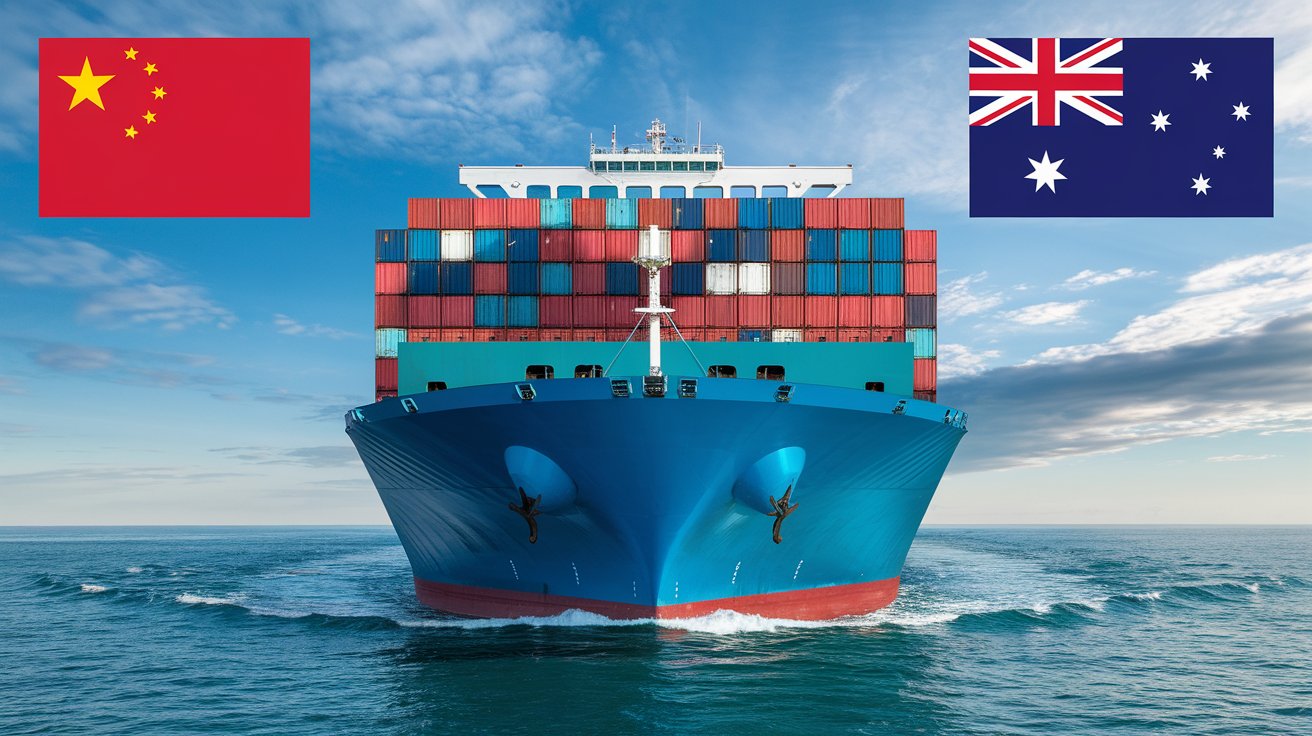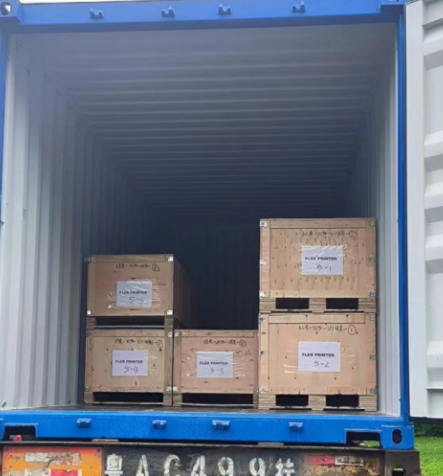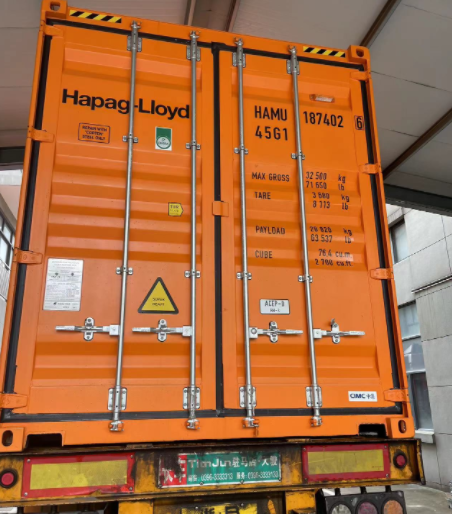
The United States will impose a 25% tariff on imported heavy-duty trucks starting October 1, 2025—a change set to significantly affect importers sourcing from China. This article explains the policy details, analyzes the impact on total landed costs, and provides a practical guide for navigating compliance, mode selection, and cost control for China-to-US heavy truck imports.
Key Takeaways:
- Effective Oct 1, 2025, the United States will impose a 25% tariff on imported heavy-duty trucks in addition to existing duties and fees. Importers sourcing trucks from China should reassess total landed cost (TLC), including base duty (per HTSUS classification), the new 25% tariff, MPF/HMF, inland drayage/rail, insurance, and compliance costs.
- Key U.S. entry fees to budget: Merchandise Processing Fee (MPF) at 0.3464% ad valorem with minimum/maximum caps for formal entries, and Harbor Maintenance Fee (HMF) at 0.125% of entered value on ocean imports.
- Compliance complexity will increase: classify and value correctly for CBP, file EPA emissions (Form 3520-1 for on-road vehicles; heavy-duty engines use 3520-21), and DOT/NHTSA HS-7 safety declaration; nonconforming vehicles usually require a Registered Importer (RI) and a DOT conformance bond.
- Routing decisions should be made by TLC: consider RO-RO vs FCL vs breakbulk; West Coast + rail vs direct East/Gulf if inland curves favor all-in economics.
- Dantful International Logistics provides one-stop shipping from China to USA vehicle logistics, including supplier coordination, export prep, ocean booking, US customs clearance, EPA/DOT filing support, and delivery-to-door with cost optimization.
Policy Explained: Key Facts of the 25% Heavy Truck Tariff
- The measure imposes a 25% tariff on imported heavy-duty trucks starting October 1, 2025, atop any existing tariffs or duties under the HTSUS.
- Scope details such as interactions with other country- or product-specific measures may require additional guidance; importers should model multiple stacking scenarios and seek pre-entry rulings where needed.
- Expect market impacts along the truck value chain (whole vehicles, SKD/CKD kits, key components) and potential schedule risk during the initial implementation period.
- Practical note: verify whether your vehicles fall under HTSUS Chapter 87, heading 8704 (motor vehicles for the transport of goods), and confirm any special program indicators before quoting.
Who Is Affected
- US importers bringing in complete heavy trucks (fleet operators, distributors, construction/mining sectors), partial kits (SKD/CKD), and critical components (chassis, engines, transmissions, axles).
- Chinese OEMs and trading companies exporting heavy trucks or major assemblies to the US market.
- Logistics stakeholders across China origin (factory prep, inland drayage, export customs), ocean segment (RO-RO/container/breakbulk), and US destination (terminal handling, customs brokerage, compliance inspection, inland delivery).
Impact Analysis on Total Landed Cost
- TLC stack: Product price (EXW/FOB) + international freight + marine insurance + destination port charges + brokerage + base duty (HTSUS) + 25% tariff + MPF/HMF + inland transport to door.
- Duty and tariff computation: Classification drives base duty; the 25% tariff is layered on top of dutiable value consistent with CBP valuation rules and tariff application principles.
- U.S. entry fees: MPF is 0.3464% ad valorem with minimum/maximum caps per formal entry; HMF is 0.125% of the entered value for ocean imports.
- Pricing strategy: For DDP/DAP quotations, account for cashflow on duties/taxes, and ensure contractual pass-through or adjustment mechanisms for tariff shocks.
Illustrative landed cost math (example values):
| Element | Basis | Example |
|---|---|---|
| Declared value (CIF basis for example) | Transaction | $150,000 |
| Base duty | HTSUS-driven | x% per HTSUS heading (consult USITC) |
| 25% tariff (heavy trucks) | 25% of dutiable value | $37,500 on $150,000 |
| MPF | 0.3464% with caps | $519 (subject to CBP min/max) |
| HMF (ocean only) | 0.125% of entered value | $187.50 |
Example TLC comparison framework (illustrative—replace with your project’s figures):
| Cost Element | RO-RO (Whole Truck) | FCL 40HC (Disassembled/Prepared) | Breakbulk |
|---|---|---|---|
| Ocean Freight | Variable by lane/season | Variable by lane/season | Variable by lane/season |
| Handling & Securing | Lower (roll-on/roll-off) | Higher (blocking, bracing) | Project-specific |
| Damage Risk | Low (vehicle stays drivable) | Moderate (pack/handling) | Variable |
| Transit Time | Direct or via hub | Similar to general cargo | Variable / project-based |
| US Inland | Drivable off-terminal | Drayage + chassis + rail/truck | Project-based |
| Compliance Touchpoints | EPA/DOT upon entry | EPA/DOT upon entry | EPA/DOT upon entry |
| TLC Notes | Good for operable units | Efficient when modularized | Use for oversize/overweight |
China-to-US Routing: Transport Mode Selection & Route Optimization
- Mode selection: RO-RO for operable, intact trucks; FCL for disassembled or partially disassembled trucks with proper blocking/bracing; breakbulk for oversize/overweight units.
- Port and lane strategy: Compare West Coast + intermodal rail vs direct East Coast/Gulf calls; choose the corridor with the lowest TLC considering current inland rates, chassis availability, and congestion risk.
- Consolidation opportunities: Combine similar units (“co-load”) to reduce per-unit fixed costs; consider split-shipments to manage cashflow and compliance scheduling.
- Insurance & risk: Ensure adequate marine cargo coverage; consider add-ons (war/strikes) based on route risk profile.
Given the complexity of optimizing routes and coordinating multiple transport modes, partnering with an experienced freight forwarder like Dantful International Logistics can help you streamline your supply chain, minimize costs, and ensure full compliance at every step.
Step-by-Step Import Guide
- Pre-import assessment: Preliminary HS classification, base duty and 25% tariff modeling, and feasibility check for EPA/DOT compliance (conformity status, required modifications).
- Booking and export prep: Select mode (RO-RO/FCL/breakbulk), schedule sailings, prepare securing plans, and build a document pack ready for US entry.
- Arrival and entry filing: ISF/manifest, EPA Form 3520-1 (or 3520-21 as applicable), DOT HS-7, and customs entry; plan for potential exams and secondary compliance actions (RI/ICI) if nonconforming; most declarations can be transmitted via ACE.
- Release and pickup: Pay duties/taxes/fees, terminal pickup, inland delivery; complete any required modifications/testing and maintain complete records.
- Post-entry: Reconcile any adjustments, archive compliance documents, and prepare for potential audits.
Cost-Saving & Risk Control
- Engineering the shipment: Decide RO-RO vs FCL based on handling risk and consolidation potential; evaluate disassembly to fit 40HC while maintaining compliance integrity.
- Procurement and timing: Lock capacity ahead of peak seasons; use multi-port options to avoid bottlenecks; leverage rate validity windows to mitigate volatility.
- Compliance risk control: Pre-validate conformity status; secure RI/ICI capacity early if needed; ensure document completeness to reduce exam risks and storage/demurrage.
- Contract terms: Clarify DAP/DDP responsibilities, tariff adjustment clauses, and force majeure language to allocate risks fairly.
- Fees awareness: MPF may be capped/exempt under certain preference programs; HMF is statutory at 0.125% for ocean imports—plan cash flow accordingly but note limited optimization levers.
- Bond planning: If importing via an RI, budget for a DOT conformance bond at 150% of declared value and allow up to 120 days for modifications/testing.
Checklists & Templates
Pre-Import Checklist (excerpt):
- Vehicle technical specs (VIN, engine, emissions family, GVWR), conformity certificates (if any), and photos.
- Preliminary HS classification and duty/tariff model; landed cost worksheet (with 25% layer).
- EPA 3520-1 or 3520-21 readiness (as applicable) and DOT HS-7; identify ICI/RI pathway if nonconforming and arrange DOT bond if required.
- Booking plan (mode/port), insurance binder, and inland delivery arrangement.
Landed Cost Worksheet (structure):
| Item | Notes |
|---|---|
| Product price (Incoterm) | EXW/FOB/CIF/DDP |
| International freight | RO-RO/FCL/breakbulk |
| Marine insurance | Institute Clauses; add-ons if needed |
| Destination port charges | THC, wharfage, terminal fees |
| Brokerage & compliance | Entry, EPA 3520-1, DOT HS-7 |
| Base duty (HTSUS) | Per classification |
| 25% tariff (heavy trucks) | Effective Oct 1, 2025 |
| MPF/HMF | CBP assessments |
| Inland delivery | Drayage/rail/truck to door |
| Contingencies | Storage/demurrage, exams |
Why Choose Dantful
- One-stop vehicle logistics: China supplier coordination, factory handover, export prep and packing, ocean freight (RO-RO/FCL/breakbulk), US customs clearance, EPA/DOT filing assistance, and door delivery.
- Compliance-first approach: HTS classification advisory, landed cost modeling, EPA 3520-1/DOT HS-7 documentation, and coordination with RI/ICI partners where required.
- Proven results: Consolidation and multi-port strategies to reduce per-unit cost and time-to-service; hands-on exception management at terminals to minimize storage/demurrage.
- Get a tailored quote: Share model specs, origin/destination ports, target lead time, and Incoterms—Dantful will return multi-option TLC comparisons within 24 hours.
FAQs
Q1: Does the 25% tariff stack with existing duties?
Yes—calculate base duty by HTSUS, then apply the 25% tariff on the dutiable value per CBP principles, plus MPF/HMF as applicable.
Q2: What EPA/DOT forms are required?
EPA 3520-1 and DOT HS-7 are commonly required at entry; some configurations use EPA 3520-21 for heavy-duty engines. Nonconforming vehicles may need ICI/RI pathways for modifications/testing before permanent release.
Q3: Do I need a Registered Importer (RI) and a bond?
For nonconforming vehicles, import must be by or through an RI; a DOT conformance bond of 150% of declared value is generally required, and conformity must be completed within 120 days.
Q4: Which HTS code should I use for my truck?
Start with HTSUS Chapter 87 heading 8704 (motor vehicles for the transport of goods) and drill down by GVWR/engine; confirm current duty rates in the official HTS and consider a binding ruling if needed.
Q5: Can I import the engine separately?
Heavy-duty engines and certain equipment are subject to EPA Form 3520-21 and applicable certification—plan documentation accordingly.

Young Chiu is a seasoned logistics expert with over 15 years of experience in international freight forwarding and supply chain management. As CEO of Dantful International Logistics, Young is dedicated to providing valuable insights and practical advice to businesses navigating the complexities of global shipping.