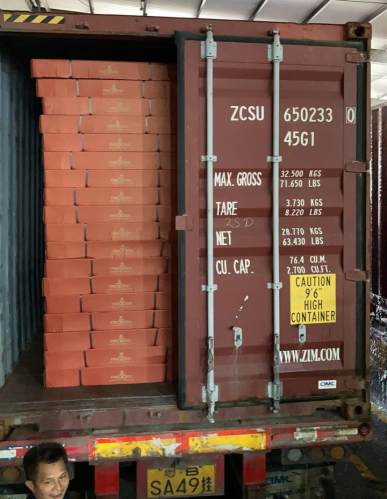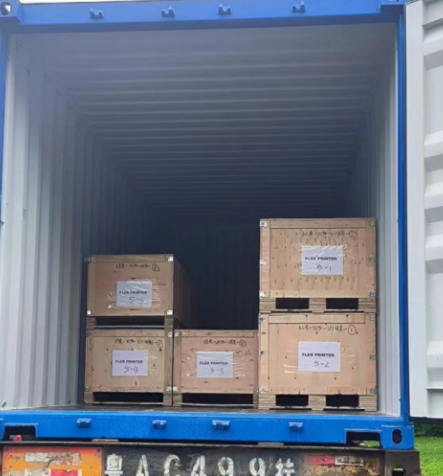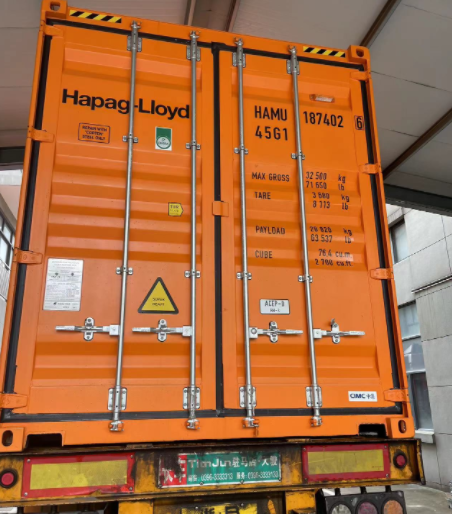
Container shipping costs are a pivotal factor for businesses engaged in importing goods from China to Saudi Arabia. As global trade continues to expand, understanding these costs is essential for effective budgeting, planning, and ensuring timely deliveries. This guide delves into the key elements influencing container shipping costs, including shipping routes, container sizes, and the choice between Full Container Load (FCL) and Less than Container Load (LCL) shipping methods. Moreover, we will explore additional fees, average transit times, and strategies to reduce shipping expenses, providing valuable insights for businesses looking to navigate the complexities of international logistics.
Key Factors Influencing Shipping Costs
Several vital factors can affect container shipping costs. Understanding these factors enables businesses to make informed decisions and optimize their shipping strategy.
Shipping Route and Distance
Key Factors Influencing Shipping Costs
Several vital factors are currently shaping container shipping costs. Understanding these factors enables businesses to make informed decisions and optimize their shipping strategy amidst the evolving global trade landscape of December 2025.
Shipping Route and Distance
The shipping route and distance between ports significantly impact the overall shipping costs. The most commonly used ports for shipping from China to Saudi Arabia include:
| Port in China | Port in Saudi Arabia | Approximate Distance (Nautical Miles) |
|---|---|---|
| Shanghai | Jeddah | 5,500 |
| Shenzhen | Dammam | 5,300 |
| Ningbo | Yanbu | 5,800 |
| Guangzhou | Khobar | 5,600 |
Longer shipping distances generally lead to higher costs due to increased fuel consumption, longer transit times, and the potential for additional fees such as port charges. In December 2025, persistent geopolitical tensions (e.g., Red Sea disruptions) are still influencing route choices, often leading to longer voyages around the Cape of Good Hope for some carriers, adding significantly to fuel and operational costs. Furthermore, new environmental regulations (e.g., EU ETS expansion for maritime transport) are introducing carbon surcharges on specific routes, further influencing shipping expenses.
Container Size: 20ft vs. 40ft

Another significant factor to consider when evaluating shipping costs is the size of the container. Containers are typically available in two sizes: 20-foot and 40-foot. Each size has its advantages and costs associated with it.
| Container Size | Approximate Capacity | Cost Comparison |
|---|---|---|
| 20ft | 28 cubic meters | Lower upfront shipping cost |
| 40ft | 56 cubic meters | Higher upfront shipping cost but more economical for larger loads |
While the 20-foot container may seem less expensive, the cost per cubic meter often decreases when using a 40-foot container, making it more cost-effective for larger shipments. Furthermore, with global supply chain reconfigurations and heightened demand for specific goods in December 2025, the availability of 40-foot containers might be tighter in some Chinese ports, potentially leading to a premium. When shipping lighter goods, leveraging a 40-foot container to maximize space remains a key strategy to reduce costs on a per-unit basis, especially to offset rising base freight rates.
Mode of Transport: FCL vs. LCL
The mode of transport chosen for shipping goods from China to Saudi Arabia also greatly influences costs. There are two primary shipping methods: Full Container Load (FCL) and Less than Container Load (LCL).
- Full Container Load (FCL): In this arrangement, one party reserves the entire container for their shipment. This method offers several benefits, including greater security, reduced risk of damage, and faster transit times, as the container is loaded and sealed at the origin and opened only at the destination. The overall shipping cost may be lower per unit when shipping large volumes.
- Less than Container Load (LCL): In contrast, LCL shipments involve sharing a container with other shippers. While this method allows businesses to ship smaller quantities at a lower upfront cost, it can lead to higher per-unit shipping costs. LCL shipments also require additional handling and logistical coordination, which may result in longer transit times.
| Shipping Method | Advantages | Disadvantages |
|---|---|---|
| FCL | Cost-effective for larger volumes; Priority in space allocation | Requires a minimum shipment size; Subject to volatile GRIs/surcharges |
| LCL | Suitable for smaller shipments; Lower upfront cost | Higher per-unit costs; Prone to delays from consolidation/congestion |
Choosing between FCL and LCL should depend on your shipment volume, current market volatility, carrier capacity outlooks for December 2025, and budget.
You may be interested in the following related articles:
- The Ultimate Guide to Door to Door Shipping from China to Yemen
- Container Shipping Costs from China to Australia: What You Need to Know
- The Ultimate Guide to Container Shipping Costs from China to USA in 2024
- Cheapest Shipping Company from China to Russia: What You Need to Know
- A Comprehensive Guide to the Cheapest Shipping Companies from China to Spain
- The Ultimate Guide to Container Shipping Costs from China to Africa in 2024
Latest Container shipping costs from China to Saudi Arabia
When importing goods from China to Saudi Arabia, shipping costs are a significant consideration for businesses. Understanding the costs associated with different container sizes and shipping methods can provide valuable insights for effective budgeting and planning. This section offers a detailed breakdown of shipping costs for both 20-foot and 40-foot containers, alongside a comparison of Full Container Load (FCL) and Less than Container Load (LCL) shipping methods.
20ft Container Shipping Cost from China to Saudi Arabia
For small-to-medium businesses, the 20ft container (TEU) remains the most popular choice. In December 2025, rates are experiencing typical year-end peak season fluctuations. Below are the estimated port-to-port freight rates for key routes.
Estimated 20ft Container Rates by Route (Dec 2025)
| Origin Port (China) | Destination Port (Saudi Arabia) | Estimated Cost (USD) | Transit Time |
|---|---|---|---|
| Shanghai (CNSHA) | Jeddah (SAJED) | $1,650 – $1,950 | 20 – 25 Days |
| Shenzhen (CNSZP) | Dammam (SADMM) | $1,750 – $2,100 | 22 – 28 Days |
| Ningbo (CNNGB) | Riyadh (SARYD) * | $2,200 – $2,600 | 28 – 35 Days |
| Guangzhou (CNCAN) | Jeddah (SAJED) | $1,600 – $1,900 | 18 – 24 Days |
| Qingdao (CNQDAO) | Dammam (SADMM) | $1,800 – $2,150 | 25 – 30 Days |
*Note: Riyadh is a dry port. Rates include inland transport (rail/truck) from Dammam, hence the higher cost.
20ft Total Landed Cost Breakdown
Beyond the base freight rate shown above, you must account for local charges to calculate your final budget. Here is the typical cost structure:
- Base Freight Rate: $1,000 – $1,500 (Included in table above)
- Port Charges (THC/Loading): $200 – $300
- Documentation Fees: $100 – $150
- Insurance Services: $50 – $100
- Customs Clearance: $150 – $300
- Total Estimated Budget: $1,600 – $2,600
Pro Tip: With the approaching peak season, space is tight. Contact Dantful International Logistics 14 days in advance to secure a spot and avoid “rolling” fees.
40ft Container Shipping Cost from China to Saudi Arabia
For larger shipments, the 40ft container (FEU) offers significantly better economies of scale. While the total cost is higher, the cost-per-cubic-meter (CBM) is roughly 30-40% lower than a 20ft container.
Estimated 40ft Container Rates by Route (Dec 2025)
| Origin Port (China) | Destination Port (Saudi Arabia) | Estimated Cost (USD) | Transit Time |
|---|---|---|---|
| Shanghai (CNSHA) | Jeddah (SAJED) | $2,200 – $2,600 | 20 – 25 Days |
| Shenzhen (CNSZP) | Dammam (SADMM) | $2,300 – $2,800 | 22 – 28 Days |
| Ningbo (CNNGB) | Riyadh (SARYD) | $3,100 – $3,600 | 28 – 35 Days |
| Guangzhou (CNCAN) | Jeddah (SAJED) | $2,150 – $2,550 | 18 – 24 Days |
| Tianjin (CNTSN) | Dammam (SADMM) | $2,400 – $2,900 | 30 – 35 Days |
40ft Total Landed Cost Breakdown
Ensure you budget for the following components for a standard General Cargo shipment:
Total Estimated Budget: $2,125 – $3,625clarity on these costs and assist in optimizing shipping strategies.
Base Freight Rate: $1,500 – $2,200 (Included in table above)
Port Charges (THC/Loading): $250 – $400
Documentation Fees: $100 – $150
Insurance Services: $75 – $125
Customs Clearance: $200 – $350
Comparison of FCL and LCL Shipping Costs
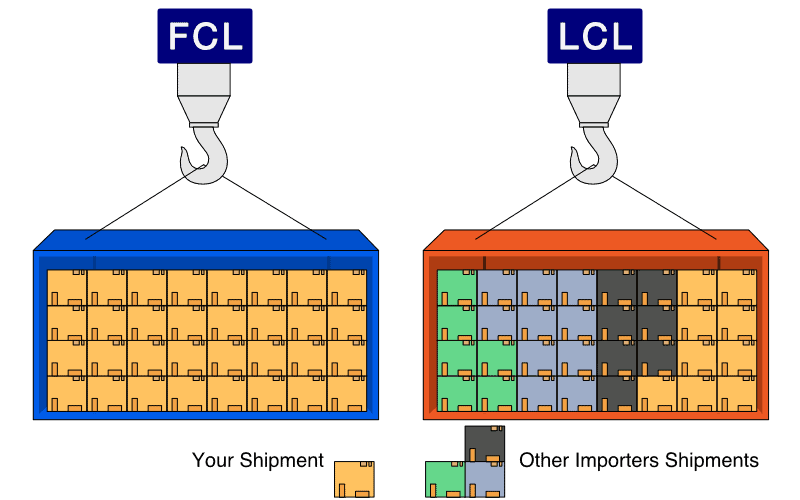
When determining the most cost-effective shipping method, the comparison between Full Container Load (FCL) and Less than Container Load (LCL) is vital. The following table summarizes the key differences in shipping costs, which can guide businesses in their selection:
| Shipping Method | Cost Range (USD) | Advantages | Disadvantages |
|---|---|---|---|
| FCL | $1,600 – $3,625 (20ft to 40ft) | Lower cost per unit for larger shipments | Requires full container space |
| LCL | $300 – $1,200 per cubic meter | Flexible for smaller shipments | Higher cost per unit and potential delays |
Choosing between FCL and LCL should consider shipment size, urgency, and budget. For businesses that require flexibility, LCL presents an attractive option, but for bulk shipments, FCL often provides better value.
Additional Fees and Charges
In addition to standard shipping costs, various fees and charges can apply during the import process. Understanding these additional costs is essential for accurate budgeting.
Port Fees and Handling Charges
Port fees can significantly affect overall shipping costs. These charges usually consist of loading and unloading expenses, terminal handling fees, and other port service fees. The following table outlines common port fees associated with shipping containers from China to Saudi Arabia:
| Fee Type | Estimated Cost (USD) |
|---|---|
| Loading Fee | $100 – $200 |
| Discharge Fee | $100 – $200 |
| Terminal Handling Fee | $50 – $100 |
| Miscellaneous Charges | $50 – $200 |
| Total Port Fees | $300 – $700 |
Customs Duties and Taxes
When importing goods into Saudi Arabia, understanding customs duties and taxes is essential for compliance and cost management. These charges vary based on the type of product, its value, and the regulations in place. As of 2025, here are the common customs fees applicable to imports:
| Product Category | HS Code | Import Duty (%) | VAT (%) |
|---|---|---|---|
| Electronics | 85 | 5 | 15 |
| Clothing and Textiles | 61, 62 | 10 | 15 |
| Machinery and Equipment | 84 | 5 | 15 |
| Food and Beverages | 19 | 10 | 15 |
| Pharmaceuticals | 30 | 5 | 15 |
| Automotive Parts | 87 | 5 | 15 |
| Plastics and Articles | 39 | 15 | 15 |
It’s crucial for businesses to consult with customs brokers and freight forwarders, such as Dantful, to ensure that all customs duties and taxes are accurately calculated and compliant with regulations.
By analyzing shipping costs and additional fees, businesses can make informed decisions when importing goods from China to Saudi Arabia. Working with an experienced freight forwarder can streamline the shipping process, minimize costs, and enhance efficiency, ensuring a smoother import experience.
Shipping From China to Middle East Countries:
- Shipping from China to Saudi Arabia
- Shipping from China to UAE
- Shipping from china to KUWAIT
- Shipping From China To EGYPT
- Shipping from China to Bahrain
- Shipping From China To Jordan
- Shipping From China To Israel
- Shipping from China to Qatar
- Shipping From China To IRAQ
- Shipping from China to Iran
Shipping Time from China to Saudi Arabia
Understanding the shipping time from China to Saudi Arabia is crucial for businesses that rely on timely deliveries for their operations. This section discusses average transit times for sea freight and the factors that can affect shipping duration.
Average Transit Times for Sea Freight
The average transit times for sea freight can vary significantly based on the chosen ports and shipping routes. A general overview of estimated transit times between major ports in China and Saudi Arabia is provided below:
| Major routes | Estimated Transit Time (Days) |
|---|---|
| Shipping from Shanghai to Jeddah | 20 – 30 |
| Shipping from Shenzhen to Dammam | 18 – 28 |
| Shipping from Ningbo to Yanbu | 22 – 32 |
| Shipping from Guangzhou to Khobar | 20 – 30 |
These transit times are approximate and can be influenced by various factors such as vessel schedules, port congestion, and weather conditions. Businesses should factor in these timelines when planning their shipments to ensure that they meet their delivery schedules.
Factors Affecting Shipping Duration
Several factors are currently influencing the shipping duration between China and Saudi Arabia, leading to variances in transit times in December 2025:
- Shipping Route and Port Efficiency
The chosen shipping route remains critical. Ports like Shanghai and Dammam, despite recent upgrade efforts, are experiencing peak season congestion in December 2025, impacting processing times. Certain routes, particularly those avoiding the Red Sea rerouting, may face extended transit due to increased vessel traffic.
- Customs Clearance Procedures
Customs clearance is a crucial step. Delays can occur if documentation is incomplete, or due to Saudi Arabia’s intensified import scrutiny on certain goods in December. Efficient, digitally submitted paperwork is key to minimizing these potential hold-ups.
- Vessel Schedule and Availability
The frequency of sailings and vessel availability continue to fluctuate. Global container imbalances and increased demand from other growing markets in December 2025 are making securing space more competitive, potentially leading to longer wait times.
- Weather Conditions
Adverse weather conditions can disrupt schedules. The onset of typhoon season in the South China Sea and unpredictable dust storms approaching the Arabian Peninsula are causing occasional rerouting or schedule changes, which can lead to delays.
Dantful International Logistics Services:
- Dantful Ocean Freight Services
- Air Freight From China
- Amazon FBA Freight Forwarding
- WAREHOUSE Services
- One-Stop Customs Clearance Solution
- Cargo Insurance Services in China
- DDP Shipping Services By Dantful Logistics
- Out of Gauge Cargo Transportation Shipping Services
Tips for Reducing Container Shipping Costs
Navigating the complexities of container shipping costs requires strategic planning and decision-making. Here are some effective tips for reducing these costs.
Choosing the Right Freight Forwarder
Selecting a reliable freight forwarder can significantly impact shipping costs and efficiency. Here are key considerations when choosing a freight forwarder:
-
Experience and Expertise: Opt for a freight forwarder with a proven track record in shipping from China to Saudi Arabia. An experienced provider will have in-depth knowledge of the regulations and logistics involved.
-
Network and Relationships: A well-connected freight forwarder can negotiate better rates with shipping lines and service providers, potentially lowering overall shipping costs.
-
Service Offerings: Look for a freight forwarder that offers a comprehensive range of services, including customs clearance, insurance services, and warehouse services. This one-stop approach can streamline logistics and enhance cost efficiencies.
-
Customer Support: Choose a forwarder that provides reliable customer support, ensuring that you can get timely updates and assistance throughout the shipping process.
Consolidating Shipments for Cost Efficiency
Consolidating shipments can be a highly effective strategy for reducing shipping costs. Here are some ways to consolidate shipments for better financial efficiency:
-
Group Smaller Shipments: Instead of shipping smaller quantities frequently, consider grouping orders to fill a container. This approach can lower shipping costs and decrease the overall frequency of shipments.
-
Utilize Less than Container Load (LCL): For businesses that do not have enough volume to fill an entire container, LCL shipping can provide a cost-effective solution by sharing container space with other shippers.
-
Plan Ahead: Efficient planning can help avoid rushed shipments, which often incur higher costs. By forecasting demand and scheduling shipments in advance, businesses can take advantage of lower shipping rates.
-
Choose the Right Shipping Method: Assess the balance between cost and delivery time. While air freight may provide speed, it typically comes at a higher cost. Evaluate whether your shipment could benefit from sea freight for significant cost savings.
Implementing these strategies can assist businesses in managing their shipping costs effectively while ensuring timely deliveries. For tailored solutions and professional guidance in freight forwarding, Dantful International Logistics provides a wealth of services that can help optimize your import experience from China to Saudi Arabia.
FAQs
1. What factors influence container shipping costs from China to Saudi Arabia?
Container shipping costs are influenced by several key factors, including the shipping route and distance, container size (20ft vs. 40ft), and shipping method (Full Container Load or Less than Container Load). Additionally, port fees, customs duties, and additional handling charges can also impact overall costs.
2. How do shipping routes affect costs and transit times?
The shipping route and distance between ports are significant components of shipping costs. Longer distances generally lead to higher costs due to increased fuel consumption and potential port charges. Transit times can also vary based on the efficiency of the chosen ports and any potential congestion encountered along the route.
3. What is the cost difference between 20ft and 40ft containers?
Generally, the shipping cost for a 20ft container ranges from $1,600 to $2,600, while the cost for a 40ft container ranges from $2,125 to $3,625. Although 40ft containers have a higher base cost, they tend to provide better value on a per-unit basis for larger shipments due to their increased capacity.
4. What are the advantages of using FCL vs. LCL shipping methods?
- Full Container Load (FCL) is more cost-effective for larger shipments, offering benefits like greater security and faster transit times. It requires the reservation of an entire container.
- Less than Container Load (LCL) is suitable for smaller shipments and allows businesses to share container space, lowering upfront costs. However, it typically results in higher per-unit costs and potential delays due to additional handling.
5. What additional fees should I expect when importing goods?
In addition to shipping costs, businesses should anticipate additional fees such as port charges, customs duties, and other handling charges. Port fees can range from $300 to $700, while customs duties may vary between 5% and 20% of the goods’ value, plus a 15% Value Added Tax (VAT) on the total imported value.
6. How long does it take to ship goods from China to Saudi Arabia?
Average transit times for sea freight from major ports in China to Saudi Arabia generally range from 18 to 32 days, depending on the specific route and port efficiency. Factors such as vessel schedules, customs clearance, and weather conditions can also affect these timings.
7. What tips do you have for reducing container shipping costs?
To reduce shipping costs, businesses can:
- Choose a reliable freight forwarder with expertise in shipping from China to Saudi Arabia.
- Consolidate shipments to fill containers more efficiently.
- Plan shipments in advance to avoid rushed costs and take advantage of lower rates.
- Evaluate the balance between costs and delivery times when choosing between air freight and sea freight.
For more comprehensive logistics solutions tailored to your shipping needs, consider partnering with Dantful International Logistics, a professional and cost-effective provider of freight forwarding services.

Young Chiu is a seasoned logistics expert with over 15 years of experience in international freight forwarding and supply chain management. As CEO of Dantful International Logistics, Young is dedicated to providing valuable insights and practical advice to businesses navigating the complexities of global shipping.