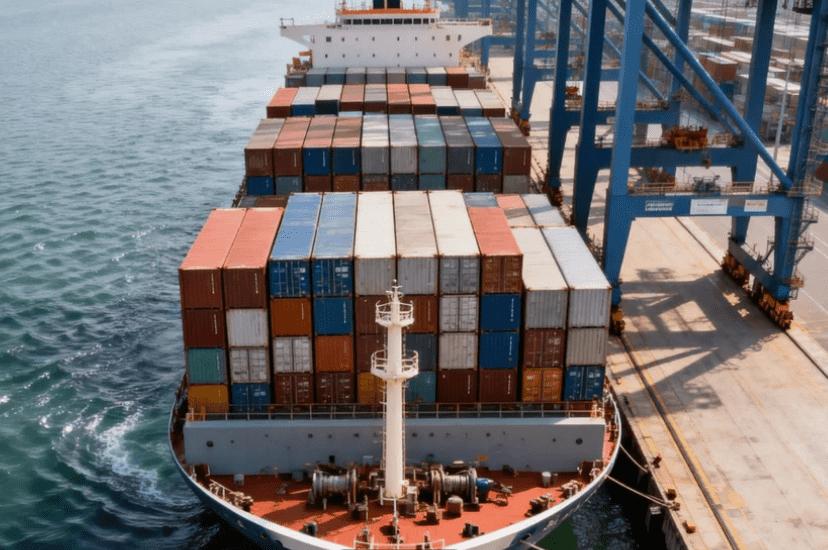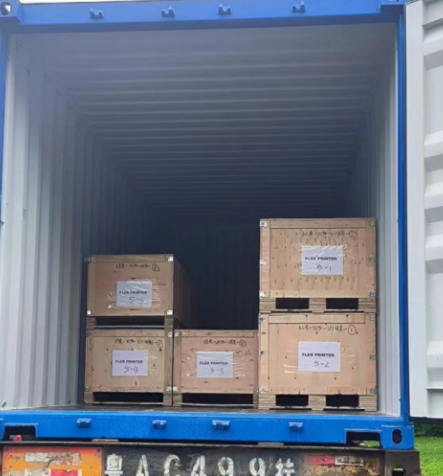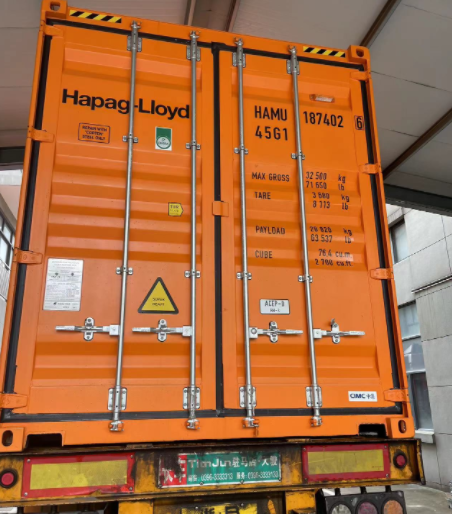
Are you trying to optimize your supply chain and wondering about the real cost of shipping 20ft & 40ft containers from China to Kenya? If you’re searching for clear answers on Shipping From China To Kenya, this concise guide will help you understand pricing, logistics, and how to save with the right freight forwarder.
Factors Affecting Containers Shipping Costs
Weight and Volume of Cargo
The weight and volume of your cargo are primary determinants of shipping costs. Heavy and bulky items typically incur higher fees due to the increased space they occupy on the vessel and the added handling required during loading and unloading. For example, a full 20ft container can hold up to 28,000 kilograms or around 33 cubic meters, while a 40ft container can accommodate approximately 30,480 kilograms or about 67 cubic meters. Accurate estimation of your cargo’s weight and volume ensures you select the appropriate container type, optimizing your shipping expenses.
Distance and Port Locations
The distance between shipping points and the specific port locations involved in the transit also influence shipping costs. The route from major Chinese ports, such as Shanghai or Shenzhen, to Kenya’s bustling port of Mombasa covers thousands of kilometers, requiring careful route planning to minimize transit times and costs. Additionally, proximity to loading and unloading ports can affect overall logistics costs, including land transportation.
Delivery Service Type
Choosing the right delivery service type can have a significant impact on your shipping expenses. Various options such as standard, express, or door-to-door services offer different cost structures and delivery timelines. While express services may expedite delivery, they often come at a premium price. Businesses should evaluate their urgency and budget when selecting a service type.
Shipping Seasons and Peak Periods
Shipping seasons and peak periods remain highly influential in cost calculations as of January 2026. Demand often tightens ahead of the Chinese New Year production slowdown, and capacity can fluctuate when carriers adjust sailings. In practice, rates on China–Kenya lanes can move quickly within weeks, especially when equipment availability, blank sailings, or transshipment schedules change. To reduce peak-related risk, book earlier than usual, keep shipment dates flexible, and ask for quotes with clear validity periods.
Market Dynamics and Global Economic Conditions
Current market dynamics and global economic conditions are pivotal in shaping shipping costs for January 2026. Fluctuating bunker fuel prices, carrier surcharges, and currency exchange movements (for example, RMB/KES and USD/KES) can materially change the final landed cost. In addition, route risk and schedule reliability on some corridors may lead to rerouting or longer transit times. Importers should track market updates, confirm surcharge breakdowns on quotes, and build buffer time into delivery plans.
Container Types and Sizes
20-Foot Container (TEU) Specifications and Capacity
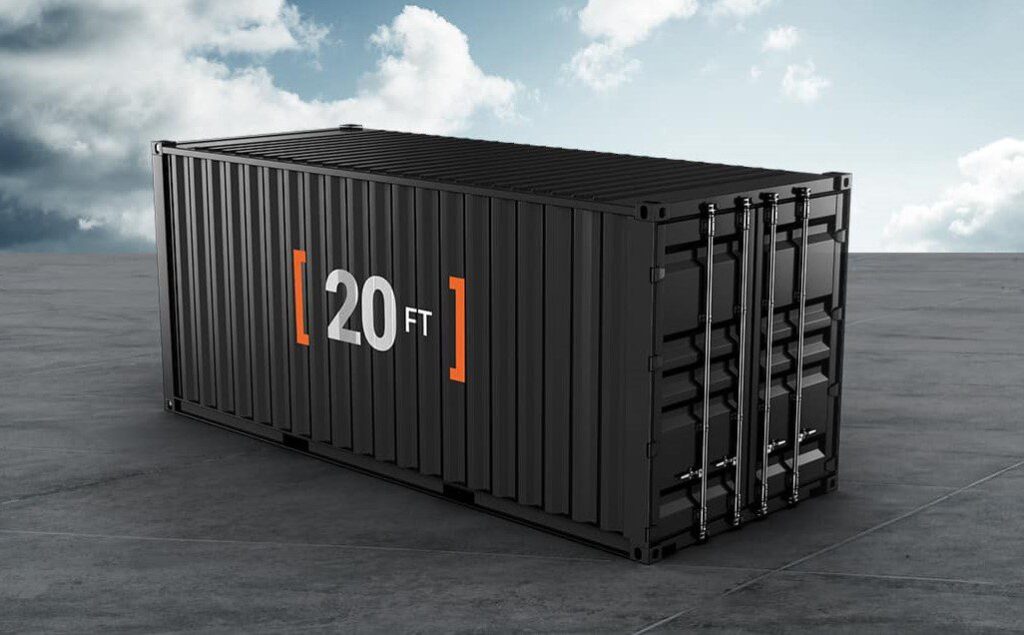
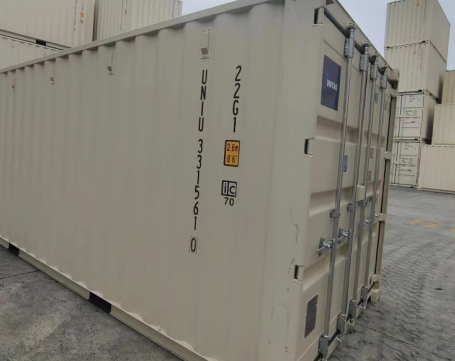
The 20-foot container (often referred to as a TEU) is one of the most widely used shipping containers in international trade. Measuring approximately 6.06 meters in length, 2.44 meters in width, and 2.59 meters in height, it has a maximum carrying capacity of around 28,000 kilograms. This container type is ideal for smaller shipments and offers sufficient space for a variety of goods, making it a popular choice for businesses looking to optimize costs.
40-Foot Container (FEU) Specifications and Capacity
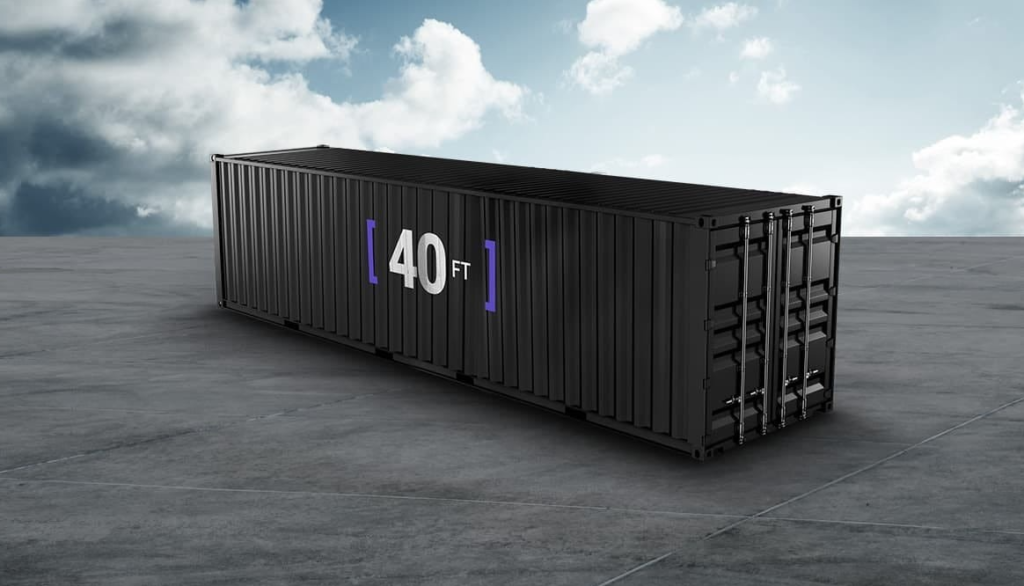
The 40-foot container (or FEU) is double the length of a 20-foot container, measuring approximately 12.19 meters long. It can hold an impressive maximum capacity of about 30,480 kilograms and provides approximately twice the volume of a TEU. This container type is suitable for larger shipments and is frequently used by businesses that need to transport bulk goods while keeping logistics costs manageable.
Cost Comparison Between 20ft and 40ft Containers
When comparing the costs of 20ft and 40ft containers, several factors should be taken into consideration, including shipping distance, cargo volume, and delivery service type. Typically, the cost per cubic meter tends to decrease with larger container sizes, making the 40ft container a cost-effective option for businesses with higher shipping volumes. The following table summarizes the general cost trends for shipping containers from China to Kenya:
| Container Size | Specifications | Average Cost (USD) | Ideal For |
|---|---|---|---|
| 20-foot (TEU) | 6.06m x 2.44m x 2.59m | $1,400 – $2,700 | Smaller shipments |
| 40-foot (FEU) | 12.19m x 2.44m x 2.59m | $2,300 – $4,100 | Larger shipments |
Understanding these specifications and costs can assist businesses in making informed decisions when shipping goods from China to Kenya.
Read More:
- Shipping From China to the United States
- Shipping From China TO CANADA
- Shipping From China To Netherlands
- Shipping From China To UNITED KINGDOM
- Shipping From China To ALGERIA
- Shipping from China to UAE
- Shipping from China to Saudi Arabia
Average Container Shipping Costs from China to Kenya in January 2026
The average container shipping costs from China to Kenya in January 2026 vary based on several factors including the port of origin, container size, and market conditions. Here is a summary of the estimated costs:
Full Container Load (FCL) Shipping Costs
| Port of Origin (China) | 20ft Container Cost (USD) | 40ft Container Cost (USD) | Transit Time (Days) |
|---|---|---|---|
| Shanghai | $1,700 – $2,350 | $3,200 – $4,050 | 25 – 38 |
| Shenzhen | $1,650 – $2,300 | $3,100 – $3,950 | 23 – 36 |
| Guangzhou | $1,650 – $2,300 | $3,150 – $4,000 | 23 – 36 |
| Ningbo | $1,750 – $2,400 | $3,250 – $4,100 | 25 – 38 |
| Qingdao | $1,850 – $2,500 | $3,300 – $4,200 | 28 – 42 |
| Xiamen | $1,750 – $2,450 | $3,200 – $4,150 | 26 – 40 |
| Tianjin | $1,900 – $2,600 | $3,400 – $4,300 | 30 – 45 |
Less than Container Load (LCL) Shipping Costs
| Port of Origin (China) | Cost per CBM (USD) | Transit Time (Days) |
|---|---|---|
| Shanghai | $75 – $135 | 25 – 38 |
| Shenzhen | $70 – $130 | 23 – 36 |
| Guangzhou | $70 – $130 | 23 – 36 |
| Ningbo | $75 – $135 | 25 – 38 |
| Qingdao | $80 – $145 | 28 – 42 |
| Xiamen | $75 – $140 | 26 – 40 |
| Tianjin | $80 – $150 | 30 – 45 |
Additional Costs to Consider
While understanding the average shipping costs is crucial, businesses must also account for several additional expenses that may arise during the shipping process. These costs can significantly impact the overall logistics budget and should be carefully considered when planning shipments.
In most cases, the total landed cost is made up of multiple parts:
- Ocean freight (FCL or LCL)
- Origin charges (port/terminal handling, documentation, loading)
- Export customs clearance (if included in the service)
- Destination charges in Kenya (terminal handling, documentation, release)
- Import clearance service fees and any inspections (if applicable)
- Customs duties and taxes (paid to Kenya authorities)
- Inland transportation (for example, Mombasa to Nairobi delivery)
- Demurrage/detention and storage (time-based, avoidable with good planning)
Inland Transportation
With ongoing road upgrades but sporadic congestion between Mombasa and Nairobi, inland transportation for a 40ft container from Mombasa to Nairobi in January 2026 is often quoted in the range of $850–$1,250, depending on truck availability, delivery window, and whether demurrage/detention risk is included. Rail is gaining popularity and can be cheaper for certain movements but may require longer lead time or additional last-mile handling (Kenya Railways). Obtain competitive quotes to match budgets and delivery needs.
Insurance
Insurance against cargo loss, theft, or damage remains vital in 2026, especially for higher-value or time-sensitive goods. In many cases, cargo insurance is quoted at around 0.3%–0.8% of the insured cargo value depending on commodity, packing, routing, and coverage terms (reference: Allianz). Adequate cover is recommended for all high-value and sensitive shipments.
Documentation Fees
Documentation fees—including processing of bills of lading, invoices, and clearance-related paperwork—usually range around $45–$85 per consignment depending on service scope. Digital platforms can reduce manual paperwork but still require accurate information to avoid delays.
Destination Charges in Kenya
Destination charges in Kenyan ports typically include local terminal handling, documentation, and other port-related fees. For a 40ft container, importers often see a working range of $180–$260, but the exact amount depends on terminal, service selection, and whether storage/inspection applies. Since demurrage, detention, and storage are time-based, prompt customs procedures are critical (reference: KPA).
By planning for these cost elements with clear assumptions and quote validity dates, businesses can maintain precise budgets and ensure smooth, compliant shipping from China to Kenya, especially when partnering with trusted logistics providers like Dantful International Logistics.stics providers like Dantful International Logistics.
Dantful International Logistics Services:
- Dantful Ocean Freight Services
- Air Freight From China
- Amazon FBA Freight Forwarding
- WAREHOUSE Services
- One-Stop Customs Clearance Solution
- Cargo Insurance Services in China
- DDP Shipping Services By Dantful Logistics
- Out of Gauge Cargo Transportation Shipping Services
Shipping Methods and Their Costs
When shipping goods from China to Kenya, businesses have several options available, each with its own set of costs and advantages. Understanding the differences between Full Container Load (FCL) and Less than Container Load (LCL) shipping methods is essential for making informed logistics decisions.
Full Container Load (FCL) Shipping
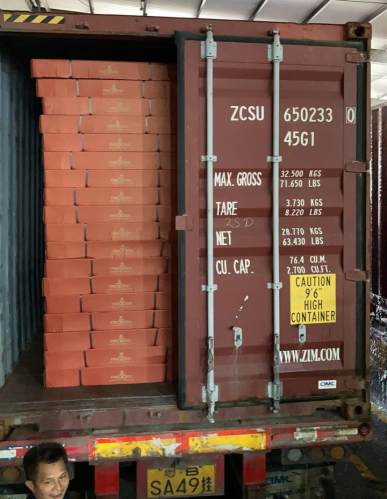
Full Container Load (FCL) shipping is a method where an entire shipping container is utilized by a single shipper for their cargo. This option is ideal for businesses with substantial shipping volumes, as it allows them to maximize container space and minimize costs per unit of cargo.
- Costs: As a practical working range in January 2026, ocean freight for FCL shipping from China to Kenya is often quoted around $2,300–$4,100 for a 40ft container and $1,400–$2,700 for a 20ft container (freight only; excluding local and inland charges). The cost-effectiveness of FCL shipping increases with larger volumes; therefore, businesses shipping substantial quantities of goods often find this method to be more economical.
- Advantages:
- Direct Shipping: FCL shipments usually go directly from the port of origin to the destination port, reducing transit time.
- Less Risk of Damage: Since the container is dedicated to one shipper, the risk of cargo damage or loss is minimized, as there is less handling and fewer transfers involved.
- Simplified Customs Clearance: Having a full container simplifies customs processes, as there’s a single shipment to manage.
Less than Container Load (LCL) Shipping
Less than Container Load (LCL) shipping is a method where multiple shippers share space within a single shipping container. This option is suitable for businesses with smaller shipments that do not require an entire container.
- Costs: LCL pricing is usually calculated by chargeable volume (CBM) and may also consider weight. In January 2026, many shipments fall into a broad range such as $180–$1,050 all-in for smaller consignments, depending on CBM, handling, and consolidation schedules.
- Advantages:
- Cost-Effective for Smaller Shipments: LCL is an economical choice for businesses that do not have enough goods to fill a full container.
- Flexibility: This method allows businesses to ship smaller quantities more frequently, aiding in inventory management and reducing storage costs.
- Access to Global Markets: LCL shipping provides small businesses with the opportunity to access international markets without the financial burden of full container shipping.
In conclusion, the choice between FCL and LCL shipping depends on your specific business needs, shipment volume, and cost considerations. Understanding these options can help you select the most suitable shipping method for your imports from China to Kenya.
FCL vs LCL: Which One Should You Choose?
| Option | Best For | How It’s Priced | Key Pros | Common Watch-outs |
|---|---|---|---|---|
| FCL (20ft/40ft) | Bulk cargo, stable volume, fragile goods | Per container | Lower cost per unit at volume, less handling | More upfront spend, you manage unused space |
| LCL | Smaller shipments, trial orders | Per CBM/weight + handling | Lower entry cost, flexible shipment frequency | More handling, possible consolidation delays |
Incoterms (EXW vs FOB vs CIF vs DDP) and Cost Responsibility
Choosing the right Incoterms affects who pays which costs and who controls the logistics:
- EXW (Ex Works): buyer arranges pickup from the supplier and covers most logistics steps.
- FOB (Free On Board): seller delivers to the port and clears export; buyer pays ocean freight and beyond.
- CIF (Cost, Insurance and Freight): seller covers ocean freight and minimum insurance to the destination port; buyer handles destination charges and import clearance.
- DDP (Delivered Duty Paid): seller (or forwarder) arranges door-to-door including import clearance and duty/tax handling; scope must be confirmed case by case.
Typical Shipping Process
Most shipments follow a predictable workflow:
- Share shipment details (cargo, weight/volume, HS code if known, Incoterms, pickup/delivery address)
- Receive a quote with the freight, local charges, and validity period
- Book space and arrange pickup / delivery to the Chinese port
- Export customs clearance in China and vessel departure
- Ocean transit (often with transshipment depending on the schedule)
- Arrival and import clearance in Kenya, then delivery to your final address or warehouse
Required Documents Checklist
Common documents for shipping from China to Kenya include:
- Commercial invoice
- Packing list
- Bill of lading (for ocean freight)
- Cargo description and HS code (HS classification)
- Certificate of origin (if requested by the buyer or required)
- Importer details for Kenya customs and any permits for regulated goods
FAQs
What are the main shipping companies operating between China and Kenya?
Multiple global container carriers and their feeder/transshipment partners operate services between China and Kenya, offering both FCL and LCL options. Schedules and transit times vary by route design (direct vs transshipment), season, and equipment availability.
How long does it take to ship a container from China to Kenya?
The average ocean transit time for a container from China to Kenya is often around 23–42 days, depending on the port of origin, whether the route transships, and potential schedule changes.
Can I track my shipment from China to Kenya?
Yes, most shipping companies provide tracking services that allow you to monitor the location and status of your shipment throughout the transit process.
What documents are required for shipping goods from China to Kenya?
Key documents required for shipping goods include a bill of lading, commercial invoice, packing list, and customs declaration. Ensuring that all documentation is accurately completed is crucial for smooth customs clearance.
How much does it cost to ship a 20ft container from China to Kenya?
As of January 2026, shipping a 20ft container from China to Kenya is often quoted around $1,400 to $2,700 USD for standard ocean freight (freight only). This estimate excludes local port charges, customs duties/taxes, inspection/storage (if any), and inland transportation. Final pricing varies by the departure port in China, carrier schedule, seasonality, and service scope (port-to-port vs door-to-door).
What is the cheapest way to ship from China to Kenya?
The most cost-effective method is traditional ocean freight (FCL), shipping a full container load via sea, which offers the lowest per-unit shipping cost for bulk cargo. For smaller shipments, LCL (Less than Container Load) consolidation can reduce costs by sharing container space.
Can I ship door-to-door (DDP) from China to Kenya?
Yes. Many importers choose door-to-door services for simpler budgeting and delivery coordination. DDP (Delivered Duty Paid) usually includes ocean freight, customs clearance, and last-mile delivery, but the final scope depends on cargo type, declared value, and destination requirements.
What information do I need to get an accurate quote?
Prepare the cargo name, HS code (if available), total cartons, gross weight, volume (CBM), whether it contains batteries/dangerous goods, preferred Incoterms (EXW/FOB/CIF/DDP), and your pickup/delivery addresses. The more complete the details, the fewer pricing surprises later.
References
- World Bank – Kenya Overview
- International Maritime Organization – Container Shipping
- Kenya Revenue Authority – Import Regulations

Young Chiu is a seasoned logistics expert with over 15 years of experience in international freight forwarding and supply chain management. As CEO of Dantful International Logistics, Young is dedicated to providing valuable insights and practical advice to businesses navigating the complexities of global shipping.