Shipping a container from China to Kenya in August 2026 costs $3,600–$4,700 for a 20ft container (20GP), $4,900–$6,300 for a 40ft (40GP), and $5,100–$6,500 for a 40ft high cube (40HQ) from major Chinese ports to Mombasa, with sea transit taking 22–30 days plus 2–7 days for customs clearance. Air freight runs $4.50–$6.50/kg in 3–7 days, and LCL starts around $150–$250 per CBM. These are August 2026 market ranges we confirm daily from our Shenzhen operations; the final price you pay depends on the port pair, season, and whether you choose port-to-port or door-to-door DDP. As a specialist in Shipping From China To Kenya, we break down every cost component below — including the duties and levies that catch most first-time importers off guard — so you can budget your container accurately, avoid Mombasa port surprises, and choose the option that actually fits your cargo.
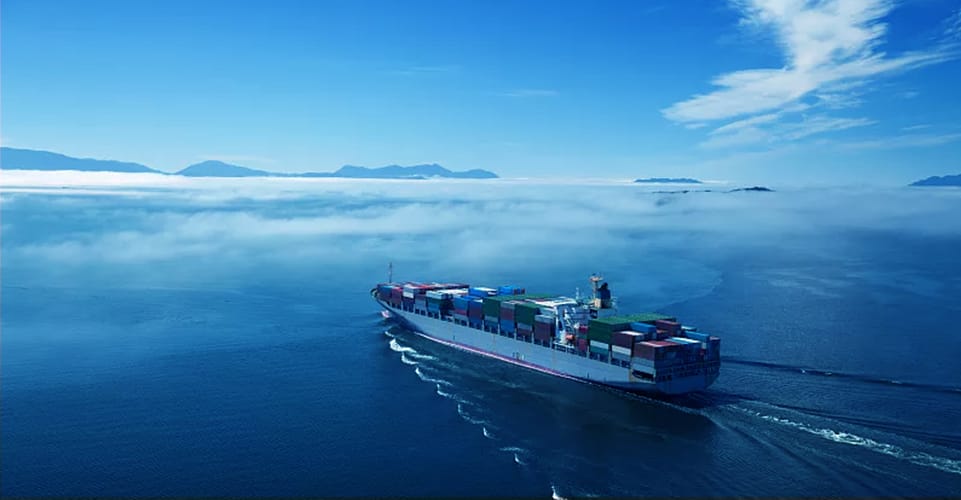
Container Shipping Costs from China to Kenya: August 2026 Snapshot
Here is the quick-answer table most importers are looking for. All figures are indicative all-in ocean rates (freight + BAF) unless noted, valid for shipments booked in August 2026, and cross-checked against carrier quotations on the China–East Africa corridor this month.
| Shipping Mode | Cost (USD) | Transit Time | Best For |
|---|---|---|---|
| FCL 20ft (20GP) → Mombasa | $3,600–$4,700 | 22–30 days | 15–28 CBM of cargo |
| FCL 40ft (40GP) → Mombasa | $4,900–$6,300 | 22–30 days | 28–56 CBM of cargo |
| FCL 40ft HC (40HQ) → Mombasa | $5,100–$6,500 | 22–30 days | Bulky/volumetric cargo up to 68 CBM |
| LCL → Mombasa | $150–$250/CBM | 28–40 days | Under ~12 CBM |
| Air Freight → Nairobi (NBO) | $4.50–$6.50/kg | 3–7 days | Urgent or high-value goods |
| Express / Air DDP | $8.00–$12.00/kg | 5–8 days | Samples, small parcels, last-mile included |
Why the ranges? China–Kenya rates have been climbing through 2026 as carriers reroute around the Strait of Hormuz and Middle East disruptions, which stretches transit via alternative routings and tightens capacity on the China–East Africa services. Rates quoted in January 2026 — or worse, in 2025 articles you will still find ranking on Google — are simply not valid anymore. Lock in a fresh quote with 2–3 weeks of validity before you commit to a budget.
For a deeper look at sea freight on this lane, see our dedicated Sea Freight From China to Kenya guide.
What Determines Your China to Kenya Container Price?
A container quote is not a single number — it is a stack of components. Understanding the stack is how you avoid paying for services you do not need and how you compare quotes from different forwarders apples-to-apples.
| Cost Component | Typical Range (Aug 2026) | Who Charges It | Notes |
|---|---|---|---|
| Ocean Freight (base) | 20GP $3,300–$4,300 / 40GP $4,500–$5,800 | Carrier | The core FCL rate, driven by route and demand |
| BAF (Bunker Adjustment Factor) | Included in most all-in quotes | Carrier | Fuel surcharge; swings with global bunker prices |
| PSS (Peak Season Surcharge) | $100–$500 per container | Carrier | Applied Sep–Dec and pre-CNY windows |
| GRI (General Rate Increase) | $200–$600 per container | Carrier | Announced monthly; affects sailing-date windows |
| THC (Terminal Handling Charge) | Origin $80–$150; Mombasa $100–$150 (20ft) / $220–$280 (40ft) | Ports/terminal | Loading and unloading fees at each end |
| Documentation / B/L fee | $50–$150 | Forwarder/carrier | Bill of lading and export customs filing |
| Origin trucking | $100–$400 | Trucker | Factory to port; depends on distance from Shenzhen/Guangzhou/Shanghai |
Variables that move the total:
- Port pair. Southern China ports (Shenzhen, Guangzhou) sail to Mombasa 1–3 days faster and usually $100–$300 cheaper than Qingdao or Tianjin. Direct sailings beat transshipment via Singapore or Colombo both in price and reliability.
- Season. The China–Kenya corridor peaks before Chinese New Year (Jan–Feb), in the mid-year retail window (Jun–Aug), and through Black Friday/Christmas (Oct–Dec). Book 2–3 weeks ahead to lock pre-increase rates.
- Cargo type. Batteries (lithium in solar products), oversize (OOG), and reefer cargo carry surcharges; hazardous goods need MSDS documentation and specialized packing.
- Service level. Port-to-port is the cheapest; door-to-door DDP adds destination clearance, taxes, and inland delivery — and removes your risk of surprise KRA bills.
Expert tip from our operations floor: always ask for an “all-in” breakdown listing ocean freight, BAF, THC, and PSS separately. A forwarder quoting only “freight” is hiding $400–$800 of the real cost.
Read More:
- Shipping From China to the United States
- Shipping From China TO CANADA
- Shipping From China To Netherlands
- Shipping From China To UNITED KINGDOM
- Shipping From China To ALGERIA
- Shipping from China to UAE
- Shipping from China to Saudi Arabia
FCL Rates: 20ft & 40ft Container Shipping Costs by Chinese Port
Full Container Load (FCL) is the default for shipments above roughly 15 CBM. You get a sealed container — 20ft (28 CBM usable), 40ft (56 CBM), or 40ft high cube (68 CBM) — loaded at your supplier, sealed in China, and opened only at destination. Below are August 2026 reference rates from the five Chinese ports we ship from most, into Mombasa (the only commercial gateway for sea cargo into Kenya).
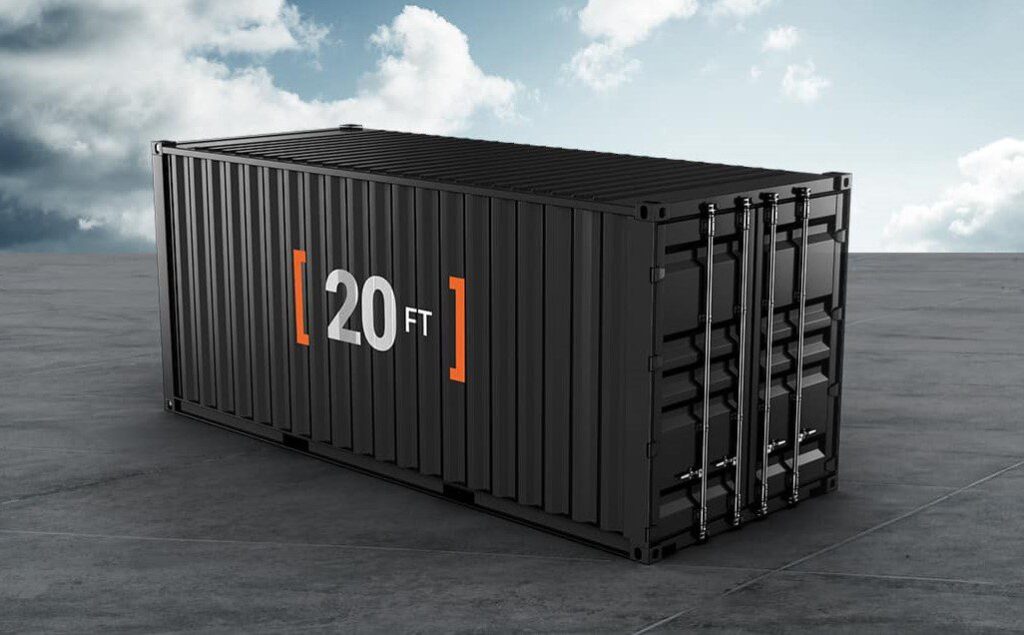
| Port of Loading | 20GP (USD) | 40GP (USD) | 40HQ (USD) | Transit to Mombasa |
|---|---|---|---|---|
| Shenzhen | $3,600–$4,500 | $4,900–$6,100 | $5,100–$6,300 | 22–27 days |
| Guangzhou | $3,650–$4,550 | $4,950–$6,150 | $5,150–$6,350 | 22–27 days |
| Shanghai | $3,700–$4,600 | $5,000–$6,200 | $5,200–$6,400 | 24–29 days |
| Ningbo | $3,750–$4,650 | $5,050–$6,250 | $5,250–$6,450 | 24–29 days |
| Qingdao | $3,850–$4,700 | $5,100–$6,300 | $5,300–$6,500 | 27–32 days |
FCL rates above are ocean freight + BAF, excluding origin trucking, THC, and destination charges. Actual quotes depend on carrier (Maersk, COSCO, MSC, CMA CGM, PIL, Evergreen all run China–Mombasa services), sailing week, and container availability.
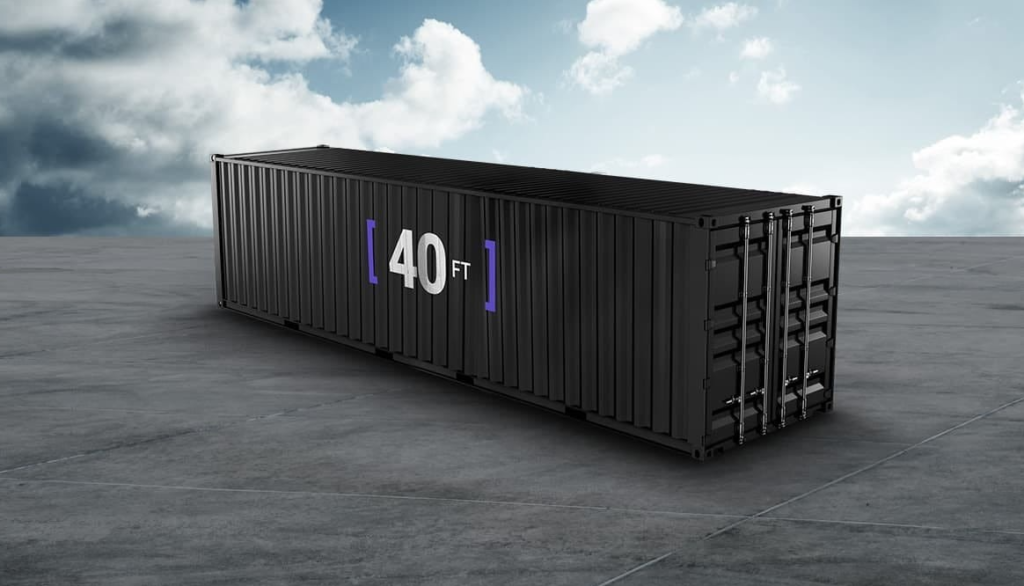
Which port should you choose?
- Shenzhen/Guangzhou — the default for electronics, textiles, and general consumer goods from the Pearl River Delta. Cheapest and fastest to Mombasa; if your factory is in Guangdong, you also save origin trucking. See our shipping from Shenzhen to Kenya and shipping from Guangzhou to Kenya pages for route-specific detail.
- Shanghai/Ningbo — ideal for machinery, auto parts, and Yangtze Delta manufacturers. Slightly pricier and 1–2 days slower, with more weekly sailings to choose from.
- Qingdao — the northern option for heavy machinery and bulk consumer goods; expect $100–$300 more and up to 5 days longer. Use it only when the factory location justifies it.
Inside knowledge: Mombasa has just one container terminal for most services, so congestion drives schedule slippage. Book with 14–21 days of free time at destination in your contract — we routinely negotiate 21 free days for our clients, and the $30–$50/day demurrage you avoid covers your forwarder’s fee many times over.
LCL Rates: Cost per Cubic Meter, and When LCL Beats FCL
Less than Container Load (LCL) shares a container with other importers’ cargo. It is the smart choice under ~12 CBM, and we quote it per cubic meter (or per ton, whichever is greater). Your supplier’s goods are consolidated in China (usually at Shenzhen or Guangzhou), shipped to Mombasa, deconsolidated at the Container Freight Station (CFS), then cleared and delivered.
| Cost Item | Rate (Aug 2026) |
|---|---|
| LCL ocean freight | $150–$250/CBM |
| CFS deconsolidation (Mombasa) | $30–$80/CBM |
| Origin handling + documentation | $40–$90 per shipment |
| Inland: Mombasa → Nairobi | $50–$120/CBM (or ~$800–$1,200 per 20ft equivalent) |
For smaller volumes, our consolidated freight shipping service groups your goods with other Kenya-bound cargo — including multi-supplier orders from Alibaba or 1688 — so you pay only for the space you use.
The FCL vs LCL break-even math (the numbers most blogs skip). Using mid-range August 2026 rates — LCL freight $200/CBM, CFS $50/CBM, inland $80/CBM; FCL 20GP $4,150 + destination THC $150:
| Cargo Volume | LCL Total (freight + CFS + inland) | FCL 20GP Total | Which Wins |
|---|---|---|---|
| 12 CBM | $3,960 | ~$4,300 | LCL — saves ~$340 |
| 15 CBM | $4,950 | ~$4,300 | FCL — saves ~$650 |
| 18 CBM | $5,940 | ~$4,300 | FCL — saves ~$1,640 |
Rule of thumb:
- ≤ 12 CBM → ship LCL. You save real money and avoid container-level demurrage risk.
- ≥ 15 CBM → ship FCL. Beyond this point LCL’s per-CBM stacking (freight + CFS + inland) makes a dedicated 20ft cheaper — and faster, because your container is not waiting for other consignees to clear.
- 12–15 CBM → borderline. Compare your exact quotes; a 40GP shared between two importers (two-house FCL) can split the difference.
One warning from the field: LCL cargo shares a container, so one consignee’s delay at KRA can hold yours. Mark every carton clearly and keep the packing list aligned with the commercial invoice — KRA scrutinizes mixed LCL loads more strictly.
FCL vs LCL: A Decision Guide for Kenya Imports
If you are still weighing the two, this comparison settles it in one table:
| Factor | FCL | LCL |
|---|---|---|
| Unit cost | Lower above ~15 CBM | Lower below ~12 CBM |
| Transit time | 22–30 days + clearance | 28–40 days (extra consolidation/deconsolidation) |
| Security | Sealed at origin, opened at destination | Shared container, more handling |
| Damage risk | Lower | Higher (mixed loads, repacking) |
| Customs | Your container clears on its own | One consignee’s delay can hold the group |
| Demurrage exposure | Per container (21 free days negotiable) | Per CBM, smaller exposure |
| Best for | 15+ CBM, high-value, single-shipper cargo | <12 CBM, multi-supplier consolidations |
Bottom line: most of our Kenya clients graduate from LCL to FCL once they reach ~15 CBM per shipment — usually within their first year of importing — and the math above is why.
Incoterms Compared: EXW vs FOB vs CIF vs DDP for Kenya Imports
“Free on Board” sounds free — it is not. Kenyan importers routinely overpay because they choose the wrong Incoterms 2020 term without understanding who carries which cost and risk. Here is the honest comparison:
| Incoterm | You (Buyer) Handle | Forwarder Handles | Your Total Spend | Effort Level |
|---|---|---|---|---|
| EXW (Ex Works) | Everything: pickup, export, freight, KRA clearance, delivery | Nothing (you arrange all) | Lowest base + maximum hidden costs | 🔴 Very high |
| FOB (Free On Board) | Ocean freight, insurance, all Kenya-side costs, clearing agent | Origin trucking + export clearance + vessel loading | Freight + insurance + clearing agent fee + duty/VAT + inland | 🟠 High |
| CIF (Cost, Insurance, Freight) | KRA clearance, duty/VAT, clearing agent, inland | Freight + insurance to Mombasa only | Same as FOB but insurance is theirs (often overpriced) | 🟠 High |
| DDP (Delivered Duty Paid) | Receiving the goods at your door | Everything, including duty/VAT and final delivery | One all-in number, known upfront | 🟢 None |
Three facts Kenyan buyers get wrong:
- CIF does not mean “door to door.” It only covers cargo to Mombasa. Someone still has to clear KRA, pay duty/VAT, and truck inland — usually you.
- Under FOB/CIF you need your own clearing agent, and their fees ($150–$350 per shipment) plus your time are part of the real cost.
- DDP shifts risk to the forwarder. If cargo is delayed at KRA, it is our problem, not your cash flow problem.
Transit Times from China to Kenya
Planning backwards from your required delivery date is how every professional forwarder thinks. These are the real numbers on the China–Kenya corridor (August 2026):
| Route | Mode | Transit Time |
|---|---|---|
| Shenzhen/Guangzhou → Mombasa | Sea FCL (direct) | 22–27 days |
| Shanghai/Ningbo → Mombasa | Sea FCL | 24–29 days |
| Qingdao → Mombasa | Sea FCL | 27–32 days |
| Any Chinese port → Mombasa | Sea LCL | 28–40 days |
| Mombasa → Nairobi ICD | SGR rail | 2–4 days |
| Mombasa → Nairobi | Trucking | 1–2 days |
| Mombasa → Kisumu / Eldoret | Trucking | 2–4 days |
| Shanghai/Guangzhou/Shenzhen → JKIA Nairobi | Air | 3–7 days |
Then add clearance: with flawless documentation our agents release cargo at Mombasa in 48 hours; realistic planning for first-time importers is 3–7 days (KRA inspections, KEBS checks, payment confirmation). The full door-to-door timeline is therefore sea 28–40 days or air 5–10 days — which matches what we tell every client before they book.
Port-selection logic: direct South China sailings beat transshipment via Singapore or Colombo by 3–7 days and dodge one extra port of handling. If your destination is Nairobi, clear at Mombasa and use the SGR railway to the Nairobi Inland Container Depot (ICD) — it is safer than road for containers and usually faster; trucking wins for small LCL lots that fit a pickup.
For a dedicated breakdown of every delay factor, see how long is freight from china to Kenya.
Kenya Customs & Import Duties: What You Pay Beyond Freight
Kenya taxes imports under the East African Community Common External Tariff (EAC CET), enforced by the Kenya Revenue Authority (KRA). Four charges apply to almost every container (all calculated on CIF value — the cost of goods + insurance + freight to Mombasa):
| Charge | Rate (KRA current) | Basis |
|---|---|---|
| Import Duty | 0%–35% (EAC CET bands) | CIF value, by HS code |
| VAT | 16% | CIF + import duty (+ excise if applicable) |
| Import Declaration Fee (IDF) | 3.5% | CIF value |
| Railway Development Levy (RDL) | 2% | CIF value |
⚠️ Freshness warning: many blogs still quote IDF 2.5%/2% and RDL 1.5%. KRA raised these to 3.5% and 2% in July 2023 — on a $40,000 CIF shipment, the difference is $600 you would not have budgeted for. We use the current rates above.
Effective total tax by product category (duty + IDF + RDL + VAT on CIF+duty):
| Product Category | Import Duty | IDF | RDL | VAT (16%) | Effective Total of CIF |
|---|---|---|---|---|---|
| Electronics (HS 8471, 8504) | 25% | 3.5% | 2% | 20.0% | ~50.5% |
| Clothing / Textiles (HS 61, 62) | 35% | 3.5% | 2% | 21.6% | ~62.1% |
| Machinery (HS 8479, 8501) | 10% | 3.5% | 2% | 17.6% | ~33.1% |
| Automotive Parts (HS 8708) | 20% | 3.5% | 2% | 19.2% | ~44.7% |
| Agricultural Products | 0% | 3.5% | 2% | 16.0% | ~21.5% |
| Furniture (HS 9403, 9401) | 0–8% | 3.5% | 2% | 16.0–17.3% | ~21.5–30.8% |
(VAT is levied on CIF + duty; percentages are illustrative for common HS classifications — confirm your exact HS code with KRA or a licensed agent before shipping.)
Beyond tax — the compliance gatekeepers:
- KEBS / PVOC: Most consumer goods must pass the Pre-Export Verification of Conformity (PVOC) in China before sailing — an inspection by SGS, Intertek, or Bureau Veritas that issues the Certificate of Conformity (CoC). Shipping without it is the single most expensive rookie mistake: KRA imposes a 15% penalty on the CIF value and your cargo is held until the CoC is obtained. Get it arranged before your goods leave the Chinese factory.
- Marine Cargo Insurance (MCI): Kenya requires imports to be insured through a Kenyan-registered insurer. Budget 0.3%–0.5% of cargo value.
- Anti-dumping watchlist: solar panels, e-bikes, and some electronics are under close origin scrutiny — keep clean certificates of origin and supplier invoices.
- iCMS: all import declarations are filed through the KRA iCMS platform; pre-filing while the vessel is at sea is the difference between same-day release and a week in storage.
The complete process — step by step, document by document — is in our import procedure from china to Kenya guide.
Hidden Fees in Kenya Shipping: The Costs Nobody Quotes Upfront
Port-to-port quotes exclude a stack of destination charges that routinely add $1,500–$3,000 to a container — and they are where “cheap” forwarders make their margin. Know them before you book:
| Hidden Cost | Typical Amount | When It Hits | How to Avoid It |
|---|---|---|---|
| Mombasa THC | $100–$150 (20ft) / $220–$280 (40ft) | On discharge | Ask for it in the quote; it is legitimate but should be itemized |
| Demurrage & detention | $30–$50/day per container | After free days expire | Negotiate 14–21 free days in your contract; we get 21 for clients |
| Port storage | $15–$35/day | After grace period at CFS/terminal | Pre-clear via iCMS while vessel is at sea |
| CFS deconsolidation (LCL) | $30–$80/CBM | After arrival | Already in LCL math above; confirm it is quoted |
| Physical inspection | $150–$500 + time | Random or HS mismatch | Perfect invoice/packing-list alignment; correct HS codes |
| Clearing agent fee | $150–$350 per shipment | Every shipment | Included in DDP; under FOB it is your cost |
| No-CoC penalty | 15% of CIF value | On arrival | PVOC inspection before the goods leave China |
| Amendments/DO fees | $30–$100 | Document errors | Verify B/L details at origin |
The one that bites hardest: demurrage. Cargo sits in Mombasa because documents arrive late or the consignee’s PIN is not registered — and every day burns $30–$50. We have seen a single delay week wipe out an entire freight savings on a 20ft. Free days, pre-filed iCMS declarations, and a clearing agent who answers the phone at 6 a.m. are not luxuries; they are the difference between a profitable import and a costly one.
Seasonal Rate Calendar & 5 Ways to Cut Your Shipping Cost
China–Kenya rates move on a predictable annual rhythm. Book inside the sweet spots and you save hundreds per container:
| Period | Market Condition | Booking Strategy |
|---|---|---|
| Jan–Feb (Chinese New Year) | Factories close; pre-CNY cargo rush | Book December; expect PSS |
| Mar–May | Low season — capacity loose, rates dip | Best window for non-urgent FCL |
| Jun–Aug | Mid-year retail restock; moderate peak | Book 2–3 weeks ahead |
| Sep | Brief lull | Good window for LCL |
| Oct–Dec | Black Friday/Christmas peak + GRI season | Book early September; expect $200–$600 GRI |
Five proven cost-cutters from our daily operations:
- Book early, not late. Carriers release their best rates mid-month; booking 2–3 weeks out secures them. Last-minute bookings pay the spot premium — often $300–$600 more per container.
- Fix your HS classification before you ship. Correctly classifying goods can halve your duty (machinery 10% vs electronics 25% for borderline products). Get a licensed agent’s opinion in writing before the cargo sails — a 15-minute call can save thousands.
- Pack for volume, not habit. Air freight charges the higher of actual or volumetric weight (1 CBM = 167 kg). Removing empty packaging routinely saves our clients 10–15% on air shipments; on sea freight, compact packing can drop you below the next CBM threshold.
- Consolidate small orders. Multiple suppliers? Consolidate at our Shenzhen/Guangzhou warehouses and ship one LCL lot instead of several air parcels — SMEs typically save 30–50% per kg on the main leg.
- Make your documents immaculate. Invoice and packing list that match to the digit, CoC issued in China, KRA PIN registered: cargo that clears in 48 hours costs $0 in storage. Cargo that does not, pays rent.
How to Choose a Freight Forwarder for China–Kenya
The forwarder decides everything — the rate you pay, the clearance speed, and whether “door to door” actually means door to door. Ask these six questions before signing:
- Are you a licensed carrier-facing forwarder? Ask for the NVOCC/FMC or Class-A license and their bank-verified company registration. In China, ‘briefcase agents’ without assets disappear when cargo is at risk.
- Who exactly is your agent in Mombasa? You want a named, KRA-licensed clearing partner with an office at the port — not “we have partners.”
- Is your quote all-in or itemized? A trustworthy forwarder gives you the full breakdown (freight, BAF, THC, docs) in writing, valid 2–3 weeks.
- Can you get 21 free days at Mombasa? If they blink, they are small — free days are negotiated with carriers, and they matter more than $100 of freight.
- Do you arrange PVOC/CoC in China? Your forwarder should book the SGS/Intertek/BV inspection for you, not send you to do it.
- What does tracking look like? Real-time container tracking with daily status updates — not “we will call you.”
Why importers choose Dantful International Logistics: we are a Shenzhen-based Class-A freight forwarder and NVOCC (FMC-licensed, Jctrans member) operating since 2008 — 18 years of China–East Africa shipping, direct contracts with Maersk, COSCO, MSC, CMA CGM and PIL for preferential rates, 50 operations staff and 50+ customer-service agents covering you 24/7 in English, Chinese and Swahili, plus our own clearing desk in Mombasa and daily-updated real-time tracking on every shipment. When you book with us, the person who answers is the person who moves your cargo. See our credentials as a freight forwarder in shenzhen china and the dedicated freight forwarder from china to Kenya page.
FAQs
How much does it cost to ship a 20ft container from China to Kenya?
In August 2026, a 20ft (20GP) container from Shenzhen, Guangzhou, Shanghai, Ningbo or Qingdao to Mombasa costs $3,600–$4,700 in ocean freight, with transit of 22–30 days. Budget roughly $1,100–$1,800 more for destination THC, clearing agent fees and inland delivery if you are not using DDP.
How much does a 40ft container cost from China to Kenya?
$4,900–$6,300 for a 40GP and $5,100–$6,500 for a 40HQ, ocean freight to Mombasa, August 2026 rates. At ~56–68 CBM usable, the 40HQ delivers the best per-cubic-meter economics — prefer it over two 20fts for bulk cargo.
How long does container shipping from China to Kenya take?
Sea freight takes 22–30 days port-to-port plus 2–7 days for customs clearance; the full door-to-door timeline is 28–40 days. Air freight reaches Nairobi JKIA in 3–7 days.
What is the cheapest way to ship from China to Kenya?
For cargo under ~12 CBM, LCL (from $150/CBM) is cheapest. Above ~15 CBM, FCL wins (from $3,600 for a 20ft). For hassle-free budgeting, sea DDP door-to-door locks your full landed cost upfront — the cheapest option once you count clearing agent fees, demurrage risk and your own time.
What import duty and taxes apply in Kenya?
EAC CET import duty 0–35% by HS code, VAT 16% (on CIF + duty), IDF 3.5% and Railway Development Levy 2% (both on CIF). Finished consumer goods like clothing sit at the top (~62% combined); machinery and agricultural inputs at the bottom (~21–33%).
Do I need a COC/PVOC certificate to import from China to Kenya?
For most consumer goods, yes — the KEBS Pre-Export Verification of Conformity must be completed in China before shipping, issuing the Certificate of Conformity. Shipping without it triggers a 15% penalty on CIF value and holds your cargo. Arrange it before your goods leave the factory.
How long does customs clearance take at Mombasa Port?
With flawless documentation (correct HS codes, matching invoice/packing list, CoC on file, PIN registered), clearance takes 48 hours. First-time importers should plan 3–7 days to allow for inspections and payment confirmation.
Get Your Latest 2026 China–Kenya Quote
Container rates from China to Kenya shift monthly — and right now they are moving upward. Whether you need a 20ft for machinery, a 40HQ for your next e-commerce season, or a DDP door-to-door solution that puts the whole landed cost on one invoice, our Kenya desk gives you a written all-in quote within 2 hours, valid 2–3 weeks, with the full cost breakdown — freight, BAF, THC, duties, and inland — so there are zero surprises at Mombasa.
Contact our 24/7 team for a free consultation and ask about the cheapest shipping company from china to Kenya options we negotiate for volume shippers. Your cargo, our problem — from the factory gate in Shenzhen to your warehouse door in Nairobi.

Young Chiu is a seasoned logistics expert with over 15 years of experience in international freight forwarding and supply chain management. As CEO of Dantful International Logistics, Young is dedicated to providing valuable insights and practical advice to businesses navigating the complexities of global shipping.