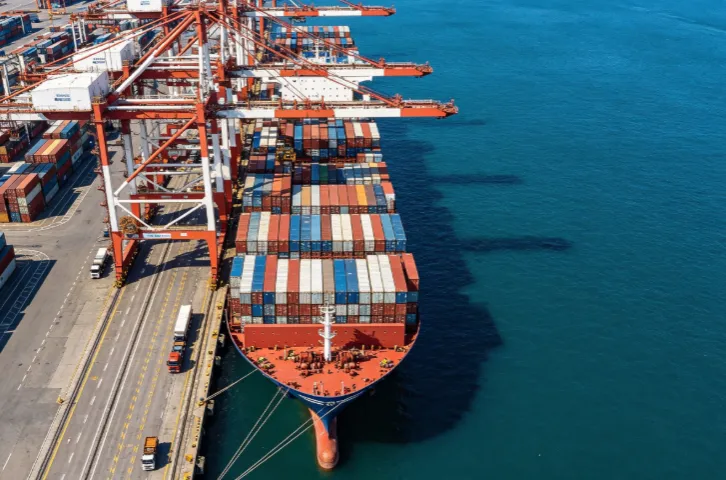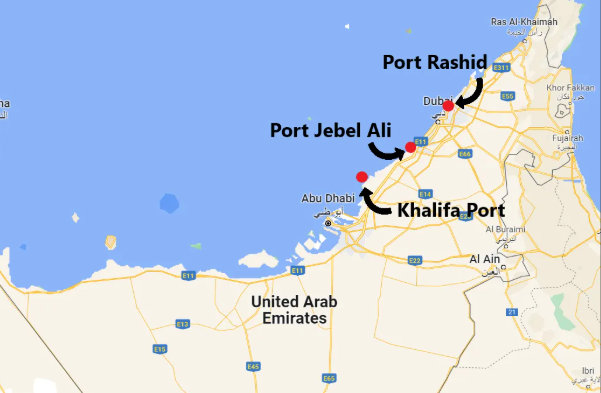
Are shifting US-China tariff policies making your landed cost unpredictable? Do evolving U.S. Customs compliance requirements (classification, valuation, country of origin, and admissibility) threaten to derail your supply chain as you scale? If you’re searching for a smoother way to deliver goods to your U.S. customers with fewer customs and compliance headaches, DDP shipping from China to the USA can be a practical strategy as of January 2026.
Understanding DDP (Delivered Duty Paid)
DDP (Delivered Duty Paid) is an international trade term defined by the International Chamber of Commerce (ICC) in its Incoterms. It signifies that the seller is responsible for delivering the goods to the destination country, including all costs and risks associated with transporting the goods, as well as handling customs clearance and paying import duties and taxes.
Key Principles of DDP:
- Seller’s Responsibilities: The seller bears all risks and costs associated with delivering the goods to the buyer’s specified location in the destination country. This includes export duties, shipping costs, insurance, and import duties and taxes.
- Buyer’s Responsibilities: The buyer’s obligations are minimal. Once the goods are delivered, the buyer is responsible for unloading them and any further transportation to their final destination.
Comparison with Other Shipping Terms:
- FOB (Free on Board): Under FOB, the seller’s responsibility ends once the goods are loaded onto the shipping vessel. The buyer assumes all risks and costs from that point onwards.
- CIF (Cost, Insurance, and Freight): Here, the seller covers the cost, insurance, and freight to transport the goods to the destination port. However, the buyer is responsible for import duties and further transportation beyond the port.
- EXW (Ex Works): Under EXW, the seller makes the goods available at their premises. The buyer is responsible for pickup, export formalities, main transport, insurance, and import customs in the USA.
- DAP (Delivered at Place): Under DAP, the seller delivers the goods to an agreed destination (e.g., warehouse address). The buyer typically handles import customs clearance and pays duties and taxes.
DDP stands out as the most comprehensive shipping term, providing peace of mind to buyers by minimizing their logistical and financial responsibilities.
Why Choose DDP for Shipping from China to USA
In the context of international trade, DDP offers several significant advantages, making it a preferred choice for many importers.
Benefits of DDP for Importers:
- Simplified Logistics and Customs Processes: With DDP, the seller handles the complexities of shipping and customs clearance, including documentation, compliance with regulations, and payment of import duties. This simplification can be particularly beneficial for businesses unfamiliar with the import procedures of the destination country.
- Reduced Risk and Hassle for Buyers: By transferring most of the risks and responsibilities to the seller, buyers can focus on their core business activities without worrying about the intricacies of international shipping. This reduction in hassle translates to a smoother supply chain and fewer potential disruptions.
- Cost Considerations: Although DDP can look more expensive than other shipping terms at first glance, it’s often more predictable in practice when the quote clearly states what is included and excluded. Buyers can budget more accurately and reduce surprise charges related to customs clearance or last-mile delivery.
- Time Savings and Efficiency: The streamlined process of DDP shipping often results in faster delivery times. Since the seller is motivated to ensure timely delivery to avoid extra costs, the entire logistics chain operates more efficiently. This efficiency can be crucial for businesses relying on just-in-time inventory systems.
By choosing DDP for shipping from China to the USA, importers can benefit from a straightforward, lower-friction solution that improves cost predictability and supports smoother operations. It’s a strong fit for businesses looking to reduce coordination workload and keep landed-cost surprises to a minimum in 2026.
DDP Shipping Process from China to USA
The DDP (Delivered Duty Paid) shipping process from China to the USA involves several crucial steps, each designed to ensure that the goods are delivered efficiently and timely.
Step-by-Step Breakdown of the DDP Process:
1. Order Placement and Preparation:
- Supplier Confirmation: The buyer places an order with the supplier in China, specifying that the shipment will be under DDP terms.
- Packaging and Labeling: The supplier prepares the goods for shipment, ensuring they are properly packaged and labeled according to international shipping standards.
2. Freight Forwarding and Transportation:
- Selection of Freight Forwarder: The supplier or their logistics partner selects a reliable freight forwarder to handle the transportation process.
- Booking and Scheduling: The freight forwarder books space on a shipping vessel or, if applicable, an aircraft for air freight. They schedule the shipment to align with the delivery timelines.
- Pick-Up and Transport: The goods are picked up from the supplier’s warehouse and transported to the port of departure.
3. Customs Clearance and Duties Payment:
- Export Customs Clearance: The freight forwarder handles export customs clearance in China, ensuring all necessary documentation is in order.
- Import Customs Clearance: Upon arrival in the USA, the freight forwarder manages the import customs clearance process. This includes preparing and submitting required documents, paying import duties and taxes, and ensuring compliance with U.S. customs regulations.
4. Delivery to the Final Destination:
- Inland Transportation: After clearing customs, the goods are transported from the port of entry to the buyer’s specified location. This could involve trucking or other forms of inland transportation.
- Final Delivery: The goods are delivered to the buyer’s warehouse or specified address, ready for unloading.
Roles of Key Players:
- Suppliers: Responsible for preparing and packaging the goods, coordinating with freight forwarders, and ensuring compliance with export regulations.
- Freight Forwarders: Handle the logistics of transporting the goods, managing the export and import customs clearance processes, and ensuring timely delivery.
- Customs Brokers: Specialists who assist with customs clearance, ensuring all necessary documentation is prepared and submitted, and that duties and taxes are paid.
READ MORE:
- Shipping From China to the USA
- Shipping From China TO Canada
- Shipping From China TO Mexico
- Shipping From China to Panama
- Shipping From China to Costa Rica
- Shipping From China to Brazil
- Shipping From China TO Colombia
- Shipping From China to Jamaica
- Shipping From China to Venezuela
- Shipping From China to Argentina
Key Factors to Consider When Choosing DDP
When considering DDP for shipping from China to the USA, several critical factors must be taken into account to ensure a smooth and cost-effective process:
Types of Goods Suitable for DDP Shipping:
- High-Value Items: Products with high value benefit from the comprehensive insurance and reduced risk associated with DDP shipping.
- Consumer Goods: Items that need to reach retail outlets quickly and reliably, such as electronics, apparel, and household items.
- Industrial Equipment: Machinery and industrial components that require precise handling and timely delivery.
Legal and Regulatory Considerations:
- Import Regulations: Ensure compliance with U.S. import regulations, which can vary based on the type of goods being shipped.
- Product Standards: Verify that the products meet U.S. standards and regulations to avoid delays or rejections at customs.
- Licensing Requirements: Some goods may require special licenses or permits for importation into the USA.
Important Documentation and Compliance Requirements:
- Commercial Invoice: A detailed invoice outlining the goods being shipped, their value, and the terms of sale.
- Bill of Lading: A document issued by the carrier acknowledging receipt of the cargo for shipment.
- Packing List: A detailed list of the shipped items, including their quantities and descriptions.
- Certificates of Origin: Documentation certifying where the goods were produced, often necessary for customs clearance.
By thoroughly considering these factors, businesses can ensure a successful DDP shipping experience, minimizing risks and maximizing efficiency.
Costs Involved in DDP Shipping
Understanding the costs associated with DDP shipping is crucial for effective budgeting and financial planning. Here’s a detailed breakdown of the typical costs involved:
As of January 2026, spot rates can change quickly by season and capacity. Many importers see lower landed costs when they consolidate shipments, ship outside peak periods, and keep documentation clean to avoid exams and storage.
Typical DDP Shipping Cost Ranges (January 2026)
DDP is an all-in delivery term, but the final cost still depends heavily on mode, shipment size, cargo attributes, destination ZIP, and the duty/tax profile of your product. For budgeting, it helps to separate:
- DDP logistics charges: freight + export handling + import clearance/brokerage + last-mile delivery (often quoted as an all-in door-to-door figure)
- Duties & taxes: driven mainly by HS code, declared value, and admissibility requirements
The ranges below are for planning only and can move with market capacity and compliance requirements.
| Mode (China → USA, door-to-door) | Common use case | Typical cost unit | Planning range (DDP logistics charges) |
|---|---|---|---|
| Ocean LCL (less than container load) | 2–15 CBM, not urgent | USD/CBM | ~ $80–$160 / CBM |
| Ocean FCL (full container load) | 1×20GP / 40GP / 40HQ | USD/container | ~ $3,200–$6,800 / container |
| Air freight | 100–500 kg, medium urgency | USD/kg | ~ $3.8–$7.2 / kg |
| Express (courier) | small parcels, fastest | USD/kg | ~ $5.5–$10.5 / kg |
To estimate a true DDP landed cost, add a duty/tax allowance based on your HS code and declared value, then confirm with a compliant quotation.
Current Price Trend (January 2026) and What It Means
- Ocean freight: Typically softer after Q4 peak season, but pricing can jump around factory shutdowns and carrier capacity changes.
- Air and express: Often more volatile around Lunar New Year, with pre-holiday rush and post-holiday capacity adjustments.
- DDP quotes: More buyers are prioritizing clarity over “cheapest,” so quotes that specify inclusions/exclusions (duties/taxes, exams, remote delivery, oversized surcharges) are more competitive and reduce disputes.
Conclusion and Recommendations
- If cost is the priority: Use ocean (LCL/FCL), consolidate, and avoid shipping right before major holidays when possible.
- If speed and stockout risk matter: Use air for high-velocity SKUs, but control chargeable weight (carton size) and keep paperwork clean to reduce holds.
- To keep DDP “predictable”: Confirm HS code and product description early, and request a written quote that clearly states whether duties/taxes and potential exception fees are included.
Breakdown of Typical Costs:
- Freight Costs: Charges for the transportation of goods from China to the USA, whether by sea or air.
- Duties and Taxes: Import duties and taxes imposed by U.S. customs, which vary based on the type of goods and their value.
- Insurance: Costs associated with insuring the goods against potential losses or damages during transit.
- Customs Brokerage Fees: Fees charged by customs brokers for handling the customs clearance process.
- Inland Transportation: Costs for transporting goods from the port of entry to the final destination within the USA.
How to Calculate the Total Cost of DDP Shipping:
- Itemize All Costs: List all potential costs, including freight, insurance, duties, taxes, and any additional fees.
- Obtain Quotations: Request detailed quotations from suppliers and freight forwarders to get accurate cost estimates.
- Include Contingencies: Factor in potential additional costs, such as storage fees, demurrage charges, or unexpected customs issues.
Tips for Cost-Saving and Budgeting:
- Negotiate with Suppliers: Negotiate terms with suppliers to potentially reduce costs or include additional services.
- Consolidate Shipments: If possible, consolidate smaller shipments into larger ones to benefit from economies of scale.
- Optimize Packaging: Use efficient packaging methods to reduce weight and volume, potentially lowering freight costs.
By carefully examining and managing these costs, businesses can achieve a more predictable and cost-effective DDP shipping experience.
Latest Trends and Changes in DDP Shipping (Updated January 2026)
Trade policy, enforcement focus, and supply chain constraints continue to shift. For DDP shippers, the practical takeaway in January 2026 is simple: build landed-cost models with buffers, and prioritize compliance-quality documentation over “cheapest routing.”
Policy and compliance trends that affect DDP
1. Tariffs remain variable, and misclassification is a common cost driver
DDP landed costs can move quickly when tariff rates, duty interpretations, or enforcement priorities change. In practice, the biggest avoidable cost swings often come from incorrect HS classification, undervaluation, or incomplete product descriptions—not just headline tariff rates.
2. Country-of-origin and supply-chain due diligence matter more than before
U.S. import enforcement continues to emphasize admissibility and supply-chain compliance (including forced-labor related controls in sensitive categories). Under DDP, origin support documents and supplier due diligence reduce the risk of holds, exams, and penalty exposure.
3. De minimis rules are widely discussed, but should not be relied on for planning
Small-parcel “duty-free” expectations can be risky because eligibility and enforcement practices may change, and some product types trigger higher scrutiny. For predictable operations, quote DDP on a fully declared, compliant basis and treat any potential threshold benefit as upside—not as the plan.
Technology and operational shifts in DDP logistics
1. More pre-checks before departure
Many forwarders now front-load compliance checks (SKU data, labeling, invoice consistency, HS/code mapping) to reduce clearance exceptions after arrival.
2. More visibility, fewer handoffs
Shippers increasingly value unified tracking and fewer subcontracting handoffs, because exceptions (customs questions, delivery appointments, carton count discrepancies) are resolved faster when data ownership is clear.
Market trends and practical responses
1. Reliability and clarity beat aggressive promises
In 2026, buyers are paying closer attention to what a DDP quote includes (duties/taxes, brokerage, exams, remote delivery, oversized surcharges) and how exceptions are handled.
2. Multi-modal planning is more common
Many importers mix ocean, air, and express based on SKU velocity, instead of forcing everything into one mode.
Strategic recommendations
Long-Term: Standardize SKU data quality (HS, materials, use, brand/IP notes, compliance docs) and work with partners who can quote DDP with transparent inclusions and exclusions.
Short-Term: For new product lines, pilot with smaller compliant shipments first, then scale once classification and clearance behavior are validated.
Risks in DDP Shipping from China to the USA and How to Mitigate Them
When utilizing DDP (Delivered Duty Paid) shipping from China to the USA, while many complexities of international trade are streamlined for the consignee, various risks remain inherent to this freight model. Understanding these potential challenges and employing proactive mitigation strategies are essential for a resilient, compliant logistics operation.
1. Customs Non-Compliance and Clearance Delays
Risk:
With DDP terms, the seller/freight forwarder is responsible for all import duties and customs clearance. Incomplete or inaccurate paperwork, undervaluation, improper commodity classification, or inadequate adherence to U.S. customs regulations (such as the Uyghur Forced Labor Prevention Act and import bans) can result in significant clearance delays, fines, or confiscation of goods.
Solutions:
- Work with a Professional, Experienced DDP Freight Forwarder: Choose a partner like Dantful International Logistics with deep expertise in both China and U.S. customs, up-to-date regulatory knowledge, and robust compliance procedures.
- End-to-End Documentation Review: Ensure all commercial invoices, packing lists, and certificates of origin are accurate and compliant. Leverage customs brokerage with digital or AI-powered pre-clearance checks.
- Supplier Due Diligence: Conduct robust audits and supply chain mapping, especially for goods in sensitive categories, to avoid forced labor-related seizures or penalties.
2. Hidden Costs and Unexpected Charges
Risk:
DDP is intended to provide a predictable, all-inclusive landed cost. However, unexpected increases in customs duties, changing tariff classifications, documentation errors, or local delivery surcharges can result in unforeseen costs, eroding profit margins and causing disputes between shippers and consignees.
Solutions:
- Transparent Quotation Practices: Obtain detailed written DDP quotes specifying coverage, exclusions, and handling surcharges (e.g., remote delivery, oversized cargo, or additional customs exams).
- Regular Regulatory Monitoring: Stay current with U.S. customs tariff schedules and Section 301/232 actions. Update pricing models frequently to reflect these changes.
- Contractual Protections: Use clear contracts that define responsibility for variable or extraordinary charges arising post-shipment.
3. Carrier and Logistics Control Loss
Risk:
Under DDP, the seller or their nominated forwarder usually controls the choice of carrier, logistics routing, and insurance. If the selected partners lack reliability or proper insurance coverage, goods may be exposed to higher risks of delay, loss, or damage—sometimes with limited recourse for the buyer.
Solutions:
- Insist on Proven Partners: Require detailed information on carriers, subcontractors, and insurance arrangements. Request tracking and performance history.
- Cargo Insurance: Always ensure comprehensive cargo insurance is included and validated as part of the DDP arrangement, covering all major transit risks and the actual value of goods.
- Real-Time Visibility: Utilize providers offering IoT-enabled tracking and digital dashboards for transparent shipment updates and timely intervention in case of disruption.
4. Legal and Regulatory Shifts
Risk:
Evolving trade policies between China and the United States, sudden tariff changes, sanctions, and new regulatory requirements (such as product certifications, environmental standards, or additional licensing) can disrupt even well-planned DDP shipments.
Solutions:
- Adaptive Contracts: Build flexibility into supply contracts to accommodate regulatory changes, and maintain dialogue with logistics providers for rapid adjustment of routing or documentation if needed.
- Continuous Legal Monitoring: Invest in professional compliance monitoring or subscribe to automated legal update services that alert you to regulatory adjustments relevant to your industry.
5. Supply Chain Disruptions and Force Majeure
Risk:
External events—such as port strikes, container shortages, pandemic-related lockdowns, or geopolitical crises—can result in costly delays, demurrage, or even total delivery failure under DDP terms, with liability issues depending on contract details.
Solutions:
- Contingency Planning: Work with logistics partners that can quickly provide alternative shipping routes or modes and help secure space allocation during disruptions.
- Force Majeure Clauses: Ensure clear definitions in contracts, specifying how force majeure situations are handled to protect both buyer and seller.
- Regular Communication: Establish routine communication protocols for status updates and responsive issue escalation.
Working with a Reliable Freight Forwarder
Choosing the right freight forwarder is crucial for the success of your DDP shipping strategy. A reliable freight forwarder can streamline the logistics process, manage customs clearance efficiently, and ensure timely delivery of your goods.
Importance of Choosing the Right Logistics Partner:
- Expertise and Experience: A knowledgeable freight forwarder with experience in DDP shipping can navigate complex regulations and handle potential issues effectively.
- Network and Resources: A well-established freight forwarder will have a robust network of carriers, customs brokers, and other logistics partners, ensuring smooth and efficient operations.
Introduction to Dantful International Logistics and Their Services:
Dantful International Logistics stands out as a highly professional, cost-effective, and high-quality service provider for global traders. Their comprehensive one-stop international logistics solutions are designed to meet the unique needs of businesses shipping from China to the USA.
- Professionalism: Dantful’s team of experts ensures that every aspect of the shipping process is handled with the highest level of professionalism and attention to detail.
- Cost-Effective Solutions: By leveraging their extensive network and industry expertise, Dantful offers competitive pricing without compromising on service quality.
- High-Quality Services: From freight forwarding to customs clearance and insurance services, Dantful provides a full range of services to ensure a seamless shipping experience.
Choosing Dantful International Logistics as your freight forwarder can significantly enhance your DDP shipping strategy, providing peace of mind and ensuring your goods are delivered efficiently and on time.
Dantful International Logistics Services:
- Dantful Ocean Freight Services
- Air Freight From China
- Amazon FBA Freight Forwarding
- WAREHOUSE Services
- One-Stop Customs Clearance Solution
- Cargo Insurance Services in China
- DDP Shipping Services By Dantful Logistics
- Out of Gauge Cargo Transportation Shipping Services
FAQ
To address common concerns and provide clarity on DDP shipping from China to the USA, here are some frequently asked questions and their answers:
1. What is DDP in shipping terms?
- Answer: DDP (Delivered Duty Paid) is an Incoterm where the seller assumes all risks and costs associated with delivering the goods to the buyer’s specified location, including transportation, customs clearance, and payment of import duties and taxes.
2. What are the benefits of choosing DDP over other shipping terms?
- Answer: DDP simplifies the logistics process for the buyer, reduces risks and unexpected costs, ensures compliance with customs regulations, and often results in faster delivery times.
3. Are there any additional costs I should be aware of with DDP shipping?
Answer: While DDP is designed to be all-inclusive, potential additional costs such as storage fees, demurrage charges, or fines for non-compliance can arise. It’s essential to plan for these contingencies.
4. How can I ensure my DDP shipment is compliant with U.S. regulations?
- Answer: Working with a reliable freight forwarder like Dantful International Logistics can help ensure compliance with U.S. import regulations. They can handle documentation, and customs clearance, and provide guidance on regulatory requirements.
5. What types of goods are best suited for DDP shipping?
Answer: DDP is suitable for high-value items, consumer goods, and industrial equipment that require precise handling and timely delivery.
Additional Resources
For readers looking to dive deeper into the topic of DDP shipping and international trade, here are some authoritative resources:
- Incoterms 2020 by the International Chamber of Commerce (ICC): Read More
- U.S. Customs and Border Protection (CBP): Importing into the United States: Read More
- World Trade Organization (WTO): Understanding the WTO: Read More
- International Trade Administration (ITA): U.S. Importing and Exporting: Read More
- Dantful International Logistics: DDP Shipping Services

Young Chiu is a seasoned logistics expert with over 15 years of experience in international freight forwarding and supply chain management. As CEO of Dantful International Logistics, Young is dedicated to providing valuable insights and practical advice to businesses navigating the complexities of global shipping.