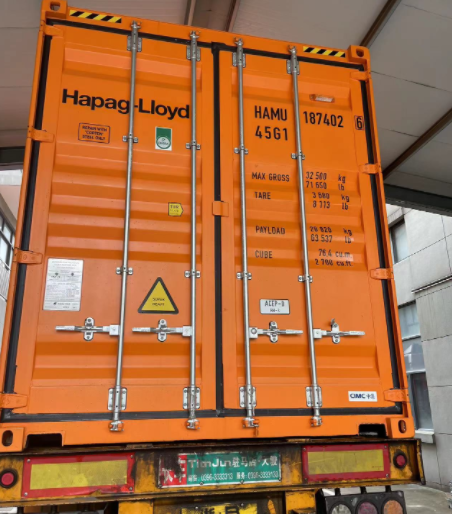
Are you curious about how long is freight from China to Australia?
Understanding the intricacies of shipping durations can significantly impact your logistics planning. In this comprehensive guide, we will explore the average transit times for both sea freight and air freight, alongside key factors influencing these durations. By the end, you’ll have a clearer picture of the best options for your shipping needs, whether you prioritize speed or cost. Let’s dive into the world of international freight and demystify the timelines involved!
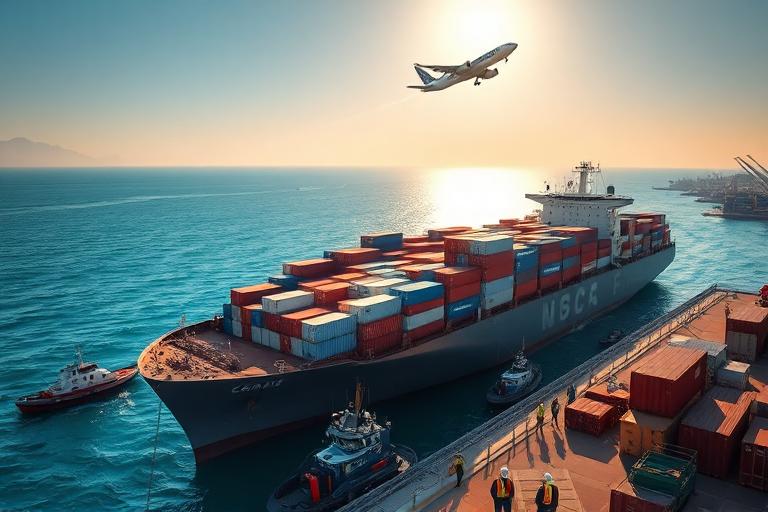
How Long is Sea Freight from China to Australia?
Average Transit Times for Sea Freight
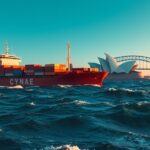
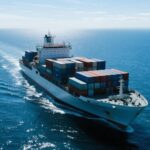
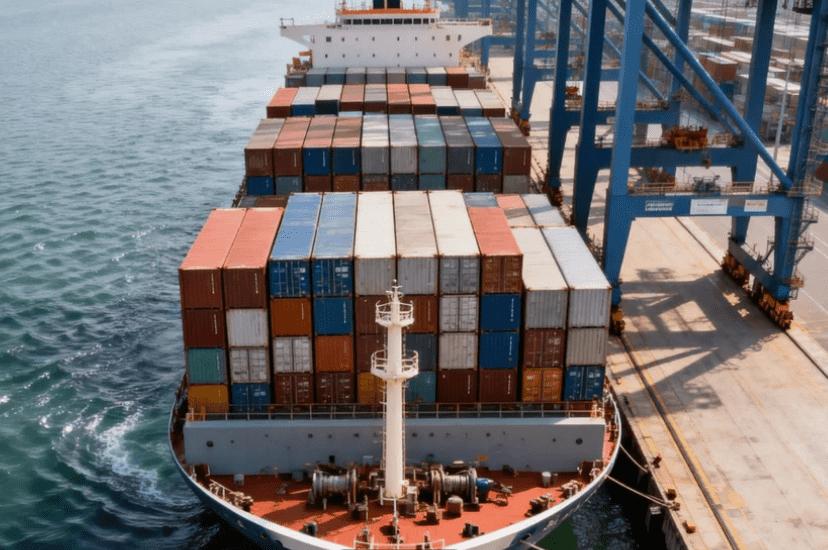
When considering sea freight from China to Australia, it is essential to understand that average transit times can vary significantly based on several factors. Generally, the typical transit time for sea freight ranges from 10 to 30 days. For instance, shipments from major ports such as Shanghai or Shenzhen to Sydney or Melbourne often take approximately 20 to 25 days. Here is a more detailed breakdown of average transit times from key Chinese ports to various Australian ports:
| Port of Origin | Destination Port | Average Transit Time |
|---|---|---|
| Shanghai | Sydney | 22 days |
| Shenzhen | Melbourne | 23 days |
| Ningbo | Brisbane | 25 days |
| Guangzhou | Adelaide | 26 days |
| Hong Kong | Perth | 30 days |
These times are estimates and can fluctuate based on shipping schedules and carrier availability.
Factors Influencing Sea Freight Duration
Several factors can influence the duration of sea freight from China to Australia:
Shipping Routes: The chosen shipping route can significantly affect transit times. Direct routes are faster, while transshipment can add days.
Weather Conditions: Adverse weather can cause delays, as shipping lines may need to reroute to ensure safety, especially during typhoon season.
Port Congestion: Busy ports may experience congestion, causing delays in loading and unloading cargo. Seasonal peaks can exacerbate this issue.
Vessel Speed: Different shipping lines operate vessels at varying speeds. Some may take longer for fuel efficiency.
Customs Clearance: The efficiency of customs procedures at both the export and import ports can influence overall shipping times.
How Long is Air Freight from China to Australia?
Typical Air Freight Shipping Times
Air freight from China to Australia is significantly faster than sea freight, typically taking between 5 to 10 days. For urgent shipments, such as those required for e-commerce, air freight is often the preferred method. Here is a table showcasing typical air freight times from major cities in China to Australia:
| City of Origin | Destination City | Average Transit Time |
|---|---|---|
| Beijing | Sydney | 5 days |
| Shanghai | Melbourne | 6 days |
| Guangzhou | Brisbane | 7 days |
| Shenzhen | Perth | 8 days |
| Hong Kong | Adelaide | 9 days |
Benefits of Choosing Air Freight
Choosing air freight over sea freight offers several advantages, particularly for time-sensitive shipments:
Speed: Air freight is the fastest option, making it ideal for urgent deliveries.
Reliability: Airlines typically have more consistent schedules and fewer delays than shipping vessels.
Security: Air cargo is generally more secure, reducing the risk of damage or theft.
Less Inventory Cost: Faster delivery means businesses can maintain lower inventory levels, freeing up capital for other uses.
Global Reach: Air freight connects remote areas of Australia with major distribution centers in China, enhancing business reach.
In summary, while sea freight is a cost-effective option for larger shipments, air freight proves invaluable for businesses that require speed and reliability. For optimal logistics solutions, consider partnering with a reputable freight forwarder like Dantful International Logistics, which offers a comprehensive range of services tailored to meet your needs, ensuring timely and efficient delivery of your goods from Shipping From China to Australia.
Comparing Sea Freight vs. Air Freight Times
When determining the best shipping method from China to Australia, understanding the transit times for both sea freight and air freight is essential. Each method has its advantages and ideal scenarios for use.
When to Choose Sea Freight over Air Freight
Sea freight is generally preferred for bulk shipments and non-urgent cargo due to its cost efficiency. Typical transit times can range from 20 to 40 days, depending on the specific ports involved and any potential delays along the route. Sea freight is particularly advantageous for:
- Large volumes of goods that require substantial space.
- Heavy items that might be prohibitively expensive to ship by air.
- Cost-sensitive shipments where the savings on freight charges outweigh the longer transit times.
In contrast, air freight might be the better choice for urgent deliveries, with transit times typically around 3 to 10 days. This speed is crucial for businesses that rely on just-in-time inventory and cannot afford delays.
Cost vs. Time Considerations
The trade-off between cost and time is significant in logistics planning. Below is a comparative table summarizing the typical costs and times associated with each method:
| Shipping Method | Average Transit Time | Average Cost (per kg) | Ideal for |
|---|---|---|---|
| Sea Freight | 20 to 40 days | $1.00 – $3.00 | Bulk cargo, cost-sensitive |
| Air Freight | 3 to 10 days | $5.00 – $12.00 | Urgent shipments, smaller volumes |
When making a decision, businesses must consider their budget and the necessity of the shipment timing. For example, if a company can wait several weeks for goods, sea freight offers substantial savings. However, for time-sensitive deliveries, investing in air freight could be justified.
Read More:
- Shipping From China to Australia
- Shipping From China to New Zealand
- Shipping From China to Papua New Guinea
- Shipping From China to Fiji
- Shipping From China to Solomon Islands
- Shipping From China to Vanuatu
Factors Affecting Freight Duration from China to Australia
Several variables can influence shipping durations, making it essential to have a comprehensive understanding of these factors.
Seasonal Influences on Shipping Times
Shipping schedules are significantly impacted by seasonal shifts. In 2025, during peak seasons like Chinese New Year, ports in China faced congestion. For instance, Shanghai Port saw a 20% increase in container throughput during this period, leading to delays in both sea and air freight. Similarly, the holiday season in Australia hiked demand for goods, causing a 15% surge in shipping volume, stretching transit times. Proactive shipment planning is crucial as capacity tightens, bringing longer delivery times and potential extra charges.
Impact of Customs Clearance on Delivery Times
Customs clearance remains a critical determinant of freight duration. In 2025, both sea and air freight shipments bound for Australia had to undergo strict customs checks. New regulations in Australia led to a 10% rise in the number of cargo inspections. Incomplete or inaccurate paperwork, which accounted for 30% of customs – related delays, significantly prolonged delivery. Thus, ensuring all documentation is accurate and complete is vital for a smooth customs process.
Route Selection and Vessel Scheduling
Route choice and vessel dispatch directly affect transit time. In 2025, some carriers shifted from traditional China – Australia east coast routes to shorter south coast paths (e.g., Shanghai to Adelaide via Tasman Sea), cutting 3 – 5 days off duration. However, 2025’s global vessel shortage (down 8% YoY in Q2) led to 12% more schedule changes, with late departures adding 2 – 4 days on average.
Weather and Force Majeure
Extreme weather disrupts shipping in 2025. For example, Q1 cyclones in the Coral Sea delayed 15% of China – Australia sea freight by 5 – 7 days. Additionally, 2025’s Red Sea shipping risks prompted some carriers to reroute, adding 3 days to China – Western Australia shipments despite the region not being directly affected.
Choosing a professional and experienced freight forwarder such as Dantful International Logistics can greatly alleviate these concerns, as they understand the customs requirements and can navigate the complexities that often arise during the clearance process. You can find more details about freight forwarder from China to Australia.
Choosing the Right Freight Forwarder for Faster Deliveries
Selecting the appropriate freight forwarder can significantly impact shipping efficiency and delivery times.
Key Qualities to Look for in a Freight Forwarder
When evaluating potential freight forwarding partners, consider the following key qualities:
- Experience: A well-established company with a proven track record in handling China to Australia shipments can offer more reliable service.
- Network: A broad network of carriers can provide more options for shipping routes and schedules, often leading to faster delivery.
- Customer Service: Responsive and knowledgeable support is essential for addressing concerns and ensuring a smooth shipping experience.
How a Freight Forwarder Can Optimize Shipping Times
A proficient freight forwarder, like Dantful International Logistics, can streamline the shipping process by:
- Providing accurate transit time estimates.
- Advising on the best shipping method based on cargo type and urgency.
- Managing documentation to prevent delays during customs clearance.
- Offering additional services such as insurance and warehouse solutions for added convenience.
In conclusion, understanding the nuances between sea freight and air freight is critical for making informed decisions that align with your business needs. By leveraging the expertise of a specialized freight forwarder, you can optimize shipping times and ensure a more efficient logistics process.
FAQs
How long does it take for shipping from China to Australia?
Shipping from China to Australia via sea freight usually takes 15 – 35 days, while air freight can be as fast as 3 – 12 days, with factors like route and carrier influencing the actual duration.
How much to ship a 20FT container from China to Australia?
Shipping a 20FT container from China to Australia generally costs between 1,500−3,000, but this is affected by variables such as origin/destination ports, shipping method, and market conditions.
How much is import tax from China to Australia?
For goods valued under AUD 1,000 shipped from China to Australia, no customs duties or taxes apply; for those above AUD 1,000, duties are typically 5% of the goods’ value, GST is 10% of the CIF value, and there are also customs processing and clearance fees.
How much does it cost to ship a 40 ft container from China to Australia?
Shipping a 40 ft container from China to Australia usually costs around 2,000−4,000, though the price may vary according to factors like container type, shipping season, and additional services required.

Young Chiu is a seasoned logistics expert with over 15 years of experience in international freight forwarding and supply chain management. As CEO of Dantful International Logistics, Young is dedicated to providing valuable insights and practical advice to businesses navigating the complexities of global shipping.