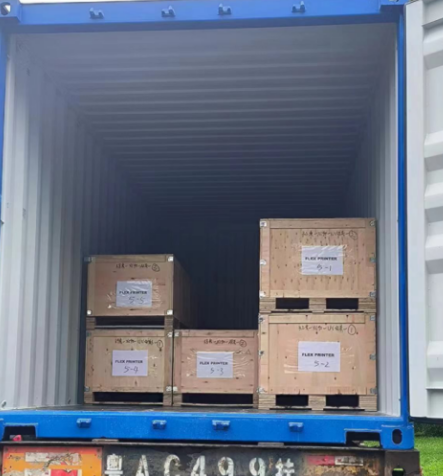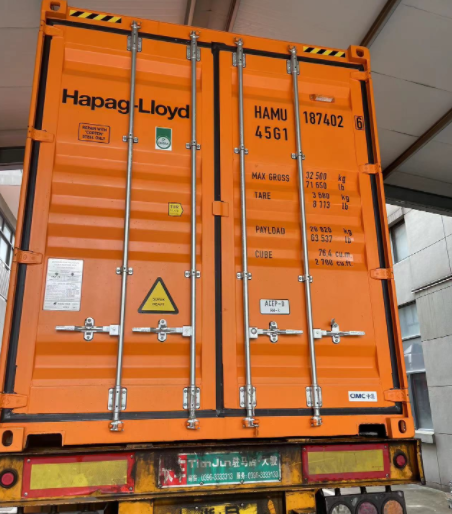
Curious about how long to ship from China to US? Understanding how long to ship from China to the US is crucial for entrepreneurs and supply chain managers aiming to optimize delivery schedules, control costs, and keep customers satisfied. This comprehensive guide covers everything you need to know about importing goods from China to the United States—from a detailed comparison of shipping methods like air freight, sea freight, and express services, to transparent breakdowns of costs, transit times, and essential logistics considerations such as departure points, destination ports, and customs clearance processes. Whether you need fast delivery for urgent shipments or cost-effective solutions for bulk orders, this article will empower you to choose the most suitable shipping strategy for your business success.
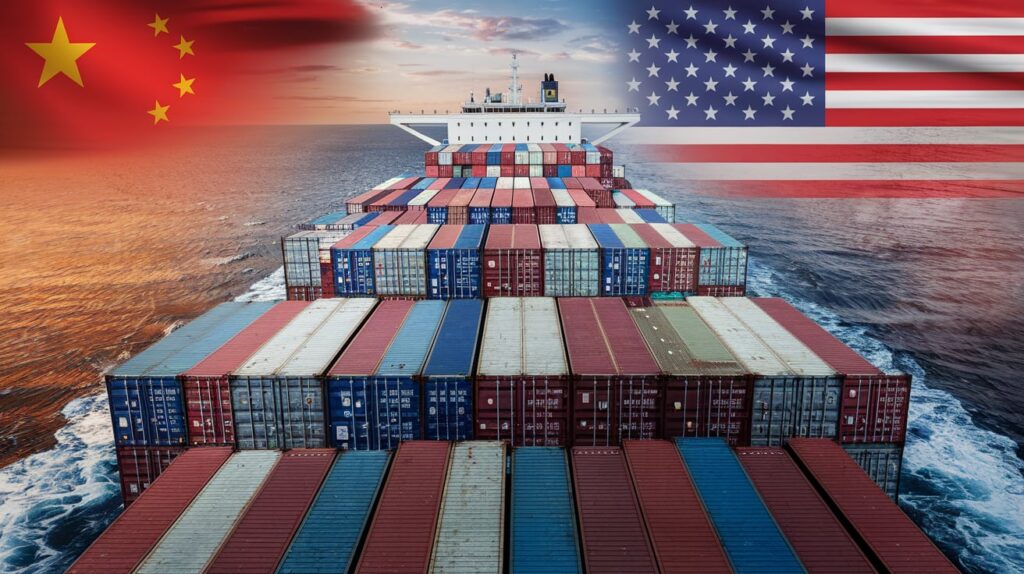
How Long Does Shipping from China to the USA Take?
The short answer, as of November 2026: sea freight from China to the US West Coast takes 14 to 18 days port to port, and 28 to 35 days to the US East Coast on an all-water service through the Panama Canal. Air cargo takes 3 to 6 days airport to airport, and express couriers deliver in 2 to 5 business days. Add one to three weeks for the parts of the journey nobody quotes you: booking and cut-off, origin trucking, destination customs release, rail dwell and final delivery.
| Mode | Port-to-port / airport-to-airport | Realistic door-to-door | Best for |
|---|---|---|---|
| Sea freight FCL (West Coast) | 14 – 18 days | 30 – 40 days | Full containers, bulk and heavy cargo |
| Sea freight FCL (East Coast) | 28 – 35 days | 45 – 65 days | Full containers for the East Coast and Midwest |
| Sea freight LCL | 18 – 40 days | 35 – 50 days | Part loads under about 12 CBM |
| Air freight | 3 – 6 days | 5 – 10 days | Urgent, high-value or seasonal cargo |
| Express courier | 1 – 3 days in the air | 2 – 5 business days | Small parcels and samples |
The gap between the two middle columns is the single most common source of missed launch dates on this lane. Flexport’s Ocean Timeliness Indicator, which measures from the day cargo is ready at the Chinese factory to the day the container leaves the US destination port, put the West Coast lane at 38.1 days and the East Coast lane at 60.3 days in the week to 24 August 2026 — against port-to-port quotes of roughly half that. Both numbers are correct; they measure different parts of the same journey.
Understanding Shipping Methods from China to the USA
When it comes to importing goods from China to the USA, selecting the right shipping method is crucial for balancing cost, speed, and reliability. This guide outlines the primary shipping methods available, helping businesses make informed decisions that align with their logistics strategies.
Air Freight: The Fastest Option for Urgent Shipments
Air freight is recognized as the quickest shipping method for urgent deliveries. This option is ideal for businesses that require fast transit times, such as those dealing with seasonal products, perishable goods, or high-demand items.
Key Advantages of Air Freight:
- Speed: Generally, air freight can deliver shipments within 3 to 7 days from departure to arrival, making it unmatched for urgent needs.
- Reliability: Airlines typically maintain strict schedules, which enhances predictability for businesses relying on just-in-time inventory systems.
- Safety: Air freight has lower risks of damage due to minimal handling and shorter travel times.
Considerations:
Despite the advantages, air freight generally comes at a higher cost compared to other methods. Businesses must weigh the urgency of their shipments against their budget constraints. On 3 November 2026 the Freightos Air Index put China–North America general cargo at US$7.76 per kg, up 9% week on week, 40% above the same week a year earlier and close to the 2025 peak of US$8.00 per kg. Lane-level quotes from the Freight Right week-41 sheet ran US$5.85–7.69/kg into Los Angeles, US$5.85–6.77/kg into San Francisco and US$6.88–8.00/kg into New York, with direct Shanghai–JFK services at the top of the range. Air freight is charged on chargeable weight — the greater of actual weight and volume weight at 167 kg per cubic metre — so bulky cartons can price far above their scale weight.
Sea Freight: Cost-Effective Solutions for Bulk Shipping
Sea freight remains the preferred choice for businesses shipping large volumes of goods. It offers significant cost savings compared to air freight, making it a top option for bulk shipments.
Key Advantages of Sea Freight:
- Cost Savings: On 29 October 2026 Drewry assessed Shanghai–Los Angeles at US$7,514 per 40ft container and Shanghai–New York at US$9,631 per 40ft. Live bookings on 2 November were quoted at US$7,515–8,365 per FEU to the West Coast and US$9,600–11,500 per FEU to the East Coast — both near the highest levels since mid-2022. A 20ft container prices below the 40ft rate on the same sailing, so ask for both when comparing quotes.
- Capacity: Ships can carry a vast array of goods, accommodating everything from heavy machinery to manufactured products.
- Versatility: Suitable for diverse cargo types, including oversized items and hazardous materials, provided they comply with international regulations.
Considerations:
The trade-off for cost-effectiveness is longer transit times. On a direct transpacific service, Shanghai or Ningbo to Los Angeles or Long Beach takes 14 to 18 days port to port, and an all-water routing to New York or Norfolk takes 28 to 35 days. Premium ocean products shorten that: CMA CGM’s EXX service is scheduled at 11 days from Shanghai to Los Angeles, at a rate premium over the standard service.
Express Shipping: Quick Solutions for Small Packages
Express shipping is an excellent choice for small, time-sensitive packages. Often offered by logistics companies and major courier services, this method combines the benefits of air freight with the speed required for smaller shipments.
Key Advantages of Express Shipping:
- Speed: Deliveries can occur within 1 to 5 business days, making it suitable for urgent small orders.
- Tracking: Most express shipping services provide real-time tracking, allowing businesses to monitor their shipments closely.
- Convenience: Many express shipping services offer door-to-door delivery, simplifying the logistics process for businesses.
Considerations:
Though fast, express shipping is priced per shipment rather than per kilo, and the rate per kilo climbs steeply as weight increases — which is why courier stops making sense for most commercial cargo somewhere between 100 kg and 200 kg, where air freight takes over on cost. Note also that low-value parcels from China no longer clear duty-free into the US: the de minimis exemption was suspended for China-origin goods on 2 May 2025 and extended to all origins on 29 August 2025, so every express shipment now needs a formal or informal entry.
Factors Influencing Shipping Times from China to the USA
When importing goods from China to the USA, several factors can impact the overall shipping time. Understanding these elements helps businesses plan their logistics more effectively.
Departure City in China
The departure city significantly influences shipping times. Major cities such as Shenzhen, Shanghai, and Ningbo typically have more frequent shipping options and better infrastructure, which can facilitate faster processing and transit times. Conversely, shipments from less developed regions may encounter longer delays due to fewer available transport options and limited logistics support.
| Departure City | Main Load Port / Airport | Average Transit Time (Air) | Average Transit Time (Sea, port to port) |
|---|---|---|---|
| Shanghai | Port of Shanghai / PVG | 3-5 days | 14-18 days to USWC, 28-35 to USEC |
| Ningbo | Port of Ningbo-Zhoushan / NGB | 3-5 days | 14-18 days to USWC, 28-35 to USEC |
| Shenzhen | Yantian / Shekou / SZX | 3-5 days | 15-18 days to USWC, 30-35 to USEC |
| Guangzhou | Nansha / Shekou / CAN | 4-6 days | 15-19 days to USWC, 30-36 to USEC |
| Tianjin (Xingang) | Port of Tianjin (Xingang) / TSN | 4-6 days | 16-20 days to USWC, 30-38 to USEC |
| Qingdao | Port of Qingdao (Qianwan) / TAO | 4-6 days | 16-20 days to USWC, 30-38 to USEC |
North China origins (Tianjin/Xingang, Qingdao, Dalian) sit one to three days behind Shanghai on the same service rotation, because the vessel calls at more ports before it crosses the Pacific. If your factory is inland — Chongqing, Chengdu, Zhengzhou — add three to seven days of feeder or rail to the load port unless you use a rail-and-air or air product.
Destination Port in the USA
The destination port in the USA also plays a crucial role in determining shipping times. Ports located on the West Coast, such as Los Angeles and Long Beach, generally receive shipments faster than those on the East Coast, like New York or Miami, due to proximity to Asia. But the fastest port is not always the fastest door: in September 2026 rail-bound containers at Los Angeles and Long Beach averaged 7.19 days of dwell, and a 26 October count found 41.4% of rail-bound boxes at Los Angeles had waited nine days or more, against 15.1% at Long Beach.
| Destination Port | Average Transit Time (Air) | Average Transit Time (Sea) | Watch out for |
|---|---|---|---|
| Los Angeles / Long Beach | 3-5 days | 14-18 days | Rail dwell — 7.19 days average in September 2026 |
| Oakland | 3-5 days | 14-18 days | Fewer direct services than LA/LB |
| Seattle / Tacoma | 3-5 days | 13-17 days | Shortest sailing, smallest gateway |
| New York / New Jersey | 4-6 days | 28-35 days | All-water via Panama; canal booking required |
| Savannah / Norfolk | 4-6 days | 30-36 days | One port call further than NY/NJ |
Customs Clearance
Customs clearance is a critical factor in the shipping process that can significantly impact delivery times. With the entry filed before the vessel arrives, an ocean FCL shipment usually clears in 1 to 3 business days and air cargo in 4 to 24 hours. A CBP hold or exam adds 5 to 15 business days, sometimes more for an intensive exam. Two filing habits decide which of those two timelines you get: the Importer Security Filing (ISF, or “10+2”) must reach CBP at least 24 hours before the cargo is loaded at the Chinese port — late filing carries liquidated damages of up to US$5,000 per violation under 19 CFR 113.62 — and the commercial entry should be filed before arrival, not after. Engaging a reputable freight forwarder, such as Dantful International Logistics, can help streamline customs procedures and minimize delays.
How Dantful Can Assist:
Dantful specializes in customs clearance services, ensuring that all documentation is accurate and compliant with U.S. regulations. This proactive approach helps avoid unnecessary holdups in the shipping process, allowing for a smoother transition of goods from China to the USA.
By understanding these shipping methods and factors influencing delivery times, businesses can make informed decisions that optimize their import strategies. For a hassle-free experience, consider partnering with Dantful International Logistics, a highly professional, cost-effective, and high-quality logistics service provider for global trade.
Explore our extensive services including Door-to-Door Shipping and Customs Clearance to streamline your logistics operations today.
READ MORE:
- Shipping From China to the United States
- Shipping From China TO Canada
- Shipping From China TO Mexico
- Shipping From China to Panama
- Shipping From China to Costa Rica
- Shipping From China to Brazil
- Shipping From China TO Colombia
- Shipping From China to Jamaica
- Shipping From China to Venezuela
Typical Shipping Times from Major Chinese Cities to the USA
How many days shipping from China to US truly takes? When you’re dealing with international trade, understanding the precise shipping time from China to US isn’t just helpful – it’s absolutely critical for successful planning. This section will peel back the layers of complexity, exploring how factors like your chosen departure city in China, the shipping method, and your final destination in the USA collectively determine the total transit duration, helping you set realistic expectations for your inbound shipments
Shipping from Shanghai to the USA
Shanghai, one of the largest and busiest ports in the world, serves as a major gateway for international trade. Shipping times from Shanghai to the USA usually depend on the chosen method and the destination port.
| Shipping Method | Average Transit Time | Notes |
|---|---|---|
| Air Freight | 3-5 days | Fastest option for urgent shipments. |
| Sea Freight (to US West Coast) | 14-18 days | Direct transpacific; 11 days on premium EXX-type services. |
| Sea Freight (to US East Coast) | 28-35 days | All-water via the Panama Canal. |
With its well-developed infrastructure, Shanghai often experiences minimal delays in both air and sea freight, allowing for efficient customs clearance processes. Congestion does happen: on 22 October 2026 berthing delays at Shanghai and Ningbo were running at about four days, with Typhoon Champi forecast to affect eastern China that week.
Shipping from Shenzhen to the USA
Shenzhen is another significant port city, well-known for its technological manufacturing and export capabilities. The shipping times from Shenzhen to the USA are comparable to those from Shanghai, with Yantian and Shekou feeding the same transpacific strings.
| Shipping Method | Average Transit Time | Notes |
|---|---|---|
| Air Freight | 3-5 days | Suitable for high-demand products. |
| Sea Freight (to US West Coast) | 15-18 days | Excellent for bulk goods at lower costs. |
| Sea Freight (to US East Coast) | 30-35 days | Yantian–New York is commonly quoted at 33-35 days. |
Shenzhen’s proximity to major manufacturing hubs enables timely shipments, although businesses should be prepared for potential delays due to seasonal spikes in demand — and to Golden Week, when factories close and cut-offs bunch up on both sides of the holiday.
Shipping from Guangzhou and Other Cities
Guangzhou, located near Shenzhen, is another key city for shipping. While it shares similar shipping times with Shanghai and Shenzhen, other cities may vary.
| City | Shipping Method | Average Transit Time | Notes |
|---|---|---|---|
| Guangzhou | Air Freight | 4-6 days | Quick transport for urgent orders. |
| Guangzhou | Sea Freight (USWC) | 15-19 days | Cost-effective for large volumes; Nansha and Shekou loadings. |
| Tianjin (Xingang) | Air Freight | 4-6 days | Similar to Beijing, suitable for urgent shipments. |
| Tianjin (Xingang) | Sea Freight (USWC) | 16-20 days | Dependent on port congestion and the service rotation. |
| Ningbo | Sea Freight (USWC) | 14-18 days | Same strings as Shanghai, one call further along. |
These variations highlight the importance of selecting the right city and shipping method based on your specific logistical needs.
China to USA Transit Times by Port Pair
Lane averages hide a lot. The table below shows the ranges we actually see on bookings, split by load port and discharge port, on direct services without transshipment. Treat them as planning ranges, not guarantees — schedule reliability across the industry was 50.6% in September 2026, which means roughly one vessel in two arrived late.
| Load port (China) | Los Angeles / Long Beach | Oakland | Seattle / Tacoma | New York / New Jersey |
|---|---|---|---|---|
| Shanghai | 14 – 16 | 15 – 18 | 13 – 17 | 28 – 32 |
| Ningbo | 14 – 18 | 16 – 19 | 15 – 18 | 28 – 35 |
| Yantian (Shenzhen) | 15 – 18 | 16 – 19 | 15 – 19 | 30 – 35 |
| Nansha (Guangzhou) | 15 – 19 | 17 – 20 | 16 – 20 | 30 – 36 |
| Tianjin (Xingang) | 16 – 20 | 18 – 21 | 17 – 21 | 31 – 38 |
| Qingdao | 16 – 20 | 17 – 21 | 16 – 20 | 30 – 38 |
All figures are days at sea, vessel departure to vessel arrival. Add the booking window (3 to 7 days on most strings, longer at peak), origin trucking and export declaration (1 to 3 days), destination customs release (1 to 3 business days for FCL), and the inland leg. For the cost side of the same decision, see our shipping rates from China to the USA guide and the per-kg cost breakdown.
Why Door-to-Door Shipping Takes Longer Than the Sailing
If your forwarder quotes 16 days and your container arrives at the warehouse on day 38, nothing went wrong — the quote covered the ocean leg only. Here is where the other three weeks go on a West Coast shipment, using Flexport’s 38.1-day end-to-end reading for August 2026 as the benchmark:
| Stage | Typical days | What moves it |
|---|---|---|
| Factory to load port + export declaration | 2 – 5 | Distance from port, trucking capacity, customs broker at origin |
| Booking to vessel departure | 3 – 7 | Blank sailings, rolled bookings, peak-season space |
| Ocean transit | 14 – 18 | Service string, port rotation, weather |
| Discharge and terminal handling | 2 – 4 | Berth windows, terminal productivity |
| Customs entry and release | 1 – 3 | ISF filed on time, correct HTS codes, exam selection |
| Rail or truck to inland hub | 3 – 10 | Rail dwell — 7.19 days average at LA/LB in September 2026 |
| Final delivery to door | 1 – 3 | Appointment availability, chassis, accessorials |
Two of those lines are worth planning around. First, the booking window: when Drewry counted 56 blank sailings out of 715 scheduled across weeks 45 to 49 of 2026 (an 8% cancellation rate, 36% of them on the transpacific), the practical effect is that a booking made ten days out may not sail on the first vessel offered. Second, the rail leg: 35,688 import containers were sitting at Los Angeles and Long Beach waiting for on-dock rail on 26 October 2026, so Midwest and East Coast inland destinations routed through the West Coast should carry a buffer that a pure West Coast delivery does not need.
What Is Slowing China-US Shipments Down in November 2026
Transit times on this lane are being stretched by five specific conditions right now. None of them is a crisis; all of them add days to a plan built on last year’s numbers.
- Schedule reliability is near a low. Sea-Intelligence put global on-time performance at 50.6% in September 2026, up 0.9 points on August but 13.9 points below the May peak of 64.5%. The average delay on a late vessel arrival was 6.65 days — the second-highest September figure on record. Maersk led the top 13 carriers at 64.8%, Hapag-Lloyd followed at 60.4%, MSC at 57.7% and CMA CGM at 51.8%; Wan Hai trailed at 26.7%.
- Blank sailings are holding space tight. Drewry counted six transpacific blank sailings in the week after 29 October, up from five. Fewer sailings does not lengthen the ocean leg, but it lengthens the wait for a slot — and rolled bookings are the most common reason a container misses its ETA.
- US import demand is cooling. The National Retail Federation forecasts an 11% month-on-month fall in US ocean import volumes in November 2026. Counter-intuitively this helps transit times later in the month, as terminals and rail ramps empty out, even while it pushes spot rates down.
- The Panama Canal still runs on reservations. Since 15 October 2026 the Canal offers 10 Neopanamax slots a day, 33 transits a day across both locks, with a maximum authorized draft of 14.94 m. The water deficit persists, and vessels arriving without a confirmed reservation face indefinite delays — which is why all-water East Coast services are the least predictable routing on this lane.
- Los Angeles and Long Beach face a labour deadline. About 250 watchmen represented by ILWU Local 26 work at six terminals handling roughly 85% of Long Beach cargo and 33% of Los Angeles cargo. Their contract expired in July 2025 and talks were extended to 5 p.m. Pacific on 4 November 2026 with no deal announced that morning. A stoppage is possible rather than confirmed, but other ILWU members are not expected to cross a picket line, so a walkout would stop vessel, yard and gate work at the affected terminals.
Comparing Shipping Costs and Times: Air vs. Sea Freight
When considering shipments from China to the USA, it is crucial to compare shipping costs and transit times effectively. Each shipping method has its advantages, which can significantly influence business decisions.
Cost Analysis
Finding the right balance between speed and expense is fundamental for businesses.
| Shipping Method | November 2026 cost | Average Transit Time | Typical Shipment Size | Ideal Use Case |
|---|---|---|---|---|
| Air Freight | US$5.85 – 8.00 per kg by gateway; index average US$7.76 per kg | 3 – 6 days | 45 kg – 500 kg | Time-sensitive or high-value cargo (electronics, fashion, perishable goods) |
| Sea Freight (FCL) | US$7,515 – 8,365 per 40ft to USWC; US$9,600 – 11,500 per 40ft to USEC | 14 – 18 days USWC, 28 – 35 USEC | >12 CBM / Full Containers | Large, heavy, or high-volume shipments (machinery, bulk goods, furniture) |
| Sea Freight (LCL) | Priced per CBM; the per-unit rate is roughly 1.5 to 3 times the FCL rate per CBM | 18 – 40 days | <12 CBM / Partial Containers | Smaller cargo where you share container space |
Key Takeaways:
- Air Freight is the go-to for speed, especially for urgent or high-value goods, but comes at a premium price.
- Sea Freight remains the most economical option for large shipments, albeit with longer lead times.
While air freight offers rapid delivery times, its higher costs may not be justifiable for all shipments. Conversely, sea freight provides significant cost savings, making it more appealing for non-urgent shipments.
Time Sensitivity
Understanding when to choose air freight over sea freight is essential for businesses operating in fast-paced markets.
Air Freight should be prioritized for:
- Perishable Goods: Items like food or flowers that have limited shelf life.
- New Product Launches: Ensuring availability when demand is high.
- Seasonal Products: Items required during peak seasons, such as holidays or events.
Sea Freight is more suitable for:
- Low-Volume Shipments: When the budget is a priority and the shipment is not urgent.
- Heavy Cargo: Items that require more space and cannot be efficiently shipped by air.
Tips for Optimizing Your Shipping Experience from China to the USA
To ensure a seamless shipping experience from China to the USA, businesses should follow several best practices.
Choosing the Right Freight Forwarder
Selecting a reputable freight forwarder is pivotal for ensuring smooth logistics operations. Look for a provider with a strong track record in international shipping and expertise in customs clearance. Dantful International Logistics is known for offering comprehensive services that prioritize customer satisfaction. Their expertise in door-to-door shipping services ensures a hassle-free experience throughout the shipping process.
Five Levers That Actually Shorten Transit in 2026
- Ask for a direct service, and check the rotation. A service that calls at Busan or Kaohsiung before crossing adds two to five days without appearing on the quote. Ask which vessel, which string and whether the booking is confirmed or waitlisted.
- File ISF and the entry early. ISF at least 24 hours before loading, entry filed before arrival. That is the difference between 1 to 3 business days of clearance and 5 to 15 if an exam is triggered by a data mismatch.
- Pick the gateway by inland destination, not by ocean transit. If the cargo is going to Chicago, an all-water East Coast routing plus a short rail leg can beat a West Coast discharge stuck behind 7-day rail dwell. Ask your forwarder to quote both.
- Book before the cut-off, not at it. With six transpacific blank sailings in a single week, the last vessel before your deadline is the one most likely to roll your container. Two weeks of lead time on the booking removes most of that risk.
- Match the product to the mode, not to habit. Above roughly 150 to 200 kg, air freight usually beats express on cost per kilo; below 12 CBM, LCL beats FCL once you count the days you are not paying for unused space. Our transit time comparison by mode covers the crossover points.
Preparing Documentation
Proper documentation is crucial for avoiding delays during customs clearance. Common documents required include:
- Commercial Invoice: Detailing the transaction.
- Packing List: Outlining the contents and packaging details.
- Bill of Lading (BOL): A receipt for the shipment that also serves as a shipping contract.
- Import Licenses: Necessary for regulated goods.
Ensuring that all documentation is accurate and complete can drastically reduce the chances of delays.
Monitoring Shipment Progress
Utilizing tracking systems provided by freight forwarders or carriers allows businesses to monitor their shipments in real time. This transparency enables proactive management of any potential delays and ensures timely updates to stakeholders involved in the supply chain. For sellers shipping into FBA, the same tracking discipline matters at the other end: our Amazon FBA team books delivery appointments against your inbound plan, so a late vessel does not turn into a late receiving date.
By focusing on these key areas, businesses can optimize their shipping experience from China to the USA, ensuring efficient logistics and smoother operations. For tailored services that meet your shipping needs, consider partnering with Dantful International Logistics, a reliable choice for businesses looking to enhance their logistics strategies.
FAQs
Q1: How many days does it usually take to ship from China to the US? A1: Sea freight takes 14–18 days port to port to the US West Coast and 28–35 days to the East Coast; air freight 3–6 days airport to airport; express 2–5 business days door to door. Door to door, plan for 30–40 days by sea to the West Coast and 45–65 days to the East Coast.
Q2: Which shipping method is fastest and most cost-effective for small urgent shipments? A2: Express shipping is the fastest (2–5 business days) but also the most expensive per kilo. For balance, consider air freight for larger urgent shipments — above about 150–200 kg, air freight usually costs less per kilo than express.
Q3: What affects shipping time besides transit? A3: Booking and cut-off windows, blank sailings, port congestion, customs exams, rail dwell at the destination and holiday closures. In September 2026, industry schedule reliability was 50.6% and the average late vessel arrived 6.65 days behind schedule, so a buffer of 5–7 days on the ocean leg alone is realistic.
Q4: How can I reduce shipping costs for large orders from China to the US? A4: Use sea freight (FCL) for the best rates on bulk shipments, and LCL below about 12 CBM. Booking two to three weeks ahead also protects you from peak-season rate spikes — spot rates to the West Coast sat at US$7,515–8,365 per FEU on 2 November 2026.
Q5: How does Dantful help ensure reliable delivery times? A5: Dantful offers real-time tracking, expert route planning, and efficient customs clearance for on-time, transparent deliveries. Our operations team in Shenzhen files ISF and the entry ahead of arrival, and we send daily status updates with photos until the cargo is delivered.
Q6: How long does a container ship take from China to Los Angeles? A6: 14–18 days on a direct transpacific service, and as little as 11 days on a premium express service such as CMA CGM’s EXX. Add 2–4 days for discharge and terminal handling, and 1–3 business days for customs release.
Q7: Is it faster to ship from China to the US East Coast through Panama or via the West Coast and rail? A7: All-water via Panama runs 28–35 days port to port but depends on a canal reservation. Discharging on the West Coast and railing east can be quicker for Midwest destinations in normal conditions, but rail dwell at Los Angeles and Long Beach averaged 7.19 days in September 2026. Ask for both routings and compare door-to-door dates, not sailing times.
Q8: How long does air freight from China to the USA take? A8: 3–6 days airport to airport and 5–10 days door to door. The flight itself is 12–14 hours; the rest is booking, handling, security screening and customs, which clears in 4–24 hours when the entry is filed in advance.
Q9: Has shipping time from China to the US gotten longer in 2026? A9: Yes, at the margin. Flexport’s end-to-end indicator for the West Coast lane stood at 38.1 days in the week to 24 August 2026, against port-to-port quotes of 14–18 days — the extra time is concentrated in rail dwell and terminal handling, not in the ocean crossing. Industry schedule reliability fell from a May 2026 peak of 64.5% to 50.6% in September.
Q10: What is the fastest way to ship from China to the US in November 2026? A10: Express courier for parcels under about 50 kg, air freight for 45–500 kg, and a premium ocean service (11 days Shanghai–Los Angeles) for full containers where the budget will not stretch to air. For anything with a hard deadline in Q4, book air capacity early: China–North America air rates hit a 2026 high of US$7.76/kg on 3 November.
Q11: Do I need to worry about the LA/Long Beach labour dispute? A11: Monitor it rather than reroute. The ILWU Local 26 contract extension ran to 5 p.m. Pacific on 4 November 2026 with no agreement announced, and a stoppage would affect terminals handling about 85% of Long Beach and 33% of Los Angeles cargo. If it happens, expect gate closures, longer dwell and demurrage exposure; the practical response is to pull available import containers early and keep documentation ready.
Q12: Can Dantful handle the whole door-to-door journey, not just the ocean leg? A12: Yes. Dantful coordinates factory pickup in China, export declaration, ocean or air freight, US customs clearance and duty payment, and final delivery — including warehouse storage if you need to stage inventory. You get one schedule and one point of contact for the entire chain.

Young Chiu is a seasoned logistics expert with over 15 years of experience in international freight forwarding and supply chain management. As CEO of Dantful International Logistics, Young is dedicated to providing valuable insights and practical advice to businesses navigating the complexities of global shipping.