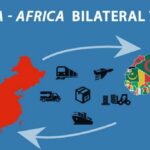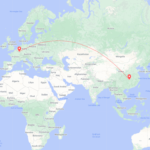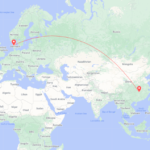
Are you wondering how much is shipping from China to Austria and what factors impact these costs? Shipping internationally involves numerous variables, from sea freight and air freight rates to customs duties and transit times. In this comprehensive guide, we’ll break down the key factors influencing shipping expenses, compare container prices, detail customs requirements, and offer strategies to optimize your logistics. Start here to make informed decisions for seamless shipments between China and Austria!
Key Factors Influencing Shipping Costs
Based on our 15+ years of experience handling logistics to Central Europe, calculating how much is shipping from China to Austria is not just about checking a rate sheet. It involves a strategic balance of time, route, and carrier selection. Here are the practical factors we analyze for every client to determine the final cost:
- Shipping Method & The “Rail” Advantage: While Sea Freight is the standard for economy, our data shows that for Austria, Rail Freight is often the “sweet spot”—costing about 50% less than air but arriving 15-20 days faster than sea.
- Origin-Destination Pairing: Unlike coastal countries, Austria is landlocked. The cost heavily depends on the “Last Mile” routing. We optimize costs by choosing the right entry port: Koper (Slovenia) for Southern Austria (Graz/Villach) or Hamburg (Germany) for Northern Austria (Vienna/Linz).
- Cargo Density & “Chargeable Weight”: Many importers overlook that Air and Express carriers charge based on the greater of actual weight or volumetric weight (Length x Width x Height / 5000). We always advise clients to optimize packaging to reduce this “Chargeable Weight.”
- Container Utilization: For FCL shipments, upgrading from a 20ft to a 40HQ container often doubles your capacity for only a 30-40% increase in price, significantly lowering your unit cost per item.
- Seasonality (The “Peak Season” Premium): Shipping in January (pre-Chinese New Year) or October (Golden Week) can cost 30-50% more than in March or April. We help clients plan their inventory cycles to avoid these spikes.
- Incoterms Selection: Choosing FOB (Free on Board) vs. EXW (Ex Works) changes who pays for local Chinese charges. We recommend FOB to avoid unpredictable local fees at the origin.
- Fuel & Currency Fluctuations: The BAF (Bunker Adjustment Factor) and CAF (Currency Adjustment Factor) are updated monthly by carriers.
- Special Handling: Goods like batteries (DG), oversized machinery, or temperature-sensitive food require specialized vessels and documentation, which add to the base rate.
By leveraging these insights, Dantful International Logistics doesn’t just give you a price; we engineer a shipping solution that balances budget with reliability.d solutions and transparent pricing for your shipment from China to Austria.
Sea freight cost from China to Austria
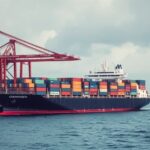
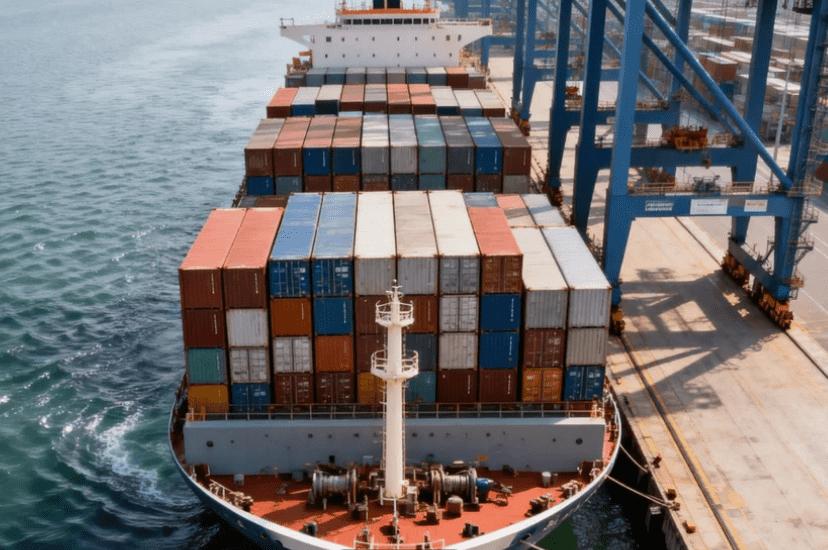
Sea freight remains the most popular and cost-effective shipping method for bulk cargo moving from China to Austria. While Austria is a landlocked country, major shipments are routed via key European seaports such as Hamburg (Germany) or Koper (Slovenia), and then transported by road or rail to Austrian destinations like Vienna or Graz.
If you’re interested in understanding how sea routes to neighboring countries affect efficiency and pricing, you may also explore Sea Freight from China to Germany for more details about routing through major European ports.
The cost of sea freight depends on container size, shipping schedule, cargo type, and the current market rates. Below is an up-to-date breakdown for standard container shipping:
| Container Type | Capacity (CBM) | Estimated Shipping Cost (USD) | Typical Route (Port to Port) | Transit Time (Days) |
|---|---|---|---|---|
| 20ft FCL | 28 | $2,200 – $2,900 | Shanghai – Hamburg/Koper | 30–38 |
| 40ft FCL | 56 | $3,800 – $4,900 | Shenzhen – Hamburg/Koper | 30–38 |
| 40HQ FCL | 68 | $4,000 – $5,200 | Ningbo – Hamburg/Koper | 30–38 |
Expert Insight: Choosing the Right Port of Discharge (POD) A critical decision that affects both cost and speed is choosing between the Northern Route and the Southern Route. Experienced shippers tailor this choice based on their final destination in Austria:
- The Northern Route (via Hamburg/Bremerhaven, Germany):
- Best for: Vienna (Wien), Linz, and Upper Austria.
- Pros: Established “Block Train” connections run daily between German ports and Austrian rail terminals. It is highly reliable for scheduled deliveries.
- Cons: Longer ocean transit time (ships must sail around Western Europe).
- The Southern Route (via Koper, Slovenia or Trieste, Italy):
- Best for: Graz, Villach, and Southern Austria.
- Pros: Faster Transit. Ships coming from China via Suez Canal enter the Adriatic Sea directly, saving 5-7 days of sailing time compared to Hamburg.
- Cons: Rail capacity can sometimes be tighter during peak seasons compared to the massive German hubs.
Notes:
- Above rates are indicative (2026) and subject to change based on market conditions, carrier selection, and surcharges.
- LCL (less-than-container load) shipping is available for smaller shipments, typically priced at $80–$120 per CBM (excluding destination charges).
- Final delivery to Austria involves inland trucking or rail from the European discharge port.
Cost of 20ft container shipping from China to Austria?
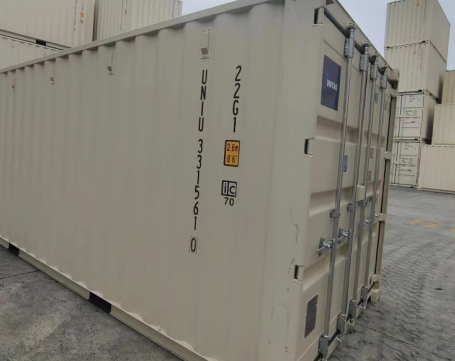
A 20ft container (capacity: 28CBM) is suitable for small-to-medium size shipments. Factors influencing the price include the chosen Chinese port, the European gateway port, and additional inland haulage fees. As of 2026:
- Base ocean freight: $2,200–$2,900 (Shanghai, Ningbo, or Shenzhen to Hamburg or Koper)
- Inland delivery to Austria (e.g., Vienna): Add $800–$1,200 for trucking or rail, depending on distance and service.
- Total door-to-door estimate: $3,000–$4,200 (excluding customs duties, VAT, and ancillary charges)
| Route | Ocean Freight (USD) | Inland Freight (USD) | Total Estimate (USD) | Transit Time (Days) |
|---|---|---|---|---|
| Shanghai – Hamburg – Vienna | $2,300 | $950 | $3,250 | 35–40 |
| Shenzhen – Koper – Graz | $2,600 | $1,100 | $3,700 | 32–38 |
Cost of 40ft container shipping from China to Austria?
A 40ft container (capacity: 56CBM) or 40HQ container (capacity: 68CBM) is ideal for large shipments, offering a lower cost per CBM compared to 20ft containers.
- Base ocean freight: $3,800–$4,900 for a 40ft; $4,000–$5,200 for a 40HQ (to Hamburg or Koper)
- Inland delivery to Austria: $1,000–$1,500
- Total door-to-door estimate: $4,800–$6,700 (excluding customs duties, VAT, and ancillary charges)
| Route | Ocean Freight (USD) | Inland Freight (USD) | Total Estimate (USD) | Transit Time (Days) |
|---|---|---|---|---|
| Ningbo – Hamburg – Vienna | $4,000 | $1,200 | $5,200 | 35–40 |
| Shenzhen – Koper – Linz | $4,800 | $1,400 | $6,200 | 32–38 |
Tips:
- Shipping costs fluctuate—request a quote close to your cargo ready date for the most accurate rate.
- Consider consolidated freight options for LCL cargo to lower your per-unit shipping cost. You can learn more about how consolidated freight shipping benefits small and medium shipments.
- Work with an experienced freight forwarder like Dantful International Logistics for seamless coordination of sea and inland freight, customs clearance, and value-added services.
Dantful Logistics offers full-service solutions including sea freight, customs clearance, warehousing, insurance, and door-to-door delivery, ensuring efficiency and transparency for all your shipments from China to Austria. full-service solutions including sea freight, customs clearance, warehousing, insurance, and door-to-door delivery, ensuring efficiency and transparency for all your shipments from China to Austria.
Air freight cost from China to Austria per KG
When considering shipping goods from China to Austria, air freight is the fastest and most reliable logistics method, especially for high-value or time-sensitive cargo. The cost of air freight is generally calculated by the actual weight or the volumetric weight (whichever is greater) and is quoted per kilogram (KG).
Key Factors Affecting Air Freight Rates:
- Cargo Type: General cargo, dangerous goods, or temperature-controlled items may have different rates.
- Origin and Destination Airports: Main airports like Shanghai Pudong (PVG) or Beijing Capital (PEK) to Vienna International Airport (VIE) often offer better rates and frequencies.
- Seasonal Fluctuations: Rates increase during peak seasons (e.g., before Christmas or Chinese New Year).
- Service Level: Standard, express, or deferred services have varying costs.
- Total Weight and Volume: Higher shipment weights typically secure better unit rates due to economies of scale.
Typical Air Freight Rates (2026 Estimate):
| Route (Major Hubs) | General Cargo (USD/KG) | Minimum Chargeable Weight | Transit Time |
|---|---|---|---|
| Shanghai (PVG) → Vienna (VIE) | $4.50 – $7.00 | 45 KG | 2-5 days |
| Shenzhen (SZX) → Vienna (VIE) | $4.80 – $7.50 | 45 KG | 2-5 days |
| Beijing (PEK) → Vienna (VIE) | $4.60 – $7.20 | 45 KG | 2-5 days |
Note: These are indicative rates as of early 2026. Rates can fluctuate based on fuel surcharges, available capacity, and market demand. For exact and up-to-date quotations, it is advisable to contact a professional freight forwarder like Dantful International Logistics directly.
Calculation Example
If you are shipping 200 KG of general cargo from Shanghai to Austria and the quoted rate is $5.50/KG:
Total Freight Cost = 200 KG x $5.50 = $1,100
Additional surcharges may include fuel, security, and terminal handling charges. It is important to clarify with your logistics provider which fees are included in the quoted rate.
Why Choose Air Freight?
- Fastest transit times, ideal for urgent shipments
- High security and close tracking
- Reliable airline schedules
For those considering air transport options between China and other major European countries, refer to the air freight from China to Germany guide for comparative insights on rates and transit times in the region.
Dantful International Logistics provides comprehensive air freight solutions, including express, consolidated, and door-to-door delivery, with full customs clearance support in both China and Austria. provides comprehensive air freight solutions, including express, consolidated, and door-to-door delivery, with full customs clearance support in both China and Austria.
Rail freight cost from China to Austria
Rail freight has emerged as an efficient middle-ground shipping solution between sea and air freight. It offers faster transit times than ocean shipping and is more cost-effective than air cargo, especially for large volumes destined for landlocked countries like Austria.
If you’re interested in a broader overview of options for shipping by rail between China and Europe, see this Rail Service From China to Europe resource, which provides further details on routes, rates, and advantages.
Key Factors Impacting Rail Freight Cost:
- Origin and Destination Terminals: Main Chinese cities such as Chengdu, Chongqing, Xi’an, and Zhengzhou have direct rail links to Europe. In Austria, key rail hubs include Vienna and Linz.
- Full Container Load (FCL) vs. Less than Container Load (LCL): FCL shipments are more cost-effective per CBM compared to LCL consolidation.
- Cargo Type and Weight: Heavier and bulkier cargo may affect the per-container cost.
- Rail Route and Service Providers: The selection of specific routes and operators can impact rates and transit times.
- Customs and Handling Fees: These vary by both origin and destination countries.
Typical Rail Freight Rates (2026 Estimate):
| Container Type | Estimated Cost (USD) | Capacity (CBM) | Transit Time (Door-to-Door) |
|---|---|---|---|
| 20ft FCL | $5,200 – $6,800 | 28 CBM | 18 – 22 days |
| 40ft FCL | $8,000 – $10,500 | 56 CBM | 18 – 22 days |
| LCL (per CBM) | $200 – $320 | – | 18 – 25 days |
Note: The above rates are reference values as of 2026 and may fluctuate depending on route congestion, seasonal demand, and fuel costs. For the latest and most accurate pricing, please consult with your freight forwarder.
Advantages of Rail Freight from China to Austria:
- Balanced solution: Faster than sea, cheaper than air.
- Eco-friendly: Lower CO2 emissions per ton compared to air freight.
- Reliable and stable: Regular weekly departures and established routes.
Operational Reality Check: Potential Delays While rail is generally reliable, seasoned importers know that the Malaszewicze (Poland) / Brest (Belarus) border crossing is a critical bottleneck. During peak seasons (Q4) or severe winters, gauge-changing operations at this border can cause delays of 3-7 days.
- Pro Tip: If your delivery deadline is strict, always ask Dantful for the current “border congestion status” before booking rail freight. We can sometimes route via alternative corridors (like Kaliningrad) to avoid backups.
Popular Rail Route Example:
- Chengdu (China) → Vienna (Austria): Via the China-Europe Railway Express, crossing through Kazakhstan, Russia, Poland, Germany, then entering Austria.
Rail Freight Cost Comparison Table
| Mode | Transit Time | Example Rate (40ft FCL) | Best For |
|---|---|---|---|
| Air | 2–5 days | $25,000+ | Urgent, high-value, lightweight cargo |
| Rail | 18–22 days | $8,000–$10,500 | Medium volume, cost/time-sensitive cargo |
| Sea | 30–40 days | $3,000–$4,500 | Large, non-urgent, cost-sensitive cargo |
Dantful International Logistics offers end-to-end rail freight services, including FCL, LCL, customs clearance, and door-to-door delivery from China to Austria. Our team provides route optimization, cargo tracking, and consolidated logistics solutions to maximize efficiency and minimize costs for your shipments. services, including FCL, LCL, customs clearance, and door-to-door delivery from China to Austria. Our team provides route optimization, cargo tracking, and consolidated logistics solutions to maximize efficiency and minimize costs for your shipments.
Customs Duties, Taxes, and Regulations in Austria
When shipping goods from China to Austria, understanding the local customs duties, taxes, and regulatory environment is critical to ensure smooth cargo clearance and cost management. As a member of the European Union (EU), Austria follows unified EU customs rules, but some details and procedures are handled by national authorities.
1. Customs Duties
Customs duties are taxes imposed on imported goods based on their customs value, which typically includes the cost of goods, transportation, and insurance. For shipments entering Austria, duties are calculated according to the EU Common Customs Tariff (CCT). The applicable duty rate depends on the product’s HS code (Harmonized System code).
Key Points:
- Duty rates vary by product type. For example, electronics generally range from 0%–14%, textiles 6%–12%, and footwear 8%–17%.
- Goods valued up to €150 are exempt from customs duties but not from VAT.
- For accurate duty rates, consult the official TARIC (Integrated Tariff of the European Communities) database: TARIC.
2. Value Added Tax (VAT)
Austria charges a standard VAT (Umsatzsteuer) of 20% on most imported goods. A reduced rate of 10% or 13% applies to specific categories like food, books, and some agricultural products.
Expert Strategy: Import VAT Deferment via Fiscal Representation One of the most valuable strategies for cash-flow management when shipping to Austria is utilizing Fiscal Representation in the port of entry (usually Hamburg, Germany or Koper, Slovenia).
- How it works: Instead of clearing customs directly in Austria (where you pay Duty + VAT immediately), the goods are cleared for “free circulation” in Germany/Slovenia.
- The Benefit: You pay Customs Duty, but the Import VAT is suspended (deferred). The goods are then trucked to Austria as “intra-community supply.” You report the VAT in your Austrian tax return later, rather than paying cash upfront at the border.
- Requirement: You need a professional logistics partner like Dantful to set up the T1 transit documents or appoint a fiscal representative.
- VAT is calculated on the CIF value (Cost + Insurance + Freight) plus customs duties.
- VAT applies whether goods are imported for commercial or personal use.
Example VAT Calculation Table:
| Item Value (EUR) | Freight & Insurance (EUR) | Customs Duty Rate | Customs Duty (EUR) | VAT Base (EUR) | Austrian VAT (20%) (EUR) |
|---|---|---|---|---|---|
| 5,000 | 800 | 8% | 464 | 6,264 | 1,252.80 |
Calculation: Customs Duty = (Item Value + Freight & Insurance) × Duty Rate; VAT Base = Item Value + Freight & Insurance + Duty; VAT = VAT Base × 20%
3. Import Restrictions and Regulatory Requirements
Austria enforces strict controls on certain goods. Some products require special permits, certifications, or compliance with EU standards (CE marking), especially electronics, medical devices, and food products.
- Restricted/Prohibited items include weapons, counterfeit goods, specific chemicals, and certain agricultural products.
- Some items need sanitary/phytosanitary certificates, especially food, plants, and animal products.
- Packaging must comply with EU packaging waste regulations.
4. Anti-dumping Duties and Trade Defense Measures
In addition to regular duties, anti-dumping duties may apply to certain goods (like steel or bicycles) from China if they are subject to EU trade defense measures. Always check current EU regulations before shipping.
5. Incoterms Impact on Duties and Taxes
Your chosen Incoterm (e.g., FOB, CIF, DAP, DDP) determines which party is responsible for paying import duties and taxes in Austria. For example, under DDP (Delivered Duty Paid), the seller bears all import duties and taxes. For a deep dive into how DDP works for European shipments, see ddp..g., FOB, CIF, DAP, DDP) determines which party is responsible for paying import duties and taxes in Austria. For example, under DDP (Delivered Duty Paid), the seller bears all import duties and taxes. For a deep dive into how DDP works for European shipments, see ddp.
Austria Customs Clearance & Documents Checklist
Smooth customs clearance in Austria relies heavily on accurate paperwork and compliance with regulatory requirements. Here is a checklist of essential documents and steps for import clearance:
1. Essential Clearance Documents
| Document | Purpose / Note |
|---|---|
| Commercial Invoice | Details of goods, value, buyer, and seller. Must be accurate and complete. |
| Packing List | Specifies packaging details: number of cartons, weight, dimensions. |
| Bill of Lading / Air Waybill / Rail Waybill | Proof of carriage; mandatory for sea, air, or rail freight. |
| Import Declaration (EORI required) | Electronic customs declaration (using importer’s EORI number). |
| Certificate of Origin (if required) | Confirms country of manufacture, needed for preferential duty rates or restricted goods. |
| Insurance Certificate | Needed if insurance is included or required by Incoterms. |
| Product Certificates | CE marking, test reports, licenses, or permits for regulated items (electronics, food, etc.). |
| Customs Power of Attorney (POA) | If a customs broker or freight forwarder will handle clearance on your behalf. |
2. Key Clearance Steps
- Obtain an EORI Number: All importers in the EU must have an Economic Operators Registration and Identification (EORI) number.
- Submit Import Declaration: File via the Austrian electronic customs system (e.g., e-zoll).
- Pay Duties & Taxes: Duties and VAT must be paid before goods are released.
- Physical Inspection: Certain shipments may be randomly or specifically selected for inspection by Austrian customs.
- Document Retention: Keep all customs and shipping documents for at least 3–7 years for audits.
3. Tips to Ensure Smooth Clearance
- Double-check HS codes and descriptions for accuracy; incorrect classification can cause delays.
- Ensure all documents match in value, quantity, and product description.
- Use a professional freight forwarder experienced in Austrian and EU customs, such as Dantful International Logistics, to handle clearance, avoid costly mistakes, and keep shipments on schedule.
Navigating the complexities of customs duties, taxes, and clearance procedures is essential for anyone shipping from China to Austria. Careful preparation of documents and partnering with a knowledgeable logistics provider is the best way to minimize risks, avoid unexpected costs, and ensure compliance. At Dantful International Logistics, we provide end-to-end support—from document preparation to customs clearance—making your shipping experience seamless and efficient.partnering with a knowledgeable logistics provider is the best way to minimize risks, avoid unexpected costs, and ensure compliance. At Dantful International Logistics, we provide end-to-end support—from document preparation to customs clearance—making your shipping experience seamless and efficient.
Strategies to Reduce Shipping Costs from China to Austria
Controlling shipping costs is crucial for importers, exporters, and logistics managers seeking to maximize margins and maintain competitiveness. Based on my 15+ years as a logistics expert, here are proven, actionable strategies to optimize freight expenses when shipping from China to Austria:
1. Choose the Right Shipping Mode
- Sea Freight is generally the most cost-effective for large, non-urgent shipments. Opt for FCL (Full Container Load) if your cargo volume justifies a full container (20ft, 40ft, or 40HQ), as it provides better per-unit rates.
- LCL (Less than Container Load) suits smaller shipments but may involve higher per-cubic-meter costs due to consolidation and handling.
- Air Freight is faster but significantly more expensive per kilogram. Use for high-value, lightweight, or time-sensitive cargo only.
- Rail Freight offers a middle ground in terms of price and speed, especially popular for large shipments to Central Europe.
For small cargo owners considering the choice between consolidated freight and full container loads, you may also consult LCL vs FCL Shipping: How to Choose the Right Option for Small Cargo for practical decision support.
2. Optimize Cargo Volume and Packaging
Efficient packing reduces wasted space and can lower dimensional weight charges. Consolidate shipments where possible and use custom packaging to minimize size and weight.
| Container Type | Capacity (CBM) | Best For |
|---|---|---|
| 20FT Container | 28 CBM | Small-to-medium shipments |
| 40FT Container | 56 CBM | Large, standard cargo |
| 40HQ Container | 68 CBM | High-volume, lighter goods |
| 45HQ Container | 78 CBM | Extra-high-volume, low-density cargo |
3. Plan Ahead and Book Early
Shipping rates fluctuate with demand, peak seasons, and market disruptions. Book shipments in advance—especially before Golden Week, Christmas, and other peak periods—to secure lower rates and reliable space.
4. Consolidate Shipments
Combine multiple orders into one shipment to take advantage of volume discounts and reduce per-unit transportation costs. Dantful International Logistics offers professional consolidation services, making this process reliable and cost-effective.
5. Compare Rates and Negotiate
Request quotations from multiple freight forwarders. Don’t just focus on base rates—analyze all surcharges, fuel adjustments, and destination fees. Experienced forwarders like Dantful Logistics can often secure better rates due to established carrier relationships and consolidated volumes.
6. Utilize Door-to-Door and Multi-Modal Solutions
Door-to-door shipping with a single logistics provider often reduces hidden costs and minimizes transfers, damages, or delays. Multi-modal solutions (combining sea, rail, road, or air) can optimize routes and reduce both costs and transit times.
7. Manage Documentation and Customs Compliance
Incomplete or incorrect shipping documents can lead to delays and extra fees at Austrian customs. Work with an experienced freight forwarder who provides complete documentation checklists and customs clearance support.
8. Avoid Unnecessary Service Add-ons
Only purchase additional services (such as insurance, warehousing, or special equipment) if they are essential for your shipment. Some forwarders may bundle unnecessary fees—always review your service contract in detail.
9. Leverage Technology and Tracking
Modern logistics providers use digital tools for shipment tracking, route optimization, and inventory control. Digital visibility can help prevent costly disruptions or demurrage.
10. Partner with a Reliable Freight Forwarder
A skilled and reputable freight forwarder, such as Dantful International Logistics, provides transparent pricing, proactive communication, professional customs handling, and tailor-made solutions for your business needs—ultimately saving you time and money.ght forwarder, such as Dantful International Logistics, provides transparent pricing, proactive communication, professional customs handling, and tailor-made solutions for your business needs—ultimately saving you time and money.
Transit time from China to Austria
Transit times vary considerably depending on the shipping mode, route, and port of origin. Understanding the typical duration for each mode helps importers plan inventory and manage expectations.
Estimated Transit Times Overview
| Shipping Mode | Origin in China | Destination in Austria | Estimated Transit Time* |
|---|---|---|---|
| Sea Freight (FCL/LCL) | Shanghai, Shenzhen, Ningbo | Vienna, Graz (via Hamburg/Rotterdam port) | 30–40 days |
| Rail Freight | Chengdu, Xi’an, Suzhou | Vienna | 18–22 days |
| Air Freight | Beijing, Shanghai, Guangzhou | Vienna, Linz | 3–7 days |
| Express Courier | Major cities | Austria (door-to-door) | 3–5 days |
*Note: Transit times are approximate, based on typical 2026 schedules and may vary depending on factors such as customs clearance, weather, seasonal congestion, and global disruptions.
Key Factors Affecting Transit Time
- Port and Rail Hub Location: Proximity to major ports or rail terminals in China can shorten pre-carriage time.
- Shipping Route: Direct routes reduce transfer points and delays; some sea routes require transshipment in major European ports (Hamburg, Rotterdam) before final delivery to Austria.
- Customs Clearance: Efficient documentation and pre-clearance in both China and Austria minimize hold-ups.
- Seasonality: Peak shipping seasons (e.g., before Chinese New Year, Christmas) can extend lead times due to port congestion.
Recommendations for Timely Delivery
- Plan shipments in advance and build buffer time into your supply chain.
- Use real-time tracking and proactive communication with your freight forwarder.
- Consider air freight or rail freight for urgent or high-value cargo.
- Partner with experienced providers like Dantful International Logistics—our end-to-end solutions ensure timely customs clearance and on-time delivery.
By understanding these strategies and transit time expectations, businesses can make informed decisions, optimize shipping processes, and reduce overall logistics costs between China and Austria.
Essential Documentation for Smooth Shipments
Ensuring all required documents are in order is crucial for hassle-free shipping from China to Austria. Missing or incorrect paperwork can lead to customs delays, unexpected costs, or even cargo hold-ups. Here are the key documents necessary for a successful shipment:
| Document Name | Purpose & Importance | Issued By | Notes |
|---|---|---|---|
| Bill of Lading (B/L) | Serves as the contract of carriage, receipt of goods, and document of title. Needed for cargo release at destination. | Shipping Line / Freight Forwarder | Can be Original or Telex Release. For air, it’s the Air Waybill (AWB). |
| Commercial Invoice | Details the sale transaction, value, and description of goods. Required for customs clearance and duty calculation. | Exporter | Must match the packing list and actual items shipped. |
| Packing List | Itemizes all goods, including weight, dimensions, and packaging type. Facilitates inspection and verification. | Exporter | Should accurately reflect contents of each package. |
| Certificate of Origin | Certifies the country where goods are manufactured. Sometimes required by Austrian customs for regulatory reasons. | Chamber of Commerce / Exporter | Check if needed for preferential tariffs or specific goods. |
| Import/Export License | Permits required for restricted or regulated products (e.g. chemicals, electronics). | Relevant Authorities | Not always needed, but critical for controlled goods. |
| Insurance Certificate | Proof of cargo insurance coverage during transport. Protects against loss or damage. | Insurance Company | Highly recommended for all international shipments. |
| Customs Declaration | Official filing required at both origin and destination customs. Declares contents and value of shipment. | Customs Broker / Freight Forwarder | Usually filed electronically. |
| Other Certificates | May include fumigation, inspection, or health certificates depending on cargo type. | Relevant Agencies | Especially for food, wood, or medical products. |
Best Practices for Documentation
- Double-check that all details (HS codes, values, descriptions) are consistent across all documents.
- Work closely with your freight forwarder to stay updated on the latest Austrian customs requirements.
- Consider using digital documentation tools or platforms for faster processing and tracking.
Choosing the Right Freight Forwarder for Your Needs
Selecting a reliable freight forwarder is essential for efficient, cost-effective shipping from China to Austria. The right partner not only manages logistics but also navigates customs, regulatory requirements, and unforeseen challenges.
Key Factors When Choosing a Freight Forwarder
| Criteria | Why It Matters | What to Look For |
|---|---|---|
| Experience & Expertise | Complex international shipments require deep understanding of routes, regulations, and risks. | Years in business, proven track record, and specialization in China-Europe trade. |
| Service Offerings | One-stop solutions save time and reduce coordination errors. | Full range: sea, air, rail, customs clearance, warehousing, insurance, door-to-door, FBA, OOG, consolidated cargo. |
| Network & Partnerships | Strong local and global connections ensure faster problem-solving and better rates. | Established agent networks in both China & Austria, good relationships with carriers and customs. |
| Transparency & Pricing | Avoid hidden fees and get clear, competitive rates. | Detailed, upfront quotations; willingness to explain all cost items. |
| Customer Support | Responsive support reduces stress and ensures timely updates. | 24/7 support, dedicated account managers, multilingual staff. |
| Compliance & Reliability | Smooth customs clearance and regulatory compliance reduce risk. | Knowledge of latest Austrian and EU import laws, strong compliance record. |
| Digital Capabilities | Track-and-trace, online document management, and real-time quotes improve efficiency. | Modern IT systems, shipment tracking, e-document management. |
Why Choose Dantful International Logistics?
With over 15 years of industry experience, Dantful International Logistics stands out as a highly professional, cost-effective, and reliable partner for shipments from China to Austria. Our comprehensive services include:
- Sea Freight (FCL/LCL, OOG, Breakbulk, Consolidation)
- Air Freight (door-to-door, airport-to-airport)
- Rail Freight (trans-Eurasian rail solutions)
- Road Freight
- Amazon FBA Shipping
- Warehouse & Distribution
- Customs Clearance (both Chinese and Austrian sides)
- Insurance (cargo protection)
- Door-to-Door Delivery
Our dedicated team ensures compliance with all Austrian customs regulations and documentation requirements, providing peace of mind throughout your supply chain.
Practical Tips
- Always consult your freight forwarder early for tailored advice on shipping routes, optimal container size (20ft/40ft), and documentation.
- Request case studies or references in your industry sector.
- Compare forwarders not just on price, but on reliability, problem-solving ability, and end-to-end service offerings.
By choosing an experienced partner like Dantful International Logistics, you can ensure your shipments from China to Austria are managed efficiently, cost-effectively, and in full compliance with all international standards.e with all international standards.
Expert Strategy: Avoiding Demurrage & Detention Charges
Shipping to a landlocked country like Austria carries a specific risk: Demurrage and Detention (D&D).
- The Problem: Ocean carriers typically offer only 7 days of “free time” for container usage. However, railing a container from Hamburg to Vienna, unloading it, and returning the empty container to the depot often takes longer than 7 days due to rail schedules or warehouse delays.
- The Cost: Penalties can range from €100 to €200 per day per container.
- The Solution:
- Request 14 or 21 Days Free Detention: Before booking, ask Dantful to negotiate extended free time with the shipping line. This is often cheaper than paying the fines later.
- SOC Containers: For project cargo, using Shipper Owned Containers (SOC) eliminates detention fees entirely.
- Trucking vs. Rail: In urgent cases, trucking from the port (though more expensive) gives you more control over the return time than waiting for rail slots.
FAQs
How much does it cost to ship a 20ft container from China to Austria?
As of early 2026, shipping a 20ft container from China to Austria typically costs between $2,200 and $2,900, depending on the departure port (e.g., Shanghai, Shenzhen) and seasonal demand. Inland delivery to cities like Vienna may add $800–$1,200.
How much does it cost to ship a 40ft container from China to Austria?
A 40ft container usually costs between $3,800 and $5,200. While more expensive than a 20ft container, it offers significantly better value per cubic meter for larger shipments.
What is the cheapest way to ship from China to Austria?
Sea freight is generally the most affordable option, especially for shipments over 200kg or 1 CBM. For smaller shipments (under 150kg), air freight or express couriers might be competitive due to lower destination charges. Rail freight offers a cost-effective middle ground, being cheaper than air and faster than sea.
What are the import duties and VAT in Austria for Chinese goods?
Goods imported from China are subject to import duties (ranging from 0% to 17% based on HS Code) and Import VAT (standard rate is 20%). Shipments valued under €150 are exempt from customs duties but are still subject to VAT. It is crucial to verify the specific HS code of your product to calculate exact costs.
Are there hidden fees when shipping from China to Austria?
Common “hidden” costs include destination port charges, customs clearance fees, inspection fees, and storage charges if delays occur. To avoid surprises, request a DDP (Delivered Duty Paid) quote from Dantful International Logistics, which includes all shipping, customs, and delivery fees in one transparent price.
How can I reduce shipping costs from China to Austria?
To lower costs:
- Book in advance to avoid peak season surcharges.
- Optimize packaging to reduce volume (CBM) and chargeable weight.
- Choose Sea or Rail freight instead of Air for non-urgent goods.
- Consolidate shipments (LCL) if you don’t have enough cargo for a full container.

Young Chiu is a seasoned logistics expert with over 15 years of experience in international freight forwarding and supply chain management. As CEO of Dantful International Logistics, Young is dedicated to providing valuable insights and practical advice to businesses navigating the complexities of global shipping.